




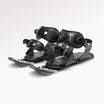
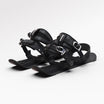
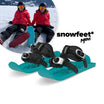
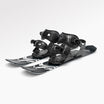
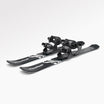
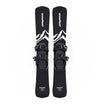
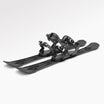
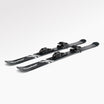
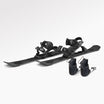
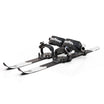
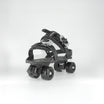
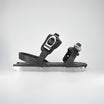
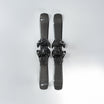
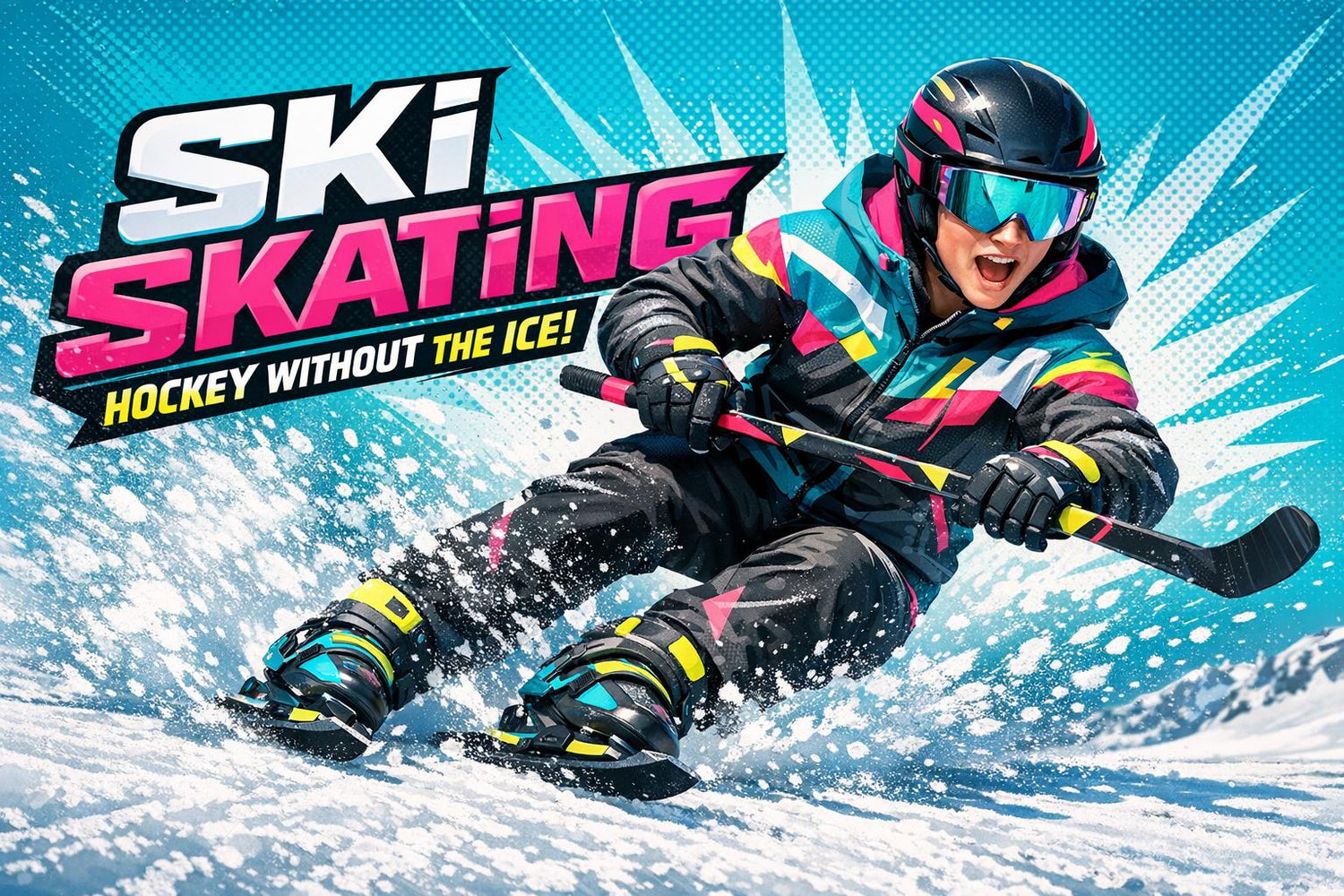
Skiskating brings the speed and agility of hockey to snowy slopes. Using compact skiskates like Snowfeet*, you can skate on snow with the same sideways push and stops as hockey players use on ice. Skiskates are lightweight (as short as 15 inches) and easy to carry, making them a fun, portable alternative to traditional skiing or snowboarding. They work with regular winter boots, cost less than most ski or snowboard setups, and are beginner-friendly - most people pick it up in just 5 minutes.
Why Skiskating Stands Out:
- Compact Gear: Fits in a backpack; no bulky equipment needed.
- Affordable: Starts at $190, compared to $700+ for skiing gear.
- Easy to Learn: Especially for hockey players or inline skaters.
- Versatile: Use on slopes, trails, sledding hills, or your backyard.
Snowfeet* products are durable, designed for packed snow, and perfect for carving, jumps, and quick turns. Whether you’re a hockey player looking to stay active in winter or just want a new way to enjoy the snow, skiskating offers a fresh, fun way to ride.
Why Snowfeet* Products Work Best for Skiskating
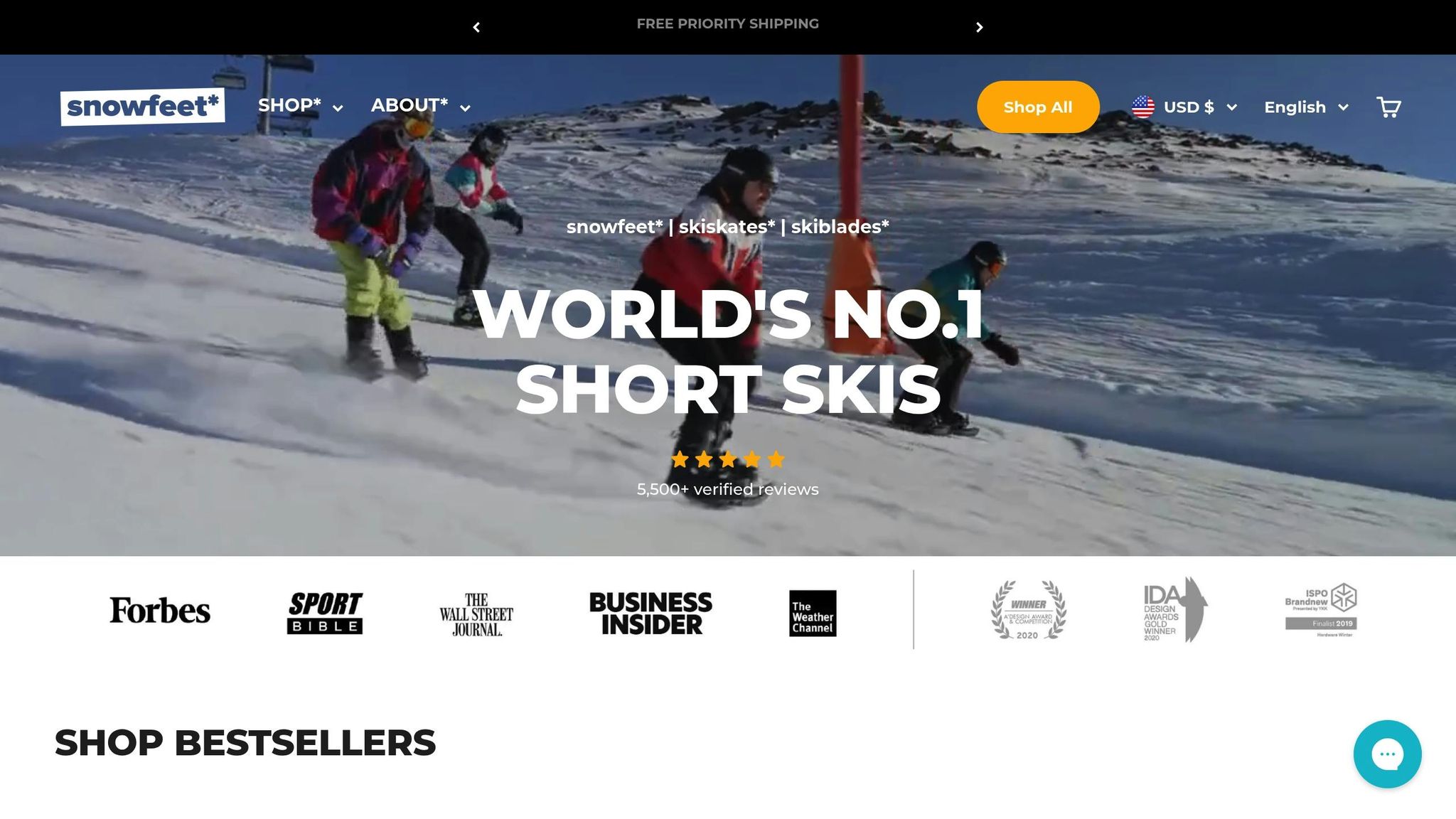
Small Size and Easy to Carry
Say goodbye to lugging around bulky skis and snowboards. Snowfeet* products are designed with portability in mind. Whether it's the 38 cm Mini Ski Skates, 44 cm Skiskates, or 50 cm Ski Skates, they all fit neatly into a standard backpack - no need for roof racks or oversized gear bags. The 44 cm Skiskates, for example, are just 17.3 inches long, making them light enough to carry on your back with ease.
This compact size means you can pack them up, hop on public transportation, and hit the slopes without the hassle of traditional ski equipment. Unlike conventional skis, which can exceed 5 feet in length and require special carriers, Snowfeet* products are lightweight and space-saving. You can explore sledding hills, forest trails, or even your backyard without feeling like you're hauling a construction project. Plus, their portability makes it easy to move from transit to slopes in no time.
Works on Different Terrains
Snowfeet* products excel where traditional skis and snowboards often fall short. Thanks to their sub-20-inch length, they’re perfect for navigating narrow trails, forest paths, and local sledding spots - places that longer gear simply can’t handle. You’re no longer confined to the groomed runs at ski resorts.
One of the standout features? You can use them with your regular waterproof winter shoes or snowboard boots. Forget about those stiff, pricey plastic ski boots that can cost a fortune. This versatility lets you skiskate on resort slopes in the morning and switch to backcountry trails in the afternoon - all without swapping gear. Adjustable bindings accommodate US shoe sizes 6 to 13 (EU sizes 38-47), making them a great fit for everyone in the family. Beyond their versatility, these skates are built tough to handle a variety of conditions.
Built to Last and Perform
When it comes to quality, Snowfeet* products deliver. The 44 cm Skiskates feature a certified sustainable wood core, while the 38 cm and 50 cm models are crafted from fiberglass-reinforced material for extra durability. Plus, they’re all made in Europe. Each pair comes equipped with metal ski edges, similar to those found on high-end ski gear, giving you the precision needed for sharp turns and stopping on icy surfaces.
The numbers speak for themselves: over 50,000 riders worldwide trust Snowfeet*, and more than 5,500 verified reviews give the products an impressive 4.9 out of 5 stars. The brand has earned accolades, including being named an innovation finalist at ISPO, the world’s largest sports equipment trade show, and winning the A’design award. As one happy rider, Nathan F., put it:
"Absolute game-changer! They're light, fast, and incredibly fun to ride."
To keep them performing their best, just wax the base occasionally and dry the metal edges to prevent rust. Unlike traditional skis that require costly tune-ups, Snowfeet* products are easy to maintain at home with basic tools.
How Hockey Players Can Use Their Skills on Snow
Bringing Hockey Skills to Skiskating
If you’ve played hockey, you’re already halfway to mastering skiskating. The motion feels a lot like ice hockey or rollerblading, so picking it up is a breeze. To get started, stick to your usual hockey skating stride - push your legs out to the sides, just like you would on the ice.
Your muscle memory does most of the work here, especially when it comes to stopping. The classic hockey stop translates seamlessly to Snowfeet* skiskates. Simply tilt the edges of the skiskates and shift your weight in the direction you want to go. Thanks to the short base length (under 20 inches), these movements are even quicker and more responsive than traditional skis.
Keep your legs shoulder-width apart, knees slightly bent - just like your hockey stance. But here’s the twist: instead of leaning forward like in skiing, keep your weight centered or slightly back. This positioning helps with sharp turns and keeps you from catching the tips. It’s like taking your hockey skills and giving them a fresh, snowy spin.
Why Skiskating Works for Hockey Players
Skiskating is more than just fun - it’s also a great way to stay in shape during the off-season. It strengthens your legs, builds core stability, and keeps that lateral motion your body already knows so well. You can practice almost anywhere: flat trails, sledding hills, or even your backyard. It’s a solid aerobic workout, kind of like cross-country skiing but with a hockey twist.
What’s great is that you’re not limited to a rink. Forest trails, ski slopes, and snow parks all become your playground. Plus, snow is way more forgiving than ice or concrete, so you can try out tricks and bold moves without worrying as much about hard falls. Many skaters with hockey experience say they pick up the basics in just five minutes. Some even start attempting jumps within half an hour - it’s that intuitive.
Adding a New Dimension to Your Hockey Skills
Skiskating takes what you already know and turns it into a whole new adventure. Instead of just skating laps around a rink, you’re carving down snowy slopes, weaving through trees, and exploring trails. Snowfeet* skates give you incredible agility for quick turns, jumps, and sharp direction changes - things that traditional skis just can’t match.
As the Snowfeet* team puts it:
"The best way to start your ride is to skate like a hockey player."
That’s what makes skiskating so accessible - it feels familiar, yet it opens up a whole new world of possibilities. Whether you’re cruising down groomed slopes or blazing your own path through the backcountry, skiskating lets you enjoy winter in a way that’s both exciting and rooted in the skills you already have.
Snowfeet* & Skiskates Tutorial - How to Become a PRO Skiskater
sbb-itb-17ade95
Skiskating vs. Regular Skiing and Snowboarding
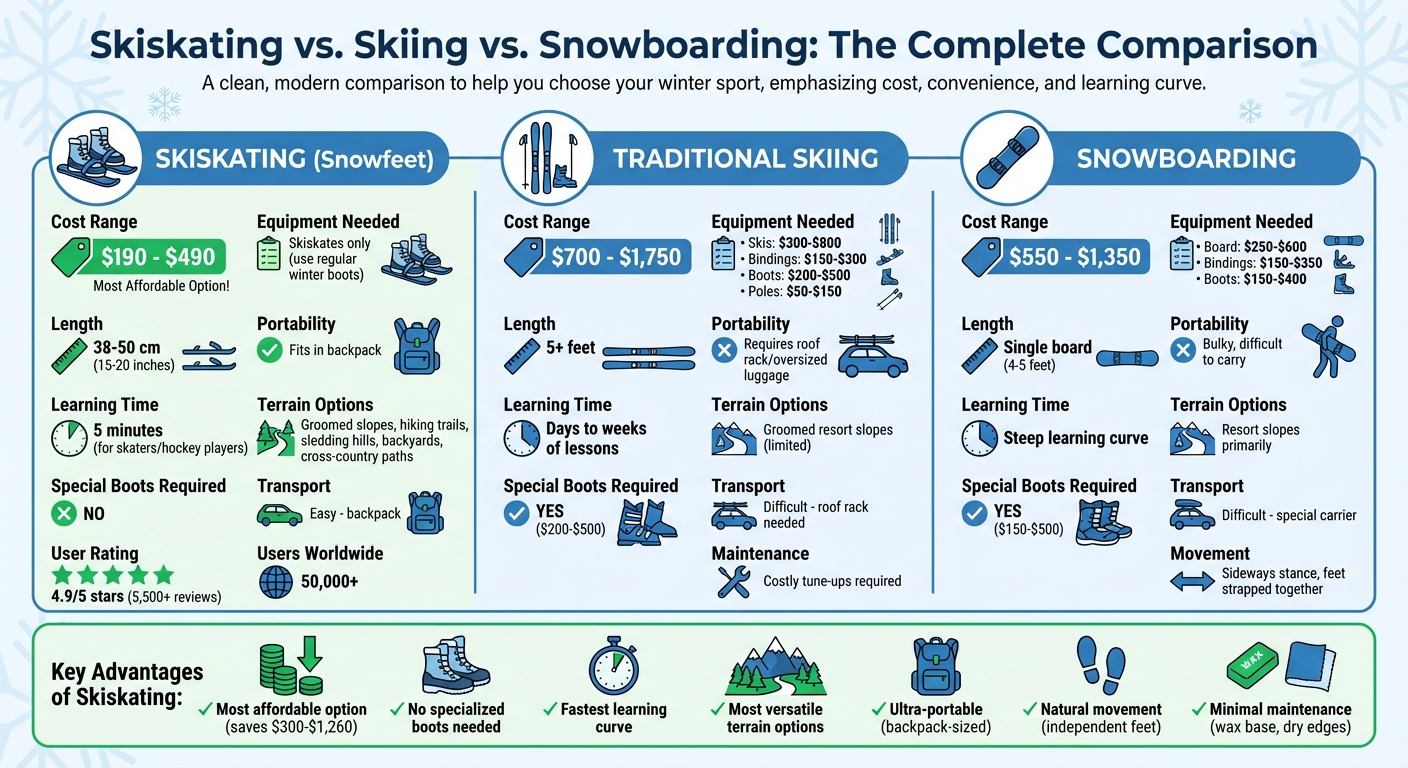
Skiskating vs Traditional Skiing vs Snowboarding Cost and Features Comparison 2026
Let’s dive into how skiskating stacks up against traditional skiing and snowboarding. Spoiler alert: it’s a game-changer in terms of portability, cost, and ease of use.
Skiskating vs. Regular Skiing
Traditional skis are no joke when it comes to size and expense. They’re bulky, often requiring roof racks or oversized luggage to transport. Plus, the price tag for the full setup? Anywhere from $700 to $1,750. And that doesn’t even include lessons or lift tickets.
Enter Snowfeet* skiskates - a compact, wallet-friendly alternative. The 44 cm (about 17 inches) model starts at $490, while the smaller 38 cm (15 inches) mini skates range from $190 to $250. And here’s the kicker: you don’t need to invest in pricey ski boots. Your regular waterproof winter boots or snowboard boots work just fine. As Uncrate puts it:
"Far more portable and affordable than traditional skis or snowboards."
Learning to ski traditionally can take days - or even weeks - of lessons. With Snowfeet* skiskates, most people, especially those with skating or hockey experience, can pick it up in about five minutes. They’re designed to work with your body’s natural movements, offering agility and responsiveness that longer skis just can’t match.
And let’s talk terrain. Traditional skis are mostly limited to groomed resort slopes. Snowfeet* skiskates? They thrive on hiking trails, sledding hills, cross-country paths, and even your own backyard. Suddenly, your winter playground isn’t confined to expensive ski resorts.
Skiskating vs. Snowboarding
Snowboarding has its own challenges - starting with that awkward, sideways stance. It’s not exactly intuitive, and the learning curve can be steep. Plus, you’re strapped to a single board, which makes walking around a hassle. The cost? Between $550 and $1,350 for a basic setup, including specialized boots.
Skiskating, on the other hand, feels natural from the get-go. Your feet move independently, much like walking or inline skating, which makes it easier to learn. Over 50,000 Snowfeet* riders worldwide have embraced this smooth, fluid motion.
Safety is another big plus. Falling while snowboarding can be rough since you’re tethered to a heavy board. With Snowfeet* skiskates, falls are generally gentler, making it a safer option for many.
Cost and Equipment Breakdown
Here’s how the costs compare:
-
Traditional skiing setup:
- Skis: $300–$800
- Bindings: $150–$300
- Boots: $200–$500
- Poles: $50–$150
(Total: $700 to $1,750, not including lift tickets, lessons, or transport gear.)
-
Snowboarding setup:
- Board: $250–$600
- Bindings: $150–$350
- Boots: $150–$400
(Total: $550 to $1,350.)
-
Snowfeet* skiskates:
- 38 cm mini ski skates: from $190
- 44 cm skiskates (wood core): from $490
- 50 cm Snowfeet* PRO: $275
Snowfeet* skiskates don’t require specialized boots and even include free, 3-business-day delivery. Maintenance is minimal: just keep the metal edges dry to avoid rust and wax the base occasionally for better speed.
The value here is pretty clear. You save money upfront, skip the hassle of buying expensive boots, and avoid the need for costly lessons. Plus, you get versatile gear that works in way more situations than traditional skis or snowboards. With over 5,500 verified reviews averaging 4.9 out of 5 stars, it’s no wonder riders rave about the convenience and savings.
How to Start Skiskating
Choosing the Right Snowfeet* Gear
The first step to skiskating is picking the right gear, and Snowfeet* has options for different terrains and skill levels. If you’re new to the sport and planning to explore hiking trails, sledding hills, or even your backyard, the 38 cm mini ski skates are a great choice. These skates are designed to work with regular waterproof winter boots, so you don’t need to buy special footwear. With a stellar 4.9 out of 5-star rating from 2,260 reviews, they’re a popular option. Plus, the Carbon Fiber edition offers a slower, more controlled ride, making it ideal for beginners who want to build confidence.
For those heading to groomed ski slopes or terrain parks, the 44 cm skiskates are the way to go. Built with a sustainable wood core and metal edges, these skates are designed for serious performance, offering responsive carving and speed. They do require ski boots or snowboard boots for a secure fit, but the payoff is worth it. As Zbyněk, the founder of Snowfeet, says:
"In my opinion, Skiskates is the best product for slopes we developed so far. I love how easy they are to ski and skate and how many different kinds of tricks I can perform without much effort."
With a perfect 5.0-star rating from 111 reviews, the 44 cm skiskates are especially suited for those with skating or hockey experience.
Both options are compact enough to fit in a backpack and perform best on packed snow. Just make sure your boot size matches the bindings (38 cm: US 6–13; 44 cm: US 4.5–14.5 for ski boots or US 6–14.5 for snowboard boots). Once you’ve got the right gear, you’re ready to learn the basics.
Mastering Basic Skiskating Techniques
Start on flat, packed snow to get the hang of skiskating. Stand with your legs shoulder-width apart, keep your knees bent, and distribute your weight evenly. Avoid leaning too far forward onto your toes.
To move, mimic the motion of hockey skating by pushing your legs out to the sides. To stop, angle the edges of your skates outward and shift your weight evenly. If stopping feels tricky at first, the integrated heel brake can help you slow down. For turning, tilt the skates onto their edges and guide your body in the direction you want to go.
Before hitting the snow, adjust your bindings at home using a screwdriver to ensure a snug fit. Regular maintenance is key - wax the bases to keep them gliding smoothly and prevent snow from sticking. After each session, dry the metal edges to avoid rust.
Once you’re comfortable with the basics, you’ll be ready to explore exciting terrains and take your skills to the next level.
Top Spots for Skiskating
Snowfeet* skates shine on groomed slopes and packed snow. Terrain parks are perfect for trying tricks and jumps, thanks to their smooth surfaces and open space. Hiking trails are another great option - carry your 38 cm mini skates in your backpack for the hike up, then strap them on for an exhilarating ride down.
For casual fun, check out local sledding hills or even your backyard. These spots are especially convenient when using regular winter boots. Cross-country paths can also be enjoyable, but steer clear of deep powder since these skates aren’t built for it. If you’re planning to visit a resort, most allow skiskates because of their metal edges, but it’s always a good idea to double-check beforehand.
Start on flat or gentle terrain to build your balance and stopping skills. Once you feel confident, gradually move to steeper slopes to challenge yourself and enjoy the thrill of skiskating.
Conclusion
What Makes Skiskating Different
Skiskating blends the high-energy vibe of hockey with the thrill of skiing. Imagine the fast, sharp movements of ice skating paired with the freedom to glide across snowy terrain. Whether you're carving up groomed slopes, hitting terrain parks, exploring hiking trails, or even zipping around your backyard, skiskating offers a fresh twist on winter fun. Snowfeet* products are designed to be compact and nimble, making it easy to pull off jumps, spins, and tricks. For hockey players, the transition feels natural - you're using the same sideways push and even pulling off a classic hockey stop, but now it's on snow instead of ice. And the best part? You can get the hang of it in just five minutes. That quick learning curve is one of the reasons Snowfeet* stands out.
Why Choose Snowfeet* for Winter Fun
Snowfeet* takes winter sports to a whole new level by offering something traditional skis and snowboards can't: portability, versatility, and ease of use. With a growing community of over 50,000 riders worldwide and more than 5,500 glowing reviews averaging 4.9 out of 5 stars, the buzz is real. Whether you're looking for the 38 cm mini skis for laid-back fun or the 44 cm Skiskates for tackling serious slopes, you're getting gear that’s been recognized on the global stage - like being an ISPO innovation finalist and an A'design competition winner. Built for durability and starting at just $250, Snowfeet* gear is a wallet-friendly option that lets you skip the hassle of expensive lift tickets and bulky equipment. It’s like bringing the excitement of hockey to the snow, minus the rink. So, if you're ready to shake up your winter adventures, Snowfeet* makes it easy to dive in. These features are what make Snowfeet* a game-changer in the world of winter sports.
FAQs
How does skiskating compare to traditional skiing in terms of cost and learning curve?
Skiskating with Snowfeet products offers a fun and budget-friendly alternative to traditional skiing. For starters, the pricing is much more approachable. Snowfeet Mini Skis are priced at $140, the 44 cm Skiskates come in at $330, and the PRO model costs $230. Compare that to traditional ski gear, where a full setup - skis, bindings, boots, and poles - can set you back anywhere from $800 to $1,500+.
But it’s not just about saving money. Skiskating is also way easier to pick up. Forget mastering tricky techniques like edge control or perfecting weight distribution - Snowfeet gear is designed with simplicity in mind. It’s lightweight, clips right onto your regular winter shoes, and doesn’t require any complicated adjustments. After a quick intro, you’ll be gliding down the slopes in no time. It’s a fast, exciting way to enjoy winter sports without the steep learning curve or wallet-draining costs of traditional skiing.
Can I use regular winter boots with Snowfeet skiskates?
No, Snowfeet skiskates are made to work exclusively with ski or snowboard boots. However, if you’re looking at Snowfeet Mini Skis (either the 38 cm or 50 cm models), you can use them with regular winter boots. For the 44 cm skiskates, though, ski or snowboard boots are a must to ensure they fit properly and perform as intended.
This setup guarantees you’ll have the right mix of control, stability, and comfort to fully enjoy the excitement of skiskating on snow.
What are the best places to use Snowfeet skiskates?
Snowfeet skiskates are at their best on well-maintained snow surfaces like groomed slopes, ski trails, and terrain parks. With their compact size - offered in 17-inch and 15-inch lengths - they’re built for quick, skate-like turns and smooth control, making them a blast on these types of terrain. They’re also a great option for flat areas like backyards or small hills, giving you an easy and fun way to enjoy the snow.
If you're looking for a bit more stability, the 20-inch PRO model is the way to go. That said, all Snowfeet skiskates are designed for packed snow rather than deep powder or steep, ungroomed terrain. Compared to traditional skis or snowboards, these skates are lightweight, portable, and simple to use - perfect for hockey fans who want to bring the fast, dynamic energy of skating onto the snow.











Leave a comment
This site is protected by hCaptcha and the hCaptcha Privacy Policy and Terms of Service apply.