



















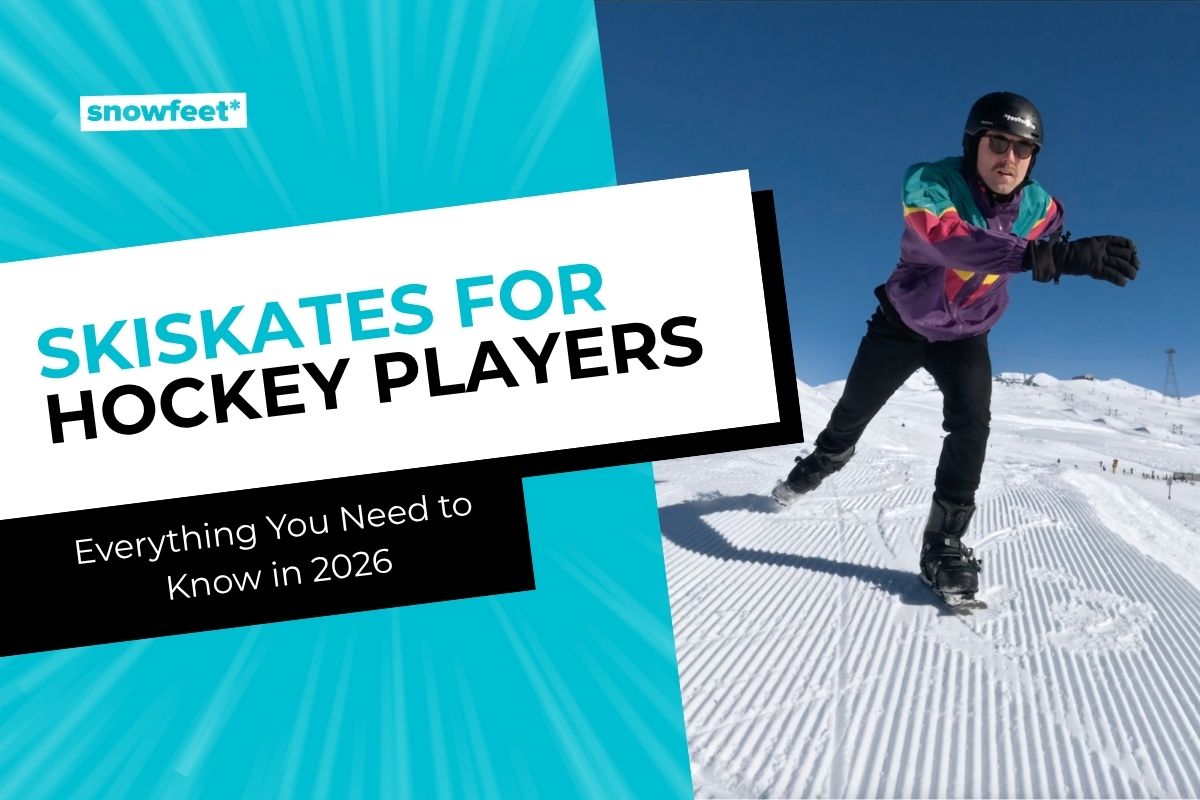
Quick Summary:
Snowfeet* Skiskates are compact, 44 cm ultra-short skis that let hockey players mimic ice skating mechanics on snow for effective off-season cross-training. Compatible with ski or snowboard boots, their lightweight, backpack-friendly design utilizes a wood core and steel edges to deliver a full-body workout that builds balance, agility, and explosive power through natural hockey stops and quick turns on groomed slopes, trails, or backyards.
Skiskates are the perfect off-season training tool for hockey players in 2026. These ultra-short skis (just 44 cm long) let you mimic ice skating on snow, making them ideal for practicing edge control, quick turns, and hockey stops. Lightweight and compact enough to fit in a backpack, they’re easy to carry and use on slopes, trails, or even your backyard.
Why hockey players love them:
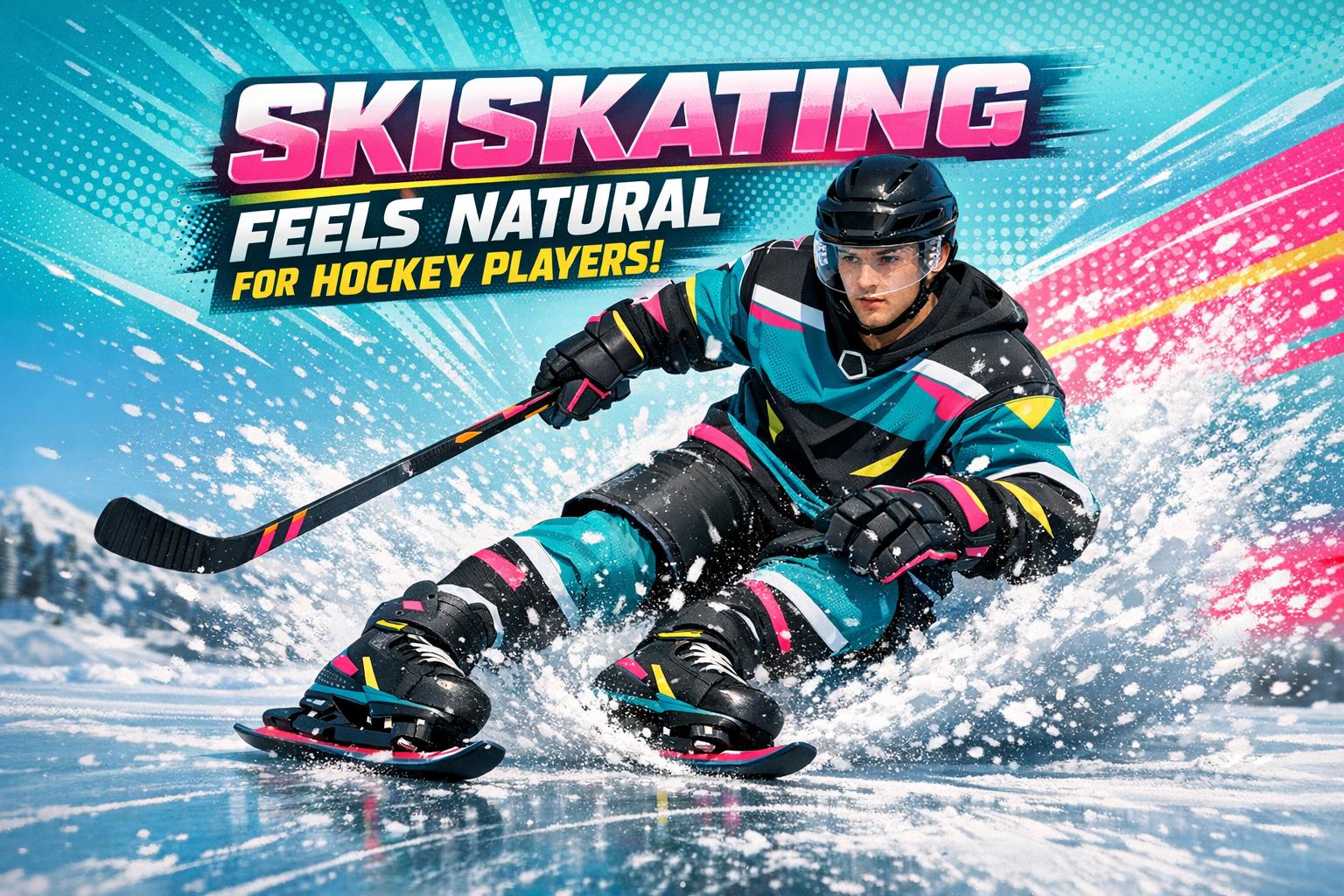
- Ice-to-snow skill transfer: Skiskates feel natural for hockey players, with movements like stops and pivots matching on-ice techniques.
- Full-body workout: They strengthen legs, core, and stabilizers while improving balance and explosive power.
- Convenience: Use them with snowboard or winter boots and train almost anywhere.
- Durable design: Built with a wood core and steel edges for sharp turns and control.
With a price starting at $550 for the pro model, Snowfeet Skiskates are a great way to stay sharp during winter while having fun on the snow. Ready to skate the slopes? Let’s dive in.
 Product Link: SNOWFEET* 44 CM | SKISKATES | SNOWBLADES SKIBOARDS MINI SKIS
Benefits of Snowfeet* Skiskates for Hockey Training
How Hockey Skills Transfer from Ice to Snow
Snowfeet* Skiskates make transitioning hockey skills from the ice to snow feel almost effortless. Their compact 44 cm (17.3-inch) length demands the same front-to-back balance you'd use in a hockey game. Quick pivots, tight crossovers, and rapid direction changes? They all feel second nature.
"You have to keep the front-back balance, so it feels very natural to those who play ice hockey, ice skate, or even use inline skates." - Snowfeet*
Stopping is just as familiar. You can pull off a hockey stop to control your speed using the same mechanics you've mastered on the ice. Unlike traditional skis, which require learning carving or snowplow techniques, Snowfeet* Skiskates let you rely on the skills you already have. In fact, many hockey players report feeling comfortable within just five minutes of strapping them on for the first time. This seamless skill crossover also turns every session into a solid workout, building strength and endurance while honing your technique.
Physical Conditioning and Cross-Training Benefits
Using Snowfeet* Skiskates isn’t just fun - it’s a full-body workout tailored for hockey players. They target key muscle groups like your legs, core, and stabilizers while emphasizing lateral movements essential for the game. Balancing on these skiskates strengthens your ankles, quads, and hip flexors while building explosive power for those quick starts and stops. Plus, the compact design allows you to skate uphill, turning even small slopes into a high-intensity cardio session that mirrors the pace of a hockey game.
Think of it as hockey drills - but in a more dynamic and challenging environment. It’s a refreshing alternative to repetitive gym routines, helping you build endurance and agility. With over 50,000 riders worldwide and an impressive 4.9 out of 5 stars from more than 5,500 verified reviews, Snowfeet* Skiskates have earned their reputation as a trusted cross-training tool for athletes who take their conditioning seriously.
Easy to Carry and Store for Busy Athletes
Convenience matters, especially when your schedule is packed with practices, games, and workouts. Snowfeet* Skiskates are lightweight and compact, easily fitting into a standard backpack. No need for roof racks or oversized gear bags - they’re small enough to toss into your gym bag along with your hockey equipment.
This portability means you can train almost anywhere: sledding hills, hiking trails, or even your backyard after a fresh snowfall. They’re compatible with regular winter boots or snowboard boots, so you can gear up and get moving in minutes. For athletes juggling busy schedules, this level of convenience makes staying sharp off the ice a whole lot easier.
Key Features of Snowfeet* Skiskates for Hockey Players
Construction Materials and Durability
Snowfeet* Skiskates (44 cm) are built with a professional-grade wood core and cap construction, much like top-tier skis. Unlike lighter recreational models made with fiberglass, these skiskates are designed for serious performance. They feature high-quality steel edges, similar to full-length skis, which offer the grip needed for sharp cuts and quick hockey stops on packed snow or icy surfaces. The sintered graphite base boosts speed and ensures smooth gliding, making rapid edge control effortless - perfect for the quick movements hockey players rely on. To handle intense drills and high-speed turns, the skiskates are reinforced with durable layers and topped with a protective sheet.
"I used to play ice hockey so Skiskates are perfect for me. It's exactly like ice skating on snow." - Giovanni, Italy
These construction features work seamlessly with advanced binding systems, ensuring the performance hockey players demand.
Boot Compatibility and Binding Options
The 44 cm Skiskates are specifically designed to work with ski or snowboard boots, providing the rigid ankle support needed for precise control during hockey-style movements. Two binding options are available: ski boot bindings for maximum stability and tight edge control, or snowboard boot bindings, which offer more flexibility for those who want to mix in tricks and jumps. For hockey players, ski boot bindings are often the go-to choice, as they provide the precision and speed necessary for aggressive stops and fast maneuvers.
Snowfeet* Product Options for Hockey Players
Snowfeet* offers a range of models tailored to different needs, ensuring hockey players can find the right fit. The 44 cm Skiskates, priced at $550, are designed for professional-level performance. With their sustainable wood core and sintered graphite base, these skiskates are ideal for ski slopes and snow parks, offering the speed and edge control that mimic ice skating.
For those looking for more casual options, Snowfeet* also offers Ski Skates (50 cm) starting at $299. These models feature a fiberglass-reinforced polyamide core, making them durable and great for recreational use on hiking trails or sledding hills. However, for hockey players seeking intense cross-training, the 44 cm Skiskates remain the top choice.
Snowfeet* & Skiskates Tutorial - How to Become a PRO Skiskater
sbb-itb-17ade95
Maneuverability and Learning Curve
Traditional skis, which can be 5 to 6 feet long and weigh several pounds, often feel cumbersome - especially for hockey players accustomed to quick, sharp movements on the ice. Enter Snowfeet* Skiskates. At just 17 inches (44 cm) long, they ditch the bulk and allow for a skating motion that feels natural, like pushing, gliding, and pivoting on ice skates.
Hockey players can adapt to Snowfeet* in about 5 minutes. Why? Many of the techniques - like hockey stops, balancing front to back, and skating up small inclines - are second nature to them. Compare that to traditional skis or snowboards, which can take days or even weeks of lessons to master basics like snowplow stops, parallel turns, or carving.
"I never skied before but I Inline-skate my whole life. So I hoped for something similar in snow and this absolutely nailed it."
- Falk, Verified User
Snowfeet* also make flat terrain or gentle hills a breeze. You can skate across them, much like on ice, while traditional skis often require awkward techniques like side-stepping or herringbone climbs. As one user, Sophia Kane, put it:
"I hate getting stuck on a hill in skis because they're so long and bulky. Since these are shorter, you can just skate right up."
- Sophia Kane, Verified User
This agility naturally sets the stage for how Snowfeet* shine across different terrains.
 Product Link: SNOWFEET* 44 CM | SKISKATES | SNOWBLADES SKIBOARDS MINI SKIS
Terrain Types and Use Cases
Snowfeet* Skiskates excel on groomed slopes, snow parks, hiking trails, and even backyard hills - essentially anywhere with packed snow or a firm surface. They’re not ideal for deep powder, as their smaller surface area can cause sinking. Traditional skis and snowboards, with their larger surface areas, handle deep snow better. However, navigating tight spaces or tree-lined runs on a snowboard still requires more technical skill.
For hockey players, terrain isn’t as big of a factor. These athletes often prioritize quick sessions to practice edge control, balance, and explosive movements rather than hunting for fresh powder. Snowfeet* are portable enough to throw in a backpack and use on a nearby sledding hill or small slope, while traditional skis usually require roof racks or large gear bags for transport.
Pros and Cons for Hockey Players
| Feature | Snowfeet* Skiskates (44 cm) | Traditional Skis | Snowboards |
|---|---|---|---|
| Learning Curve | 5 minutes for hockey players | Days to weeks; lessons often needed | Days to weeks; steep initial challenge |
| Motion Style | Skating motion similar to hockey | Carving and gliding | Side-to-side carving |
| Portability | Fits in a backpack | Requires a roof rack or large bag | Requires a large gear bag |
| Stopping Method | Hockey stop | Snowplow or parallel turn | Edge carving or sliding |
| Weight & Length | 17 inches; lightweight | 5–6 feet; heavy | 4.5–5.5 feet; moderate |
| Footwear | Works with winter or snowboard boots | Specialized, stiff ski boots | Standard snowboard boots |
| Terrain | Groomed slopes, parks, trails, backyards | All-mountain; excels in powder | All-mountain; similar to traditional skis |
| Price Range | Around $550 (44 cm model) | $400–$1,200+ with bindings | $300–$900+ with bindings |
| Uphill Mobility | Can skate up small hills | Often requires side-stepping | Stuck; must remove board |
The standout benefit for hockey players? Skill transfer. Everything you’ve mastered on the ice - like balance, stops, and quick pivots - translates directly to Snowfeet* Skiskates. In contrast, traditional skis and snowboards demand completely new movement patterns and techniques. With over 50,000 riders and a 4.9/5 rating, it’s clear that sometimes, less really is more.
Getting Started with Snowfeet* Skiskates
Choosing the Right Snowfeet* Skiskates Setup
If you're a hockey player looking to hit the slopes, Snowfeet* Skiskates offer some great options depending on your goals. For beginners, the 50 CM Ski Skates ($299) provide extra stability, making them a solid choice for learning the ropes. Meanwhile, the 44 CM Skiskates (starting at $550) are built for speed and performance. These come with a wood core, making them perfect for groomed slopes. They handle like inline skates on snow, letting you pull off quick turns and tricks similar to what you'd do on ice.
When it comes to boots, snowboard boots are ideal for comfort and better control during tricks, while ski boots are perfect for more aggressive riding.
"If you are normally a skier get the SKISKATES. They have no ribs and feel more like skis... if you are a blader or rollerskater get [Snowfeet]."
- Logan @xskyskaterx, Pro Skater
Before heading out, adjust your bindings at home with your chosen boots. This ensures a secure and comfortable fit, so you're ready to focus on skating rather than fiddling with your gear.
 Product Link: SNOWFEET* 44 CM | SKISKATES | SNOWBLADES SKIBOARDS MINI SKIS
Basic Skiskating Techniques for Beginners
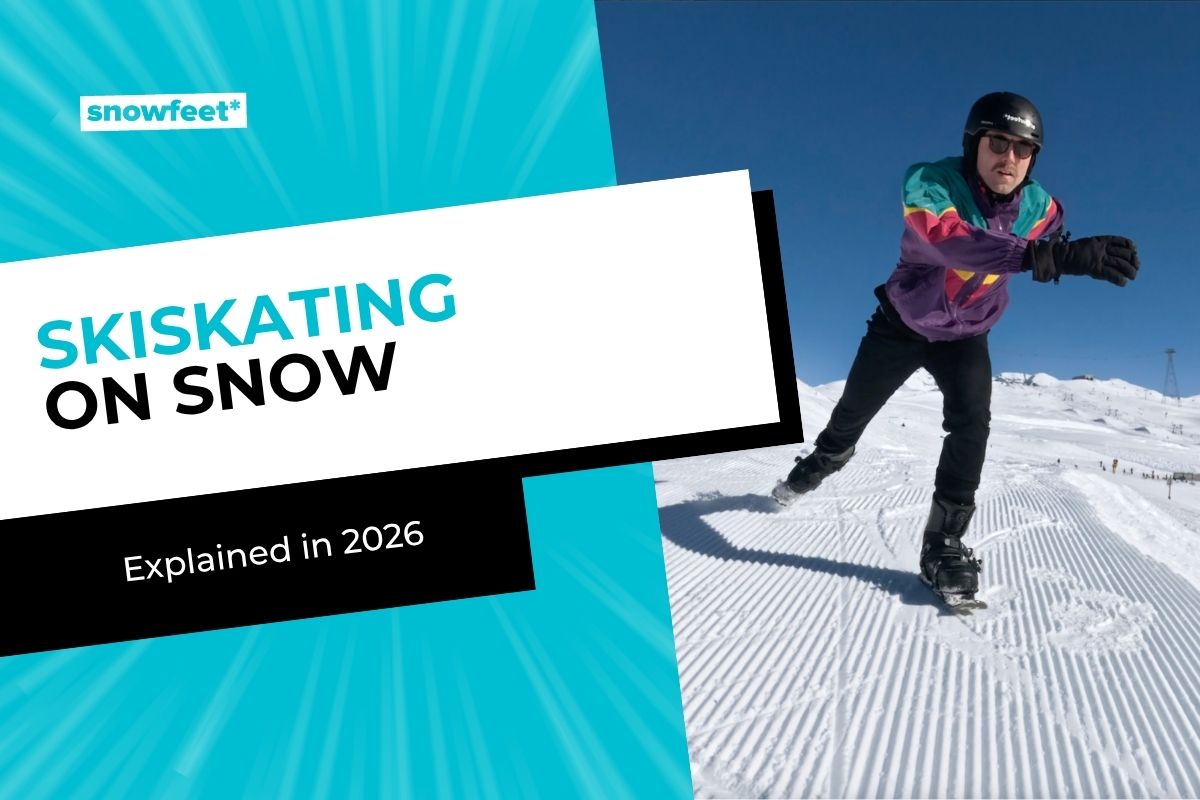
If you’re transitioning from hockey to skiskating, you’ll find the basics pretty familiar. The easiest way to get started is to skate just like you’re on ice. Keep your stance shoulder-width apart, knees slightly bent, and lean forward to maintain balance without tipping onto your toes.
"The best way to start your ride is to skate like a hockey player."
- Snowfeet Team
Stopping is straightforward with a hockey stop - shift your weight evenly and push the metal edges sideways. For more gradual slowing, use the built-in heel brake. When it comes to turning, point the tips of your skates inward and apply pressure to the edges.
Flat terrain or gentle slopes are a breeze - just skate straight up without needing to side-step or use the herringbone technique that’s common with traditional skis.
Safety Tips and Gear Recommendations
To stay safe and comfortable, pick waterproof boots with strong ankle support. Snowboard boots are your best bet for groomed slopes, while quality winter shoes work well for sledding hills or hiking trails. Stick to groomed snow parks and trails, avoiding deep powder (anything over 4 inches), steep terrain, or icy, bumpy runs.
Make sure to keep your metal edges sharp - either tune them yourself or take them to a shop. Dull edges can make stopping tricky and compromise your control. Also, steer clear of cheap knockoffs. These often lack proper metal edges, making them prone to breaking and increasing the risk of injury.
Most ski resorts welcome Snowfeet*, thanks to their standard metal edges, which meet the same safety requirements as regular skis. If anyone questions your gear, just explain that it’s built to the same standards. With over 50,000 riders giving Snowfeet* a glowing 4.9/5 rating, you’re in good company.
Conclusion
For hockey players wanting to stay sharp in the off-season or just embrace winter in a fresh way, Snowfeet* Skiskates bring an exciting option to the table in 2026. Their movement patterns closely mimic ice hockey techniques - think side push-offs and hockey stops - making them feel instantly familiar on the snow. This seamless transition from ice to snow makes them a standout choice for hockey enthusiasts.
What really makes Snowfeet* special is their versatility. You can glide down groomed slopes, explore hiking trails, zip down sledding hills, or even carve turns in your own backyard. With models designed for beginners and pros alike, there’s something for every skill level. Plus, they’re compatible with snowboard boots, ski boots, or even regular waterproof winter boots, so you’re not stuck with pricey, rigid ski boots.
Snowfeet* transforms off-ice training into a winter adventure that mirrors the precision and agility of hockey. Whether you’re looking to improve your skills or simply enjoy a new way to play in the snow, these Skiskates offer a level of freedom and adaptability that traditional skis and snowboards just can’t match.
Check out the Snowfeet* lineup, find your perfect fit, and gear up for a winter training experience like no other!
FAQs
How can Skiskates help hockey players improve their off-season training?
Skiskates are a fantastic tool for hockey players who want to keep their skills sharp during the off-season. These mini-skis are lightweight and portable, designed to attach to your regular winter boots. They let you practice skating-like movements right on the snow, helping you work on agility, quick turns, balance, and even build leg strength and endurance.
What sets Skiskates apart from traditional skis or snowboards is their compact design and ease of use. They’re an ideal option for cross-training, as they replicate the fast, dynamic movements of hockey. This means players can stay in top form and even boost their performance, all while having fun outside - no ice rink required.
Are Skiskates a good option for beginners with no skiing experience?
Yes, Skiskates are a fantastic option for beginners, even if you’ve never set foot on a ski slope before. They’re lightweight, easy to handle, and way more maneuverable than traditional skis, which makes them perfect for easing into snow sports.
Thanks to their shorter length and clever design, the learning process feels less intimidating. You can spend more time enjoying yourself and gaining confidence instead of struggling with bulky equipment. And the best part? They’re versatile enough for casual fun or building your skills, offering a simple, no-fuss way to dive into skiing without the hassle of traditional gear.
Why are Skiskates more practical than traditional skis or snowboards?
Skiskates are shaking things up for winter sports fans, and it’s easy to see why. These mini skis are compact, lightweight, and super simple to use. At just 17 inches long and weighing about 3.5 pounds, they’re small enough to toss into a backpack or carry around without breaking a sweat - kids included. Unlike traditional skis or snowboards that demand a whole checklist of gear like bindings, poles, or special boots, Skiskates strap right onto your regular winter shoes or snowboard boots. Talk about convenience for your next snowy adventure!
On top of being portable, Skiskates won’t drain your wallet. Starting at roughly $299, they’re way more affordable than a full ski or snowboard setup. Don’t let their size fool you, though. These little guys pack a punch when it comes to performance, offering smooth downhill glide and sharp turn control. Hockey players, in particular, might love them as a way to sharpen their agility and quick-turn skills during the off-season. Whether you’re a seasoned pro or just looking for a fuss-free alternative to bulky winter gear, Skiskates offer a fun and versatile way to hit the slopes.
Editor: Karolina R.
Last Update: September 28, 2026











1 comment
phoenix
Hi,
since these use ski bindings instead of letting your heels lift or your ankles flex like in hockey skates, does the rigid ski/snowboard boot setup make it harder to get low into a proper hockey stride, or do you still get enough ankle bend to practice deep edge work? Thanks for answer.
Leave a comment
This site is protected by hCaptcha and the hCaptcha Privacy Policy and Terms of Service apply.