



















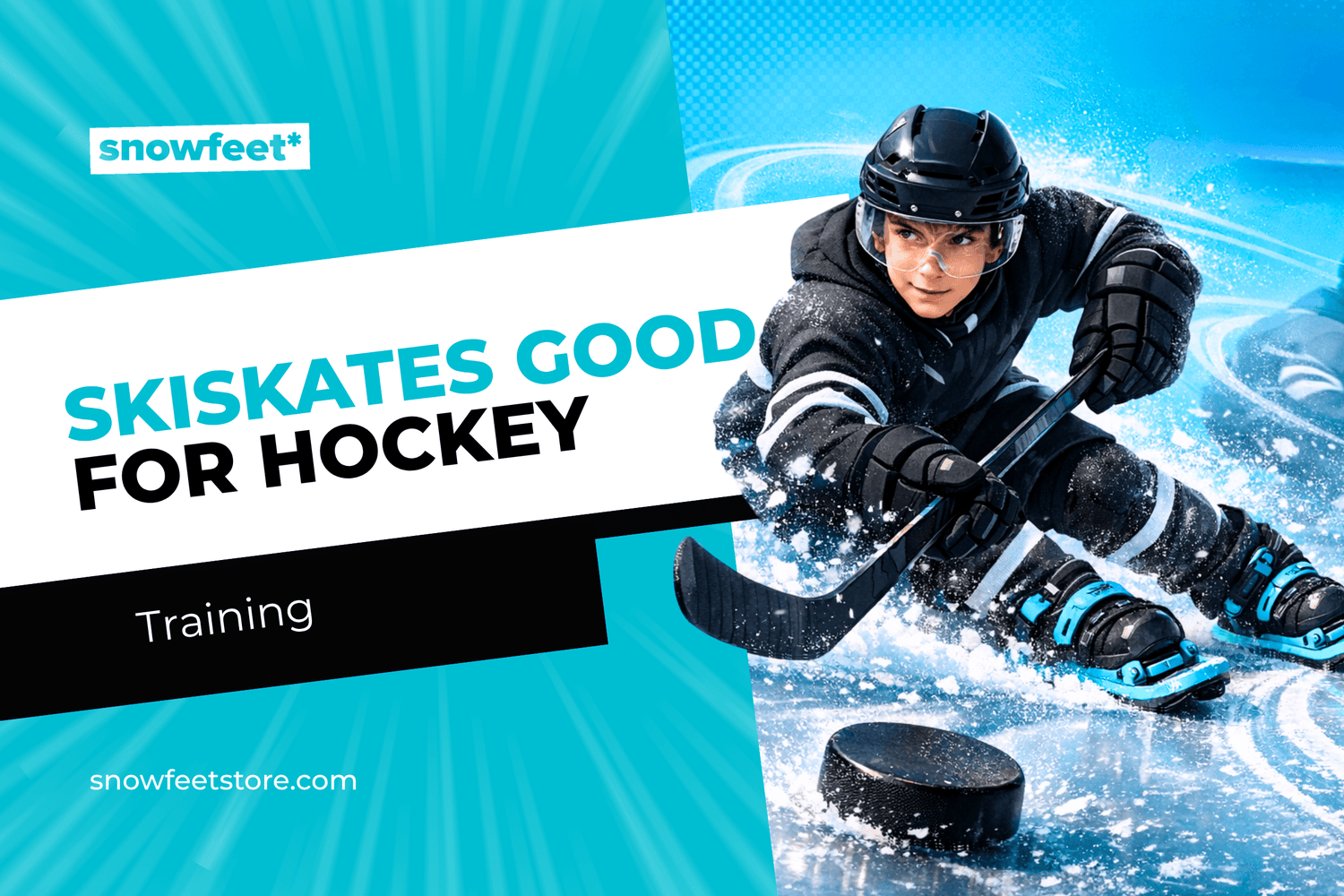
Yes, skiskates are a great tool for hockey training, especially during the off-season. They let you practice skating techniques on snow, helping you stay sharp when rink access is limited. Here's why they work:
- Mimic hockey movements: Skiskates replicate on-ice actions like edge control, quick turns, and weight shifts. Perfect for building muscle memory.
- Boost agility and balance: Their compact size (just 44 cm) makes them ideal for practicing sharp direction changes and improving core stability.
- Strengthen key muscles: They target your quads, hamstrings, glutes, and stabilizers - essential for explosive power and stability on the ice.
- Affordable and portable: Starting at $190, skiskates are budget-friendly and easy to carry, unlike bulky skis or snowboards.
Whether you're practicing in your backyard or a snowy park, skiskates let you stay in game shape without breaking the bank. Ready to give them a shot? :)
How Skiskates Help Hockey Players
Better Agility and Quick Direction Changes
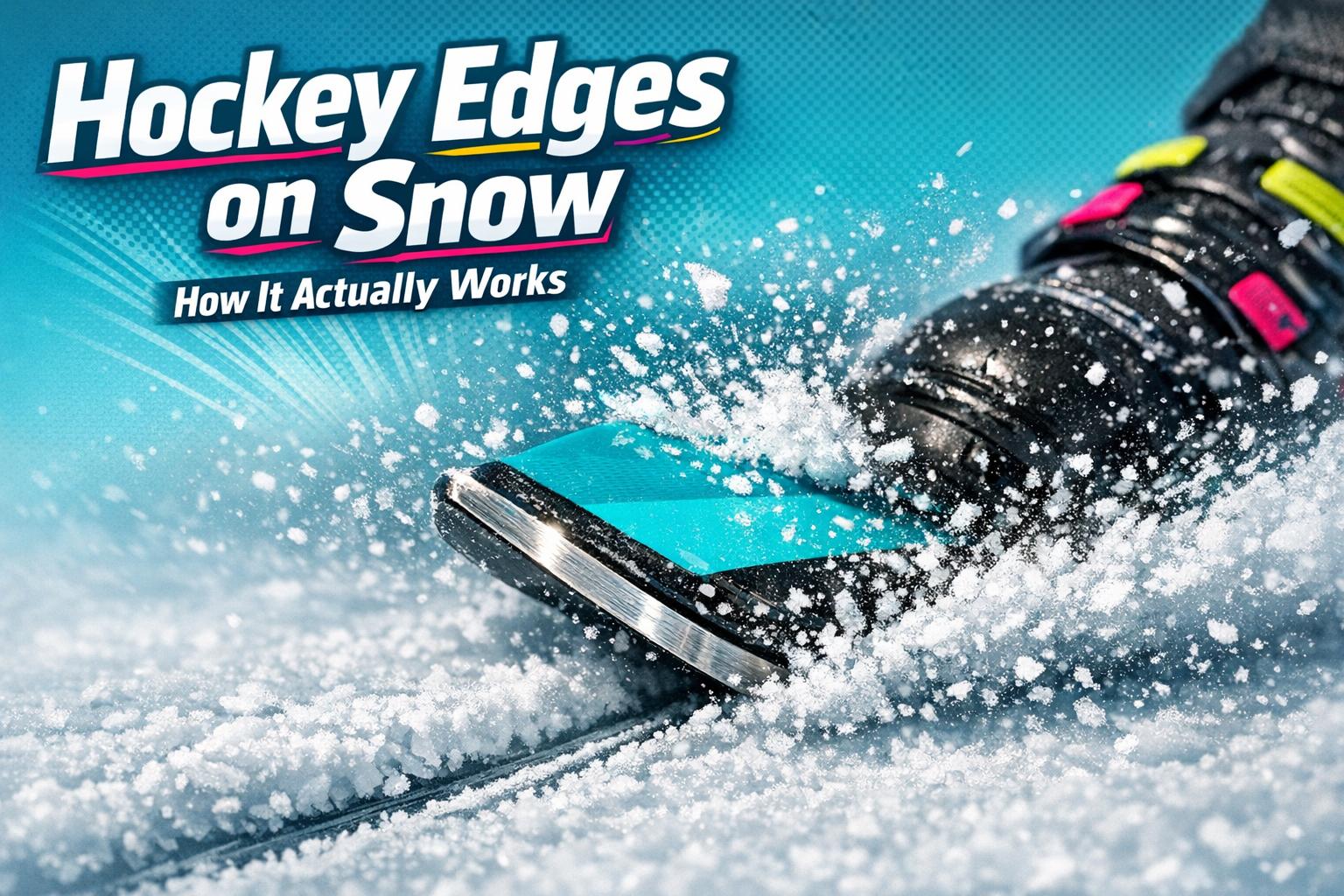
Snowfeet* Skiskates, with their compact 44 cm length, are perfect for quick, sharp movements. Unlike traditional skis that are 5 to 6 feet long, these shorter skates allow for tight turns, fast pivots, and quick directional changes - similar to what hockey players do on the ice. For example, practicing sideways push-offs in a "V" position while rolling your ankles helps build edge control. Coach Jeremy from How To Hockey explains that these drills improve speed, power, and agility by focusing on knee bends and controlled turns. This kind of agility is a game-changer when it comes to performance on the ice.
Stronger Balance and Core Muscles
Using skiskates on snow demands constant weight shifts and single-leg stability, which naturally engages and strengthens your core. TrainingPeaks coach Carrie McCusker highlights how balancing on a single blade while skating translates directly to skiskates, improving both stability and reactive agility. Every push-off and glide works your stabilizer muscles, helping you build the strength required to stay upright during intense hockey games. Plus, skiskating strengthens your legs and core without putting much strain on your joints. These benefits make a noticeable difference when you're back on the ice.
Practicing Ice Skating Movements on Snow
Skiskates aren’t just about agility and balance - they’re also great for fine-tuning your skating technique. Snowfeet* Skiskates mimic the essential mechanics of ice skating, like edge control, weight transfer, and smooth glides. This makes them a great tool for reinforcing muscle memory, especially when ice time is limited. The push-off and glide motions closely resemble on-ice strides, so you can keep your technique sharp even in the off-season. When rink access is tough or ice time gets expensive, a snowy hill becomes a practical and affordable way to stay in peak form.
Edge Work Drills - Level 1 to 100
Snowfeet* Skiskates vs. Traditional Skis and Snowboards
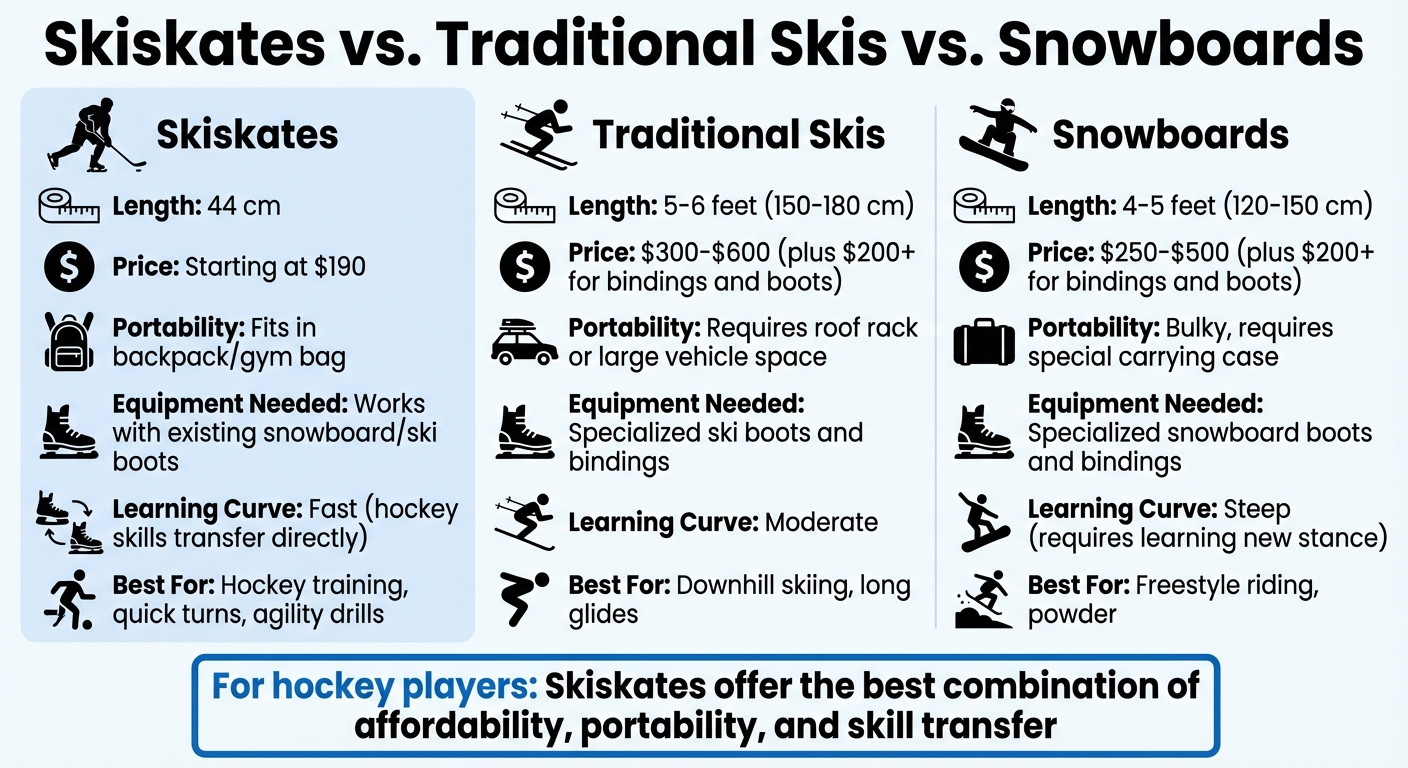
Skiskates vs Traditional Skis and Snowboards Comparison for Hockey Players
Snowfeet* Skiskates stand out with their portability, ease of use, and affordability when compared to traditional skis and snowboards.
Easier to Carry and Store
One of the biggest perks of Snowfeet* Skiskates is their compact size. They’re small enough to fit into a backpack or gym bag, making them much easier to carry around than traditional skis. For hockey players juggling gear for rink time and off-ice training, this portability is a game-changer. Plus, they’re designed to attach to your existing snowboard or ski boots, so there’s no need to invest in extra specialized equipment.
Faster Learning Curve
If you’re a hockey player, you’ve already got an edge - literally. Skills like edge control, balance, and single-leg stability from ice skating make picking up skiskates feel almost second nature. Jeremy from How To Hockey points out that skiskates naturally complement hockey’s emphasis on speed, power, and agility. Carrie McCusker from TrainingPeaks agrees, highlighting how balance skills from ice skating translate seamlessly to skiskates. Many players adapt to skiskates in just a few runs, unlike snowboarding, which requires learning a whole new stance.
Lower Price Point
Snowfeet* Skiskates are also budget-friendly. Starting at around $190, they’re a far more affordable option compared to traditional skis, which typically cost $300 to $600, or snowboards, priced between $250 and $500. And don’t forget, those prices often don’t include bindings and boots, which can tack on another $200 or more. For hockey players looking to stay sharp during the off-season without breaking the bank, skiskates are a practical and wallet-friendly choice.
sbb-itb-17ade95
How to Use Skiskates for Hockey Training
If you're looking to boost your agility and balance for hockey, Snowfeet* Skiskates can be a game-changer. These nifty tools are perfect for off-ice training, helping you sharpen your skills in various snow conditions.
Best Places to Practice
Pick a spot with plenty of open space and a smooth, snowy surface. Think local parks, spacious backyards, or any winter-friendly area where you can move without worrying about obstacles. The key is finding a location that lets you focus entirely on your drills. Training in these kinds of environments can directly improve your on-ice performance.
Off-Ice Drills with Skiskates
Use your skiskates to practice drills that replicate key hockey movements. Work on exercises that emphasize lateral movement, quick changes in direction, and balance. These drills are great for building skills that translate directly to better control and agility during games.
Taking Care of Your Skiskates
To get the most out of your Snowfeet* Skiskates, proper maintenance is essential. Follow the care instructions provided by the manufacturer - regular cleaning and safe storage will keep them in top shape. Before each session, double-check that the bindings and straps are secure. This not only ensures safety but also helps you train with confidence. A little upkeep goes a long way in keeping your skiskates ready for action!
Are Skiskates Good for Hockey Training?
Main Benefits for Hockey Players
Snowfeet* Skiskates are a handy tool for hockey players looking to sharpen their skills off the ice. Their compact design pushes you to work on quick directional changes and precise edge control - key movements for hockey. Coach Jeremy from How To Hockey points out how skiskating mirrors the quick turns and edge pressure used in hockey, while TrainingPeaks coach Carrie McCusker highlights how core strength from hockey complements the stability needed for skiskates.
One big perk? Portability. At just 44 cm long, these skiskates fit right into a backpack - no need for bulky roof racks like with skis or snowboards. And with models starting at $190, they offer an affordable way to stay active while also being easy on your joints. Plus, they help build explosive power, which is crucial for hockey players. This mix of agility, stability, and convenience makes Snowfeet* Skiskates a great choice for off-ice hockey training.
Should You Try Skiskates?
If you're serious about keeping your hockey skills sharp during the winter, Snowfeet* Skiskates are worth considering. They let you practice the same movements you'd use on the ice, even if you can't get to a rink. With a quick learning curve, you can focus on knee bends, edge pressure, and weight shifts to boost your power and control. Whether you're in a park or your backyard, they make off-season training both practical and fun.
FAQs
What boots work with Snowfeet* Skiskates?
Snowfeet* Skiskates are built to pair with snowboard or ski boots that fit seamlessly into their bindings. These bindings are designed to keep your boots firmly in place, giving you the stability and control you need while using them.
Are skiskates safe for beginners on snow?
Skiskates, such as Snowfeet products, are a beginner-friendly option when used responsibly. Their lightweight and easy-to-use design makes it simpler for newcomers to gain balance and control without feeling overwhelmed. Compared to traditional skis or snowboards, skiskates provide more stability, which can lower the chance of falling.
To stay safe, stick to gentle slopes, wear proper protective gear, and practice in controlled areas. This approach will help you build confidence while enjoying the ride.
What hockey drills can I do with skiskates?
Skiskates open up a world of training possibilities for hockey players. Some of the best drills to try include one-foot glides, figure eights, and uphill herringbone steps. These exercises focus on sharpening edge control, balance, and agility - skills that are essential for excelling on the ice.
You can also work on hockey stops, downhill control, and even jumps to fine-tune your maneuverability and reaction time. Skiskates, such as Snowfeet, are lightweight and easy to carry, making them a fantastic tool for off-ice practice. They mimic on-ice movements, helping you improve quick directional changes and overall skating performance when you're away from the rink.











Leave a comment
This site is protected by hCaptcha and the hCaptcha Privacy Policy and Terms of Service apply.