



















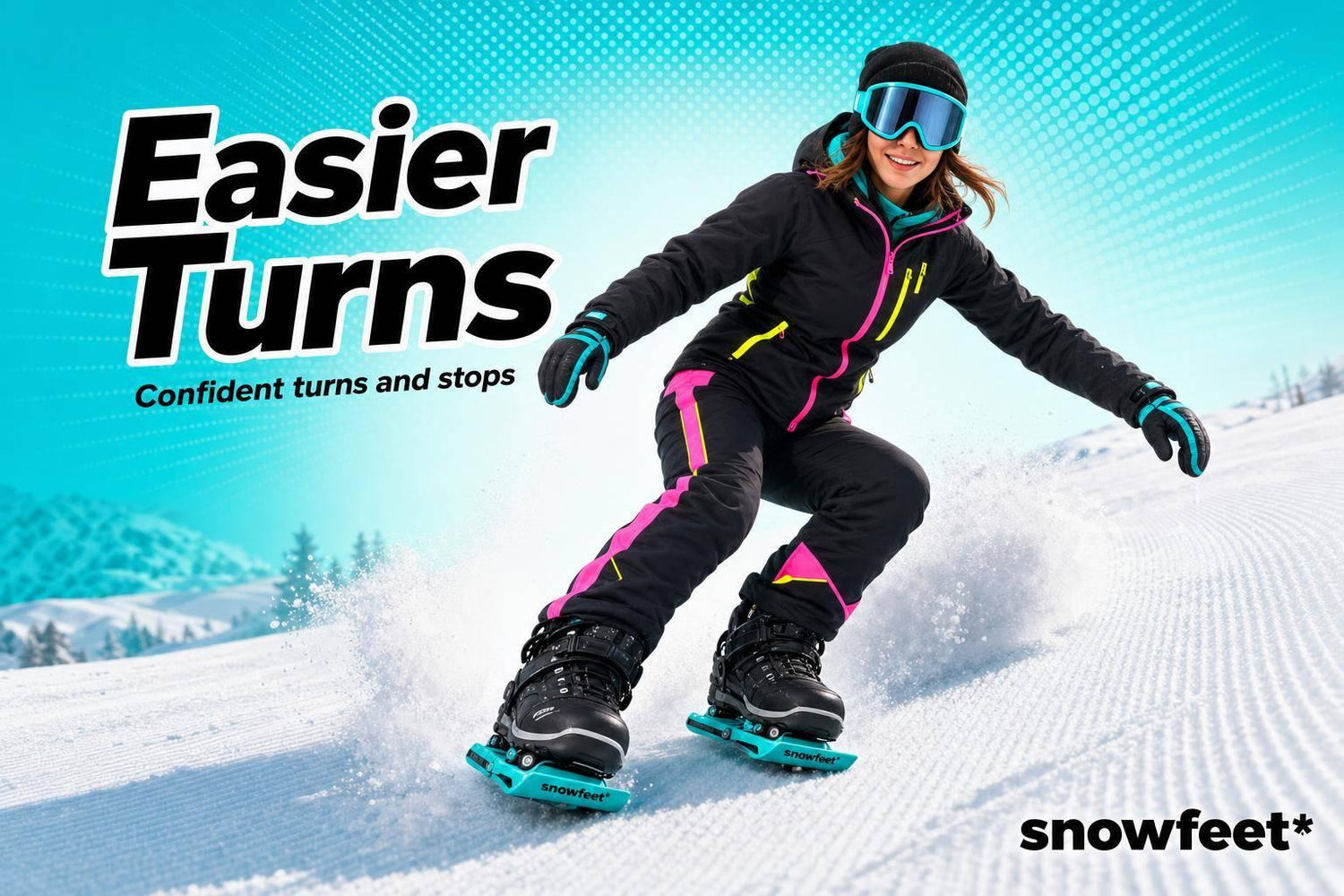
Yes - for most adult beginners, short skis are worth it. If I were helping a new skier pick a first setup, I’d say short skis make the first few days less awkward, less tiring, and more fun.
Here’s the short version:
- Short skis are easier to turn on green and mellow blue runs.
- They feel less intimidating than full-length skis.
- They’re easier to carry and often work with softer, more comfortable boots.
- The trade-off is stability. Once speed goes up, longer skis feel calmer.
- If you want easy learning now, short skis make sense.
- If you want to move straight into standard resort skiing for the long haul, full-length skis may be the better path.
One source cited in the article found that 65–80 cm skis helped adult beginners learn with more control and fewer dropouts than the old long-ski approach. That lines up with what many new skiers want: less fighting the gear, more linking turns.
Short Skis vs. Long Skis: Which Is Best for Adult Beginners?
Short Skis vs. Long Skis
Quick comparison
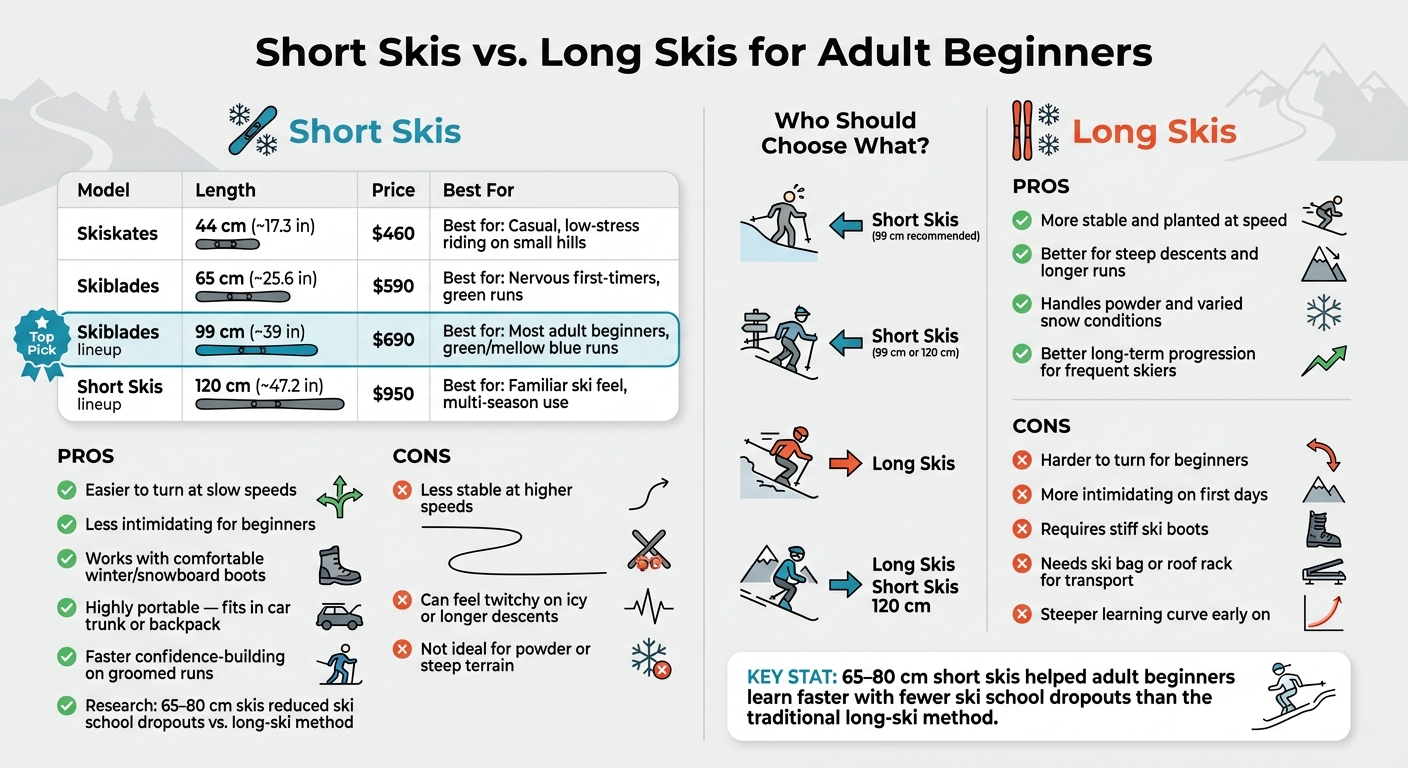
| Option | Best for | Main upside | Main downside | Starting price |
|---|---|---|---|---|
| Snowfeet* Skiskates 44 cm | Tiny hills, low-speed fun | Light and easy to carry | Least stable | $460 |
| Snowfeet* Skiblades 65 cm | Nervous first-timers | Very easy turns | Can feel twitchy faster | $590 |
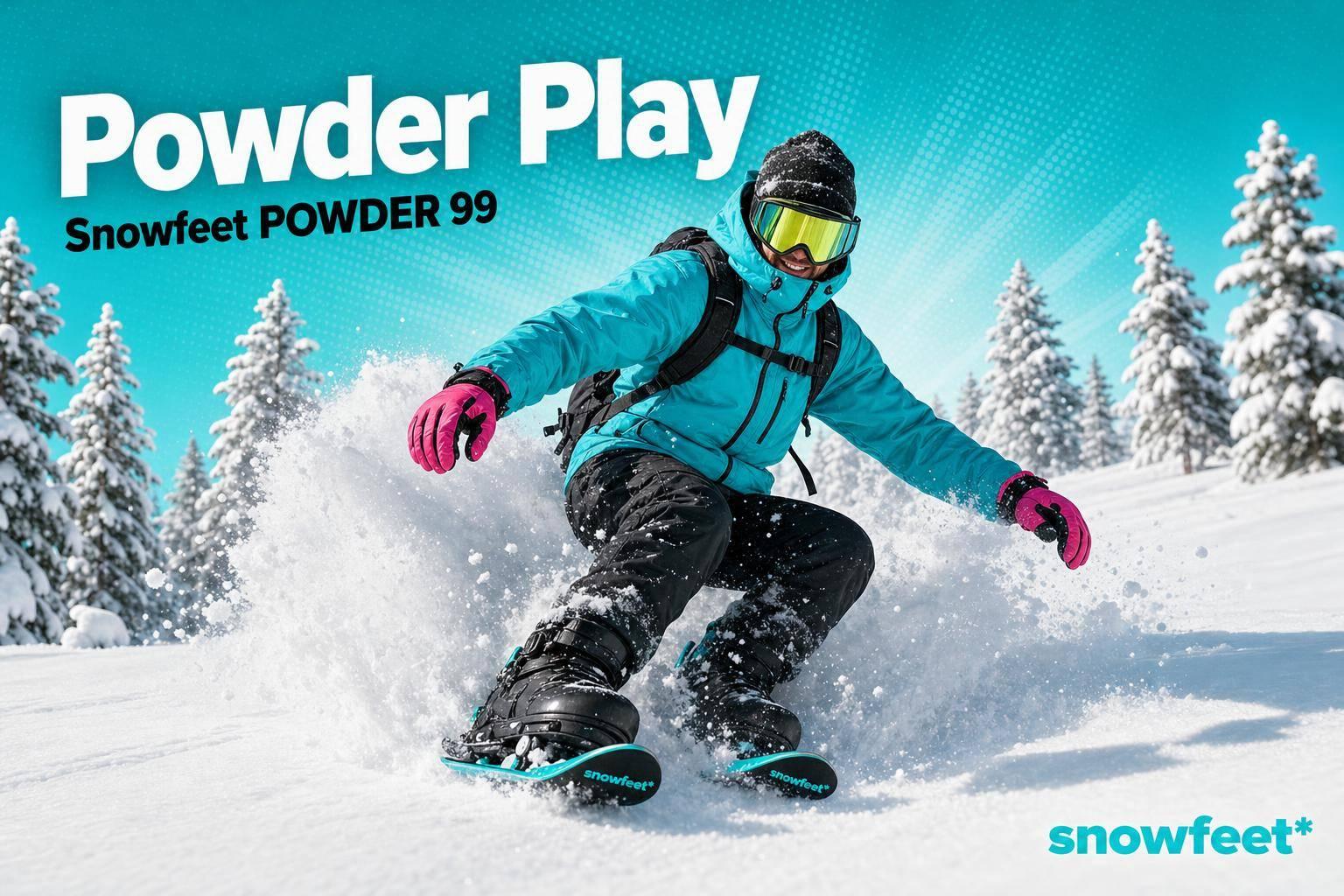
| Snowfeet* Skiblades 99 cm | Most adult beginners | Better balance of control and stability | Less planted than long skis | $690 |
| Snowfeet* Short Skis 120 cm | People who want a more standard ski feel | More support on longer runs | Costs more | $950 |
| Full-length skis | Faster skiing, bigger terrain | More stable at speed | Harder for many beginners at first | Varies |
So, if you ski a few weekends a year on groomed runs, I’d lean short. If you dream of long, fast resort laps and plan to take lots of lessons, I’d lean longer. That’s the whole game: easy control now vs. more stability later.
If you want a safe middle pick, I’d point most adults to the 99 cm skiblades. They hit a nice sweet spot without feeling like mini chaos sticks :)
Are short skis easier for adults to learn on?
For adults picking a first setup, the big win is confidence. And for most adult beginners, shorter skis make that first stretch on snow feel less intimidating. Turns come easier. Stopping feels less awkward. Balance is simpler to find.
Why shorter length usually builds confidence faster
Shorter skis react fast to small movements. That makes turn initiation and speed control feel more natural on beginner terrain. A lot of beginner guides point people toward skis around chin height, or about 4–6 inches shorter than their height, for easier control.
One teaching-method source found that using 65–80 cm skis with adult beginners led to faster, more controlled learning and fewer ski school dropouts than the standard long-ski method. That’s a pretty strong signal. If a ski feels less like a wrestling match, people tend to stick with it.
Snowfeet* Skiblades at 65 cm and 99 cm line up well with that beginner-friendly range. The 65 cm model is the easiest to handle. The 99 cm model gives you a bit more stability without drifting out of beginner territory. That’s part of why Snowfeet* Skiblades land in a nice middle ground for adults in their first season.
Where adult beginners may still struggle on short skis
Shorter skis don’t win in every case. Very short skis can feel twitchy and less planted once speed picks up. They can also feel less steady on longer, icier descents. So, yeah, there’s a clear trade-off: easier learning at slow speed versus less stability as speed goes up.
| Condition | Short skis | Long skis |
|---|---|---|
| Slow speeds on groomed runs | Easier to control and turn | More stable |
| Higher speeds | Less stable, can feel twitchy | More planted and predictable |
That leaves one practical question: at what point does that trade-off stop feeling like a good deal, and when do longer skis start to earn their keep?
sbb-itb-17ade95
Snowfeet* vs. long skis: the real trade-offs
For most adult beginners on groomed green runs, short skis are the easier pick. That matters a lot when your goal is simple: turn, stop, and feel calm on snow without a brutal learning curve.
Turning, stopping, and balance on beginner terrain
On groomed runs, the 65 cm and 99 cm Snowfeet* Skiblades turn faster and are easier to get back under control than long skis. Long skis do feel more planted as speed goes up, but that edge only starts to matter when you're skiing fast enough to need it.
| Factor | Skiskates 44 cm | Skiblades 65 cm | Skiblades 99 cm | Short Skis 120 cm | Traditional Long Skis |
|---|---|---|---|---|---|
| Length | 44 cm (~17.3 in) | 65 cm (~25.6 in) | 99 cm (~39 in) | 120 cm (~47.2 in) | Full-length |
| Stopping control | Different from standard ski braking; best on gentle terrain | Easy on beginner slopes | Easy on beginner slopes | Good control on beginner terrain | More technique required |
| Stability at speed | Low | Low–moderate | Moderate | Moderate–high | High |
| Boot compatibility | Ski or snowboard boots, depending on version | Winter or snowboard boots, depending on version | Winter or snowboard boots, depending on version | Winter or snowboard boots, depending on version | Ski boots |
| Portability | Fits in a backpack | Very easy to carry | Easy to carry | Fits in most trunks | Usually needs a ski bag or roof rack |
So, yeah, there’s a trade-off. Short skis feel easier and less demanding on mellow terrain. Long skis give you more calm at higher speed. For most first-timers, that second part just isn’t the main issue on day one.
That trade-off also spills into comfort and portability, and that stuff matters more than people think.
Boots, comfort, and portability in everyday use
Snowfeet* works with more comfortable boot options and is easier to haul around. That’s a big deal if you’re not thrilled about clomping around in stiff ski boots before you even touch the snow.
The 44 cm Skiskates fit in a backpack. The 65 cm and 99 cm Skiblades slide into a car trunk with no drama. Even the 120 cm model is way easier to deal with than a full-length setup. By contrast, traditional long skis often need a ski bag or a roof rack, which adds one more hassle to a casual Saturday morning trip to the local hill.
When long skis are genuinely the better choice
Traditional long skis do have clear strengths. They work better at higher speeds, on longer descents, and in deeper snow. That’s not marketing fluff. It’s just what more length does.
But most adult beginners start on groomed green runs, not bombing steep terrain or floating through powder. In that setting, the extra length and extra gear of a full setup often feel like more trouble than they’re worth. For many first-season riders, Snowfeet* makes more sense as the default, and from there it’s about picking the length that matches what you want to do.
Which Snowfeet* model fits your first season?
Pick the Snowfeet* model that lines up with your terrain, confidence level, and budget. If short skis seem like your kind of setup, this is where things get simple: choose the model that fits how and where you'll ride.
Snowfeet* Skiskates 44 cm: best for casual, low-stress riding
Go with these for short, mellow hills and easy fun without much pressure. If you already know how to skate, there's a good chance you'll feel comfortable on them pretty fast. At $460, they're the lowest-cost way into the Snowfeet* lineup.
Here's the trade-off: Skiskates do best on groomed, firm snow. They're not the top pick for long resort runs or mixed snow that changes from one patch to the next.
If you want something that feels more like skiing and less like skating, the 65 cm or 99 cm Skiblades make more sense.
Snowfeet* Skiblades 65 cm and 99 cm: best balance for beginners
The 65 cm Skiblades (~25.6 in) are the easiest to turn. They're a good match for green runs and for getting comfortable fast. Starting at $590.
The 99 cm Skiblades (~39 in) give you more stability and a smoother ride on longer green runs and mellow blue runs. Pick the 99 cm if you want a bit more support and less worry about catching an edge. Starting at $690.
If you want the closest feel to a standard ski, the 120 cm model is the next move.
Snowfeet* Short Skis 120 cm: best for a more familiar ski feel
At about 47.2 inches, the 120 cm Short Skis feel the closest to regular skis in the Snowfeet* lineup. Pick this model if you want that more familiar ski feel and plan to keep riding resort terrain as your skills grow. At $950, they're the top choice if you want one setup that can stick with you for more than one season.
| Model | Length | Starting Price | Best For | Terrain Fit |
|---|---|---|---|---|
| Skiskates | 44 cm (~17.3 in) | $460 | Casual, low-stress riding; skating crossover | Small local hills, groomed snow |
| Skiblades | 65 cm (~25.6 in) | $590 | Easiest handling, quick confidence | Smaller resorts, green runs |
| Skiblades | 99 cm (~39 in) | $690 | More stability, nervous beginners, longer runs | Resort greens, mellow blues |
| Short Skis | 120 cm (~47.2 in) | $950 | Familiar ski feel, multi-season progression | All-mountain resort days |
That leaves one last step: match the model to your local hill, your budget, and how fast you want to move from “just trying this out” to “yep, I’m doing another lap.” :)
Conclusion: Are short skis worth it for learning to ski as an Adult?
After you stack control against stability, the answer is pretty clear: for most adult beginners on groomed green and blue runs, short skis are the easier, more confidence-friendly pick. They make turning simpler, feel less intimidating, and help you get comfortable faster, especially in those first few days on snow. They also work well with more comfortable boot setups and are way easier to carry from the parking lot to the lift. That alone can feel like a small win :)
There is a clear trade-off, though. Traditional long skis still come out ahead for speed, steep descents, and powder. If you plan to take lessons often and ski a lot, or your home mountain has big, steep terrain and faster runs, starting on properly sized long skis can be the more direct path.
Choose the Snowfeet* length based on how and where you ski.
If short skis match your goals, here’s the best fit:
| Your Profile | Best Snowfeet* Pick |
|---|---|
| Nervous first-timer, small hills, low speed | Skiskates 44 cm or Skiblades 65 cm |
| Casual resort visitor, green/blue runs, a few weekends a year | Skiblades 99 cm |
| Plans to move toward faster, longer runs eventually | Short Skis 120 cm as a bridge |
If you’re still unsure, the 99 cm Skiblades are the safest default for most adult beginners. They’re stable enough for full resort days and forgiving enough to stay fun even if months pass between trips. If you want more of that classic ski feel right away, the 120 cm Short Skis at $950 give you a closer match while still keeping the easier handling that comes with a shorter length.
Short skis won’t replace traditional long skis for people who want speed and big-mountain terrain. But for learning and low-stress fun, they’re a smart first step.
FAQs
How short is too short for an adult beginner?
There’s no one-size-fits-all “too short” length for an adult beginner. It depends on what you want to do and the snow you ride most often.
Snowfeet comes in lengths from 44 cm to 120 cm, and each size has its own sweet spot.
The 44 cm Skiskates give you the most agility and a feel that’s closer to skating. They’re quick, playful, and easy to turn.
If you want more stability and a better setup for longer runs, the 99 cm or 120 cm Skiblades tend to be the safer middle ground. They still feel much easier to handle than long, old-school skis, but they give you more support underfoot.
One thing to know: shorter skis are simpler to control than long skis, but they ask for a bit more active front-to-back balance. So, yeah, they’re easier in one way and a little more hands-on in another.
Can I switch from short skis to regular skis later?
Yes. A lot of beginners feel less intimidated starting with shorter gear like Snowfeet. It’s a simpler way to work on balance and build confidence without dealing with long skis right out of the gate.
That early base can make the move to regular skis feel smoother later. You’ve already picked up the core skills first, so you’re not trying to learn everything at once on longer equipment.
Are short skis okay for ski lessons at most resorts?
Yes - short skis and skiblades are usually allowed in lessons and for general use at most ski resorts.
Snowfeet* models have metal edges for grip and come in versions with heel brakes or safety bindings, which helps them meet standard mountain rules for edge control and stopping. Their smaller size can also make turning, stopping, and moving through busy slopes feel easier than with long skis.











Leave a comment
This site is protected by hCaptcha and the hCaptcha Privacy Policy and Terms of Service apply.