



















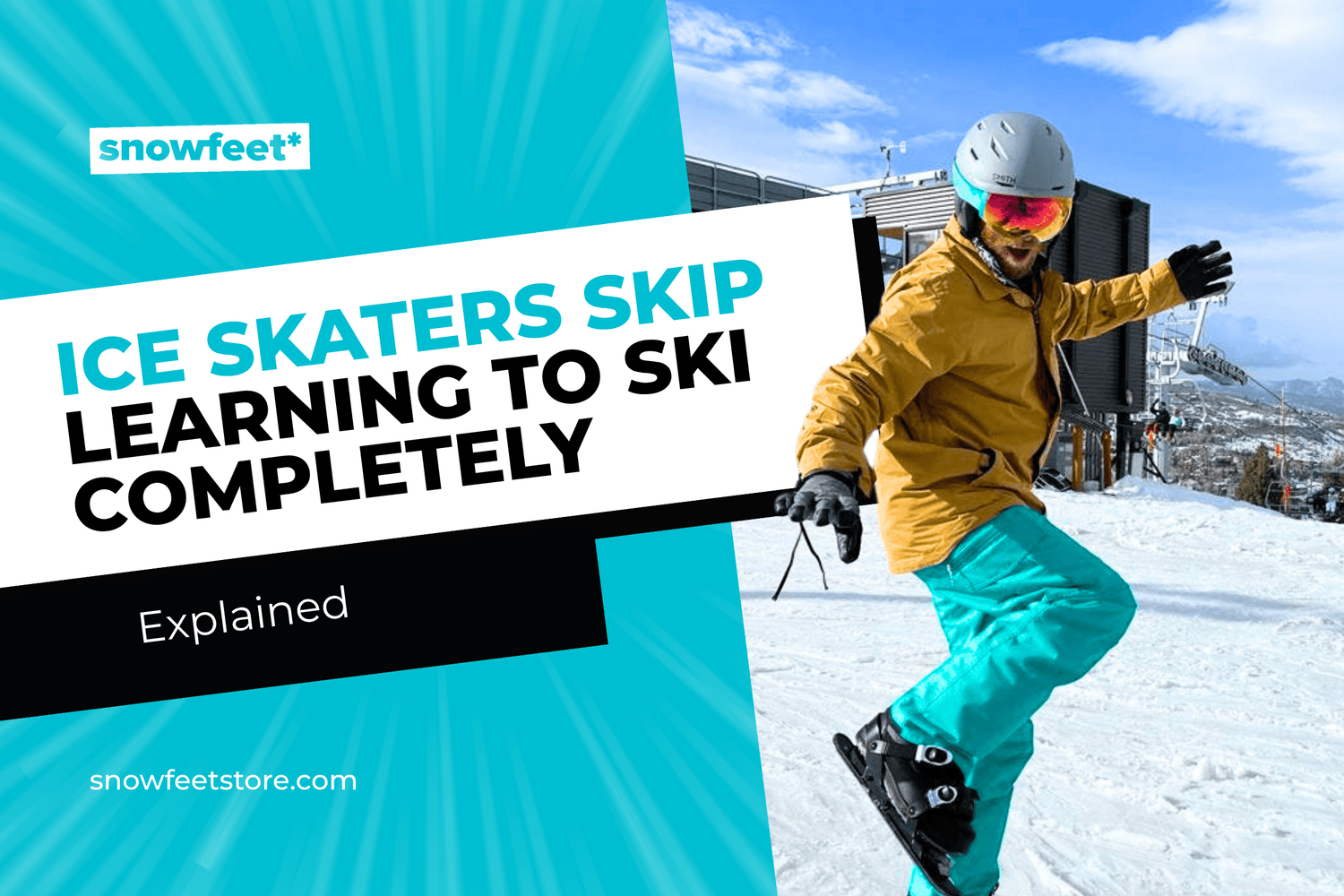
Ice skaters, good news: you don’t have to start from scratch to enjoy snow sports! If you’ve already mastered balance, edge control, and smooth movements on the ice, Snowfeet® products like Skiskates and Skiblades let you glide into skiing without the steep learning curve. Unlike long, bulky skis that require weeks of lessons, these short, lightweight options feel more like skating - just on snow. Plus, they’re portable, affordable, and work with your regular winter boots. Ready to hit the slopes? Let’s break it down.
Snowfeet vs Traditional Skis vs Snowboards Comparison for Ice Skaters
Problems Ice Skaters Face with Traditional Skiing
Why Long Skis Are Hard to Learn
Traditional skis are a whole different beast compared to ice skates. They’re longer, heavier, and not nearly as nimble. If you’re used to quick, sharp moves on the ice, the adjustment can feel awkward. Skills like balance and edge control - things you’ve mastered on skates - don’t transfer easily to skis that extend far beyond your feet. Take something like a hockey stop. On skates, it’s second nature. On long skis? Not so much. The extra length makes it harder to shift your weight quickly or engage the edges with precision. Instead of feeling like an extension of your body, traditional skis can feel clunky and require you to relearn even the basics.
How Much Time Traditional Skiing Requires
Learning to ski the traditional way isn’t just challenging - it’s time-consuming. You’re not just strapping on skis; you’re adjusting to a whole new set of mechanics and equipment. Most ski schools suggest several lessons spread out over days or weeks just to get the hang of it. For someone who’s already skilled at complex movements on ice, this can feel like an unnecessary grind. These challenges highlight why Snowfeet* might be a better fit - it’s designed to work with the skills you already have as a skater.
If You Skate You Can Ski 🔥😱 #skiing #insta360 #insta360x5 #shorts
Why Snowfeet* Products Work Better for Ice Skaters
Snowfeet* products are designed to make the transition from ice skating to snow sports much easier, skipping the steep learning curve that comes with traditional skiing.
Skills That Transfer from Skating to Snowfeet*
If you’ve spent time on the ice, you’ve already mastered key skills like balance, edge control, and weight transfer. These are the same skills that Snowfeet* Skiskates and Skiblades rely on. Think about it: years of skating have fine-tuned your ability to stay balanced, control your edges, and coordinate your movements. Whether it’s managing spins or sticking a landing, that muscle memory translates directly to using Snowfeet*.
The low center of gravity in Snowfeet* products mirrors the alignment you’re used to on the ice. Plus, your natural ability to shift weight for quick edge changes or sharp turns is a perfect match for Snowfeet*'s responsive design. Unlike traditional skis, which can feel sluggish, Snowfeet* reacts quickly to every move you make, giving you that familiar agile feeling.
Benefits of the Short, Lightweight Design
Snowfeet*'s design takes your skating skills and makes them even easier to apply on snow.
At just 44 cm long, the Skiskates are about the length of your foot, making them feel intuitive to use. This shorter length eliminates the frustrating learning curve many skaters face when trying traditional skis.
What’s more, the lightweight build is a game-changer. Traditional ski setups can feel clunky with their heavy skis and stiff, bulky boots. Snowfeet* keeps things simple - you can use your regular winter boots or snowboard boots, which preserve the flexibility and athletic stance you’re already comfortable with. And when it’s time to pack up, their compact size means they fit right into your backpack, saving you from lugging around oversized gear.
Snowfeet* vs. Traditional Skis and Snowboards
Side-by-Side Comparison
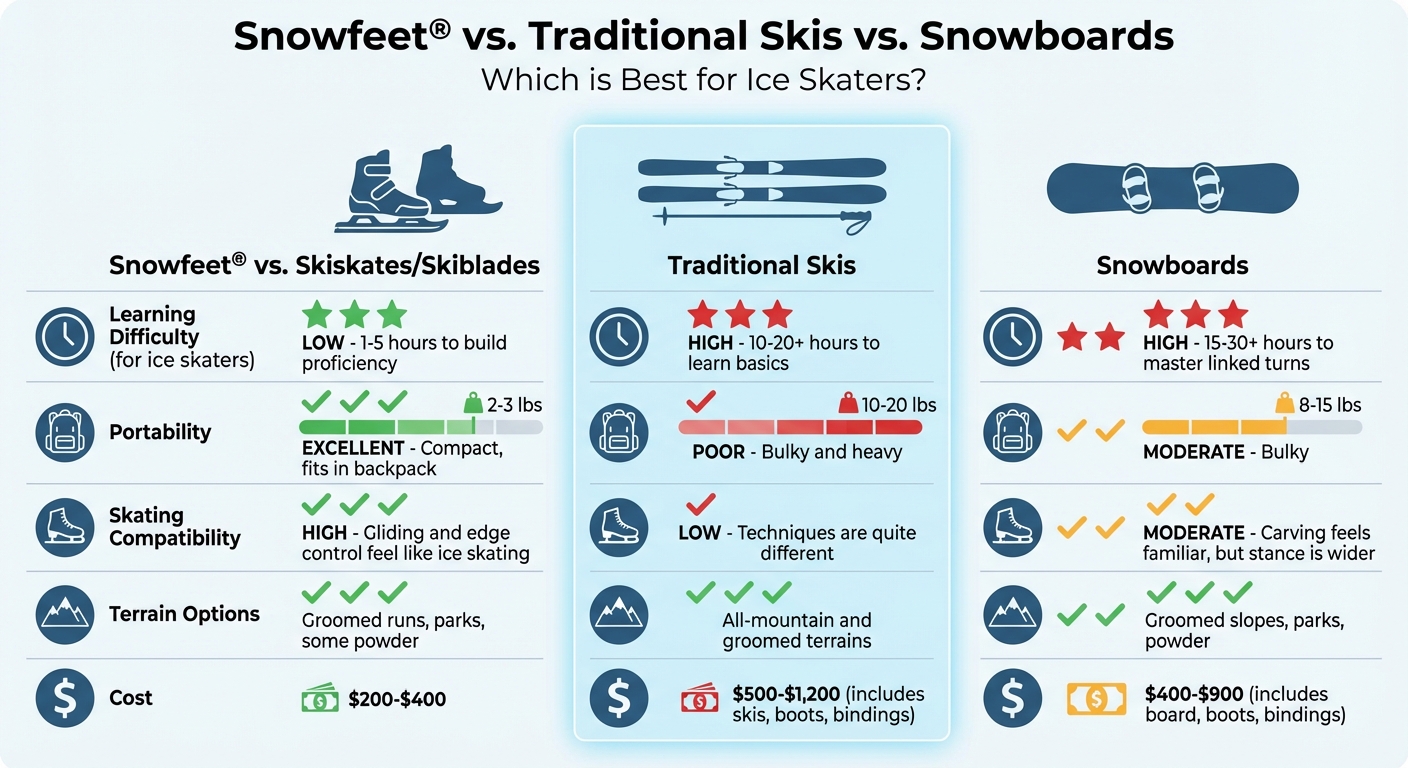
Here’s a quick breakdown of how Snowfeet* stacks up against traditional skis and snowboards:
| Feature | Snowfeet* Skiskates/Skiblades | Traditional Skis | Snowboards |
|---|---|---|---|
| Learning Difficulty (for ice skaters) | Low (1–5 hours to build proficiency, thanks to similar skating skills) | High (10–20+ hours to learn the basics) | High (15–30+ hours to master linked turns) |
| Portability | Excellent (compact, fits in a backpack; weighs 2–3 lbs per pair) | Poor (bulky and heavy; 10–20 lbs per pair) | Moderate (8–15 lbs per board) |
| Skating Compatibility | High (gliding and edge control feel like ice skating) | Low (techniques are quite different) | Moderate (carving feels familiar, but the stance is much wider) |
| Terrain Options | Groomed runs, parks, and some powder | All-mountain and groomed terrains | Groomed slopes, parks, and powder |
| Cost (USD) | $200–$400 | $500–$1,200 (includes skis, boots, and bindings) | $400–$900 (includes board, boots, and bindings) |
This chart highlights Snowfeet*'s edge in portability, ease of learning (especially for skaters), and affordability.
What Makes Snowfeet* Better
The magic of Snowfeet* lies in its thoughtful design and practicality.
First off, portability is a game changer. You can toss a pair of Snowfeet* into your backpack - no need for roof racks, ski bags, or lugging heavy gear on public transit. It’s perfect for spontaneous trips to the slopes without the usual logistical headaches tied to traditional skis or snowboards.
If you’re an ice skater, Snowfeet* feels like second nature. Their compact size (44 cm to 120 cm) mimics the stride and balance of skating, so you won’t need to spend hours relearning techniques. Compare that to the steep learning curve of traditional skis or snowboards, where the longer equipment and unfamiliar movements take much more time to master.
Another win? Snowfeet* is light (just 2–3 lbs per pair) and budget-friendly ($200–$400). You don’t need to invest in pricey specialty boots either - your regular winter boots work just fine. This saves you both money and time, letting you hit the slopes faster and without the hassle.
For skaters who want to bring their skills to the snow, Snowfeet* offers an easy, affordable, and fun way to make the transition.
sbb-itb-17ade95
How to Switch from Ice Skating to Snowfeet* Skiskates or Skiblades
Step 1: Choose the Right Snowfeet* Model
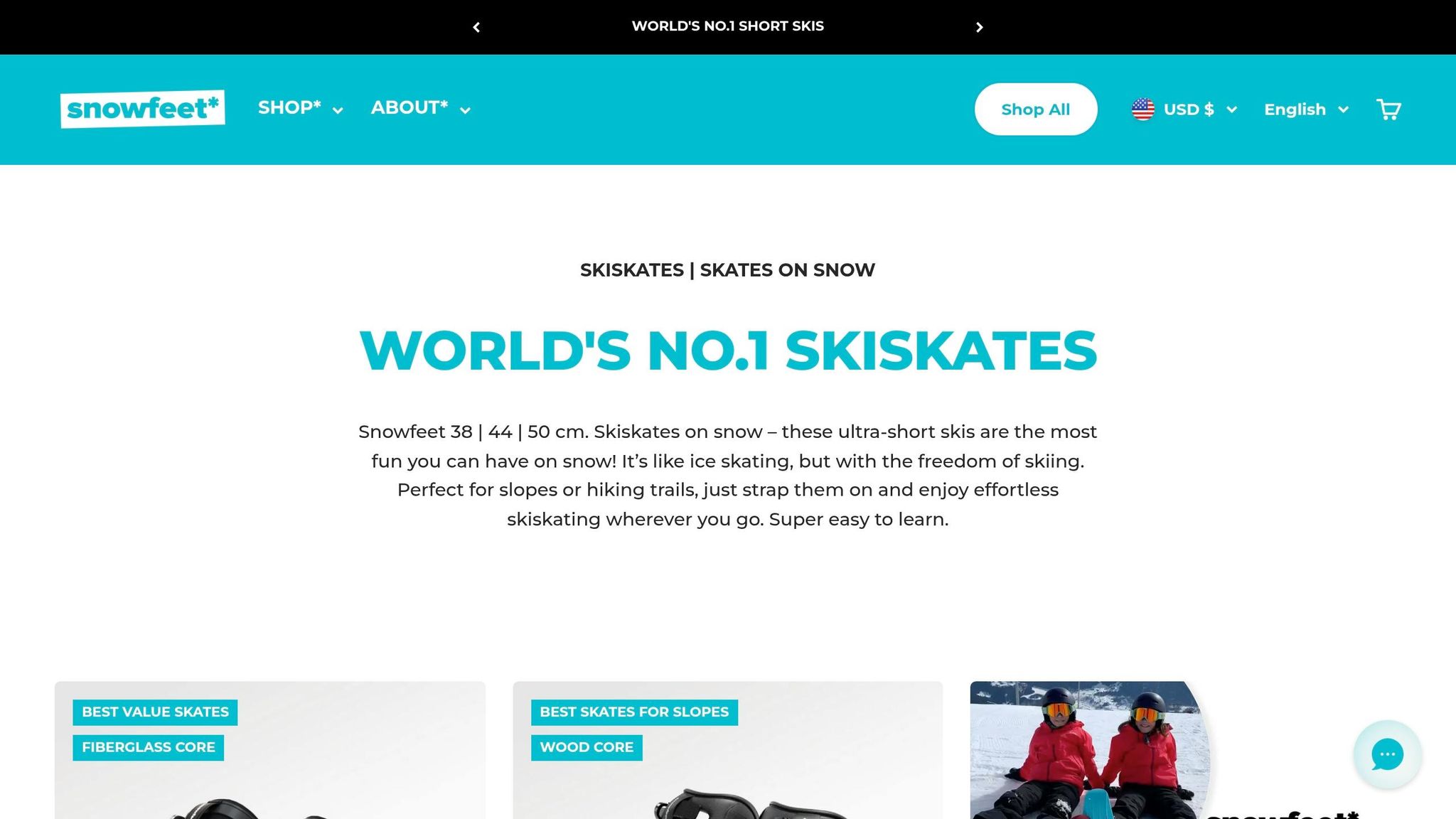
If you're new to Snowfeet*, start with the 44 cm Skiskates. These are perfect for beginners transitioning from ice skating because they rely on the same muscles and make it easier to pick up compared to traditional skiing. At $575, they feature a wood core that provides precise edge control without the bulk of regular skis. They're compact, lightweight, and super responsive - ideal for intuitive sliding.
As you gain confidence, you can step up to Skiblades for more versatility. The 65 cm model, priced at $635, is great for tight turns in snowparks. If you're looking to tackle varied terrain, the 99 cm version at $675 is a solid choice. For those with more experience on ice and looking for stability at higher speeds, the _Snowfeet Short Skis (120 cm)_* are a fantastic option. At $775, they offer excellent balance and control while still being much easier to handle than full-length skis.
Step 2: Master Basic Snowfeet* Techniques
Once you've got your Snowfeet* gear, start by adapting your ice skating skills to the snow. Begin on a gentle slope and practice edge-based propulsion, much like the V-push you’d use on ice. To stop, rely on familiar edge control or work on a quick stop using your inside edge. Keep your knees bent and your center of gravity low as you shift weight between your feet - this will help you make wide, smooth turns.
Once you're comfortable with the basics, you'll be ready to take on more advanced maneuvers.
Step 3: Progress to Carving and Jumps
After nailing the basics, it's time to level up with carving and jumps. Lean into your edges for quick, sharp transitions between turns. Thanks to the shorter length of Snowfeet*, you can link turns much faster than with traditional skis. When you're ready, start practicing small hops and 180-degree spins on flat terrain. These moves are a great stepping stone before hitting the snowpark.
Landing jumps on Snowfeet* feels a lot like landing on ice skates. Stay low and keep your knees bent for better control. As Coach Jeremy from HockeyShot explains:
If you let yourself stand upright, you'll have to lower your body to get into position to go afterwards, which wastes time and slows you down.
Ice Skaters Who Succeeded with Snowfeet*
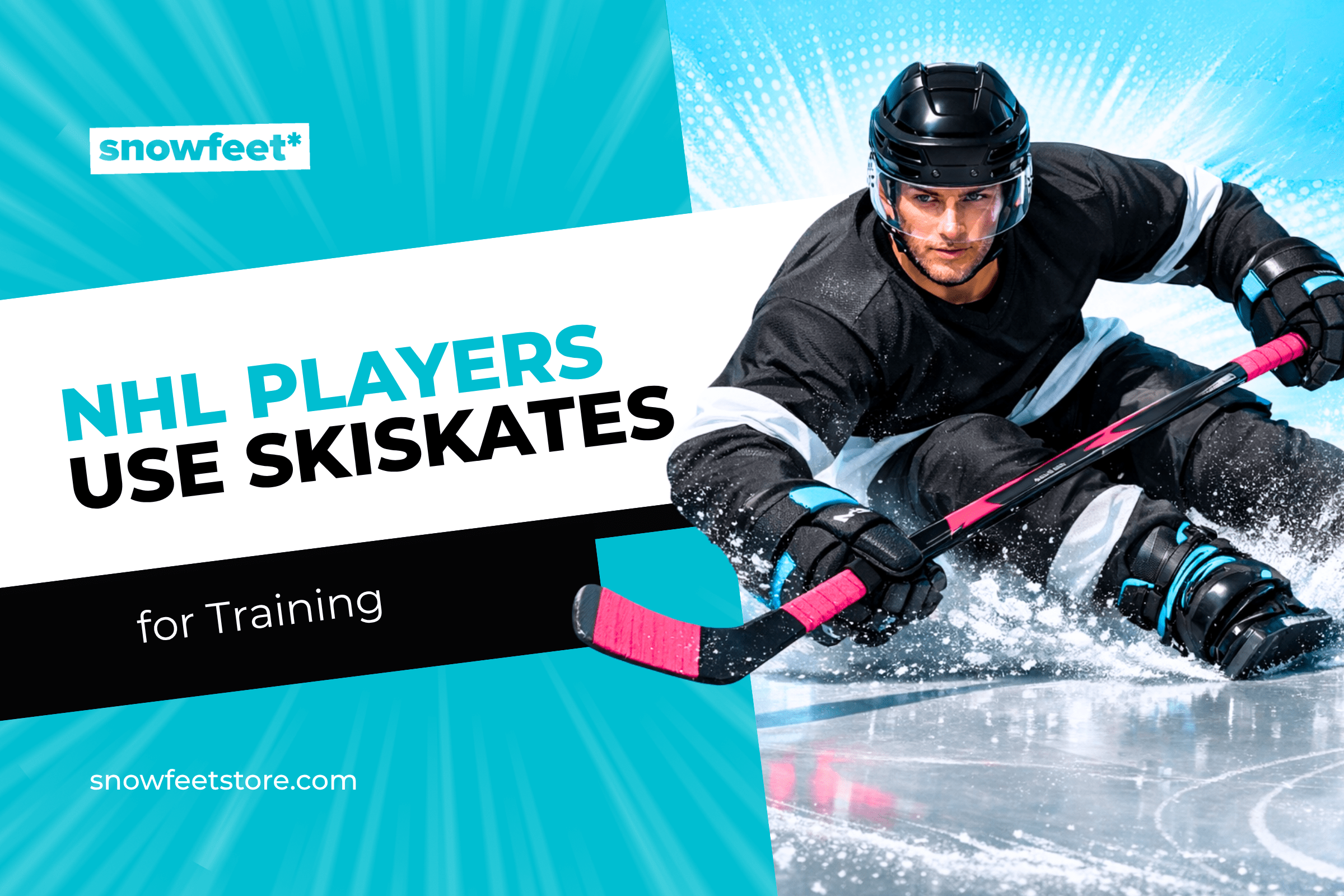
Snowfeet* has proven to be a game-changer for ice skaters and hockey players looking to take their skills to the slopes. Thanks to their muscle memory, these athletes adapt quickly, performing confidently on Snowfeet*. Hockey players find it easy to pull off their signature hockey stop, while figure skaters bring their practiced elegance from the rink to the snow. What’s great is that Snowfeet* allows skaters to build on their existing abilities without the frustrating learning curve often associated with traditional skiing. These success stories highlight how Snowfeet* offers a natural and exciting way for skaters to dive into snow sports.
Conclusion: Snowfeet* Makes Snow Sports Easy for Ice Skaters
Ice skaters can dive into snow sports without the need for traditional ski training, thanks to Snowfeet*. With their compact design - ranging from the 44 cm Skiskates to the 120 cm Short Skis - Snowfeet* products let you build on your existing skills like edge control, balance, and weight-shifting. This means the learning curve is much shorter compared to traditional skis.
Unlike skis from brands like Rossignol or K2, which often require mastering entirely new techniques, Snowfeet* works with the movements you're already familiar with. Their responsive and compact design aligns with the lateral, skate-like motions ice skaters are used to, allowing you to transition to the slopes quickly and confidently.
The side-to-side motion that defines skate-style snow sports mimics what you already do on the ice when pushing off your inside edges. Whether you're a figure skater refining elegant turns or a hockey player perfecting sharp stops, Snowfeet* lets you bring your skills to the snow without the need for extensive retraining.
FAQs
Do I need ski lessons before using Snowfeet*?
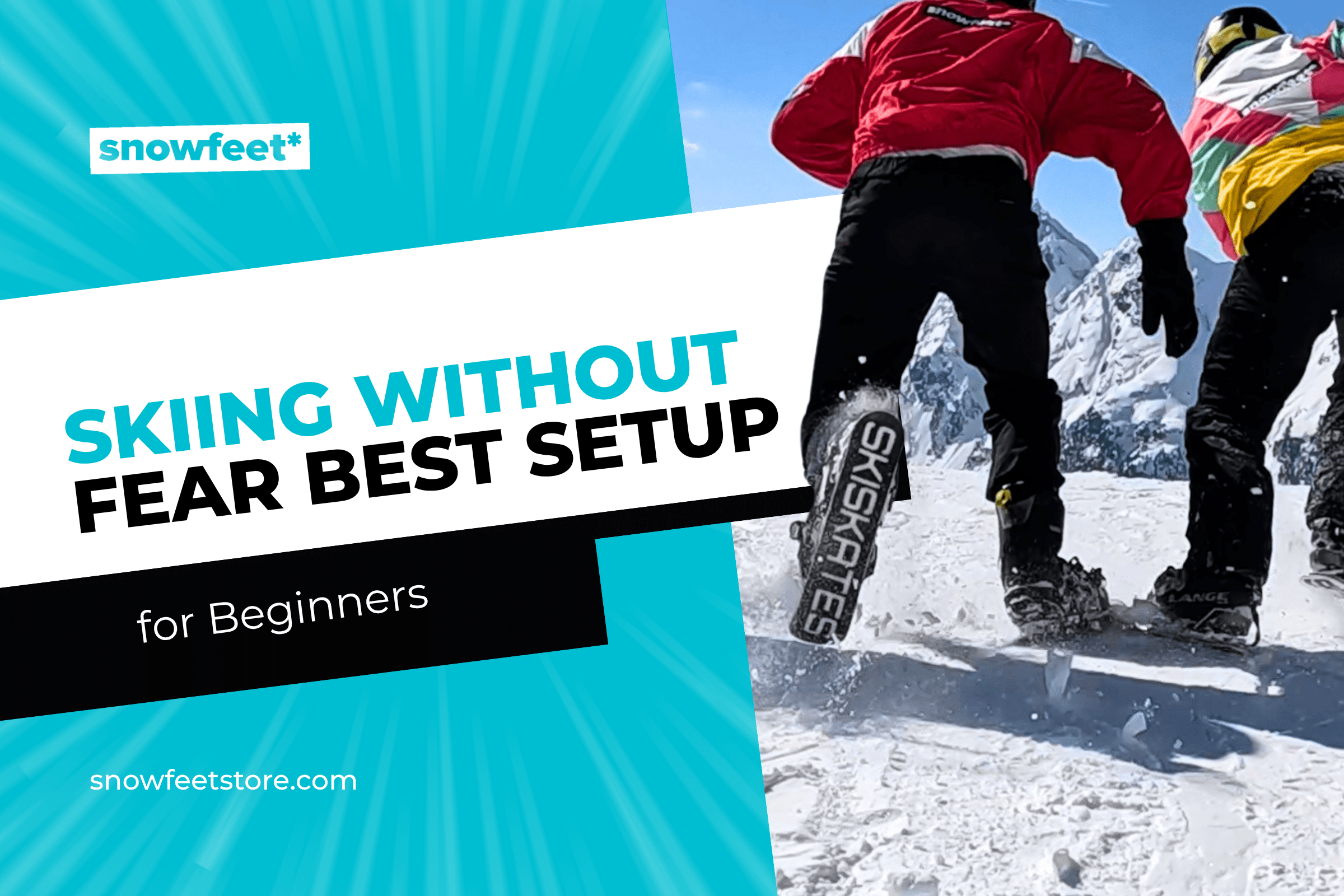
No, you don’t need ski lessons before trying Snowfeet*. If you’re an ice skater, you’ll probably find it pretty intuitive. The skills and muscle memory you already have transfer over nicely. Plus, the compact and lightweight design of Snowfeet* makes them simple to use, so the learning curve is super manageable, even without formal instruction.
What boots work with Snowfeet* products?
Snowfeet* products work seamlessly with regular winter boots, as long as they provide solid support and good ankle stability. Unlike traditional skiing, there’s no need for specialized ski boots, which makes them a more convenient option for casual users. Just make sure your boots offer enough control and comfort to get the most out of your experience.
Where can I ride Snowfeet* on the mountain?
Snowfeet* are perfect for gliding down snow-covered slopes and are especially handy for ice skaters looking to try skiing. Their design builds on your skating abilities, making the transition feel smooth and natural - almost like an extension of traditional skiing techniques.











Leave a comment
This site is protected by hCaptcha and the hCaptcha Privacy Policy and Terms of Service apply.