







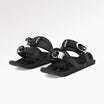












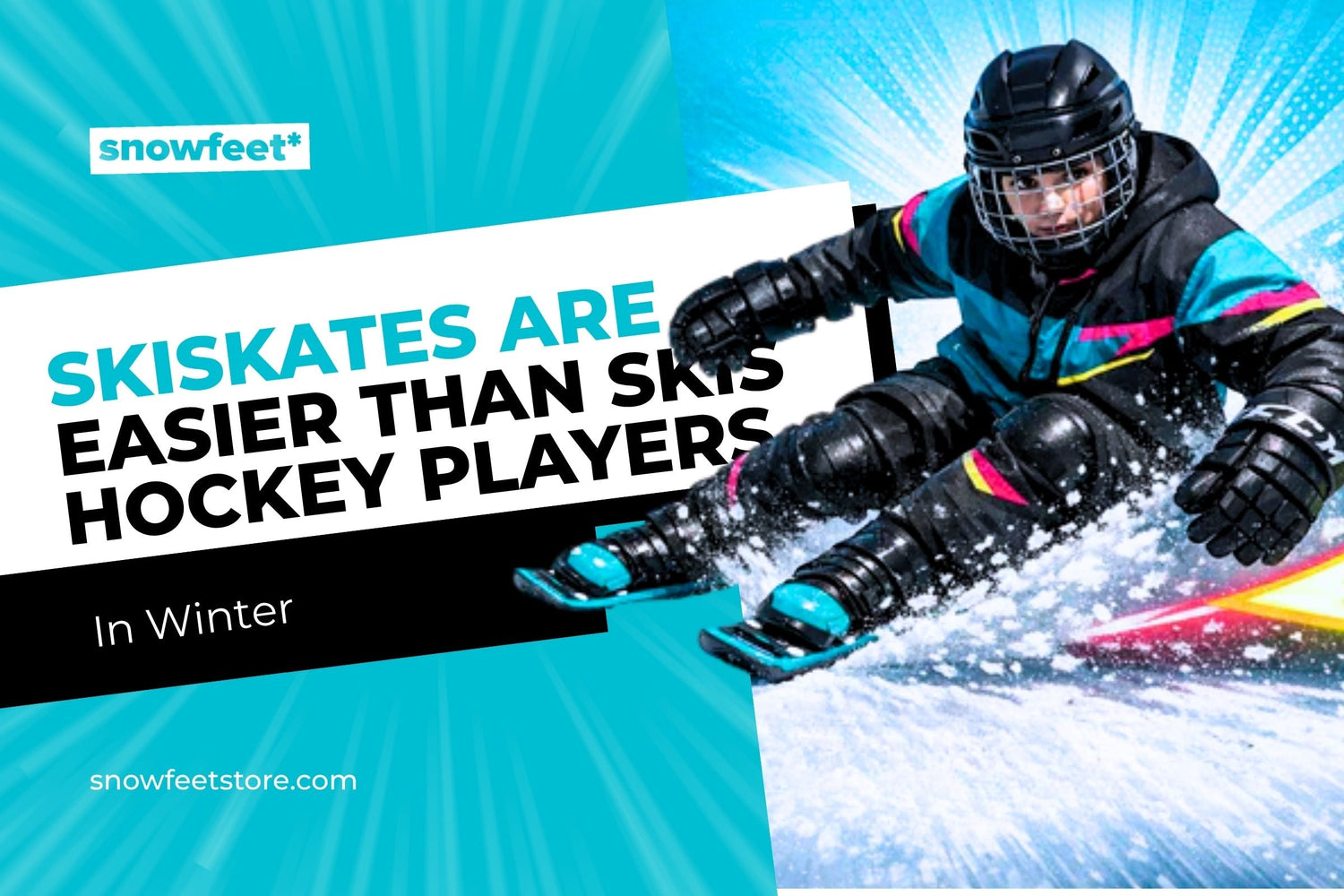
Hockey players, meet your new favorite winter gear: skiskates. These compact 17-inch Snowfeet* Skiskates transfer your ice-skating skills directly to the slopes - no need to relearn everything. Unlike skis, which demand a forward-gliding motion and a steep learning curve, skiskates mirror the side-to-side push you already know from hockey. They’re lightweight, fit in a backpack, and work with regular winter boots.
Here’s why they’re a game-changer:
- Size: At just 17 inches, they’re easy to carry and store, unlike 5–6-foot-long skis.
- Movement: Designed for quick, agile turns and edge control, perfect for hockey players.
- Learning Curve: Minimal - your hockey skills translate almost instantly.
Bottom line? If you’re a hockey player looking to hit the slopes, skiskates let you skip the frustration of learning traditional skis and dive straight into the fun.
1. Snowfeet* Skiskates (44 cm)
Size and Portability
At just 17 inches long (44 cm), Snowfeet* Skiskates are a game-changer when it comes to portability. Unlike traditional skis that stretch 5–6 feet and demand roof racks or oversized bags, these compact skiskates slip right into a backpack. Toss them in alongside your hockey gear - no extra hassle.
Their lightweight design makes them a breeze to carry around. Whether you're hopping on public transportation, storing them in a locker, or just heading to the slopes, these skiskates fit seamlessly into your routine. For hockey players already used to lugging around gear, this convenience is a welcome relief.
And the best part? Their portability doesn’t compromise performance. On the slopes, their design mirrors the smooth, familiar motion of skating, giving you quick, precise control.
Motion and Maneuverability
Snowfeet* Skiskates let hockey players tap into their natural edge control and skating instincts. Using a similar V-shaped push-off motion, you’ll feel right at home on these skiskates.
This design offers incredible agility. You can carve tight turns, stop on a dime, and weave through crowded trails with ease - just like you would on the ice. Traditional skis, with their linear motion and bulk, can feel clunky and awkward in comparison. Snowfeet*’s compact size means you can react instantly, shifting weight and changing direction without the limitations of long skis slowing you down.
The result? A smoother, more intuitive experience that keeps you in control, even in challenging conditions.
Learning Curve
For hockey players, the transition to Snowfeet* Skiskates feels almost effortless. Thanks to their stiff design, they activate your muscle memory, letting you skip the tedious process of learning entirely new techniques.
In contrast, traditional skiing often requires lessons and practice just to figure out the basics. With Snowfeet*, you can hit the slopes with confidence from day one. Their shorter length also works in your favor, reducing leverage and making it easier to stay balanced - even on steeper terrain. It’s all about getting you out there faster and having fun right away.
Hockey Player Tries Snowfeet* Skiskates | See What He Thinks | Skiboards | Short Ski | Mini Ski
2. Traditional Skis
When compared to the compact and agile Snowfeet* Skiskates, traditional skis come with a few hurdles that hockey players might find challenging.
Size and Portability
Traditional skis are long - usually around 5 to 6 feet - and require extra effort for storage and transportation. They’re not exactly the kind of gear you can just toss in the backseat. Snowfeet* Skiskates, on the other hand, are compact and easy to carry, making them a hassle-free alternative.
Motion and Maneuverability
Traditional skis are designed for forward motion and stability. While that’s great for traditional skiing, it doesn’t align well with the lateral movements and quick agility that hockey players are used to. Tight turns on slopes with traditional skis also demand a higher level of technical skill, which can feel unnatural for hockey players. Snowfeet* Skiskates, by contrast, are built to match the natural side-to-side motion hockey players already excel at, offering a smoother and more intuitive experience.
Learning Curve
Mastering traditional skiing involves learning a whole new set of techniques - balancing, turning, and controlling speed - all of which can feel foreign to a hockey player. Even other mainstream ski models require hockey players to abandon their familiar side-to-side movements for a more forward-focused style. Snowfeet* Skiskates eliminate this steep learning curve by building on the skills hockey players already have, making the transition from the ice to the slopes far easier and more enjoyable.
sbb-itb-17ade95
Pros and Cons
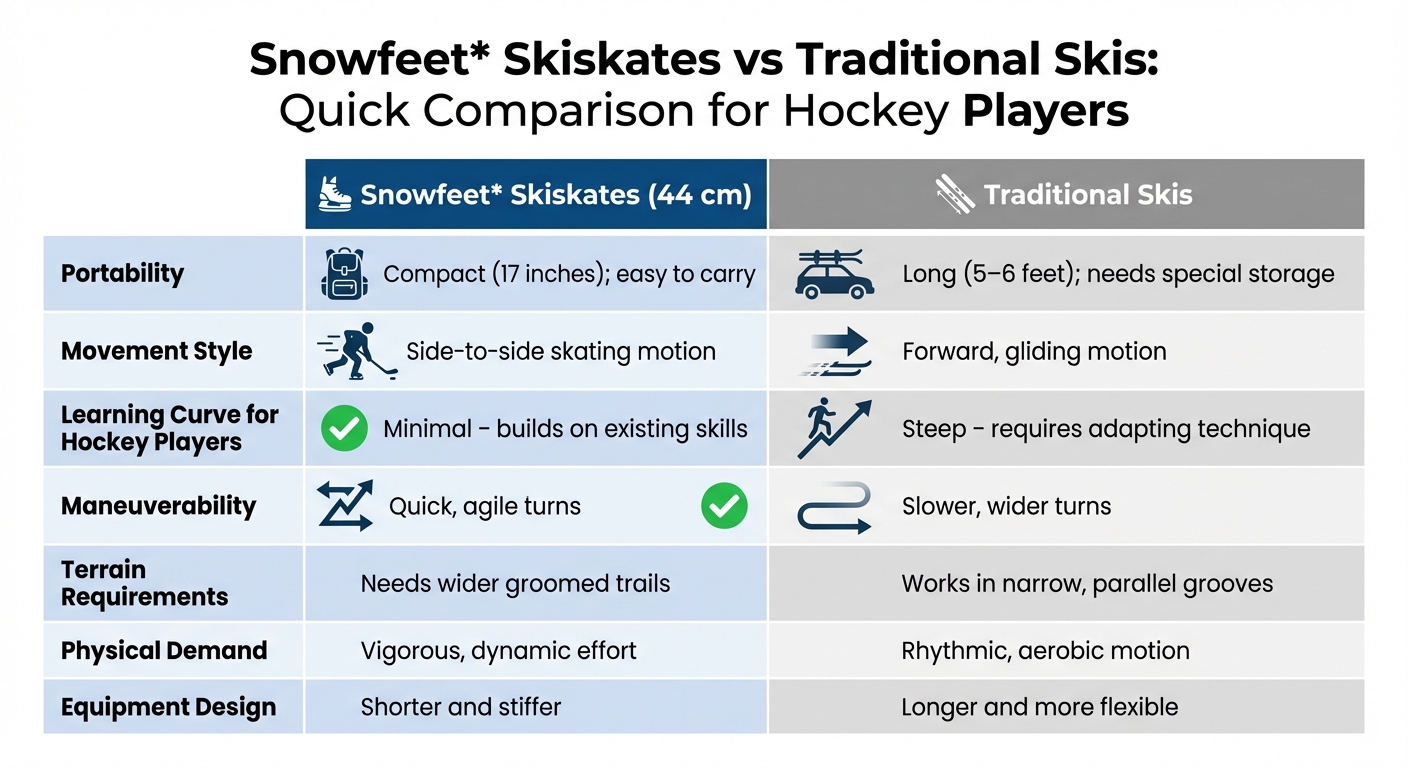
Snowfeet Skiskates vs Traditional Skis Comparison for Hockey Players
If you're a hockey player weighing the choice between Snowfeet* Skiskates and traditional skis, seeing the key differences laid out can make the decision easier.
Snowfeet* Skiskates are all about portability and movement that feels natural to hockey players. Their compact design and the side-to-side skating motion mimic what you're already used to on the ice, making the transition smoother. However, they do require wider groomed trails and demand more physical effort, which might not suit everyone.
On the other hand, traditional skis bring their own set of perks. Their longer, more flexible design offers stability and works well on narrow, parallel grooves. But for hockey players, they can feel awkward due to the forward gliding motion and lack of agility. Plus, their size makes them harder to store and transport compared to Snowfeet*.
Here's a quick side-by-side comparison to help you decide:
| Feature | Snowfeet* Skiskates (44 cm) | Traditional Skis |
|---|---|---|
| Portability | Compact (17 inches); easy to carry | Long (5–6 feet); needs special storage |
| Movement Style | Side-to-side skating motion | Forward, gliding motion |
| Learning Curve for Hockey Players | Minimal – builds on existing skills | Steep – requires adapting technique |
| Maneuverability | Quick, agile turns | Slower, wider turns |
| Terrain Requirements | Needs wider groomed trails | Works in narrow, parallel grooves |
| Physical Demand | Vigorous, dynamic effort | Rhythmic, aerobic motion |
| Equipment Design | Shorter and stiffer | Longer and more flexible |
Conclusion
For hockey players, the choice between Snowfeet* Skiskates and traditional skis often comes down to movement style. At just 44 cm (about 17 inches), Snowfeet* Skiskates mimic the edge-to-edge motion of ice skating - allowing for quick transitions, sharp turns, and precise control - while traditional skis require a completely different forward-gliding approach.
Snowfeet* Skiskates’ compact 44 cm length delivers agility that traditional skis simply can’t match. This shorter design aligns perfectly with the lateral movements hockey players are used to, creating a natural connection between skating on ice and carving on snow. Experts agree that shorter skis are easier to turn and less tiring to use.
These advantages show up where it counts - on the slopes. When your technique falters or fatigue sets in, longer skis can become unstable, chattering or flapping if you slip into a "backseat" stance. Snowfeet* Skiskates, thanks to their streamlined design, minimize these risks, offering a smoother, more forgiving ride that’s easier on your legs during extended runs.
For hockey players who thrive on dynamic edge control, Snowfeet* Skiskates take full advantage of your skating skills. They’re portable, easy to learn, and designed to make the transition from ice to snow seamless. Snowfeet* Skiskates are the clear winner for hockey players looking to hit the slopes.
FAQs
What boots do Snowfeet* Skiskates work with?
Snowfeet* Skiskates work with just about any kind of boots, giving you tons of flexibility. Whether you’re rocking your everyday winter boots or something more specialized, these skiskates are built to fit effortlessly.
Are Snowfeet* Skiskates safe for beginners on ski slopes?
Snowfeet* Skiskates are a good option for beginners when used carefully. Thanks to their small size and stable design, they’re easier to handle, especially for those who’ve tried ice skating or hockey before. These qualities make it simpler for newcomers to build confidence and stay in control while on the slopes.
Where can I ride Snowfeet* Skiskates at U.S. resorts?
You can use Snowfeet Skiskates at many U.S. resorts that permit snow sports. Their small size and smooth handling make them a great option, especially for hockey players looking to try something different on the slopes. Just make sure to check with the specific resort ahead of time to confirm they allow skiskates.











Leave a comment
This site is protected by hCaptcha and the hCaptcha Privacy Policy and Terms of Service apply.