



















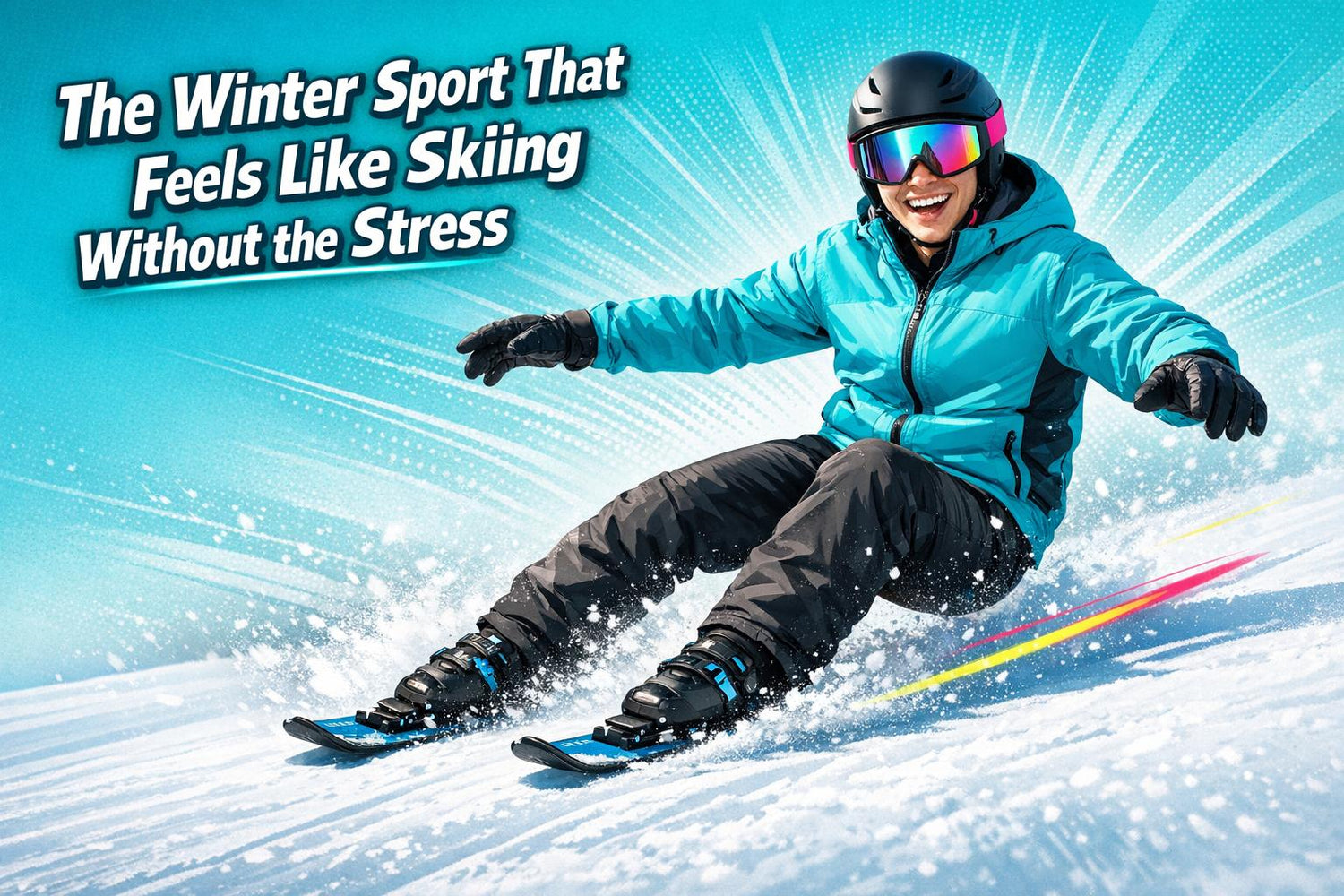
Skiing is fun, but let’s be real - it’s also expensive, exhausting, and a logistical headache. Between $300 lift tickets, hauling heavy gear, and sore muscles, it’s easy to wonder if the thrill is worth the hassle. Enter Snowfeet: compact skiskates and skiblades that let you glide on snow without all the baggage (literally and figuratively).
Here’s why they’re a game-changer:
- Lightweight & Portable: Fits in a backpack - no oversized bags or extra fees.
- Easy to Learn: Shorter length = better control and faster confidence.
- Affordable: Costs less than traditional skis or snowboards.
- Comfortable: Works with your winter or snowboard boots - no clunky ski boots.
Snowfeet gives you the freedom of skiing without the stress, making winter sports more accessible and fun for all skill levels. Whether you’re a beginner, a seasoned skier, or someone who just wants to enjoy the slopes without all the fuss, these compact blades are worth a look.
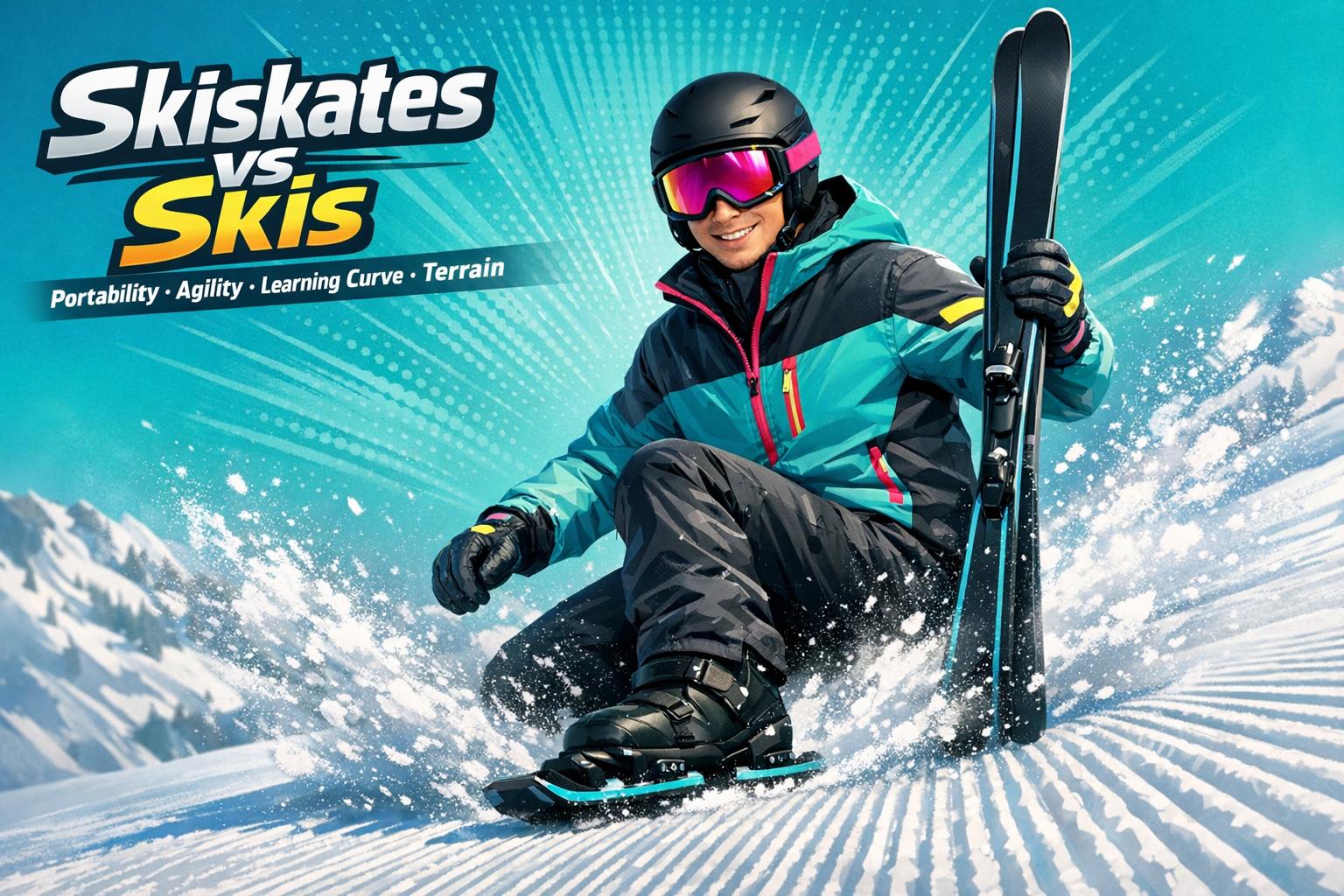
Snowfeet vs. Traditional Skis vs. Snowboard: Full Comparison
Snowboarder tries Snowfeet* | Which Snowfeet* Short Ski is the Best? | Snowblades 44, 65, 99 Review
Why Traditional Skiing and Snowboarding Feel Overwhelming
For plenty of folks, traditional winter sports can feel like a chore before you even get to enjoy the slopes.
Heavy and Bulky Gear
Let’s face it - traditional skis and snowboards are a pain to lug around. They’re big, heavy, and awkward, especially if you’re trying to fit them into a compact car or deal with them at the airport. If you live in a small apartment in, say, Denver or Boston, the storage situation alone can feel like a nightmare. And if you’re flying to a resort? Good luck with oversized baggage fees.
On top of all that, learning to handle this bulky equipment on the slopes isn’t exactly a walk in the park. The size and weight can make the whole experience feel clunky and, well, not all that fun - especially for someone who only skis a few times a year.
Steep Learning Curve
Traditional skis and snowboards aren’t known for being beginner-friendly. Their long, rigid designs make it harder to keep your balance, leading to more falls and a slower learning process. It’s frustrating, to say the least.
Brad Tolin, a Snowfeet* customer, puts it perfectly:
"These ski blades are a blast to use. Super easy to control, quick to turn, and way more forgiving than traditional skis."
– Brad Tolin, Snowfeet* Customer
That “forgiving” quality is what’s often missing in traditional gear. For beginners, the struggle to master turns and avoid wipeouts can quickly take the joy out of the sport.
High Costs and Time Investment
Let’s talk money. Between pricey lift tickets, equipment rentals, and lessons, traditional skiing can leave your wallet feeling pretty light. And if you decide to buy your own gear - boots, bindings, the works - it’s a serious investment. For casual skiers, it’s tough to justify spending so much for just a few days on the slopes each year. Add in the time it takes to learn and prepare, and the whole thing can start feeling more stressful than exciting.
Physical Strain and Injury Risk
Skiing isn’t just tough on your wallet - it’s tough on your body too. The constant semi-squat position can burn out your quads fast, and traditional boots are notorious for causing pressure points and even numbness. And let’s not forget the risk of falls, which can lead to bruises, sore knees, or worse.
Snowfeet* aims to change that. Designed to reduce physical strain, they offer a more comfortable and accessible way to enjoy the snow without all the aches and pains.
How Snowfeet* Changes the Winter Sports Experience
Winter sports can come with their fair share of challenges - bulky gear, steep learning curves, and tricky logistics. Snowfeet* tackles these head-on with gear that's compact, easy to use, and highly portable, making winter fun more accessible than ever.
What Are Snowfeet* Skiskates and Skiblades?
Snowfeet* offers two standout products: Skiskates and Skiblades.
- Skiskates: At just 44 cm, they're about the size of a skateboard deck, designed to give you a smooth, skate-like experience on snow.
- Skiblades: These come in three sizes - 65 cm, 99 cm, and 120 cm - each offering a unique feel, from playful and nimble to more stable and ski-like.
For comparison, traditional skis typically range from 150–180 cm, making Snowfeet* a much shorter, more manageable option. Plus, both Skiskates and Skiblades feature adjustable bindings that work with ski boots (US sizes 4.5 to 14.5) and snowboard boots (US sizes 6 to 14.5).
Easier Learning and Better Control
One of the biggest perks of Snowfeet* is how beginner-friendly they are. Their shorter length reduces the risk of crossing tips - a common problem for new skiers - and makes turning and edge control much easier. Riders often feel confident on basic slopes after just a day or two of practice. Snowfeet* founder Zbyněk puts it best:
"In my opinion, Skiskates is the best product for slopes we developed so far. I love how easy they are to ski and skate and how many different kinds of tricks I can perform without much effort and almost no restrictions."
Lightweight and Portable Design
Forget the hassle of oversized ski bags or roof racks. The compact size of Snowfeet* gear makes it a breeze to carry:
- Skiskates: Small enough to fit in a regular backpack.
- 65 cm and 99 cm Skiblades: Perfectly sized to slide into a standard suitcase.
Traveling with Snowfeet* means no extra baggage fees and no bulky equipment to lug around. As one user put it:
"A lot easier to haul around the hills & on vacation than traditional skis!"
Works Across Different Terrains
Snowfeet* shines on a variety of terrain. Whether you're carving groomed slopes, hitting terrain parks, or cruising smaller local hills, these skates and blades deliver. Their short length and light weight make spins and quick transitions a breeze in terrain parks, while the parabolic design and metal edges ensure precise carving on groomed trails.
One user shared their experience:
"Although not meant for deep powder, it's wonderful on groomed trails... I had no muscle soreness after using these because I can change my leg position, unlike the snowboard which is set."
Snowfeet* brings a fresh approach to winter sports, combining fun, flexibility, and convenience into one sleek package. Whether you're a beginner or an experienced rider, they open up new ways to enjoy the slopes.
sbb-itb-17ade95
Choosing the Right Snowfeet* Model for You
Snowfeet* has something for everyone, whether you're new to snow sports or a seasoned rider. The general rule? Shorter models are easier to handle and more portable, while longer ones offer stability and a ski-like feel. Let’s break down which model suits your style best.
For Beginners and Casual Riders
If you're just starting out or want something simple for laid-back fun, the 44 cm Skiskates are a great pick. They're lightweight, easy to use, and perfect for small hills, beginner slopes, or family outings. For those ready to tackle resort greens and easy blues, the 65 cm Skiblades provide more grip while staying beginner-friendly.
One happy user shared this experience:
"My wife HATED skiing but I convinced her to try these [65 cm Skiblades] and she had a blast! In fact, she is ordering her own pair, now!" - Mike E.
For Park and Trick Riders
If you love the terrain park, the 65 cm or 99 cm Skiblades are your go-to. The shorter 65 cm model is agile, making it great for spins, butters, and rail tricks without worrying about catching a tip. On the other hand, the 99 cm Skiblades offer added stability for smoother landings and handling medium jumps, blending park fun with all-mountain versatility.
For All-Mountain and Former Skiers
Former skiers looking for a familiar feel without the hassle of full-length skis will appreciate the 99 cm and 120 cm Skiblades. The 99 cm model is nimble, handles blue and black runs with ease, and is much lighter than traditional skis. For those who want something closer to the classic ski experience, the 120 cm Skiblades deliver longer, smoother turns and better tracking at higher speeds, making them a solid choice for open groomers.
For Travelers and Riders with Limited Space
Traveling with traditional skis can be a pain, but Snowfeet* makes it simple. The 44 cm Skiskates fit neatly into a standard backpack, while the 65 cm Skiblades can easily slide into most checked luggage. No need for oversized ski bags or extra baggage fees!
Quick Reference Guide
Here’s a handy chart to help you pick the right Snowfeet* model:
| Model | Length | Best For |
|---|---|---|
| Skiskates | 44 cm (17 in) | Beginners, casual fun, maximum portability |
| Skiblades | 65 cm | Families, easy resort runs, park tricks |
| Skiblades | 99 cm | All-mountain, park progression, former skiers |
| Skiblades | 120 cm | Closest to traditional skiing, open groomers |
Snowfeet* vs. Standard Skis and Snowboards
Snowfeet* has shaken up the winter sports scene by addressing some of the common challenges associated with traditional gear.
Handling and Learning Curve
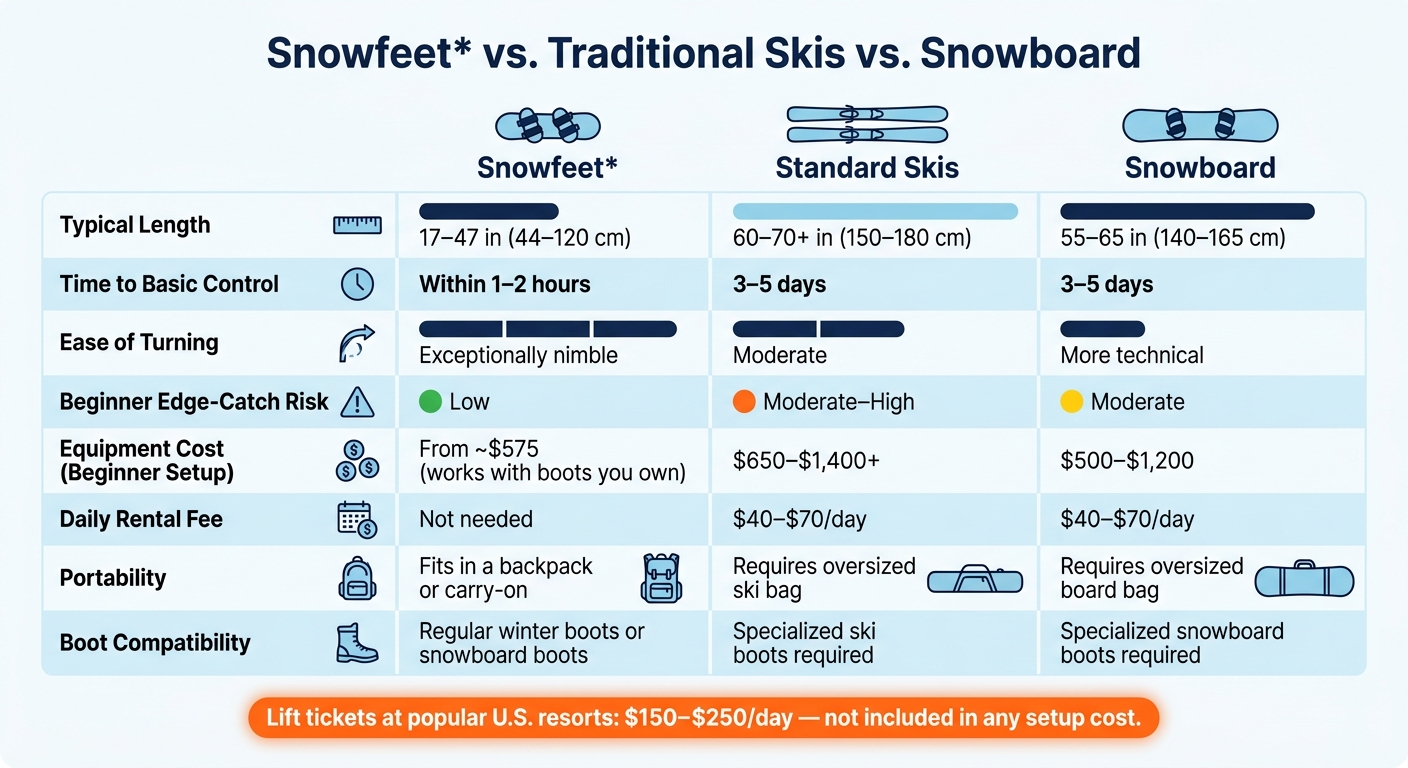
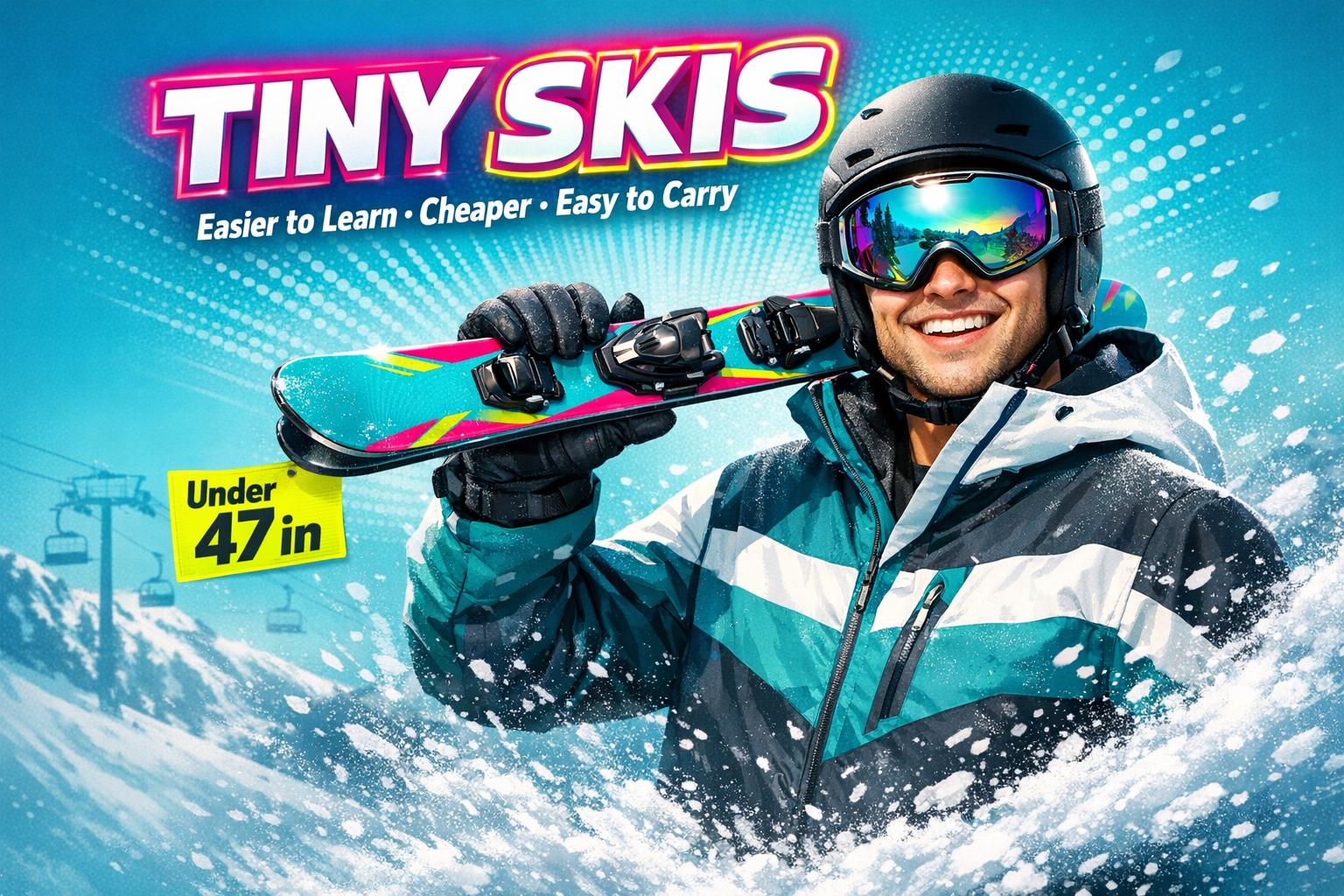
The standout difference? Length. Standard skis for adults typically measure 60–70+ inches (150–180 cm), while snowboards fall in the 55–65 inch (140–165 cm) range. Snowfeet* Skiskates, on the other hand, are just 17 inches (44 cm), and Skiblades max out at 47 inches (120 cm). This shorter length translates to easier turns, a reduced chance of catching an edge, and smoother speed control - all of which help riders feel confident much faster.
While standard skis and snowboards often take days to get the hang of, many Snowfeet* users report mastering the basics in just a couple of hours:
"Super easy to control, quick to turn, and way more forgiving than traditional skis. I felt comfortable on them within just a few runs." - Brad Tolin
| Metric | Snowfeet* | Standard Skis | Snowboard |
|---|---|---|---|
| Typical length | 17–47 in (44–120 cm) | 60–70+ in (150–180 cm) | 55–65 in (140–165 cm) |
| Time to basic control | Within 1–2 hours | 3–5 days | 3–5 days |
| Ease of turning | Exceptionally nimble | Moderate | More technical |
| Beginner edge-catch risk | Low | Moderate–High | Moderate |
These advantages make Snowfeet* a more approachable and less intimidating choice for beginners.
Comfort and Less Fatigue
Traditional ski boots, weighing in at 3–5 lbs each, can feel clunky and uncomfortable, often causing shin pain and making walking around the resort a chore. Snowfeet* skips the heavy boots altogether. Instead, they’re designed to pair with your regular insulated winter boots or soft snowboard boots, giving you a familiar, comfortable fit right from the start.
Additionally, the shorter length of Snowfeet* reduces strain on your knees during turns or falls. This is a big deal, considering knee injuries like ACL tears are among the most common in alpine skiing. Long skis act like levers, amplifying twisting forces, but Snowfeet* significantly reduce that risk. One rider highlighted this benefit perfectly:
"I had no muscle soreness after using these because I can change my leg position, unlike the snowboard which is set. I'm 59 so if I love these, anyone will!" - Sunshine Straiges
Cost and Accessibility
The cost of a beginner ski setup in the U.S. - including skis, bindings, and boots - usually lands between $650 and $1,400 or more. Snowboard setups, with bindings and boots, are slightly cheaper but still range from $500 to $1,200. Add to that daily rental fees of $40–$70 and lift tickets costing $150–$250 per day at popular resorts, and the costs quickly pile up.
In comparison, Snowfeet* Skiskates start at around $575, while Skiblades range from $635 to $775 depending on the model. Since they work with boots you likely already own, there’s no need to shell out for specialized footwear. Plus, you can skip the hassle of oversized gear bags, roof racks, and rental lines. For occasional skiers or snowboarders, Snowfeet* offers a practical and budget-friendly option for hitting the slopes without breaking the bank.
Conclusion: Winter Fun Made Simple with Snowfeet*
Skiing and snowboarding often come with their fair share of headaches - bulky gear, high rental fees, long learning curves, and the physical demands can make hitting the slopes feel more like a chore than fun. It's no wonder many folks in the U.S. decide to skip the slopes altogether.
Snowfeet* changes the game. Whether you're tossing a pair of 44 cm Skiskates into your trunk for a quick trip to a nearby hill or packing 120 cm Skiblades into your carry-on for a weekend adventure in Colorado or Utah, the process is refreshingly simple. No giant bags, no waiting in rental lines, and no need for specialized boots. Just strap in and go.
With Snowfeet*, beginners find it easier to build confidence, former skiers enjoy a lightweight and familiar ride, and park riders love the quick, nimble handling - all in a compact design that’s easy to store and transport.
One verified user summed it up perfectly:
"A lot easier to haul around the hills & on vacation than traditional skis!"
The idea behind Snowfeet* is simple: keep the thrill of skiing - the glide, the turns, the freedom - while ditching the hassle. Less gear, fewer headaches, and more time enjoying the ride.
FAQs
Do Snowfeet* work at most ski resorts?
Snowfeet* products, such as Skiskates and Skiblades, work well on most groomed slopes and in snow parks. This makes them a fun and convenient choice for winter sports enthusiasts looking to enjoy ski resorts without dealing with the bulk of traditional skis or snowboards.
Which Snowfeet* length should I buy?
The 44 cm Snowfeet* skiskates stand out for their small size, lightweight build, and simplicity. They’re an excellent pick for beginners or anyone looking to enjoy a relaxed day on the snow. What’s even better? You can toss them into a backpack without a hassle, making them super easy to carry around.
Are Snowfeet* safe for knees and beginners?
Snowfeet* are made with beginners in mind, offering a more knee-friendly alternative to traditional skis or snowboards. They encourage natural balance, are simple to pick up, and can lower the chances of falling. This makes them a safer and more accessible choice for anyone looking to enjoy winter sports.











Leave a comment
This site is protected by hCaptcha and the hCaptcha Privacy Policy and Terms of Service apply.