



















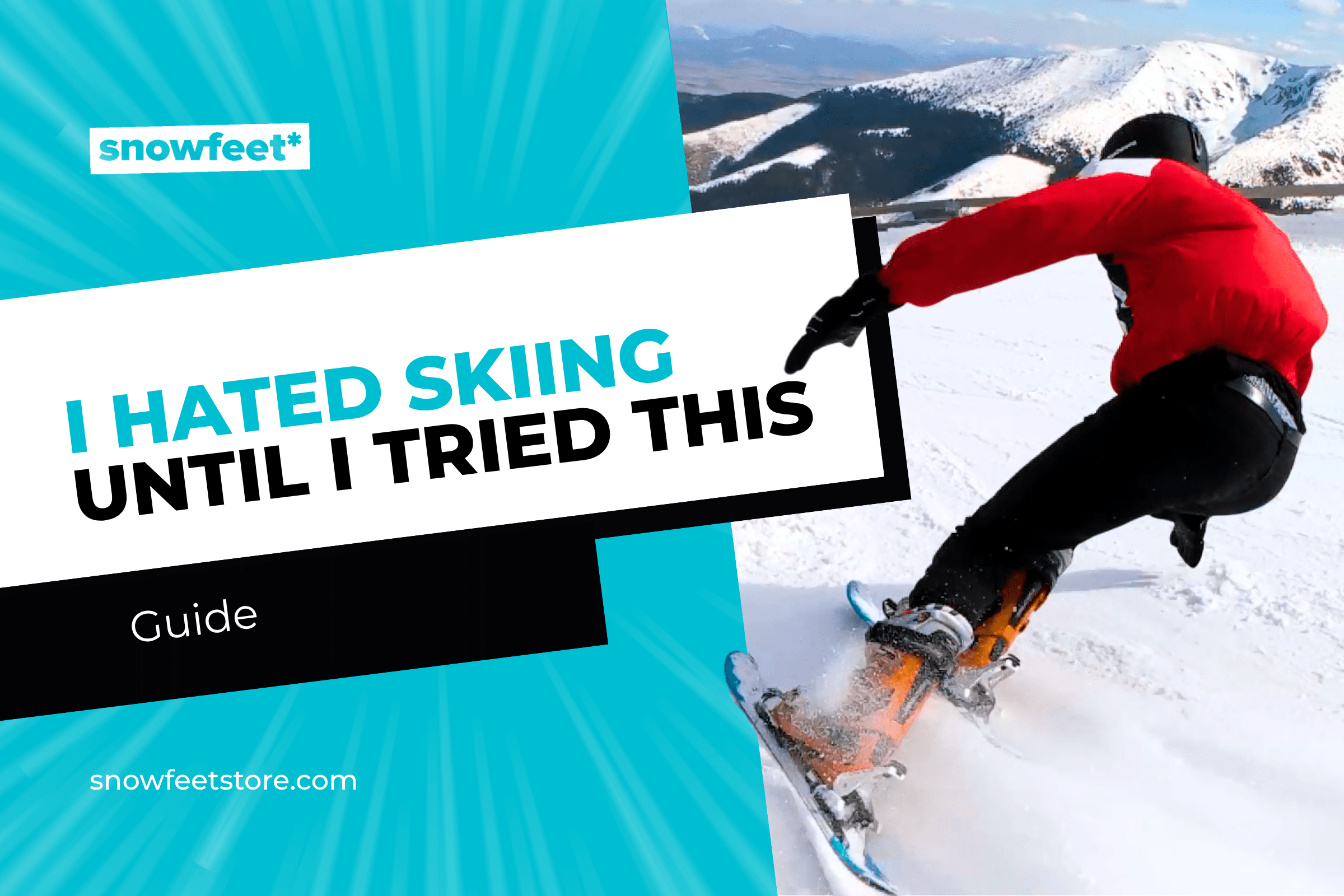
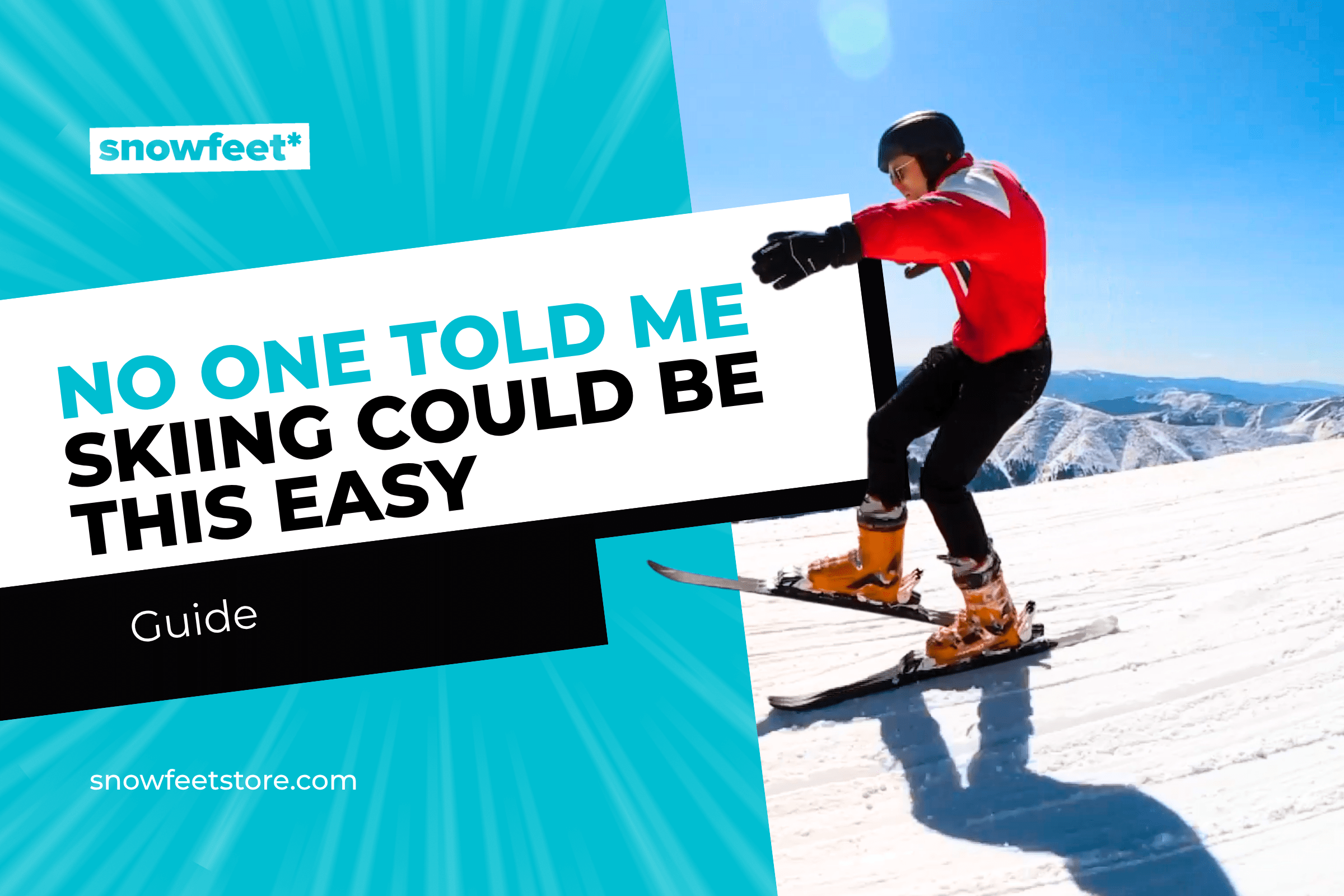
Learning to ski can feel like a losing battle for beginners. Heavy, awkward skis, clunky boots, and a steep learning curve often lead to frustration and quitting. The problem? Most ski gear is built for pros, not first-timers. Enter Snowfeet* - a lighter, shorter, and simpler alternative that’s easier to control and way less intimidating. These mini skis let you skip the struggle and focus on fun.
Here’s why Snowfeet* might be your game-changer:
- Compact and light: At just 2-3 lbs per pair, they fit in a backpack - no bulky gear or ski bags needed.
- Faster learning: Shorter length makes turning and stopping feel natural, cutting learning time in half.
- No special boots required: Strap them onto your regular winter boots and hit the slopes.
If skiing has always felt too hard or expensive, Snowfeet* offers a simple, affordable way to give it another shot. Ready to ditch the long skis? Let’s dive into how Snowfeet* makes skiing easier for beginners.
How to Ski for Beginners: Why It Feels So Hard at First
Why Beginners Struggle with Long Skis
Long skis (155cm or more) can be a tough challenge for beginners. They’re harder to control at slower speeds, require precise technique for turning, and their weight can be exhausting. These hurdles make it clear why modern options, like Snowfeet*, are becoming more appealing.
Speed Control Problems and Fear of Falling
Long skis depend on speed to work properly. If you’re going too slow, the skis don’t respond well, making turns almost impossible. But if you pick up too much speed, it becomes harder to stay in control and slow down safely. This creates a frustrating dilemma for beginners: go slow and struggle with unresponsive skis, or go fast and risk losing control. Either way, it can shake a beginner’s confidence.
Turning and Balance Difficulties
Turning with long skis isn’t easy. It takes deliberate effort and precise pressure on the ski tips - skills that most beginners are still trying to figure out. The extra length throws off timing, making falls more likely. Plus, if someone is used to shorter, more agile skis, switching to longer ones can feel like starting over. Many beginners end up relying on basic techniques like the snowplow, which can slow down their progress.
Heavy and Bulky Equipment
Traditional skis and boots are heavy and cumbersome, which can be a problem before you even hit the slopes. Carrying and handling this gear takes a lot of energy, and for beginners, this extra effort can lead to fatigue and frustration. It’s no wonder that alternatives like Snowfeet* are gaining traction - they’re lighter and easier to manage, making skiing more accessible for newcomers.
How Snowfeet* Products Fix These Problems
Snowfeet* changes the game for skiing by tackling the hassles that often discourage beginners. Forget struggling with long, clunky skis - these compact alternatives make skiing simpler, lighter, and way more approachable. Let’s break down how they solve the common issues we’ve already discussed.
Light and Easy to Carry
Snowfeet* Mini Ski Skates are a breeze to carry, weighing just 2-3 lbs per pair and measuring 15-20 inches in length. Toss them into a regular backpack, and you're ready to go. Compare that to traditional skis, which weigh 8-12 lbs per ski and stretch 160-180 inches - you’d need a bulky ski bag or even a roof rack just to transport them. Snowfeet* setups, at under 5 lbs total, are 70-80% lighter than the standard ski gear, which can weigh 20-30 lbs with bindings. This lighter, compact design means no more back-breaking treks uphill or storage headaches. Plus, less weight equals less fatigue, making it easier for beginners to stick with it beyond their first day.
Easier and Faster to Learn
Traditional long skis can feel overwhelming for beginners, but Snowfeet* Skiblades, at just 29 inches, offer better control and quicker response. Their shorter length makes it easier to stop, turn, and maneuver without the intimidating speed buildup of long skis. Most beginners can master basic turns in just 1-2 hours, compared to the 4-6 hours it often takes with traditional skis. The design mimics the balance of ice skating, so you skip the need for advanced drills like garlands or falling leaf techniques. Instead, the shorter blades encourage natural weight shifts and ankle movements, helping you progress to parallel turns on gentle slopes much faster - no awkward backward leans to throw you off balance.
Works with Regular Winter Boots
One of the coolest perks of Snowfeet* is their compatibility with any sturdy winter or snowboard boots. The simple strap bindings mean you don’t need to shell out for expensive, specialized ski boots. Just show up in your everyday winter boots, strap in, and you’re good to go. No rental lines, no uncomfortable break-in periods - just effortless setup and instant fun. This makes Snowfeet* an ideal choice for anyone curious about skiing but hesitant to invest big money upfront.
sbb-itb-17ade95
Snowfeet* vs. Long Skis and Snowboards
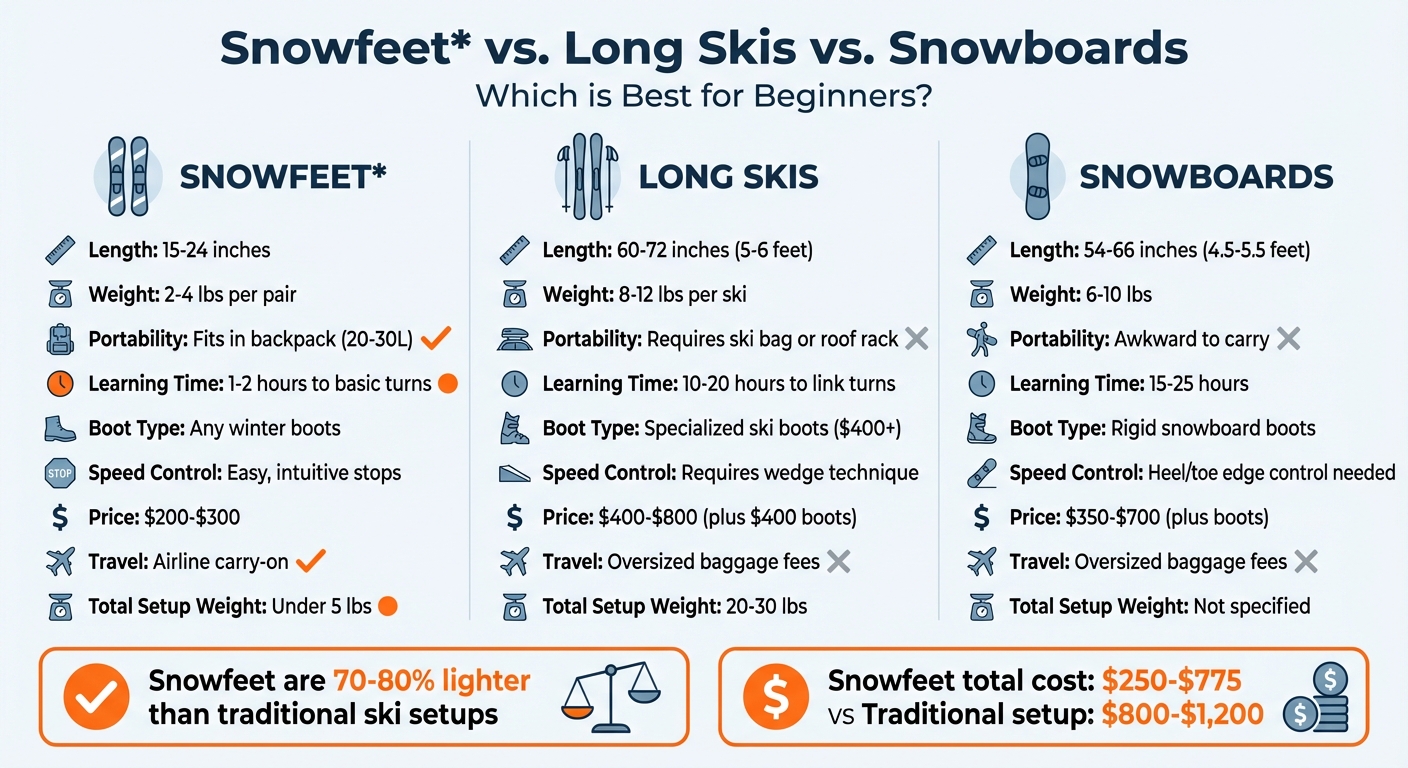
Snowfeet vs Traditional Skis vs Snowboards: Complete Comparison for Beginners
Here's a breakdown of how Snowfeet* stacks up against traditional skis and snowboards, especially for beginners.
Feature Comparison Table
| Feature | Snowfeet* | Long Skis | Snowboards |
|---|---|---|---|
| Length | 15-24 inches | 60-72 inches (5-6 feet) | 54-66 inches (4.5-5.5 feet) |
| Weight | 2-4 lbs per pair | 8-12 lbs per ski | 6-10 lbs |
| Portability | Fits in a backpack (20-30L daypack) | Requires ski bag or roof rack | Awkward to carry |
| Learning Curve | 1-2 hours to basic turns | 10-20 hours to link turns | 15-25 hours |
| Boot Compatibility | Any winter boots (Sorel, Salomon) | Specialized ski boots ($400+) | Rigid snowboard boots |
| Speed Control | Easy, intuitive stops | Requires wedge technique and edging | Heel/toe edge control needed |
| Price | $200-$300 | $400-$800 (plus $400 boots) | $350-$700 (plus boots) |
| Travel Friendly | Airline carry-on to Vail or Tahoe | Oversized baggage fees | Oversized baggage fees |
Snowfeet* offers some clear perks. For starters, they’re 70-80% lighter than the typical ski setup, which can weigh 20-30 lbs. This makes them a breeze to carry around. Whether you’re tossing them in a daypack, hopping on public transit, or hiking to a backcountry spot, their portability is hard to beat. No need for a roof rack or oversized baggage fees here.
Another standout feature is the learning curve. Traditional skis often require hours of practice - think drills like falling leaf exercises, side-slips, and garlands - just to feel comfortable. Snowfeet*, on the other hand, are much more forgiving. Their compact design eliminates the balance challenges of long skis, making it easier to control your movements and avoid wipeouts. You’ll spend less time struggling with technique and more time enjoying the ride.
In short, Snowfeet* makes skiing more accessible and enjoyable without the hassle of bulky, complicated gear.
Conclusion: Enjoy Skiing Again with Snowfeet*
Skiing doesn’t have to feel like a battle, leaving you frustrated after only a few tough days on the mountain. Traditional ski gear can make things harder than they need to be - heavy equipment, tricky to control, and those expensive, specialized boots. It’s no wonder many beginners give up before they even get started.
Snowfeet* changes the game. These ultra-light, compact mini skis are easy to pack in your backpack and take the hassle out of skiing. With Snowfeet*, beginners can pick up basic turning techniques much faster, skipping the long, steep learning curve of traditional skis. Plus, they work with the winter boots you already own, saving you from splurging on pricey ski boots.
The appeal lies in their simplicity and convenience. Traditional setups can run you $800–$1,200 (not to mention extra gear), while Snowfeet* cost just $250–$775. They’re small enough to fit in a carry-on, giving you more time on the slopes and less time worrying about logistics. Snowfeet* make skiing more affordable, portable, and easy to enjoy.
So, if skiing has always seemed too complicated - or if you’ve tried and given up - Snowfeet* might be the perfect way to give it another shot. Imagine picking up the basics in just an afternoon at places like Vail or Tahoe. It’s skiing made fun and approachable again.
Ready to ditch the long skis? Rediscover the joy of winter sports with Snowfeet* and make skiing simple again.
FAQs
Are Snowfeet* allowed at most ski resorts?
Specific details about whether Snowfeet* are allowed at most ski resorts can be hard to find. To avoid any surprises, it’s a good idea to contact the resort you’re planning to visit and ask about their rules regarding alternative ski gear like Snowfeet*.
What terrain are Snowfeet* best for?
Snowfeet* work best on beginner-friendly terrains such as gentle slopes, flat areas, and small hills. They offer a fun and simpler alternative to traditional skis or snowboards, making them a great choice for anyone just starting out with skiing.
Do I need poles or lessons with Snowfeet*?
You won’t need poles or lessons to get started with Snowfeet* Skiblades or Skiskates. These short skis are designed to be easy to control, making them perfect for beginners. Unlike traditional skiing, there’s no steep learning curve - just strap them on and go. Snowfeet* products make it simple to enjoy the snow, offering a safe and fun way to hit the slopes without the extra gear or formal training.











Leave a comment
This site is protected by hCaptcha and the hCaptcha Privacy Policy and Terms of Service apply.