



















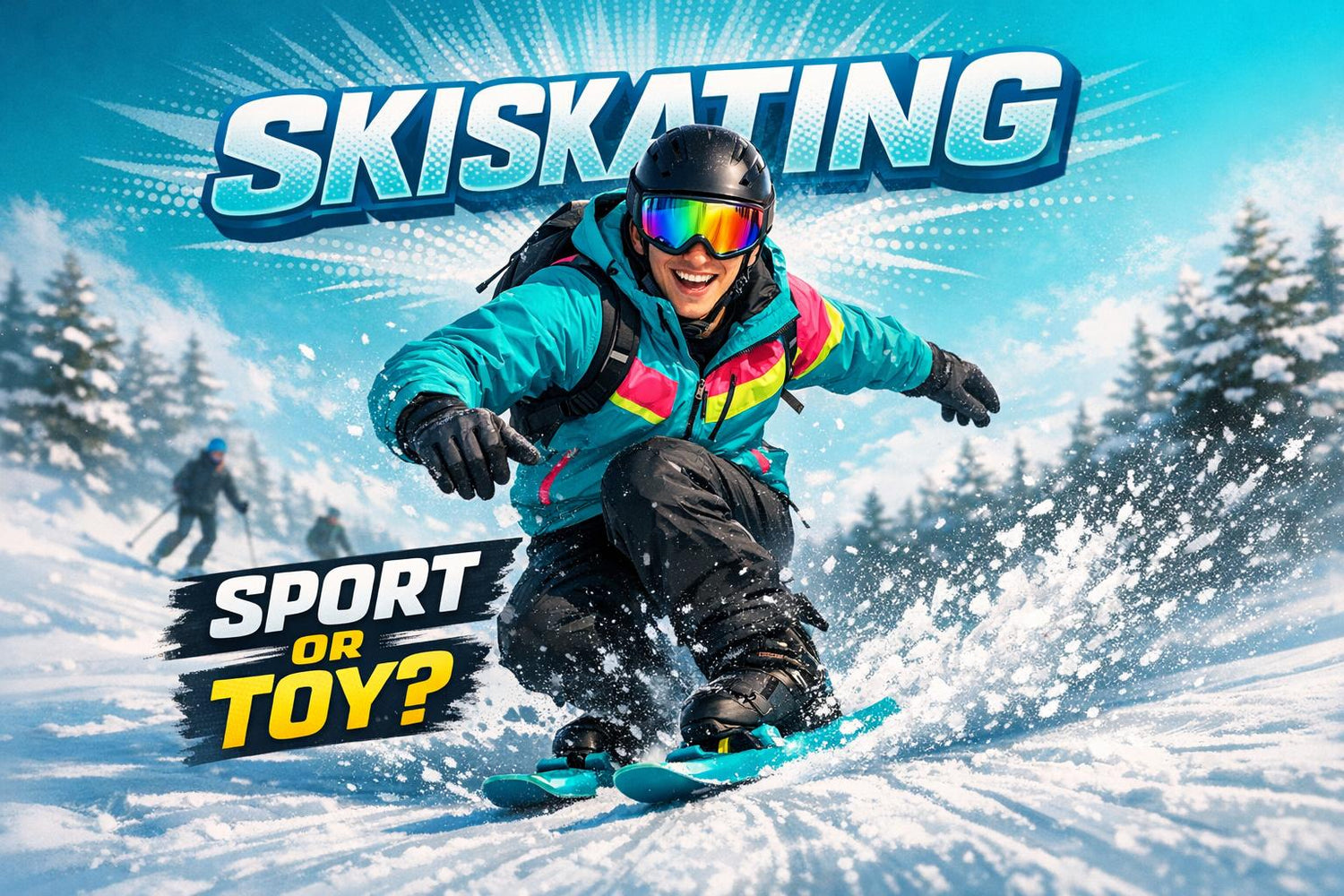
Skiskating is the new winter activity people can’t stop talking about. Think of it as a mix of skiing and ice skating - compact gear, easy to learn, and a whole lot of fun. Unlike skiing or snowboarding, skiskates are small enough to fit in your backpack and work with regular winter boots. Plus, you can pick it up in just a few minutes, especially if you’ve skated before.
Here’s the quick takeaway:
- Portability: Skiskates are lightweight and easy to carry, unlike bulky skis or snowboards.
- Ease of Use: Most people get the hang of it in 5–15 minutes.
- Fitness: A solid workout for your legs, core, and balance, but gentler on your knees than skiing.
- Terrain: Great for slopes, trails, or even your backyard, but not ideal for deep powder.
With over 50,000 users and rave reviews, skiskating is proving it’s more than just a passing trend. Whether you’re looking for a quick workout, a new hobby, or a way to shake up your winter routine, skiskating might just be the answer. Keep reading to see how it stacks up against skiing and snowboarding.
1. Skiskating
Physical and Technical Demands
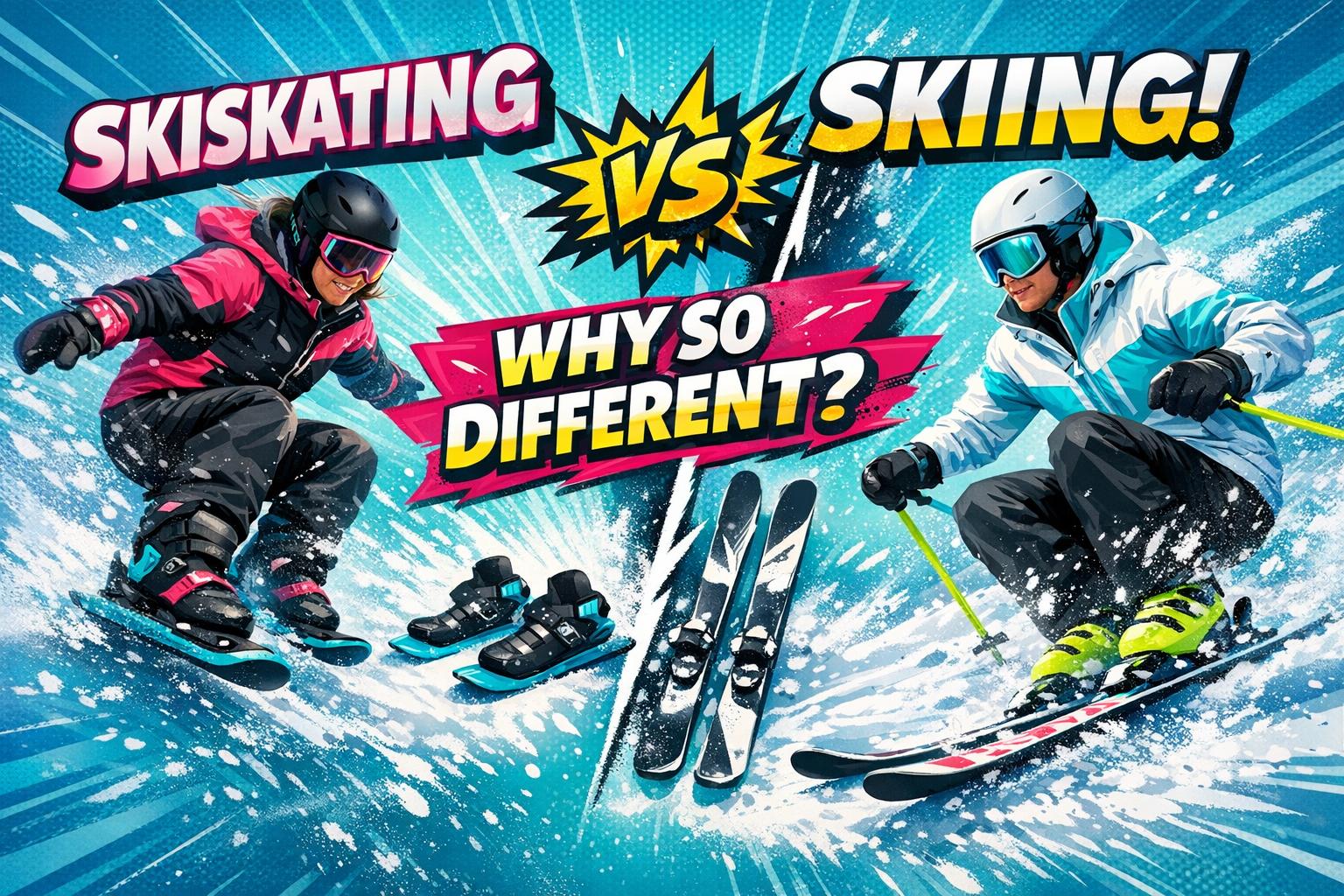
Skiskating is a whole different ballgame compared to traditional skiing. Instead of relying on side-to-side edge control, you need to focus on front-to-back stability. Why? Because the equipment is much shorter - usually between 15 and 26 inches long. The movement feels more like ice skating or inline skating than the long, smooth glides you’d get with regular skis.
Stopping is a bit different too. You’ll either use a hockey stop or a special heel brake. The technique itself is pretty simple: keep your knees slightly bent and your weight centered. Cameron Asbell, who gave Snowfeet Skiskates a try, shared his experience:
"I didn't get injured because with how small they are it's easier to pick them up and it doesn't put stress on your knees as much also making it easier to control and regain balance when falling".
The short length of skiskates also works in your favor when it comes to falls. Less twisting means less strain on your knees, making them a safer option for many. This compact design not only boosts control but also opens the door to some great fitness perks.
Fitness Benefits
The motion of skiskating is a lot like ice hockey - it’s a full-body workout. It targets your legs, glutes, and core while also improving coordination and stability. What’s great is that it does all this without putting heavy strain on your joints, which can happen with longer, heavier skis.
Snowfeet Skiskates are lightweight and only 17 inches long, making them easier to lift and control. This design reduces knee stress and makes them a more forgiving option compared to traditional skis. Plus, their easy handling means you can enjoy a wide range of winter terrains without feeling bogged down.
Versatility and Accessibility
One of skiskating’s biggest selling points is how versatile it is. Forget about roof racks or hauling bulky ski bags - Snowfeet Skiskates are compact enough to fit in your backpack. They’re also compatible with standard winter boots, snowboard boots, or ski boots, depending on the model. The bindings are adjustable and typically fit US shoe sizes 6 to 13.
Most people can pick up the basics in just a few minutes, especially if they’ve got experience with ice skating or hockey. Zbyněk, the founder of Snowfeet, summed it up perfectly:
"In my opinion, Skiskates is the best product for slopes we developed so far. I love how easy they are to ski and skate and how many different kinds of tricks I can perform without much effort and almost no restrictions".
2. Traditional Skiing
Physical and Technical Demands
Traditional skiing is all about mastering balance, weight distribution, and edge control. Beginners typically start with a snowplow technique before advancing to stem and parallel turns - a progression that can take anywhere from a few days to several weeks. The gear is highly specialized, with stiff plastic boots and bindings designed specifically for skiing. Unlike skiskating, which focuses on front-to-back balance, traditional skiing requires precise side-to-side control to carve through the snow. At the competitive level, slalom racers navigate gates at lightning speeds, while downhill courses can last over a minute and a half. The technical demands alone make skiing a challenging and rewarding physical activity.
Fitness Benefits
Skiing engages your entire body. It’s a coordinated effort that involves your legs, core, and even your upper body, as you use poles to control rhythm and manage speed. The constant shifting of weight and maintaining edge control keeps your muscles working, delivering a thorough workout. However, the heavy equipment adds to the physical strain, especially when recovering from falls or executing sharp maneuvers.
Versatility and Accessibility
When it comes to logistics, traditional skiing stands apart from skiskating. Skiing requires a lot more gear and infrastructure. The equipment is bulky, often needing roof racks or larger vehicles for transport. Add to that the cost of lift tickets at major resorts, and it’s clear that skiing can be a pricey endeavor. Unlike skiskating, which you can do on a whim, skiing is mostly limited to groomed resort slopes. Chairlifts and specialized terrain are essential for alpine skiing. Plus, the learning curve is steep. Most beginners need professional lessons to grasp basic techniques like stopping and turning.
As Justin D. García points out:
"Modern-day skiing is widely regarded as a socially restrictive sport, insofar as the geographic and social class barriers imposed that limit the sport's accessibility to much of the general public".
While traditional skis shine in deep powder and on steep slopes, they’re far from grab-and-go gear for spontaneous winter outings.
3. Snowboarding
Physical and Technical Demands
Snowboarding brings its own set of challenges, especially when compared to skiing. It demands excellent balance and precise edge control. For beginners, this often means a lot of falling as they figure out how to distribute their weight properly. Unlike skiing, where each leg moves independently, snowboarding's fixed stance makes recovering from falls trickier. But once you’ve got the hang of it, snowboarding opens the door to carving smooth turns, pulling off tricks, and hitting terrain parks.
Fitness Benefits
If you’re looking for a workout, snowboarding delivers. It’s a great way to build strength in your legs and core, as you’re constantly adjusting your balance and controlling your edges. The learning phase can be physically demanding, with all the falling and getting back up. Traditional snowboarding gear can also be on the heavier side, which adds to the effort. On the other hand, Snowfeet® Skiskates, with their compact 44 cm design, offer a lighter alternative that reduces knee strain.
Versatility and Accessibility
Snowboarding is mostly limited to resort slopes and snow parks. Its gear, while essential, can be a hassle - bulky boards and bindings often require roof racks or oversized bags for transport. In contrast, Snowfeet® Skiskates are small enough to fit in a backpack and work with snowboard boots, making them a portable and lightweight option.
Max H., a Snowfeet® user, shared his experience:
"I do not like Skis, and am a Snowboard beginner, so lots of frustration at the beginning... [Skiskates are] easier to handle and turn".
While snowboarding has its place as an Olympic sport and a favorite winter activity, its heavy gear and reliance on resort slopes can be limiting. Snowfeet® Skiskates, with their portability and flexibility, offer a fresh alternative for those seeking a more accessible winter adventure.
sbb-itb-17ade95
Skiing vs Snowboarding – What’s REALLY Better?
Pros and Cons
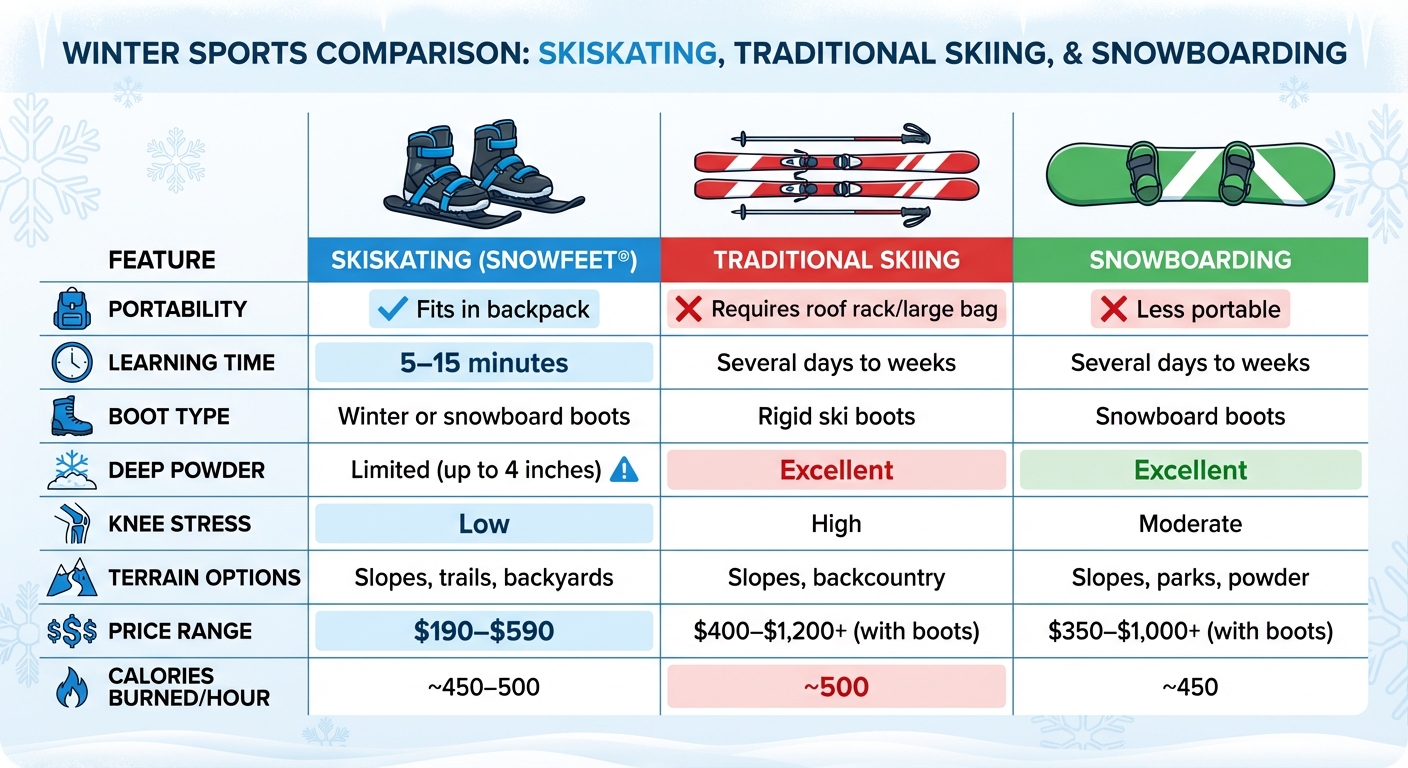
Skiskating vs Skiing vs Snowboarding: Complete Comparison Guide
Let’s break down the key aspects of skiskating, skiing, and snowboarding. Each has its own perks and challenges, so it really depends on what you’re looking for.
Portability is where skiskating steals the show. Snowfeet® Skiskates are compact enough to fit in a regular backpack, making them incredibly easy to carry around. Compare that to traditional skis and snowboards, which often require roof racks or oversized bags - it’s no contest. If traveling light is your thing, skiskating is a no-brainer.
Learning curves are another area where skiskating stands out. Most people can pick it up in just 5–15 minutes. Meanwhile, skiing and snowboarding usually take several days or even weeks of lessons to feel comfortable. That said, skiskates do have their limits - they’re not great for powder deeper than 4 inches, where traditional skis and snowboards shine.
Physical demands also vary. Skiing burns around 500 calories per hour, snowboarding about 450, and skiskating falls in the same range at 450–500 calories per hour. But here’s a bonus for skiskaters: it’s easier on the knees compared to skiing. So if you’re worried about joint stress, skiskating might be the way to go.
Here’s a quick table to sum it all up:
| Feature | Skiskating (Snowfeet®) | Traditional Skiing | Snowboarding |
|---|---|---|---|
| Portability | Fits in backpack | Requires roof rack/large bag | Less portable |
| Learning Time | 5–15 minutes | Several days to weeks | Several days to weeks |
| Boot Type | Winter or snowboard boots | Rigid ski boots | Snowboard boots |
| Deep Powder | Limited (up to 4 inches) | Excellent | Excellent |
| Knee Stress | Low | High | Moderate |
| Terrain Options | Slopes, trails, backyards | Slopes, backcountry | Slopes, parks, powder |
| Price Range | $190–$590 | $400–$1,200+ (with boots) | $350–$1,000+ (with boots) |
| Calories Burned/Hour | ~450–500 | ~500 | ~450 |
So, what’s the takeaway? If portability and ease of use are your top priorities, skiskating is a clear winner. But if you’re chasing deep powder or more traditional mountain adventures, skiing and snowboarding still have the upper hand.
Conclusion
Is skiskating a sport or just a fun winter toy? Honestly, it’s both. It offers a full-body workout while being easier on your knees compared to traditional skiing. Plus, it takes real skill - like balancing front-to-back and nailing a solid "hockey stop" - which firmly places it in the realm of legitimate winter sports. It’s a unique mix of skiing and skating that’s as rewarding as it is fun.
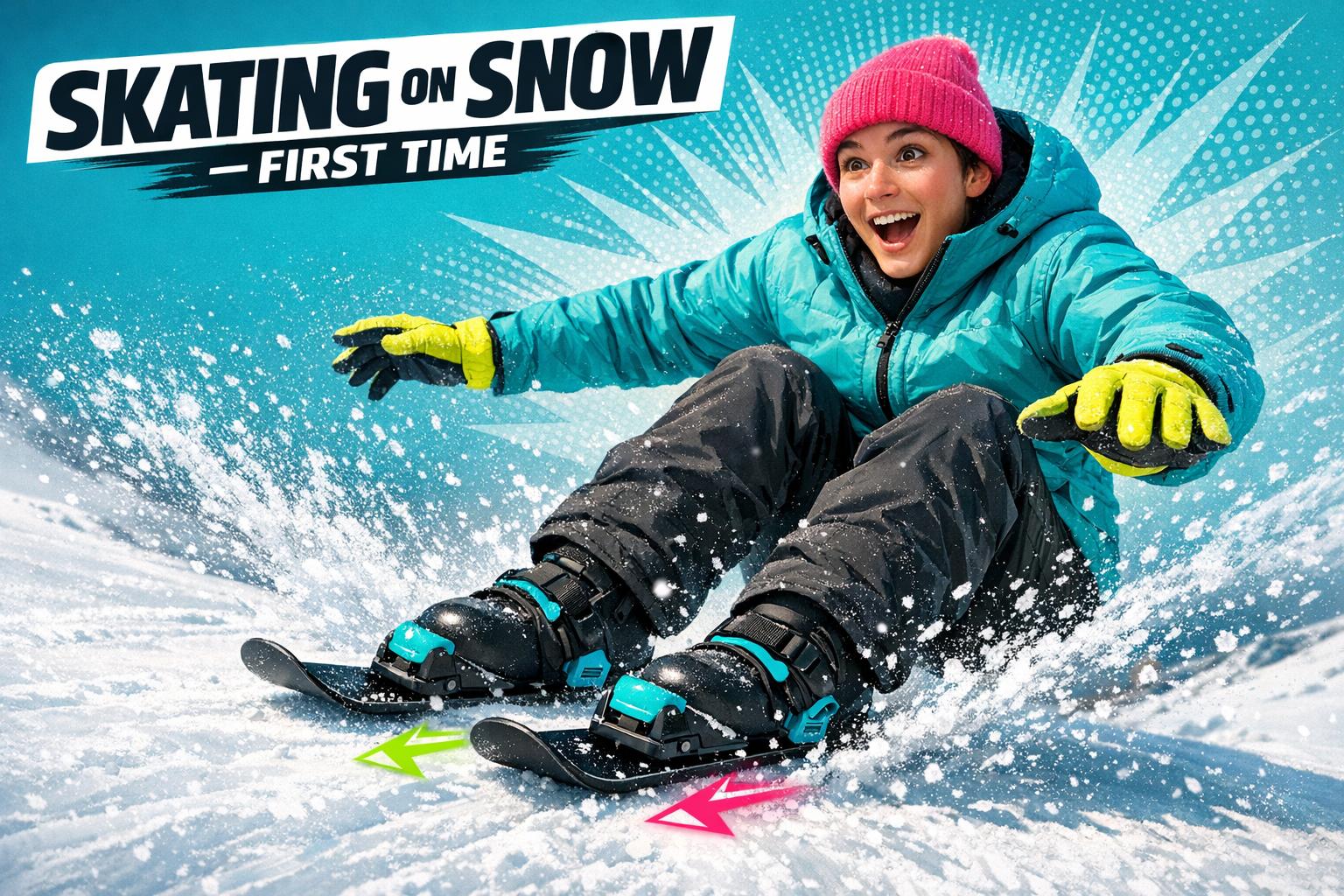
But let’s not forget the convenience factor. Skiskating is designed to be simple and accessible. If you’ve ever tried ice skating or inline skating, you’ll probably pick it up in about five minutes. The compact design of Snowfeet® Skiskates means you can seamlessly move from groomed slopes to hiking trails - or even your backyard - without any hassle. They’re portable, easy to use, and perfect for quick skill-building.
And the numbers back it up: over 50,000 riders around the world and a glowing 4.9/5 star rating from more than 5,500 verified reviews. That’s pretty impressive. Starting at just $250 for the 38 CM Mini model, Snowfeet® Skiskates are an affordable, versatile alternative to traditional ski gear. Whether you’re a seasoned athlete looking for a fresh challenge or just someone who wants to have a blast in the snow, skiskating delivers on all fronts. Why not give it a try and feel the freedom for yourself?
FAQs
How does skiskating compare to traditional skiing in terms of difficulty and physical effort?
Skiskating is a fantastic choice if you’re looking for something easier to pick up and less physically taxing than traditional skiing. Unlike alpine or cross-country skiing, which often require mastering tricky techniques, skiskating keeps things simple. The movements are straightforward, making it a great option for beginners or anyone wanting a fun, active way to enjoy winter without a steep learning curve.
While it’s less intense than traditional skiing, skiskating still delivers a solid workout. It helps boost your cardiovascular fitness and strengthens your legs, but without the same level of physical demand. Traditional skiing, especially on tougher slopes, calls for more strength, balance, and coordination - and comes with a higher risk of injury. Snowfeet skiskates are a standout choice here. They’re versatile, easy to use, and perfect for anyone seeking a fun winter activity without the technical challenges or physical strain of traditional skiing.
Can you use skiskates on all types of snow surfaces?
Skiskating is a fantastic option for gliding across different snow surfaces, from groomed trails to compact, flat snow. That said, it’s not the best fit for rough, rocky spots or dense, wooded areas - places where traditional skis or snowboards might handle the terrain better. Enter Snowfeet skiskates: these little marvels are built for versatility. They’re compact, lightweight, and super easy to control, offering a fresh and fun way to enjoy winter adventures - without lugging around bulky gear.
What makes Snowfeet Skiskates better than traditional skis and snowboards?
Snowfeet Skiskates bring a whole new vibe to winter sports with their compact size, simplicity, and adaptability. Unlike traditional skis or snowboards, these are lightweight and super portable - ideal for quick trips or when you're on the go. Forget about lugging around heavy gear or hunting for specialized boots. Just strap them onto your regular winter shoes, and you're all set to hit the snow.
What makes them even cooler? Their flexibility. You can glide across different terrains and snow conditions without needing to swap out equipment. Whether you're totally new to winter sports or a seasoned pro, Snowfeet Skiskates offer a fun way to stay active while sharpening your balance and coordination. Their clever design also makes them a safer and more beginner-friendly choice, especially for those who aren't ready to commit to full-sized skis or snowboards.
If you're after a modern, fitness-focused activity that’s easy to pick up, Snowfeet Skiskates are a refreshing alternative to the usual winter gear.











Leave a comment
This site is protected by hCaptcha and the hCaptcha Privacy Policy and Terms of Service apply.