
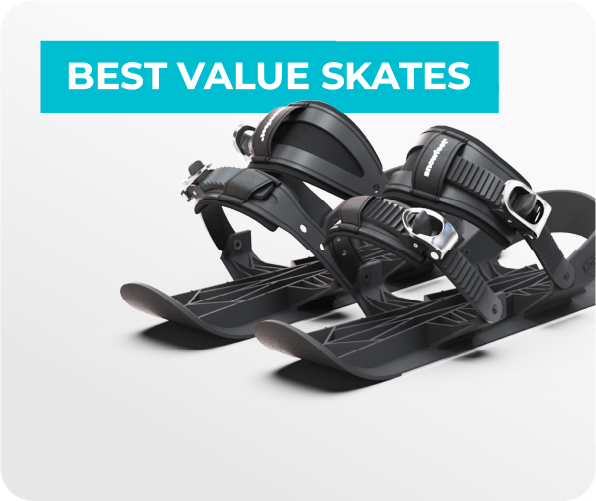
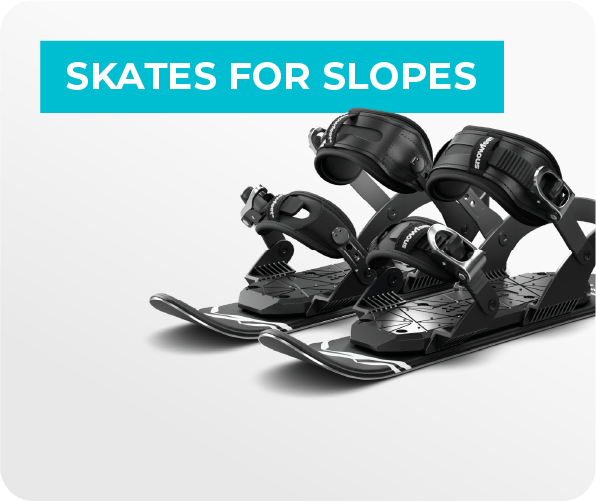
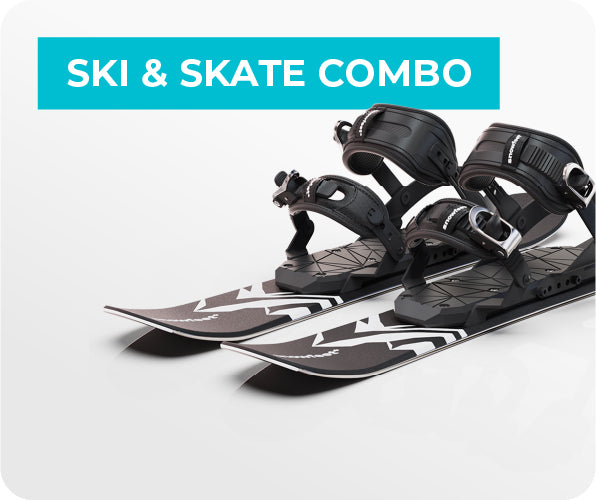
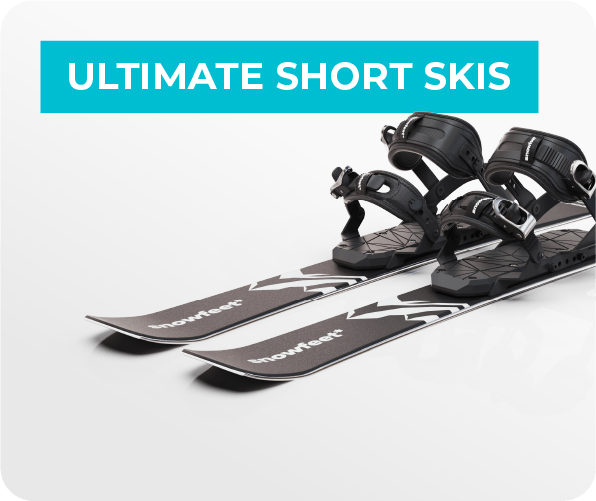
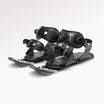
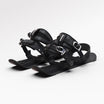
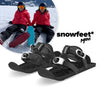
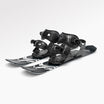
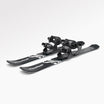
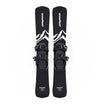
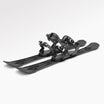
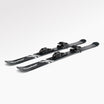
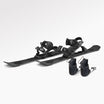
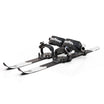

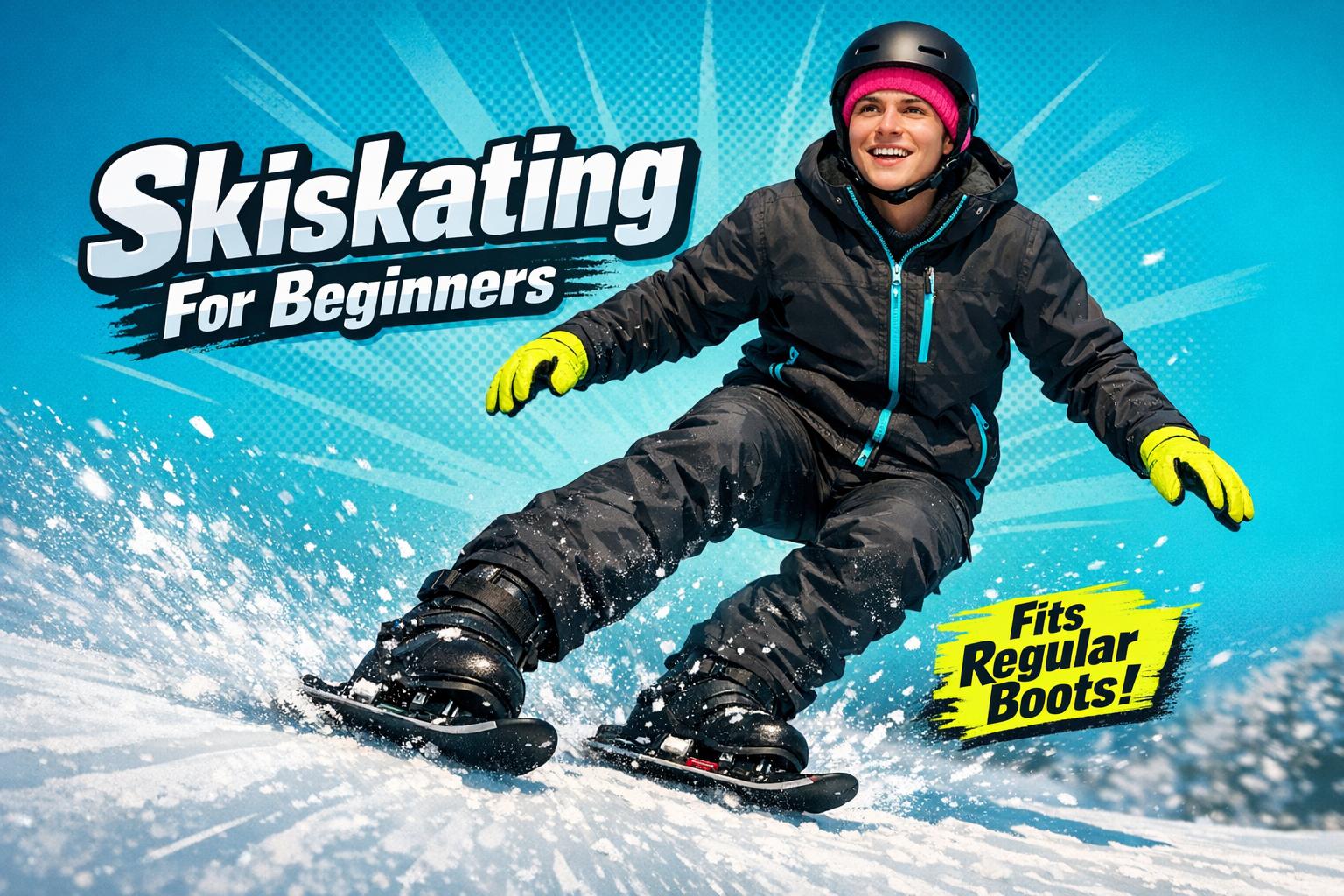
Skiskating is changing the way people enjoy winter sports. Unlike skiing, which often requires expensive gear, lessons, and days of practice, skiskating is simple, fast to learn, and fun. Using compact skiskates like Snowfeet, you can glide down slopes with ease - no ski boots or bulky equipment needed. If you’ve ever ice-skated or rollerbladed, you’ll pick it up in minutes.
Here’s why skiskating stands out:
- Compact and lightweight: Skiskates are only 17–20 inches long, fitting easily in a backpack.
- Beginner-friendly: The movement feels natural, and there’s no need for formal lessons.
- Affordable and accessible: Works with your regular winter boots, saving you money.
- Versatile: Perfect for groomed slopes, sledding hills, or even your backyard.
While skiing excels in deep powder and advanced terrains, skiskating is the go-to for quick, hassle-free fun. Whether you’re 5 or 105, it’s a fantastic way to enjoy the snow without the steep learning curve.
What's Easier: Skiing Or Snowboarding?
Why Skiskating is Faster to Learn
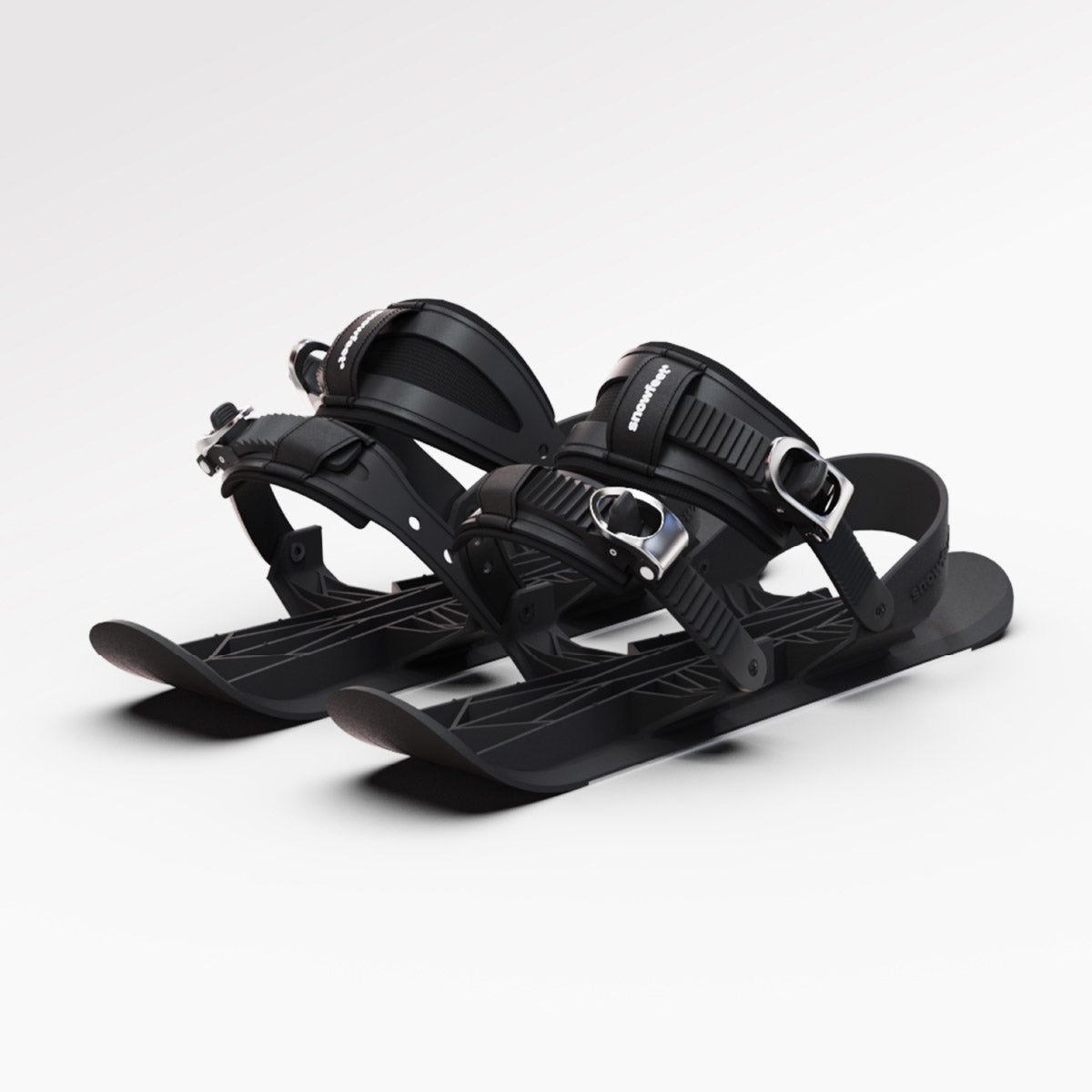
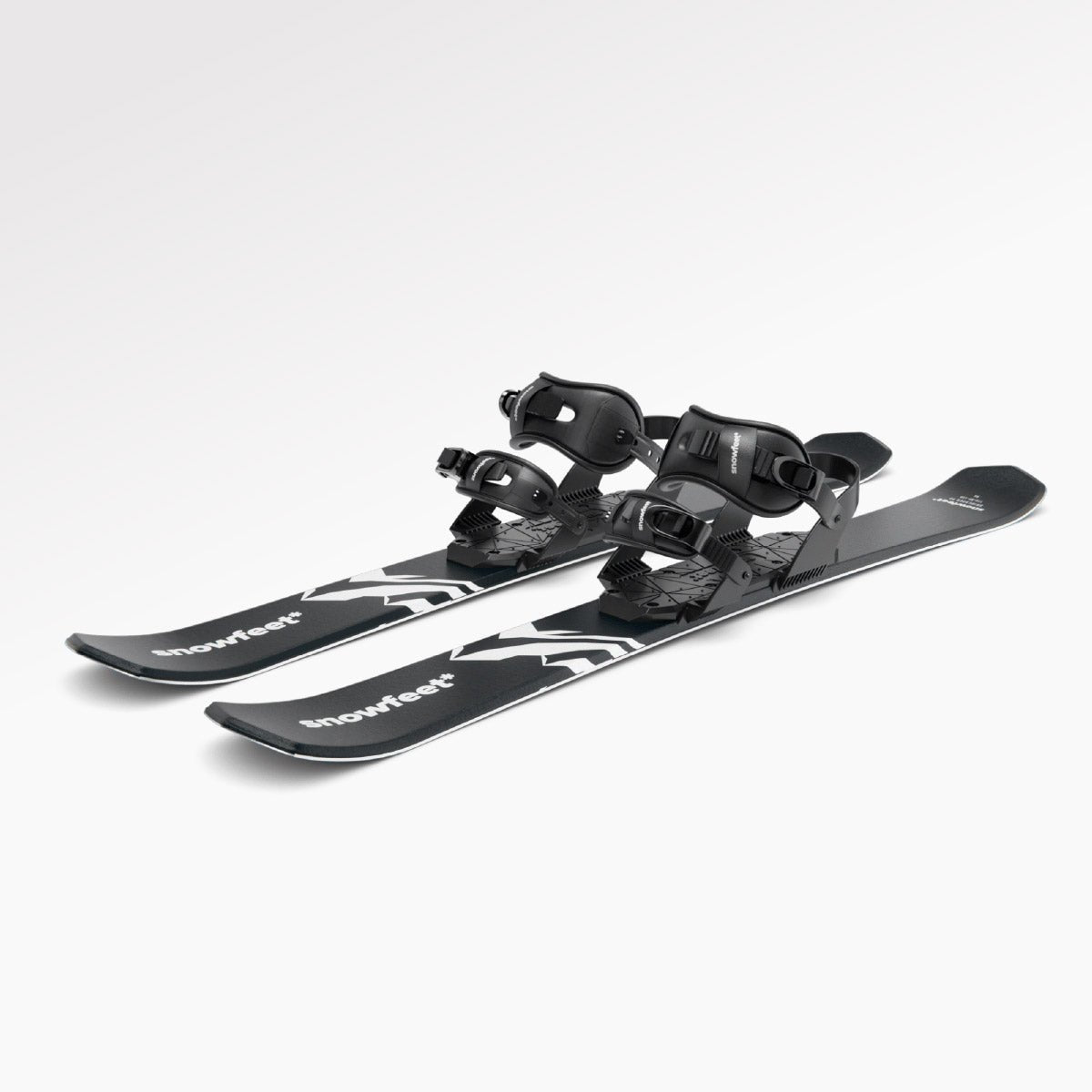
Skiskating is designed to make learning a breeze. Snowfeet* Skiskates, at just 17 inches long, solve one of the biggest beginner problems in traditional skiing - crossed ski tips. With skiskates, there’s no need to worry about tangled skis because, well, they’re too short for that to even happen.
Another bonus? Skiskates are easier on your knees and ankles. This helps you stay balanced more easily, as Cameron Asbell explains:
"I didn't get injured because with how small they are it's easier to pick them up and it doesn't put stress on your knees as much also making it easier to control and regain balance when falling."
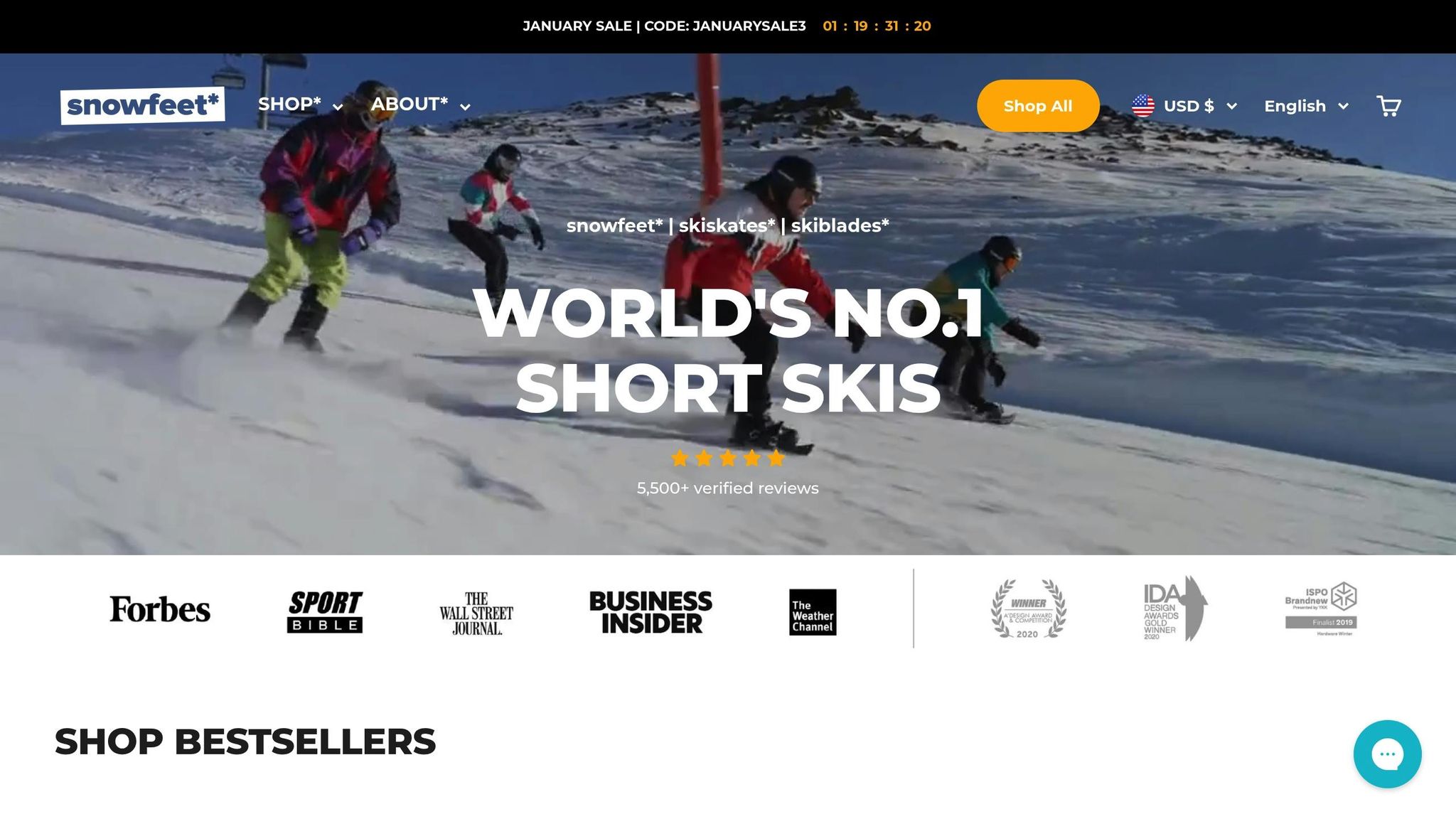
If you’ve ever ice skated or used inline skates, you’ll feel right at home. The side-to-side motion is similar, making it a smooth transition. Snowfeet* even claims some people can pick up the basics in just five minutes. With over 5,500 verified reviews and an average rating of 4.9 out of 5 stars, it’s clear these skiskates deliver.
Their compact size also gives you more control. You can switch stances and change directions in an instant. Andrew B., a verified user, puts it perfectly:
"These skiblades are so much fun and easy to control. Never going back to regular skis."
Unlike traditional ski gear from brands like Rossignol, Salomon, or K2, Snowfeet* equipment focuses on natural movement. Just strap them on, and you’re ready to hit the slopes - no extra hassle. These thoughtful design features give Snowfeet* a clear edge over traditional skis, as we’ll dive into next.
1. Skiskating (Snowfeet* Skiskates)
Equipment Size and Weight
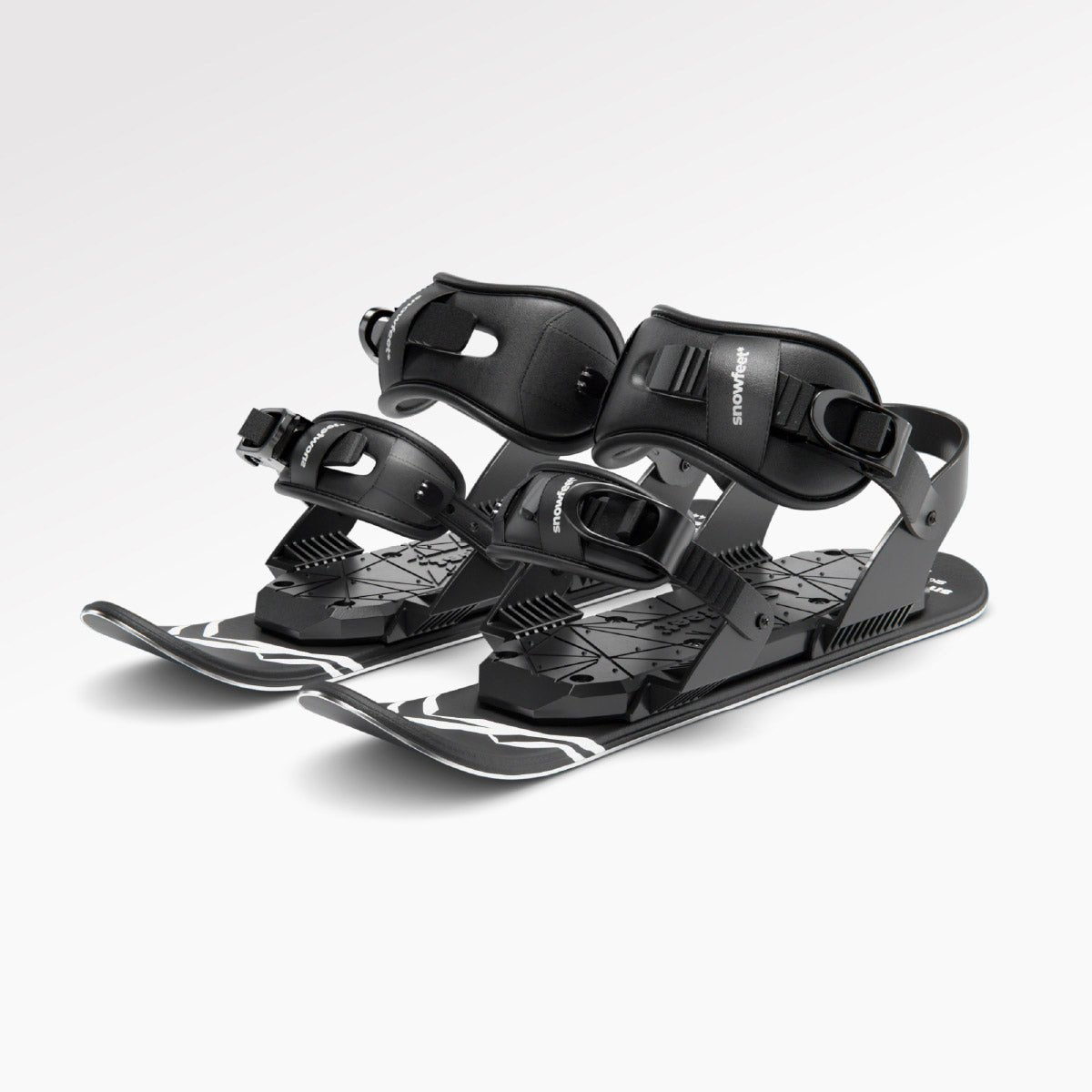
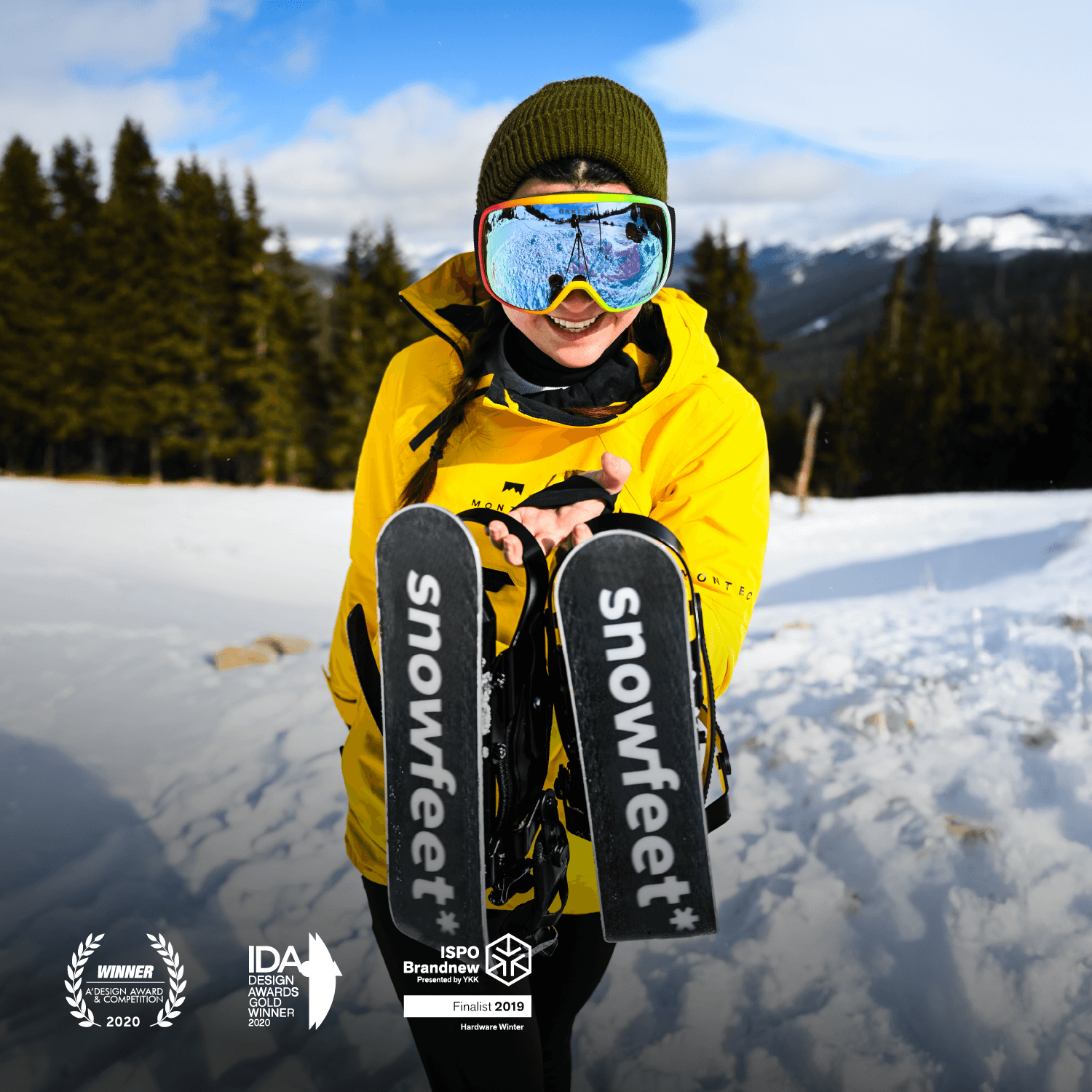
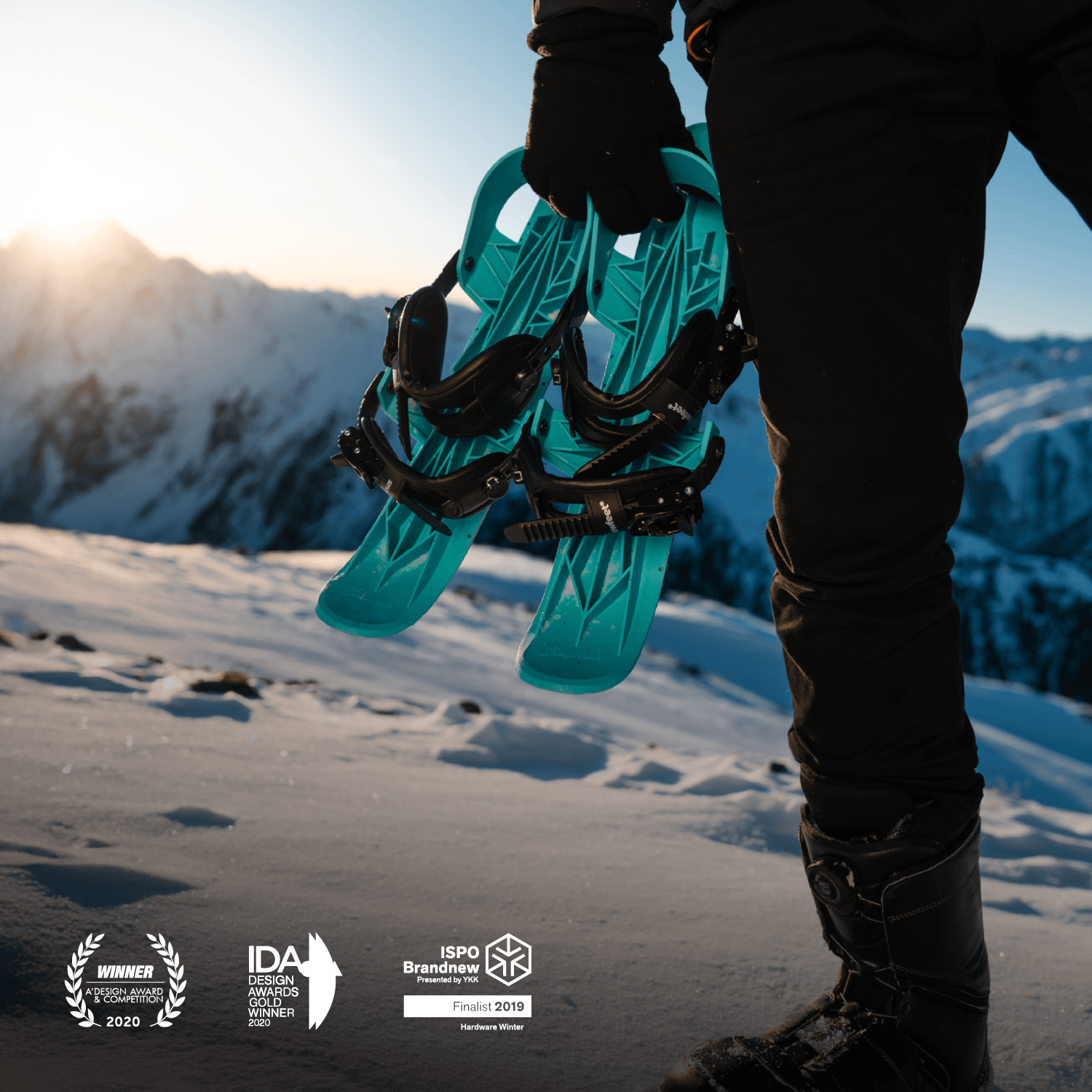
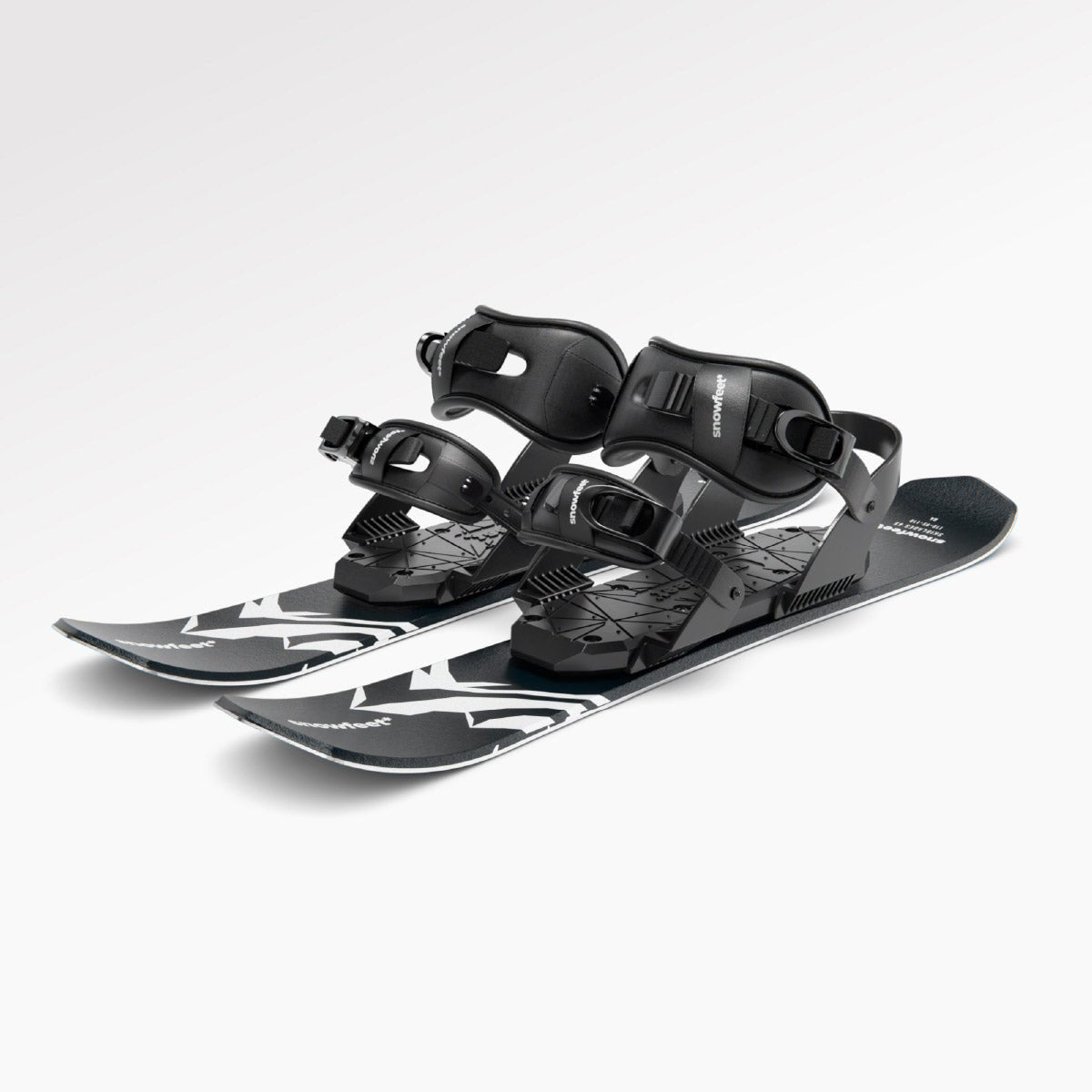
Snowfeet* Skiskates are just 17 inches (44 cm) long - basically the size of a standard laptop. Compare that to traditional skis from brands like Rossignol or Salomon, which typically stretch over 5 feet (150 cm). This compact design makes them super easy to carry. You can toss them in a regular backpack - no need to deal with bulky ski bags or awkward roof racks.
And since they’re so lightweight, they’re less of a workout to carry around. Plus, using them feels natural, with a skating motion similar to ice skating or inline skating.
Ease of Control
The small size of Snowfeet* Skiskates gives you instant control. You can pivot, turn, and change directions in a snap - something that’s much harder to pull off with traditional, longer skis. While regular skis focus on stability for smooth carving, Snowfeet* is all about freedom. You can jump, twist, and even pull off tricks that would be almost impossible with standard skis.
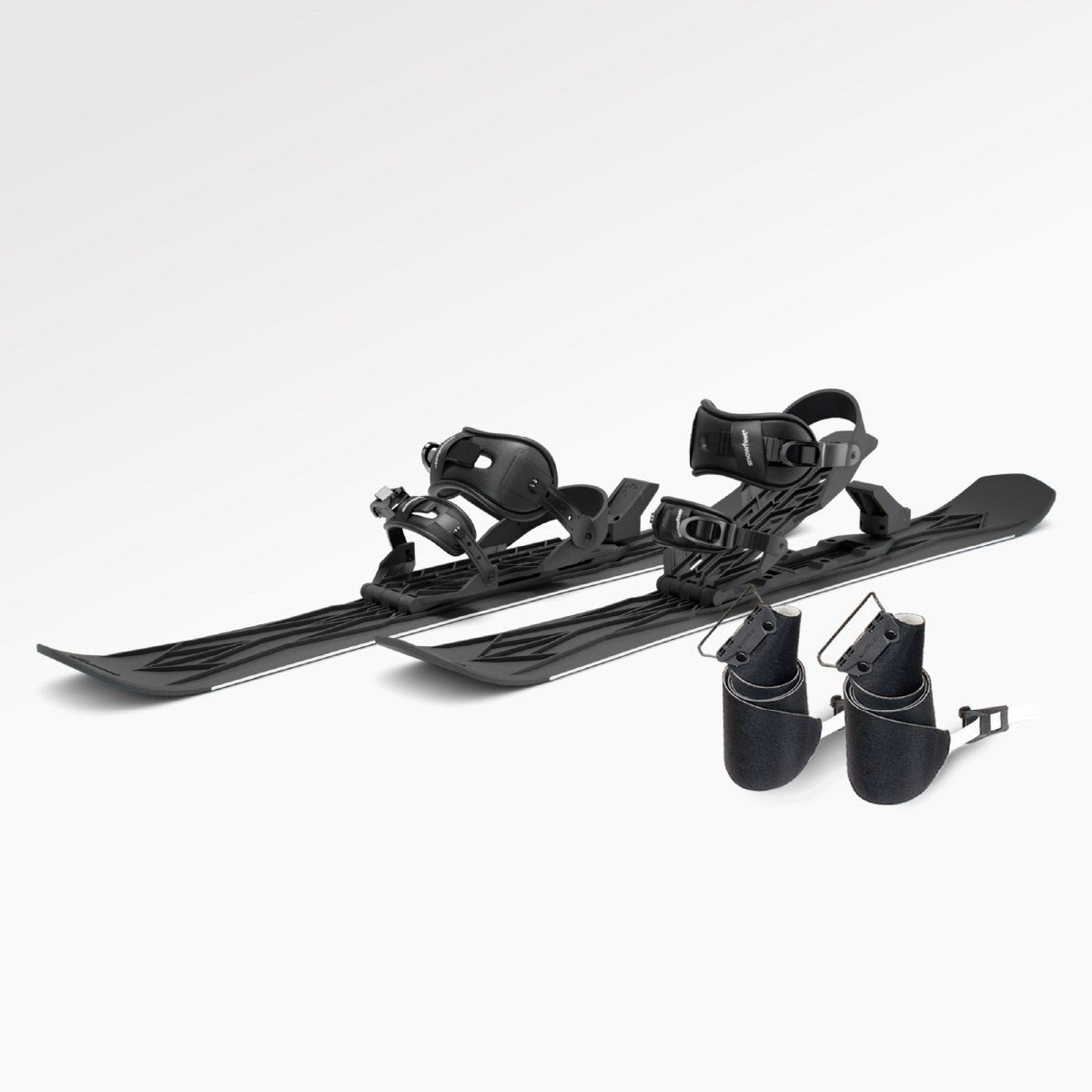
They also come with a built-in heel brake for reliable stopping and metal edges for solid grip, making controlled turns and stops a breeze.
Learning Accessibility
With over 50,000 riders globally and more than 5,500 verified reviews averaging 4.9 out of 5 stars, Snowfeet* Skiskates have proven to be beginner-friendly. One of their best features? You can use them with regular winter boots - no need to invest in specialized ski boots. This makes them a great option for first-timers, removing a major hurdle that often comes with traditional skiing. They’re designed for all ages, from 5 to 105, and many users pick up the basics quickly without needing professional lessons.
Versatility
Snowfeet* Skiskates aren’t just for ski slopes. You can use them in snow parks, on hiking trails, sledding hills, and even in your backyard. Their small size makes it easy to navigate narrow paths where long skis would struggle. And since they have durable metal edges, they’re accepted at most ski resorts.
They perform best on packed or groomed snow and can handle light powder up to 4 inches (10 cm) deep. However, they’re not ideal for deep backcountry powder. If you go for the fiberglass models, regular waxing will help maintain speed and prevent snow from sticking.
These features highlight how Snowfeet* Skiskates offer a fresh twist on traditional skiing.
sbb-itb-17ade95
2. Traditional Skiing
Traditional skiing, while iconic and exhilarating, comes with its own set of challenges - especially for beginners. Compared to the compact and user-friendly Snowfeet* Skiskates, traditional skiing demands more effort in nearly every way.
Equipment Size and Weight
Traditional skis, like those from Rossignol or Salomon, are no joke when it comes to size. At over 5 feet (150 cm) long, they’re not exactly easy to handle. For beginners, this can be a real headache. You can’t just toss them into a backpack; instead, you’ll need to deal with bulky storage and transportation.
And then there are the boots. Those stiff, plastic ski boots? They’re not winning any comfort awards. They can pinch, hurt, and distract you from focusing on your technique. This combination of heavy, awkward gear makes traditional skiing feel like a workout before you even hit the slopes.
Ease of Control
Managing traditional skis can feel like wrestling with a pair of oversized planks, especially if you’re new to the sport. Their length makes them less responsive and harder to control, which can be a struggle for beginners still building leg strength and coordination . Turning isn’t just a quick shift - it requires long, forceful movements. And let’s not forget the classic beginner mishap: crossing your ski tips. When that happens, falling is almost inevitable, and getting back up with those long skis can put strain on your knees.
The stance required for traditional skiing also takes time to master. It’s less natural and more physically demanding compared to the intuitive design of skiskates. All of this adds up to a steeper learning curve.
Learning Accessibility
If you’re getting into traditional skiing, be prepared to invest some serious time. Most beginners need formal lessons to get the hang of it, and it often takes several days to feel confident on the slopes . The heavy gear, tricky turning mechanics, and uncomfortable boots don’t make the learning process any easier. Plus, the cost of traditional release bindings can be another hurdle for those just starting out.
Versatility
Traditional skis shine on groomed slopes and in deep powder, no doubt about it. But their size makes them less practical for other scenarios. Want to hit a narrow trail, a local sledding hill, or just have some fun in your backyard? Traditional skis aren’t exactly built for that. In these cases, more portable and adaptable gear like skiskates clearly has the upper hand.
Pros and Cons
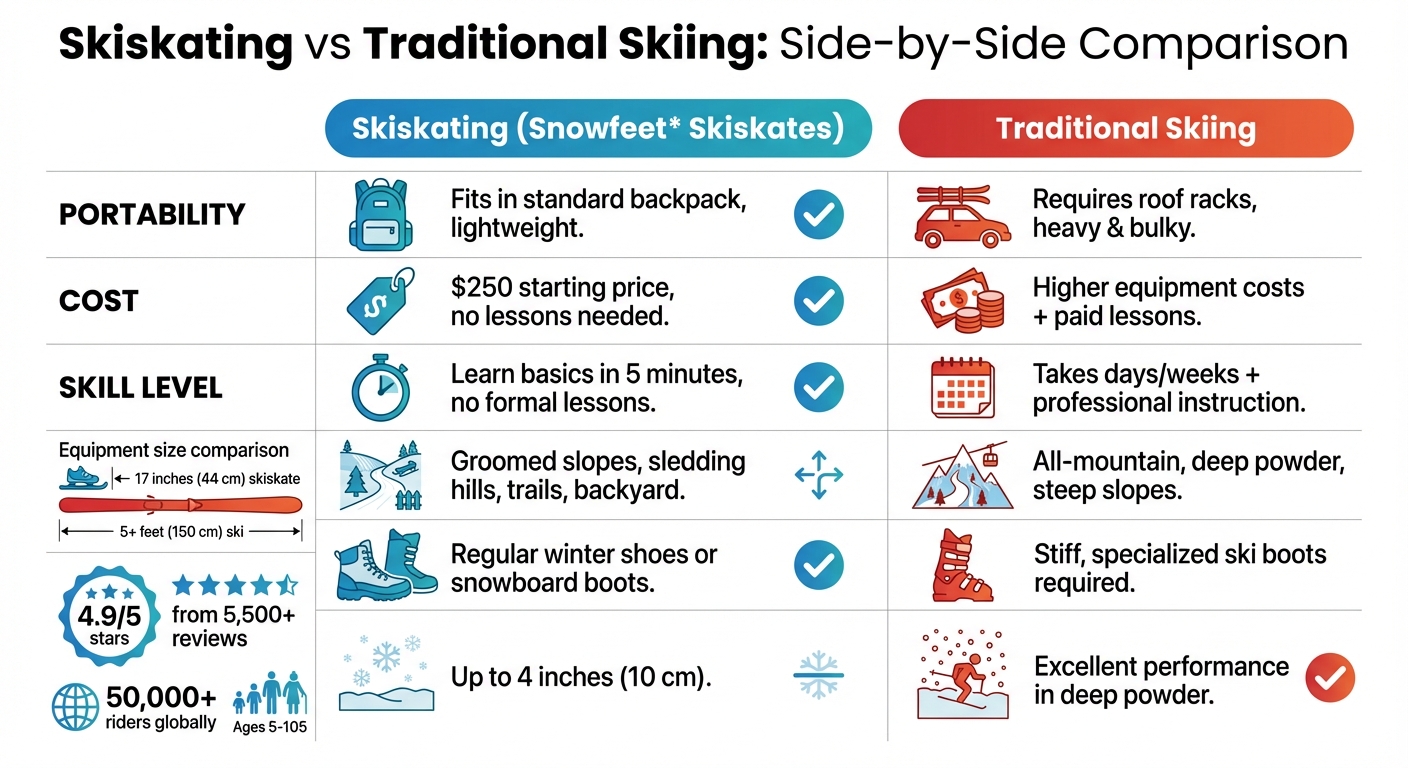
Skiskating vs Traditional Skiing: Complete Comparison Guide
Let’s break down the differences between skiskating and traditional skiing.
| Feature | Skiskating (Snowfeet* Skiskates) | Traditional Skiing |
|---|---|---|
| Portability | Fits easily in a standard backpack and is super lightweight | Requires roof racks or a lot of vehicle space; heavy and bulky |
| Cost | Starts at $250 for Snowfeet* Mini Ski Skates, with no need for pricey lessons | Higher equipment costs and usually requires paid lessons |
| Skill Level | Learn basic techniques in about 5 minutes without formal lessons | Often takes days or weeks and typically involves professional instruction |
| Terrain | Perfect for groomed slopes, sledding hills, hiking trails, and even your backyard | Designed for all-mountain terrains, deep powder, and steep slopes |
| Footwear | Works with regular winter shoes or snowboard boots | Requires stiff, specialized ski boots |
| Deep Powder | Handles light powder (up to about 4 inches/10 cm) well | Performs much better in deep powder |
Skiskating shines when it comes to ease and accessibility. Its lightweight build and the ability to use regular winter boots make it a breeze to get started - no need for bulky gear or expensive lessons. Plus, you can toss them in your backpack and hit the slopes without a second thought.
On the other hand, traditional skiing is the go-to for more challenging terrains. If you’re ready to take on deep powder or steep, ungroomed slopes, long skis from brands like Rossignol or Salomon will give you the control and performance you need. But for beginners or anyone looking for a simpler way to enjoy the snow, skiskating is a much quicker and more affordable option.
In short, skiskating offers a faster, less expensive, and hassle-free way to dive into snow sports. It’s a great choice for those who want to skip the steep learning curve that comes with traditional skiing.
Conclusion
If you're looking for instant snow fun, skiskating is a clear winner. According to Snowfeet*, you can pick up the basics in just 5 minutes - no formal lessons needed. Compare that to traditional skiing, which often takes days or even weeks to grasp. For families, busy professionals, or anyone who loves the snow, that simplicity is a game-changer.
Snowfeet* takes the hassle out of learning. Whether you're a total beginner or just want a more relaxed alternative, its user-friendly design and portability make winter adventures easier than ever. At $250, Snowfeet* offers an affordable entry point, skipping the need for pricey ski boots or lessons. The skating motion feels natural, much like ice skating or rollerblading. Even seasoned skiers can enjoy skiskates for a more laid-back day. Their lightweight design makes them perfect for spontaneous trips to sledding hills or snowy trails.
Skiskating is truly for everyone, from kids as young as 5 to grandparents. Snowfeet* Mini is perfect for little ones, while the standard sizes fit most adults, so the whole family can join in without worrying about differing skill levels. Whether you're new to winter sports or an experienced skier looking for a fun alternative, Snowfeet* skiskates are designed to be simple and accessible.
While traditional skiing is still the go-to for mastering advanced techniques or tackling challenging terrain, skiskating offers instant fun with zero fuss. It lets you glide down the slopes while others are still figuring out their first moves. With its ease, speed, and versatility, skiskating is redefining how we enjoy winter.
FAQs
How is skiskating more affordable and accessible compared to skiing?
Skiskating with Snowfeet products offers a wallet-friendly and easy way to dive into winter sports without breaking the bank. Traditional skiing often comes with a hefty price tag, thanks to specialized gear like boots, bindings, and skis, which can set you back anywhere from $150 to over $600. In contrast, Snowfeet skiskates are compact, lightweight, and don’t require any extra expensive equipment.
Another bonus? Snowfeet skiskates are super portable. Toss them in a bag, and you’re good to go. They’re great for beginners of all ages and can be enjoyed on smaller slopes, at local parks, or even right in your own backyard - no need for costly lift tickets or long trips to distant ski resorts. This ease and affordability make them a fantastic option for families or anyone hunting for a fun, low-stress way to embrace winter fun.
Why is skiskating easier on your knees and ankles compared to traditional skiing?
Skiskating is easier on your knees and ankles thanks to its smaller, lighter gear, like Snowfeet* Skiskates. These are a lot less bulky than traditional skis, which means less strain on your joints. This makes it a more comfortable option, especially for beginners or anyone with sensitive joints.
On top of that, skiskating uses simpler, more natural movements. There’s less twisting and turning involved compared to regular skiing, which lowers the chances of stressing your knees and ankles. The result? A smoother and more enjoyable time gliding down the slopes.
Can you skiskate on any type of snow terrain?
Skiskating is at its best on groomed surfaces - think cross-country ski trails or packed snow on ski slopes. These conditions allow for smooth gliding and better control. On the flip side, skiskates aren’t great for ungroomed or deep, powdery snow. Their smaller size makes it tricky to handle those softer, unpredictable surfaces. To get the most out of your skiskating adventure, stick to well-maintained terrain where they perform effortlessly.



Leave a comment
This site is protected by hCaptcha and the hCaptcha Privacy Policy and Terms of Service apply.