




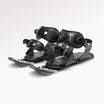
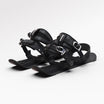
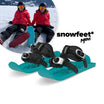
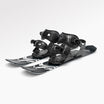
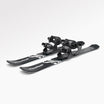
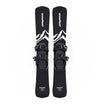
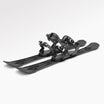
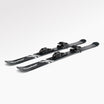
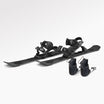
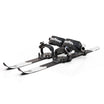
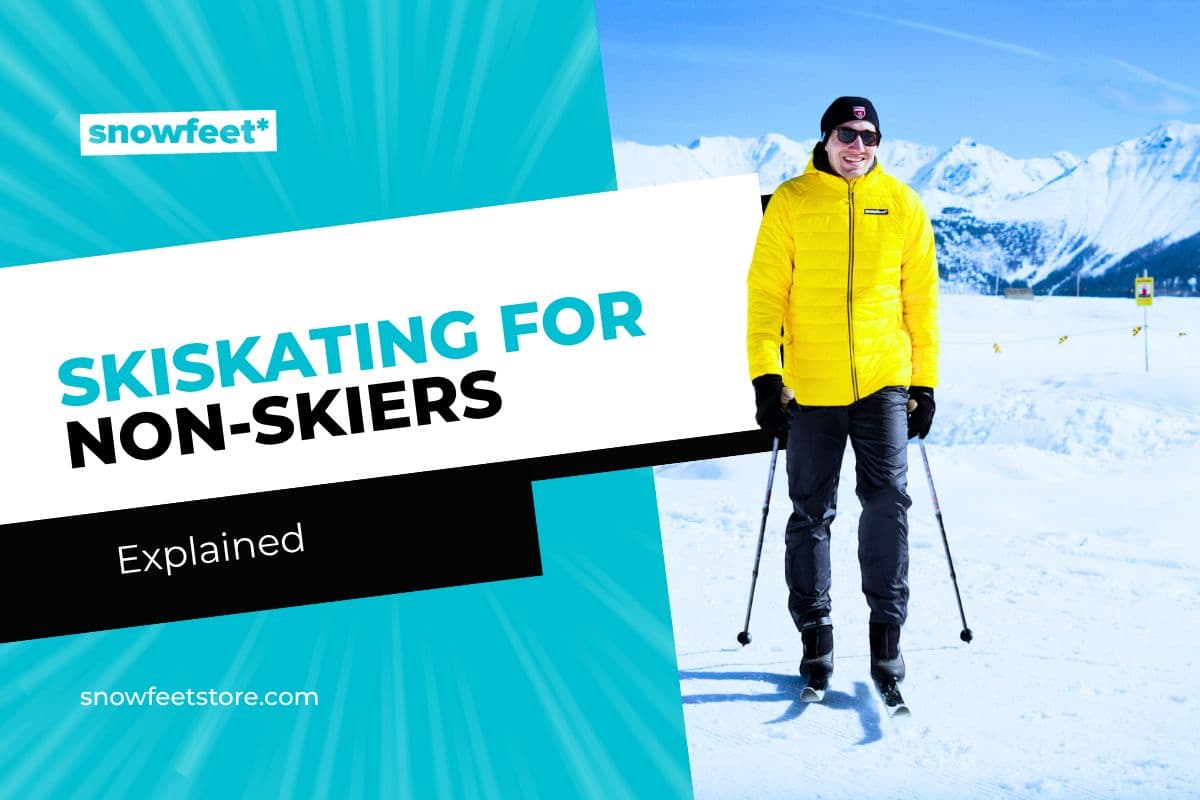
Skiskating is a simple, fun way to enjoy the snow without the hassle of long skis or stiff boots. Using ultra-short skis (like Snowfeet Skiskates, just 17.3 inches long), it combines the motion of skating with skiing. Perfect for beginners, skiskating is easy to learn, lightweight, and works with snowboard boots or even regular winter shoes. No need for expensive gear or lessons - just strap in and glide.
Why Skiskating Stands Out:
- Short Skis: Easy to handle and portable - fits in a backpack.
- Easy Learning Curve: Most people get the hang of it in a day.
- Comfortable Footwear: Works with snowboard boots or winter shoes.
- Affordable: At $575, it’s a fraction of the cost of full ski setups.
Skiskating is great for packed snow, groomed trails, and snow parks. If you’ve ice-skated or inline skated before, you’ll feel right at home. Ready to ditch the bulky gear and try something new? Skiskating might be your next favorite winter activity.
How Skiskating Differs from Traditional Skiing and Snowboarding
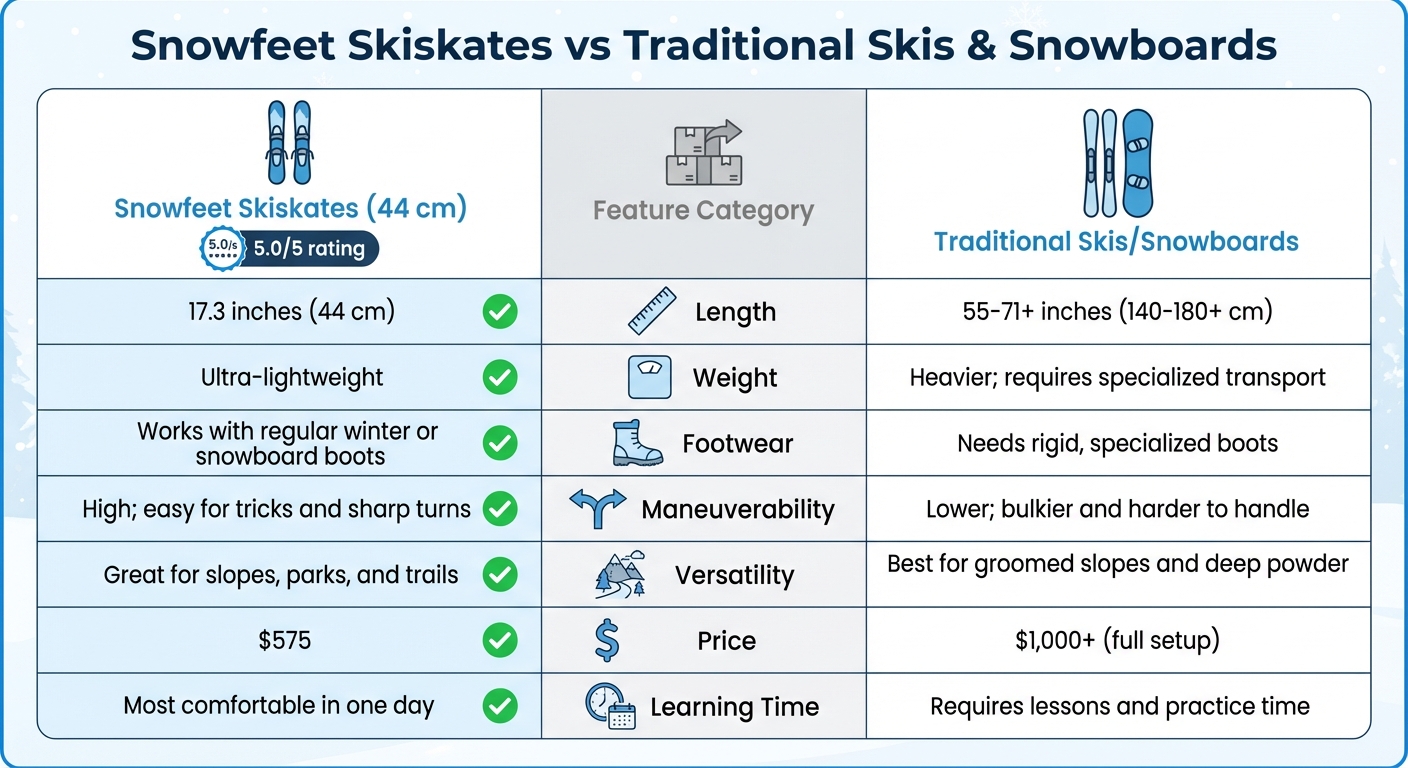
Snowfeet Skiskates vs Traditional Skis and Snowboards Comparison
For those new to winter sports, skiskating offers a simpler, more approachable way to enjoy the slopes. Snowfeet* Skiskates bring a fresh perspective to snow sports, focusing on ease and fun. Let’s break down how skiskating stands apart from traditional skiing and snowboarding.
Design and Portability Differences
Traditional skis are long - typically between 55 and 71 inches (140 to over 180 cm). By contrast, Snowfeet* Skiskates measure just 17.3 inches (44 cm). This compact size makes them incredibly portable. You can toss them into a backpack without needing roof racks or oversized gear bags. Their lightweight build makes them perfect for everything from backcountry adventures to city snow parks.
The portability isn’t just about size; it’s also about convenience. Snowfeet* Skiskates eliminate the hassle of lugging heavy equipment, offering a streamlined experience for snow enthusiasts.
Boot Compatibility and Learning Time
One of the standout features of Snowfeet* Skiskates is their compatibility with regular winter boots or snowboard boots. Unlike traditional skis, which require stiff, specialized boots, these skiskates let you transition seamlessly between walking and skating. This means more comfort and less hassle, whether you're on the slopes or taking a break.
"They're great for carving and navigating crowded slopes without feeling bulky. I felt comfortable on them within just a few runs", said Brad Tolin, a verified user.
The shorter length of skiskates may take a little getting used to, but most people adapt quickly. The learning curve is minimal, making them a great choice for beginners and experienced skiers alike.
Snowfeet* Skiskates vs. Traditional Gear Comparison
Here’s a quick look at how Snowfeet* Skiskates stack up against traditional skis and snowboards:
| Feature | Snowfeet* Skiskates (44 cm) | Traditional Skis / Snowboards |
|---|---|---|
| Length | 17.3 inches (44 cm) | 55–71+ inches (140–180+ cm) |
| Weight | Ultra-lightweight | Heavier; requires specialized transport |
| Footwear | Works with regular winter or snowboard boots | Needs rigid, specialized boots |
| Maneuverability | High; easy for tricks and sharp turns | Lower; bulkier and harder to handle |
| Versatility | Great for slopes, parks, and trails | Best for groomed slopes and deep powder |
The 44 cm Wood Core Skiskates have received a glowing 5.0/5 rating, with users consistently praising how forgiving and easy they are to carry. One user even called them "way more forgiving than traditional skis", highlighting their appeal for anyone looking for a simpler, more flexible snow sport option.
Why Snowfeet* Skiskates (44 cm) Are the Best Choice for Beginners
Snowfeet* Skiskates make starting out on the slopes less intimidating and a whole lot more fun. Traditional skis, with their length and bulk, can feel overwhelming for newcomers. But at just 44 cm (17.3 in), Snowfeet* Skiskates are compact and easy to manage, letting beginners jump straight into enjoying the snow without a steep learning curve.
Main Benefits of Snowfeet* Skiskates
These skiskates are built with a wood core, which makes them tough enough to handle various terrains like groomed runs, snow parks, moguls, and even powder. Unlike traditional skis, they’re designed to work with regular winter boots or snowboard boots. This means you can walk naturally when you're off the snow - no awkward waddling in stiff ski boots.
Their short length gives beginners a quick confidence boost. Most users report feeling comfortable after just a few runs. Plus, the reduced strain on your knees compared to traditional ski setups makes the experience more enjoyable. Snowfeet* themselves say these skiskates are "easy to learn in one day", and with a 5.0/5 star rating, it seems their users agree. Add in their lightweight, durable design, and you’ve got equipment that’s not only easy to carry but also built to last.
Price and Value
Snowfeet* Skiskates don’t just perform well - they’re priced to make winter sports more accessible. At $575, they’re a smart alternative to traditional skiing gear. A full ski setup, including skis, boots, bindings, and poles, can easily top $1,000. And that’s before you even think about lift tickets, lessons, or rentals.
With Snowfeet* Skiskates, you skip the need for specialized boots, avoid costly lessons, and eliminate ongoing rental fees. It’s professional-grade gear at a price that opens the door to winter sports for more people.
Getting Started with Snowfeet* Skiskates
Before you hit the slopes, make sure your bindings are adjusted properly. Use a screwdriver to tweak them while wearing the boots you'll be using - this ensures a snug fit and avoids any awkward adjustments in the cold. If you have smaller feet, you can fine-tune the toe and ankle straps by using different holes. For those with larger snowboard boots, the Snowfeet II models come with extra-long front toe straps, so you won’t feel squeezed. Once everything is set, you're ready to dive into the basics.
Basic Techniques for Beginners
Snowfeet* Skiskates are known for being beginner-friendly, and these techniques will help you get comfortable quickly. Start on flat terrain with little to no foot traffic. Stand with your feet about 10–12 inches apart and keep your knees slightly bent. Unlike traditional skiing, where you lean forward, Snowfeet* Skiskates work best when your weight is centered on your feet or slightly toward your heels.
"Stand straight and put your weight in the middle of your feet or on your heels. Keep your legs slightly bent and lean forward a bit. If you need to be more stable, put one foot in front of the other",
said Leonid Feldman, a certified ski instructor.
Before moving, lift one foot at a time to get a feel for how the skiskates respond. Press your shins firmly against the boot tongues for better control. When you're ready to move, start with a V-shaped stance - tips apart and tails together. This position helps you glide forward easily, especially on gentle slopes.
As for stopping, you can use a wedge stop or a hockey stop. Begin practicing on a small incline or a bunny slope where the natural friction between the snow and your skiskates will help slow you down while you build confidence.
Moving from Walking to Skating
Once you’re comfortable with standing and basic gliding, it’s time to transition from walking to skating. The key is to stop lifting your feet and start sliding them instead. As Feldman explains:
"Try not to lift a ski to take a step, but try to slide on it. Instead of making steps just slide forward on the inner edge of your skis".
Focus on sliding forward on the inner edge of the skiskate while shifting your weight from side to side. Keep your upper body steady and facing forward - imagine there’s a "box" between your hips and shoulders, and it shouldn’t twist.
A handy drill to practice is the "V to hop" method. Begin in your V-stance, lean your hips slightly forward, and make small hops to reposition the skiskates as you glide. This helps you build momentum without overcomplicating things. For those with experience in ice skating or inline skating, this transition often feels natural, and most people find their groove after just a few runs.
sbb-itb-17ade95
Practical Tips for Skiskating Success
Drills to Build Confidence and Control
Getting comfortable on your Snowfeet* Skiskates starts with mastering a few essential drills:
The Catch & Release Drill is a great way to practice edge control. Head to an intermediate slope and position your skiskates at a 90° angle across the hill. To start a side-slip, roll your knees downhill, then roll them back uphill to stop your movement. As Ski Addiction explains, "Rolling your knees uphill will stop your momentum". This simple motion is key to learning how to turn effectively and manage your speed.
Next, work on smooth weight transitions with the Power Plough Drill. On a gentle slope, face downhill and practice shifting your weight from one foot to the other. This helps you steer left and right while keeping your upper body steady and forward-facing. It's all about balance and control, not twisting or forcing movements.
Finally, prepare for navigating obstacles with the Popping Drill. While moving across a slope, practice small hops by lifting both the tips and tails of your skiskates at the same time. This improves your balance and control in the air. Thanks to the compact 44 cm length of Snowfeet* Skiskates, you’ll find it easier to avoid tip-crossing and enjoy better maneuverability.
These drills are your building blocks for exploring a variety of terrains with confidence.
Terrain Tips for Different Environments
Once you've nailed the basics, it's time to adapt your technique to different snow conditions.
Snowfeet* Skiskates are perfect for packed snow and groomed trails. Their small size makes tight, precise turns a breeze - something traditional skis struggle with. They’re also a natural fit for snow parks and moguls. As Brad Tolin puts it, "These ski blades are a blast to use. Super easy to control, quick to turn, and way more forgiving than traditional skis".
That said, steer clear of deep powder or icy slopes. Skiskates are designed specifically for packed snow, groomed runs, and terrain parks. Stick to these areas for the best experience. Plus, their portability is a game-changer. Snowfeet* Skiskates fit neatly in a backpack, making them ideal for exploring hiking trails or backcountry spots where carrying full-sized skis would be a hassle.
Conclusion
Snowfeet* Skiskates bring together simplicity, portability, and affordability in one sleek package. At just 44 cm (17.3 in) long, their compact design eliminates the hassle of crossed tips and clunky movements that can trip up beginners using traditional skis. With these, you’ll be carving turns and gliding down slopes in no time. Plus, they’re compatible with snowboard boots or even regular winter shoes, giving you the freedom to focus on the fun instead of the gear. As certified ski instructor Leonid Feldman says, "I believe that anyone, I repeat, anyone can and should fall in love with skiing". Skiskates make that dream accessible.
What really sets them apart is their unmatched portability. Toss them in a backpack - no need for roof racks or awkward hauling like with traditional skis. This makes them perfect not just for groomed slopes but also for hiking trails, backcountry adventures, or even terrain parks. Starting at $575, the 44 cm wood core model delivers excellent control, easy learning, and forgiveness, making winter sports approachable for all skill levels. Ready to embrace the slopes without the bulk? Snowfeet* Skiskates might just be your ticket to winter freedom.
FAQs
Can I use skiskates at a regular ski resort?
Yes, you can use skiskates, like Snowfeet, at ski resorts, but keep in mind they’re primarily designed for dry or snowless terrain. While they can work on snow, their performance is better suited for surfaces like snowless trails or specific designated areas. Also, some resorts may have restrictions on their use, so it’s a good idea to check the resort's rules beforehand.
Do I need poles to skiskate?
No, you don’t need poles for skiskating. This activity is all about keeping things simple and fun - think of it like ice skating, but on snow. All you really need are strap-on skates, like Snowfeet* Skiskates, making it an easy and enjoyable choice, especially for beginners.
What safety gear should I wear for skiskating?
Wearing the right safety gear is a must for skiskating - not just for protection but also for peace of mind. Start with a helmet made for skating to shield your head. Add wrist guards to reduce the risk of sprains or fractures, and don’t skip knee and elbow pads to soften the blow if you take a tumble. Light gloves are a smart choice - they keep your hands warm and offer some protection. For an extra layer of safety, consider a mouthguard. With these essentials, you’re set up for a safer and more confident skiskating adventure.











Leave a comment
This site is protected by hCaptcha and the hCaptcha Privacy Policy and Terms of Service apply.