







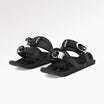












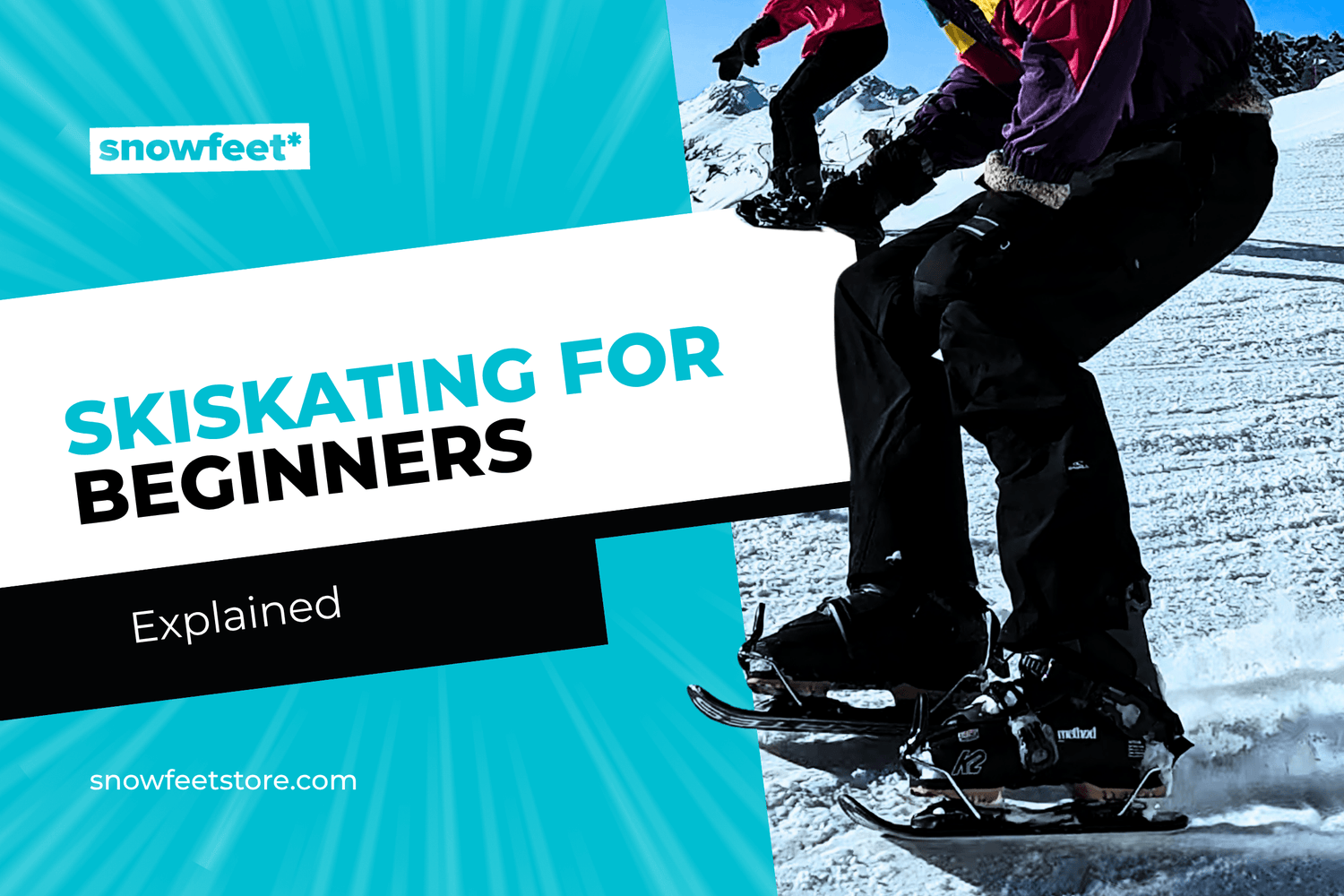
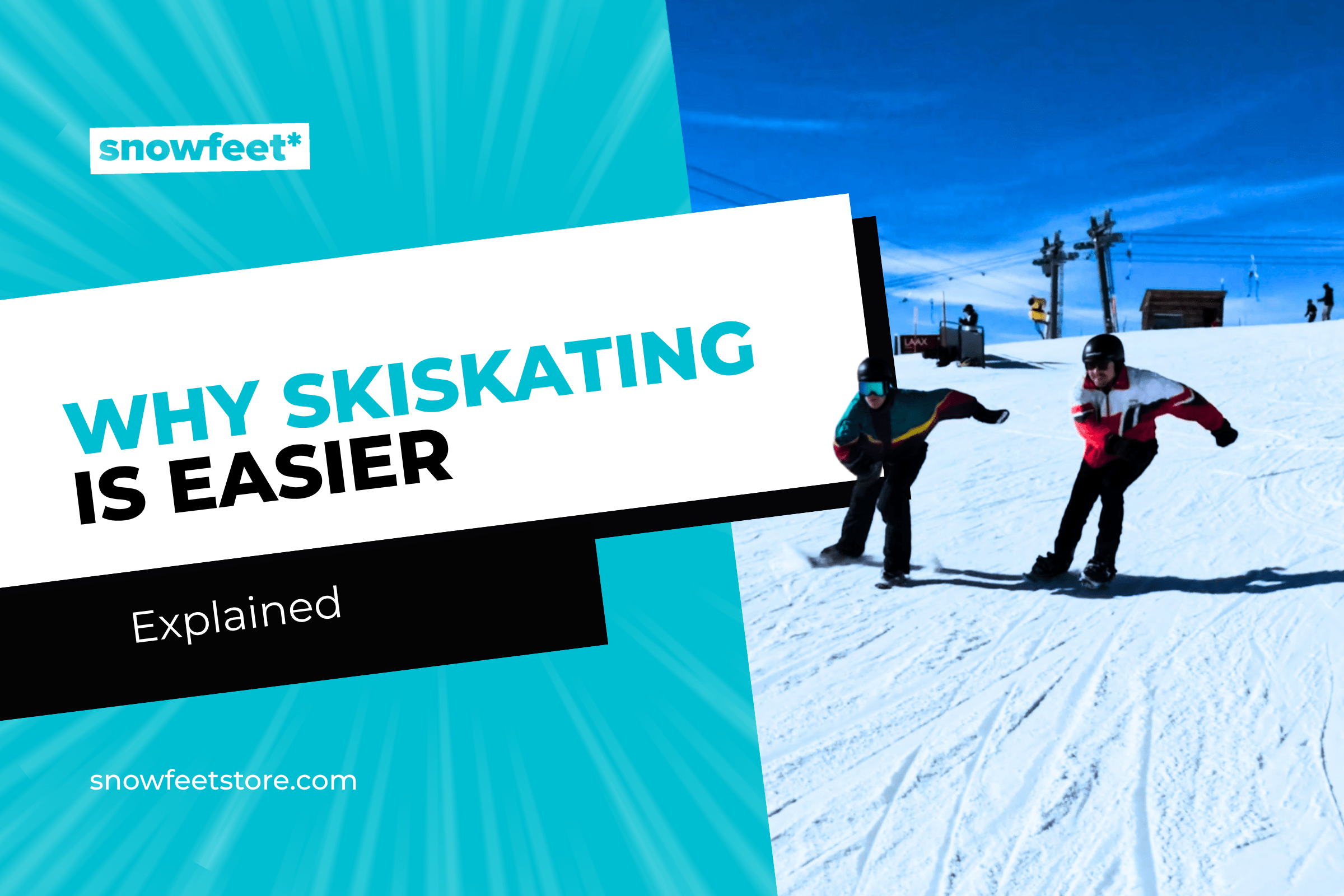
Skiskating is the perfect winter sport for anyone looking to combine skiing and skating in a fun, beginner-friendly way. With Snowfeet Skiskates, you can skip the bulky gear and steep learning curve of skiing or snowboarding. These compact, 17.3-inch skates attach to your regular winter boots, making them lightweight, portable, and easy to use. Whether you're gliding in your backyard or on gentle slopes, skiskating offers a smooth, controlled experience that's great for all ages.
Why Choose Skiskating?
- Shorter Learning Curve: Master basic skills like balancing, gliding, and stopping in just hours.
- Compact and Lightweight: At only 2-3 lbs per skate, they're easy to carry and store.
- Affordable: A full setup costs around $575, much less than traditional ski gear.
- Beginner-Friendly: Low center of gravity and independent foot movement offer better control.
Getting Started
- Use gentle slopes or flat snowfields.
- Practice balancing with bent knees and a steady stance.
- Learn to glide, turn, and stop using simple, intuitive techniques.
Skiskating is for everyone - families, students, and even seasoned winter sports fans. If you can walk, you can skiskate. So grab a pair of Snowfeet Skiskates, hit the snow, and enjoy a new way to explore winter fun!
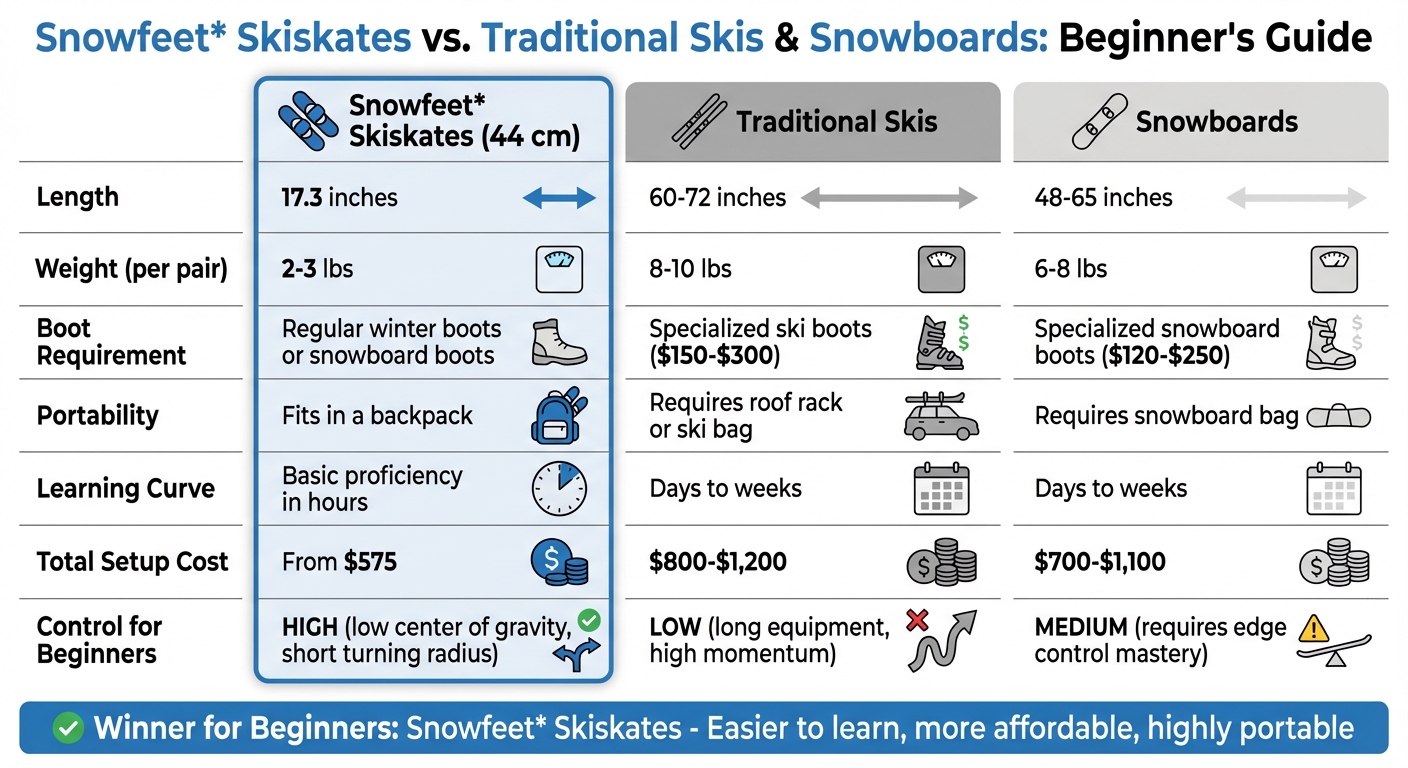
Snowfeet Skiskates vs Traditional Skis and Snowboards Comparison Chart
Why Snowfeet* Skiskates (44 cm) Work Best for Beginners

Key Features of Snowfeet* Skiskates (44 cm)
Snowfeet* Skiskates are only 17.3 inches long (44 cm), making them far easier to handle than traditional skis, which typically stretch 5 to 6 feet in length. This shorter design makes a big difference for beginners. Plus, they’re lightweight - each skate weighs just 2-3 pounds, compared to the hefty 8-10 pounds of a traditional ski. That means less strain on your legs and more time enjoying the slopes without feeling wiped out.
Another huge plus? You don’t need specialized ski boots. Snowfeet* Skiskates work with your regular winter boots or snowboard boots, saving you the hassle of rentals or the steep cost of ski boots, which can run anywhere from $150 to $300.
These features make them not only portable but also beginner-friendly, setting you up for an easy and fun learning experience.
How Snowfeet* Skiskates Make Learning Easier
The compact size of Snowfeet* Skiskates gives you better control and stability right from the start. Because they’re shorter, they generate less momentum, making them easier to manage. The lower center of gravity helps you stay balanced, so you feel more in control from your very first glide. And when it’s time to turn? The shorter length means you can pivot quickly without those wide, sweeping motions that longer skis demand.
For beginners, traditional skis can feel like a battle just to stay upright and avoid crossing the tips. Snowfeet* Skiskates remove that struggle, letting you focus on the fun stuff - like gliding, turning, and stopping - within your first session. The learning curve is much less steep because the equipment is designed to work with you, not against you.
Snowfeet* Skiskates vs. Traditional Long Skis and Snowboards
Here’s a quick breakdown of why Snowfeet* Skiskates are a game-changer for beginners compared to traditional skis and snowboards:
| Feature | Snowfeet* Skiskates (44 cm) | Traditional Skis | Snowboards |
|---|---|---|---|
| Length | 17.3 inches | 60-72 inches | 48-65 inches |
| Weight (per pair) | 2-3 lbs | 8-10 lbs | 6-8 lbs |
| Boot Requirement | Regular winter boots or snowboard boots | Specialized ski boots ($150-$300) | Specialized snowboard boots ($120-$250) |
| Portability | Fits in a backpack | Requires roof rack or ski bag | Requires snowboard bag |
| Learning Curve | Basic proficiency in hours | Days to weeks | Days to weeks |
| Total Setup Cost | From $575 | $800-$1,200 | $700-$1,100 |
| Control for Beginners | High (low center of gravity, short turning radius) | Low (long equipment, high momentum) | Medium (requires edge control mastery) |
Traditional skis can feel overwhelming for beginners - they’re long, heavy, and generate a lot of momentum, making them tricky to control. Snowboards, on the other hand, require you to strap both feet onto one board, which can make falls harder to recover from. Snowfeet* Skiskates strike a perfect balance: they offer the freedom to move each foot independently while keeping you close to the ground for added stability. You can walk, adjust your stance, and recover naturally - just like you would in everyday movements.
Getting Started: How to Balance and Glide on Snowfeet* Skiskates
Preparing for Your First Session
Pick a gentle slope - something with less than a 10° incline - like bunny hills or flat snowfields. Beginner runs at ski resorts or areas with magic carpets are great options since they offer plenty of space to practice without gaining too much speed. Stick to soft, packed snow for better control and a softer landing if you fall. Avoid icy or powdery conditions, as they can be trickier to navigate.
Here’s what you’ll need: your Snowfeet* Skiskates (44 cm, or about 17 inches), a helmet, gloves, and knee or elbow pads for safety. Don’t forget a waterproof jacket and pants to stay dry. Attach your Snowfeet* Skiskates using the quick-lock system, double-check that the bindings are secure, and test them out by walking on flat ground before hitting the snow.
Finding Your Balance on Snowfeet* Skiskates
Start on flat snow to get comfortable. Stand with your feet shoulder-width apart, knees bent at about a 20–30° angle, and hips slightly back. Keep your chest up and arms forward to help with balance, making sure your weight is evenly split between both feet.
This stance is similar to how you’d position yourself when ice skating or rollerblading. Bending your knees lowers your center of gravity, which helps with stability. Practice shifting your weight gently from one foot to the other, then try lifting one foot off the ground for a few seconds. March in place for about 30 seconds to get used to the feel of the skiskates. Most beginners get the hang of this within 10 minutes.
Avoid locking your legs or leaning too far back, as this can throw off your balance. Don’t cross your feet either, as it can cause you to lose control. Keep your eyes focused about 10–15 feet ahead instead of looking down, and use small, smooth movements to shift your weight - jerky motions can make balancing harder.
Once you’re comfortable balancing, you’re ready to try gliding.
Practicing Your First Glide
With your balance in check, it’s time to practice gliding. Start on a very gentle slope, or stay on flat terrain for a controlled experience. Push off with one foot, or use poles if you need extra stability. Keep your knees bent and arms out to maintain your balance. Glide for about 5–10 feet at a slow pace (under 2 mph).
Focus on staying smooth and controlled - no sudden movements or sharp corrections. When you’re ready to slow down, point your toes slightly inward to form a snowplow position. This creates friction and will naturally bring you to a stop. Repeat these short glides about 10 times to get a feel for the rhythm of moving on Snowfeet* Skiskates.
Thanks to their compact design, Snowfeet* Skiskates make it easier to pivot and stop compared to traditional skis. Being closer to the ground with a wider stance gives you more control, so you don’t need the long, sweeping motions that other equipment requires. Most people feel comfortable with basic gliding within 20–30 minutes of practice.
Basic Techniques: Turning, Stopping, and Controlling Speed
How to Turn on Snowfeet* Skiskates
Turning on Snowfeet* Skiskates builds naturally on your balanced stance. To initiate a turn, shift your weight onto the foot in the direction you want to go - lean left for a left turn, and right for a right turn. Bend your knees slightly, around a 30–40° angle, and angle your hips toward the turn while keeping your upper body facing forward.
Thanks to their compact 44 cm length, Snowfeet* Skiskates make sharp, controlled turns a breeze. You don’t need big, sweeping arcs like with traditional skis. Instead, guide your movement by gently shifting pressure toward your desired direction, almost like steering a bike. Start by practicing wide "C" turns on gentle slopes, holding each turn for 3–5 seconds. With some practice, linking turns will feel natural - many beginners can do this within their first hour.
Avoid leaning back or stiffening your legs, as both can reduce your control. Keep your arms slightly extended for balance and focus your gaze on where you want to go - your body will naturally follow. Unlike long skis, which require precise edge control, Snowfeet* Skiskates are designed to respond to simple, intuitive movements. Once you’re comfortable turning, you’ll be ready to tackle the snowplow stop.
How to Do a Snowplow Stop
The snowplow stop is your go-to technique for controlled braking. Start by pointing your toes inward, forming a "V" shape with the tips of your Snowfeet* Skiskates about 12–18 inches apart. Push your heels outward while keeping your knees bent and slightly pressed inward. This creates friction against the snow, slowing you down.
Even pressure is key - uneven force can make you veer off into a turn. Keep your weight centered, your chest upright, and your knees engaged. To stop more quickly, widen the "V" shape and press your knees together more forcefully. On a gentle slope at about 5–7 mph, a proper snowplow stop can bring you to a full halt within 10–15 feet.
The shorter length of Snowfeet* Skiskates makes this stop easier and faster to execute compared to traditional skis, which are much longer. Practice stopping at different speeds - start slow and gradually work up to faster descents as you gain confidence. Mastering the snowplow stop will give you better control over your speed on various slopes.
Tips for Controlling Your Speed
Controlling your speed on Snowfeet* Skiskates comes down to body position and terrain awareness. Keep your knees bent and your hips forward by flexing at the ankles - this stance helps you manage momentum. As Charlotte Ogden, a former Nordic ski team member, puts it:
"The key to skate skiing fast is preserving your forward momentum... To do this, you've got to bend at the ankles and knees to get your hips forward".
This principle applies perfectly to Snowfeet* Skiskates.
Maintain a stable torso and face downhill to avoid accelerating unintentionally. Engaging your core muscles not only keeps you balanced but also reduces leg fatigue during longer sessions.
To manage your speed without fully stopping, try making gentle "S" shaped turns across the slope instead of heading straight down. This technique, called traversing, helps control your descent. On steeper slopes, tighten your turns and make them more frequent. Snowfeet* Skiskates are designed for quick, easy adjustments, making this method especially effective. Stick to groomed, beginner-friendly slopes as you work on comfortably managing speeds of 10–15 mph. Once you’ve got turning, stopping, and speed control down, you’ll feel much more confident on the slopes.
sbb-itb-17ade95
Practice Drills and Progression: Building Confidence on Snowfeet* Skiskates
Beginner Practice Drills
Start by finding your balance on flat terrain. Keep your knees soft and slightly bent, with your spine in a neutral position. This stance helps you stay stable and absorb any bumps along the way. As Carrie McCusker, a Level 2 TrainingPeaks Coach, puts it:
"A stiff, upright skier falls easily while a relaxed, poised skier absorbs terrain changes with less issue".
Begin shifting your weight from one skate to the other using your hips rather than just your knees. Position your skiskates in a V-shape and practice smooth side-to-side weight transfers before attempting to glide. Aim for a "nose-knee-toe" alignment - your nose, knee, and the tip of your skiskate should form a vertical line during glides.
Try these drills without poles on groomed, flat areas. This forces you to focus on balance and weight transfer without relying on extra support. Keep your eyes on the trail ahead, not your feet, so you can anticipate any changes in the terrain. Thanks to their compact design, Snowfeet* Skiskates make these exercises easier compared to longer skis, which can be harder to maneuver during basic drills.
And remember - falling is part of the process! It often means you're testing your limits and getting closer to that sweet spot where you can glide confidently. Once these drills become second nature, you can start exploring gentle slopes.
Trying Different Terrains
After you’ve nailed stopping and turning on flat terrain, it’s time to tackle gentle slopes, like those on green runs. Snowfeet* Skiskates shine here - their shorter length allows you to make quick adjustments and tighter turns compared to traditional skis.
When you're ready, try out different conditions like packed powder, fresh snow, or small bumps. The versatility of Snowfeet* Skiskates makes them perfect for all kinds of terrain. Unlike bulky skis or snowboards, their 44 cm length lets you easily navigate snowparks, tree-lined trails, or even your own backyard.
Take it slow and build up to more challenging terrain. If you can stop confidently and connect your turns smoothly, try steeper slopes. Practice traversing the hill in S-shaped patterns to manage your speed. Snowfeet* Skiskates are incredibly responsive, making it easy to adjust your turn size on the fly - something that’s much harder with traditional skis. Once you’ve mastered these basics, you’ll be ready to test your skills on steeper runs.
Next Steps: Advancing Your Skills
Once you’ve got the basics down, focus on refining your turns and experimenting with speed control on different slopes. Mix it up by practicing both wide, sweeping turns and sharp, quick ones in the same run. This builds versatility and control.
To take your skills further, check out tutorial videos on the Snowfeet YouTube channel. These videos feature real riders demonstrating advanced techniques and offer tips tailored specifically to skiskating.
Feeling confident? Start experimenting with small jumps in snowpark areas. Thanks to their lightweight and portable design, Snowfeet* Skiskates make it easier to handle jumps and explore new parts of the mountain compared to heavier, traditional skis. As you progress, you’ll find that these skills translate to tougher terrain, giving you even more freedom and agility than conventional skiing ever could.
Conclusion
Skiskating with Snowfeet* (44 cm) offers a fast and enjoyable way to dive into winter sports, making it easier to learn compared to traditional skis and snowboards. Thanks to their compact design, you’ll enjoy better control and maneuverability right from the start. The skate-like motion feels natural, helping beginners quickly get the hang of balancing, turning, and stopping.
Snowfeet* takes the hassle out of winter sports. They work with regular boots, are lightweight, and easy to carry. Whether you’re gliding on groomed slopes, tackling snowparks, or trying out different terrains, these little wonders make it all feel simple. From finding your balance to mastering the snowplow stop, every skill you pick up with Snowfeet* builds confidence for bigger mountain adventures.
If you’re ready to give it a try, grab a pair of Snowfeet* (44 cm), find a gentle slope, and start gliding. Need tips? Head over to the Snowfeet YouTube channel for step-by-step guides.
FAQs
Can I use Snowfeet* Skiskates at a ski resort?
Yes, you can use Snowfeet Skiskates at ski resorts, but they shine the most on flat or gently sloping snow. They're ideal for learning and having fun, but they aren't built for the steep downhill runs usually found at ski resorts.
What boot types fit Snowfeet* Skiskates best?
Snowfeet* Skiskates are compatible with most winter or ski boots, provided they offer solid ankle support. To get the best out of your skiskating experience, make sure your boots fit snugly and work well with the adjustable bindings on the skiskates. A proper fit enhances both control and comfort while you're out on the snow.
Do I need poles to start skiskating?
You don’t need poles to start skiskating, especially when using Snowfeet skiskates. These skates are great for beginners because they’re easy to control and don’t require extra gear like poles. While poles can help with balance in some techniques, they’re completely optional. If you’re just learning the basics - like balancing, turning, and stopping - Snowfeet skiskates make it easy to dive right in without them.











Leave a comment
This site is protected by hCaptcha and the hCaptcha Privacy Policy and Terms of Service apply.