
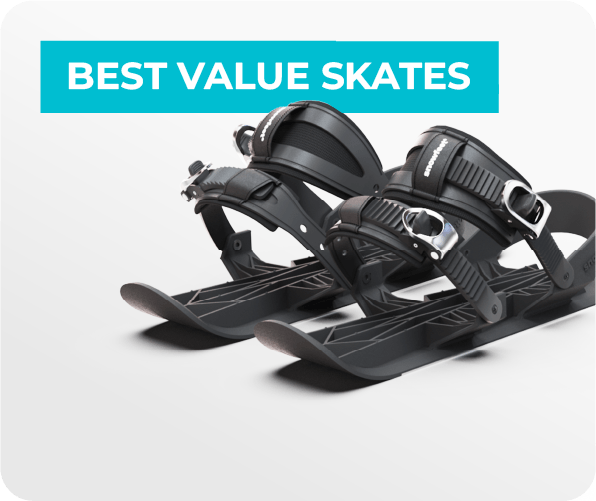
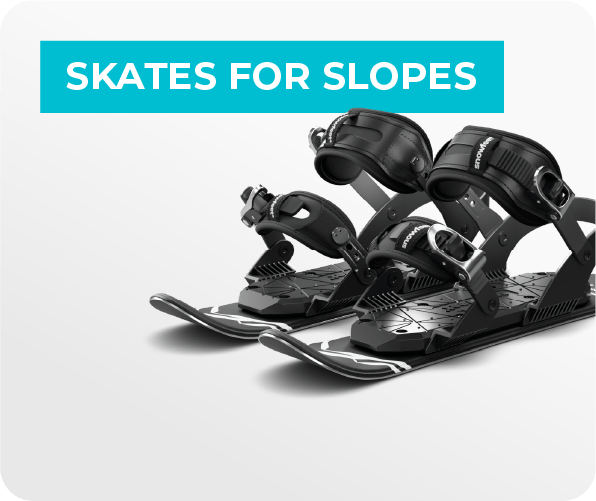
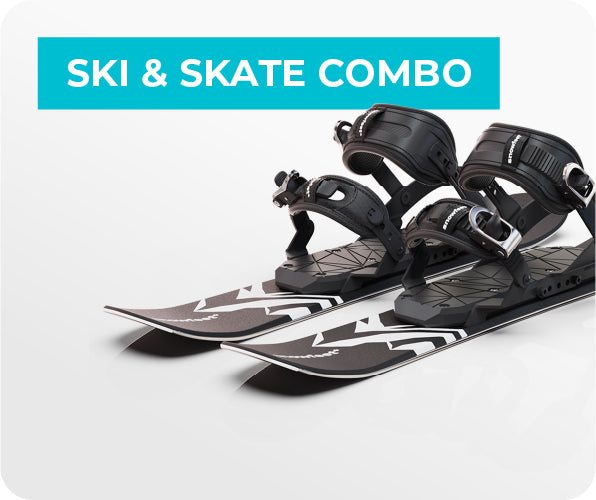
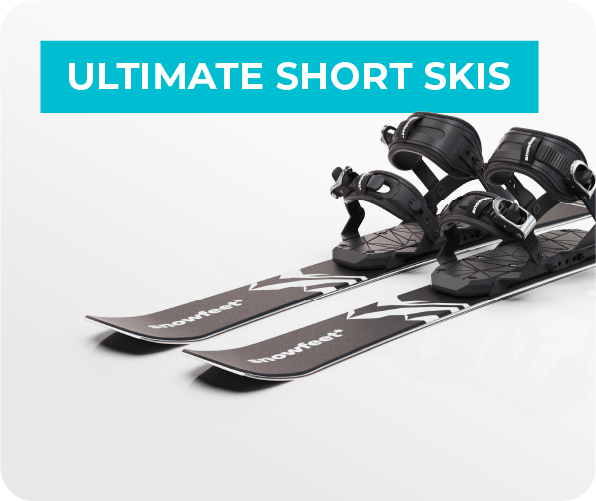
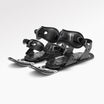
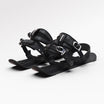
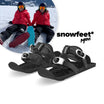
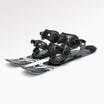
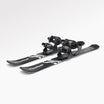
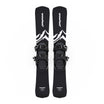
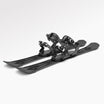
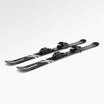
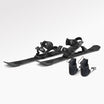
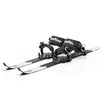
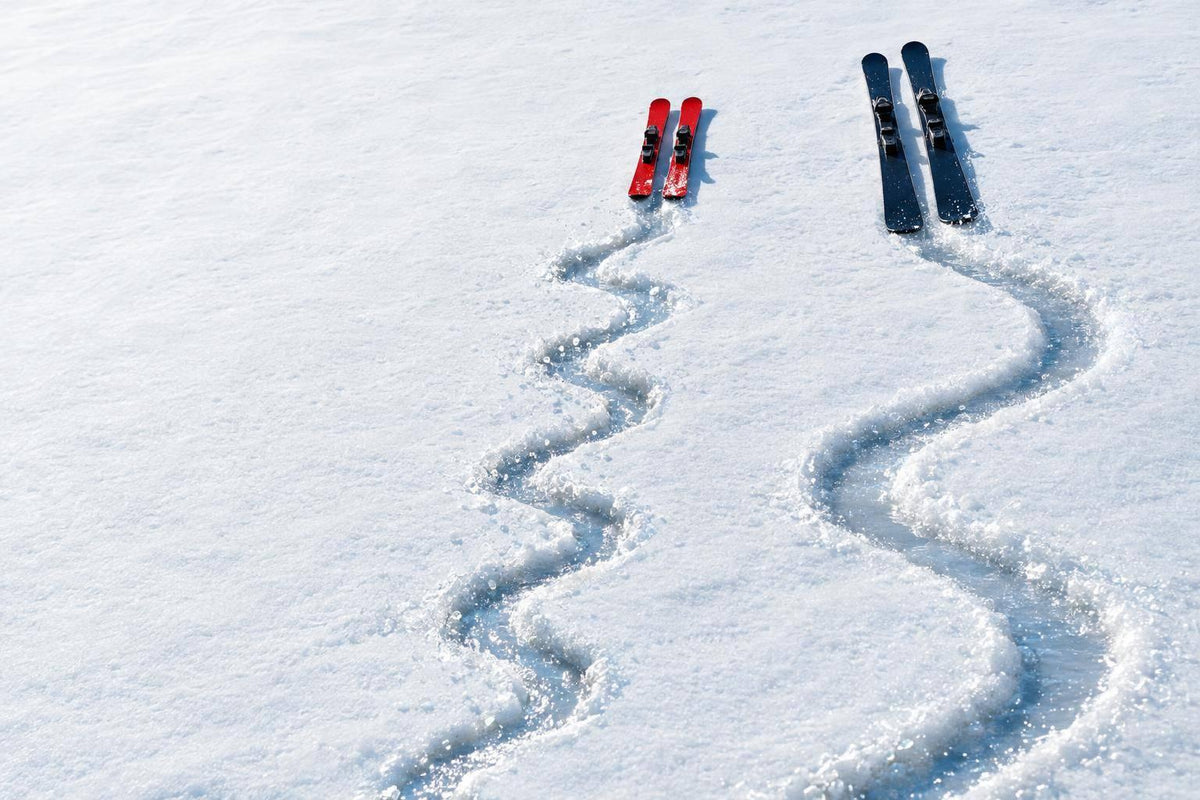
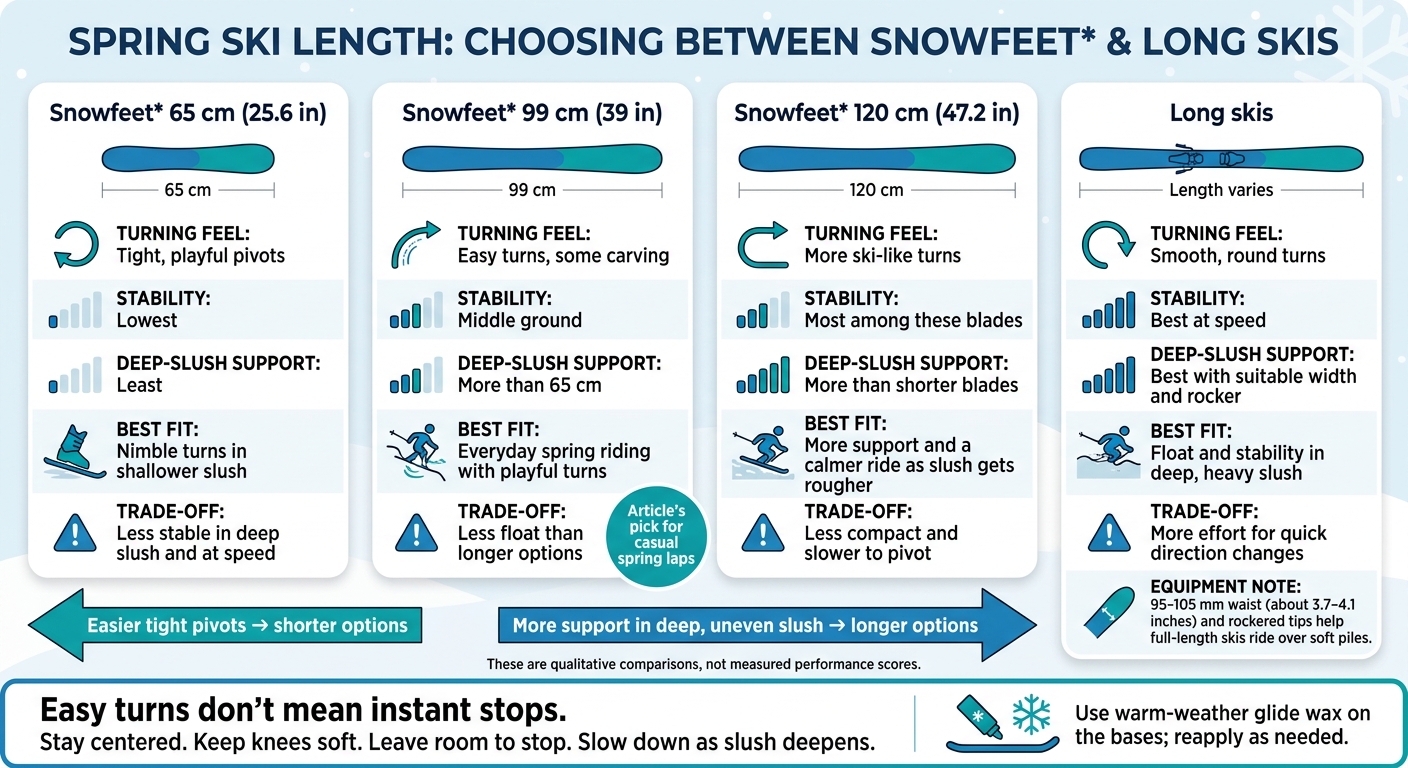
Short skis make slush turns easier - not deeper snow. I’d pick 99 cm Snowfeet* for casual spring laps, but choose long skis for more float and support in deep slush. Keep your speed down and use warm-weather wax to help cut drag.
Here’s how I’d sort the options:
- 65 cm (25.6 in): Fast, tight pivots with a skate-like feel. Best for shallow slush; least steady at speed.
- 99 cm (39 in): A middle ground for easy turns and added support.
- 120 cm (47.2 in): More support and a calmer ride, with less pivot ease.
- Long skis: More float and stability in deep, chopped-up snow, but more effort to turn.
Quick Comparison
| Option | Turning feel | Stability | Deep-slush support |
|---|---|---|---|
| 65 cm | Tight, playful pivots | Lowest | Least |
| 99 cm | Easy turns, some carving | Middle ground | More than 65 cm |
| 120 cm | More ski-like turns | Most among these blades | More than shorter blades |
| Long skis | Smooth, round turns | Best at speed | Best with suitable width and rocker |
My rule for wet snow: stay centered, keep your knees soft, and leave room to stop. <u>Easy turns don’t mean instant stops.</u> As slush gets deeper, slow down - no ski length gets a free pass. :)
Short Skis vs. Long Skis in Spring Slush
1. Snowfeet* Skiblades 65 cm
Turning response
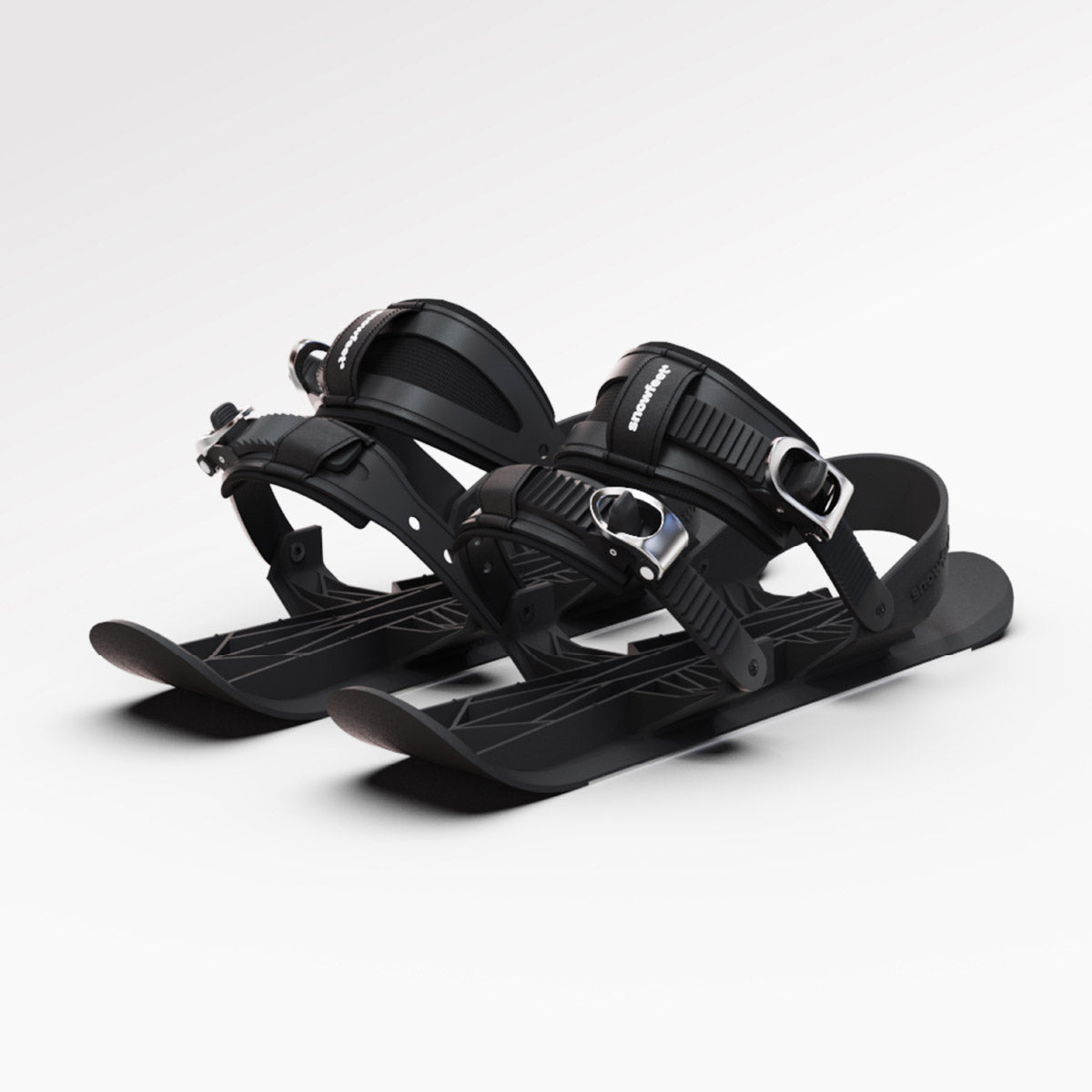
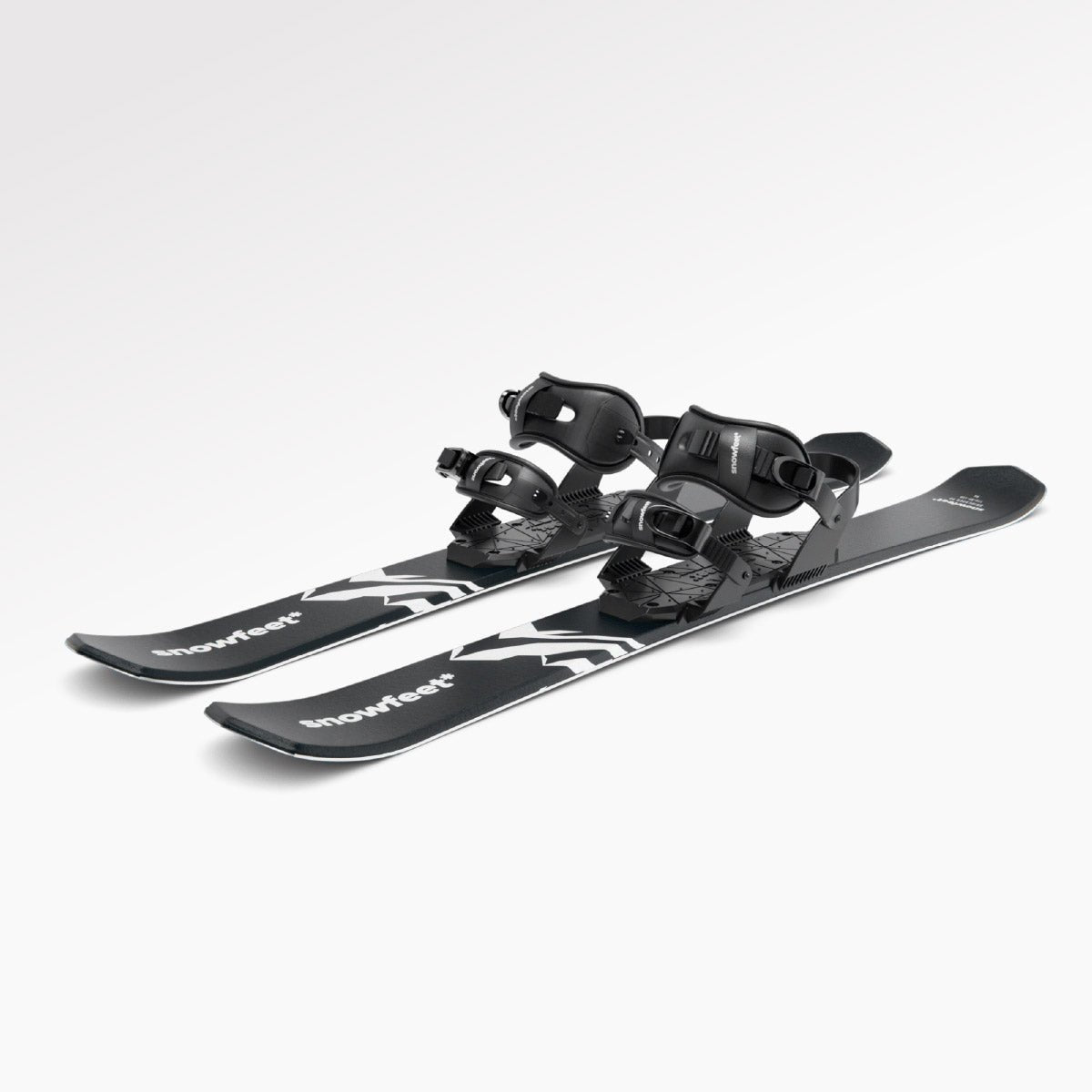
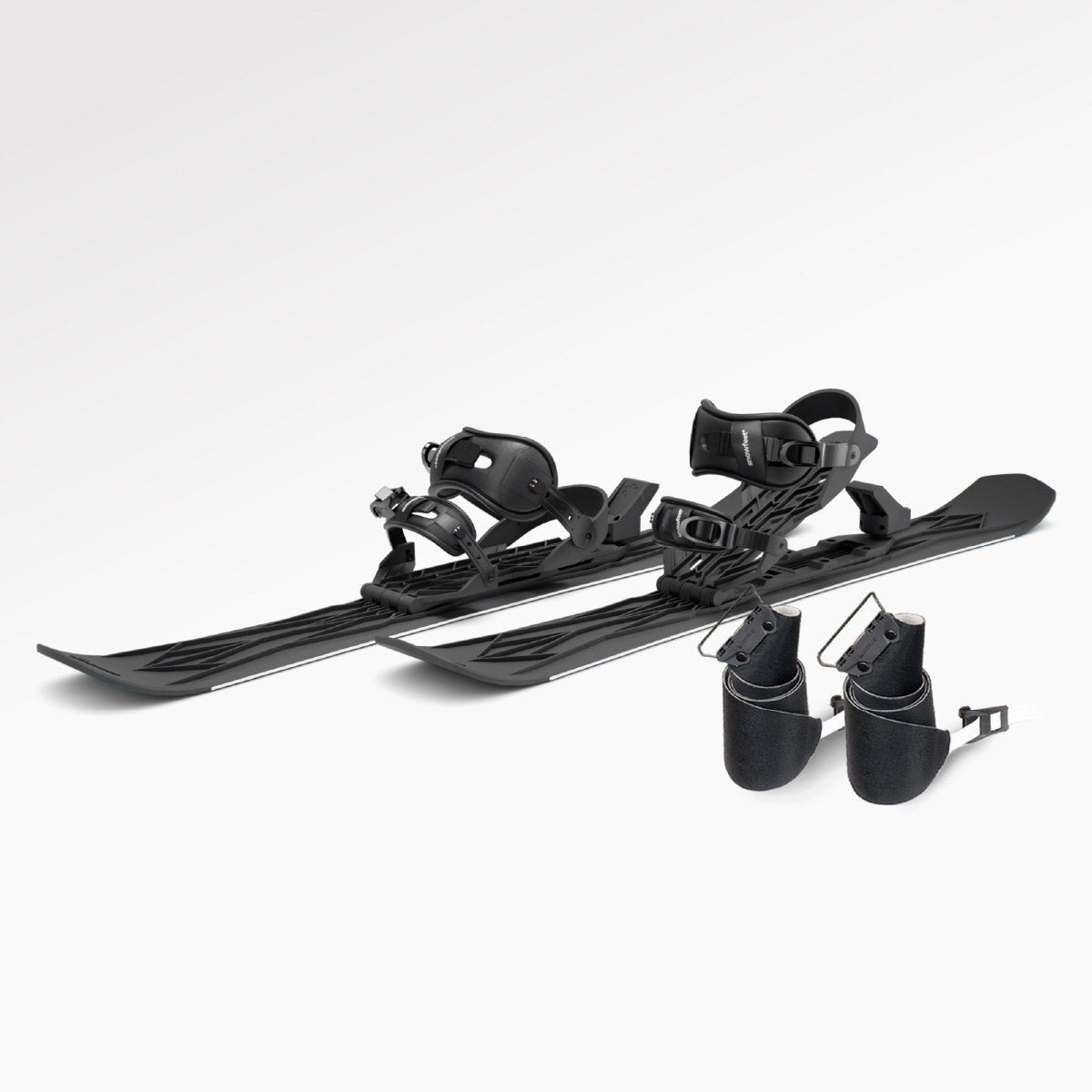
The compact Snowfeet* 65 cm Skiblades make tight turns and quick direction changes easy in spring slush. They pivot faster than the 99 cm and 120 cm lengths, making them the best pick for quick, playful turns.
Speed control
That fast pivot comes with a tradeoff: the 65 cm favors control over speed. Keep your pace moderate. At higher speeds, they can feel twitchy in heavy spring slush. Use short, deliberate turns to keep your speed in check.
Wet-snow drag
As slush gets wetter, drag matters just as much as turn shape. Wet snow can grab the bases and slow you down. Stay centered, keep your knees bent, and apply warm-weather wax before you ride. Quick turns help, but they won’t stop wet-snow drag.
Float and stability
The 65 cm offers the least float and stability of the three Snowfeet* lengths. It can sink or catch as slush gets deeper and more uneven, leaving less room for error. Long skis give you more support in those conditions. Choose the 65 cm for nimble turns in shallower slush, not deep, heavy snow.
As slush deepens, the 99 cm starts to offer a better balance of agility and support.
2. Snowfeet* Skiblades 99 cm
Turning response
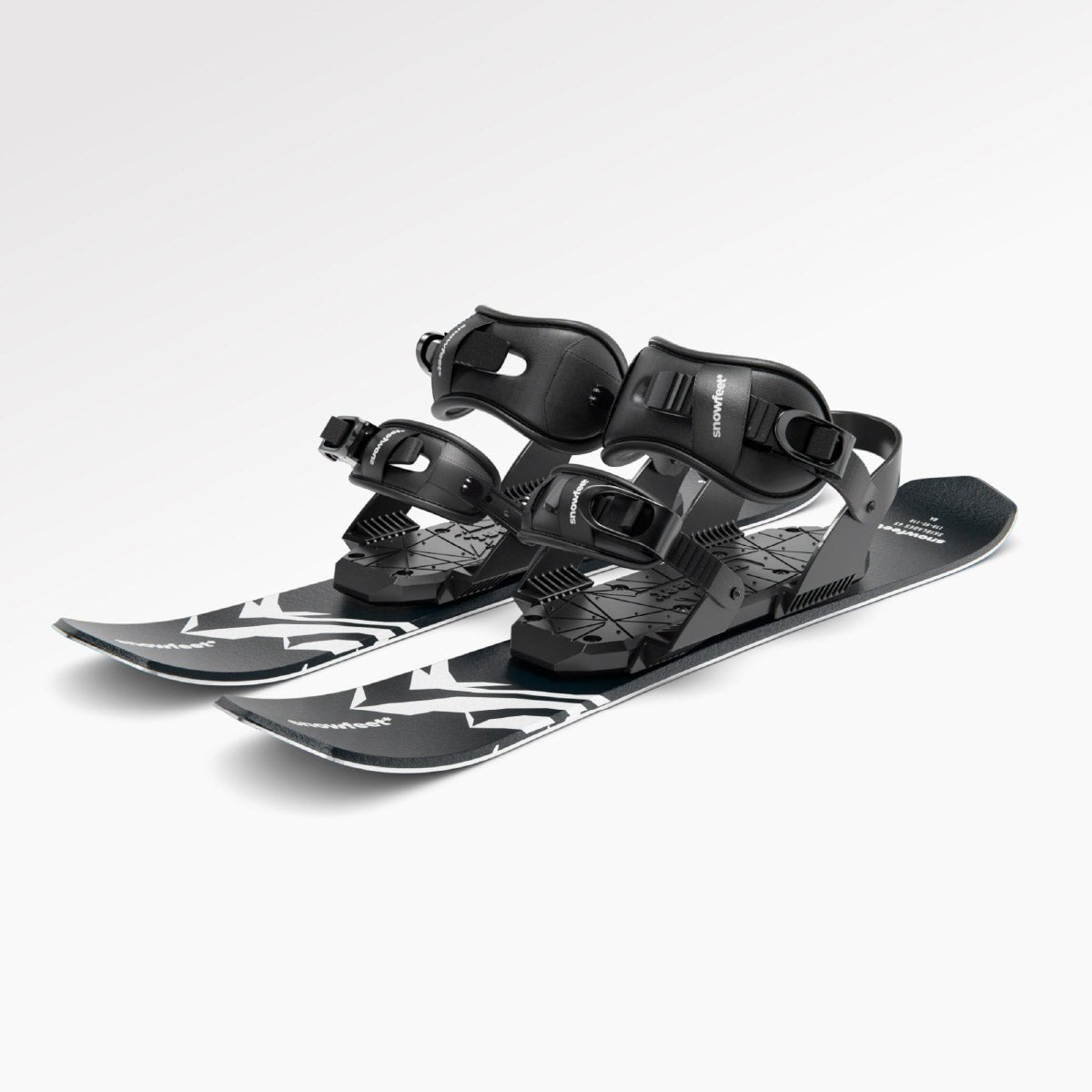
The 99 cm is the middle-ground Snowfeet* option for spring slush. It gives you more support than the 65 cm and turns more easily than the 120 cm or standard long skis. That balance suits quick turns, light carving, and moguls on soft snow.
Speed control
The 99 cm feels smoother and more planted at moderate speeds than the 65 cm, though it’s less stable than the 120 cm. Use that added support for controlled carving - not to push your pace through rough afternoon slush.
Wet-snow drag
Wet slush grabs the base and slows you down. Stay centered, keep the edges light, and roll your ankles smoothly. This helps the skis glide rather than hook in wet, heavy snow. Reapply warm-weather wax often; a full day in abrasive slush can strip it away.
Float and stability
The 99 cm offers more support than the 65 cm, but deep slush isn’t its strong suit. Standard long skis feel more planted in deeper, uneven snow. For resort laps, though, the 99 cm is the most balanced Snowfeet* choice here.
As slush gets deeper and more chopped up, the 120 cm offers a more planted ride.
3. Snowfeet* Skiblades 120 cm
Turning response
The 120 cm feels most like a full-length ski. It carves more than the 65 cm and pivots less like a skate. You trade some playfulness for a more planted feel, but it’s still easier to maneuver than full-length skis. That added ski feel also steadies the ride at moderate speeds.
Speed control
The extra support suits heavier riders and stronger skiers. At moderate speeds, it offers more controlled cruising than the shorter lengths.
Wet-snow drag
In heavy slush, the 120 cm needs slower turns with broader arcs - not quick pivots - to stay settled.
Float and stability
The 120 cm stays more planted than shorter blades, though full-length skis provide better float and stability in deep, uneven slush. It sits between playful short skis and the steadier ride of long skis in deeper slush.
4. Long Skis
Turning response
Long skis favor stability over quick pivots. They respond best to smooth, round turns and take more room and effort to pivot than Snowfeet* 65 cm and 99 cm models, which swing faster in tight slush.
Speed control
Long skis feel steadier at speed, but afternoon slush still calls for control. Finish each turn, stay centered, and keep your knees soft to absorb ruts.
Wet-snow drag
Long skis can still feel grabby in wet spring snow. But their length helps them glide over soft patches better than shorter skis.
Float and stability
Width and rocker matter as much as length. A 95–105 mm waist (about 3.7–4.1 inches) and rockered tips help full-length skis ride over soft piles. Their larger surface area adds support in deeper, uneven slush. Snowfeet* has the edge for compact handling and quick direction changes.
sbb-itb-17ade95
Snowboarder tries Snowfeet* | Which Snowfeet* Short Ski is the Best? | Snowblades 44, 65, 99 Review
How Turns, Speed, Drag, and Snow Depth Affect Handling
Length affects four things: turning, speed control, drag, and float. Shorter Snowfeet* have less mass to swing through each turn, so they feel nimble and playful. Properly sized long skis stay more planted in deep, uneven slush.
Stopping in slush still takes room. Slow down before you reach deep patches. Wet slush can shift from glide to grab as suction and friction change beneath the bases. Use warm-weather wax and reapply it as needed.
Choose 65 cm (about 26 inches) for the most agility, 99 cm (about 39 inches) for balance, or 120 cm (about 47 inches) for the most forgiving Snowfeet* ride as slush gets deeper - especially for heavier riders.
Choose Your Length, Adjust Your Stance, and Wax for Slush
Match your ski length to the slush depth, your speed, and the terrain.
| Option | Suitable rider and conditions | When to choose something longer |
|---|---|---|
| Snowfeet* 65 cm Skiblades | Fast pivots and tight, playful turns at moderate speed. | For more carving support or stability. |
| Snowfeet* 99 cm Skiblades | Best all-around balance for mixed spring terrain. | For extra support in deeper, uneven slush. |
| Snowfeet* 120 cm Skiblades | More support and a calmer ride as slush gets rougher. | Choose long skis for maximum float in deep, heavy slush. |
| Long skis | Best for maximum float and stability at speed. | Choose Snowfeet* instead for easier maneuvering and playful turns. |
Once you’ve picked a length, your stance and base prep help it handle wet spring snow.
Keep your hips centered, knees soft, and pressure even. Finish your turns cleanly, and give yourself more room to stop as the snow softens.
Brush off dirt and pollen, dry the bases, and apply warm-weather glide wax. Rewax often - slush strips glide fast. Glide wax goes on the base; anti-stick treatment goes on the topsheet.
Check your resort’s brake and leash rules. Have a technician fit any release bindings to your boot, weight, and ability.
Final Verdict: Which Ski Length Fits Your Spring Riding?
The right length comes down to terrain and how you like to ski. Snowfeet Skiblades 99 cm* are the best all-around pick for casual spring riding. They turn with ease and offer enough support as snow conditions change.
| Option | Best for | Main trade-off |
|---|---|---|
| Snowfeet 65 cm* | Tight turns and a skate-like feel | Less stable in deep slush and at speed |
| Snowfeet 99 cm* | Everyday spring riding with playful turns | Less float than longer options |
| Snowfeet 120 cm* | The most stability in the Snowfeet* lineup | Less compact and slower to pivot |
| Long skis | Float and high-speed support in deep, heavy slush | More effort for quick direction changes |
Long skis still make sense if you want maximum float in deep afternoon slush. For most casual spring laps, _Snowfeet - especially the 99 cm model - is the better fit._*
FAQs
How does my weight affect my Snowfeet* length choice?
With Snowfeet*, your weight matters less than it does with long skis. Their small size and light weight help you stay centered. You can also move each leg on its own to adjust your balance when one foot hits dense or uneven slush.
When choosing a length, focus more on your skill level and riding style. Snowfeet* are built to be nimble and forgiving.
What should I do if my skiblades suddenly grab in slush?
Stay loose and keep your weight centered over your feet. Shift your weight smoothly, with no sudden moves or hard pressure on your edges. Too much pressure can make them snag in heavy, wet snow. Keep your knees and ankles relaxed so they can absorb changes in snow texture.
Keep a bit of momentum, too. It helps you skim over sticky patches instead of plowing through them, which cuts down on that “suction” feeling.
How can I tell when my skiblades need more wax?
Your Snowfeet* skiblades need more wax when the bases look dry or dull, or when you feel a steady suction that slows you down in heavy, wet spring snow. Reapply warm-temperature wax every 3 to 5 days of use to keep your glide smooth.
Their compact size makes waxing faster and easier than with long skis. That means less time at the wax bench and more time making playful, responsive turns in the slush.



Leave a comment
This site is protected by hCaptcha and the hCaptcha Privacy Policy and Terms of Service apply.