
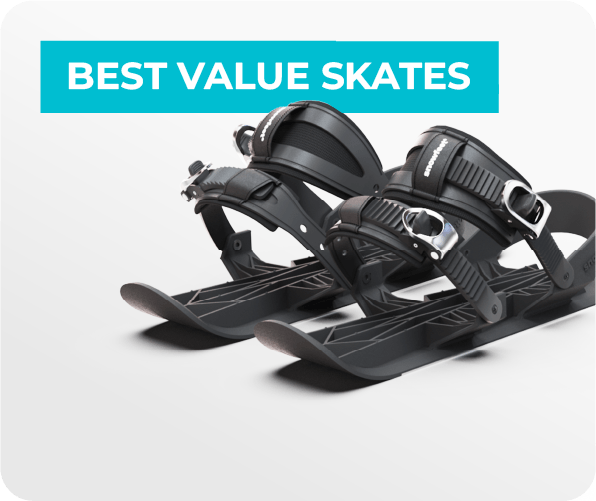
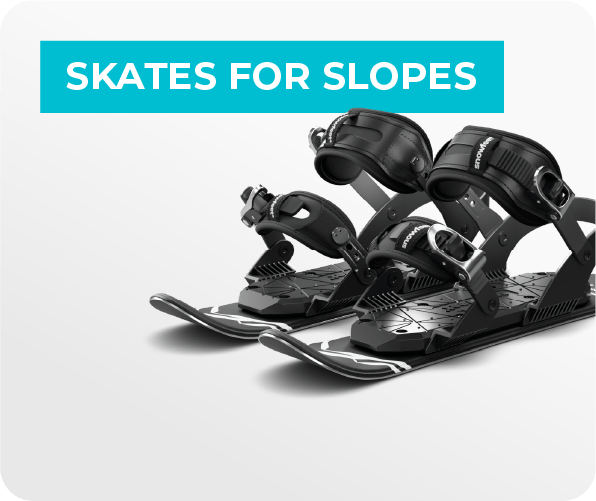
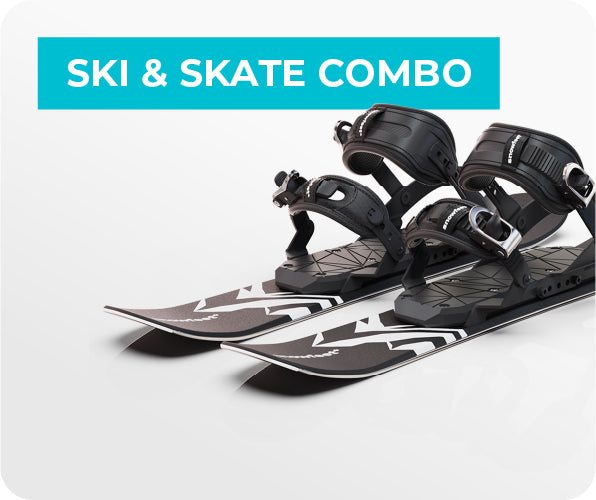
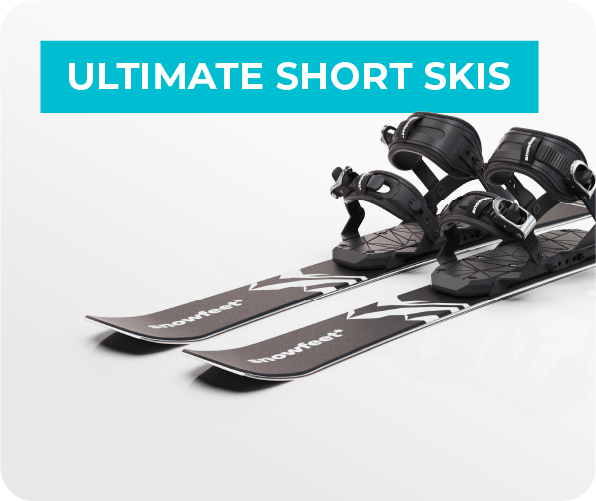
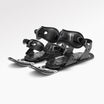
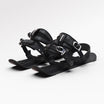
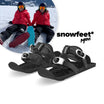
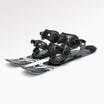
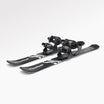
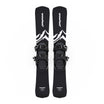
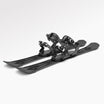
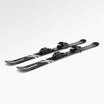
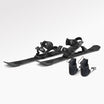
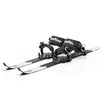
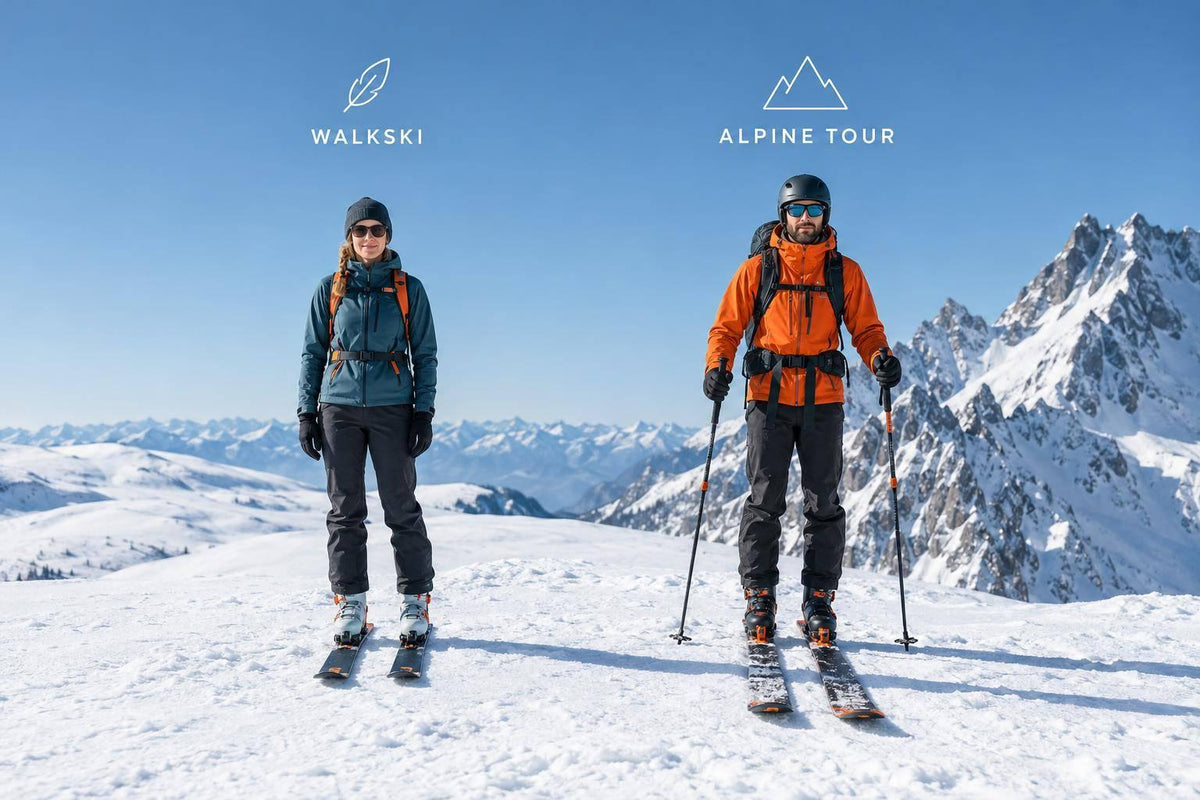
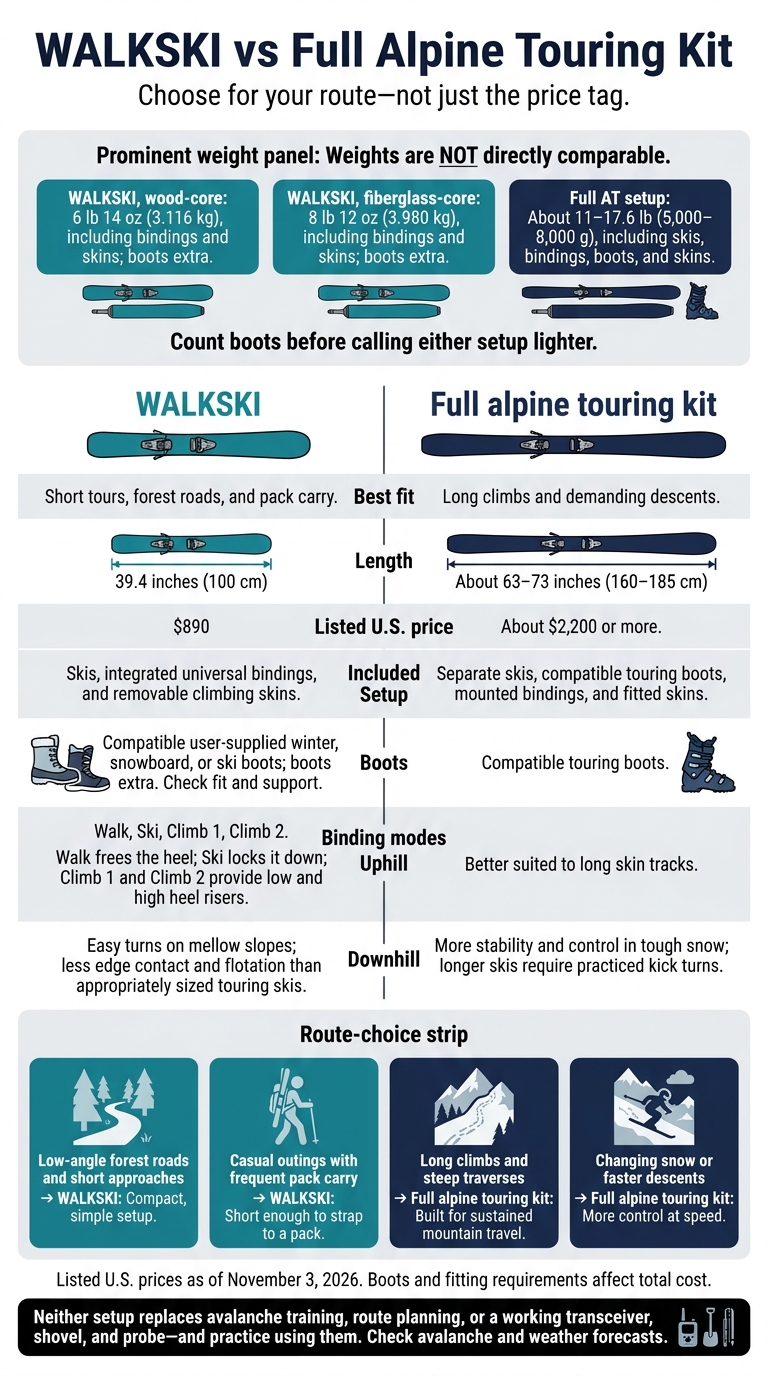
I’d pick WALKSKI for short, mellow tours - and a full alpine touring kit for long climbs and tougher descents. At 39.4 inches long and $890, WALKSKI packs small and can work with boots you own. A full AT setup starts around $2,200 and offers more support, flotation, and control.
The catch? The listed weights don’t cover the same gear. I’d count boots before calling either setup lighter.
Quick Comparison
| What I’d compare | Snowfeet* WALKSKI | Full alpine touring kit |
|---|---|---|
| Best fit | Short tours, forest roads, and pack carry | Long climbs and demanding descents |
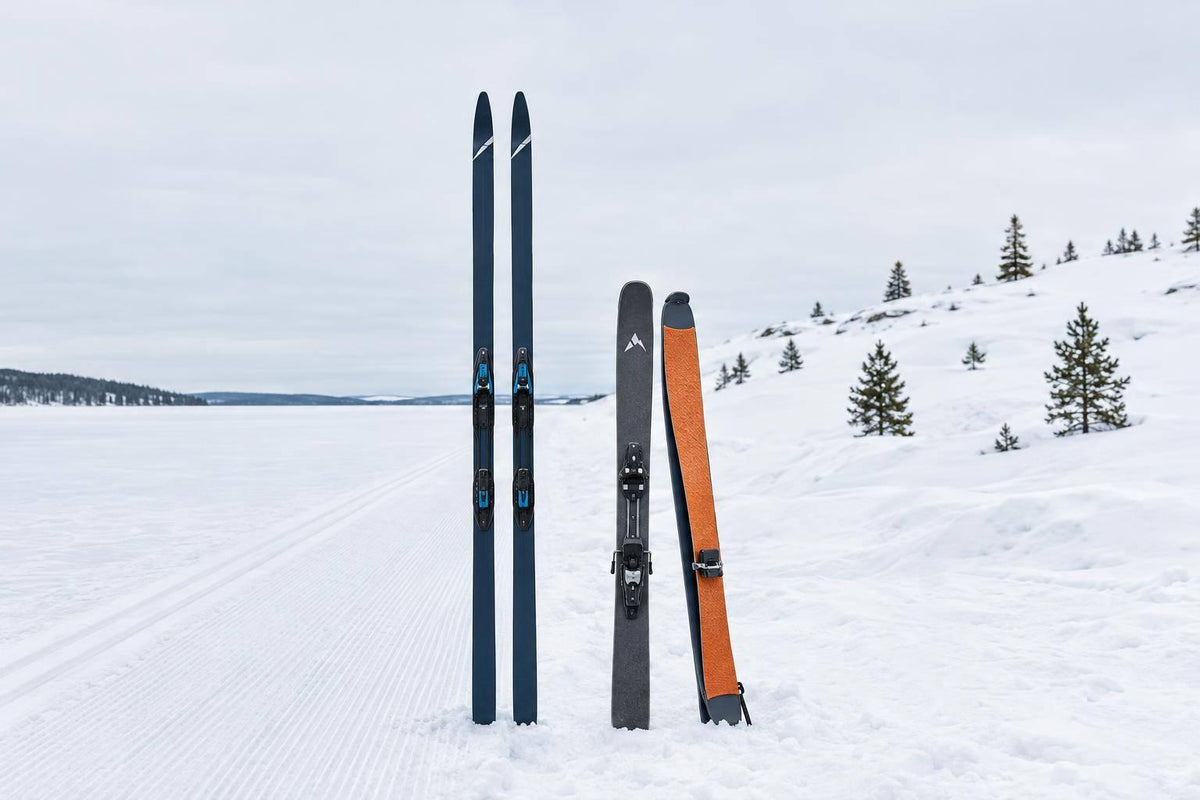
| Length | 39.4 inches | About 63–73 inches |
| Weight | 6 lb 14 oz–8 lb 12 oz, including bindings and skins; boots extra | About 11–17.6 lb, including boots |
| Boots and setup | Fits several boot types; bindings and skins included | Needs compatible touring boots, mounted bindings, and fitted skins |
| Uphill travel | Free-heel mode, skins, and two heel-riser settings | Better suited to long skin tracks |
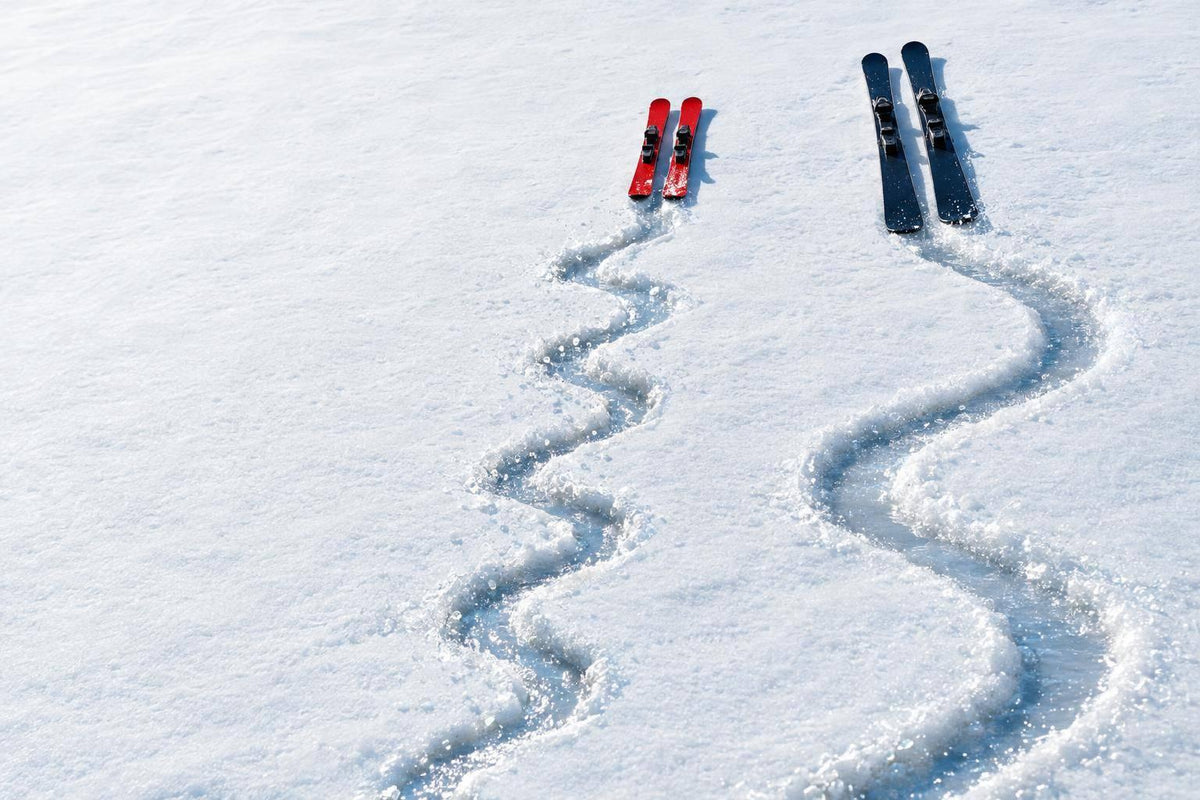
| Downhill feel | Easy turns on mellow slopes; less edge contact and flotation | More stability and control in tough snow |
| Listed U.S. cost | $890 | About $2,200 or more |
Prices reflect the article’s November 3, 2026 figures. My advice: check boot fit, then choose for your route - not just the price tag. And <u>neither setup replaces avalanche training, route planning, or a transceiver, shovel, and probe</u>.
WALKSKI vs Full Alpine Touring Kit
Snowfeet WALKSKI | Backcountry Skiing in Georgia
What Each Setup Includes
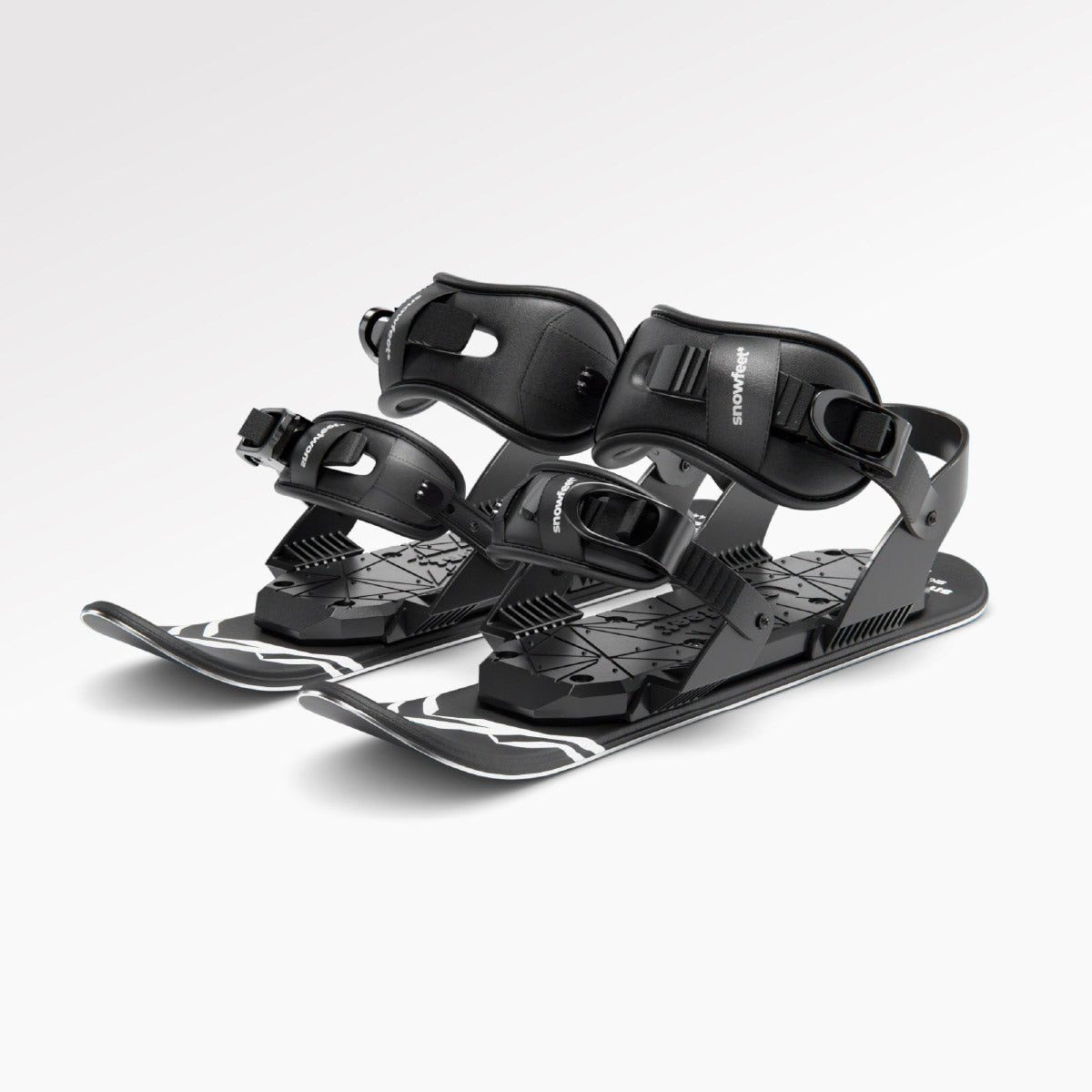
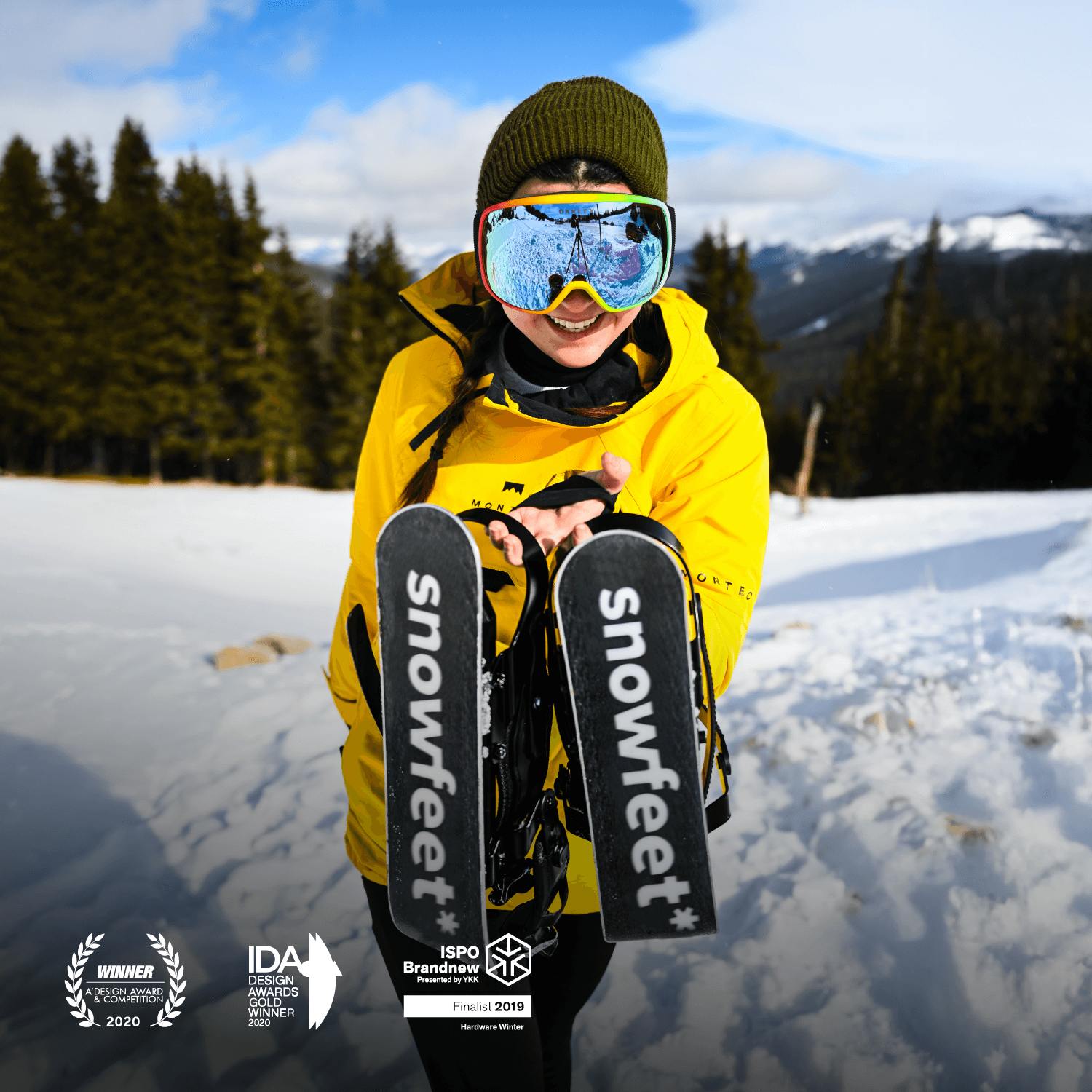
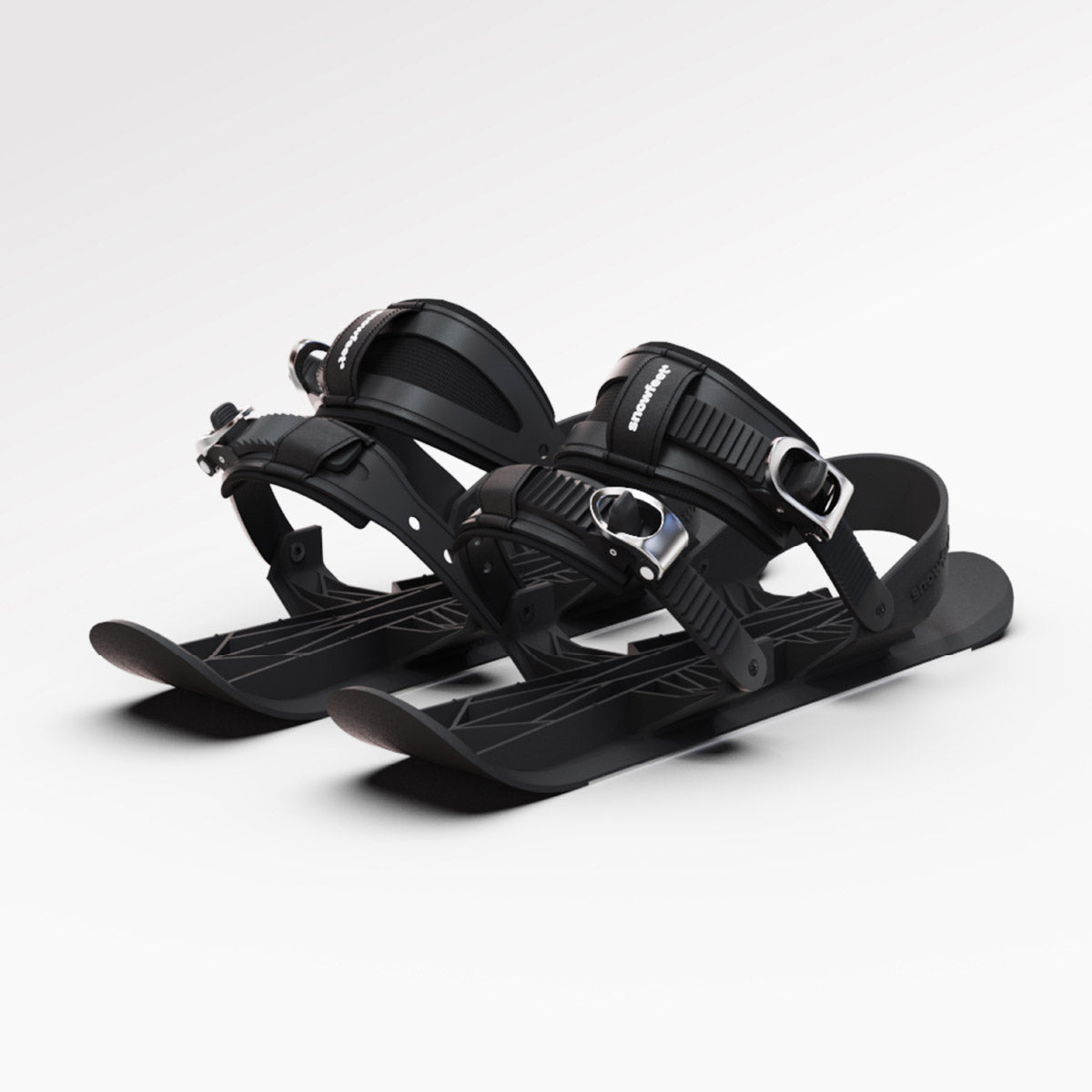
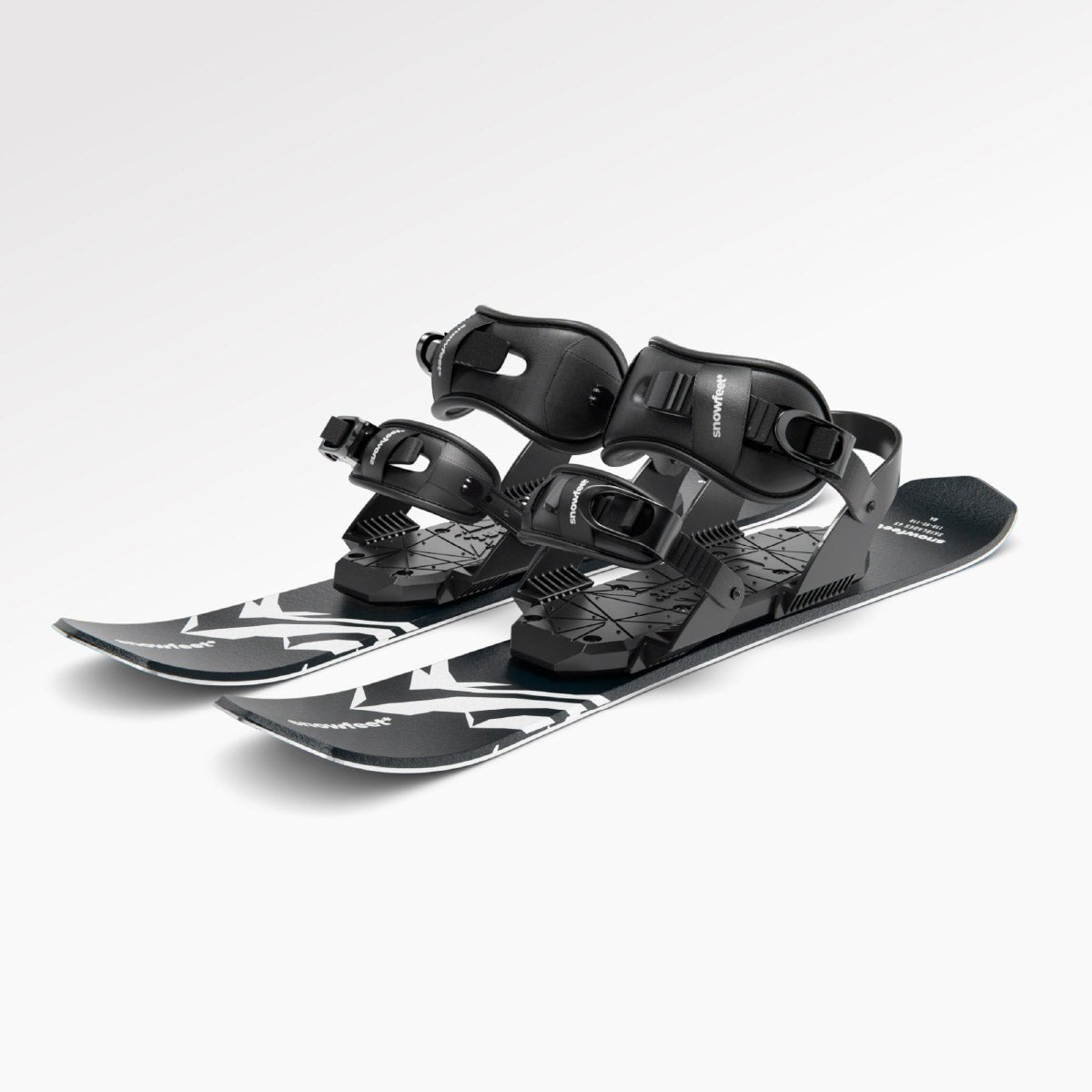
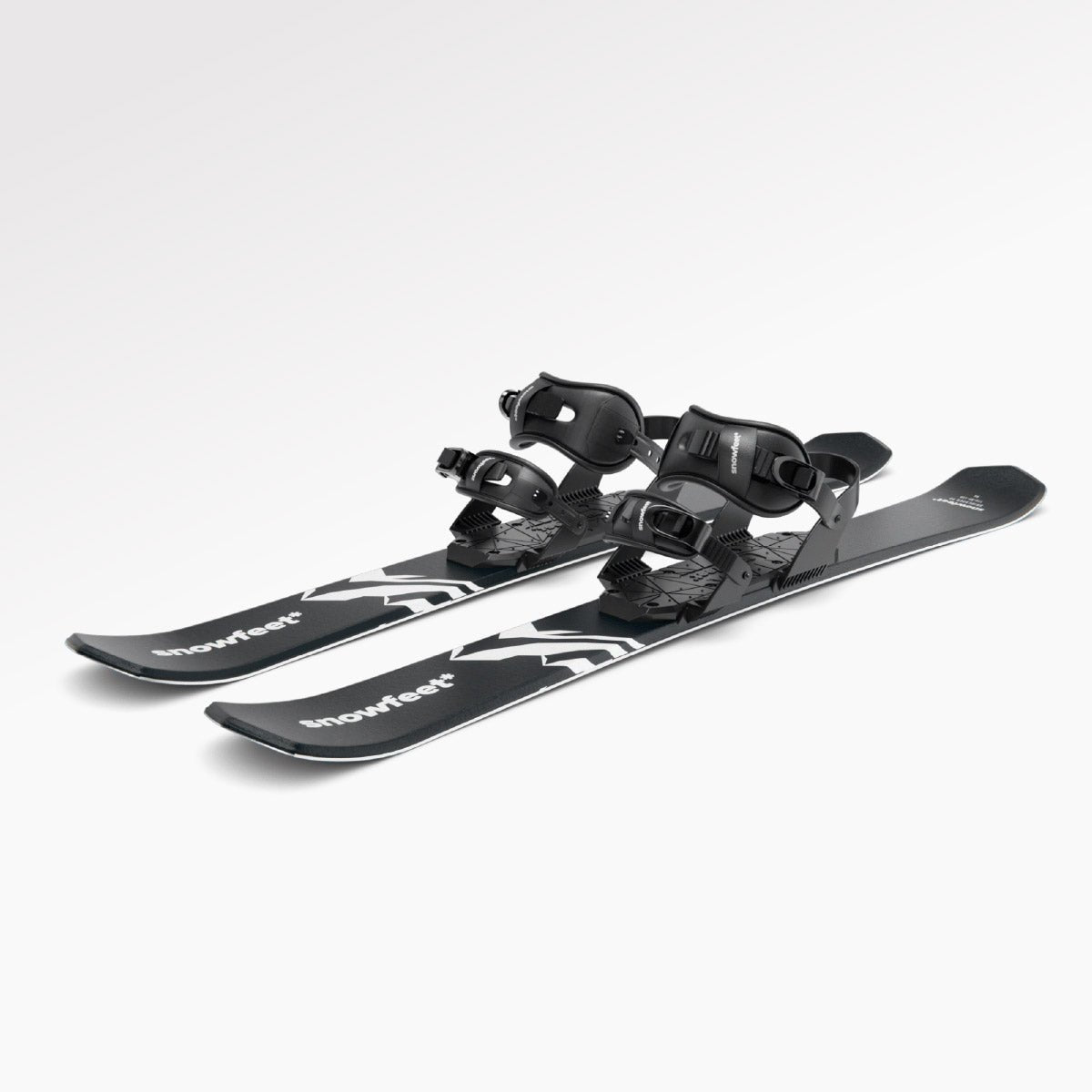
WALKSKI combines skis and bindings in one package that works with several boot types. A full alpine touring kit uses separate parts and needs specific boots.
Snowfeet* WALKSKI: Ski Length, Bindings, and Boot Fit
WALKSKI’s universal binding has four modes: Walk, Ski, and two climb-riser positions. It fits US 6–14.5 winter and snowboard boots, plus about US 4.5–14.5 (Mondo 22.5–32.5) ski boots. But boots within that range won’t all give you the same support.
Check that your boots stay secure and give you enough support for your route. The listed specs don’t prove that WALKSKI matches an alpine binding’s retention or stiffness.
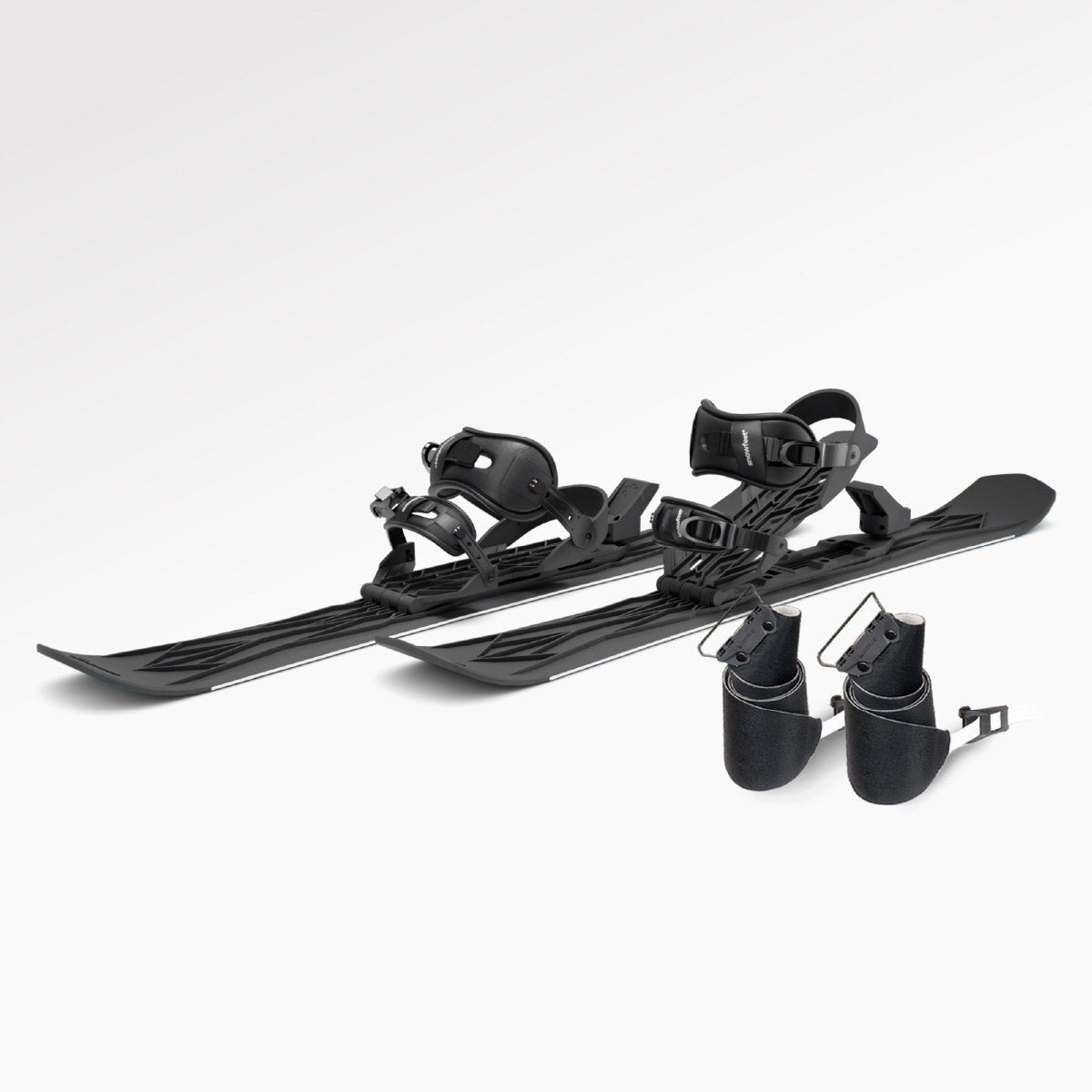
The included skins attach with adhesive and tip-and-tail clips. This built-in approach is the main difference from an alpine touring setup assembled from separate parts.
| Component | WALKSKI package | Full alpine touring reference setup | Included or separate / fitting notes |
|---|---|---|---|
| Skis | 100 cm (39.4 inches) approach-style skis | Black Crows Camox Freebird, 178 cm (70.1 inches) example | WALKSKI included; reference skis purchased separately |
| Bindings | Integrated universal 4-mode binding | Dynafit ST Rotation 10 tech binding | WALKSKI included; reference bindings separate and require mounting |
| Boots | Compatible user-supplied winter, snowboard, or ski boots | Scarpa Maestrale touring boots | Separate for both; reference boot size isn’t specified in the supplied data |
| Climbing skins | Included removable skins | Black Diamond Ascension trim-to-fit skins | WALKSKI included; reference skins separate; width and final trimmed length remain unverified |
| Hardware and fitting | Integrated binding; spare hardware not specified | Binding mounting and skin trimming | Confirm supplied hardware and any shop charges |
The supplied specs don’t confirm other accessories. Extra parts affect both how much you carry and what you pay.
Full Alpine Touring Kit: A Named Reference Setup
This article compares WALKSKI with a kit built around Black Crows Camox Freebird skis, Dynafit ST Rotation 10 bindings, Scarpa Maestrale boots, and Black Diamond Ascension skins. It’s a reference kit, not a confirmed package.
Tech bindings need compatible pin-fitted boots and shop mounting. WALKSKI doesn’t require dedicated touring boots for simpler touring.
These setup differences explain the weight and cost gap below.
Weight, Packing, and U.S. Prices
Total Weight and Carrying Needs
For short, casual tours or longer mountain days, look at what you’ll carry - not just the skis.
The weight figures cover different gear. WALKSKI’s listed weight includes bindings and skins but leaves out boots. The AT figures include skis, bindings, boots, and skins.
| Weight or packing detail | Snowfeet* WALKSKI | Full AT kit |
|---|---|---|
| Pair weight | Wood-core: 6 lb 14 oz (3.116 kg); fiberglass-core: 8 lb 12 oz (3.980 kg), including bindings and skins; boots extra | About 11–17.6 lb (5,000–8,000 g) for a full setup, including boots |
| Packed length | 39.4 inches (100 cm) | 63–73 inches (160–185 cm) |
| Boot requirement | Use compatible boots you already own | Dedicated touring boots |
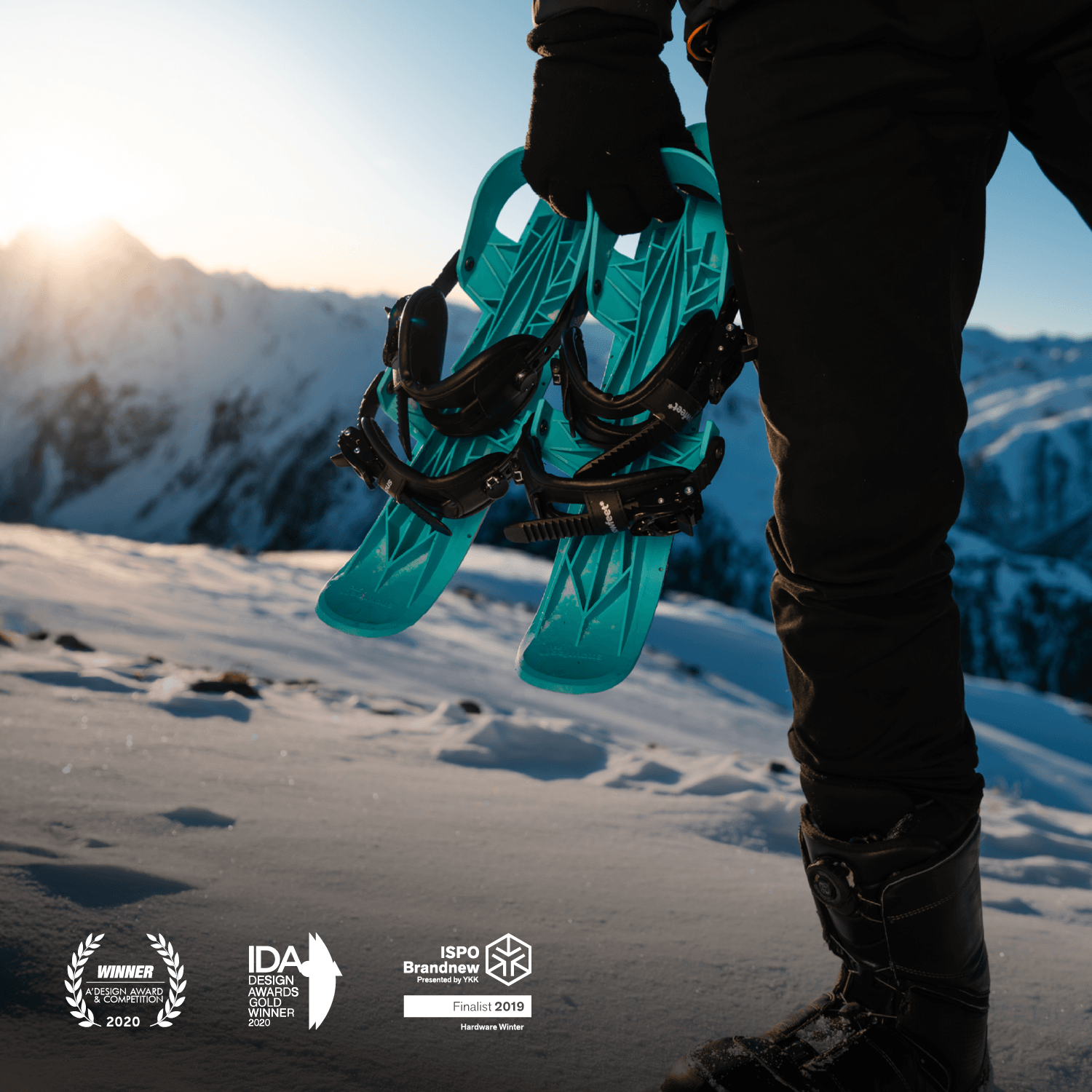
At 39.4 inches long, WALKSKI fits in most trunks or backseats and straps easily to a pack. But lighter gear doesn’t replace avalanche safety gear: a beacon, probe, and shovel.
Current Prices and Required Extras
As of November 3, 2026, Snowfeet* lists WALKSKI at $890. A new full AT setup costs about $2,200 or more.
Full AT kits commonly involve separate purchases for skins ($150–$200), bindings ($400–$700), and specialized boots ($500–$900). If you already own compatible boots, WALKSKI cuts the starting cost by more than $1,300.
Beyond price and weight, uphill traction and downhill control shape how each setup feels on snow.
sbb-itb-17ade95
Uphill Grip and Downhill Control
Once the gear is on your feet, the test is simple: how well does it climb, and how does it feel on the way down?
Climbing: Skin Grip, Glide, and Turning
WALKSKI uses removable skins and has four modes: Walk, Ski, Climb 1, and Climb 2. Walk frees your heel, while Ski locks it down. Climb 1 and Climb 2 add low and high heel risers for steeper slopes.
A full AT setup is built for longer skin tracks, with more efficient grip and glide. WALKSKI fits winter boots, but those boots offer less support and control than touring boots.
Descending: Short-Ski Handling vs. Long-Ski Stability
WALKSKI suits quick turns on mellow descents. A full AT kit offers more stability on demanding terrain. Both require you to learn speed control and stopping.
| Terrain | Snowfeet* WALKSKI | Matched full AT kit |
|---|---|---|
| Switchbacks | Less ski length to move through a tight turn. | Longer skis call for practiced kick turns. |
| Firm snow | A shorter effective edge means less edge contact. | A longer effective edge can improve hold. |
| Powder | Less flotation than touring skis sized for the skier and conditions. | Broader skis, including widths above 105 mm (about 4.1 inches), favor flotation. |
| Steeper descents | Better suited to mellow slopes than steep terrain with changing snow conditions. | Properly sized skis and supportive boots help with control on steep slopes with changing snow conditions. |
Conclusion: WALKSKI for Short, Mellow Outings
Choose for the Routes You Ski Most
Weight, price, boot fit, and handling all help guide your choice. Snowfeet* WALKSKI fits short, casual tours where pack size and easy handling matter more than full alpine performance. Check the whole package before buying. If your boots are compatible, WALKSKI is an easier purchase.
| Your usual route | Better fit | Main reason |
|---|---|---|
| Low-angle forest roads and short approaches | WALKSKI | Compact, simple setup. |
| Casual outings with frequent pack carry | WALKSKI | Short enough to strap to a pack. |
| Long climbs and steep traverses | Full alpine touring kit | Built for sustained mountain travel. |
| Changing snow or faster descents | Full alpine touring kit | More control at speed. |
Let the routes you ski most guide your choice. Weigh the distance, elevation gain, slope angle, snow conditions, and how fast you plan to descend.
Lighter Gear Does Not Replace Avalanche Preparation
Whatever setup you choose, check the avalanche forecast and weather before heading out. Lighter gear doesn't replace avalanche preparation. In avalanche terrain, you need training, route planning, a working transceiver, shovel, and probe - and practice using them.
Pair WALKSKI’s short-outing focus with proper safety prep and routes that suit the gear.
FAQs
How can I check my boots’ fit in WALKSKI bindings?
Check that your boots fall within the supported size range:
- Winter and snowboard boots: US 6–14.5
- Ski boots: US 4.5–14.5 (22.5–32.5 MP)
Before heading out, test your boots in the adjustable WALKSKI bindings to make sure they fit snugly and stay stable. Snowfeet recommends waterproof boots with firm ankle support. They’ll give you a smoother ride and more control than boots that flex too much.
How do I compare total touring weight fairly?
Compare the full, ready-to-hike setup - not just the skis. An alpine touring (AT) setup includes skis, touring bindings, specialized boots, and climbing skins. Together, these typically weigh 15–20 lbs.
Snowfeet* WALKSKI’s ski-and-binding pair weighs 6.9–8.8 lbs. It also skips the need for dedicated AT boots, which add 6–8 lbs to a standard AT setup. Just be sure to count the footwear you’ll wear with WALKSKI when comparing total weights.
How do I choose a beginner-friendly WALKSKI route?
Plan one- to three-hour outings with your Snowfeet* WALKSKI, from short tours to laps on local hills. Stick to rolling terrain, mellow off-piste slopes, forest roads, and gentle meadows.
At 100 cm (about 39 inches) long, WALKSKI is easier to maneuver than long skis on narrow trails and tight forest approaches. It’s a good fit for building confidence on modest climbs and enjoying relaxed backcountry trips - without a heavy, complex alpine touring setup.


Leave a comment
This site is protected by hCaptcha and the hCaptcha Privacy Policy and Terms of Service apply.