
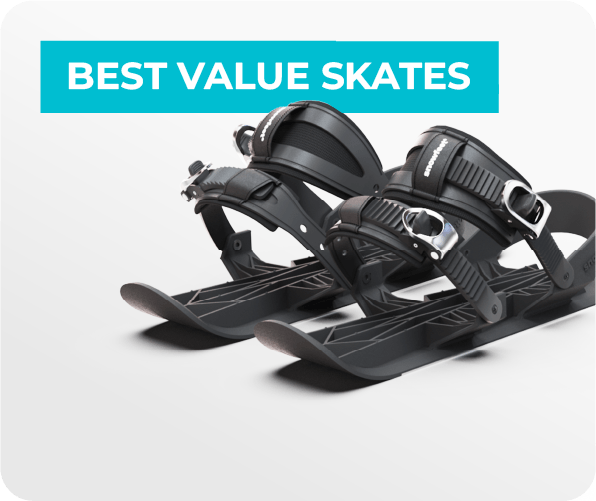
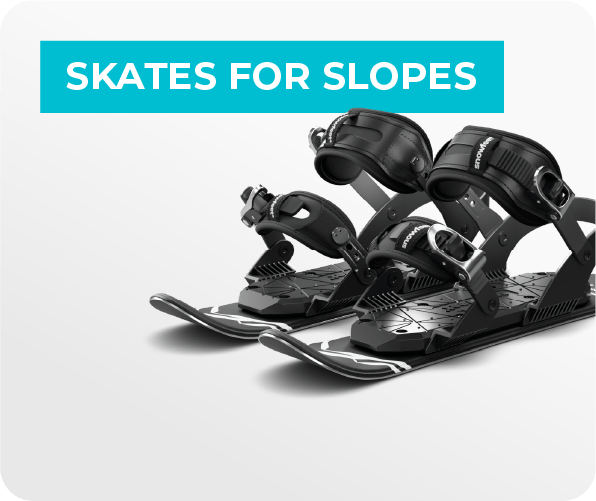
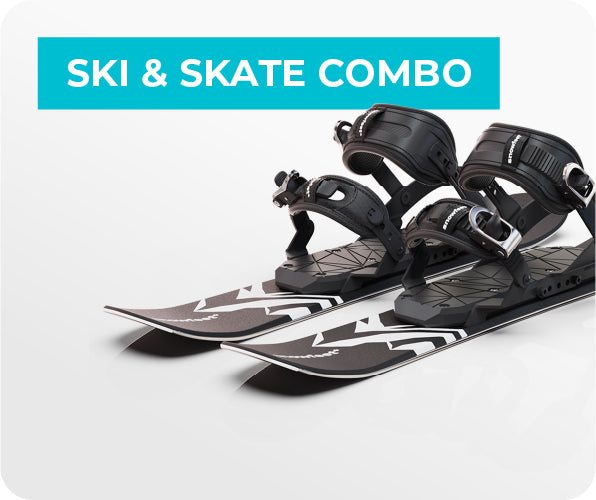
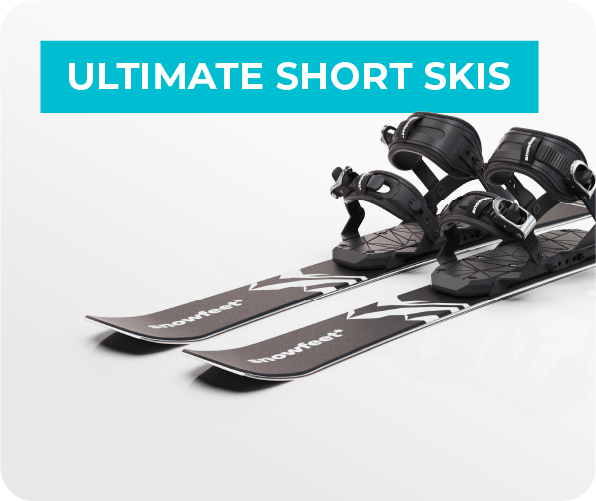
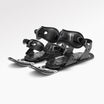
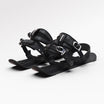
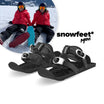
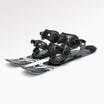
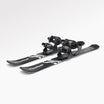
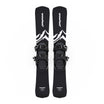
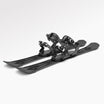
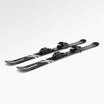
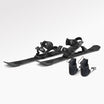
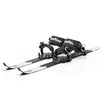
I’d pick NORDIC for flat, packed trails and WALKSKI for rolling woodland routes. The main difference isn’t the 3.9 inches of length - it’s how each setup handles climbs, glide, and descents.
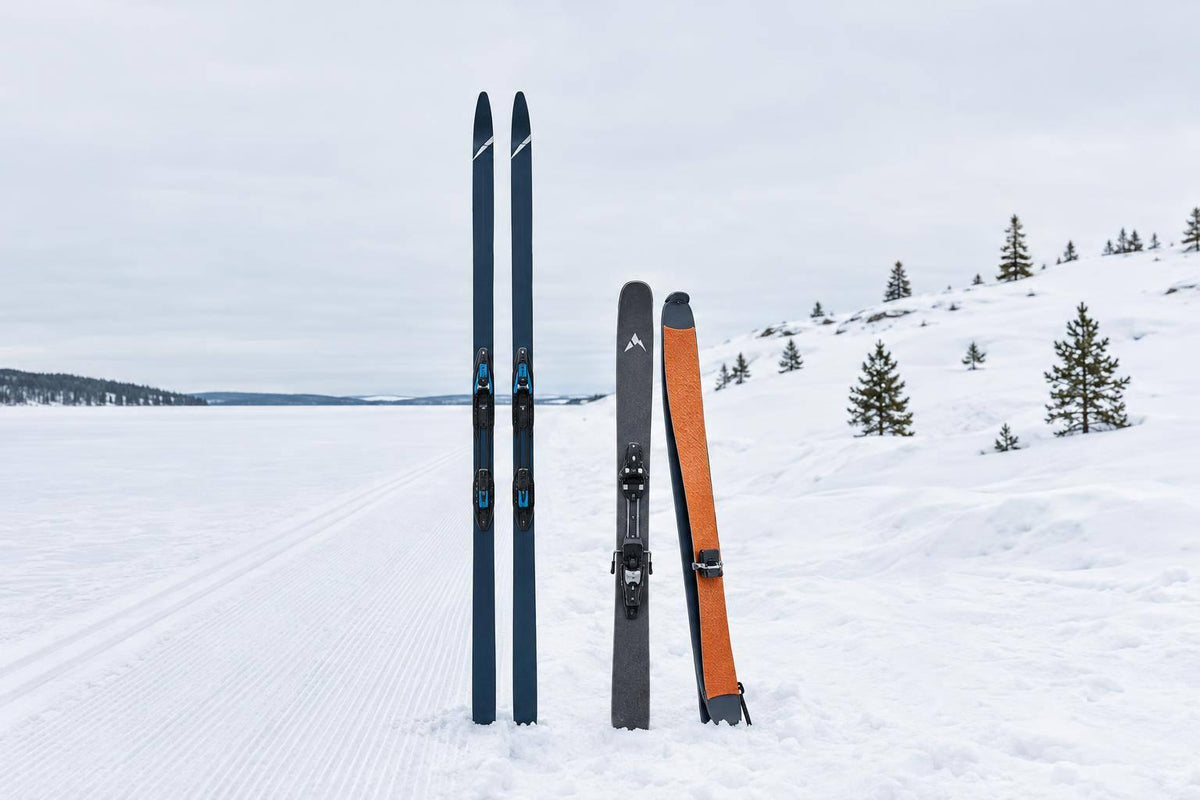
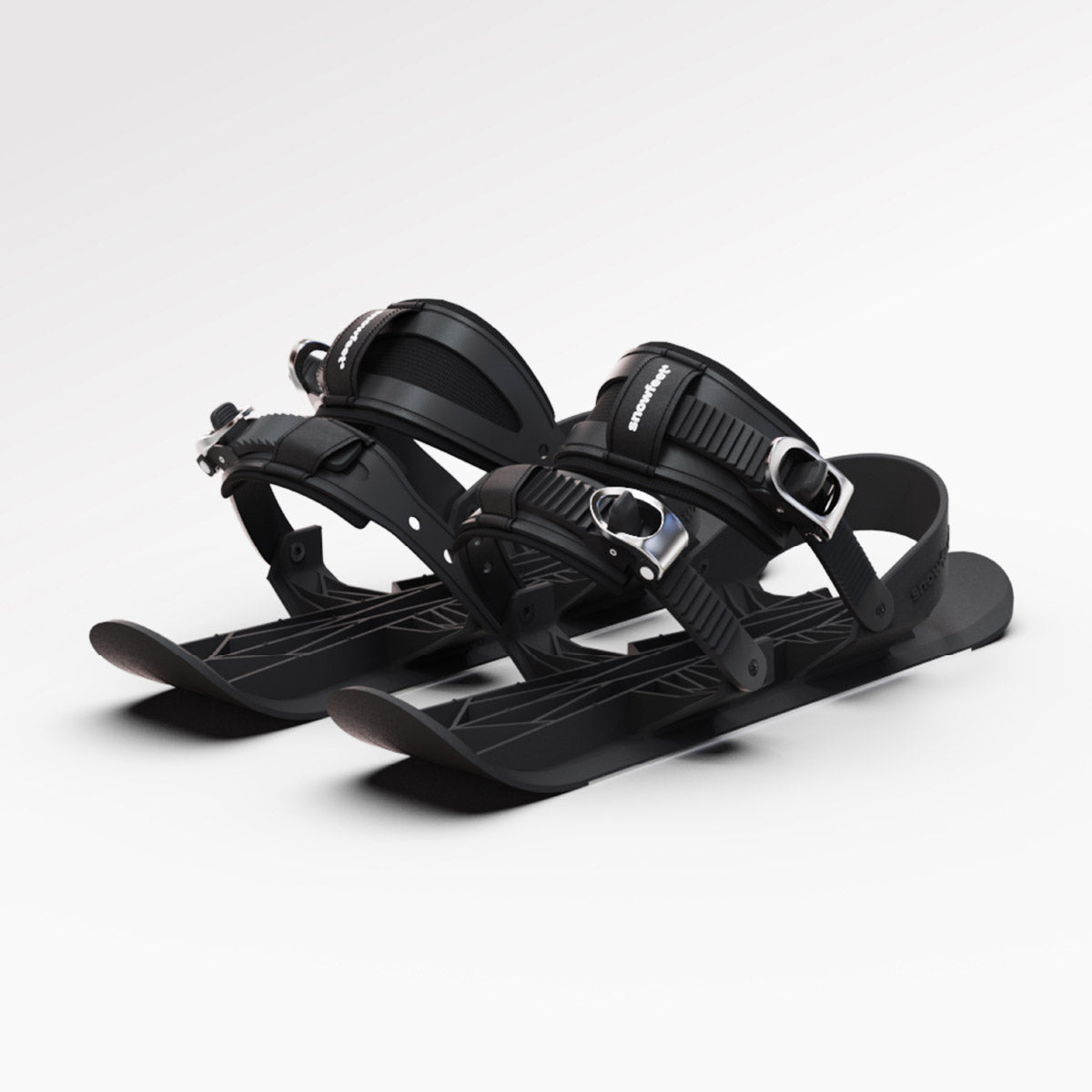
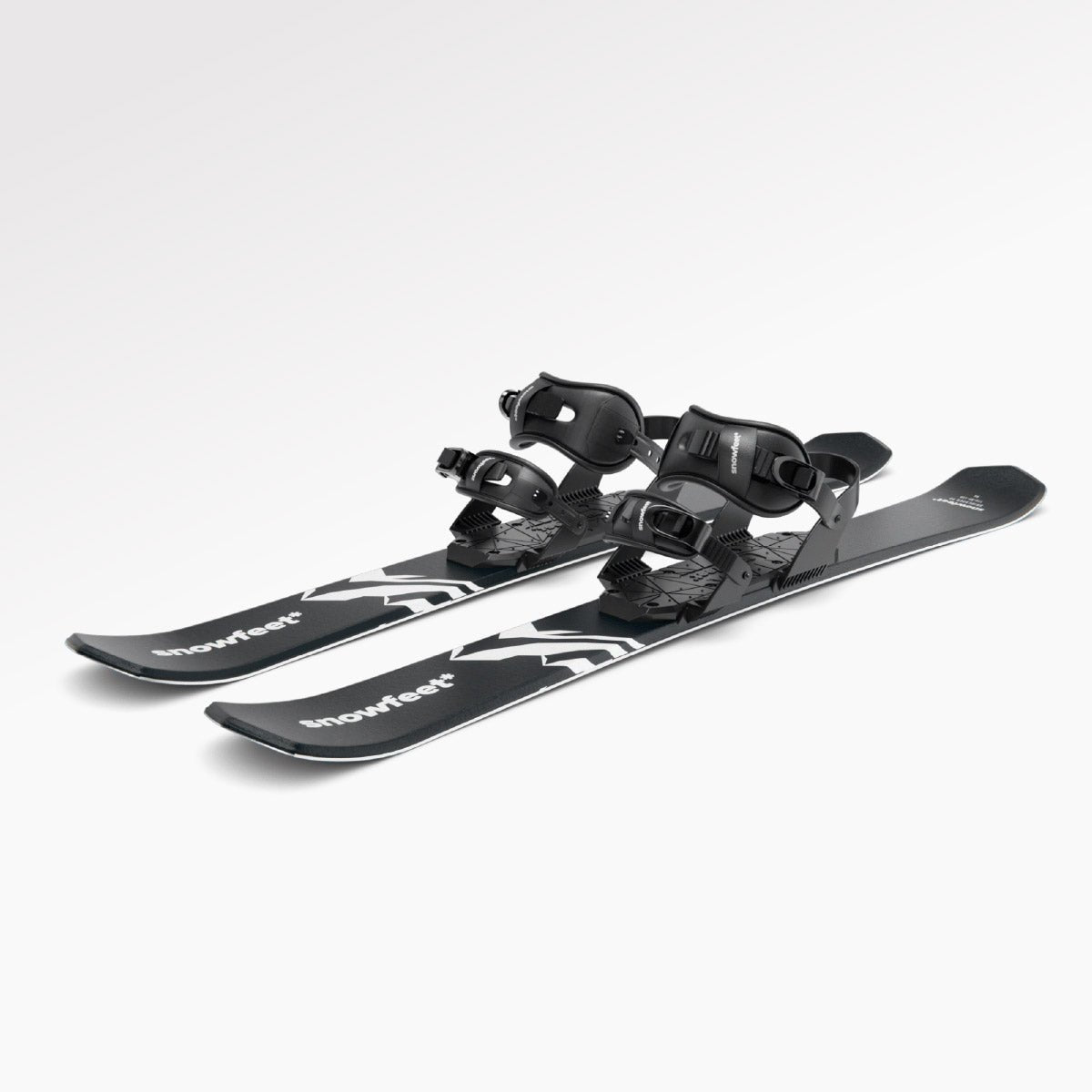
- NORDIC 90 cm (35.4 inches): A waxless fish-scale base grips small slopes without kick wax. I’d choose it for short, skating-style laps on firm snow.
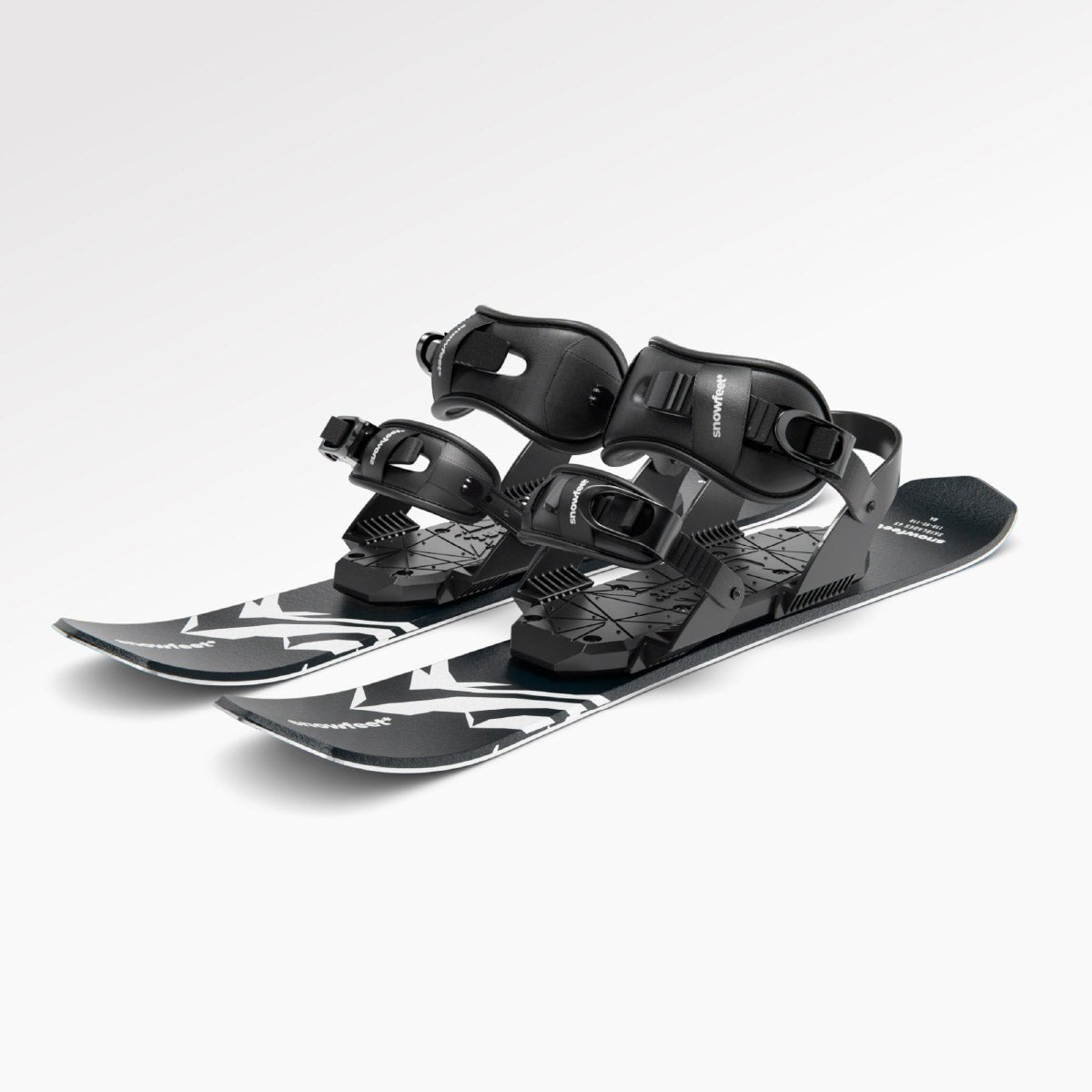
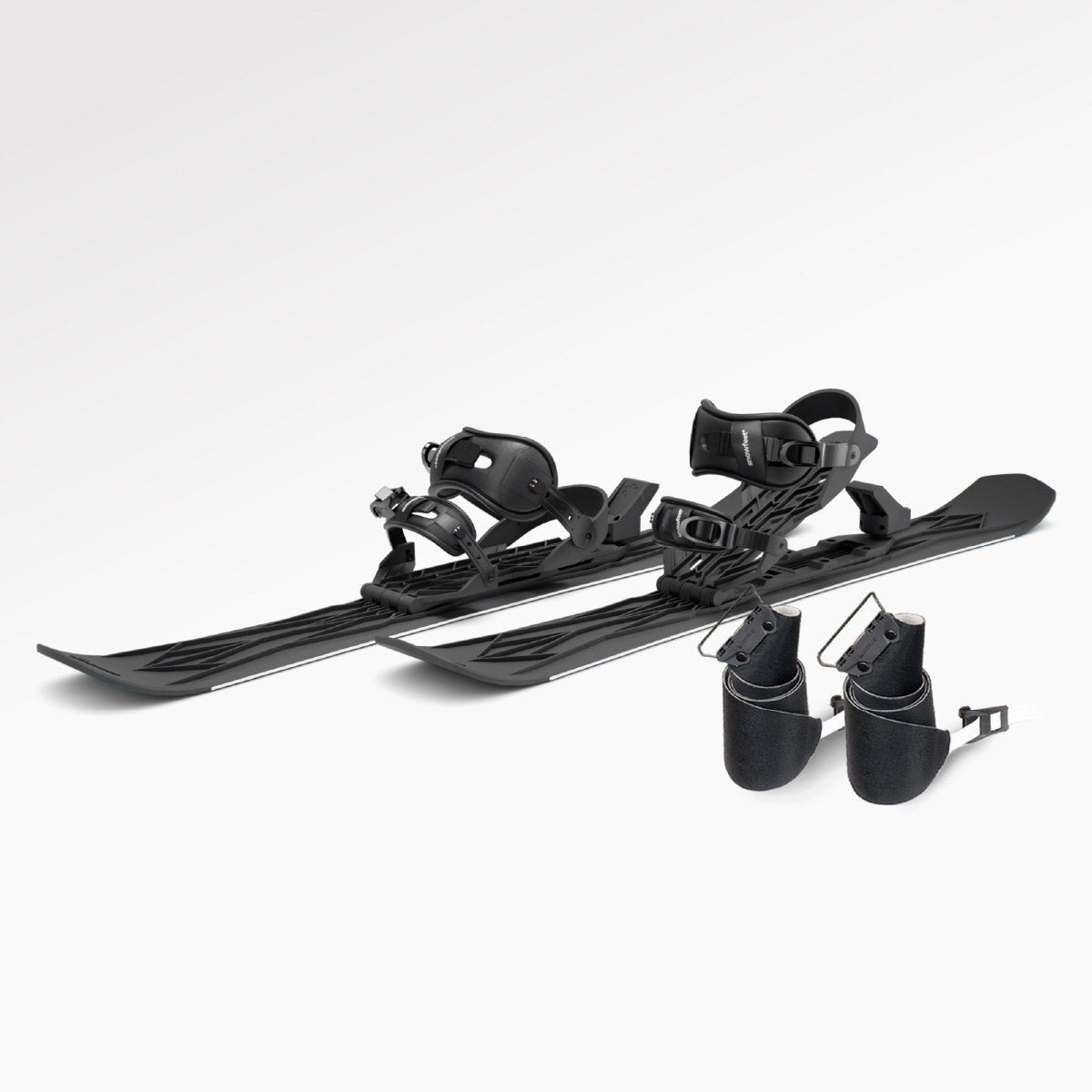
- WALKSKI 100 cm (39.4 inches): Removable skins add uphill grip. Free-heel walking, two climbing settings, and locked-heel Ski mode suit repeated climbs and easy descents.
Quick Comparison
| What I’d check | NORDIC | WALKSKI |
|---|---|---|
| Best terrain | Flat, packed trails | Gently rolling trails |
| Grip and glide | Fish-scale base; favors flat-trail glide | Included skins; more uphill grip, less glide with skins on |
| Heel setup | Cross-country setup | Free heel, locked heel, two climbing settings |
| Boot fit | Winter boots or NNN-compatible boots, depending on binding | Winter, snowboard, or ski boots |
| Listed price | $510 | $750 |
WALKSKI costs $240 more - about 47% more than NORDIC at the listed prices. I’d pay that gap for repeated climbs, not just for a longer ski.
Before buying, I’d check <u>boot fit and total cost</u>, including any new boots. Both are easy to carry and turn, but longer skis generally offer better distance glide and tracking. Neither is a stand-in for gear built for steep slopes, deep snow, or high speeds.
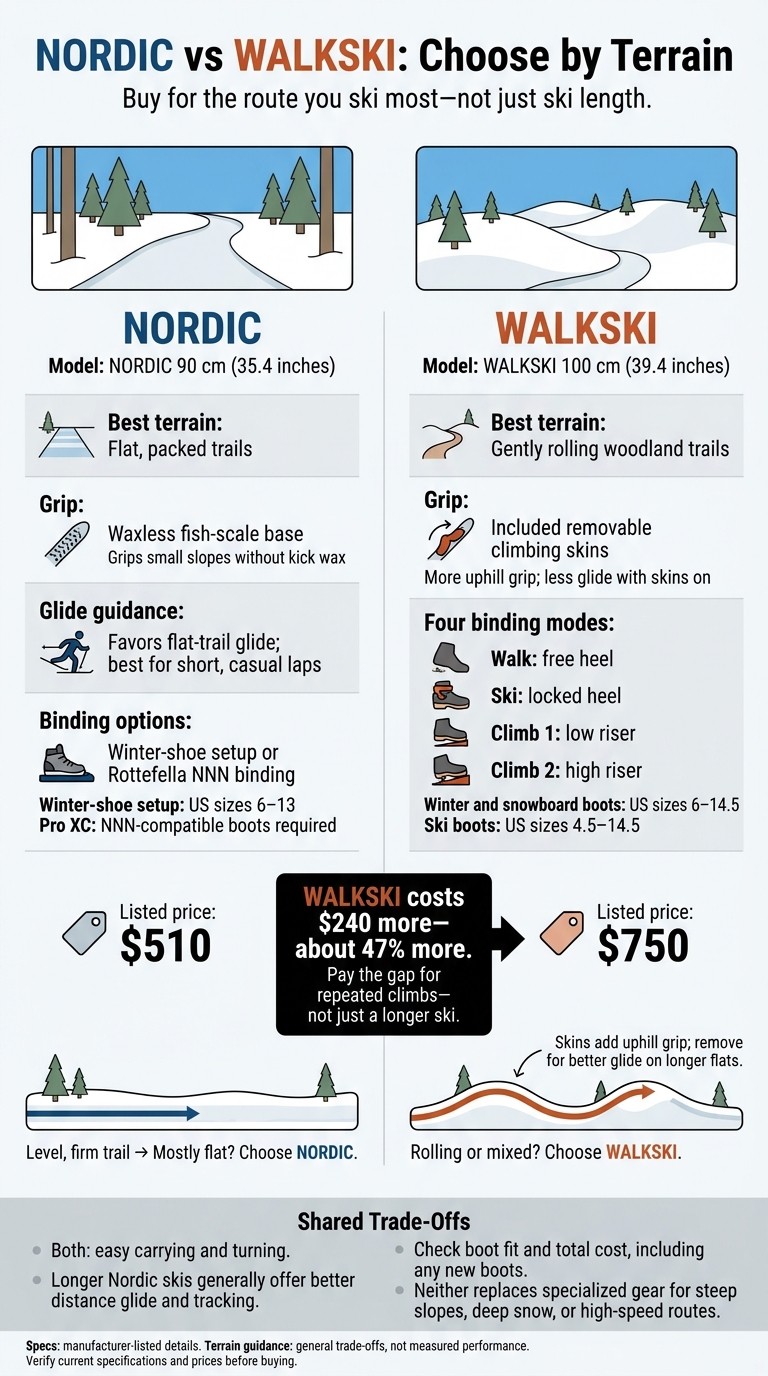
NORDIC vs WALKSKI: Choose by Terrain
Snowfeet WALKSKI | Backcountry Skiing in Georgia
NORDIC 90 cm for Flat, Packed Trails
Snowfeet* lists NORDIC at 3.84 pounds (1.74 kg) per pair, so it’s easy to carry and quick to maneuver. The short length helps with turns and sidesteps, but you get less glide and tracking than with full-length skate skis.
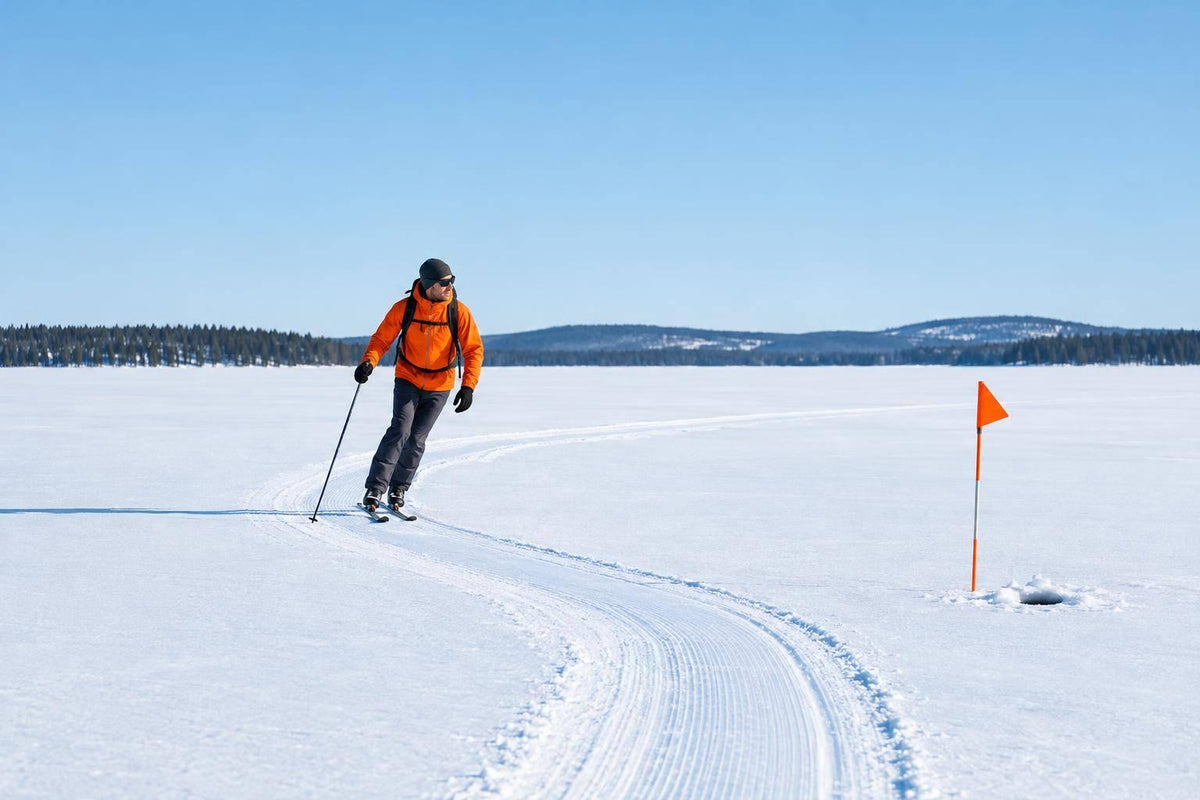
Flat-Trail Glide and Skating Technique
Use a V-shaped skating stride: push diagonally outward, shift your weight onto the other ski, and repeat. Start with short pushes, bent knees, and centered hips. Poles help you find a rhythm, but balance drives the glide.
Pick a wide, firm lane. Check the land manager’s rules and grooming map, too. Permission to cross-country ski doesn’t always mean you can skate in prepared classic tracks.
NORDIC suits short, casual laps better than fast distance skiing.
Small Climbs, Gentle Descents, and Snow Limits
On mild climbs, shorten your stride and use your poles. NORDIC isn’t a climbing tool. On gentle descents, practice edging and braking at low speed before tackling steeper stretches.
Loose, wet, crusty, or rutted snow soon cuts glide and control. Check grooming and snow reports, and shorten your route when conditions soften. When the route starts rolling more than gliding, WALKSKI is the better match.
WALKSKI 100 cm for Gently Rolling Woodland Trails
When a flat trail turns into rolling terrain, WALKSKI adds the control NORDIC lacks. It suits routes with repeated short climbs and easy descents. It comes with removable climbing skins and four binding modes: free-heel Walk, locked-heel Ski, Climb 1 with a low riser, and Climb 2 with a high riser.
Uphill Grip vs Flat-Trail Glide
Skins add grip uphill but slow your glide on flat trails. Keep them on for climbs, use the heel risers as needed, and remove the skins on flats for better glide.
On a mixed woodland loop, leave skins on for clustered climbs and remove them for longer level connectors.
Downhill Transitions and Changing Woodland Snow
Before heading downhill, stop on level ground, lower the risers, and switch to Ski mode to lock your heels. Remove the skins when downhill glide matters most.
Slow down on slick snow in shaded spots or on firm crust.
With terrain covered, the next things to check are boot compatibility and price.
sbb-itb-17ade95
NORDIC vs WALKSKI: Terrain, Boot Fit, and Cost
With terrain sorted, compare price, boot fit, and included grip features. In the table, spec means a manufacturer-listed detail. Trade-off means general gear guidance, not a measured performance result.
| Factor | NORDIC 90 cm | WALKSKI 100 cm |
|---|---|---|
| Terrain / glide - trade-off | Best on flat, packed trails | Suits more types of rolling routes, but glides less efficiently on flats |
| Climbing grip - spec | Waxless fishscale base | Included removable climbing skins |
| Downhill control - trade-off | Less suited to repeated descents | Better suited to repeated descents, though long skis still feel steadier at speed |
| Boots and bindings - spec | Winter-shoe setup or Rottefella NNN binding | Adjustable binding for winter, snowboard, or ski boots |
| Price | $510 | $750 |
Check Prices, Boot Requirements, and Included Gear
Check your boots before you buy. NORDIC’s Pro XC uses Rottefella NNN bindings, so it needs NNN-compatible boots. Its winter-shoe setup fits US sizes 6–13.
WALKSKI fits winter and snowboard boots in US sizes 6–14.5 and ski boots in US sizes 4.5–14.5. It also includes removable climbing skins.
NORDIC fits groomed park loops and firm multi-use trails; WALKSKI fits rolling woodland routes with repeated climbs, descents, and changing snow.
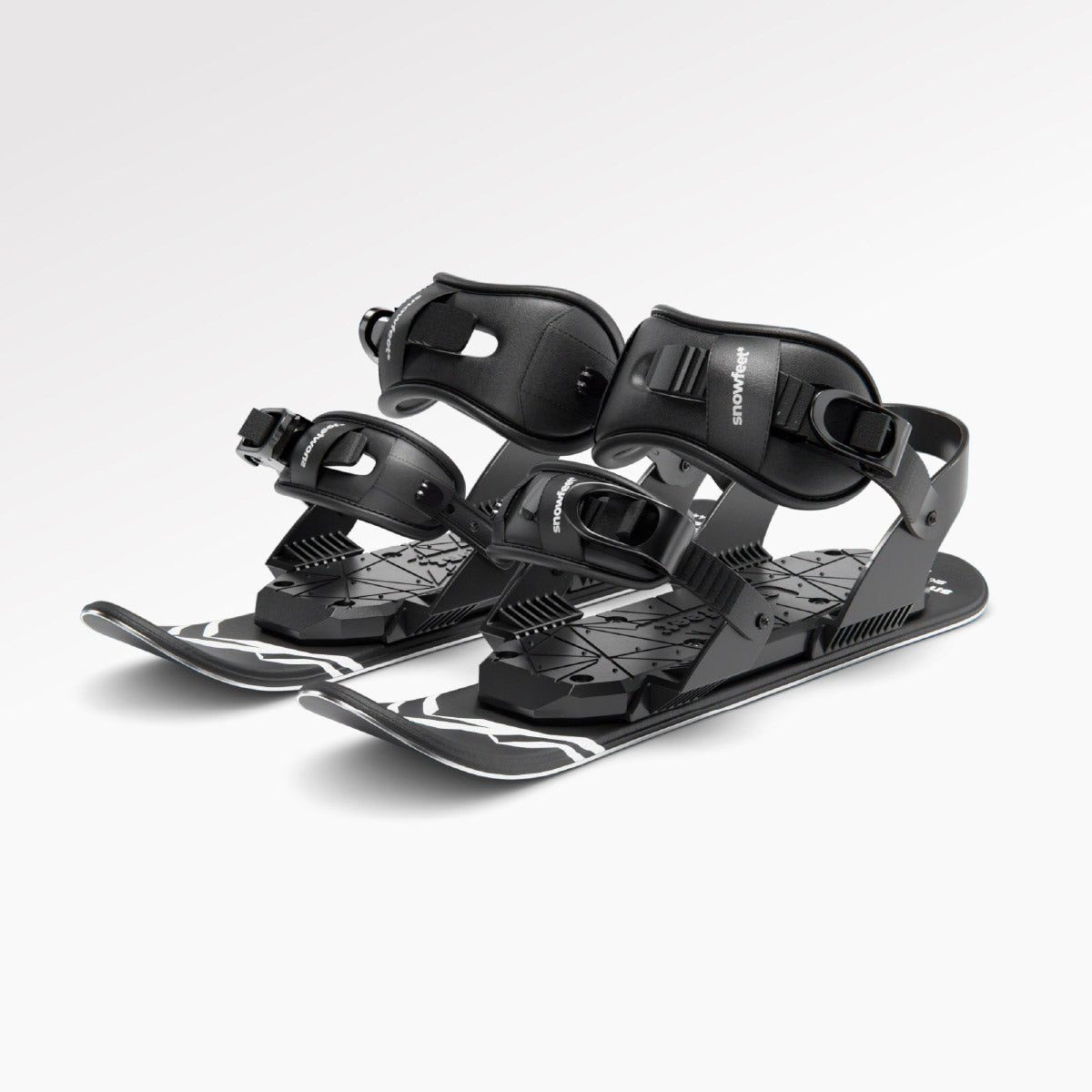
Next, compare compact Snowfeet* gear with long skis.
Compact Snowfeet* Gear vs Long Skis
Once you’ve checked price and boot fit, weigh easy carrying and turning against distance glide and stability.
| Factor | Compact Snowfeet* gear | Conventional long skis |
|---|---|---|
| Portability | Shorter lengths make carrying and storage easier | Longer gear needs more carrying and storage space |
| Ease of turning | Short platforms generally need less room to reposition | Turning generally takes more room and technique |
| Distance glide | Suits shorter outings for fun | Longer Nordic skis generally work better for sustained distance travel |
| Tracking | Easier to maneuver, with less straight-line stability | Longer Nordic skis generally hold a straighter course |
| Terrain limits | Match NORDIC to flats and WALKSKI to rolling routes you can handle | Longer Nordic skis still win when distance efficiency and stability matter most |
Conclusion: NORDIC for Flats, WALKSKI for Rolling Routes
Buy for the route you ski most. Here’s a quick way to choose:
| Route | Best choice | Why |
|---|---|---|
| Mostly flat | NORDIC 90 cm | Lower entry cost. |
| Rolling or mixed | WALKSKI 100 cm | Climbing skins and Ski mode help with short climbs and mixed snow. |
For most casual riders, WALKSKI covers more terrain. NORDIC is the better fit when you care most about flat-trail glide and simplicity.
Check specs, boot fit, and the full cost - including boots - before you buy. Listed prices are starting points. Neither model replaces specialized gear for steep slopes, deep snow, or high-speed routes.
FAQs
How can I tell if my route is too steep for either model?
Repeated slipping, trouble stopping, or losing control downhill are signs that the route is too hard for your setup. Test it on flat, open ground first. If you can’t move or stop with confidence, shorten your route or turn around.
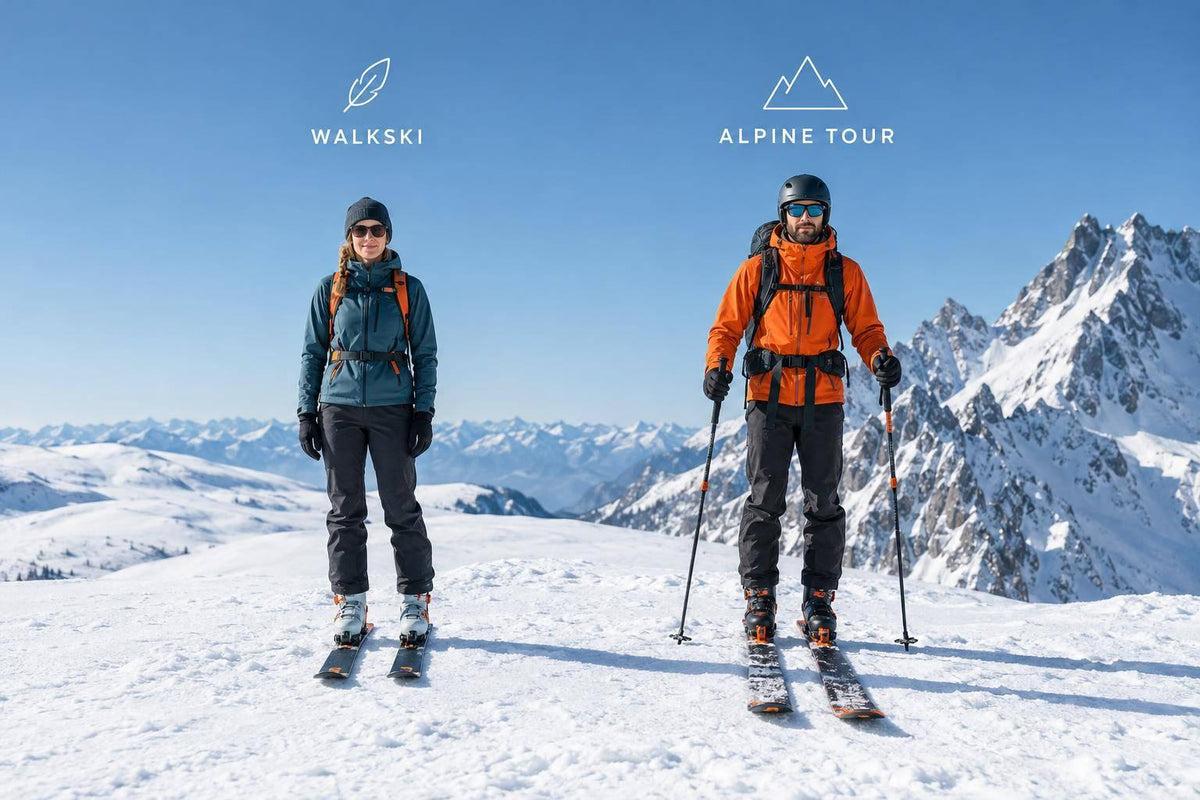
WALKSKI 100 cm (about 39 inches) comes with climbing skins and two heel-riser modes for steeper climbs. Full-length touring skis are still the better choice for long, steep stretches, deep powder, or highly technical backcountry routes.
How often would I need to switch WALKSKI modes on rolling trails?
Match the mode to the terrain to keep your stride natural and efficient. On the WALKSKI 100 cm (about 39 inches), use Walk mode on flat ground, Climb 1 for moderate climbs, Climb 2 for steeper slopes or traverses, and Ski mode for descents.
Switching modes helps you use less energy and stay comfortable on rolling backcountry routes as the terrain changes.
Do I still need glide wax on NORDIC’s waxless base?
Glide wax is optional if you want more speed. You don’t need grip wax (kick wax): NORDIC skis have a waxless fishscale base that provides grip.
Never wax traction surfaces on other gear unless the manufacturer specifically allows it. For grab-and-go trips on groomed trails, NORDIC’s waxless design is the better, hassle-free choice.


Leave a comment
This site is protected by hCaptcha and the hCaptcha Privacy Policy and Terms of Service apply.