
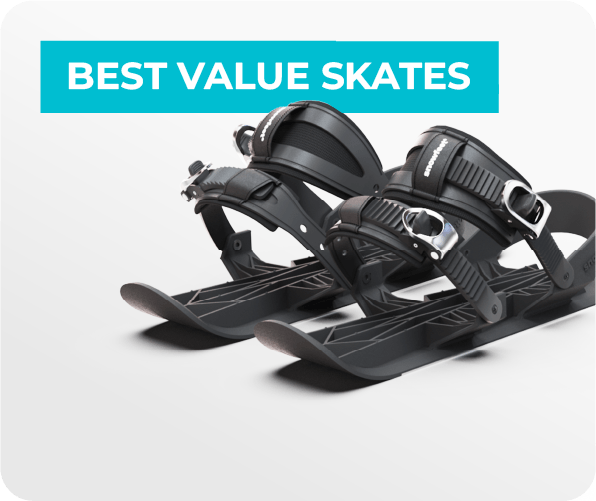
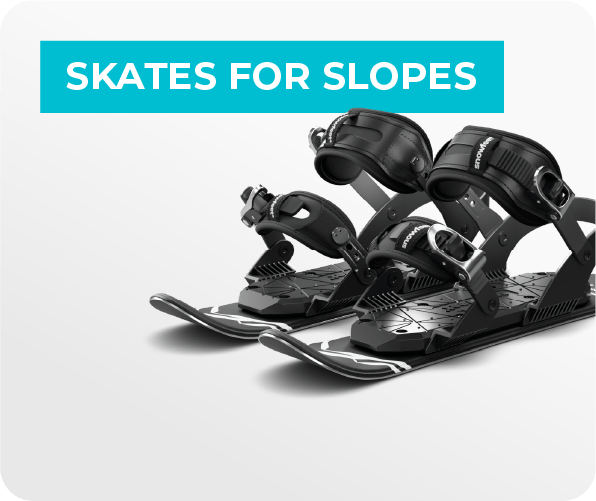
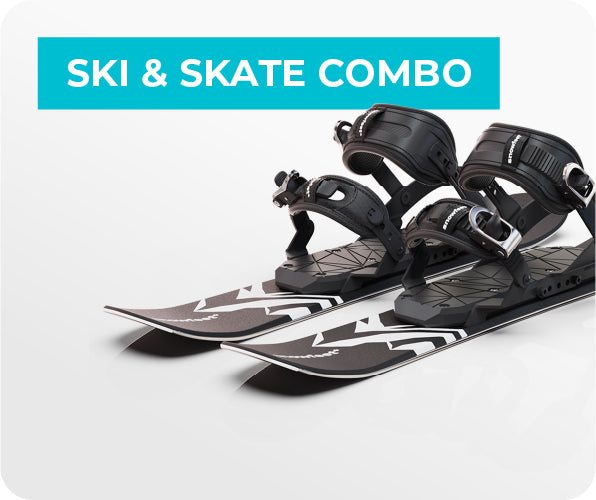
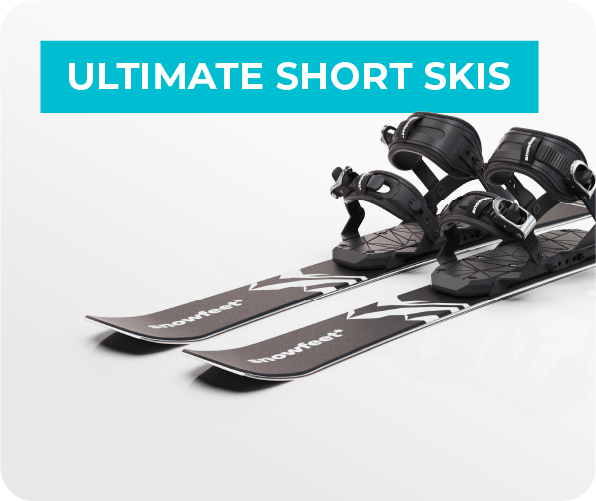
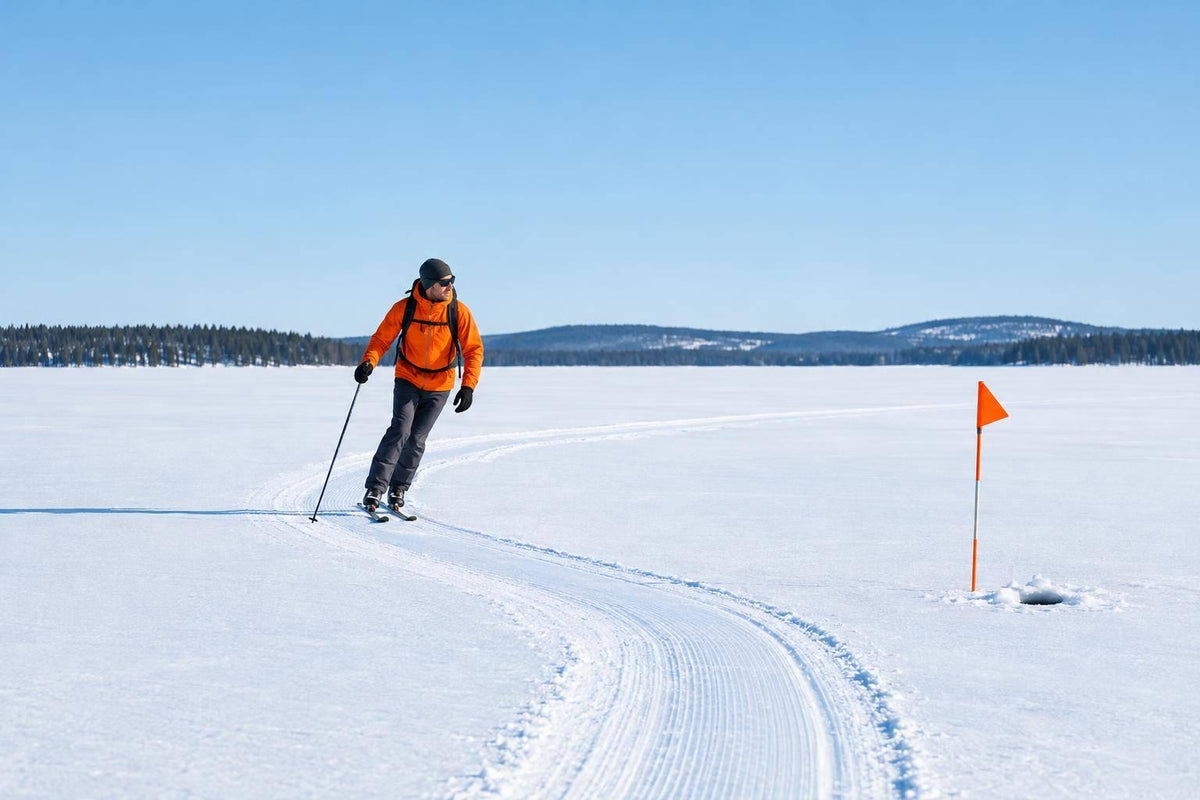
I’d use short skis on a frozen lake only with packed snow, checked ice conditions, and room to stop. Bare ice makes turns and braking unreliable. Before you go, check your exact route with local officials - not just a regional ice report.
Here’s how I’d choose a setup and plan the ride:
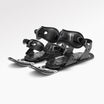
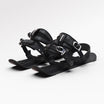
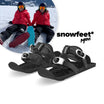
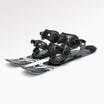
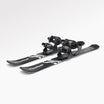
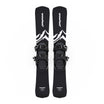
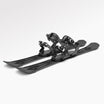
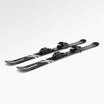
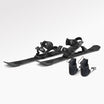
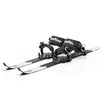
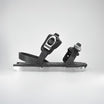
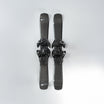
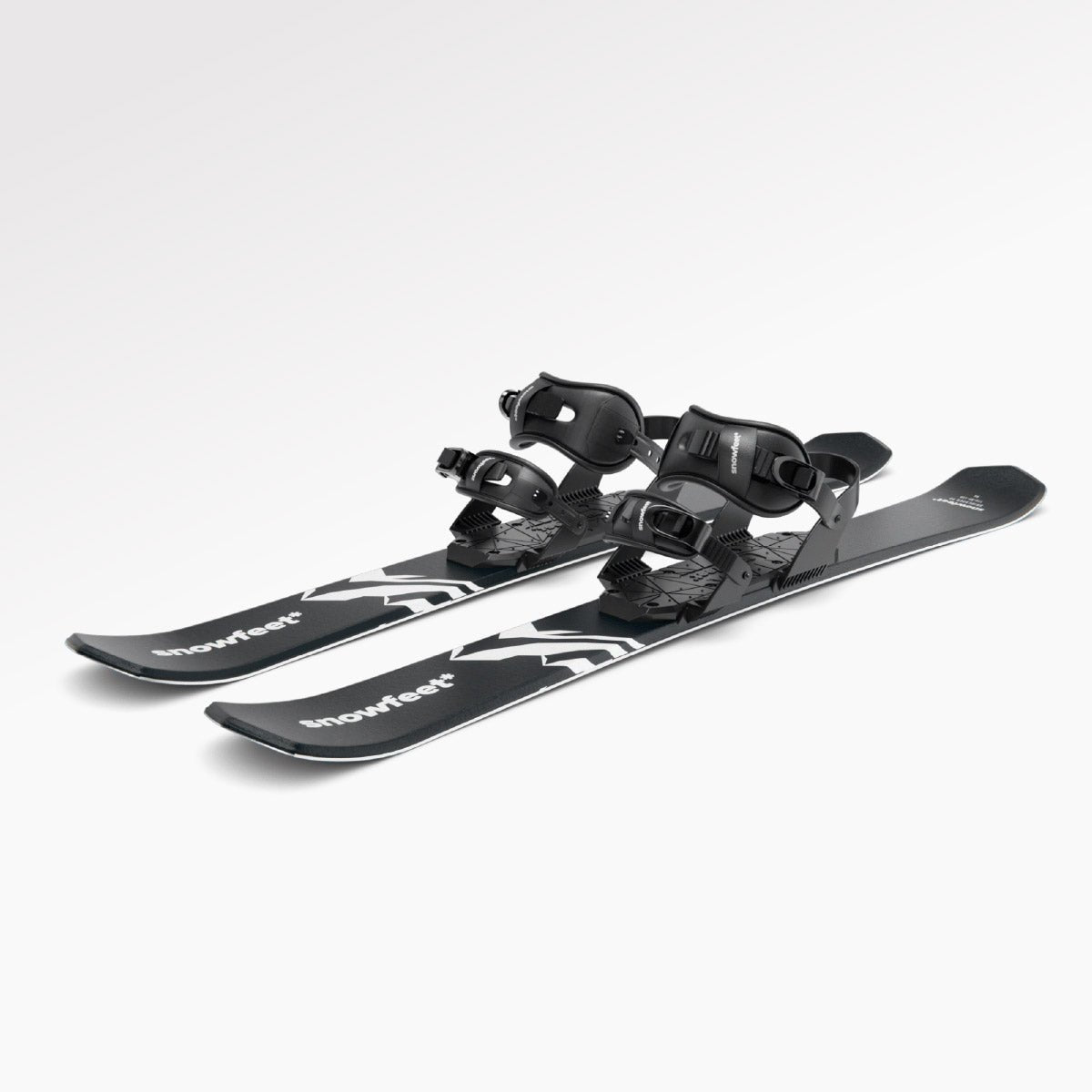
- _Snowfeet Skiblades, 25.6 inches (65 cm):_* My pick for most casual packed-snow riders, with more stability than Skiskates.
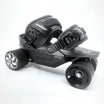
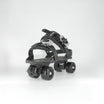
- _Snowfeet Skiskates, 17.3 inches (44 cm):_* Best for experienced riders who want less bulk for short runs on smooth packed snow.
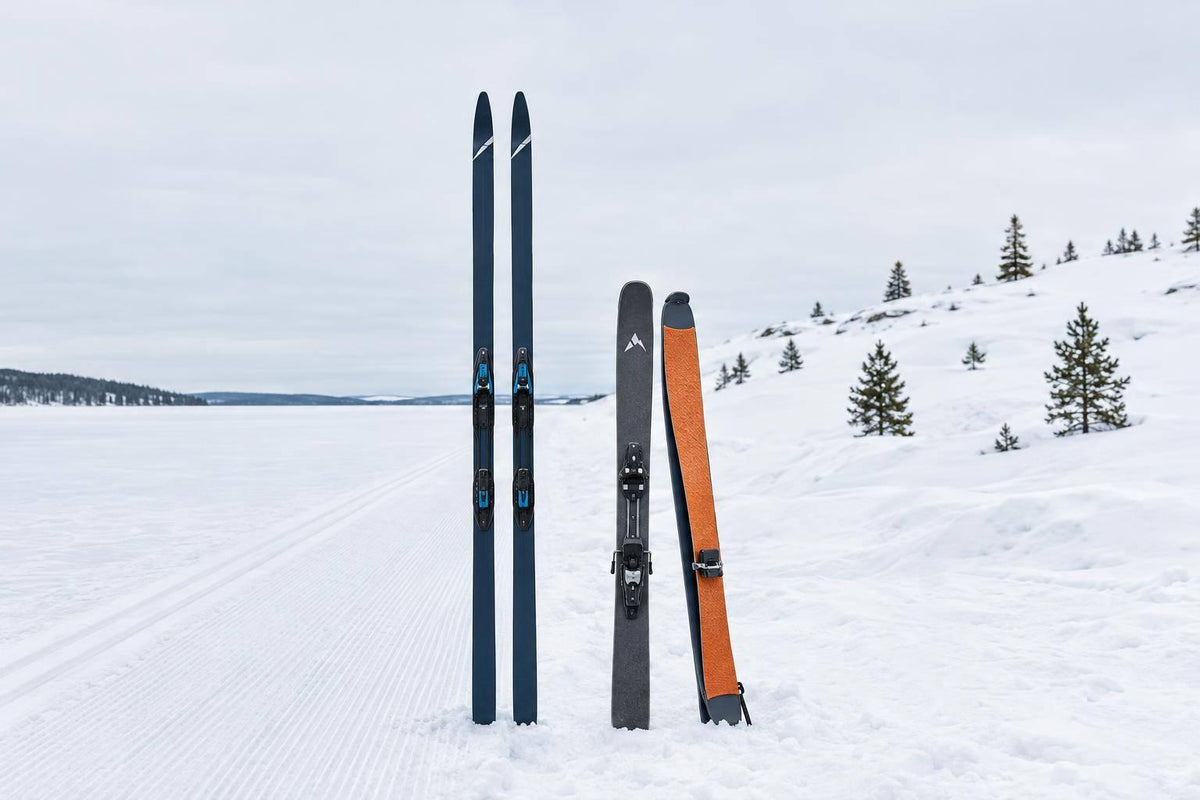
- Long skis: Better for deeper snow and longer trips.
- Ice skates: Made for suitable ice, not snow-covered routes.
My rule? Control comes before speed. Check boot and binding fit, then practice gentle turns and stops at walking pace. Bring a partner, a helmet, and ice rescue gear, and keep a clear return route.
<u>If the ice, snow, or stopping room is in doubt, I’d stay off the lake.</u>
Check Lake Ice and Snow Conditions
Why Packed Snow Gives More Control Than Bare Ice
Packed snow lets ski bases glide while the edges help you steer and slow down. Look for firm, unbroken snow cover that keeps the bases off the ice. But a good surface is only the first check. You still need local sources to verify lake ice conditions.
Check Current Ice Conditions With Local Sources
Before you go, check your exact access point and route with park officials, the lake manager, or your state natural-resources agency. Make sure the area is open, skiing is allowed, and no warnings affect your return trip. A regional report doesn’t confirm today’s conditions at your access point.
Measure ice thickness only where local guidance allows. Never step onto uncertain ice to test it. Minnesota DNR’s 4-inch guideline applies only to new, clear ice - it’s not a safety guarantee. White ice is about half as strong, so the agency advises doubling its thickness guidelines.
One reading, a cold night, or snow cover doesn’t prove that a route is safe. Snow can insulate ice and slow freezing. Even thick ice doesn’t make a route safe if the surface breaks up or the return path changes.
Inspect the Surface and Avoid Uncertain Routes
After checking the ice and snow report, inspect the exact route you plan to ski. Check both the outbound and return paths for patchy snow, bare ice, cracks, slush, open water, and pressure ridges. Avoid shoreline transitions and areas near inlets, outlets, bridges, culverts, and springs. Moving water can weaken the ice in these spots.
Check again if wind exposes ice, rain wets the snow, or warmer weather creates meltwater. Snowfeet* Skiblades and Skiskates can’t make up for poor snow conditions or uncertain lake ice. Don’t cross a suspect stretch just to finish your outing.
Use a locally approved access point. Choose a locally verified route with consistent packed snow and wide, clear space - not one that pushes you toward questionable patches.
How to Balance, Turn, and Stop on Packed Snow
Stay Centered and Use Small Movements
On snow you’ve confirmed is packed, check your bindings. Flex your ankles and knees, keep your hips centered, and hold your hands forward. Then glide a few feet at walking pace.
Keep your movements small. Short skis respond fast, but they give you less room for balance and stopping than longer skis, especially on uneven snow. Once your stance feels steady, try shallow turns.
Practice Gentle Turns Before Adding Speed
Start with a shallow wedge: tips close together, tails apart. Make wide, slow turns, steering with your legs rather than your shoulders.
Put more pressure on the outside ski - your right ski in a left turn and your left ski in a right turn. Once you feel steady turning both ways, add gentle skidded turns. Use broad arcs on level snow with a clear runout.
Practice Stops and Leave Room Before Hazards
Practice widening your wedge to slow down. Treat the heel brake as a speed check, not a full stop.
Learn the hockey stop on packed snow with plenty of clear space around you. Then repeat slow stops in both directions and measure how much room you need. Leave far more space than that before any hazards.
Don’t add speed until you can repeat your balance, turns, and stops with control on this surface. Use those control limits to judge whether Snowfeet* Skiblades or Skiskates fit the ride you want.
Snowboarder tries Snowfeet* | Which Snowfeet* Short Ski is the Best? | Snowblades 44, 65, 99 Review
sbb-itb-17ade95
Choose Snowfeet* Short Skis for Packed Snow
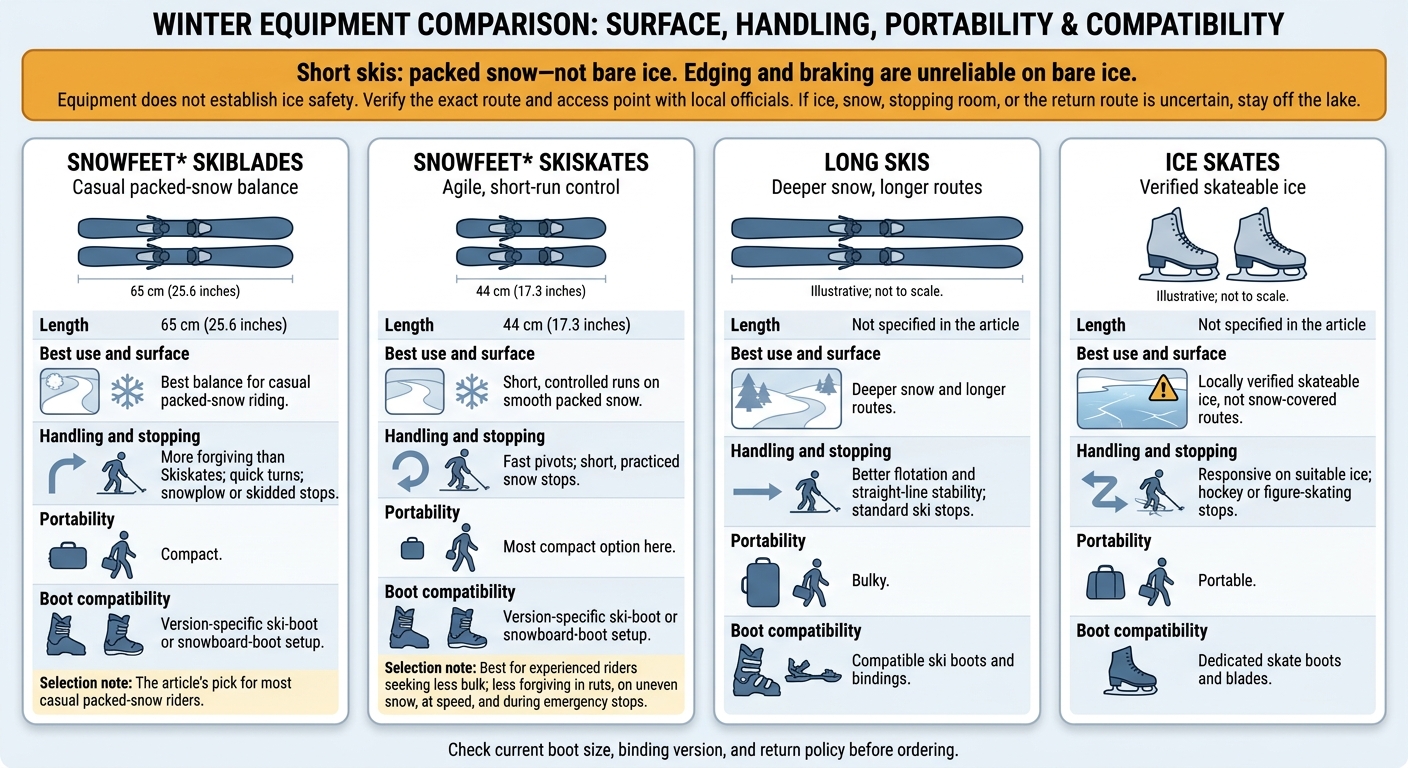
Short Skis vs. Long Skis vs. Ice Skates
With balance and stopping covered, pick the setup that fits your packed-snow route.
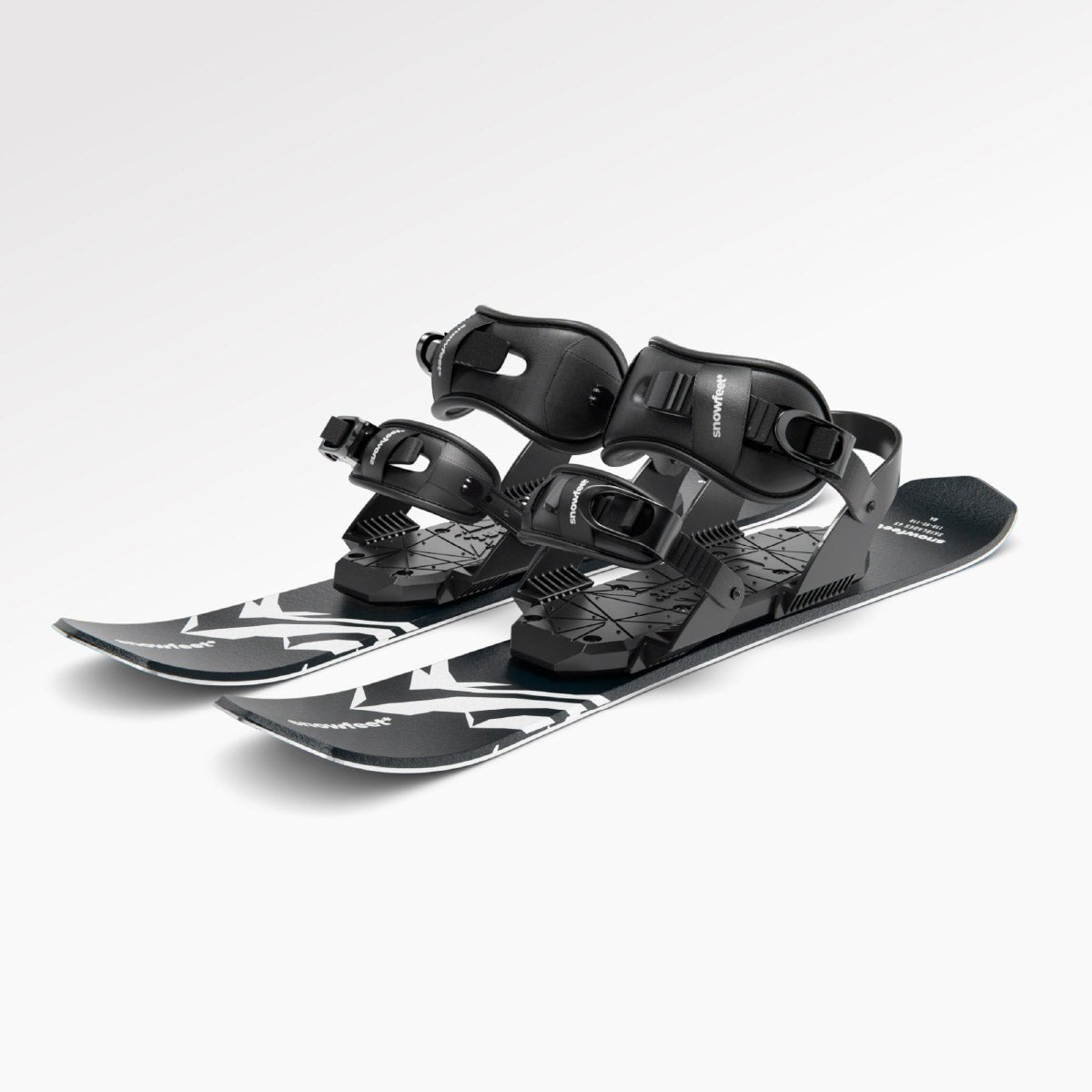
Snowfeet* Skiblades 65 cm: Compact, Ski-Like Handling
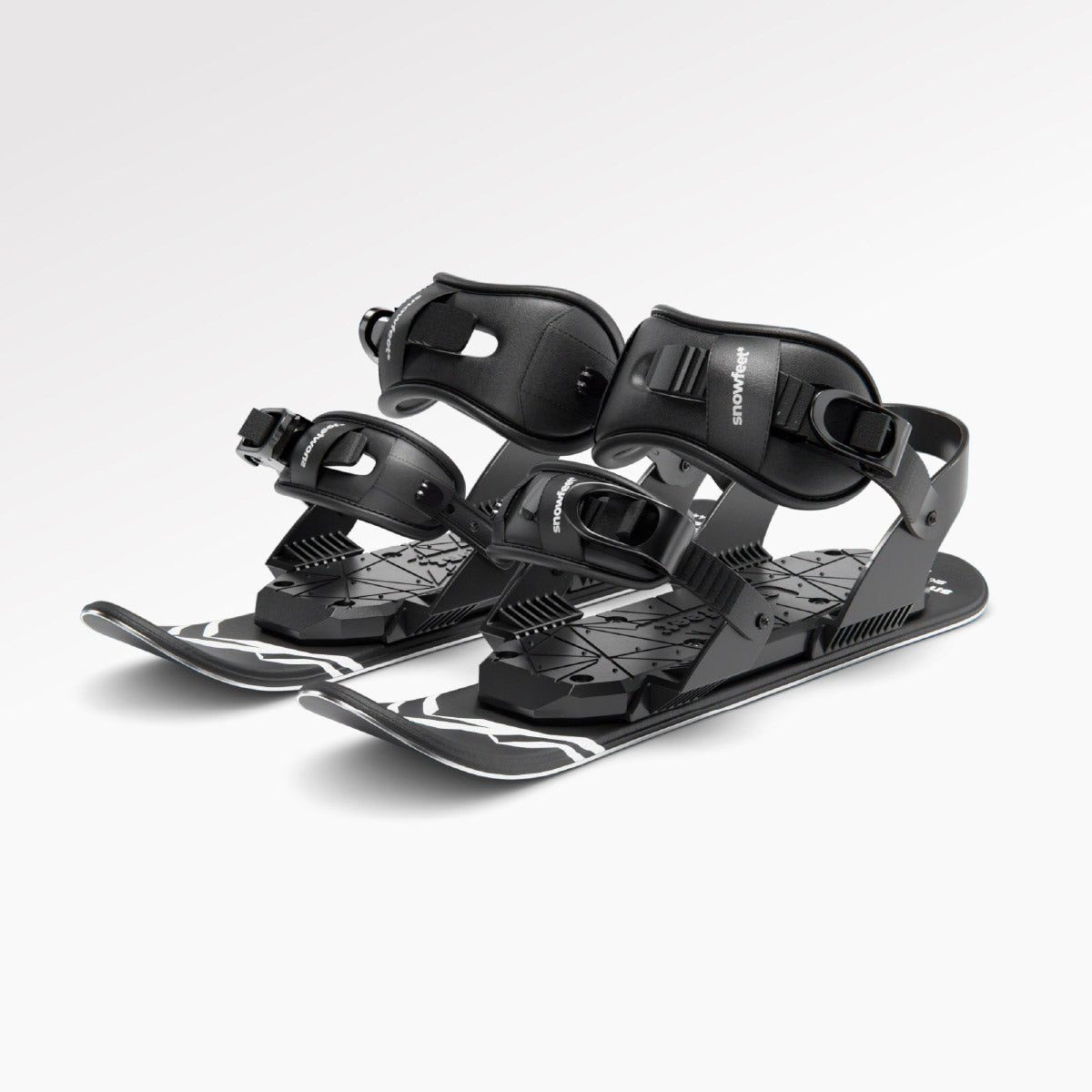
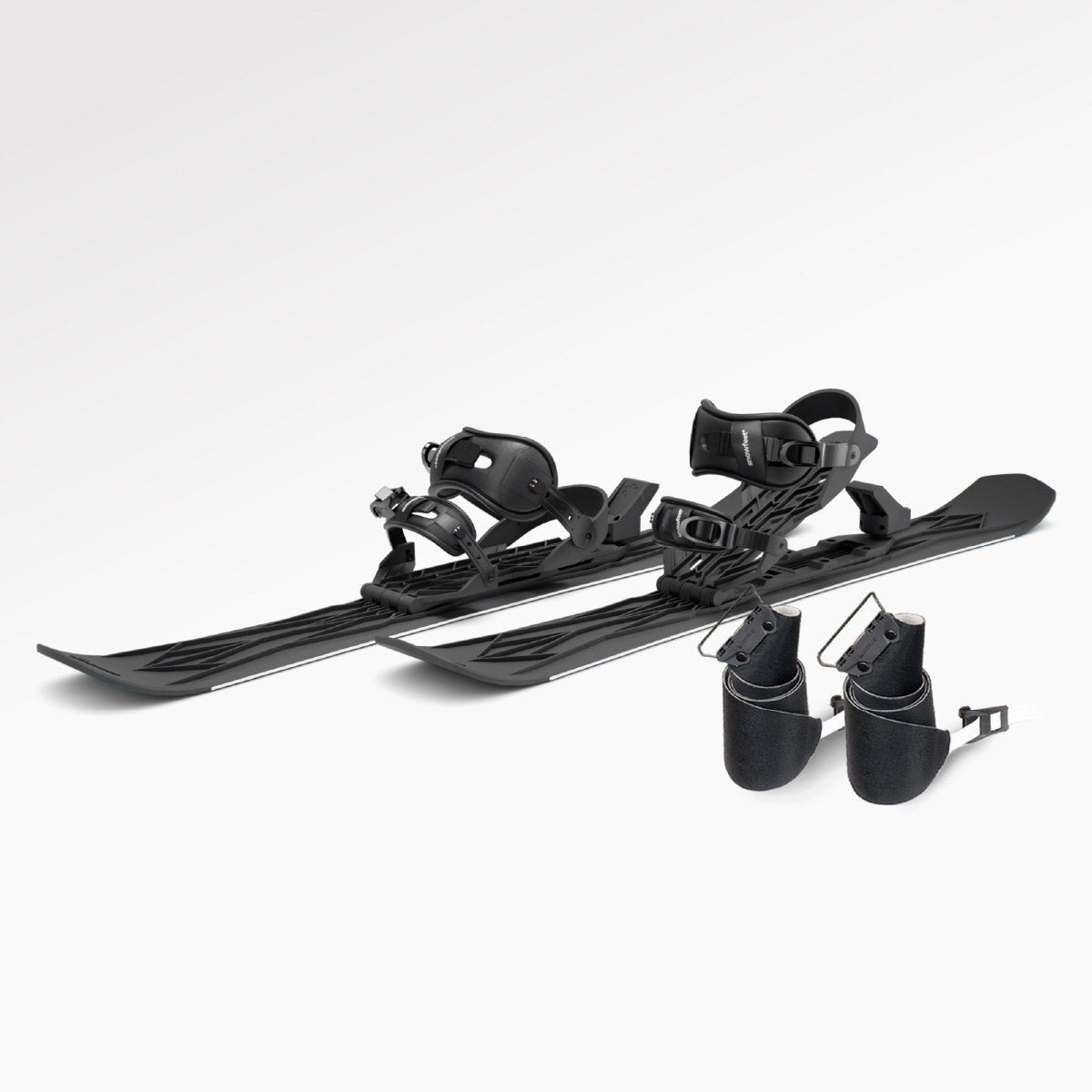
The 65 cm (25.6-inch) Skiblades suit most casual packed-snow riders. They’re more stable than Skiskates but still compact and quick to turn. Their sidecut, twin-tip shape, and metal edges help on firm packed snow. They don’t provide reliable grip on polished or bare ice.
Choose the ski-boot or snowboard-boot version that matches your boots, and check the binding before you buy.
Want less bulk and an easier carry? The 44 cm option trims things down.
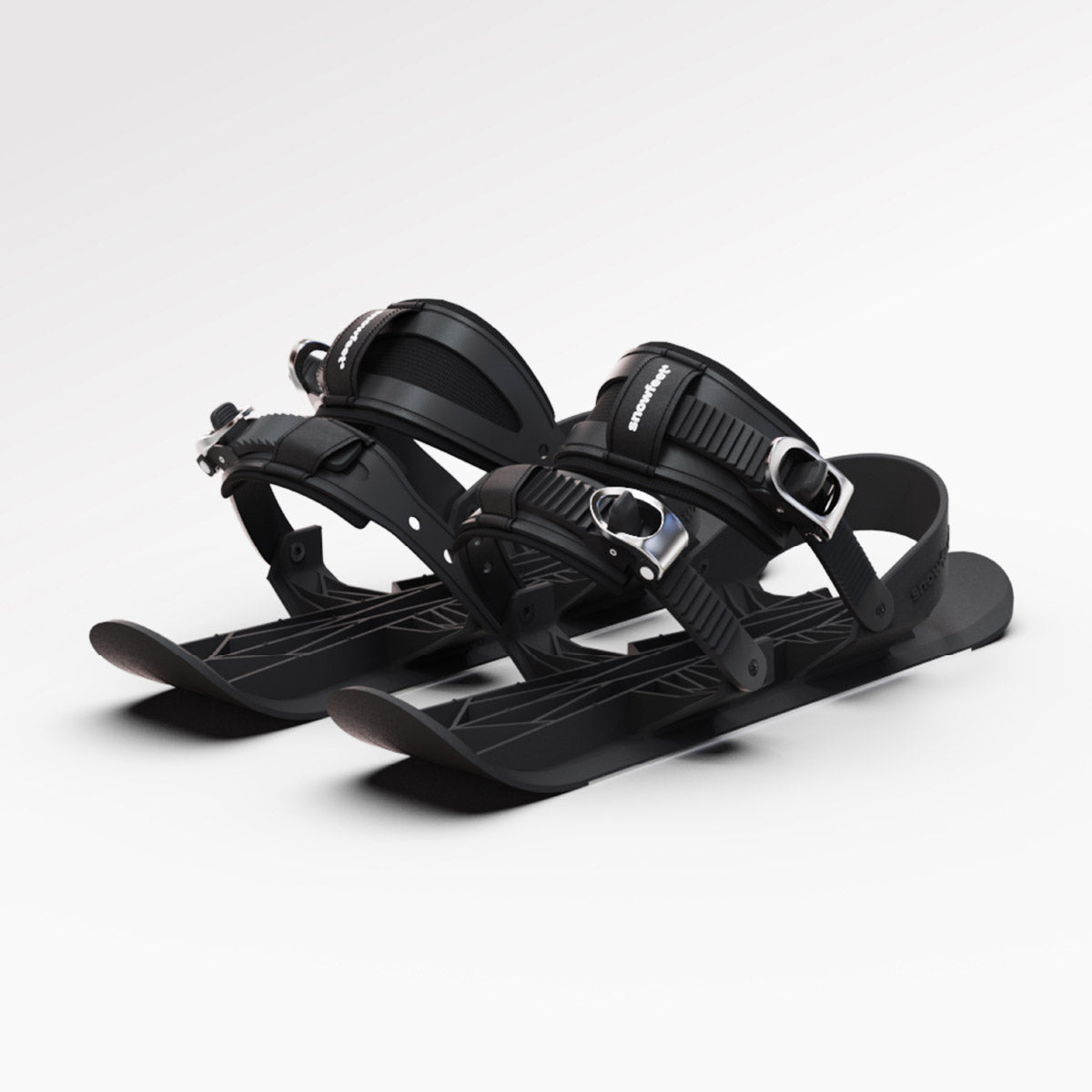
Snowfeet* Skiskates 44 cm: Easy to Carry
At 44 cm (17.3 inches), Skiskates are the most portable option. They’re best for experienced riders on smooth packed snow. Their small size suits short, controlled runs on locally verified, snow-covered lake routes.
The trade-off? They’re less forgiving in ruts, on uneven snow, at speed, and during emergency stops. Choose the correct ski-boot or snowboard-boot version, and check the fit details on the product page.
Compare Snowfeet*, Long Skis, and Ice Skates
Long skis work best for flotation and distance. Snowfeet* offer easy carrying and playful control on packed snow. Here’s how they compare with longer skis and ice skates.
| Equipment | Best use and surface | Handling and stopping | Portability | Boot compatibility |
|---|---|---|---|---|
| Skiblades 65 cm | Best balance for casual packed-snow riding | More forgiving than Skiskates; quick turns; snowplow or skidded stops | Compact | Version-specific ski-boot or snowboard-boot setup |
| Skiskates 44 cm | Short, controlled runs on smooth packed snow | Fast pivots; short, practiced snow stops | Most compact option here | Version-specific ski-boot or snowboard-boot setup |
| Long skis | Deeper snow and longer routes | Better flotation and straight-line stability; standard ski stops | Bulky | Compatible ski boots and bindings |
| Ice skates | Locally verified skateable ice, not snow-covered routes | Responsive on suitable ice; hockey or figure-skating stops | Portable | Dedicated skate boots and blades |
Check the current boot size, binding version, and return policy before ordering.
Conclusion: Decide Whether Conditions Allow Riding
Choose Snowfeet* Skiblades 65 cm for most riders. Choose Snowfeet* Skiskates 44 cm only if maximum portability is your priority. Both work on packed snow - not bare ice, where edging and braking are unreliable.
Either choice requires verified packed snow and a clear return route.
Final Checklist: Conditions, Gear, and Return Route
Run through these checks before stepping onto the lake.
- Verify conditions. Check current ice conditions with trusted local sources, and require continuous packed snow. Avoid cracks, slush, open water, pressure ridges, and areas with moving water. Clear ice isn’t proof of safe ice; strength can vary across the lake.
- Pack safety gear. Bring a partner, a helmet, a charged phone, and rescue gear. Carry any flotation and rescue gear required by local guidance. Keep ice picks within reach, and check boots, bindings, straps, and fasteners.
- Confirm the return route. Tell someone your access point, route, and return time. Near the access point, use a verified packed-snow area to test your balance, gentle turns, and a controlled stop at walking speed. Keep the return route clear and leave plenty of stopping room before hazards.
Stay off the lake if you’re unsure about the ice, snow, stopping room, or return route. If any check fails, do not ride.
FAQs
How can I tell if packed snow offers enough grip?
Check that the snow has consistent firmness and density. Snowfeet* Skiblades 65 cm use metal edges to grip packed snow. You have enough grip if you can engage those edges without sliding while staying centered in a shoulder-width stance.
Too much chatter, or sliding instead of carving, points to slick or icy snow. More precise weight shifts may help, but edging and braking are unreliable on bare ice.
What should I do if I hit unexpected bare ice?
Stay calm and avoid sudden moves. Keep your knees bent and your weight centered in an athletic stance. Hold your upper body steady, and let your legs make adjustments.
On slick, bare ice, you can’t rely on edging or braking. Don’t count on quick turns or a hockey stop to regain control. Put safety first: Snowfeet products are no substitute for ice skates or traction devices.
Which Snowfeet* short skis suit my skill level?
For beginners, the 44 cm (17.3 in) Skiskates are the best all-around pick. The 38 cm (15 in) Mini suits kids or travelers who want gear that’s easy to carry.
Experienced riders who want longer glides can try the 50 cm (19.7 in) PRO or 90 cm (35.4 in) NORDIC. The NORDIC offers the most stability for touring.
Stick to snow-covered conditions. Edging and braking aren’t reliable on bare ice. Check ice safety with local sources, and stay off ice if you’re unsure it’s safe.


Leave a comment
This site is protected by hCaptcha and the hCaptcha Privacy Policy and Terms of Service apply.