
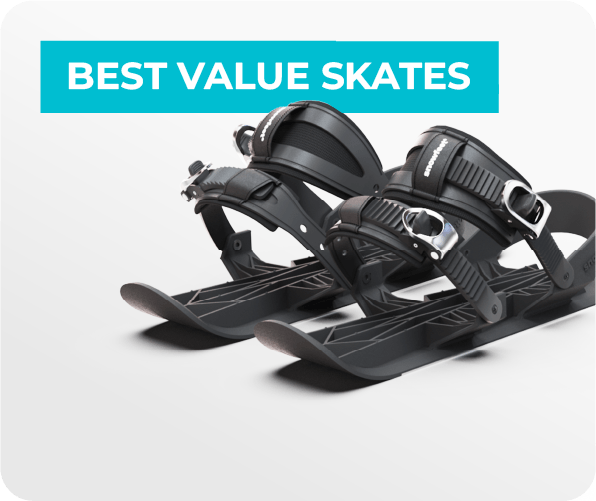
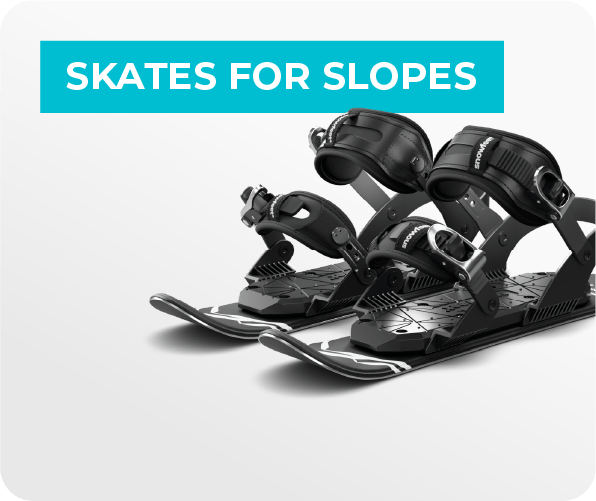
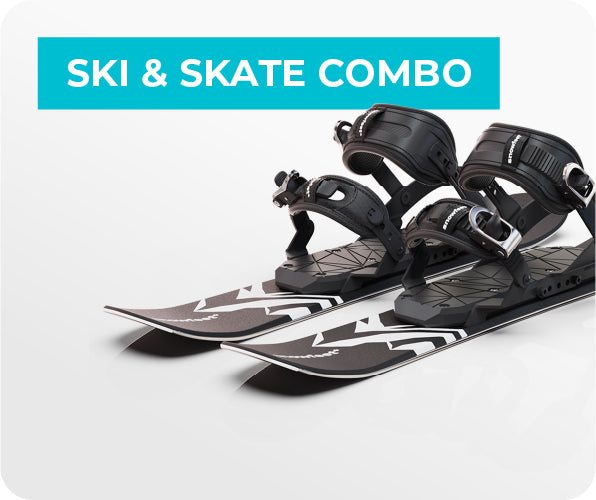
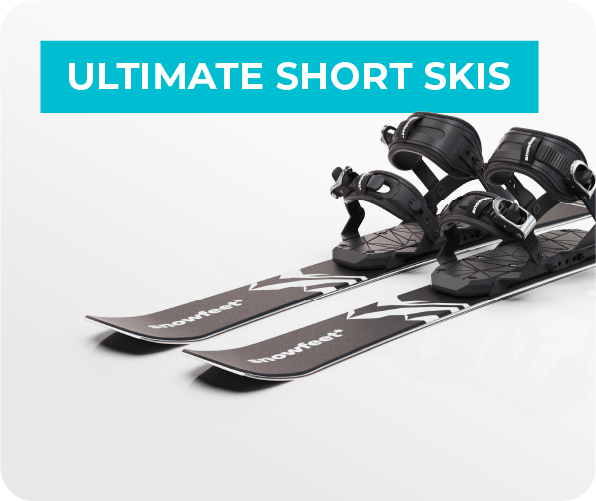
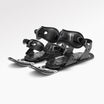
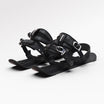
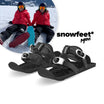
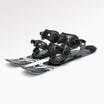
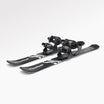
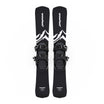
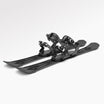
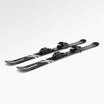
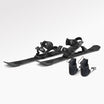
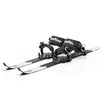
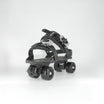
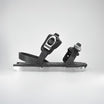
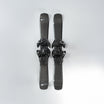
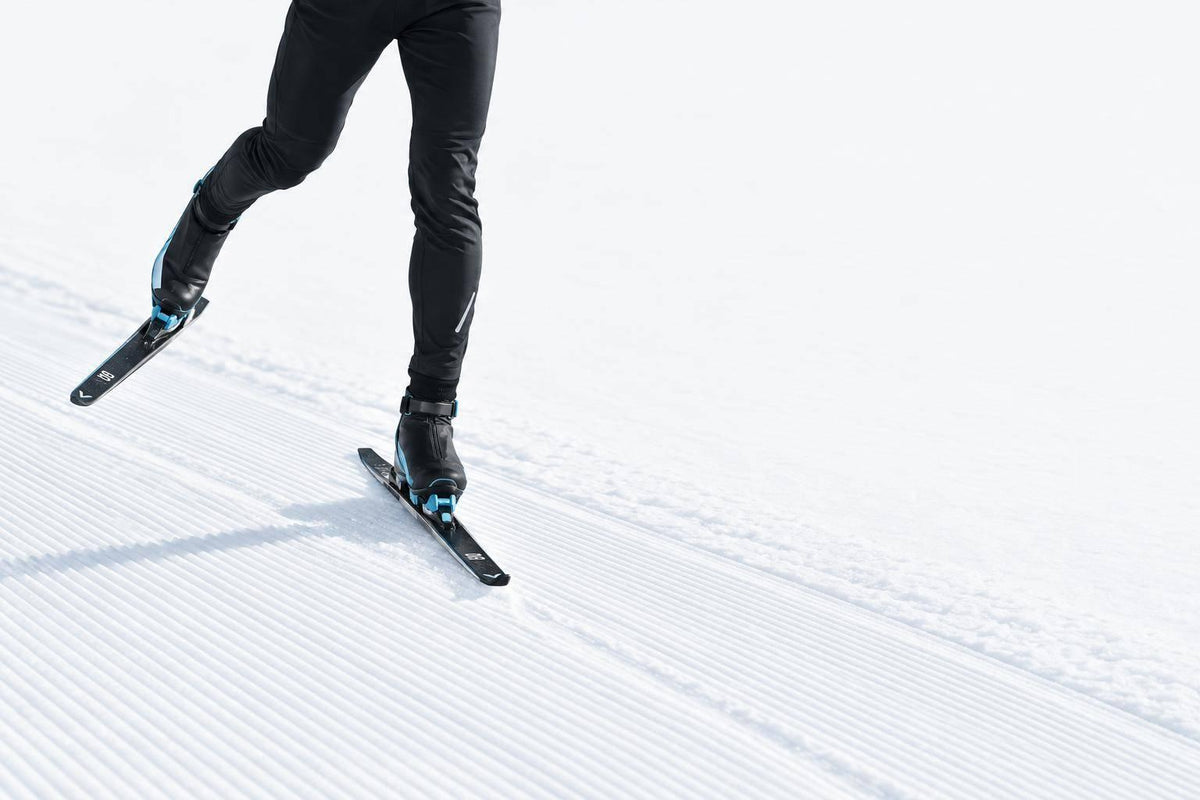
_Snowfeet NORDIC 90 cm skis suit short snow workouts. Full-length skate skis suit distance, standard skate technique, and race training._* At about 35 inches long, NORDIC is easy to carry - but it still needs firm snow. It’s not a dryland trainer.
For a starting session, aim for 10–20 minutes at an easy pace on flat, low-traffic snow. Build time before adding hard efforts, and compare effort - not speed or miles.
Quick Comparison
| Feature | Snowfeet* NORDIC 90 cm | Full-length skate skis |
|---|---|---|
| Best use | Short fitness sessions and balance drills | Longer workouts and race prep |
| Glide and control | Shorter glide; easy to turn; less stable at speed | Longer glide; holds direction better |
| Footwear | Winter Shoe or Pro XC NNN binding options | Skate boots and matching bindings |
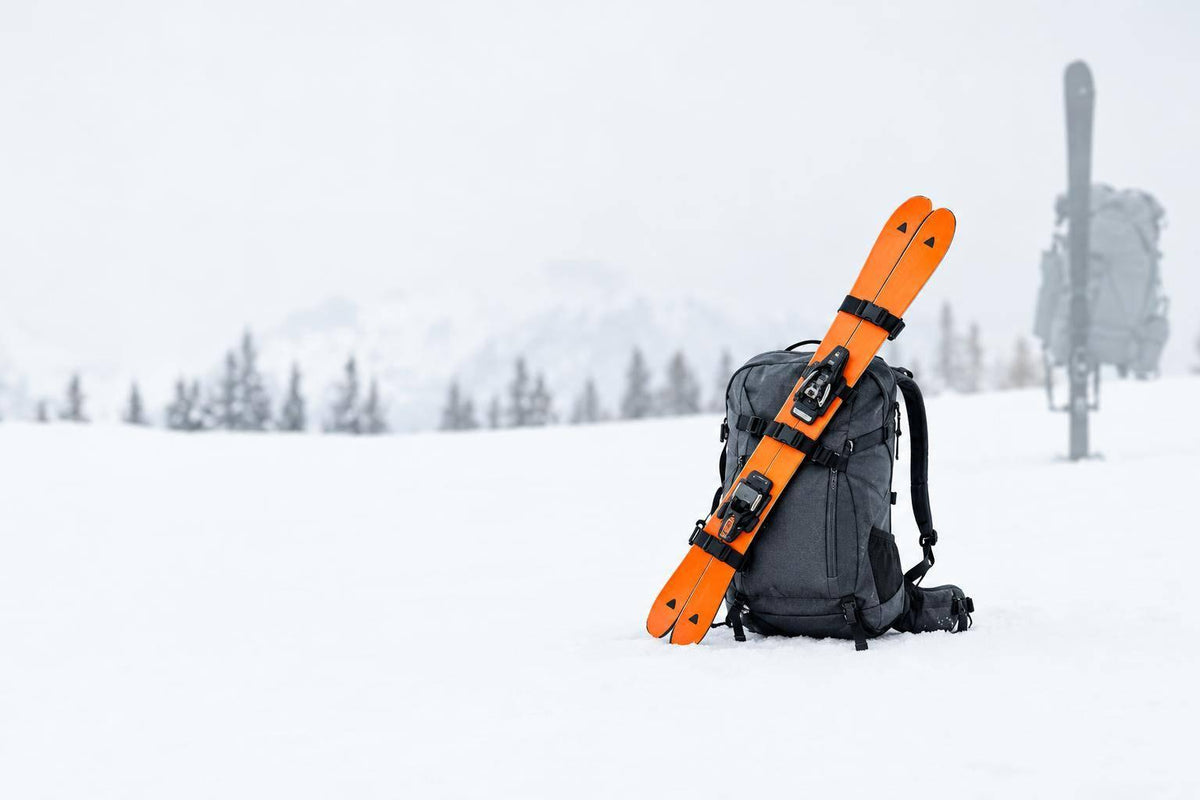
| Transport | Compact and easy to carry | More room needed |
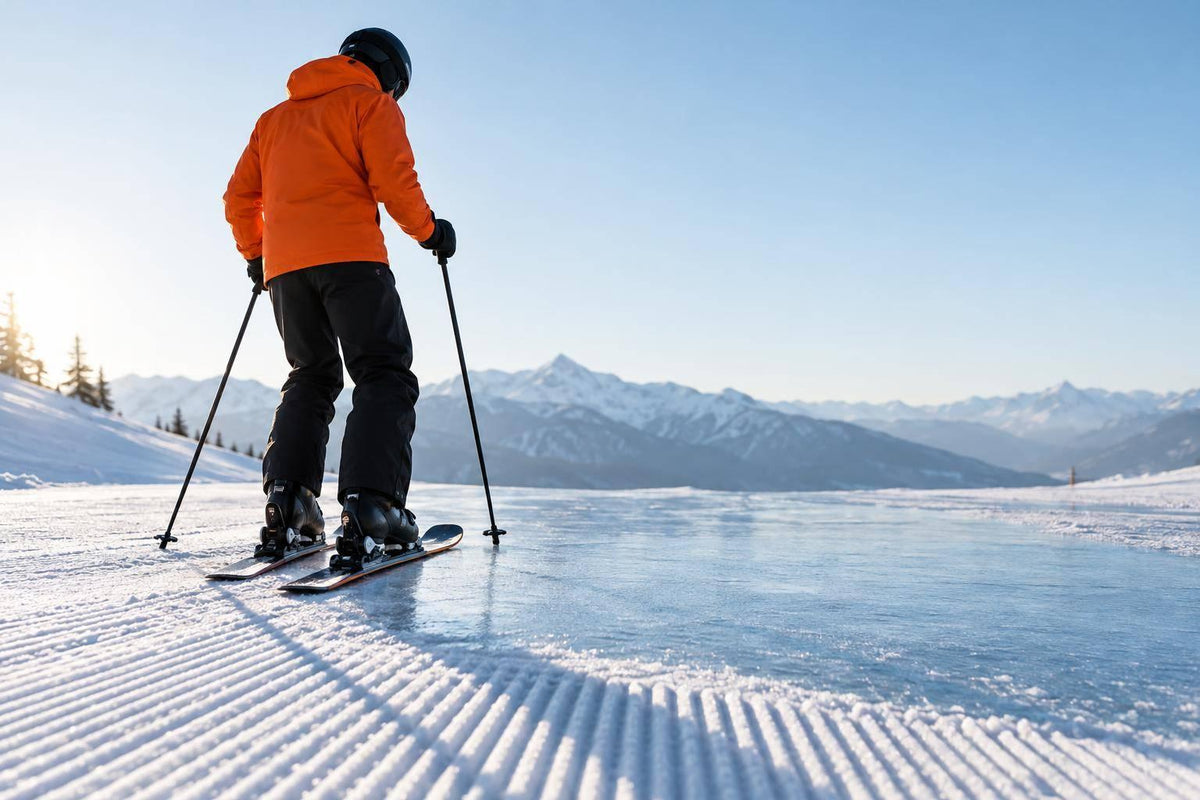
| Snow access | Firm, packed snow where allowed | Firm, groomed skating lanes |
The trade-off is simple: portability versus long-ski glide. No independent controlled comparisons cited in the article show equal fitness gains or technique transfer. When snow is gone, roller skiing or other dryland work fills a different role.
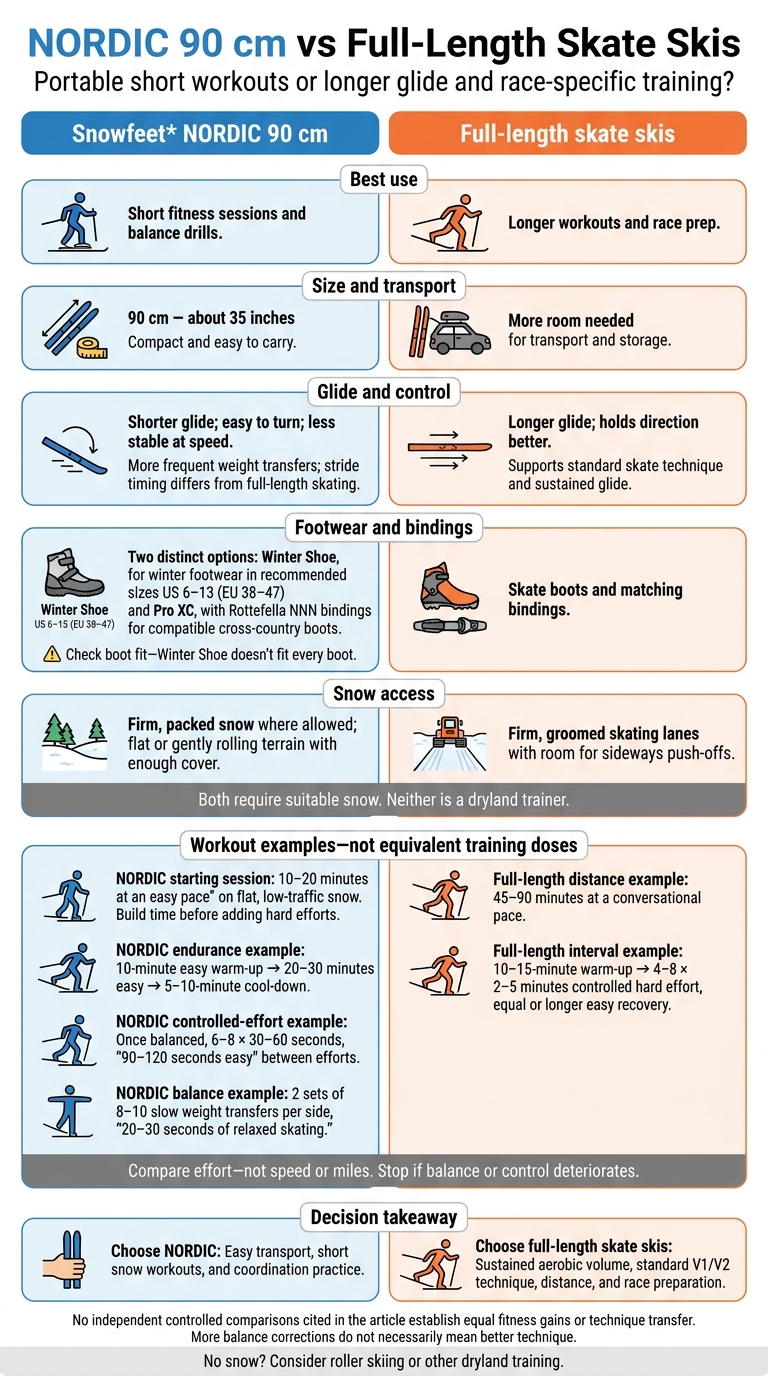
NORDIC 90 cm vs Full-Length Skate Skis
1. Snowfeet* NORDIC Cross-country 90 cm
Snow Access and Portability
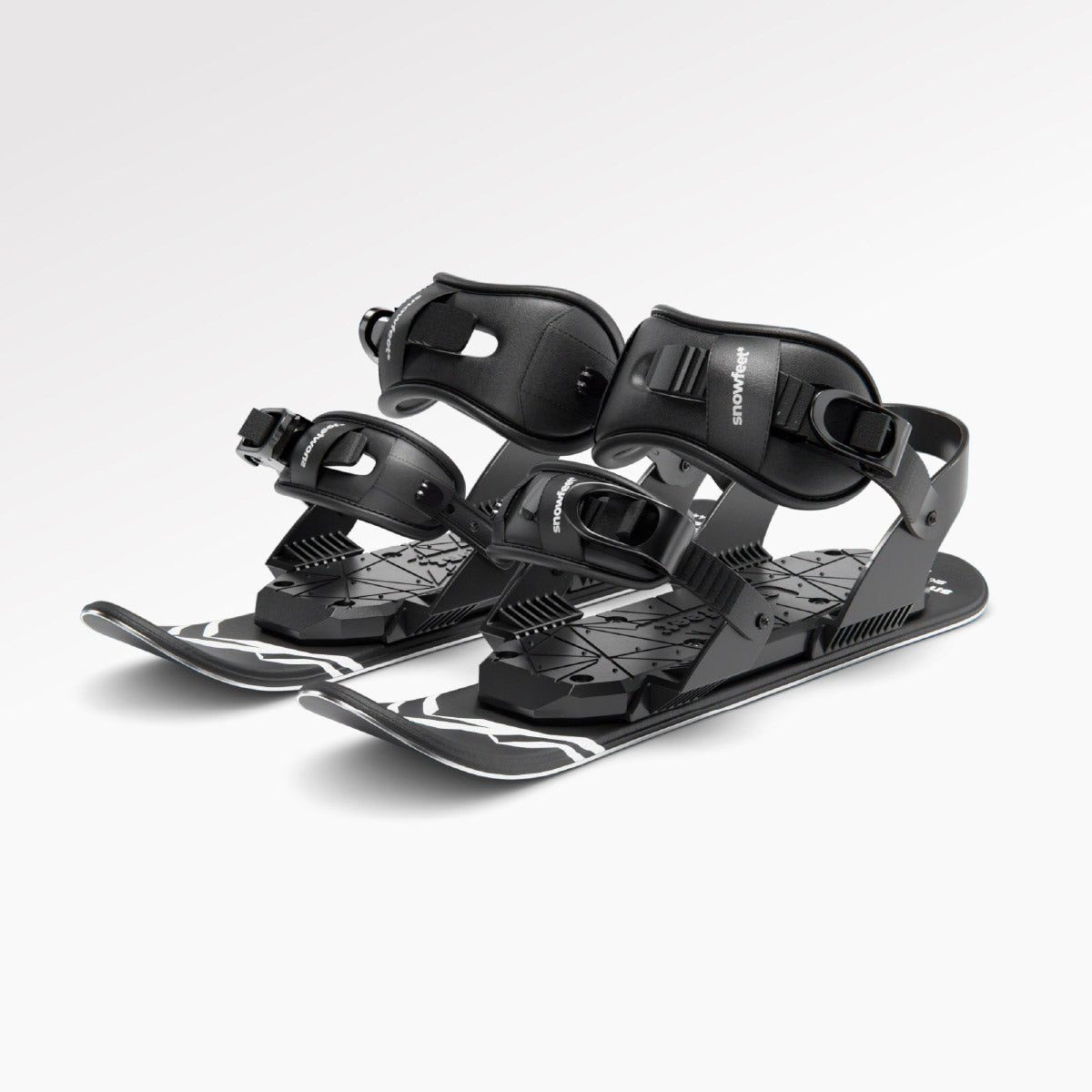
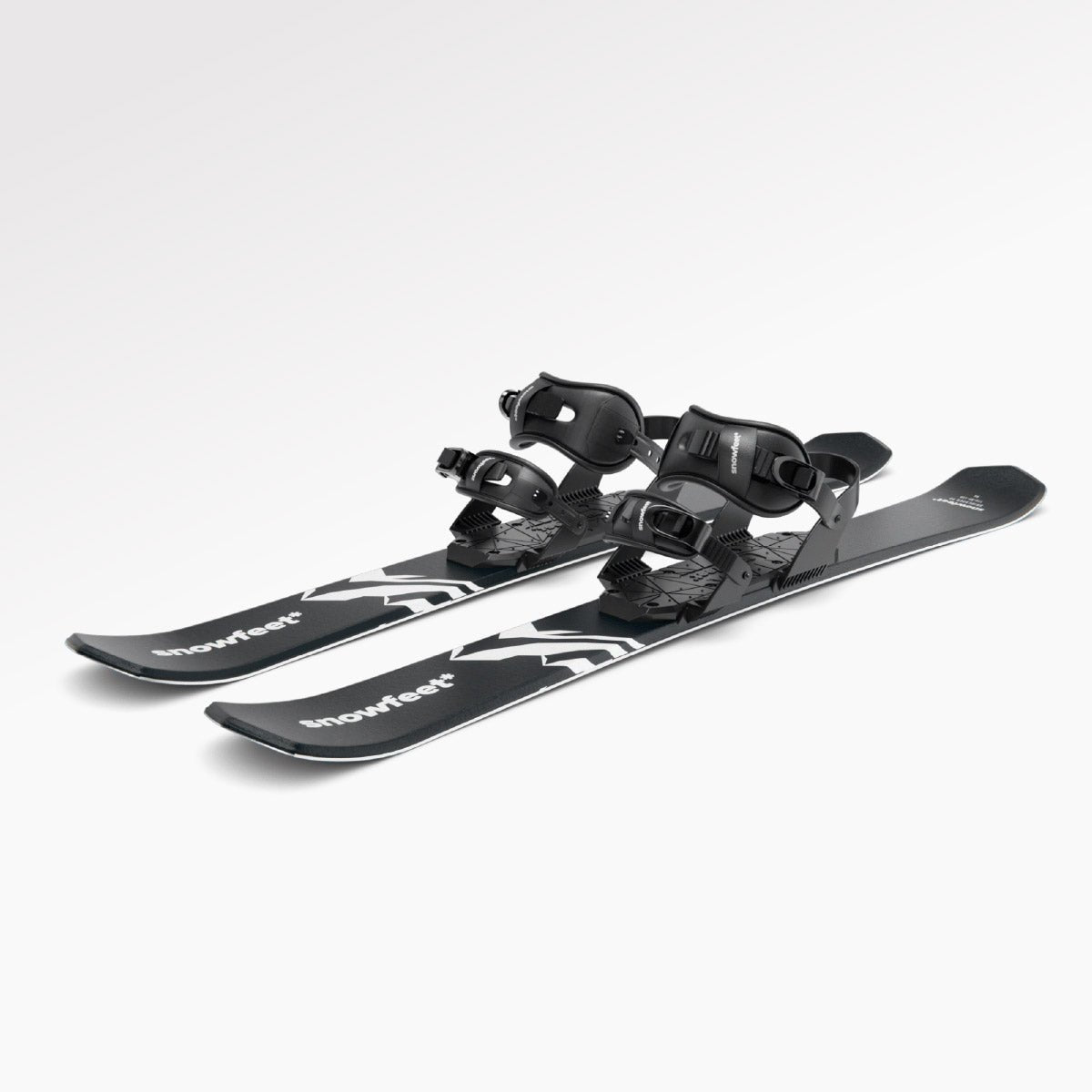
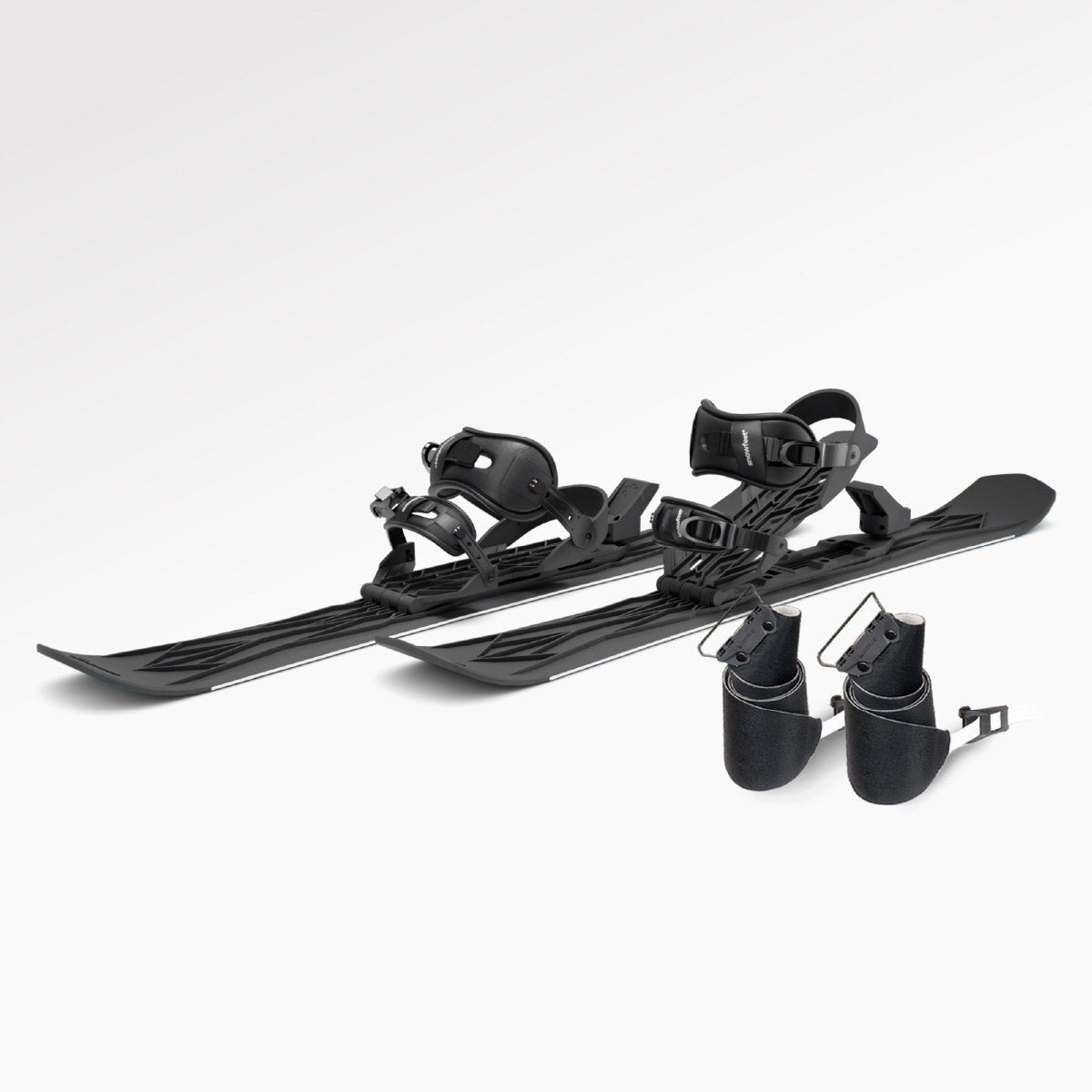
Snowfeet* offers two NORDIC binding versions: Winter Shoe, for winter footwear in recommended sizes US 6–13 (EU 38–47), and Pro XC, with Rottefella NNN bindings for compatible cross-country boots.
Check boot fit and adjust the bindings before use. The Winter Shoe version doesn’t fit every boot. These compact skis are easier to carry and store than full-length skis. Their short length also changes how they feel underfoot, especially during skating drills.
Stick to packed, groomed snow. The manufacturer also lists flat or gently rolling fields as suitable terrain.
Glide and Skating Mechanics
NORDIC has a waxless fishscale base for grip and metal edges for control. You can still apply glide wax for more speed.
The shorter running surface calls for faster steps and more work to stay balanced. But don’t expect the long glide phases of full-length skate skis. That shorter glide is the main tradeoff when comparing the two.
Fitness Sessions
On suitable terrain, NORDIC works best for short aerobic workouts and drills.
- For endurance: Start with a 10-minute easy warm-up, skate at an easy pace for 20–30 minutes, then cool down for 5–10 minutes. Once you can stay balanced, try six to eight hard but controlled efforts lasting 30–60 seconds each. Skate at an easy pace for 90–120 seconds between efforts.
- For balance and form: On flat snow, do two sets of 8–10 slow weight transfers per side. Focus on steady single-leg support, not speed. Follow with 20–30 seconds of relaxed skating.
NORDIC suits short on-snow workouts built around coordination and weight transfer, especially in the Winter Shoe version. Stop if fatigue, changing snow, or movement in the bindings affects your balance.
2. Full-Length Skate Skis
Snow Access and Portability
Compared with the compact Snowfeet* NORDIC, full-length skate skis set the standard for glide and distance. They need firm, groomed lanes and more room to push off sideways, so check grooming reports before heading out.
Glide and Skating Mechanics
A smooth glide zone and flex matched to your weight help you hold momentum between strides. This supports longer glides and standard skate form: shift your weight fully onto the gliding ski and keep your body stacked over it.
Dedicated skate boots and matching bindings help transfer power and improve control.
Fitness Sessions
For distance fitness, aim for 45–90 minutes at a conversational pace. For intervals, warm up for 10–15 minutes, then do 4–8 controlled hard efforts lasting 2–5 minutes each. Take an equal or longer easy recovery between efforts, and judge intensity by effort - not speed.
Training Fit
Full-length skis are the standard for distance sessions and V1 or V2 technique work. Snowfeet* NORDIC remains the compact choice for shorter off-season sessions. That difference shapes the workouts below.
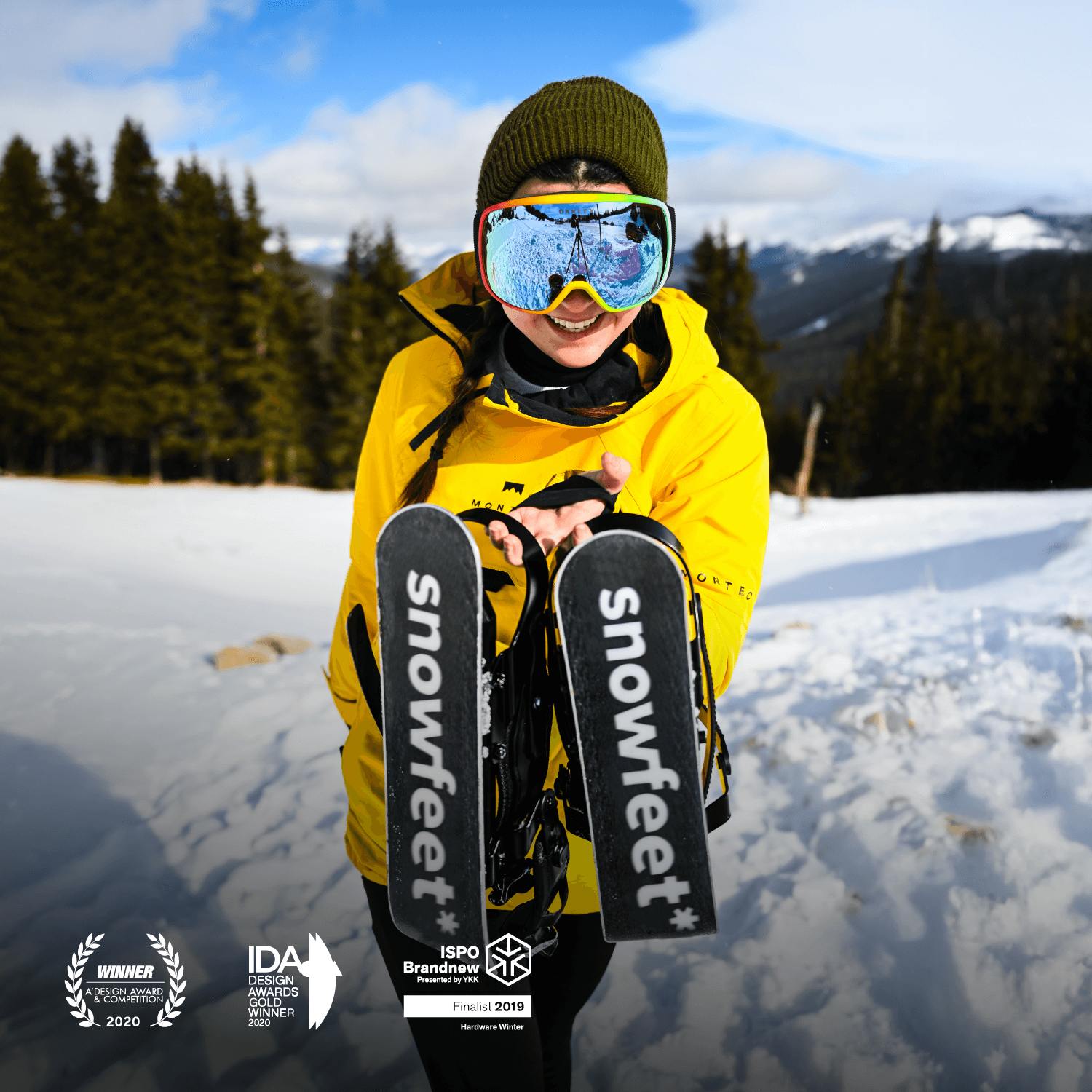
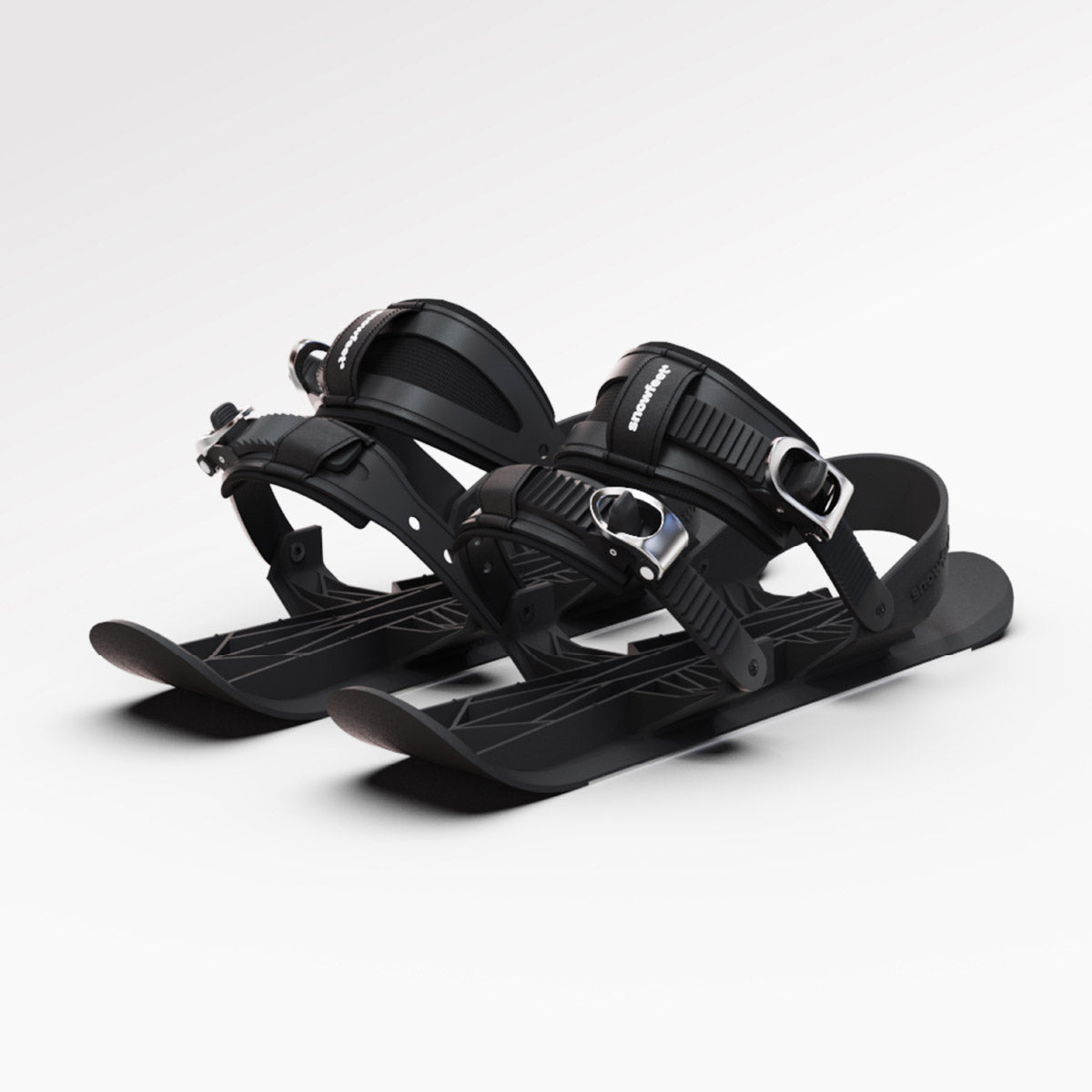
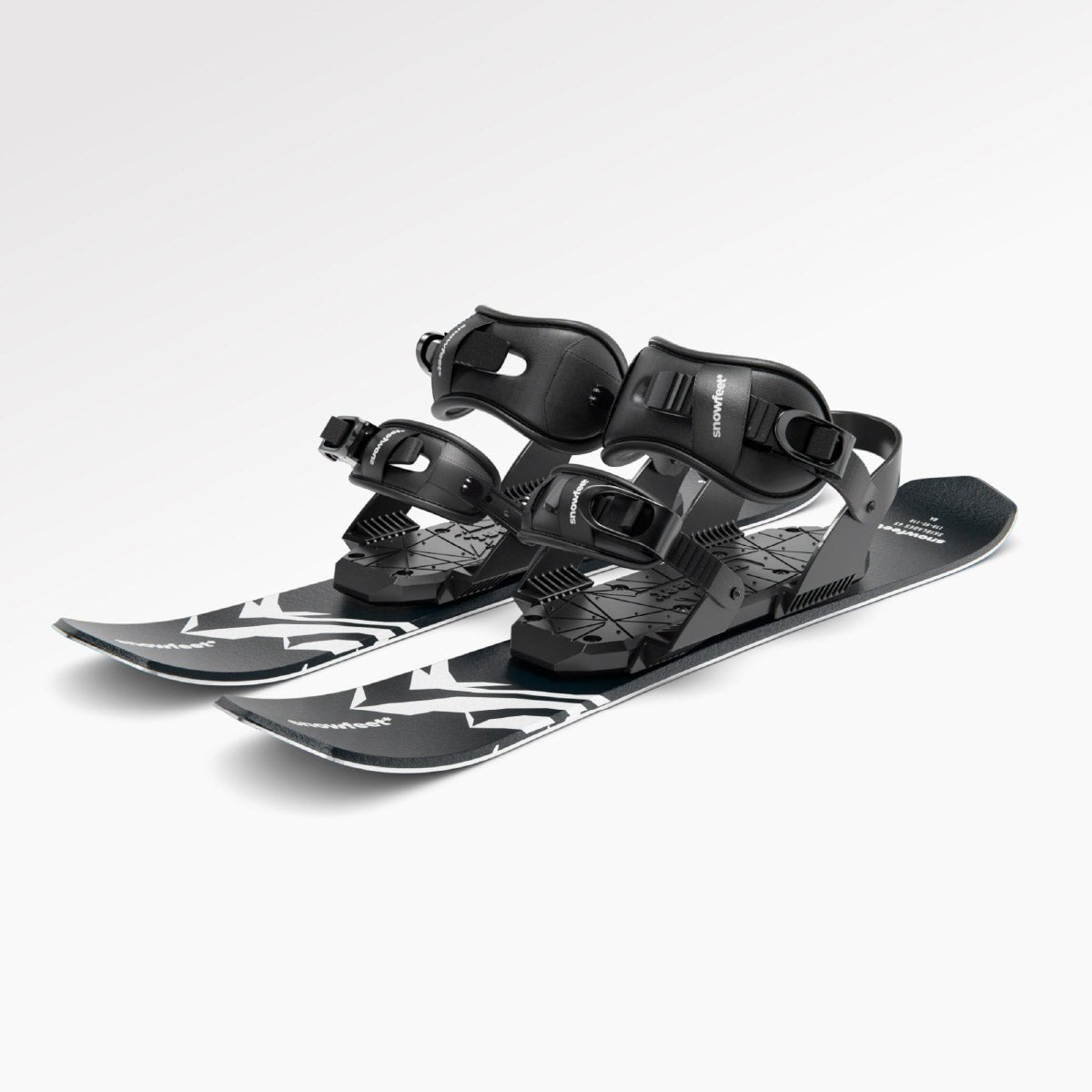
This Nordic Ski Can Be Attached to Any Winter Shoes | Snowfeet Cross-country Skate Skis | 90 cm
sbb-itb-17ade95
Fitness Training Compared
For off-season fitness, the main differences are access, stability, and how each ski shapes your workout.
Snow Access and Portability
Compact skis are easier to carry, but they still need suitable snow. Check local snow cover and trail rules before heading out. Avoid deep powder, glare ice, and crowded trails. Stay out of set classic tracks, and leave active lanes before you stop.
The comparison is less about what you can do on snow and more about how each ski changes the training load.
| Comparison point | Snowfeet* NORDIC 90 cm | Full-length skate skis |
|---|---|---|
| Carrying and storage | Short length makes transport and storage easier for brief sessions. | Needs more room for transport and storage. |
| Terrain and access | Use designated skating areas or firm ungroomed snow with enough cover, where allowed. | Prepared skating lanes best suit full-length ski training. |
Glide, Balance, and Skating Mechanics
NORDIC’s shorter platform makes turning and repositioning easier. But it may feel less stable at speed or on uneven snow. More balance corrections don’t always mean better technique. Boot fit, bindings, ski design, snow texture, and skill all affect control.
| Comparison point | Snowfeet* NORDIC 90 cm | Full-length skate skis |
|---|---|---|
| Maneuverability and glide | Easier to reposition during drills. Shorter glide means more frequent weight transfers during aerobic work. | Longer glide and directional stability support steady laps and standard stride timing. |
| Weight transfer and technique | Useful for lateral pushes, weight transfer, and keeping hips centered, though stride timing differs. | More closely matches standard skating mechanics for maintaining technique. |
These differences matter most during steady laps and short intervals.
Snow-Based Workouts and Drills
Choose flat or gently rolling snow with enough cover and little traffic. Keep your ankles and knees soft, hips centered, and torso relaxed. Think push sideways, then move your hips over the gliding ski, rather than pushing backward. Build duration before intensity.
| Comparison point | Snowfeet* NORDIC 90 cm | Full-length skate skis |
|---|---|---|
| Aerobic work | Start with a few easy shuffles and weight shifts. Aim for 20–40 minutes at a pace that lets you chat, or start with 10–20 minutes if needed. Finish at an easy pace. | Better suited to efficient distance work. Compare effort, not mileage. |
| Intervals | Warm up, then try 6–10 × 30–60 seconds at a hard but controlled effort. Take equal or longer easy recovery periods, then cool down. | Better for standard speed and pacing practice. Equal workout times don’t prove equal gains. |
| Balance drills | Progress from single-ski balance to tick-tocks, short glides, then transfers. Build controlled glide time before adding gentle terrain. | Follow the same steps to practice standard stride timing and sustained glide. |
Shorten or stop the workout if you lose control of weight transfers or stopping.
The setup also sets limits on what each ski can prepare you for.
Training Goals and Off-Snow Limits
These workouts don’t prove product-specific performance gains. The supplied evidence includes no independent controlled comparisons showing that NORDIC matches full-length skis for fitness or technique transfer.
| Training goal | Snowfeet* NORDIC 90 cm | Full-length skate skis |
|---|---|---|
| Aerobic maintenance | Convenient for short off-season snow workouts. | Better suited to sustained aerobic volume. |
| Coordination and balance | Useful for movement practice and reviewing technique - not proof of better technique transfer. | More closely matches standard skating coordination. |
| Speed, distance, and race preparation | Doesn’t reproduce full-length glide, race pacing, pole timing, or distance demands. | Better suited to sport-specific preparation. |
Without snow, neither option replaces roller skiing, running, strength training, or off-snow balance work. For recreational skiers, Snowfeet* NORDIC offers more convenience for short sessions - a trade-off reflected in the pros and cons below.
Pros, Cons, and Best-Fit Skiers
Here’s how the two setups compare for short off-season snow workouts.
| Option | Advantages | Disadvantages | Best-fit skier |
|---|---|---|---|
| Snowfeet* NORDIC 90 cm | Easy to carry; Winter Shoe or NNN boot options; easy to turn; suited to short off-season sessions. | Needs firm snow; shorter glide; less stable at speed; less suited to race-specific practice. | Recreational skiers who want a portable setup with footwear options for short off-season snow workouts. |
| Full-length skate skis | Efficient glide; holds direction well; suited to distance training and standard skate-technique practice. | More bulk to carry and store; requires dedicated skate boots and compatible bindings. | Regular groomed-trail users, distance-focused skiers, and racers working on skate technique. |
Check the binding version before buying. Setup matters as much as ski length. The Winter Shoe model fits US men’s sizes 6–13. The Pro XC version uses Rottefella NNN-compatible boots. Choose supportive winter footwear, not loose casual shoes.
The waxless fish-scale base means you don’t need kick wax. Glide wax can add speed, but it still won’t match a dedicated skate ski.
Verdict: A Snow-Based Supplement, Not a Year-Round Replacement
Choose Snowfeet_ NORDIC for easy transport and short snow workouts. Choose full-length skate skis for mileage, precise technique, and racing. For recreational skiers with access to firm snow, NORDIC’s compact size makes it a handy fitness option. The Winter Shoe version also works with winter shoes.
Use NORDIC to practice lateral push-offs, one-leg stability, and weight transfer - not to replace long-ski training volume or match its pace and mileage.
When there’s no snow, switch to roller skis for more ski-specific off-snow training, or use dryland training. Once snow returns, NORDIC can serve as a compact, easy-to-carry supplement.
FAQs
How can I tell if local snow is suitable for NORDIC skis?
Snowfeet NORDIC 90 cm skis work best on firm, groomed skate lanes or packed snow. You can also use them in city parks, backyards, or on hiking trails with at least 4 inches of snow.
Avoid ice, deep soft powder, and steep or narrow routes. These conditions can make it harder to control your speed and stop safely. Before you head out, check local grooming reports and snow conditions to make sure the snow is packed and stable.
Should I use poles for NORDIC fitness workouts?
Poles are optional with Snowfeet* NORDIC 90 cm, but highly recommended for a full-body cardio workout. They work your upper body, core, and arms, help you burn more calories, and keep you steady.
Add poles once you’re comfortable with balance and weight transfer. Choose skate-specific poles about 90% of your height. Plant both poles at the same time at eye level, with your elbows bent at 90 degrees.
How can I track fitness progress on NORDIC skis?
Use a smartwatch to track your heart rate, calories burned, and total ski days on Snowfeet NORDIC 90 cm skis*. Set clear goals, like skiing for 30 minutes without a break or finishing specific local trails.
As your technique improves, build up your session length and intensity. A 4-week training cycle can start with base endurance work, then move into higher-intensity intervals. Use it to track changes in your cardio fitness and recovery time.


Leave a comment
This site is protected by hCaptcha and the hCaptcha Privacy Policy and Terms of Service apply.