
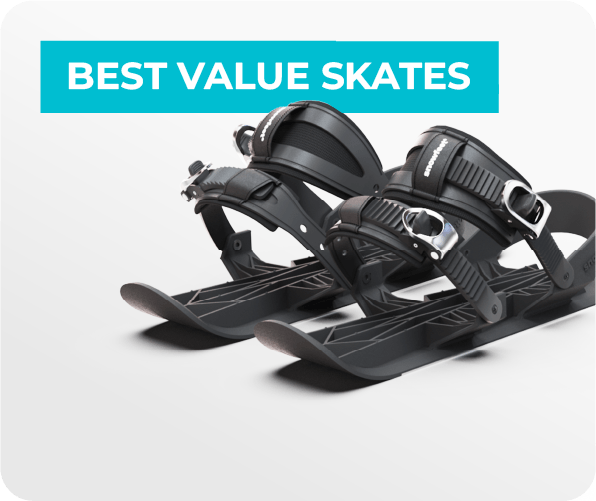
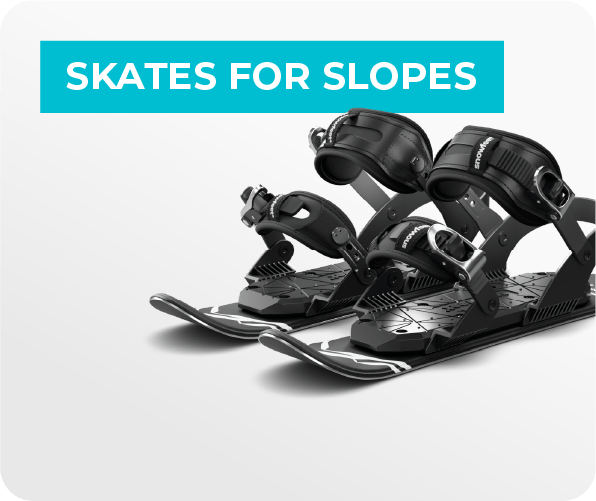
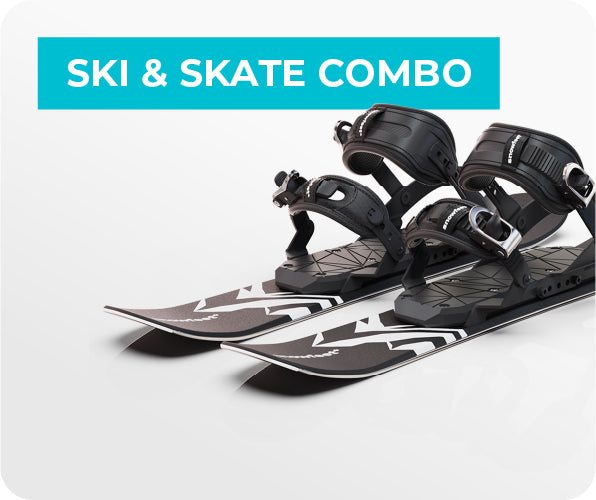
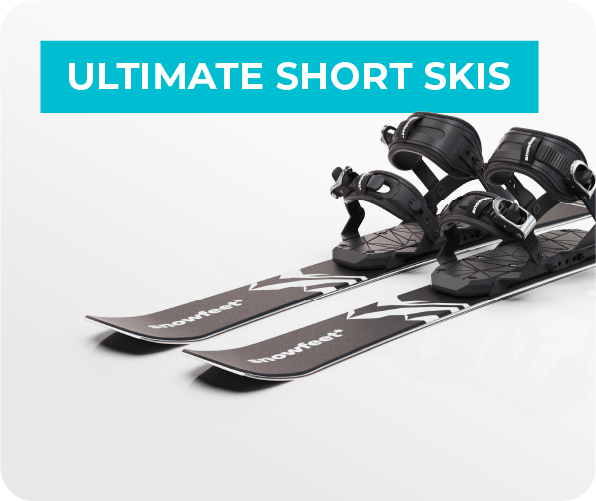
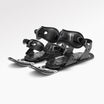
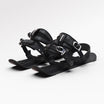
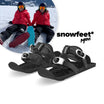
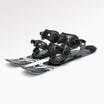
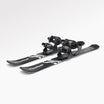
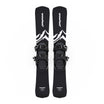
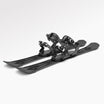
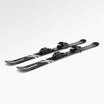
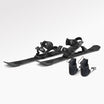
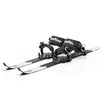
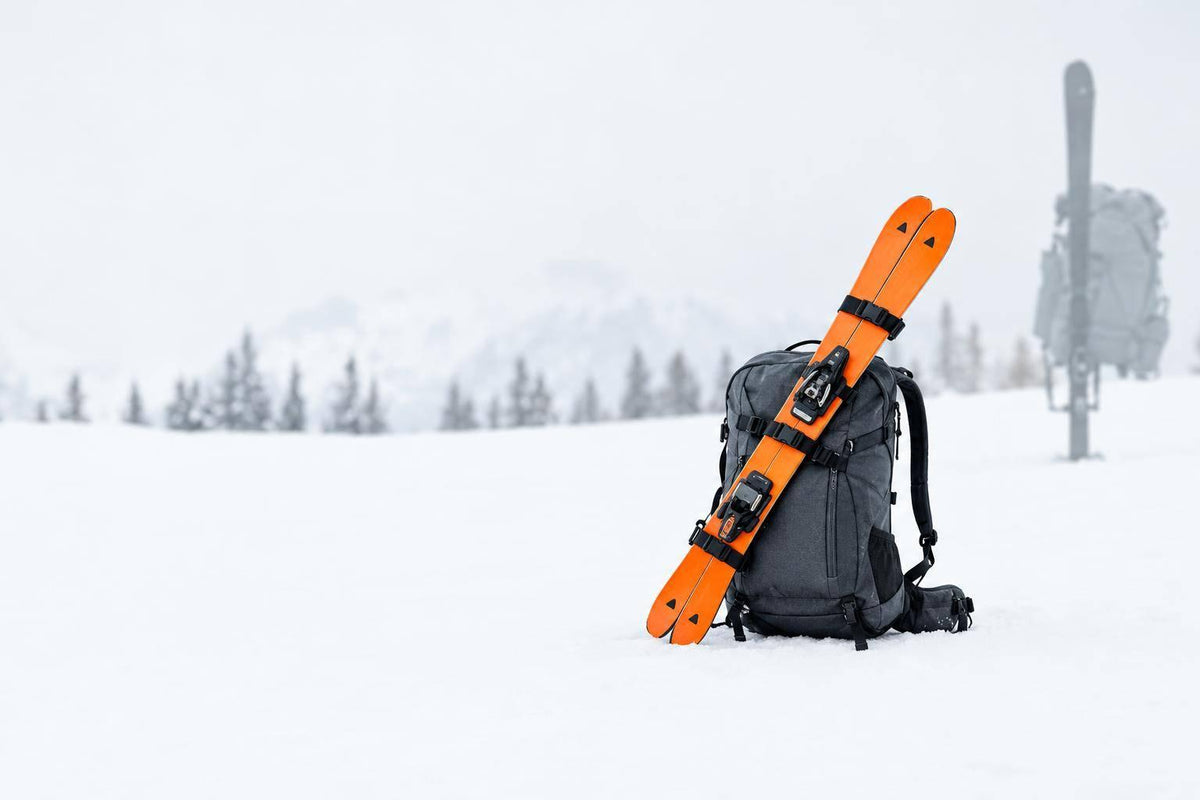
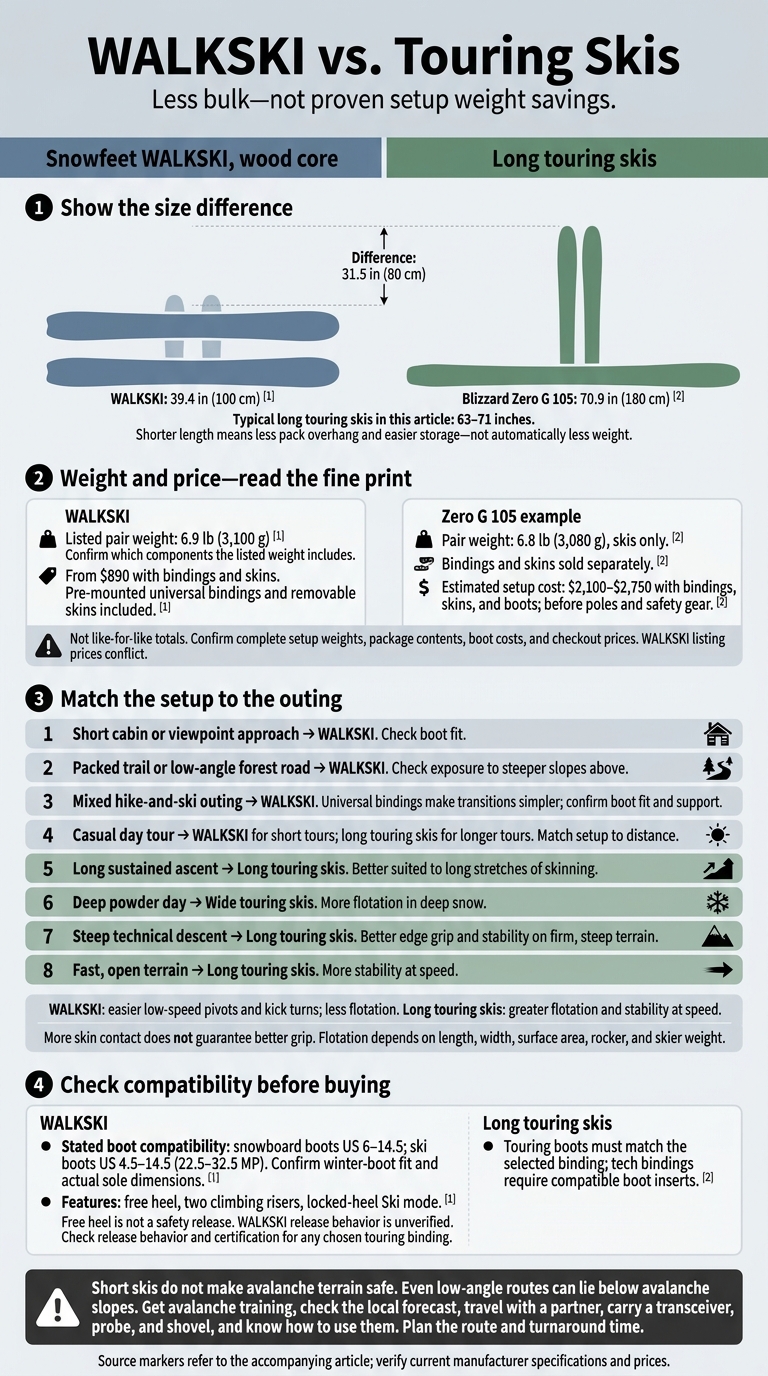
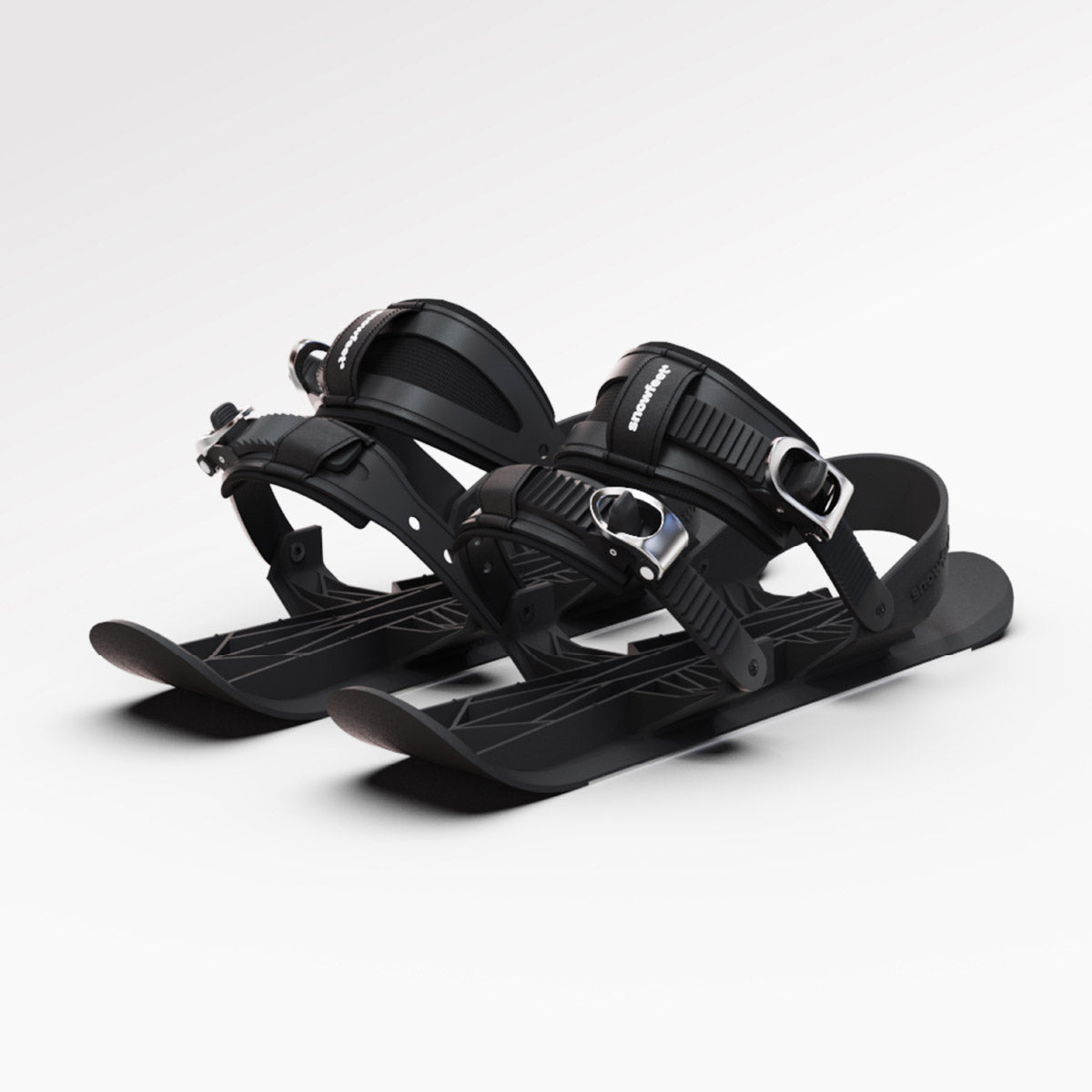
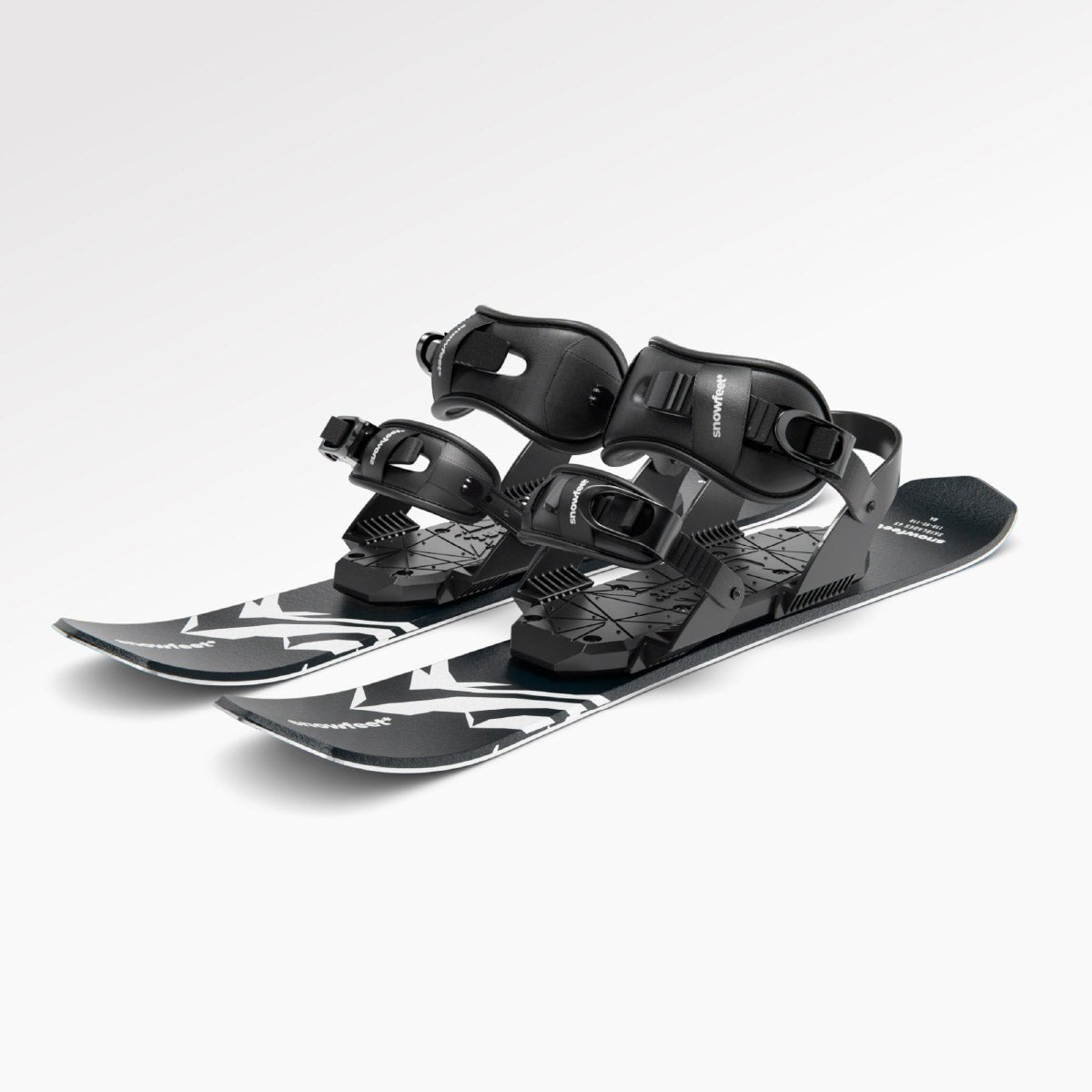
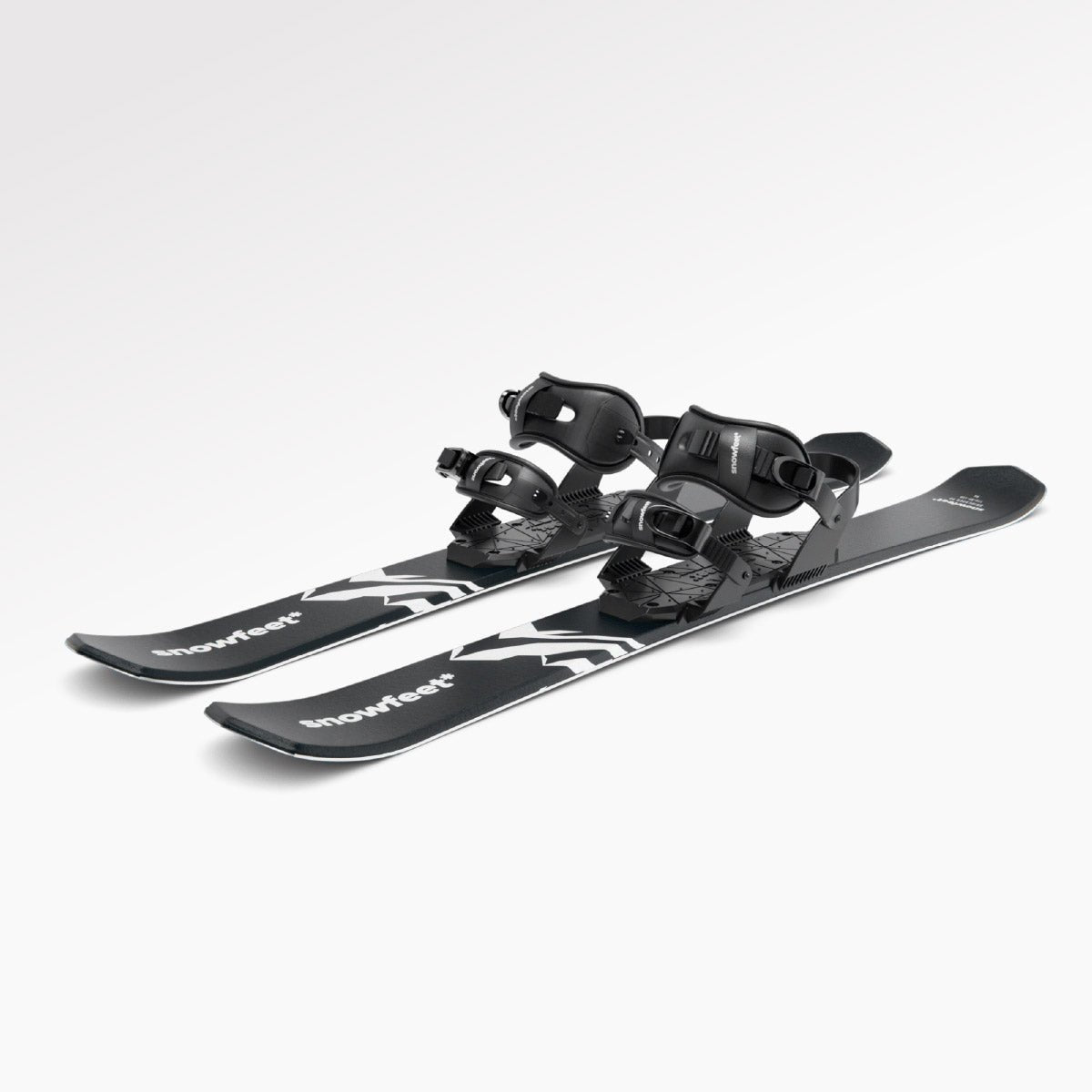
Snowfeet WALKSKI cuts bulk - not proven setup weight. At 39.4 inches (100 cm), it’s easier to pack than a 63–71-inch touring ski. Choose it for short, low-angle trips and mixed hike-and-ski days - not deep powder or fast descents.
The tradeoff? Short skis make tight turns easier, while long touring skis offer more float and stability. Before buying, compare the whole setup: skis, bindings, skins, and boots.
Quick Comparison
| Factor | Snowfeet WALKSKI | Long touring skis |
|---|---|---|
| Best fit | Short outings, packed trails, mixed hiking and skiing | Long climbs, deep snow, demanding descents |
| Carrying | Less overhang on a pack | More length to carry |
| Weight | Wood-core pair listed at 6.9 lb; confirm included parts | Zero G 105 pair: 6.8 lb, skis only |
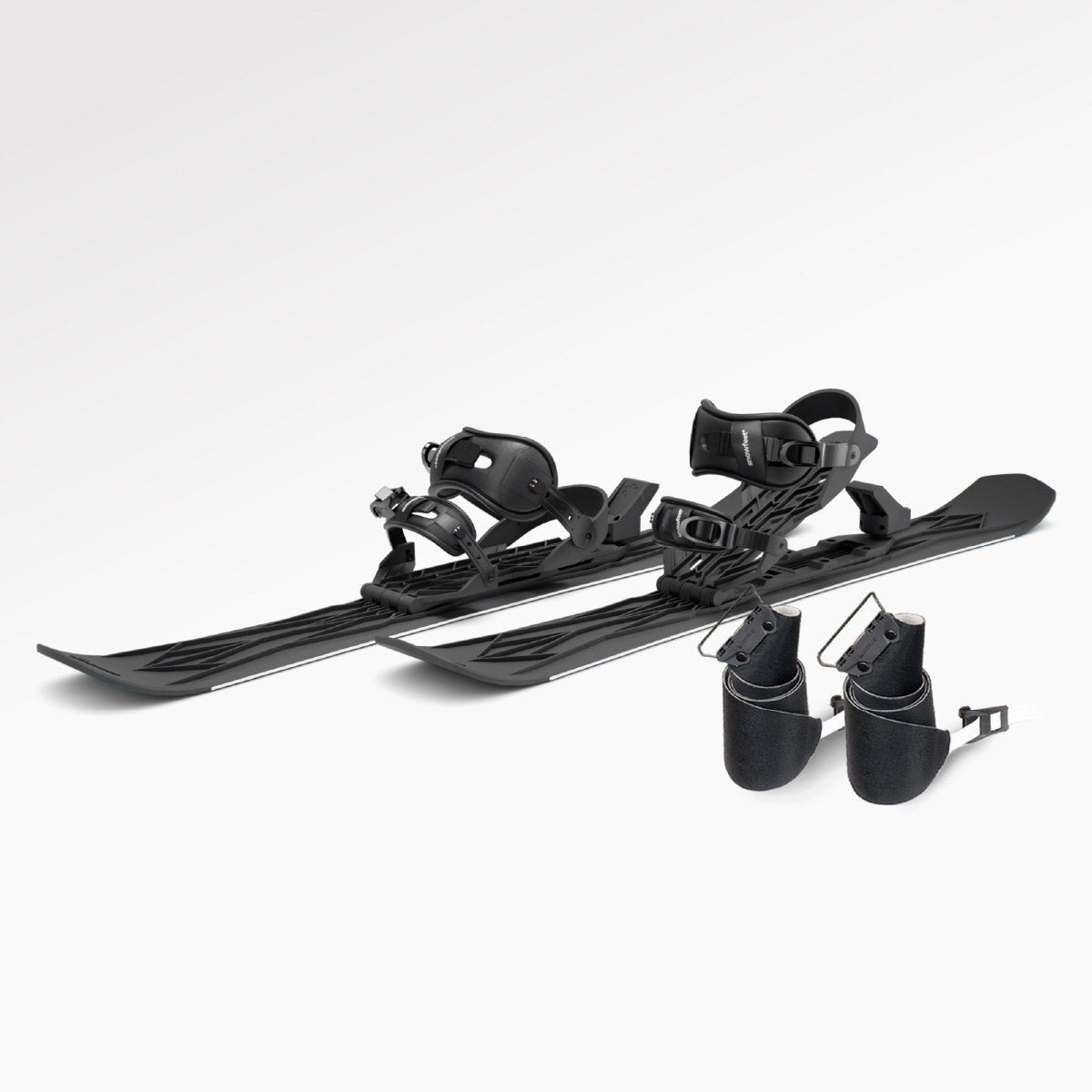
| Uphill travel | Included skins, free heel, two climbing risers | Better suited to sustained climbs |
| Downhill feel | Easy pivots at low speeds; less float | More float and stability at speed |
| Cost | From $890 with bindings and skins | Estimated $2,100–$2,750 with bindings, skins, and boots |
| Boots | Accepts several boot types; check fit and support | Boots must match the binding |
Check boot fit, binding release behavior, package contents, and the checkout total. And keep safety separate from ski size: even a mellow trail can run below avalanche slopes. Training, a transceiver, probe, shovel, and careful route planning still matter.
WALKSKI vs. Touring Skis: Compactness, Cost and Route Fit
Snowfeet WALKSKI | Backcountry Skiing in Georgia
WALKSKI vs. Touring Skis: Specs and Prices
Here’s how the two setups compare on specs and cost.
| Specification | Snowfeet* WALKSKI, wood core | Blizzard Zero G 105, 180 cm |
|---|---|---|
| Length | 39.4 in (100 cm) | 70.9 in (180 cm) |
| Pair weight | 6.9 lb (3,100 g) | 6.8 lb (3,080 g), skis only |
| Bindings and skins | Pre-mounted universal bindings and removable skins included | Both sold separately |
| Boot compatibility | Winter, snowboard, and ski boots; confirm fit | Must match the chosen touring binding |
The cost comparison matters most when you add bindings, skins, and boots.
Complete Setup Weight and Cost
The Zero G setup, including hardware and boots, costs an estimated $2,100–$2,750 before poles and safety gear.
Its bare skis weigh almost as much as WALKSKI’s listed pair, yet they’re 31.5 inches (80 cm) longer. Complete setup weights still need to be checked. WALKSKI’s clearest edge is compact transport - not proven weight savings.
Boot Compatibility, Bindings, and Skins
Weight and cost mean little if your boots don’t fit. WALKSKI supports snowboard boots in US sizes 6–14.5 and ski boots in US sizes 4.5–14.5 (22.5–32.5 MP). You’ll need to confirm winter-boot fit.
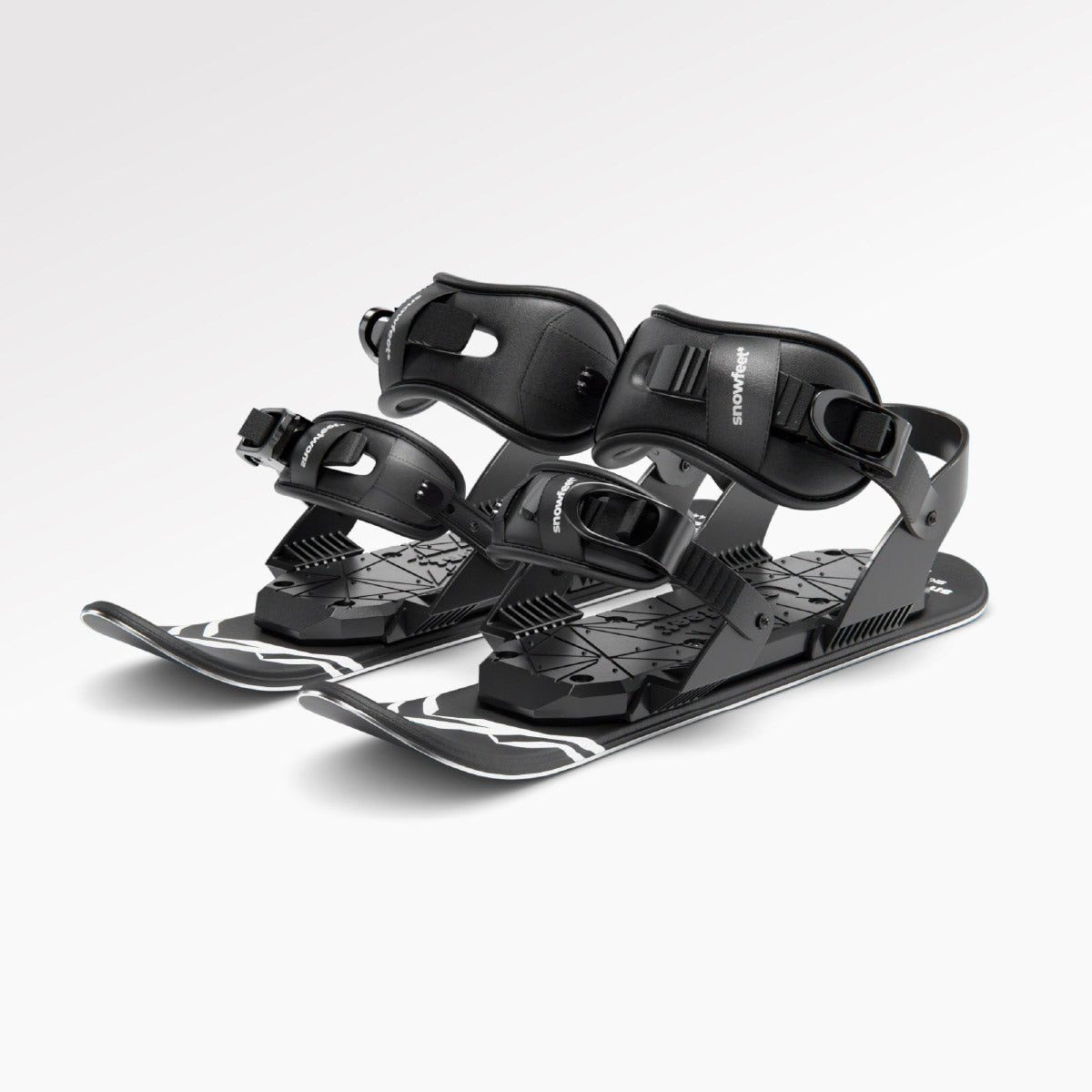
Its free heel, two climbing risers, and locked-heel Ski mode help simplify transitions. The package also means fewer parts to choose and buy on their own. With Zero G, boot fit depends on your chosen binding. Tech bindings require boots with compatible inserts.
Free heel is not a safety release. WALKSKI’s release behavior is unverified. Check the release behavior and certification of any touring binding, too. Before ordering, confirm your boot model, size, and package variant.
Next up: how this compact setup climbs and turns on snow.
Carrying, Climbing, and Skiing Performance
Weight and cost are only part of the picture. Next comes carrying your skis - and how they handle on snow.
| Factor | Snowfeet* WALKSKI | Long touring skis |
|---|---|---|
| Carrying bulk | Short length makes transport and trail carry easier | More length to manage |
| Climbing | Includes skins; best for short to moderate ascents | Better suited to long climbs and breaking trail in deep snow |
| Turning | Suits tight turns at modest speeds | More length to bring around |
| Stability | Best kept to controlled speeds | Generally more planted at higher speeds |
| Flotation | Limited support in deep snow | More support with longer, wider, rockered skis |
WALKSKI is easier to pack and carry. Long touring skis have the edge on long climbs, steep traverses, and deep snow. Those differences become clearer when the trail gets steep or the snow gets soft.
Storage, Trail Carrying, and Hiking Transitions
| Situation | WALKSKI advantage | What to check |
|---|---|---|
| Travel carry | Less bulk in cars and on transit | Cargo space, secure storage, carrier rules, and covered edges |
| On-foot carry | Less overhang on a pack and in tight trail gaps | Secure attachment, pack balance, and clearance |
| Hiking transitions | Fewer gear changes on short outings | Boot fit, traction, and comfort |
At 39.4 inches (100 cm), WALKSKI fits more easily in a car, on transit, or on a pack than a typical 63–71-inch touring ski.
Skin Grip, Kick Turns, and Climbing Effort
| Climbing factor | WALKSKI | Long touring skis |
|---|---|---|
| Skin grip area | Less skin contact | More skin contact |
| Traction | Suits modest slopes; grip depends on conditions and technique | Better suited to long, steep climbs and icy traverses |
| Kick turns | Tips and tails need less clearance | Longer tails need more clearance |
| Sustained climbing | Best for short, moderate approaches | Better for long ascents and breaking trail in deep snow |
More skin contact doesn’t guarantee more grip, especially on firm traverses. WALKSKI’s clearest uphill gain is easier kick turns - not better grip.
Turning, Stability, and Flotation
| Snow or handling factor | WALKSKI | Long touring skis |
|---|---|---|
| Low-speed maneuverability | Short length makes quick pivots easier | More length to bring around |
| Edge control | Responds well at low speeds; best for controlled descents | Stronger grip on icy and steep terrain |
| Speed stability | Keep descents controlled | More planted at higher speeds |
| Powder | Less support; sinking can add climbing effort | More flotation with suitable width and rocker |
| Breakable crust / junk snow | Limited support can make turns harder | More support, though crust is still tough to ski |
Flotation depends on length, width, total surface area, rocker, and skier weight - not length alone. On short outings with packed or shallow snow, WALKSKI’s easier turns and transport are the main reasons to choose it.
sbb-itb-17ade95
Match Your Setup to the Route
Put those tradeoffs to work when you choose your route.
Which Setup Fits These 8 Outings?
Match the ski to the whole route - not just the descent. Snow, skill, trip length, and pack weight matter more than ski length.
| Outing | Best fit | Route check |
|---|---|---|
| Short cabin or viewpoint approach | Snowfeet* WALKSKI | Check boot fit. |
| Packed trail or low-angle forest road | WALKSKI | Check for exposure to steeper slopes above. |
| Mixed hike-and-ski outing | WALKSKI | Universal bindings make transitions simpler. |
| Casual day tour | WALKSKI for short tours; long touring skis for longer tours | Match your setup to the distance. |
| Long sustained ascent | Long touring skis | Better suited to long stretches of skinning. |
| Deep powder day | Wide touring skis | More flotation in deep snow. |
| Steep technical descent | Long touring skis | Better edge grip and stability on firm, steep terrain. |
| Fast, open terrain | Long touring skis | More stability at speed. |
These matches reflect WALKSKI’s focus on short outings and the strengths of long touring skis on longer, more demanding routes. For casual outings, choose WALKSKI when compact transport and mixed hike-and-ski use matter more than distance or aggressive descents.
Avalanche Training and Safety Gear
Even easier routes can cross avalanche terrain. A low-angle forest road or meadow may sit below steeper slopes. Check the terrain above and around every route.
Take a certified avalanche course, check the local avalanche forecast and warnings, and travel with a partner. Carry a transceiver, probe, and shovel - and know how to use them.
Plan your route, weather window, and turnaround time. Pack food, water, extra clothing, first aid, and communication devices.
Conclusion: Choose WALKSKI for Compact Transport
Once you’ve checked that the gear suits your route, choose the setup that makes your backcountry day easier.
Snowfeet WALKSKI suits casual riders who want compact gear for short to moderate outings on packed, rolling, or low-angle snow. Choose it for easier carrying and transitions. Choose long touring skis for flotation and stability at speed.
| Priority | Better fit |
|---|---|
| Compact carrying and storage | WALKSKI |
| Sustained touring and deep-snow flotation | Long touring skis |
| Speed and demanding descents | Long touring skis |
For compact recreational travel within your skill level, WALKSKI is the practical pick. But shorter gear never replaces avalanche training, a transceiver, probe, shovel, and conservative route planning.
Before buying, check exactly what comes in the package.
Before Buying: Check the WALKSKI Package
- Weight: Check the total setup weight, including bindings, skins, straps, and hardware - not just the skis.
- Bindings and boots: Check construction, adjustment range, modes, and release function. Don’t assume alpine-style release. Use your boots’ actual sole dimensions to check whether your winter, snowboard, or ski boots fit. Confirm the stated weight limit and terrain ratings, and stay within those limits.
- Skins: Check that skins and hardware come with the package.
- Price and terms: Review the Snowfeet* listing, warranty, return deadline, shipping costs, and used-equipment restrictions. Listed prices conflict, so check the checkout total before ordering and save a copy of the listing.
FAQs
How does my weight affect WALKSKI performance?
Snowfeet* WALKSKI 100 cm supports riders up to 220 lbs (100 kg). Heavier riders may get less flotation, especially in powder deeper than 4 inches. In these conditions, front-to-back balance matters more than it does on longer, broader skis.
On steeper climbs, shift your weight slightly toward your heels. Stay centered on descents. While WALKSKI has limits in deep powder, its light weight and responsive feel make it easy to use for most casual backcountry tours.
Which boots offer the best WALKSKI control?
Snowboard boots offer the best control and stability on descents. Snowfeet WALKSKI bindings also fit ski boots, hiking boots, and winter boots, though your choice affects how they perform.
Going with winter boots? Pick a pair with strong ankle support for a smoother ride that responds better to your movements. These boot options let you turn and steer with ease, without buying pricey, specialized touring boots.
How should I choose my first WALKSKI route?
Choose short, mellow backcountry tours on rolling terrain or forest roads, where easy turns matter more than speed. Skip steep alpine routes and long-distance trips. Stick to clear trails with gentle slopes and low avalanche risk.
Test your setup on flat, open ground before heading out. Always carry avalanche safety gear, get the right training, and make a solid trip plan. No gear setup replaces safe backcountry practices.



Leave a comment
This site is protected by hCaptcha and the hCaptcha Privacy Policy and Terms of Service apply.