




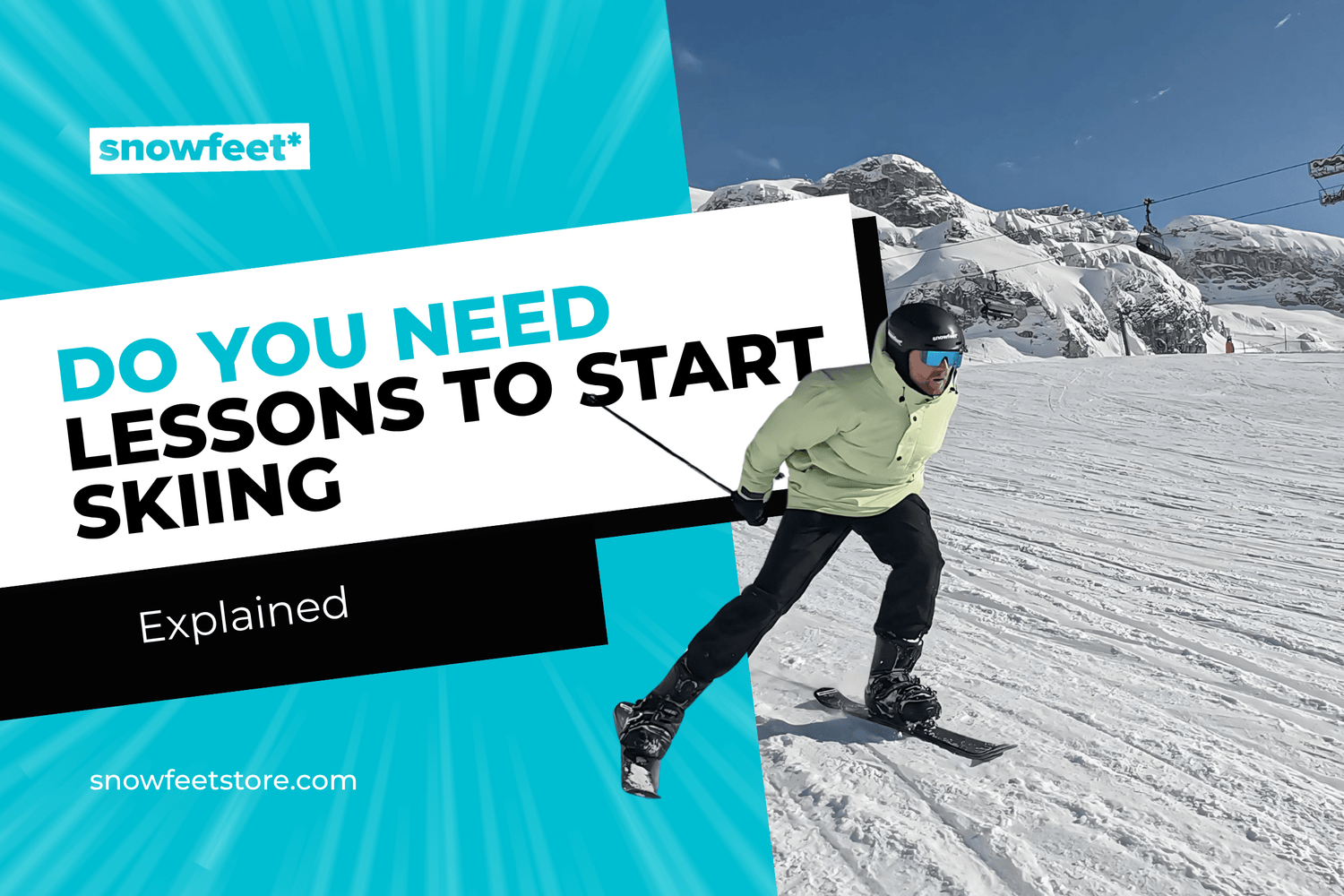
If you’re new to skiing, you’re probably wondering: "Do I need lessons?" The short answer is: it depends on your gear. Long skis? Lessons are almost a must - they’re harder to control, and learning on your own can be frustrating (and risky). But if you’re using compact gear like Snowfeet* Skiblades or Skiskates, the learning curve is much easier, and lessons might not be necessary.
Here’s the deal:
- Long skis (160–180 cm) are challenging for beginners. They require balance, strength, and proper technique to stop and turn. Lessons help you avoid bad habits and reduce the risk of injury.
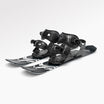
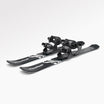
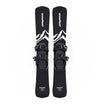
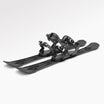
- Snowfeet* gear (44–120 cm) is shorter, lighter, and easier to manage. It feels more like skating, making it possible to learn on your own at a slower pace.
If you want to save time and money, Snowfeet* offers a beginner-friendly, self-guided option. But if you’re using longer skis or tackling steeper slopes, lessons are worth the investment to build confidence and stay safe.
Snowfeet vs Long Skis vs Snowboards: Beginner Comparison Guide
Can You Learn to Ski Without Lessons? #beginnerskitips #skiing #ski #skiingforbeginners
Why People Take Skiing Lessons
Beginners often take lessons to handle the challenges of traditional long skis. Adult skis generally measure between 160–180 cm (about 5–6 feet), and their size can make steering and stopping tricky - even on beginner-friendly bunny slopes. This can lead to frustration, not to mention a higher chance of injuries.
Professional ski instructors undergo 4–8 years of training to prepare for teaching beginners. They focus on the fundamentals: proper stance, weight distribution, edge control, and body positioning. These basics not only help prevent falls and collisions but also build confidence for new skiers. Let’s explore why the challenges of long skis make structured lessons so important.
The Challenge of Learning on Long Skis
Long skis magnify every mistake, making falls more likely. That’s why lessons start with drills on flat terrain before moving to gentle slopes. Instructors guide learners through key skills, like the snowplow stop and turning safely, so they develop a solid foundation before attempting steeper terrain. Without this step-by-step approach, beginners might pick up bad habits that are tough to fix later. This structured learning process is especially helpful when transitioning to more advanced slopes.
When Lessons Make Sense
Lessons are particularly useful on steeper green runs or when preparing for chairlifts, where long skis can quickly gain speed. At popular U.S. resorts like Copper Mountain, lessons are a standard part of the experience for first-timers. These packages often include rentals and lift tickets for supervised practice.
Private lessons provide personalized feedback, while group lessons offer a more affordable and social way to learn the basics. Most beginners need about 5–6 sessions to feel comfortable on the slopes. A full-day beginner lesson typically costs between $150 and $250, but it can save weeks of frustration and reduce the risk of injury. For those seeking an alternative, Snowfeet* gear offers easier control, which can lessen the need for extensive lessons.
Learning to Ski Without Lessons Using Snowfeet*
Snowfeet* gives you the chance to learn skiing on your own terms, skipping the steep learning curve (and cost) of traditional ski lessons. It's a game-changer for those who want to save time and money while still hitting the slopes.
What Makes Snowfeet* Beginner-Friendly
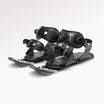
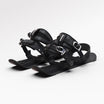
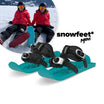
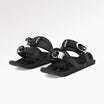
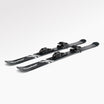
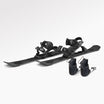
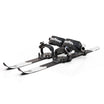
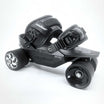
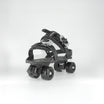
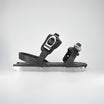
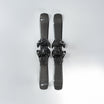
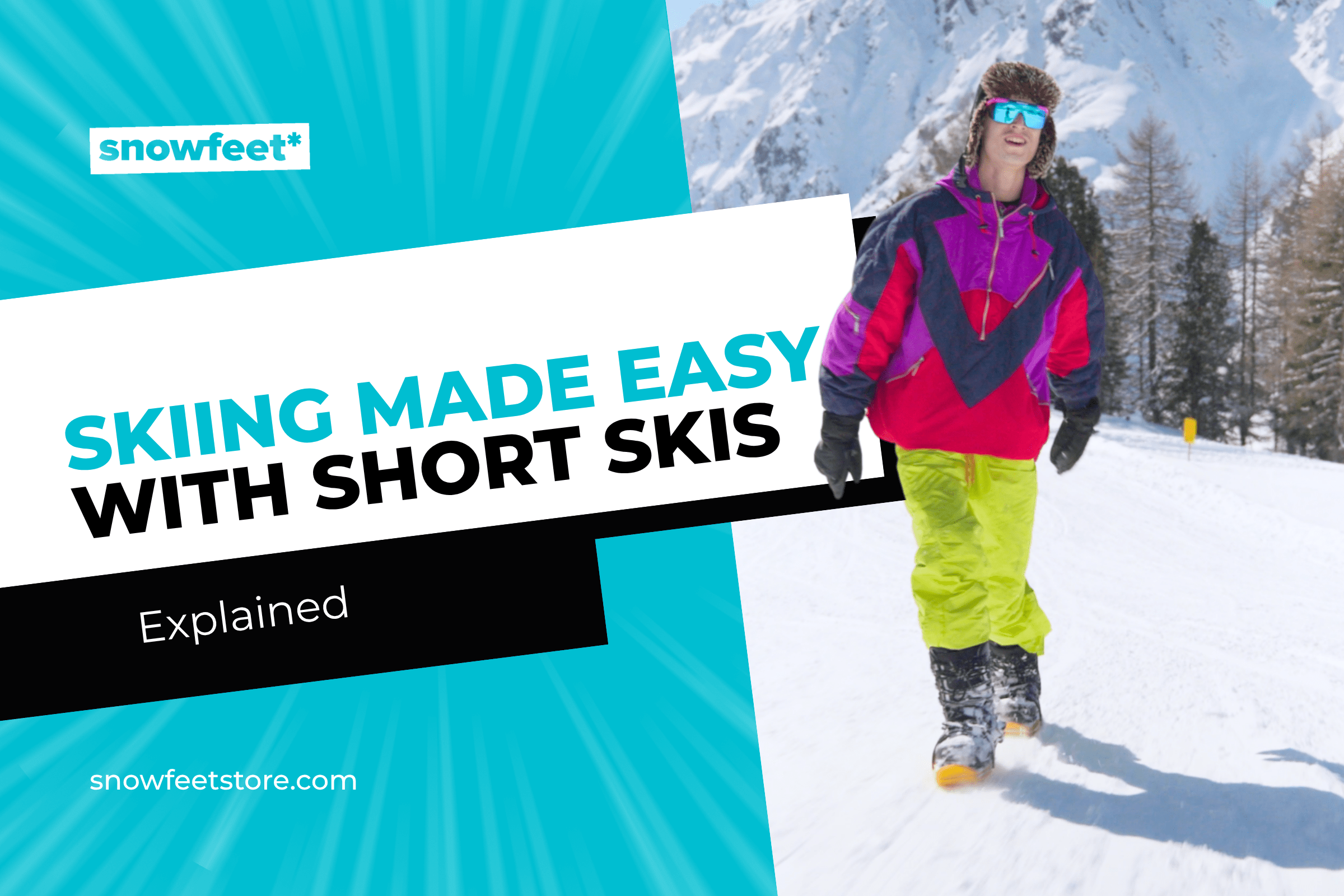
Snowfeet* comes in shorter lengths, ranging from 44 cm Skiskates to 120 cm Skiblades. Compare that to traditional skis, which are usually 160–180 cm long. This shorter design makes Snowfeet* feel more like skateboarding or ice skating, so turning and stopping are much more intuitive. Plus, you can use your regular winter boots - no need for pricey, specialized ski boots. Start practicing on flat ground to get used to the feel before heading to the slopes.
Snowfeet* vs. Long Skis and Snowboards
Here's how Snowfeet* stacks up against traditional gear:
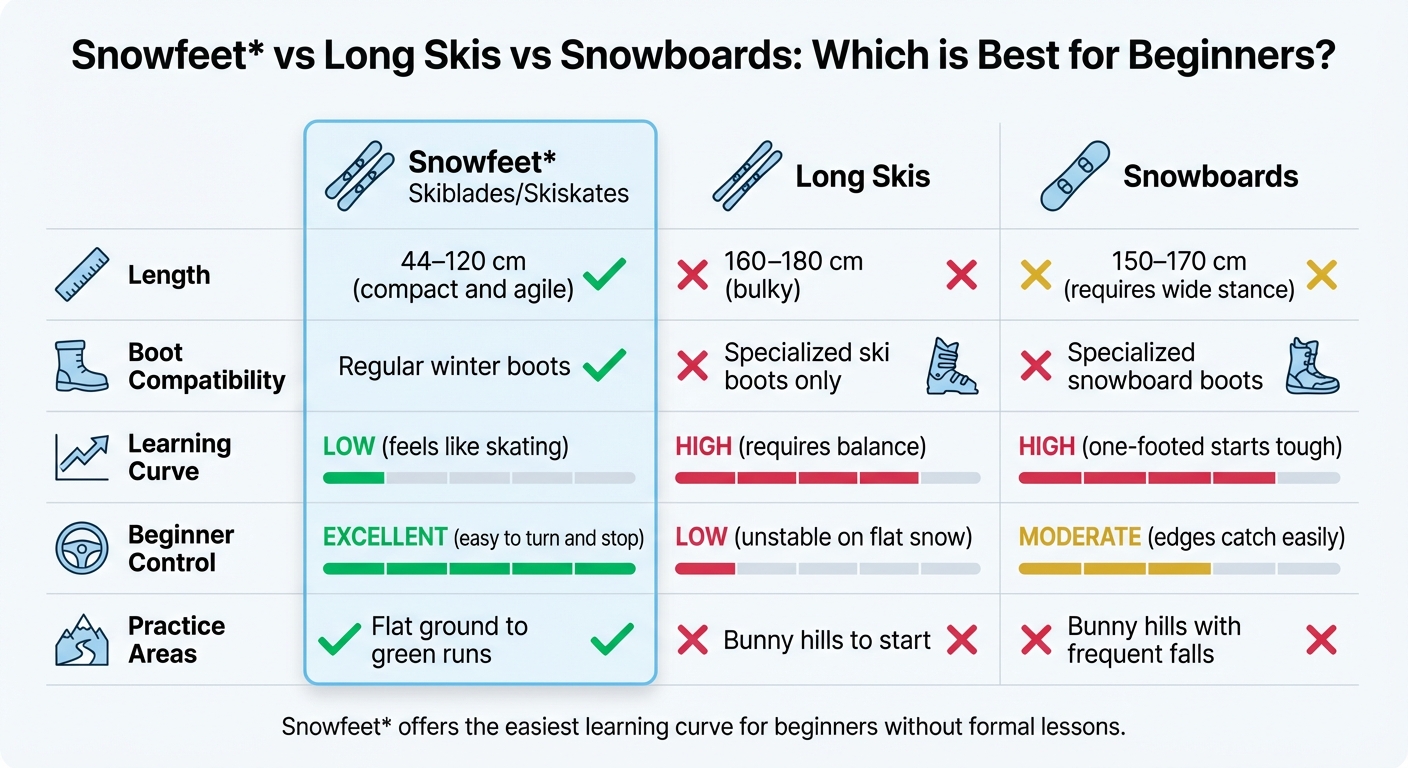
| Feature | Snowfeet* Skiblades/Skiskates | Long Skis (160+ cm) | Snowboards |
|---|---|---|---|
| Length | 44–120 cm (compact and agile) | 160–180 cm (bulky) | 150–170 cm (requires wide stance) |
| Boot Compatibility | Regular winter boots | Specialized ski boots only | Specialized snowboard boots |
| Learning Curve | Low (feels like skating) | High (requires balance) | High (one-footed starts can be tough) |
| Beginner Control | Excellent (easy to turn and stop) | Low (unstable on flat snow) | Moderate (edges catch easily) |
| Practice Areas | Flat ground to green runs | Bunny hills to start | Bunny hills with frequent falls |
Snowfeet* offers a smoother learning experience compared to snowboards, which require a wide stance and can cause frustrating edge catches. With Snowfeet*, your feet stay parallel, making speed control and lift entry way easier.
How to Start Skiing with Snowfeet*
Pick the right size for your height. If you're under 5'6", go for the 65 cm or 99 cm Skiblades. If you're taller, the 120 cm model or 44 cm Skiskates might be a better fit. Attach them to your winter boots, find a flat snowy area, and start practicing simple movements like marching and sliding.
Once you're comfortable, head to a beginner-friendly bunny slope. Focus on learning the snowplow stop (or "pizza" stop) and basic turns by shifting your weight from side to side. Magic carpet lifts are a great way to ease into things - save the chairlifts for later. Look for green circle slopes (with gentle inclines under 15°) at resorts like Copper Mountain. Practice putting on your gear, stopping, and turning. With Snowfeet*, you can learn these skills on your own, at your own pace, without the pressure of formal lessons. It's a self-guided way to start skiing, making the whole experience more relaxed and fun.
sbb-itb-17ade95
What Beginners Need to Know Before Starting
Staying Safe on the Slopes
Getting started on the slopes? First things first: gear up properly. A helmet is a must - it’s not just about safety but also affordability, with rentals often costing under $10. Add goggles, gloves, and waterproof layers to stay warm and dry. The cool thing about Snowfeet*? You can use them with your regular winter boots, cutting down on extra gear expenses and simplifying your prep.
Stick to beginner-friendly terrain when you're starting out. Look for green circle runs on trail maps - these are specifically designed for beginners. Stay away from icy spots, steep areas, and crowded trails until you feel more confident. Snowfeet*, with their compact design (ranging from 44 cm to 120 cm), makes it easier to control your movements on gentle slopes, like bunny hills.
Knowing the basic slope rules is key. Always stay in control, yield to skiers or snowboarders ahead of you, and avoid stopping in places where others might not see you. Skiing with a buddy and taking breaks when you're tired can help prevent falls. Before tackling slopes, practice on flat ground. Techniques like the snowplow stop (the "pizza stance") and turning are great starting points. Snowfeet* gear, with its skate-like design, helps you pick up these skills faster compared to traditional long skis.
Once you’ve got your safety gear, mastered the basics, and found the right terrain, you can start thinking about how to learn - whether through lessons or on your own.
Cost and Time: Lessons vs. Learning on Your Own
Learning to ski can be pricey, especially with traditional lessons. Group sessions typically cost $100 to $250 for just two hours, while private lessons can range from $200 to $500 per hour. Full-day beginner packages, which often include lift tickets and rentals, can set you back $300 to $600. And if you’re hitting the slopes during peak season (December through February), expect even higher prices and longer wait times.
Snowfeet* offers a more budget-friendly option. Their Mini Ski Skates start at $250, and their Skiblades are priced around $635 per pair. Not ready to commit? You can rent Snowfeet* gear for about $50 to $100 per day to test them out. Buying your own Snowfeet* gear means you can learn at your own pace without the recurring costs of lessons, saving both time and money in the long run.
Conclusion
Do you need lessons to start skiing? If you're using traditional long skis, the answer is usually yes. These skis often require formal instruction to grasp even the basics, which means spending a lot of time and money on lessons.
But here's where Snowfeet* steps in and shakes things up. Their compact equipment - like the 44 cm Skiskates or the 120 cm Short Skis - is designed to be simple to pick up and use. Unlike traditional skis, which come with a steep learning curve and require advancing through multiple technical levels just to master stopping and turning, Snowfeet* lets you skip all that. You can dive into the fun right away, without the added expense of ongoing lessons.
With Snowfeet*, you're looking at a one-time investment that gives you the freedom to learn at your own pace.
FAQs
Can I use Snowfeet* with regular winter boots?
Yes, you can use Snowfeet* with your regular winter boots. Unlike traditional skis that need specific ski boots, Snowfeet* are made to work with what you already have. This makes them a great option for beginners, letting you hit the slopes without investing in extra gear. It’s all about making skiing easier and more comfortable from the start.
Are Snowfeet* allowed on ski resort chairlifts?
Yes, Snowfeet products are usually permitted on ski resort chairlifts. Thanks to their compact size and user-friendly design, they’re simple to manage on lifts. Unlike traditional skis or snowboards, which sometimes come with specific rules or restrictions, Snowfeet are much easier to handle in such settings.
Which Snowfeet* size should beginners choose?
Beginners will find the Snowfeet* Skiblades in 65 cm or 99 cm ideal. These sizes are crafted to make learning to ski easier, helping new skiers gain confidence on their own, even without formal lessons.












Leave a comment
This site is protected by hCaptcha and the hCaptcha Privacy Policy and Terms of Service apply.