




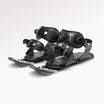
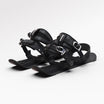
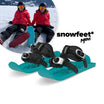
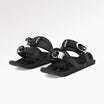
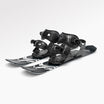
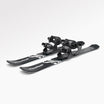
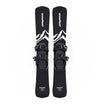
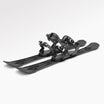
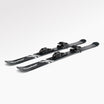
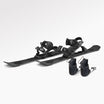
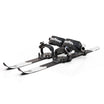
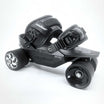
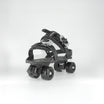
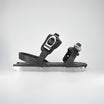
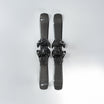
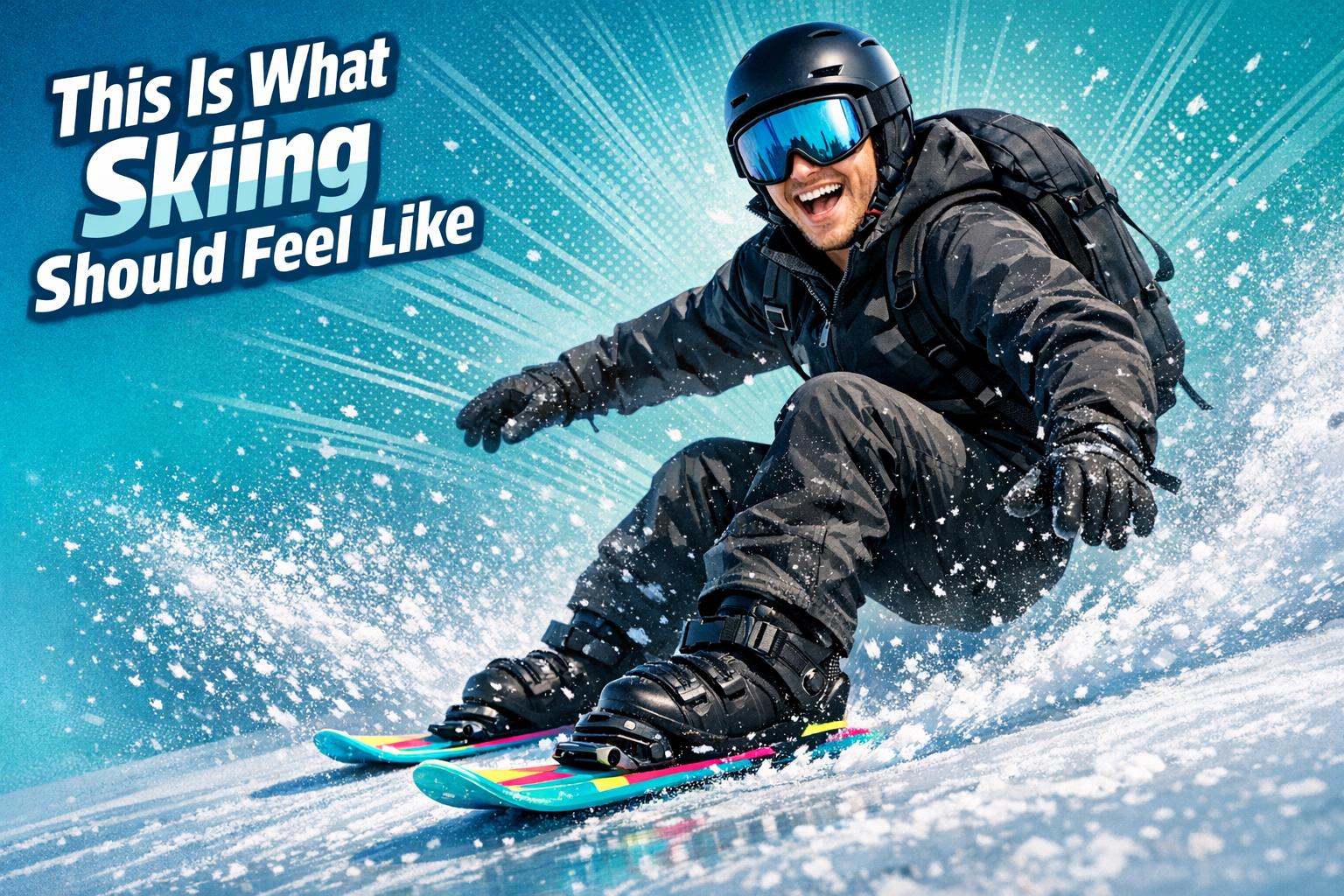
Learning to ski doesn’t have to be intimidating or frustrating. If you’re new to skiing, traditional long skis might feel clunky and hard to handle. But there’s a game-changing alternative: Snowfeet* short skis. These compact skis, ranging from 17 to 39 inches in length, are easier to control, lightweight, and perfect for beginners. They’re like ice skating or rollerblading on snow - movements you might already know.
Why Snowfeet* Short Skis Are a Great Choice:
- No crossed tips: Their short length makes them easier to manage.
- Quick learning curve: You can master the basics in hours instead of days.
- Lightweight and portable: They fit in a backpack - no need for roof racks or bulky gear.
- Easy setup: Use your own winter boots or snowboard boots with adjustable bindings.
- Optional poles: You can skip poles altogether for a more natural feel.
Key takeaway: Snowfeet* short skis make skiing simpler, faster to learn, and way more fun. Whether it’s your first time on the slopes or you’re looking for an easier way to get started, these compact skis could be your new favorite winter gear.
How to Ski in a Day | 20 Tips
Why Short Skis Work Better for Beginners
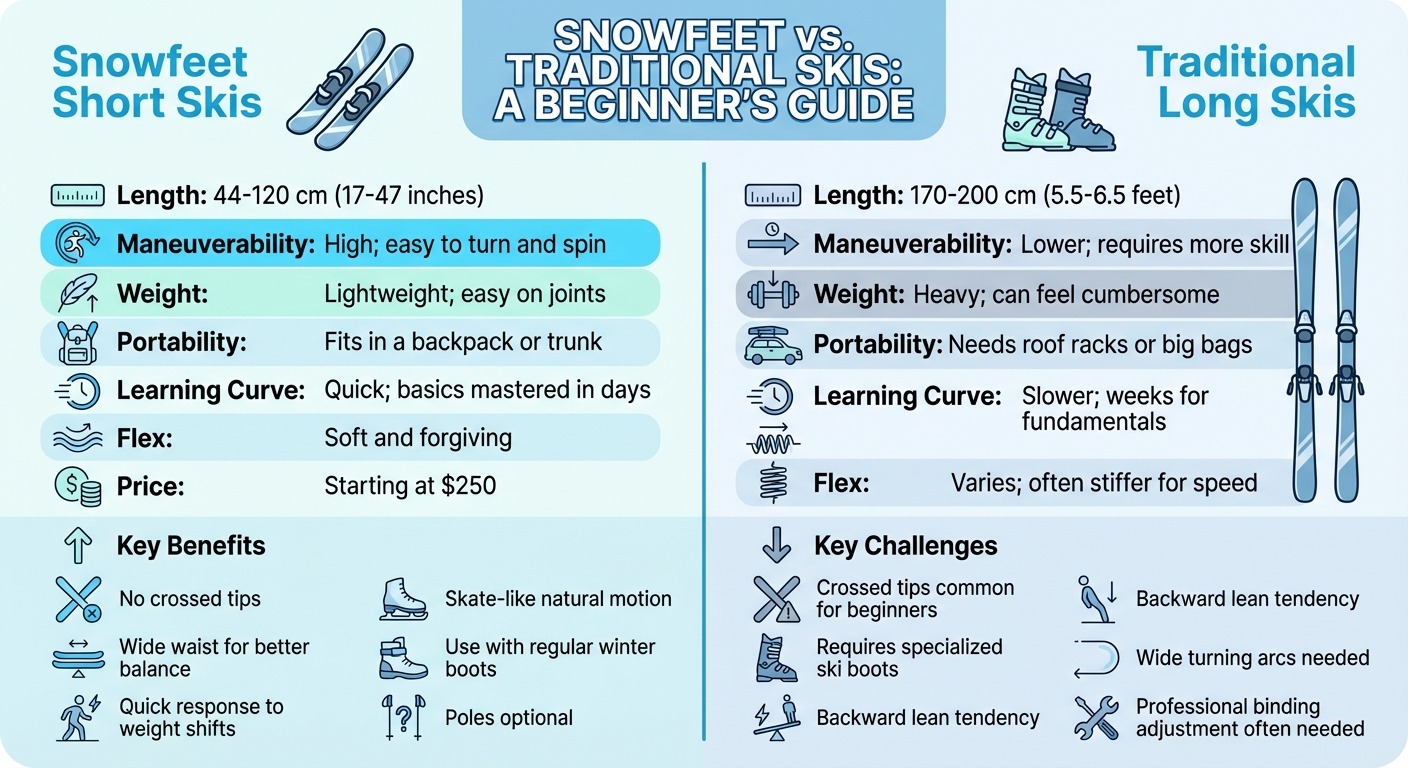
Snowfeet Short Skis vs Traditional Long Skis Comparison for Beginners
Traditional skis, which are usually 5.5–6.5 feet long (170–200 cm), can feel heavy and awkward, especially for beginners. Snowfeet* products, on the other hand, come in much shorter lengths - ranging from 44 cm (17 inches) to 120 cm (47 inches). This compact design makes learning to ski easier and more enjoyable. Let’s break down why shorter skis are a game-changer.
Easy to Carry and Store
One of the biggest hassles with traditional skis is lugging them around. They require large ski bags, roof racks, and a lot of patience when navigating parking lots or ski lodges. Snowfeet* short skis eliminate this headache. They’re small enough to fit in a standard backpack, making them easy to transport and store - whether in your car trunk or at home.
Better Balance and Control
The shorter length of Snowfeet* skis means they have a wider waist, which increases their surface area on the snow. This helps beginners stay balanced and stop more easily. Plus, short skis respond quickly to weight shifts, giving you better control and reducing strain on your knees and ankles. As one user, Mike E., shared, they’re "comfortable, agile, and easy to control, easy on the knees and ankles because they are so light, great for beginners." Their softer flex also makes turns smoother and helps prevent catching an edge.
Learn the Basics Faster
One of the most frustrating parts of learning to ski is dealing with crossed tips, which is a common issue with longer skis. Snowfeet* skis solve this with their compact design, allowing for a skate-like motion that feels natural - similar to walking or ice skating. This intuitive movement helps beginners pick up the basics quickly. For example, the 99 cm and 65 cm Skiblades in the Snowfeet* lineup strike a perfect balance between agility and responsiveness, making them ideal for fast progress.
| Feature | Snowfeet* Short Skis | Traditional Long Skis |
|---|---|---|
| Maneuverability | High; easy to turn and spin | Lower; requires more skill |
| Weight | Lightweight; easy on joints | Heavy; can feel cumbersome |
| Portability | Fits in a backpack or trunk | Needs roof racks or big bags |
| Learning Curve | Quick; basics mastered in days | Slower; weeks for fundamentals |
| Flex | Soft and forgiving | Varies; often stiffer for speed |
Getting Your Gear Ready
Snowfeet* products are incredibly easy to set up. Unlike traditional skiing, which often requires specialized boots and bindings that might need a professional to adjust, Snowfeet* simplifies the process. The best part? You can use footwear you probably already own. Let’s dive into how your everyday boots can double as ski gear with Snowfeet*.
Footwear and Binding Options
Snowfeet* is compatible with waterproof winter boots or snowboard boots, thanks to its built-in bindings with adjustable straps. These bindings fit a wide range of sizes, from 5–13 US (37–47 EU). Instead of dealing with stiff and bulky ski boots, you get to enjoy the comfort of your regular winter boots.
For the best experience, choose boots with firm ankle support. This makes it easier to turn and reduces strain on your legs. Steer clear of low-cut shoes or sneakers - they won’t provide enough support and will let snow sneak in. Also, make sure the binding straps are snug. A secure fit ensures your movements transfer smoothly to the ski edges.
Do You Need Poles?
One of the cool things about Snowfeet* is its skating-inspired design, which makes poles optional. This gives you full freedom of arm movement and a more natural experience. That said, if you’re just starting out, poles can be helpful for extra balance, especially when learning techniques like the snowplow or tackling steeper slopes. Once you’ve got the hang of it, you can ditch the poles and enjoy the hands-free fun that Snowfeet* is all about.
Basic Skiing Skills to Start With
Snowfeet*'s compact 38–120 cm design lets you skip the hassle of managing long, clunky skis. Instead, you can focus on enjoying the snow. Once your gear is ready, nailing these basic skills will help you make the most of Snowfeet*'s quick and agile feel.
Standing Correctly
When using Snowfeet* Skiblades or Skiskates, start with a balanced, athletic stance. Keep your feet shoulder-width apart and your knees slightly bent to absorb shocks. Press your shins lightly against the front of your boots - if there’s a gap, you’re leaning too far back.
Make sure your weight stays centered over the middle of your feet, not on your toes or heels. For better balance, keep your hands in front of you, as if holding an imaginary steering wheel. The shorter length of Snowfeet* gear makes it easier to find this balanced position, saving your muscles from unnecessary strain compared to traditional skis.
Slowing Down with the Snowplow
Once you’re steady, learn to control your speed using the snowplow technique. Point the tips of your skis inward and push your heels outward to form a V-shape. Widen the V and press into the inner edges of your skis to come to a stop.
Practice this on a gentle slope with your knees bent. Tilt your ankles inward slightly to grip the snow better with the inner edges of your skis. Thanks to Snowfeet*’s shorter design, you won’t need as much effort to push your heels out as you would with longer skis.
Making Your First Turns
Turning with Snowfeet* is quick and responsive. To turn left, shift your weight to your right leg (the outside leg for the turn) and look in the direction you want to go. Snowfeet* reacts almost instantly, making turning feel natural and smooth.
Start with small, quick weight shifts on easy terrain. Snowfeet*’s maneuverability allows for tight, controlled turns without the wide arcs that longer skis require. This makes it easier to build confidence as you work your way up to steeper or more challenging slopes.
sbb-itb-17ade95
Picking the Right Slopes and Building Skills
Begin on Easy Slopes
Before hitting the slopes, take a good look at the resort's trail map. Focus on trails marked with a Green Circle - these are the easiest and perfect for beginners. Areas labeled "Bunny Hills" or "Nursery Slopes" are great starting points since they're designed for learning. These zones are separated from faster skiers, giving you a safe space to practice stopping and turning without worrying about high-speed traffic. Stick to trails with well-groomed, packed snow surfaces. These are ideal for getting a feel for balance and mastering the "skating" motion that Snowfeet* relies on.
One of the great things about Snowfeet* is their short length, which eliminates the beginner struggle of "crossing tips" - a common issue with traditional skis. This design helps you stand naturally and gain confidence more quickly on gentle slopes. Spend some time warming up on flat terrain to get used to the unique skating motion of Snowfeet*. Once you feel steady and in control, you’ll be ready to tackle intermediate trails.
Moving to Harder Terrain
As your skills improve, Snowfeet* makes transitioning to more challenging slopes a breeze. After getting comfortable on green trails, check out Blue Square slopes on the map - these mark intermediate terrain. Thanks to their compact design, Snowfeet* allow for quick, precise movements, making them perfect for handling moguls (bumps) and even venturing into terrain parks. Unlike traditional long skis that can feel bulky on narrow or uneven trails, Snowfeet* offer portability and responsiveness, giving you the confidence to tackle trickier terrain.
To step up your game, try drills like popping (jumping with skis parallel) or practicing 180-degree turns on flat or gently sloped areas. These exercises help prepare you for freestyle moves. The Snowfeet* 65 cm models are particularly versatile - they strike the perfect balance between being "long enough to ski, short enough to skate." This makes them ideal for blending carving techniques with tricks as you continue to improve.
Common Mistakes and How to Avoid Them
Once you've got your gear ready and the basics down, it's time to steer clear of some common mistakes that can slow your progress.
Fixing Balance and Posture Problems
A lot of beginners have trouble with balance because they lean too far back. This is especially common with traditional long skis, which can almost "push" you into a backward lean due to their extended tails. This makes controlling your skis and turning much harder than it needs to be. Snowfeet* products are designed to tackle this issue head-on. Their shorter length eliminates the long tail, naturally encouraging you to keep your weight centered over your feet. Plus, their design promotes a forward stance, helping you avoid that backward lean.
Another tip? Look ahead - about 10 to 15 feet in front of you. This helps your brain anticipate turns and keeps you balanced. With Snowfeet*, staying centered is much easier compared to managing traditional skis that can be over 5.5 feet long.
Making Turns Easier
Turning can feel tricky for beginners using traditional skis because they often overthink it - trying to carve too much or making wide, sweeping movements. Snowfeet* makes turning a lot simpler. Thanks to their compact design, they respond instantly to even the smallest shifts in weight. It’s a bit like ice skating: just shift your weight gently from one foot to the other, and the skis will naturally follow.
Start by practicing small, controlled turns on flat or gently sloped areas before moving to steeper terrain. The 65 cm models from Snowfeet* are especially responsive, giving you instant feedback and making it easier to correct small mistakes. Mastering these smaller turns will set you up for smoother progression.
Simplifying Your Equipment Setup
For beginners, traditional ski gear can feel like a hassle. Heavy equipment and complicated setups can leave you tired before you even hit the slopes. Snowfeet* offers a much simpler alternative. Their compact design makes them easy to transport and quick to set up, so you can focus on skiing instead of fumbling with gear. Plus, their lightweight build - starting at just $250 - keeps fatigue to a minimum, helping you enjoy your first day on the mountain without feeling drained.
Conclusion
Hit the slopes without the hassle of bulky long skis or stiff, uncomfortable ski boots. Snowfeet* products are designed to make learning easier, thanks to their unique design that eliminates the issue of crossed tips.
What does this mean for you? A simpler, more practical setup. You’ll develop basic control faster than with traditional skis, enjoy the convenience of ultra-portable gear, and use your own comfy winter or snowboard boots - no need to rent those rigid ski boots. With prices starting at $250, Snowfeet* offers gear that’s built to make your learning experience smoother, quicker, and more fun.
But it’s not just about convenience - Snowfeet* delivers on performance, too. The natural skating motion and quick responsiveness of models like the 65 cm and 99 cm options provide instant feedback, helping you improve faster. You’ll spend less time wrestling with your gear and more time building your skills on the mountain.
Whether you go for the super-compact 38 cm Snowfeet* Mini Ski Skates for easy portability or the 65 cm Skiblades for all-around versatility, you’re setting yourself up for a great start. Forget the frustrations of traditional ski setups - your first day out will be all about having fun, not fighting with your gear.
FAQs
Are Snowfeet* allowed at most ski resorts?
Yes, Snowfeet products are generally allowed at most ski resorts across North America and Europe. As long as they meet safety standards, you shouldn’t run into any issues. That said, it’s always a good idea to double-check with your specific resort to make sure they’re on board with their use.
Which Snowfeet* length should I start with?
For those just starting out, Snowfeet short skis (under 160 cm) are a great option. They’re easier to handle, making them perfect for learning the basics. Plus, they work with regular winter shoes or snowboard boots, so you don’t need special gear to hit the slopes confidently.
Do I need lessons if I use Snowfeet*?
You don’t need formal lessons to start enjoying Snowfeet* products. They’re lightweight, easy to handle, and beginner-friendly, so learning basic skills like balance and control can be a breeze on your own. That said, a lesson can be a great way to boost your safety and sharpen your technique, especially if you’re looking to build confidence quickly. Snowfeet* products are all about making the learning process fun and approachable, whether you go solo or get a little extra guidance.











Leave a comment
This site is protected by hCaptcha and the hCaptcha Privacy Policy and Terms of Service apply.