







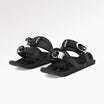












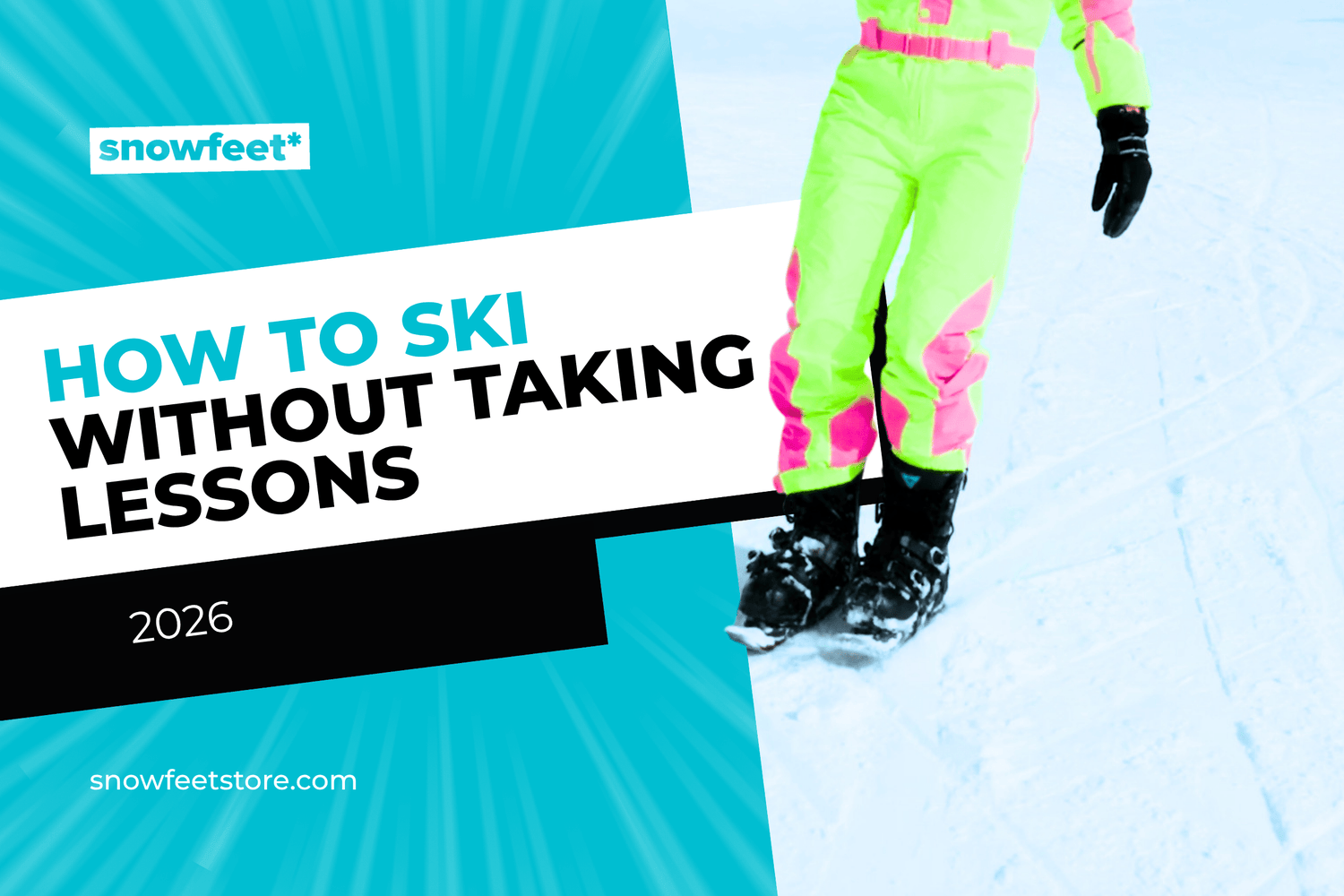
Skiing doesn’t have to break the bank or require pricey lessons. In 2026, Snowfeet* products offer a simple, budget-friendly way to teach yourself how to ski. These compact, skate-like skis are easier to control, portable, and work with your regular winter boots - no need for expensive gear or rentals. Perfect for beginners and experienced skiers alike, Snowfeet* gear lets you learn at your own pace, whether on groomed slopes, terrain parks, or even in your backyard.
Quick Highlights:
- Cost-Effective: Snowfeet* Skiskates start at $190, far cheaper than lessons and rentals.
- Beginner-Friendly: Shorter length (44-99 cm) makes them easier to handle than traditional skis.
- Portable: Lightweight and fits in a backpack - no bulky equipment needed.
- No Special Boots: Works with your regular winter boots, saving you $300+.
- Easy to Learn: Mimics skating motions, so you can pick it up quickly.
Whether you’re just starting out or looking to try something new, Snowfeet* makes skiing accessible, fun, and hassle-free. Let’s dive into why these are a game-changer for self-taught skiers.
Snowfeet vs Traditional Skis: Complete Comparison for Beginners
How to Ski in a Day | 20 Tips
sbb-itb-17ade95
How Snowfeet* Skiskates and Skiblades Beat Traditional Skis for Beginners
Traditional skis are long - often over 150 cm (more than 5 feet) - which can feel overwhelming for beginners trying to teach themselves. Snowfeet* products, on the other hand, are much shorter, ranging from 44-99 cm (17-39 inches), making them far easier to handle. Let’s explore how Snowfeet* features outshine traditional skis for those new to the slopes.
Why Shorter Skis Are Easier for Beginners
The compact size of Snowfeet* Skiskates and Skiblades gives beginners immediate control. Turning or stopping on short skis becomes simple, as you rely on the edges instead of mastering complex weight shifts or using poles. Plus, their shorter length reduces the chance of crossing skis - a common frustration for those just starting out.
Another bonus? The motion feels natural. Instead of wrestling with long skis, you're moving in a way that’s similar to ice skating or rollerblading - activities many people already know. This familiarity helps you pick up the basics faster, especially if you’re learning on your own.
Lightweight and Easy to Carry
Snowfeet* gear is so compact it fits in a regular backpack. Compare that to traditional skis, which often need roof racks, large ski bags, or even bigger vehicles for transport. Planning a spontaneous trip to the mountains? No problem. With Snowfeet*, you can pack light and head out without the hassle.
Their lightweight design also makes them easy to carry from your car to the slopes. And when the day’s over, they store neatly in your closet or on a shelf. No need for extra garage space or special racks. Just a tip: dry the edges after use to avoid rust, especially if they’ve been stored in a damp backpack.
Snowfeet* makes skiing more convenient - both on and off the slopes.
Compatible with Your Winter Boots
Traditional ski boots can cost over $300 and aren’t exactly known for comfort. Snowfeet* solves that problem with adjustable bindings that work with your regular waterproof boots.
This means you can walk normally, climb stairs, or hang out in the lodge without the awkward shuffle of ski boots. Your feet stay warm and comfortable all day, which helps you stay focused and less fatigued - especially important when you’re practicing solo. Plus, there’s no need to invest in extra gear, making it easier to dive into skiing without breaking the bank.
Snowfeet* simplifies the learning experience, removing many of the barriers that can make skiing feel intimidating.
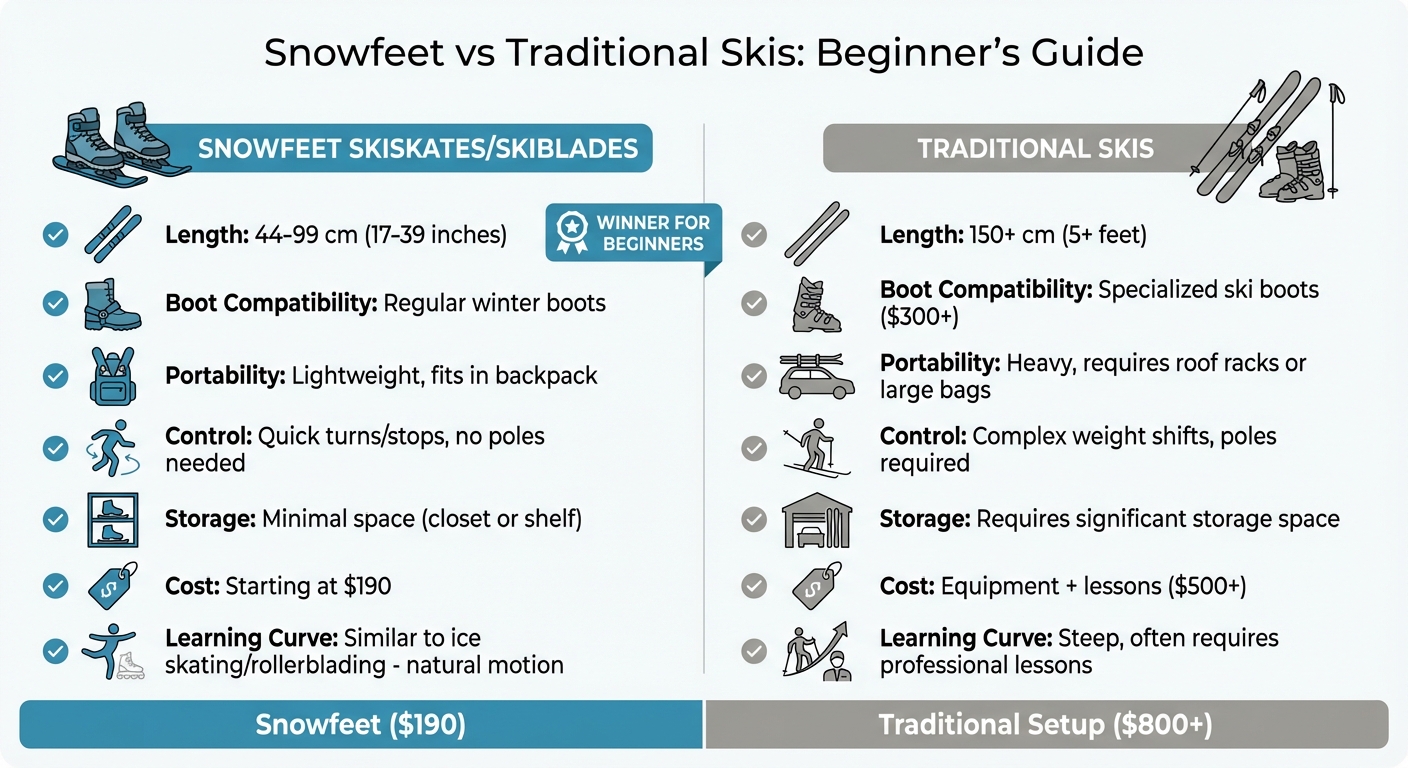
| Feature | Snowfeet* Skiskates/Skiblades | Traditional Skis |
|---|---|---|
| Length | 44-99 cm (easy to carry) | 150+ cm (bulky) |
| Boot Compatibility | Regular winter boots | Specialized ski boots ($300+) |
| Portability | Lightweight, fits in a backpack | Heavy, requires roof racks or large bags |
| Control | Quick turns/stops, no poles needed | Complex weight shifts, poles required |
| Storage | Minimal space (closet or shelf) | Requires significant storage space |
With better control, portability, and the ability to use your everyday winter gear, Snowfeet* makes skiing approachable for beginners, letting you focus on learning and having fun.
Choosing the Right Snowfeet* Model
Snowfeet* has three main models, each tailored for different skill levels and terrain preferences. Let’s break them down so you can find the perfect fit for your skiing adventures.
Skiskates are the shortest option at 44 cm (17 inches) and start at $190. These are ideal for beginners and first-time skiers. The compact design makes them easy to handle, especially if you have skating experience. They’re perfect for building confidence and learning control without the challenge of longer equipment. If you’re sticking to groomed slopes or backyard hills, Skiskates are the way to go.
For more experienced skiers, Skiblades at 65 cm are priced at $635. They’re built for intermediate to advanced users who want to step up their game. Skiblades are great for aggressive carving, snowpark tricks, and maintaining stability at higher speeds. They also provide better float in deeper snow compared to Skiskates. If you’re ready to take on more challenging terrain or explore resort runs with varied features, this model is a solid choice.
If you’re looking for versatility, Mini Ski Skates are your best bet. With lengths ranging from 38-44 cm and starting at $250, they’re designed for skiers who want one product that handles multiple scenarios. Whether it’s groomed slopes or mixed terrains, these offer a balance between beginner-friendly control and advanced capabilities.
Here’s a quick comparison to help you decide:
| Feature | Skiskates | Skiblades | Mini Ski Skates |
|---|---|---|---|
| Length | 44 cm (17 in) | 65 cm | 38-44 cm |
| Price | $190 - $275 | $635 | $250+ |
| Best For | First-time skiers, portability | Sharp carving, snowpark agility, and high-speed stability | All-around versatility |
| Terrain | Groomed slopes, backyards | Resort slopes, deeper snow | Varied terrain types |
| Learning Curve | Quick start for those with skating experience | Intermediate | Quick |
So, where will you be skiing? For casual fun on smaller slopes, stick with Skiskates. For resort runs and advanced tricks, go for Skiblades. And if you want a versatile option that covers it all, Mini Ski Skates are the perfect middle ground.
Learning the Basics with Snowfeet* Products
Finding Your Balance
Start on smooth, groomed snow to get a feel for the edges and your center of gravity. Using Snowfeet* is a lot like ice skating or inline skating - the short base means you need to stay centered directly over your feet. There’s no long tail to catch you if you lean back, so staying balanced is key.
Bend your knees slightly in a ready stance to absorb any bumps, and extend your arms a bit for extra stability. To move forward on flat terrain, use a side-to-side skating motion, pushing off with one foot and gliding on the other. This helps you get comfortable with edge control before tackling slopes. Once you’ve nailed balance, you’ll be ready to move on to turning and tricks.
"The edges of your skiboards are crucial to stopping. When you're ready to come to a stop, shift your weight to your edges and apply pressure to them." - Snowfeet Team
How to Stop: Snowplow and Other Methods
The snowplow stop (aka the "pizza" stop) is the perfect technique for beginners. Point the tips of your Skiskates inward and push your heels outward. This engages the inner edges and creates friction to slow you down. Start practicing this on gentle slopes, keeping your weight centered over your gear. Thanks to the short length and responsive edges of Snowfeet*, stopping feels more natural than it does with traditional skis.
Once you’re comfortable, try stopping by making a sharp turn until you’re perpendicular to the slope. The edges will grip the snow, bringing you to a smooth halt. For more advanced users, the hockey stop is a fun challenge. Twist your body and turn the Skiskates perpendicular to your direction while pressing firmly on the edges to spray snow as you stop. Once you’ve mastered stopping, it’s time to focus on controlled turns.
Making Your First Turns
After getting the hang of balance and stopping, you can start turning with the "look and go" technique: simply turn your head in the direction you want to go, and your body will naturally follow. With Snowfeet*, the compact base responds instantly to your movements, so you don’t have to worry about crossing tips like you might with traditional skis.
To turn right, shift your weight onto your left foot (the outside foot) and apply more pressure there. For a left turn, press down on your right foot. As you turn, tilt your ankles slightly to engage the metal edges - this helps grip the snow and keeps you from sliding. Keep your feet shoulder-width apart for stability, and remember to maintain that balanced, bent-knee stance you practiced earlier. With Snowfeet*, beginners often master parallel turns in as little as 10 minutes.
Moving to Tricks and Harder Terrain
Learning to Carve and Jump
Once you've got the basics down, learning to carve is the natural next step. To carve, tilt your ankles and lean into each turn. Snowfeet* are designed to make this easier, helping you transition to advanced techniques with confidence. Their shorter length allows for tighter arcs and quick direction changes, which sets them apart from traditional skis. Start small by practicing ollies on flat ground to get a feel for weight distribution. Then, move on to gentle bumps or side hits on groomed trails. Always aim to land with your weight centered to maintain balance. Once you're comfortable with carving and small jumps, you can tweak your technique to handle more challenging terrain.
Skiing Off-Piste and in Powder
Heading off groomed trails with your Snowfeet*? You'll need to adjust your approach. In soft, powdery snow, keeping your momentum is key to avoid sinking. Snowfeet*'s lightweight and responsive design makes adapting to powder feel natural. Shift your weight slightly toward your heels to prevent the tips from diving into the snow. Robin Barnes, a member of the Professional Ski Instructors of America National Alpine Team, offers this advice:
"For the best balance and control, keep your ankles flexed with your shins in contact with the fronts of your boots. It's OK if your weight goes toward your heels as long as you can do it while you keep your ankles flexed."
A slightly narrower stance than you'd use on groomed trails helps in powder. Focus on gentle, crescent-shaped turns that follow the slope's natural fall line, rather than cutting across it. Swing your pole forward before finishing each turn to maintain a steady rhythm through the powder. Once you're confident carving and jumping on groomed snow, these adjustments will help you tackle off-piste conditions.
Adding Tricks and Spins
After nailing carving, off-piste skills, and basic jumps, it's time to dive into tricks and spins. A great starting point is the 180-degree spin. Practice the rotation on flat ground first. Look in the direction you want to spin, twist your shoulders, and let your feet follow. Snowfeet*'s compact size makes rotations easier to control. Another skill to work on is switch skiing (skiing backward) on gentle slopes, which helps you build the balance needed for landing spins and attempting more advanced tricks. For buttering moves, shift your weight onto your toes to lift the tails (Nose Manual) or onto your heels to lift the tips (Tail Manual) while moving slowly.
Common Mistakes and How to Avoid Them
Fixing Beginner Errors
When you're starting out, it's easy to fall into habits that make controlling your Snowfeet* Skiskates tricky. Avoid leaning forward or standing with your legs too far apart. Instead, keep your weight centered over your mid-foot and maintain a shoulder-width stance. Here's what the Snowfeet Team advises:
"Don't lean forward like you would do with skis, because you don't have the support of regular-length skis to hold you... instead, stand up straight and place your weight over the middle and back of your feet."
They also highlight another common issue:
"A common mistake among beginners is that they spread their legs too wide and have difficulty controlling their rides."
To stay in control, try a staggered stance - place one foot slightly in front of the other. This helps with balance and makes movements more fluid. Snowfeet* Skiskates work best with side-to-side pushing and gliding, much like ice skating or inline skating. When stopping, focus on distributing your weight evenly across both feet. Push the edges sideways to create friction, rather than relying on your inner ski edge like you would with traditional skis.
Another rookie mistake? Picking the wrong terrain. The compact 44 cm Skiskates are ideal for groomed slopes, snow parks, and light powder but struggle in deeper snow. If you're dealing with powder over 4 inches deep, switch to longer models like the 65 cm or 99 cm versions for better stability and float. For beginners, stick to groomed blue and green runs until you're confident enough to tackle more advanced terrain.
Snowfeet* is designed to make skiing accessible for self-taught learners. With a little practice and attention to technique, you'll not only improve your skills but also keep your gear in great shape for a longer time.
Taking Care of Your Snowfeet* Gear
Once you've got the basics down, proper gear care is crucial to keep everything running smoothly. After each session, dry off the metal edges to prevent rust. A thin layer of oil before storing can also help protect them. To keep your glide fast and smooth, apply liquid wax to the base regularly - this prevents snow from sticking.
Always check your bindings before hitting the slopes. Use a screwdriver to adjust the straps, ensuring they're tight and securely clicked into the buckles. Loose bindings can throw off your balance, so it's worth double-checking. Since Snowfeet* works with regular winter boots, you skip the hassle of dealing with complex alpine binding adjustments or DIN settings.
Between sessions, store your gear in a dry spot. For extra grip and carving precision, sharpen the metal edges occasionally with a sharpening stone or take them to a professional ski service. Taking these small steps will keep your Snowfeet* performing at their best and ready for your next adventure.
Conclusion
Learning to ski on your own is no longer a far-fetched idea. Thanks to Snowfeet* products, the barriers that usually keep beginners away from the slopes are a thing of the past. Their clever design makes self-teaching both doable and fun. The shorter length helps you avoid those frustrating crossed tips, and if you’ve ever ice skated or rollerbladed, the skating-like motion will feel second nature. Plus, since they work with your regular winter boots, you can skip the hassle (and cost) of rentals. Toss them in your backpack, head to the mountain, and you’re ready to go.
The learning curve? Way shorter than traditional skiing. You’ll find your balance, learn basic moves like the snowplow or heel brake, and even start making turns - all in one session. As you get better, the same gear grows with you, letting you tackle carving, jumps, or even powder. Just keep your weight centered, stand with your feet about shoulder-width apart, and stick to slopes that match your skill level. Proper maintenance on your gear will also keep things running smoothly.
Whether you go for the compact 44 cm Skiskates for groomed trails or the 99 cm Skiblades for tackling deeper snow, Snowfeet* lets you learn at your own speed. Forget pricey lessons, bulky equipment, or complicated setups. Just grab your Snowfeet*, hit the slopes, and enjoy a winter sport that’s truly made for everyone.
FAQs
Are Snowfeet* allowed at most U.S. ski resorts?
Snowfeet gear is generally allowed at most ski resorts across the U.S. That said, it's always a good idea to double-check with the specific resort you're planning to visit. Some places may have particular rules about equipment, so reviewing their policies beforehand can save you from any unexpected hassles.
What boots work best with Snowfeet* bindings?
The best boots to pair with Snowfeet* bindings are snowboard boots or sturdy winter boots that offer solid ankle support. Snowboard boots are a top choice because they provide a secure fit and are perfectly compatible with Snowfeet. That said, regular winter boots can also work, thanks to Snowfeet's design, which caters well to beginners. You don’t need special ski boots, but make sure whatever you wear fits snugly and gives you the control you need for both safety and comfort.
What safety gear should I wear to learn on my own?
When you're learning to ski on your own, safety gear should be your top priority. Start with a certified helmet to protect your head and goggles to shield your eyes from snow, wind, and harmful UV rays. Don't forget gloves or mittens to keep your hands warm and protected. While staying comfortable with ski jackets, pants, and base layers is important, make sure head and eye protection come first. Choose well-fitting, impact-certified gear to stay safe on the slopes.











Leave a comment
This site is protected by hCaptcha and the hCaptcha Privacy Policy and Terms of Service apply.