
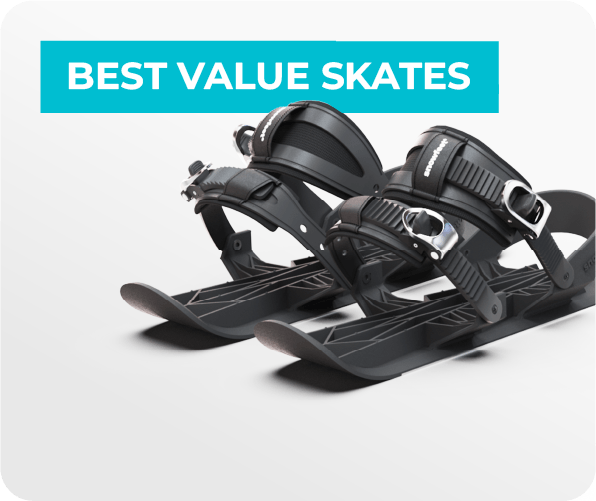
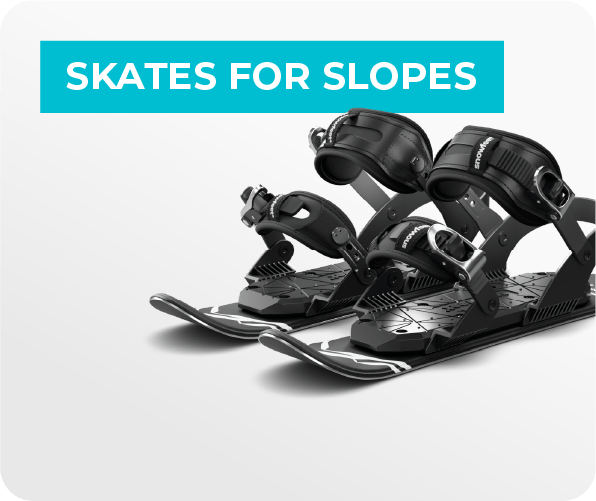
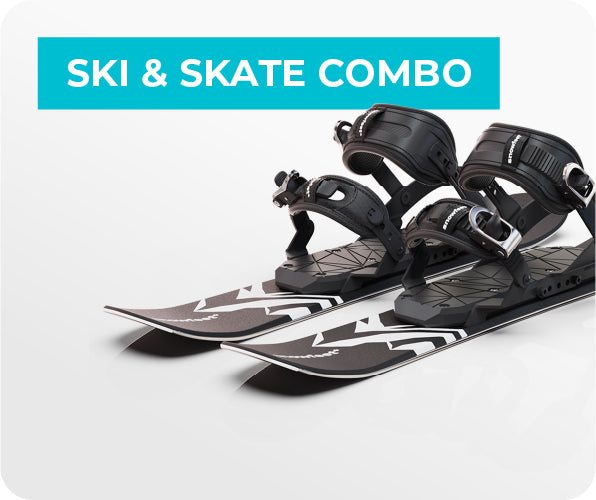
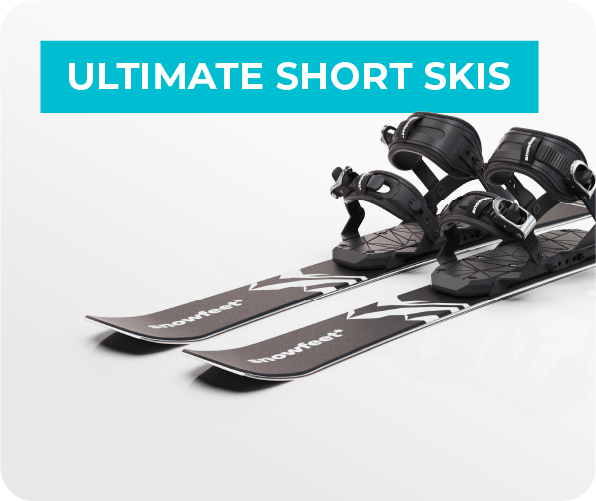
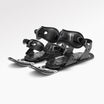
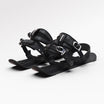
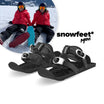
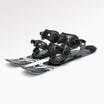
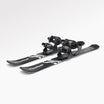
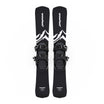
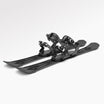
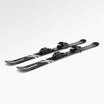
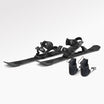
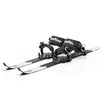
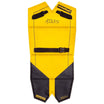
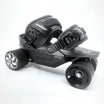
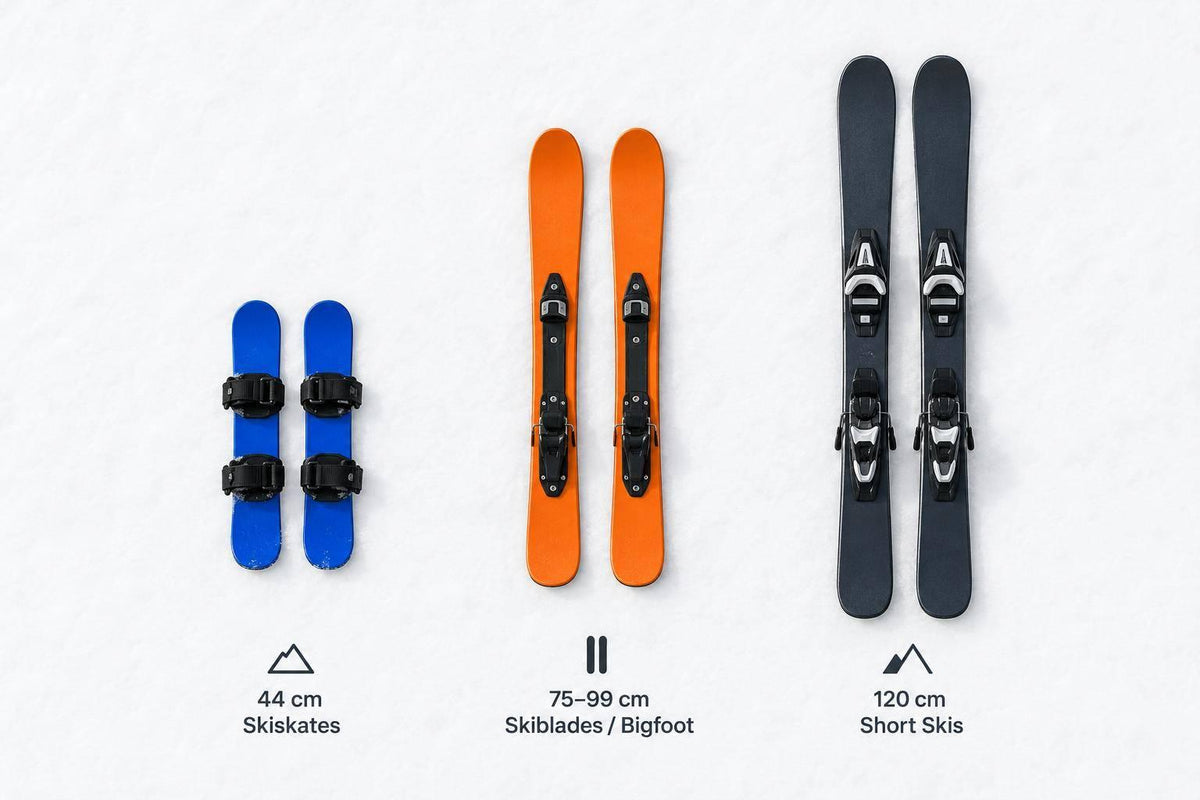
My take: choose short skis for tight turns and easy carrying - not deep powder or high-speed runs. Today’s Snowfeet* options range from 17 to 47 inches (44–120 cm). I’d start with how you want to ride, then check boot fit and bindings.
The story starts with Figl, cut-down skis that helped climbers descend spring snow. Kneissl’s foot-shaped Bigfoot brought a playful twist, and the 1990s snowblade boom took short skis into resort shops.
Here’s how I’d sort today’s choices:
- 44 cm Skiskates: Skating-style footwork in a backpack-size package.
- 65 cm Skiblades: Playful turns with more room underfoot.
- 99 cm Skiblades: A middle ground for carving and park laps.
- 120 cm Short Skis: More support and a feel closer to full-length skis.
- Long skis: My pick for deep snow and sustained speed.
Shorter doesn’t mean balance-free. <u>Check boot fit, binding release, and resort rules</u> before you buy. Those details matter just as much as length.
How Short Skis Became Recreational Gear
The 1990s Short-Ski Revival
Figl and Bigfoot showed that short skis could work. In the 1990s, brands brought them to resort slopes. Line promoted broader twin-tip skiboards, while Salomon’s Snowblade offered a narrower, ski-like design with adjustable non-release bindings. Short skis went from a curiosity to a retail category.
Salomon helped get them into mainstream resort rental shops and stores. U.S. skiboard sales jumped from $466,000 to $11.4 million in 1998–99, with about 25 brands making skiboards at the peak. Length then became a key way to tell the options apart.
Short Skis vs. Skiskates vs. Long Skis
Snowblade, skiblade, and skiboard are overlapping names. “Snowblade” became closely linked to Salomon’s product, while today’s brands use different labels and lengths. How they ride matters more than the name: compact blades favor quick turns, while skiskates focus on skating-style movement.
This table compares early short skis with today’s Snowfeet* lengths, plus long skis for reference.
| Equipment | Approximate length | Maneuverability | Portability | Stability | Typical terrain and use |
|---|---|---|---|---|---|
| Bigfoot / Figl | 25–28 in (65–70 cm) | Quick turns | Easy to carry | Limited support | Early short-ski roots; historical reference |
| Modern snowblades / skiblades, including Snowfeet* | 26–47 in (65–120 cm); Snowfeet*: 65, 99, and 120 cm | High; varies with length | Easier to transport than long skis | More support as length increases | Groomers, moguls, and terrain parks; playful turns and freestyle |
| Snowfeet* Skiskates | About 17 in (44 cm) | Very quick direction changes | Most compact | Least support at speed | Skating-style movement and tricks on groomers |
| Long skis | About 59–79+ in (150–200+ cm) | Less compact for tight pivots | Least portable | Best for sustained speed | Open slopes; long carving turns; powder models offer better flotation |
Lengths and uses are approximate; design and conditions also affect performance.
Suitable long skis generally give you better flotation in deep snow and more stability at speed. Short gear makes pivots and spins easier, but gives up some support. It can feel squirrely at higher speeds and lacks flotation in deep powder. The next section looks at how 44, 65, 99, and 120 cm lengths affect speed, stability, and portability.
Snowfeet* Snowblades | Skiboards | Skiblades | Short Skis - All you need to know
sbb-itb-17ade95
How Ski Length Affects Your Ride
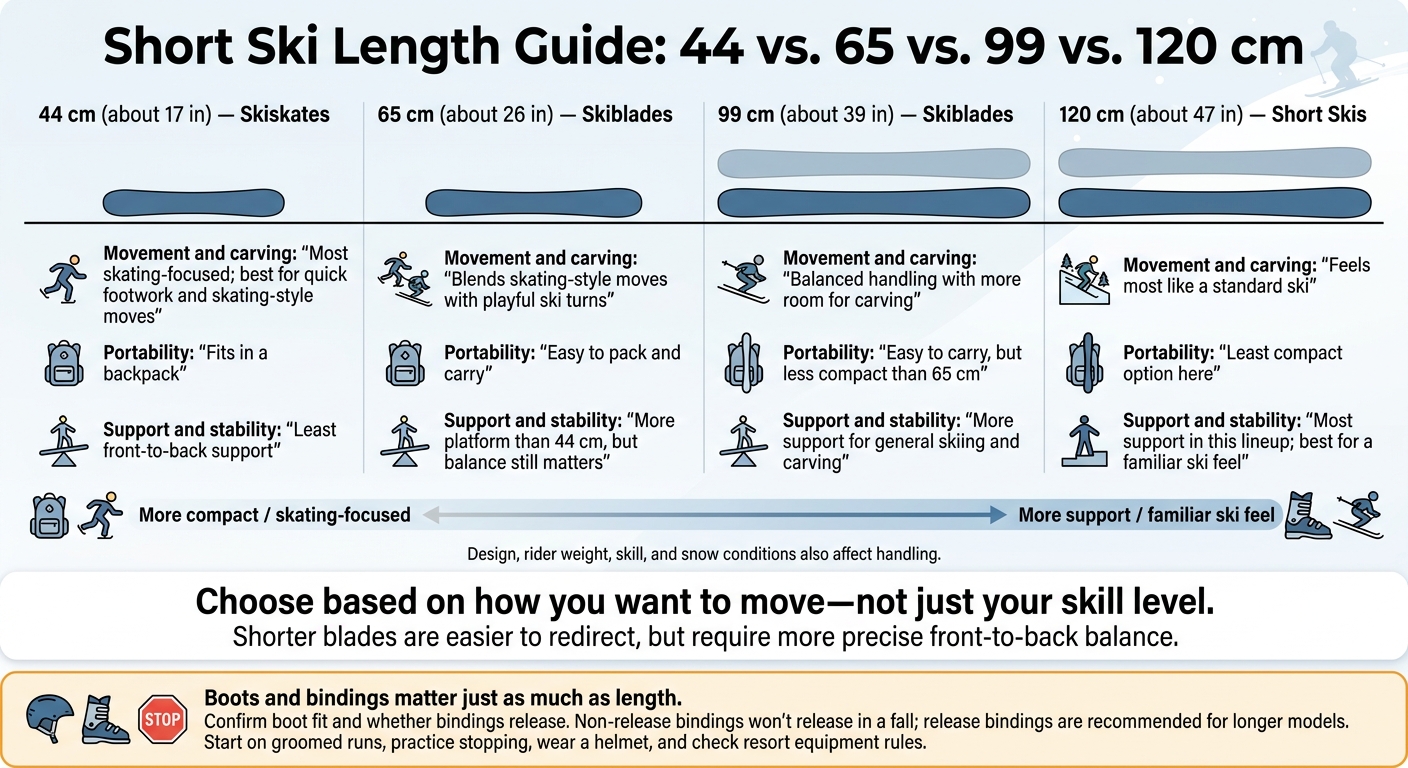
Short Ski Length Guide: 44 vs. 65 vs. 99 vs. 120 cm
Choosing Between 44, 65, 99, and 120 cm
From Figl and Bigfoot to today’s Snowfeet* lineup, short-ski designs have branched into two main types: skating-style skiskates and short-ski skiblades.
Choose based on how you want to move - not just your skill level. Short blades are easier to redirect. But as length drops, you’ll need more precise balance from front to back. Longer models give you more support when your weight shifts forward or back.
| Snowfeet* length | Movement and carving | Portability | Support and stability |
|---|---|---|---|
| 44 cm (about 17 in) Skiskates | Most skating-focused; best for quick footwork and skating-style moves | Fits in a backpack | Least front-to-back support |
| 65 cm (about 26 in) Skiblades | Blends skating-style moves with playful ski turns | Easy to pack and carry | More platform than 44 cm, but balance still matters |
| 99 cm (about 39 in) Skiblades | Balanced handling with more room for carving | Easy to carry, but less compact than 65 cm | More support for general skiing and carving |
| 120 cm (about 47 in) Short Skis | Feels most like a standard ski | Least compact option here | Most support in this lineup; best for a familiar ski feel |
Think of 44 and 65 cm as your skating-style options, 99 cm as the all-around choice for play, and 120 cm as the closest match to standard skis.
Boots and bindings matter just as much as length.
Boots, Bindings, and Riding Conditions
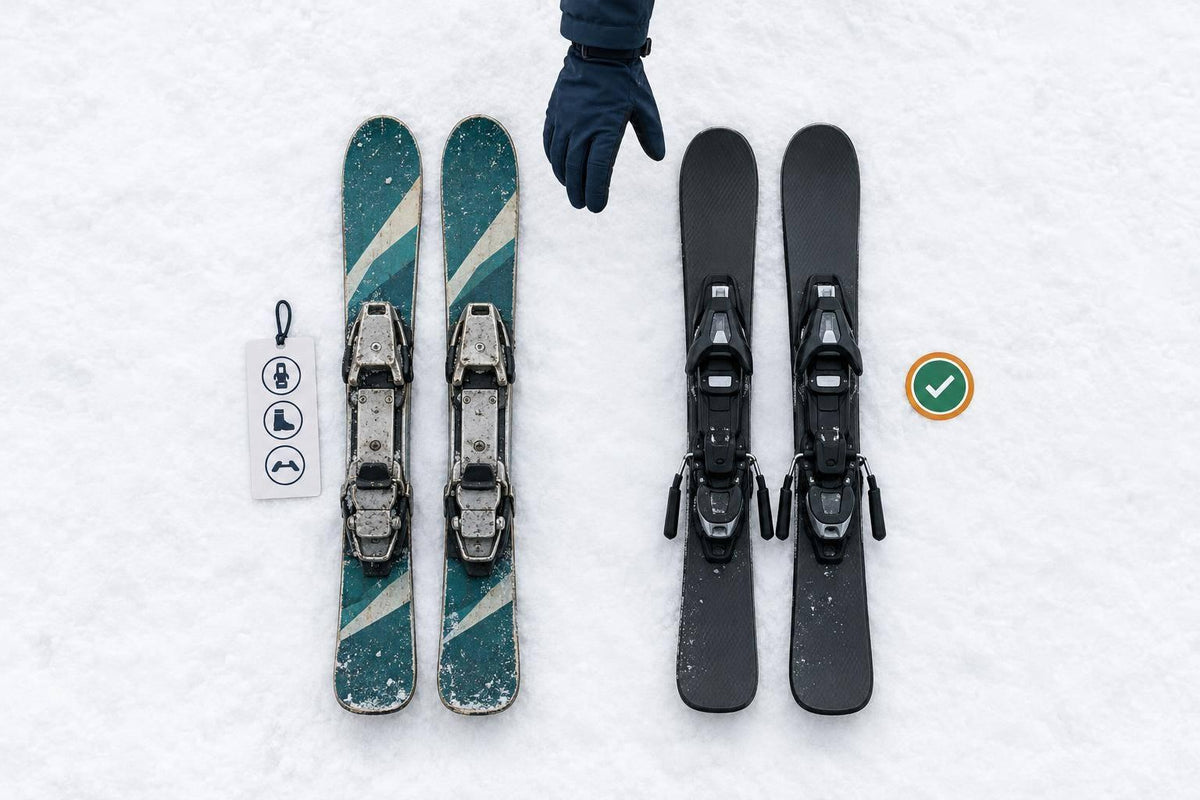
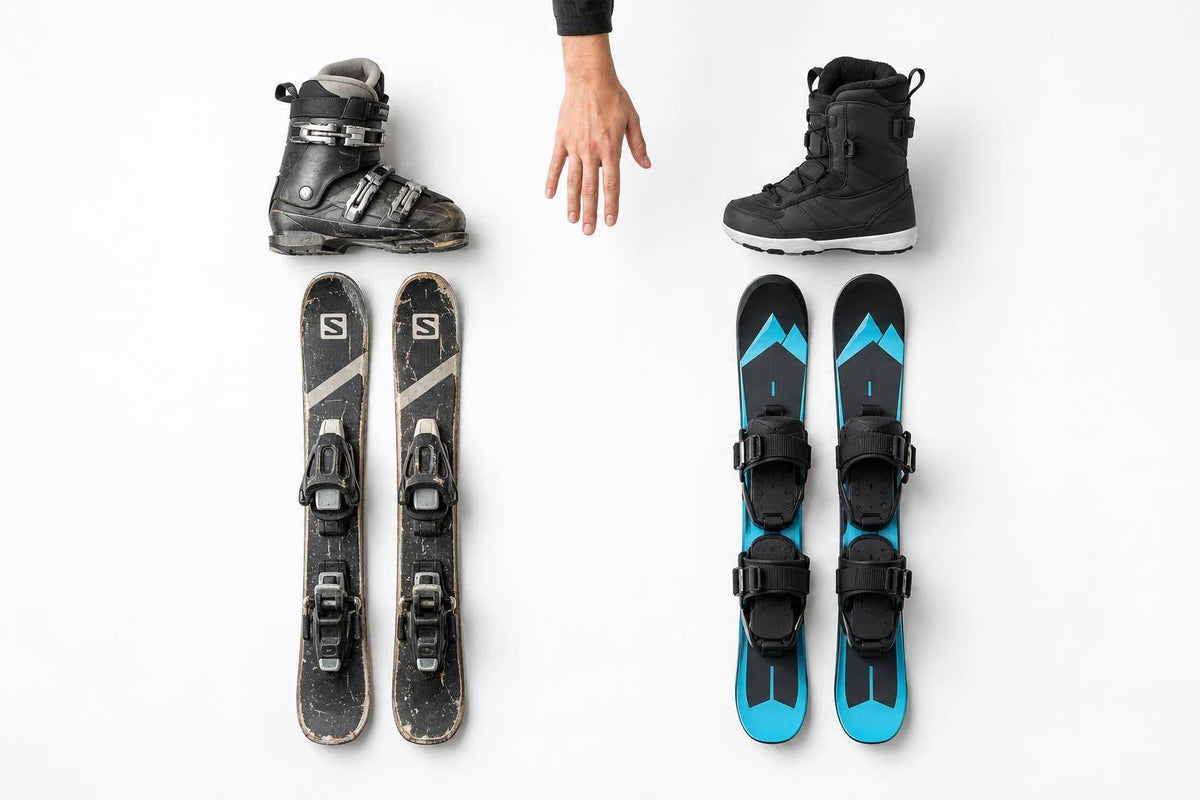
Check the exact boot-and-binding package before you buy. Some Snowfeet* models have bindings for ski boots or snowboard boots. Some short skis also work with winter shoes. Confirm that your boots fit the bindings, and check whether those bindings release. Non-release bindings won’t release in a fall; release bindings are recommended for longer models.
Your weight, skill, and snow conditions also shape how the skis handle. Start on groomed runs, and practice stopping and keeping your weight centered. As you compare the 44, 65, 99, and 120 cm options, pay attention to how much support you need.
Wear a helmet. Get instruction if stopping or balance feels uncertain. Before you travel, check your resort’s equipment rules - especially those for short skis and non-release bindings.
Today’s Snowfeet* Skiblades and Skiskates
Skiskates 44 cm and Skiblades 65 cm
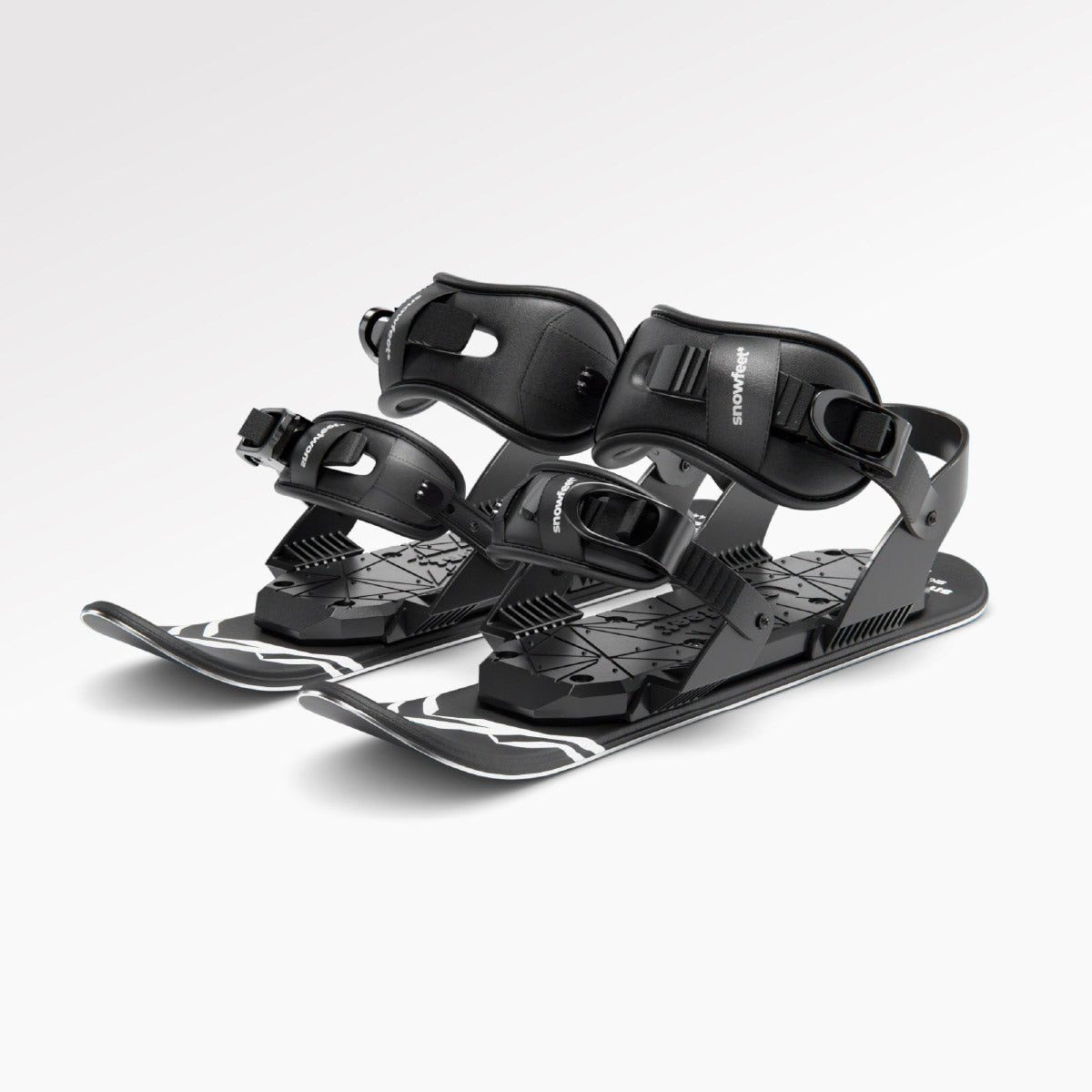
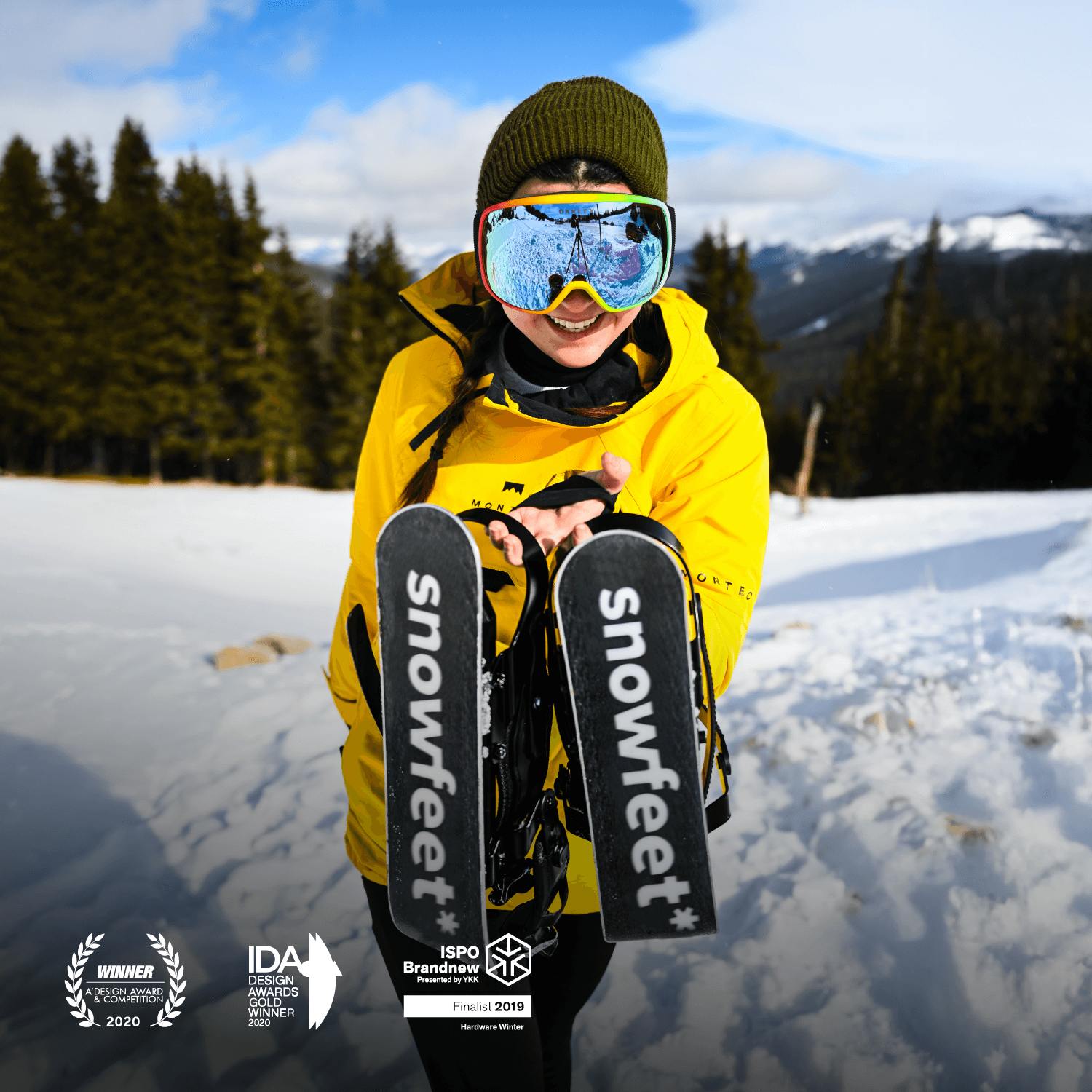
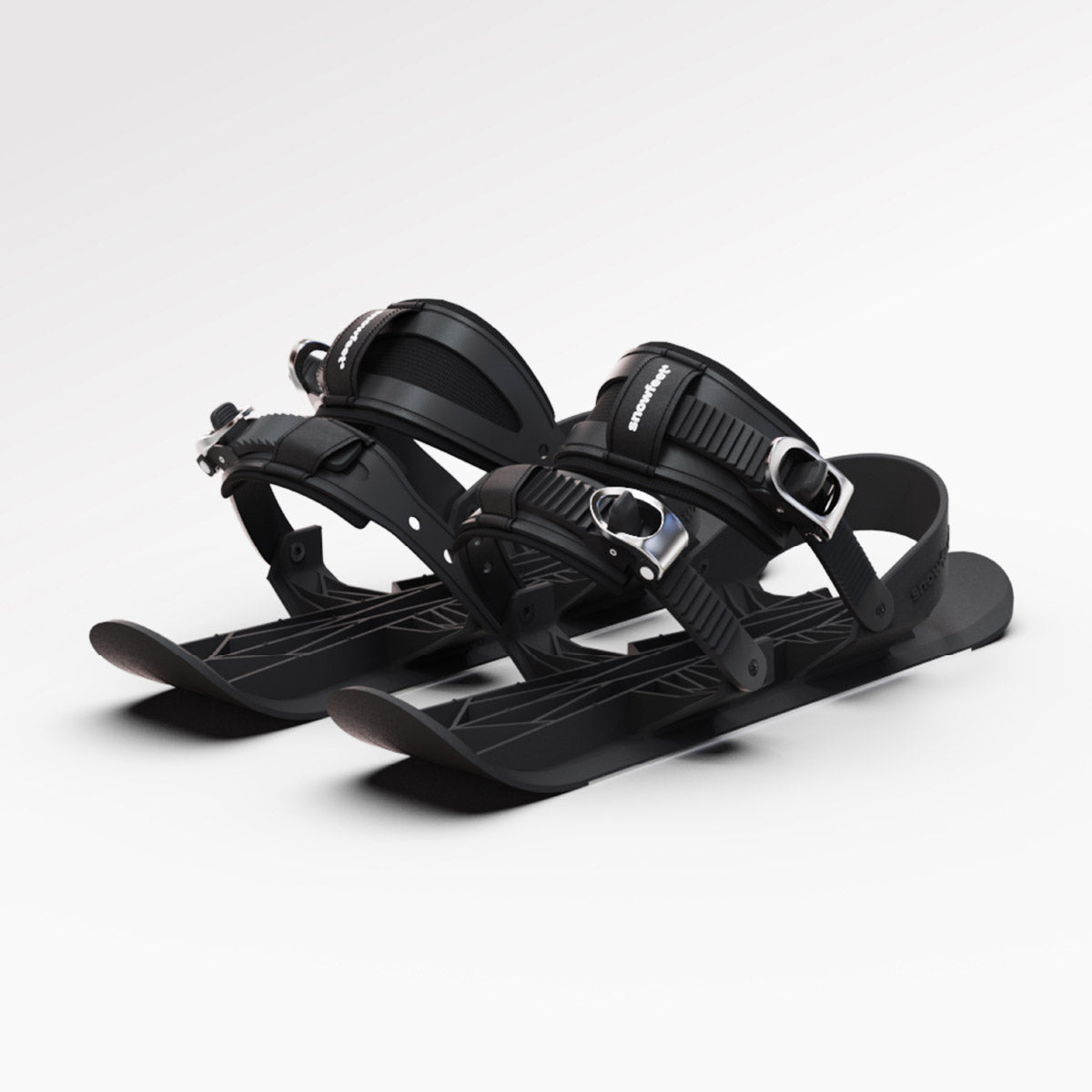
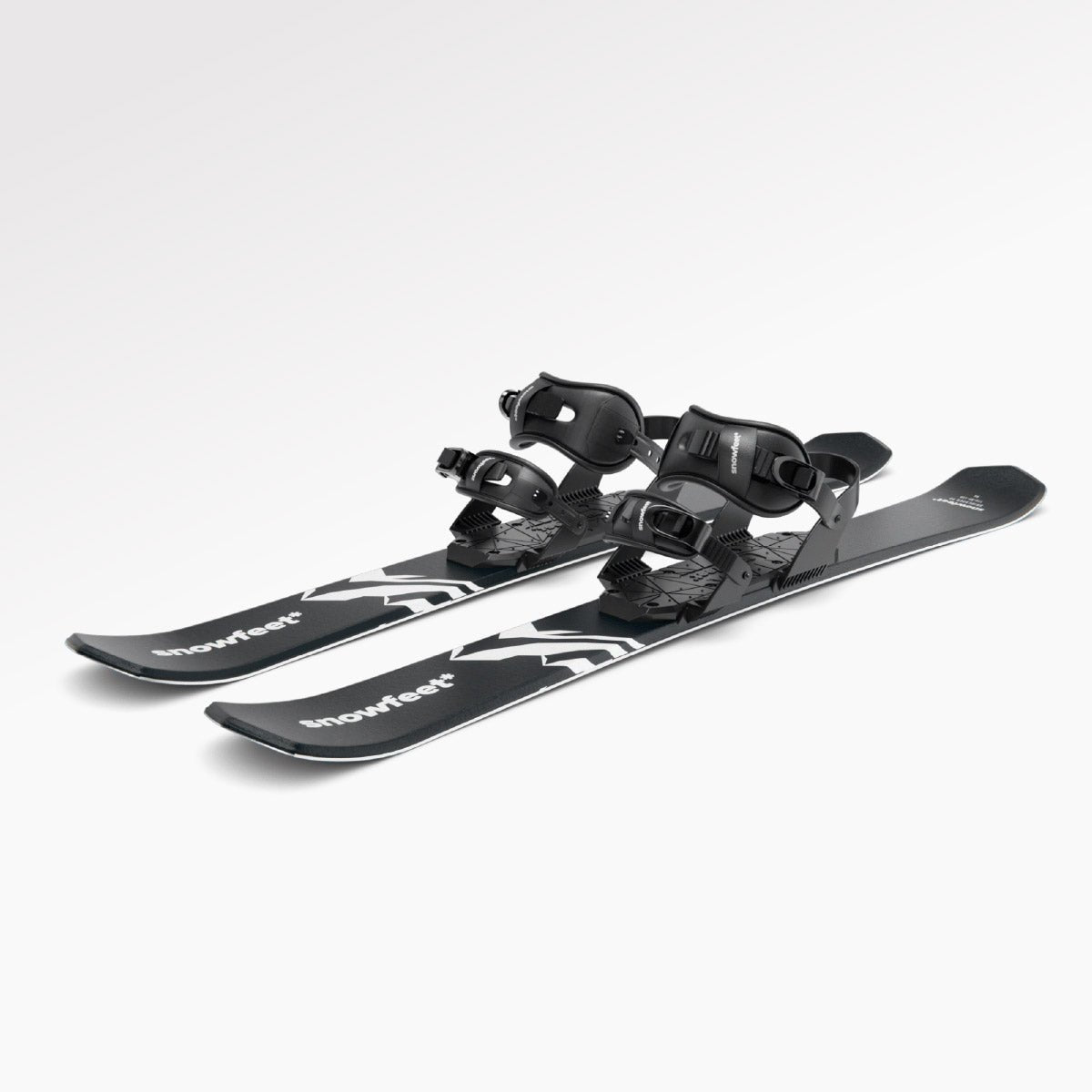
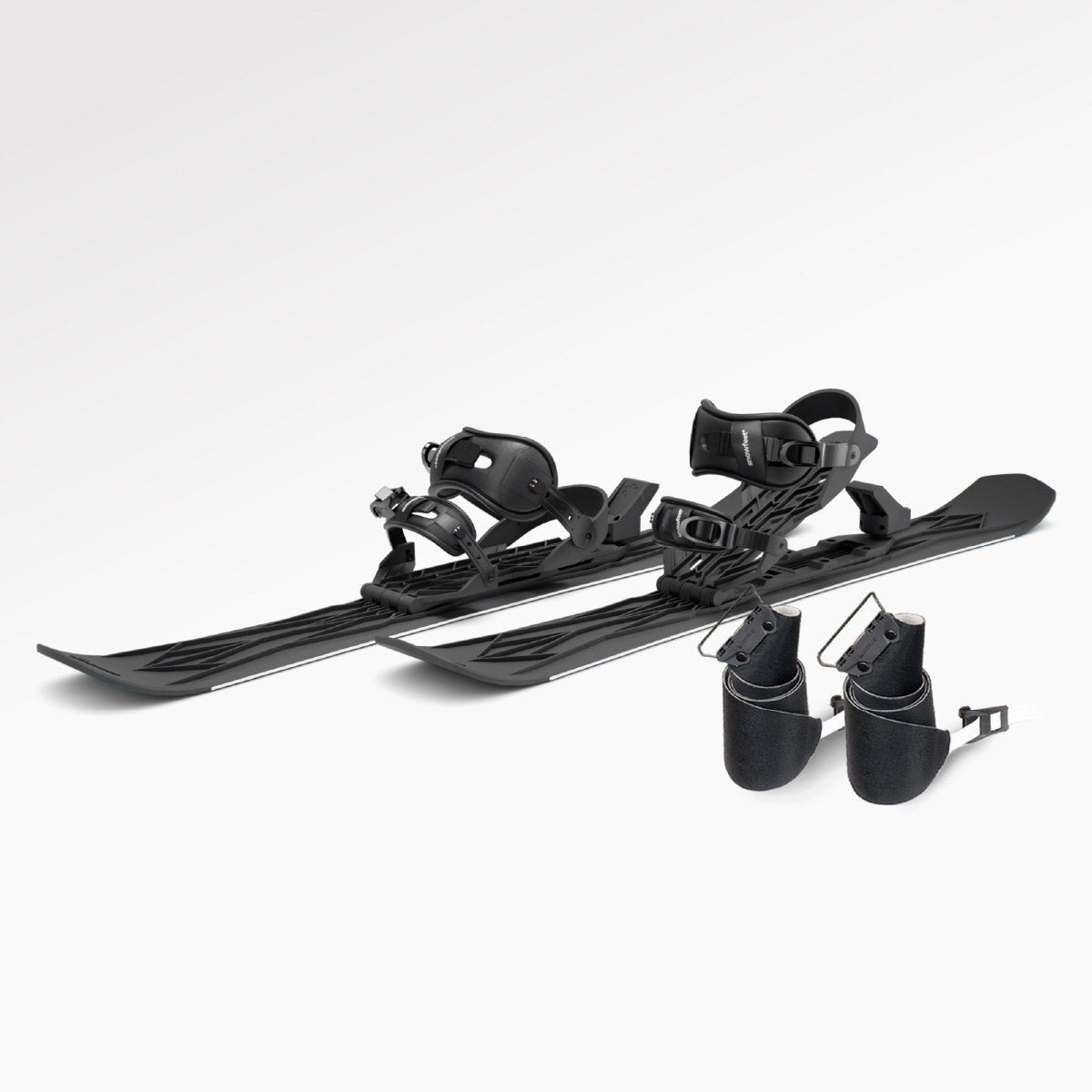
Snowfeet* brings the Figl-and-Bigfoot idea to modern short skis for casual use. Skiskates 44 cm focus on skating-style movement and fit in a backpack. 65 cm Skiblades give you more platform for playful turns. Both models use wood-core construction.
Before trying freestyle moves, get comfortable staying centered and stopping with control. Short gear still takes balance.
Longer models offer more support, but they’re less portable.
Skiblades 99 cm and Short Skis 120 cm
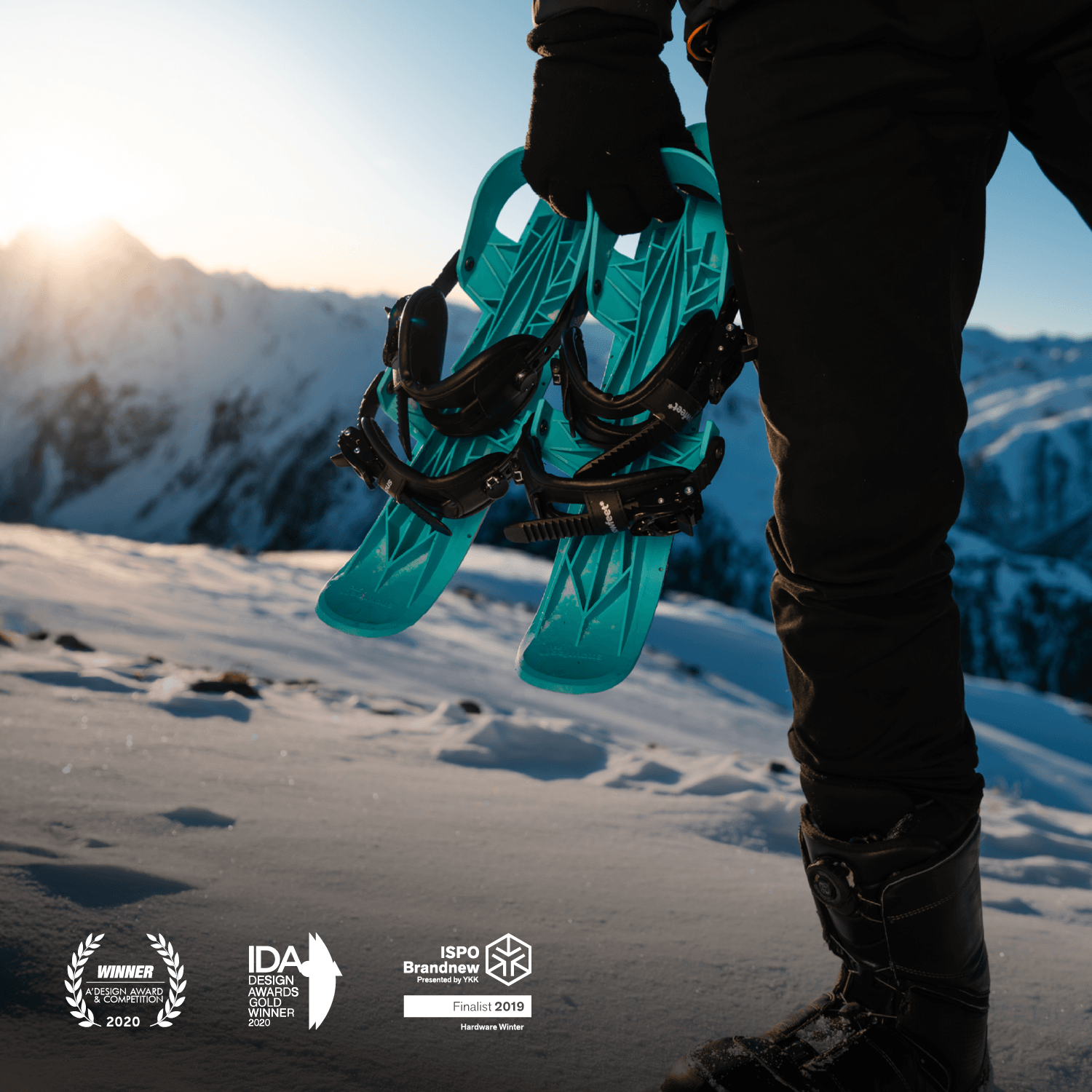
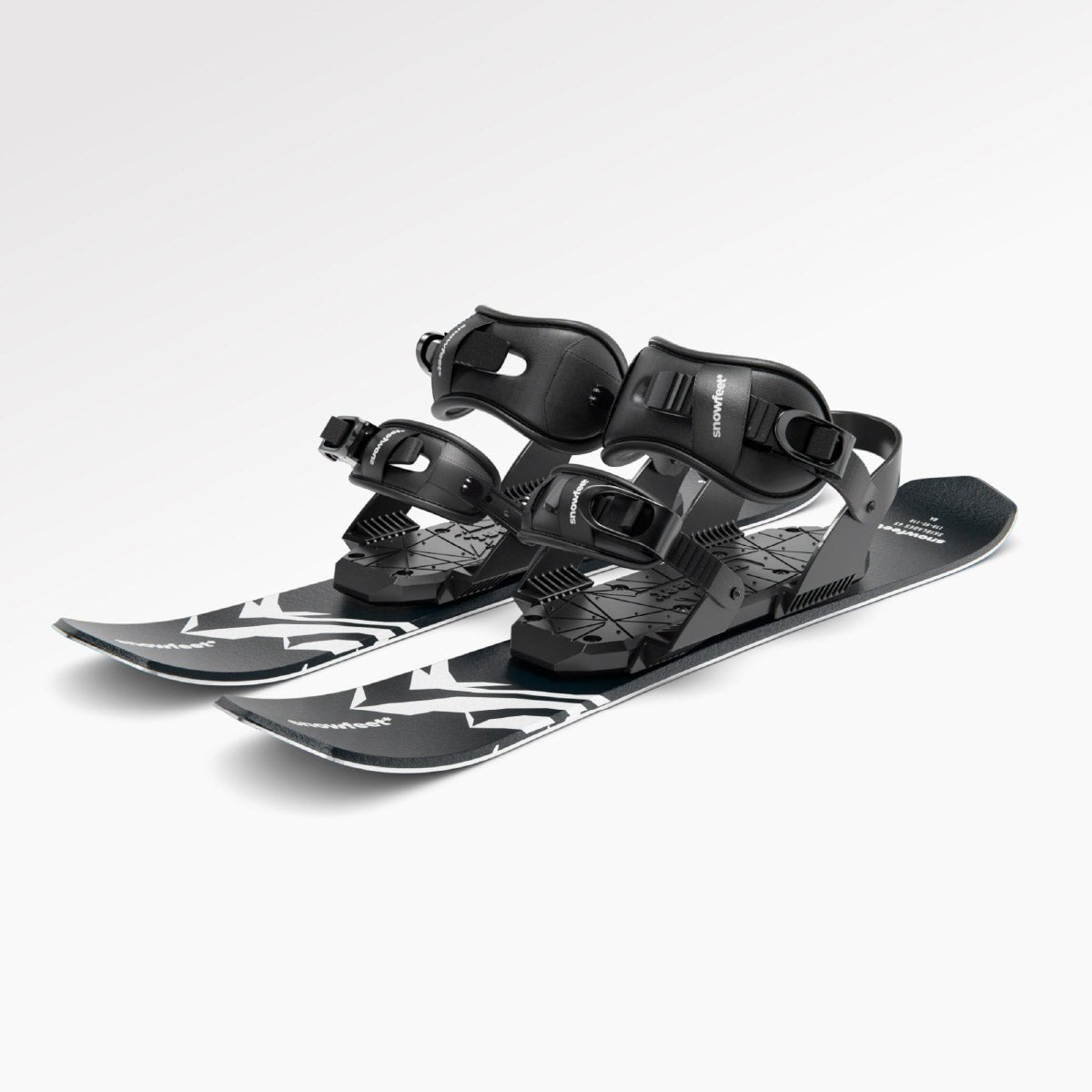
Snowfeet*’s 99 cm and 120 cm models sit between skiskates and full-length skis. Skiblades 99 cm are the all-around resort option for carving and terrain park use. Short Skis 120 cm, the longest in this lineup, provide a more familiar downhill feel and extra stability for carving.
| Model | Rider priority | Biggest trade-off |
|---|---|---|
| Skiskates 44 cm | Skating-style movement | Least front-to-back support |
| Skiblades 65 cm | Quick turns and playful freestyle | Less support for carving than longer models |
| Skiblades 99 cm | All-around resort and terrain park use | Less compact than skating-focused models |
| Short Skis 120 cm | Familiar downhill handling | Least portable of these four |
Conclusion: Choosing Your Short Skis
For casual riders, Snowfeet* has the edge in portability, quick turns, and skating-style fun. Long skis still win for powder and sustained speed.
FAQs
Which Snowfeet* length suits my weight and experience?
Choose Snowfeet* based on how you ride and your experience - not your height. The 99 cm (39 in) Skiblades are the all-around pick. They balance easy turns with stability on typical resort runs.
Want a different feel? Here’s how the other sizes compare:
- 44 cm (17.3 in) Skiskates: Nimble, skate-like movement on groomed terrain.
- 65 cm (25.6 in) Skiblades: A good fit for beginners, quick turns, and terrain parks.
- 123 cm (48.4 in) Short Skis: For advanced riders who want more stability and familiar, ski-like carving.
Will my skating skills transfer to Snowfeet* Skiskates?
Yes, your skating skills carry over to Snowfeet Skiskates*. They feel much like skates, so balance, edge control, and movements tend to come naturally to ice hockey players and inline skaters. Many pick them up within minutes.
The short, 17.3-inch (44 cm) platform means you’ll need to stay centered and balanced. But your skating experience can help you learn much faster than you would on standard skis or a snowboard.
How do I check whether my resort allows short skis?
Check your resort’s website or visitor services page for its equipment policy before you go. Most modern resorts treat short skis like regular skis for lift access and general riding, so Snowfeet models should be welcome at most mountains*. A quick check can help you avoid surprises when you arrive.


Leave a comment
This site is protected by hCaptcha and the hCaptcha Privacy Policy and Terms of Service apply.