
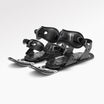
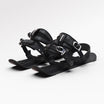
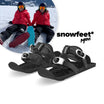
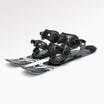
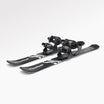
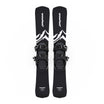
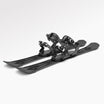
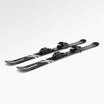
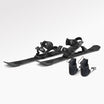
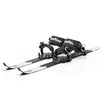
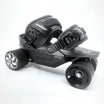
My advice: pick short skis for tight turns and easy packing - not high-speed cruising. Of the three Snowfeet* models covered here, I’d steer beginners toward the 99 cm (39-inch) option for more support.
Here’s the short version:
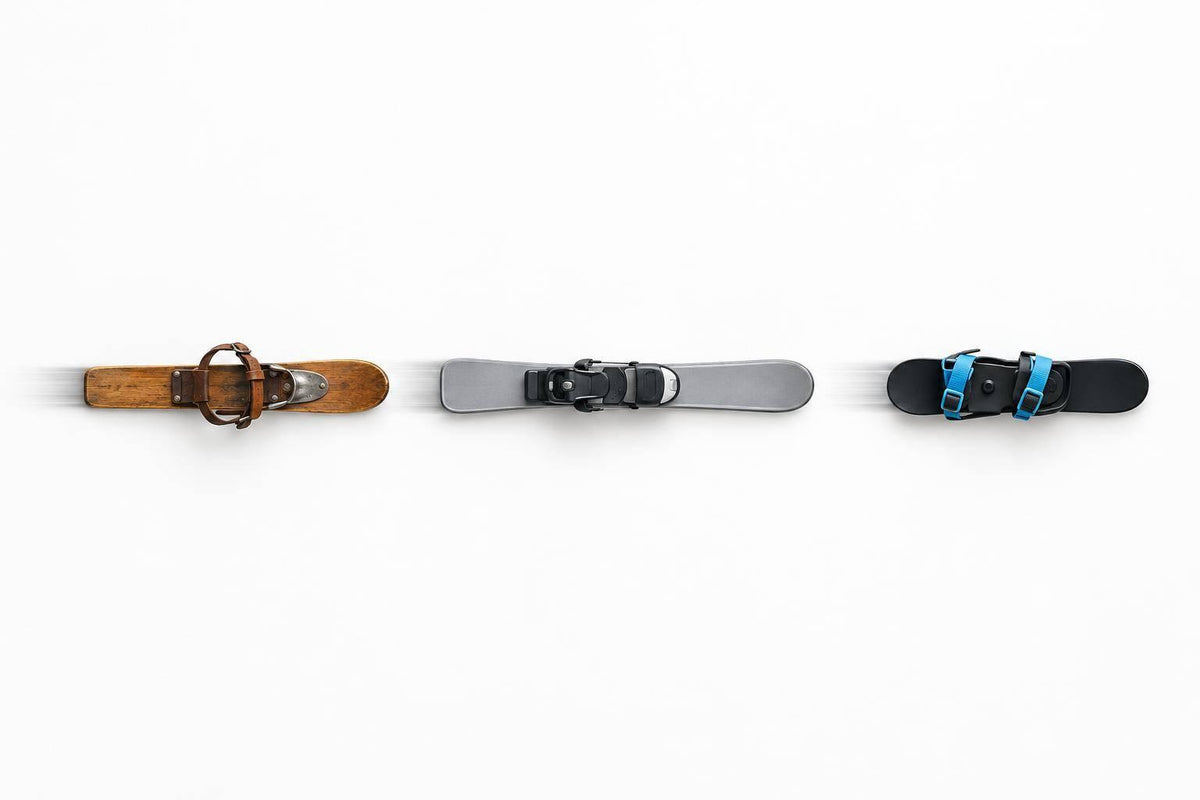
- The history: From 1940s Figl mountain tools to Kneissl Big Foot around 1990–1991 and Salomon Snowblade in 1997–1998, short skis found a home on resort slopes. These are milestones, not a direct family tree to Snowfeet*.
- The choices: Snowfeet* 44 cm (17-inch) Skiskates favor skate-like play. The 65 cm (26-inch) Skiblades add support. The 99 cm model feels most like skis.
- The tradeoff: Short skis make tight turns easier, but leave less room to recover your balance. Long skis suit sustained speed and long carving turns.
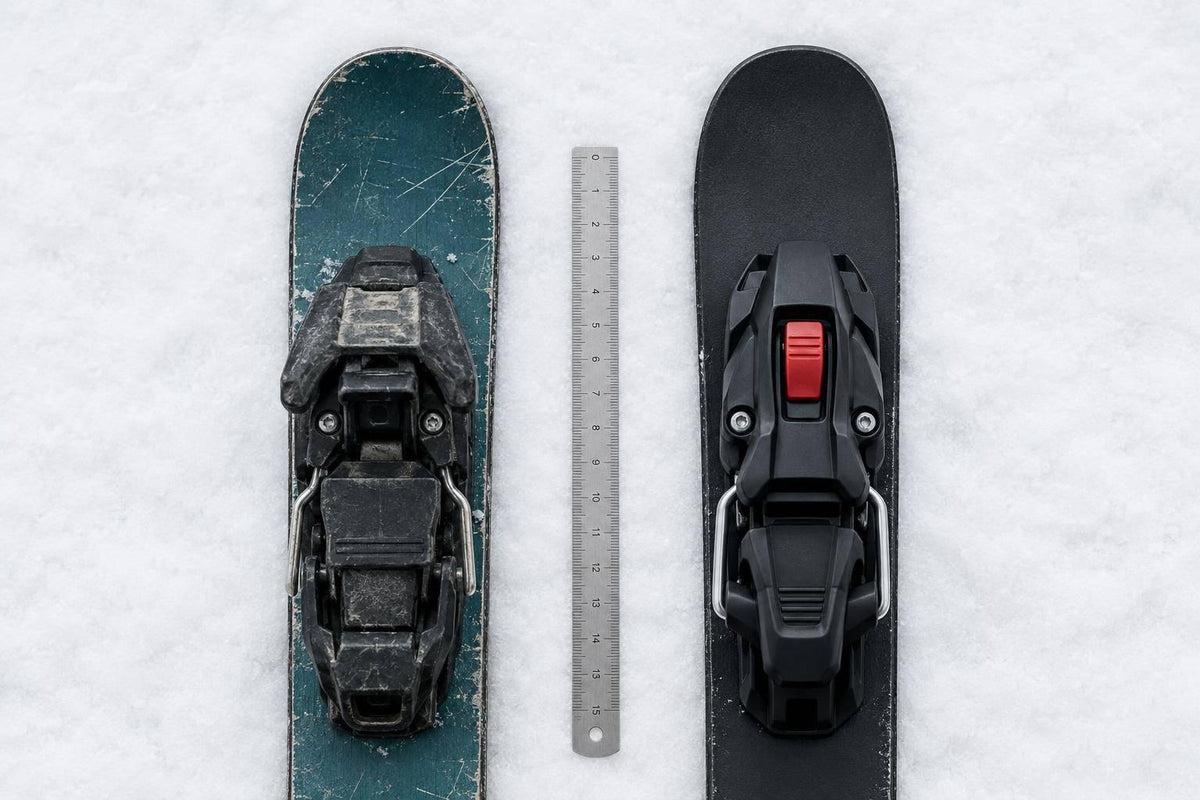
Before buying, I’d <u>check boot fit, binding type, and resort rules</u>. Some bindings don’t release in a fall. And for travel, measure the skis with bindings attached - a short ski still needs to fit your bag.
Snowfeet* Snowblades | Skiboards | Skiblades | Short Skis - Complete Guide | All you need to know
Early Short Skis: Figl, Big Foot, and Snowblades
Short Ski History: Figl, Big Foot and Snowblade
Before Big Foot: Figl and Mountaineering Ski Travel
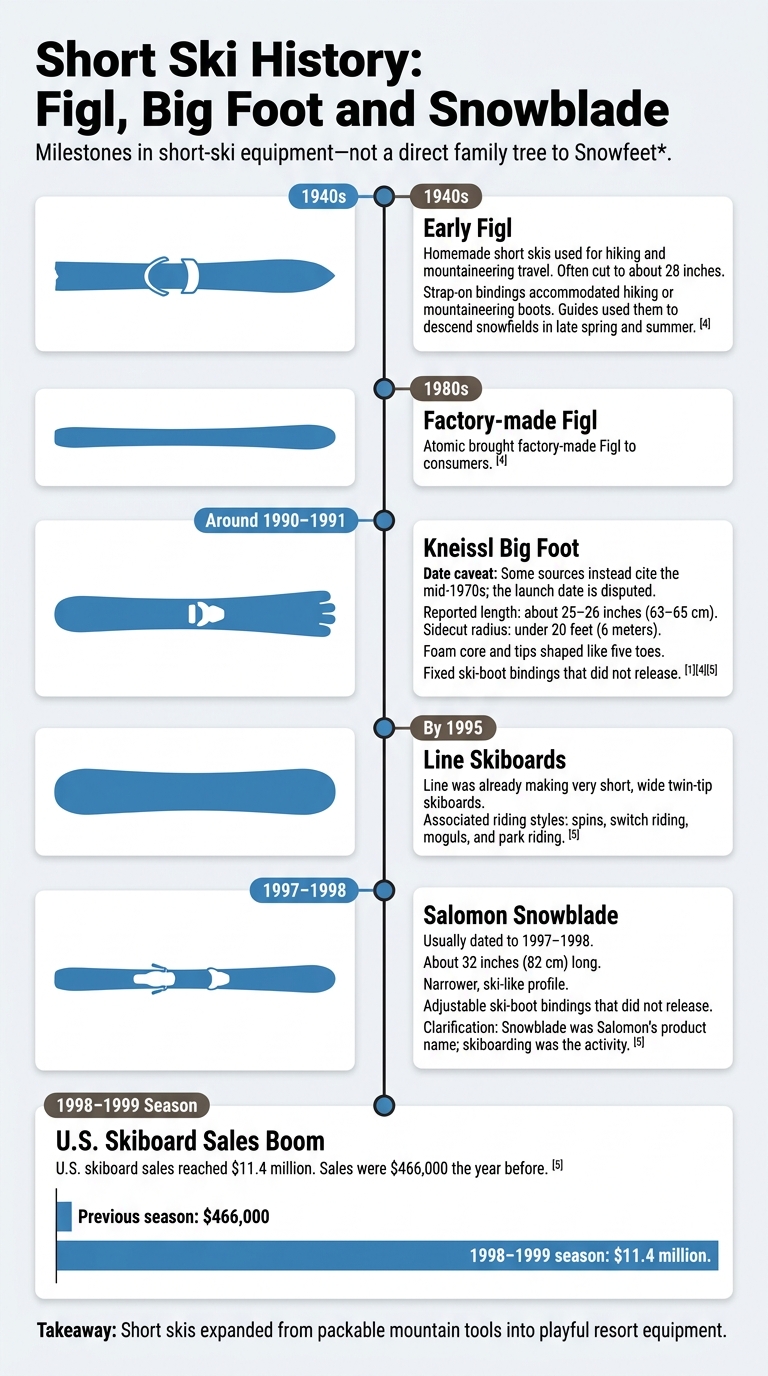
Early Figl were homemade short skis, often cut to about 28 inches, with strap-on bindings for hiking or mountaineering boots. Guides used them to descend snowfields in late spring and summer. Atomic later brought factory-made Figl to consumers in the 1980s.
Early 1990s: Kneissl Big Foot
Sources date Kneissl’s Big Foot launch to around 1990–1991, though some cite the mid-1970s. Reported lengths were about 25–26 inches (63–65 cm), with a sidecut radius under 20 feet (6 meters). Descriptions note a foam core, tips shaped like five toes, and fixed ski-boot bindings that didn’t release.
Late 1990s: Salomon Snowblade and Skiboarding
Salomon’s Snowblade is usually dated to 1997–1998. Snowblades were about 32 inches (82 cm) long, with a narrower, ski-like profile and adjustable ski-boot bindings that didn’t release. Snowblade was Salomon’s product name; skiboarding was the activity. Line was already making very short, wide twin-tip skiboards by 1995, helping make spins, switch riding, moguls, and park riding more popular.
U.S. skiboard sales hit $11.4 million in the 1998–1999 season, up from $466,000 the year before. That boom took short skis from packable mountain tools to resort recreation and set the stage for later design changes. Changes in length, shape, and bindings led straight to the design questions that still shape short skis today.
How Short-Ski Design Shapes the Ride
Those early tests led to two design goals: more playful handling and easier transport.
Short-ski design took two paths: broader twin-tip skiboards for parks and halfpipes, and narrower snowblades for a more ski-like feel. Big Foot leaned into playful resort riding, while Snowblade stayed closer to the feel of skis. Today’s Snowfeet* models vary in length, flex, and binding setup.
Short Skis vs. Long Skis
Shorter skis swing faster, so it’s easier to change direction. A tighter sidecut - the inward curve along each side - helps with tighter carved turns.
Effective edge is the part of the ski that grips the snow. Short skis have less of it. Longer skis have more, which helps support long, fast turns. Edge hold also depends on how the ski is built, its tune, and snow conditions.
| Feature | Short skis | Long skis |
|---|---|---|
| Typical length | About 17–48 inches (44–123 cm) | About 59 inches or more (150 cm+) |
| Turning | Quick direction changes and tight turns | Need more room to turn |
| Sustained-speed stability | More sensitive to balance and edging | Better suited to fast cruising and glide |
| Portability | Easier to carry and pack; bag fit varies by length | Need longer bags and more storage space |
| Boots and bindings | Ski or snowboard boots, depending on the binding | Ski boots with release bindings |
These are general trends, not rules for every model.
Snowfeet* 44 cm favors skate-like movement. The 65 cm and 99 cm models add more stability and a more ski-like feel. But easy turning doesn’t mean automatic balance: shorter tips and tails give you less room to recover if you lean too far forward or backward.
Once you’ve picked a length, the boot and binding setup helps determine ease of use.
Bindings, Boots, and Learning the Basics
Release bindings are designed to detach under specified loads. Non-release bindings stay attached during a fall. Short skis aren’t automatically safer.
Start on gentle terrain and wear a helmet. Practice a centered stance, controlled turns, and braking before adding speed. Short skis can wobble if your edging is uncertain. Before your visit, check the resort’s rules for short equipment and non-release bindings.
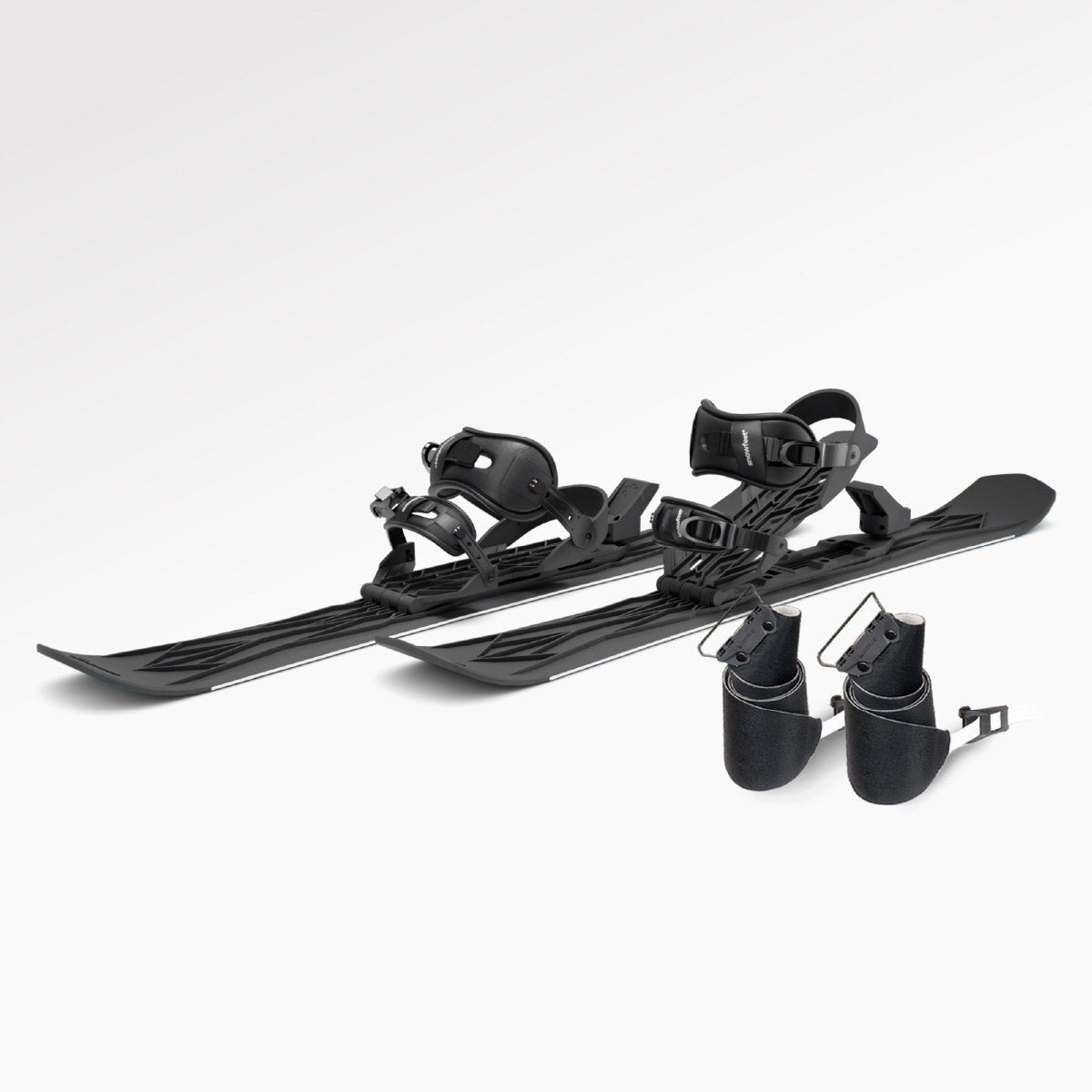
Modern Snowfeet* options work with ski or snowboard boots, depending on the binding. Check the exact model before buying - neither boot type fits every binding. Pick a setup that matches your boots and how you like to ride.
sbb-itb-17ade95
Snowfeet* Models: 44 cm, 65 cm, and 99 cm
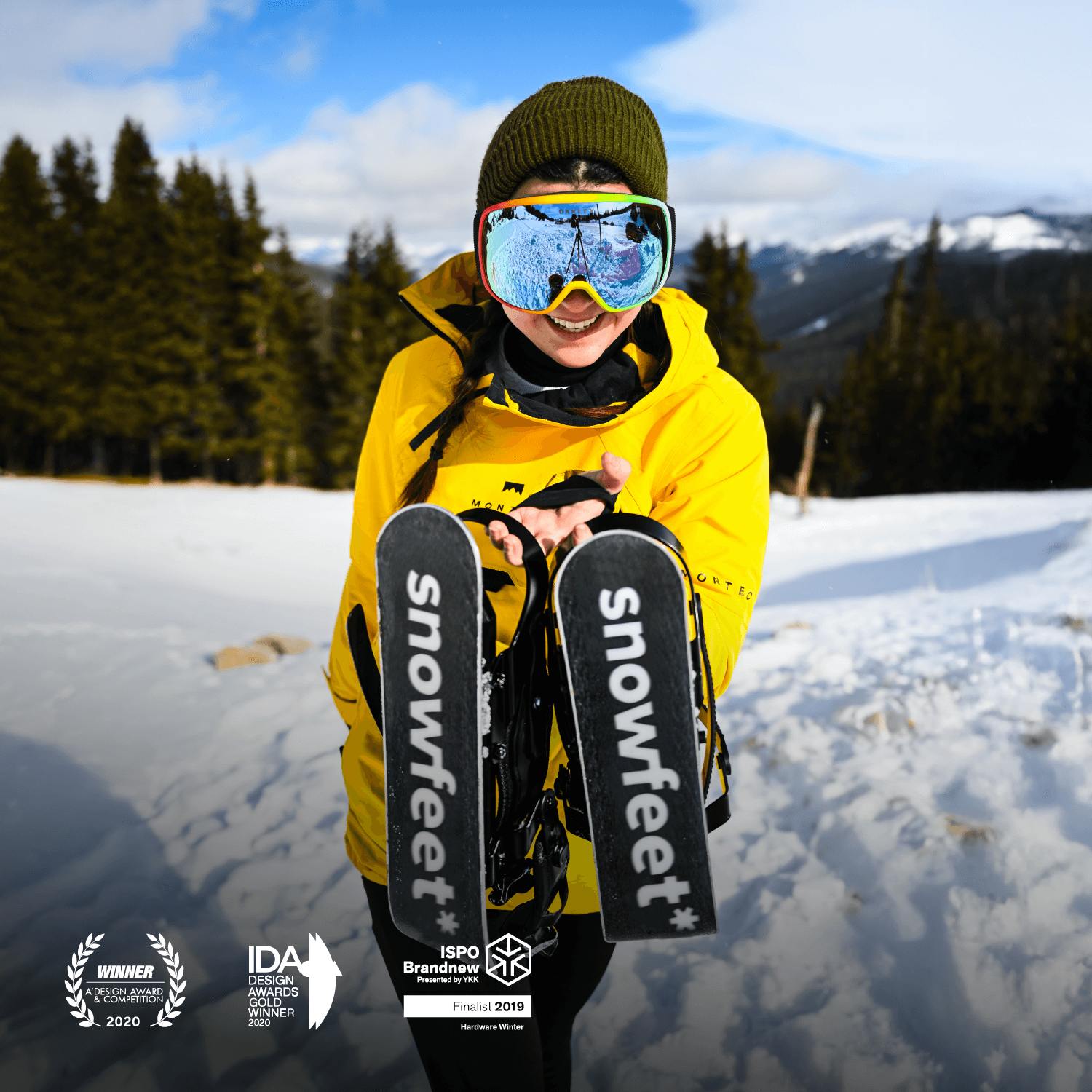
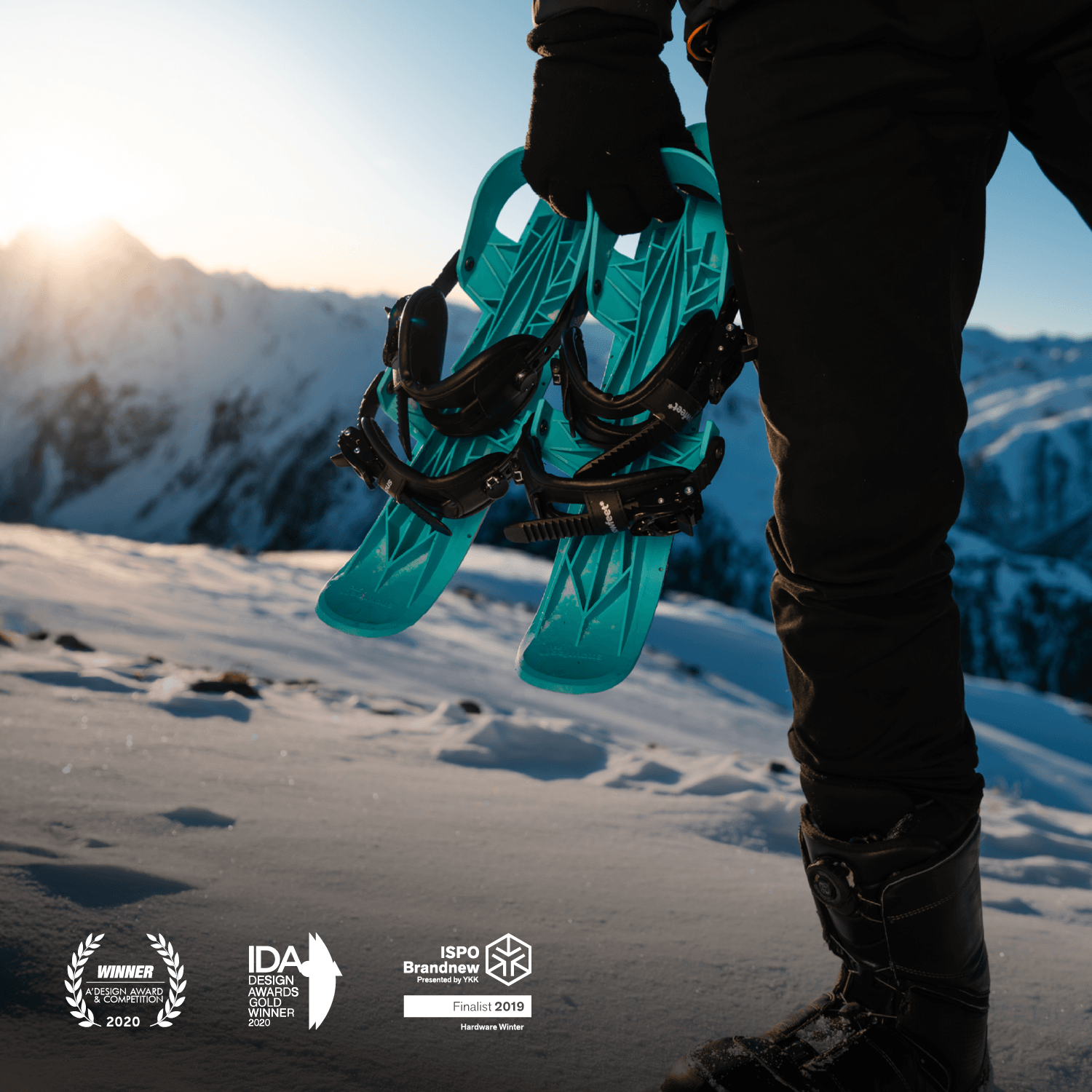
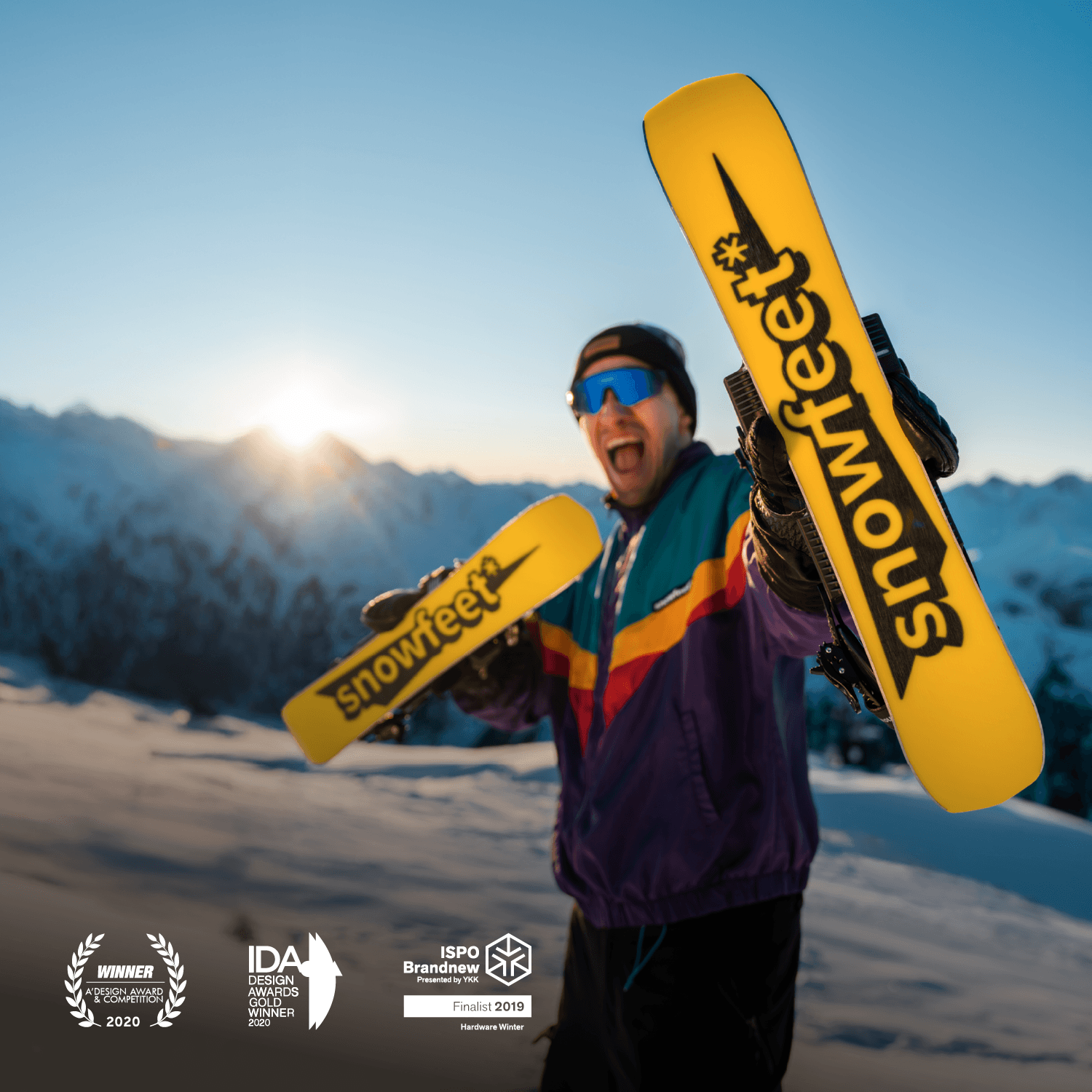
Snowfeet* brings the short-ski idea to a modern lineup that balances playful handling, easy packing, and ski-like control.
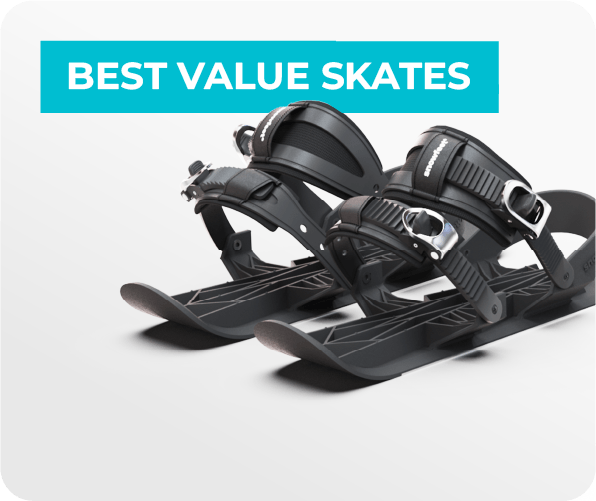
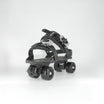
Skiskates 44 cm: Compact, Skate-Like Riding
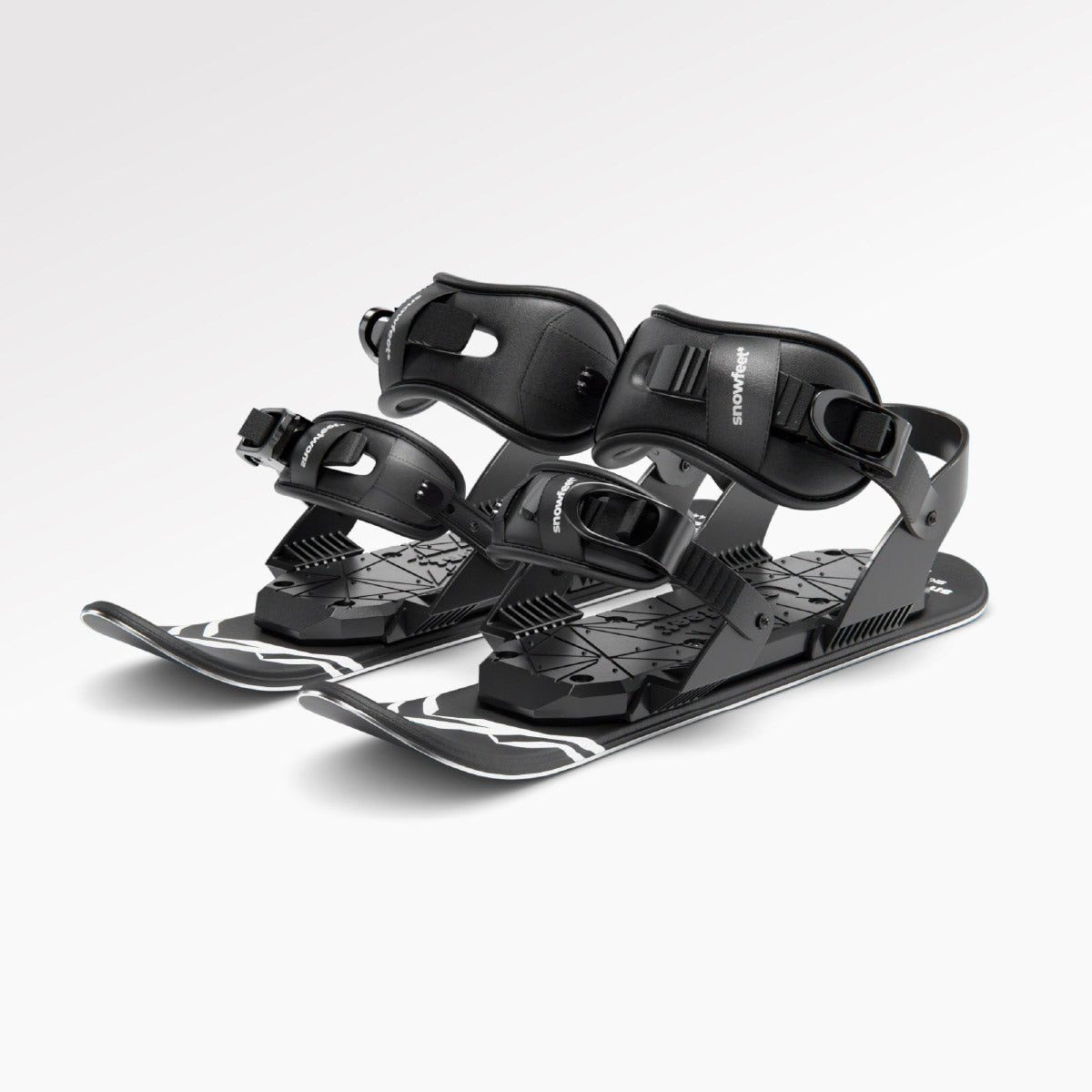
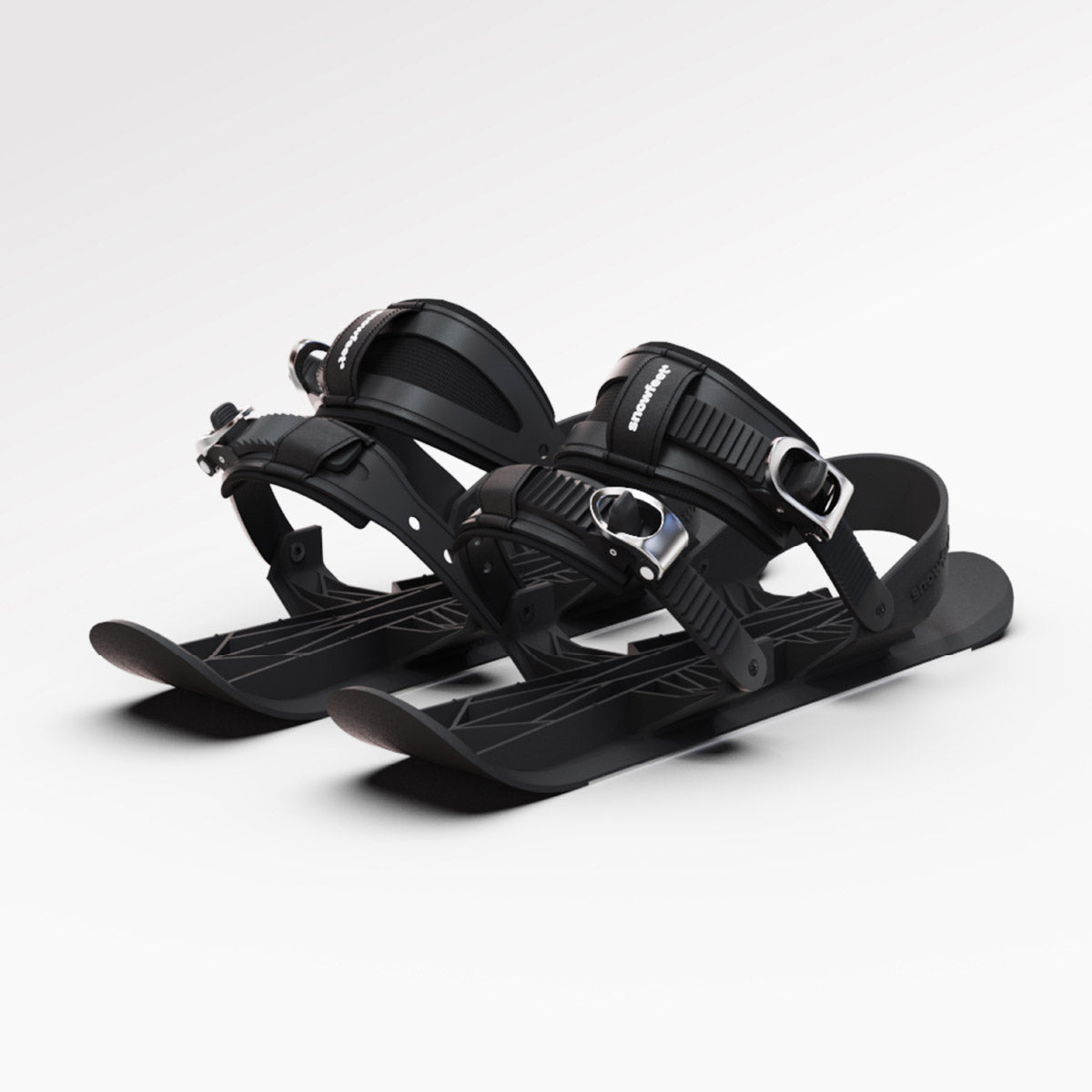
Skiskates are the smallest option, with the most skate-like feel of the three models.
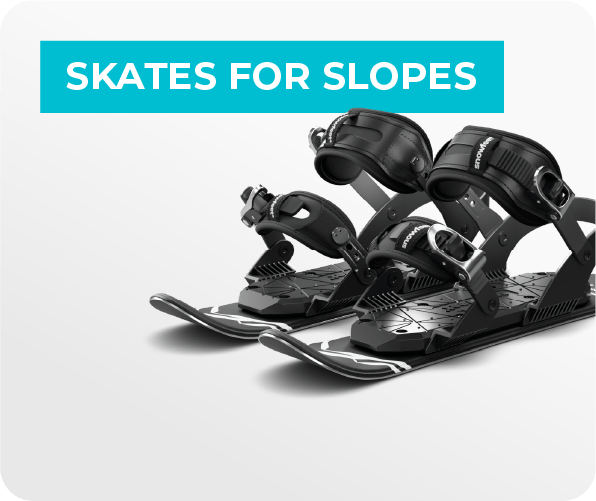
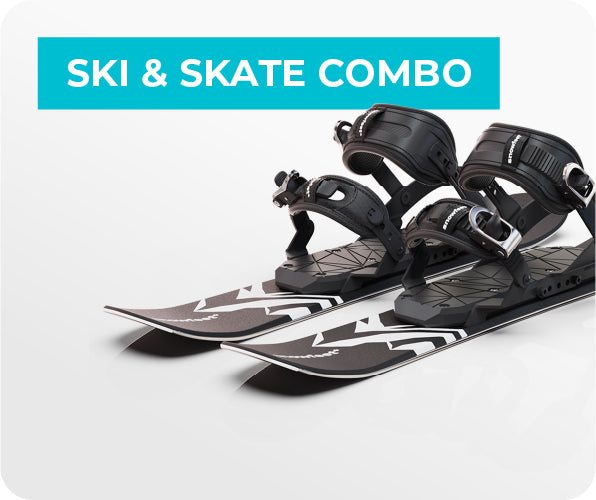
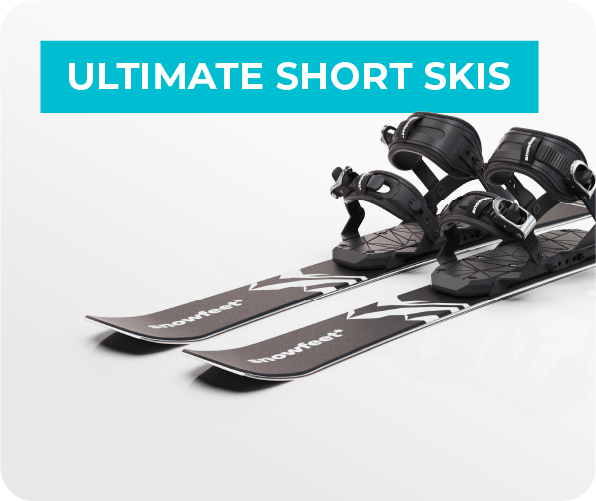
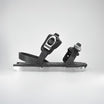
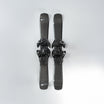
Skiblades 65 cm and 99 cm: More Support and Ski Feel
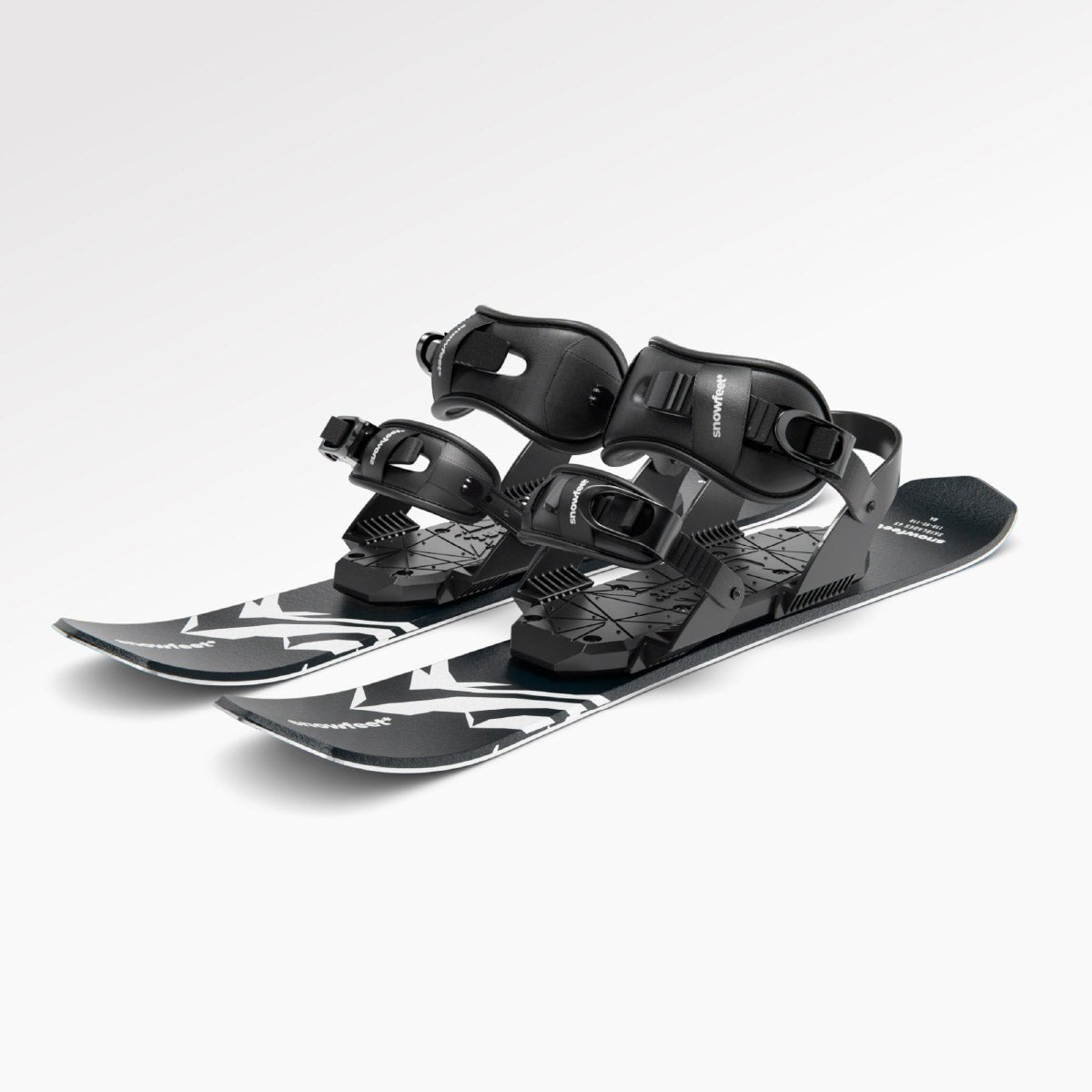
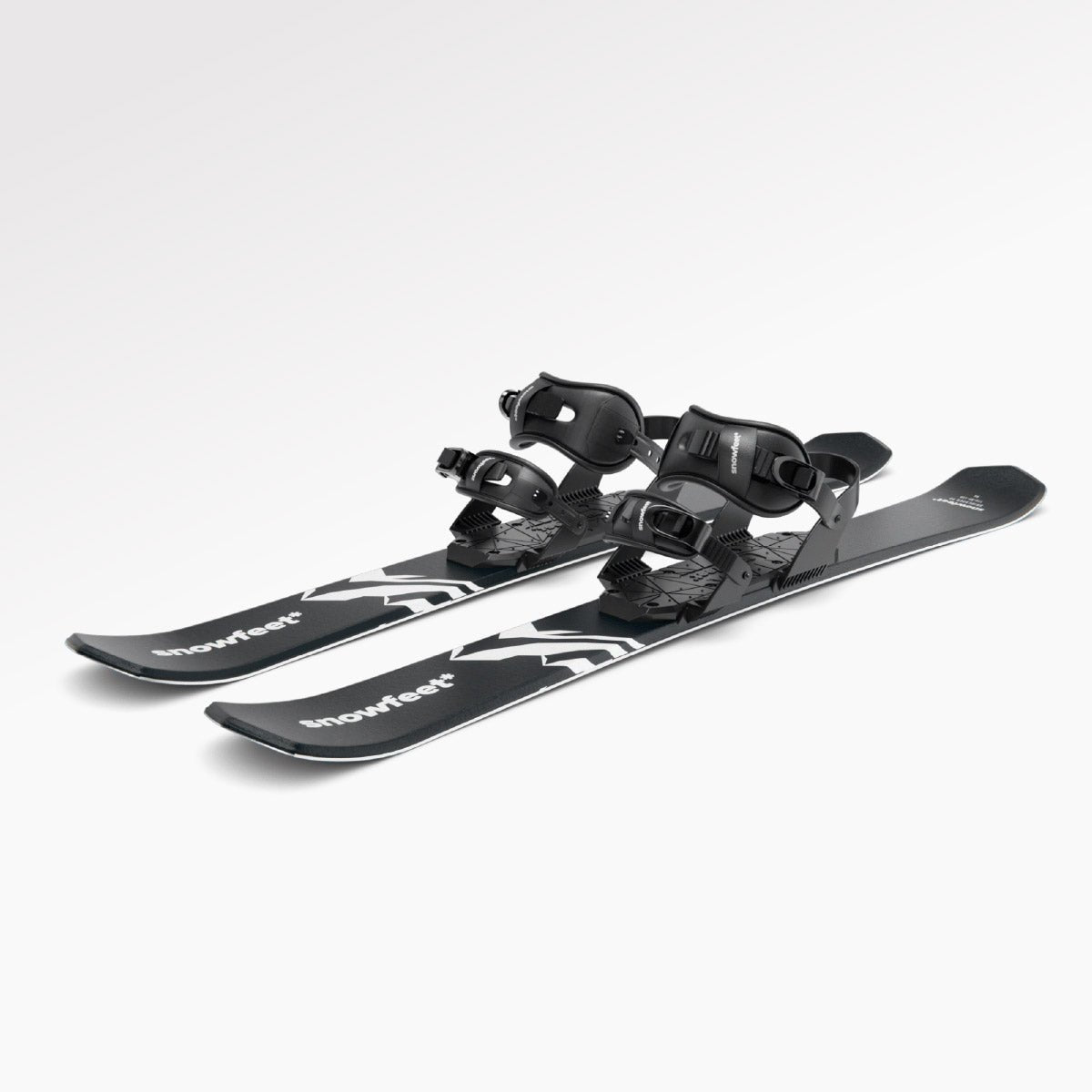
Skiblades 65 cm offer more support while keeping turns nimble. The 99 cm model provides the most support and feels the most like skis in this lineup.
Compare Snowfeet* Models
Use this table to find the length that suits your riding style.
This comparison covers these three models only.
| Model | Ride feel | Stability | Best for | Binding options | Tradeoff |
|---|---|---|---|---|---|
| Skiskates 44 cm / 17.3 in | Skate-like | Least support | Casual riders and travelers | Ski or snowboard boots; non-release | Least forgiving fore and aft |
| Skiblades 65 cm / 25.6 in | Skating–skiing blend | Middle ground | Agility with added support | Ski or snowboard boots; non-release | Less stable than 99 cm |
| Skiblades 99 cm / 39.0 in | Closest to standard skis | Most support | Beginners and carvers | Ski boots: release or non-release; snowboard boots: non-release | Longer to pack |
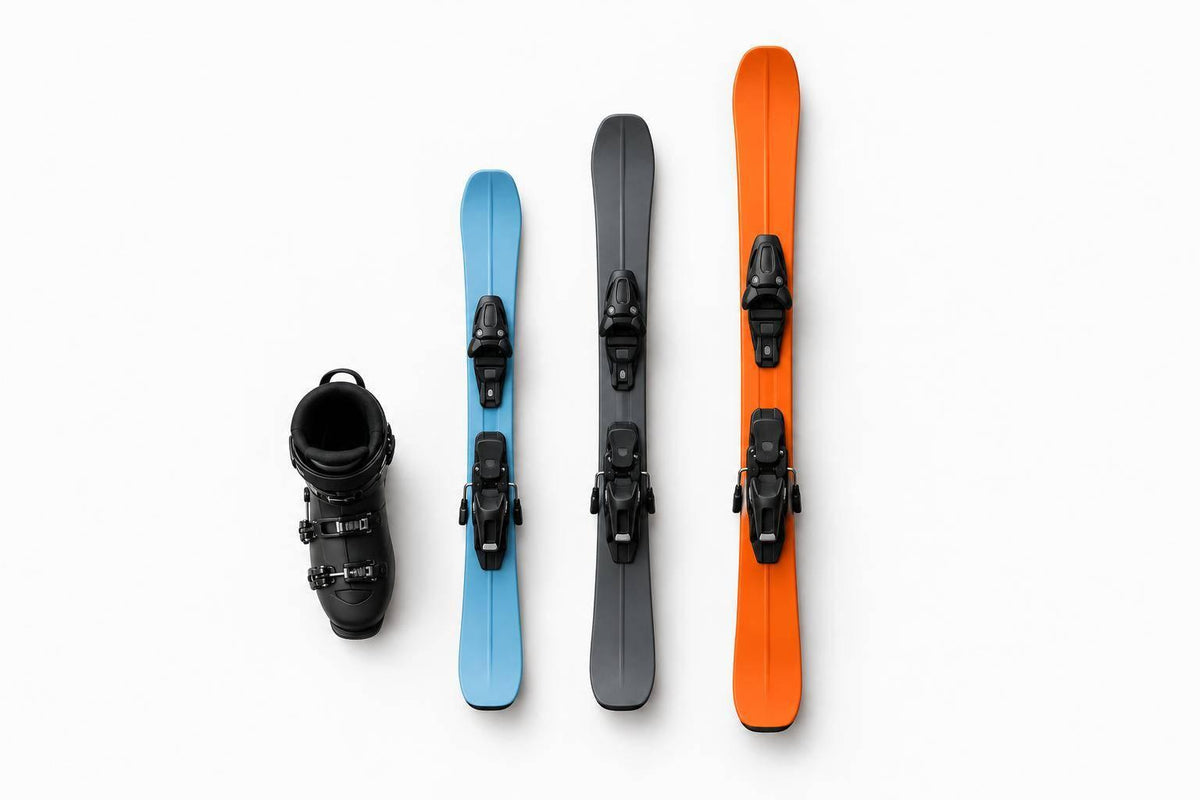
For travel, measure the assembled skis, including bindings, and compare those measurements with your bag’s inside dimensions. Check the full setup before you buy - not just the ski length.
Conclusion: Choose Short Skis for Your Riding Style
Short skis went from mountain tools to gear built for play. Snowfeet* carries that idea forward with easy transport, fast turns, and simple handling.
Choose based on how you ride: Go with 44 cm (about 17 inches) for compact, skate-like play; 65 cm (about 26 inches) for tight turns with more support; or 99 cm (about 39 inches) for stability and a more ski-like feel. Of these three, the 99 cm option is the best starting point for beginners.
Long skis still shine at sustained speed and long carving turns. For most casual riders who want easy transport, tight turns, and a playful ride, Snowfeet* is a better fit.
FAQs
How has short-ski design improved over time?
Short skis have come a long way since early foam-core models like Bigfoot and Figl. Today’s Snowfeet* gear uses durable wood cores, steel edges, and advanced sidecuts for better edge grip, stability, and control.
Snowfeet* also tackles the binding limits of earlier designs. Options range from releasable alpine bindings to setups that work with a range of boots. These updates make Snowfeet* an accessible, high-quality choice for casual riders and experts alike.
How do I choose Snowfeet* for my size and skill level?
Choose Snowfeet* based on how you ride, your skill level, and the terrain - not your height.
- Skiskates 44 cm give you a portable, skate-like ride on mellow, groomed runs.
- Skiblades 65 cm work well for beginners, tricks, and park sessions.
- Skiblades 99 cm balance stability and fun for resort laps.
- The 123 cm model suits advanced riders who want stability for carving, bumps, and mixed conditions.
Check boot compatibility before you buy. Some models have options for ski or snowboard boots.
What should I ask a resort before bringing Snowfeet*?
Before you pack your Snowfeet*, check the resort’s short-ski policy. Ask about length limits, metal edges, and binding types required for the slopes and lifts you plan to use.
Most resorts treat Snowfeet* like regular skis for lift access and slope rules. Checking ahead helps you skip surprises and enjoy their easy-to-carry size and playful ride.


Leave a comment
This site is protected by hCaptcha and the hCaptcha Privacy Policy and Terms of Service apply.