



















Quick Summary:
Skiskating uses ultra-short skis (15–20 inches long) to replicate the movements of ice skating, making it a fast-growing, budget-friendly winter sport and off-season training tool for hockey players. Because its compact size mirrors an ice skate blade, athletes can naturally apply their existing muscle memory, edge control, and hockey stops on snow to sharpen their agility, core stability, and overall balance. Gear like Snowfeet and Snowfeet 50 cm offers a portable alternative to bulky, expensive traditional skis by fitting in a backpack and working with standard winter or snowboard boots, allowing players to practice on almost any snowy terrain.
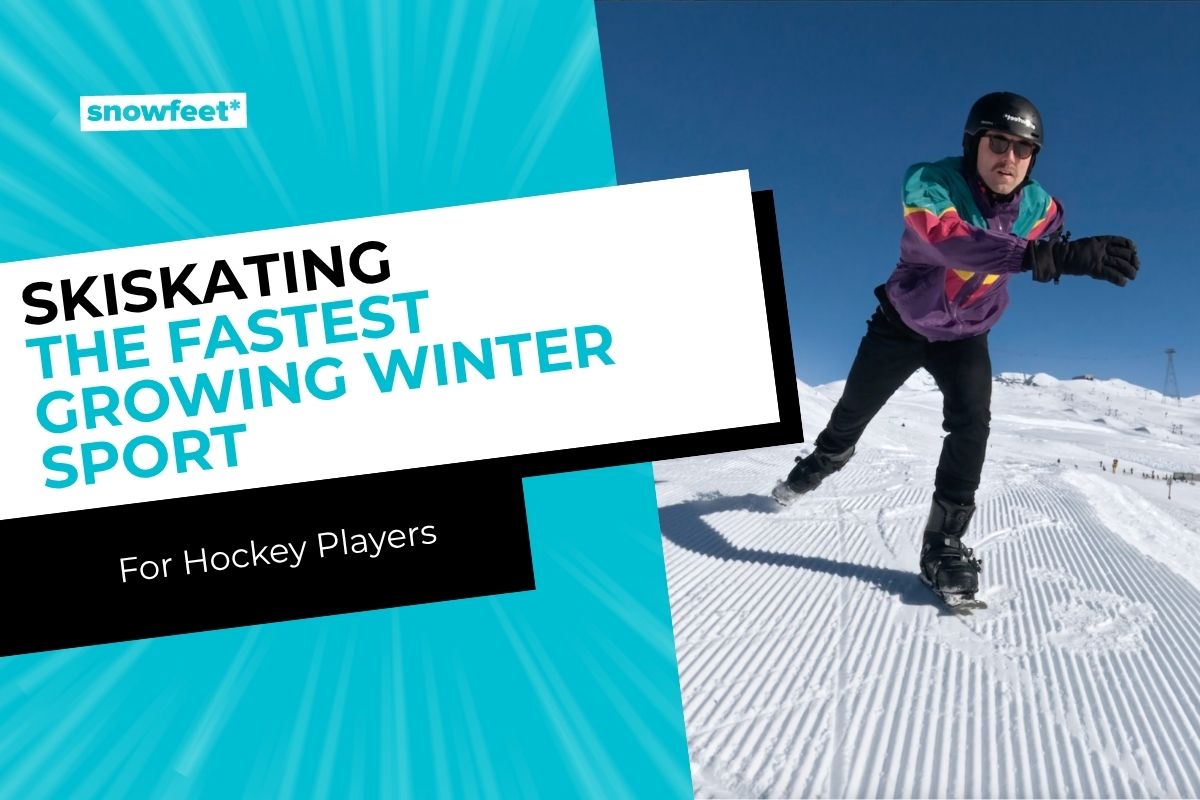
Skiskating is taking the winter sports world by storm, especially among hockey players. Why? It’s simple: skiskating mimics the movements of ice skating, helping players stay sharp off the ice. Using ultra-short skis (just 15–20 inches long), skiskating combines the feel of skating with the thrill of snowy slopes. It’s portable, easy to learn, and a great workout for hockey-specific muscles. Plus, it’s beginner-friendly and works on a variety of snowy terrains.
Why Hockey Players Love Skiskating:
- Easy Transition: Feels like ice skating, so hockey players adapt quickly.
- Keeps You Game-Ready: Boosts balance, agility, and core strength - key skills for hockey.
- Portable Gear: Skiskates fit in a backpack and work with your existing winter boots.
- Affordable: Starting at $299, it’s a budget-friendly alternative to bulky ski setups.
If you’re looking to level up your off-season training or just have fun in the snow, skiskating is worth a shot. With options like Snowfeet Skiskates (44 cm) or the Snowfeet model (50 cm), there’s gear for every skill level. Ready to skate on snow? Let’s go!
 Product Link: SNOWFEET* 44 CM | SKISKATES | SNOWBLADES SKIBOARDS MINI SKIS
Why Hockey Players Love Skiskating
Smooth Transition from Ice Skates to Skiskates
Hockey players find it easy to switch from the rink to the slopes thanks to skiskates. With a compact length of 44 cm (17.3 inches) - similar to an ice skate blade - skiskates allow players to carry over their skills seamlessly. All those hours spent mastering edge control, sharp turns, and hockey stops on ice translate directly to snow. Your muscle memory kicks in, and your weight distribution feels natural right away. This instant familiarity can even sharpen your on-ice agility.
"I love them. They are very easy to handle and control especially if you have experience on roller skates or ice skates." – Ingrid, Verified User
Boosts Agility, Balance, and Ice Skills
Skiskating isn’t just fun - it’s a workout that hones the very skills hockey players rely on. The shorter length of skiskates forces you to keep a steady center of balance, which strengthens your core and lower-body stability. Every session engages key muscle groups like your quads, hamstrings, calves, hips, and core - the same ones that power your skating stride during a game. Plus, practicing quick turns, spins, and explosive moves on skiskates mirrors the fast-paced demands of hockey. Studies even back this up, showing that training off-ice can significantly improve on-ice performance.
Perfect for Off-Season Training
Skiskating is a game-changer for off-season practice. Its portability means you can hit any snowy hill and keep your skating skills sharp. You’ll maintain stamina and reinforce the movement patterns that are crucial in hockey. Considering hockey players typically skate at speeds of 10–25 mph (and elite players can hit up to 35 mph), skiskating offers training conditions that feel close to the real thing. It’s like taking the game with you, even when the ice is gone.
Snowfeet Skiskates: Compact and Easy to Use
Designed with hockey players in mind, the Snowfeet Skiskates (44 cm) offer high-level performance in a size that works perfectly for hockey-style movements. Measuring just 17.3 inches long - about the same as an ice skate blade - they’re small enough to toss in your backpack. Built with a wood core, these skiskates perform well on groomed slopes, snow parks, and even backcountry trails. Plus, the adjustable bindings are compatible with both ski and snowboard boots, so you can use the winter gear you already own - no need to shell out for special boots.
The metal ski edges make it easy to pull off sharp hockey stops and eliminate the "tip crossing" you’d experience with longer skis. Whether you’re hitting the slopes, cruising through snow parks, or exploring powdery backcountry terrain, these skiskates deliver. It’s no surprise they’ve earned a perfect 5.0/5 star rating from users, who love how they combine the feel of ice skating with real ski performance.
Snowfeet 50 cm: Advanced Features for Experienced Users
If you’re looking for something with a little extra, the Snowfeet (50 cm) steps things up with features tailored for more advanced skiers. Thanks to its fiberglass-reinforced core and slightly longer length, it offers improved stability and balance, even on powder or uneven terrain. The 50 cmmodel also boasts a narrowed base and raised platform, making carving smoother and more precise - perfect for tight turns and quick movements that mirror fast-paced hockey gameplay.
The adjustable bindings on this model fit most winter footwear, including snowboard boots, accommodating US sizes 6–13 (EU 38–47). Whether you’re training on steep slopes or having fun in your backyard, this model is versatile enough for both. With a stellar 4.9/5 star rating from 2,262 reviews, it’s clear why the PRO has earned accolades like the ISPO Innovation Finalist and the A'design Award winner. And at $275, it provides all these benefits without the hefty price tag of traditional ski equipment.
 Product Link: SNOWFEET* 50 CM | SKI SKATES
Why Snowfeet* Beats Traditional Skis and Snowboards
Snowfeet products are changing the game for winter sports, especially for hockey players. Traditional skis, which range from 140–190+ cm, are bulky, require expensive setups, and are a hassle to transport. Snowfeet gear, on the other hand, is compact enough to fit in your backpack and works on just about any snowy hill, sledding slope, or hiking trail. The price is another win - Snowfeet Skiskates start at $550, and the 50 cm model is just $299, far less than the $800–1,200 you’d typically spend on a full ski setup.
But the real edge for hockey players? The motion. Unlike traditional skis that force a forward-leaning stance or snowboards that lock your feet together, Snowfeet products let you move naturally. You can skate, stop, and carve while engaging the same muscle memory you’ve built on the ice. That’s a game-changer for hockey-specific training.
How to Start Skiskating
Picking the Right Gear
To dive into skiskating, start with a pair of Snowfeet skiskates. The 44 cm model pairs well with ski or snowboard boots, while the 50 cm version works with most winter footwear, including regular waterproof boots. If you're a hockey player, the 50 cm model is especially handy since you can use the winter boots you already own. Keep some liquid wax nearby - it helps prevent snow from sticking to the base. And don’t forget a sharpening stone to keep those metal edges sharp for smooth hockey stops. With your gear ready, you’re all set to learn the basics.
Learning Basic Techniques
If you’ve ever been on ice skates, you’ll pick this up quickly. Start by mimicking the stance you’d use on ice: legs shoulder-width apart, one foot slightly ahead, and your weight centered. This position helps you balance and avoid face-planting since skiskates don’t have the long tips traditional skis do. To stop, push the edges of the skiskates sideways, creating friction - just like a hockey stop. Distribute your weight evenly over both feet for control. If you need extra help, the Snowfeet YouTube channel has some great step-by-step tutorials to guide you. Once you’ve got the hang of it, try skating on different terrains to sharpen your skills.
Where to Practice
Start out on flat, snowy surfaces like groomed slopes or snow parks. These areas are perfect for mastering the skating motion. Avoid steep hills, deep powder, or icy spots until you’re more confident. One of the coolest things about Snowfeet skiskates is their flexibility - you can use them almost anywhere. Whether it’s your backyard or a backcountry trail, you’re not tied to traditional ski resort conditions. For hockey players, this means you can practice on nearly any snowy surface, making them a versatile addition to your winter gear.
sbb-itb-17ade95
Conclusion: The Future of Winter Sports
Skiskating is changing the game for hockey players looking to stay sharp during the off-season. With over 50,000 Snowfeet* riders around the world and an impressive 4.9/5 rating from more than 5,500 verified reviews, it’s clear this sport delivers exactly what’s needed - better balance, agility, and muscle memory that seamlessly translates to on-ice performance. Plus, the convenience factor is unbeatable. Just toss your gear into a backpack and head to any snowy spot, whether it’s a groomed slope or your own backyard.
The design of Snowfeet* gear takes these benefits to another level. Whether you go for the 44 cm Skiskates (priced at $550) or the 50 cm Snowfeet ($299), these products are a step ahead of traditional skis and snowboards. They’re lightweight, portable, and easy to use. Unlike conventional skis that can exceed 60 inches and demand roof racks and specialized boots, Snowfeet* works with your regular winter boots. And if you’re already a skilled skater, you'll pick up the basics in no time.
Even industry experts are paying attention.
"Watch out skiers! Could this be the new winter sport?" - Mashable
What makes skiskating truly special is its flexibility. You’re not tied down to pricey ski resorts or specific terrains. Whether you’re training during the off-season, enjoying time with friends, or perfecting your hockey stops in fresh powder, Snowfeet* lets you skate wherever there’s snow. Considering there are over 1,000,000 registered ice hockey players globally, the potential for this sport to grow is huge.
FAQs
What makes skiskating a great winter activity for hockey players?
Skiskating is a fantastic winter workout for hockey players, as it boosts agility, balance, and overall on-ice performance. The movements in skiskating closely mirror those in hockey, making it a natural way to keep skills sharp during the off-season.
Using skiskates like Snowfeet Skiskates (44 cm) or Snowfeet (50 cm) offers a smooth transition from ice to snow. These compact, lightweight skiskates are easy to carry, simple to use, and deliver a dynamic skating experience similar to being on ice. They’re a great option for hockey players who want to stay in top form all year long.
What makes Snowfeet Skiskates different from traditional skis?
Snowfeet Skiskates offer a fresh twist on winter gear. Unlike traditional skis that demand bulky equipment and specialized bindings, these are compact, lightweight, and incredibly easy to use. You simply strap them onto your winter or snowboard boots, and you're ready to go. Whether you're heading out for a quick slope session or a casual day in the snow, their portability is a huge plus - you can toss them into your backpack without breaking a sweat.
For hockey players, these little wonders are a game-changer. They replicate the feel and movements of ice skating, which can help sharpen your agility, balance, and overall performance on the ice. Unlike regular skis that focus on downhill speed, Snowfeet Skiskates are all about precision and versatility. They're an awesome training tool for athletes wanting to stay in top form during the off-season. If you're after a fun, practical alternative to traditional ski gear, Snowfeet Skiskates are the perfect blend of convenience and performance.
What should beginners know before trying skiskating with Snowfeet?
Skiskating with Snowfeet is perfect for beginners, even if you're completely new to winter sports. These nifty little gadgets are compact, lightweight, and fit right over your regular winter boots - no need to invest in specialized ski gear. Plus, their shorter length (up to 47 inches) makes it easier to balance and control your movements, giving you a confidence boost as you get the hang of it.
If you've ever played hockey or tried rollerblading, the motions will feel pretty familiar, making it easier to pick up. For those starting from scratch, adopting a flexible stance - knees slightly bent and your weight centered over your feet - can make all the difference. Snowfeet are designed to keep things simple and fun, offering a fresh way to enjoy winter sports without the steep learning curve you’d face with traditional skis or snowboards.
Editor: Karolina R.
Last Update: September 28, 2026













1 comment
Ash
As a hockey player, I was skeptical about how well off-ice training on snow could actually translate to the rink, but using ultra-short skiskates completely changed my mind. The ability to practice edge control and perform realistic hockey stops on small hills near my home—without buying expensive ski boots or paying for resort passes—makes this the most practical off-season workout I’ve found to keep my agility and balance sharp.
Leave a comment
This site is protected by hCaptcha and the hCaptcha Privacy Policy and Terms of Service apply.