
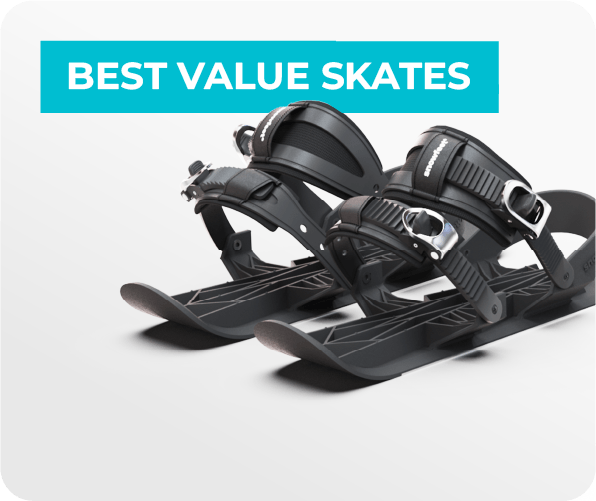
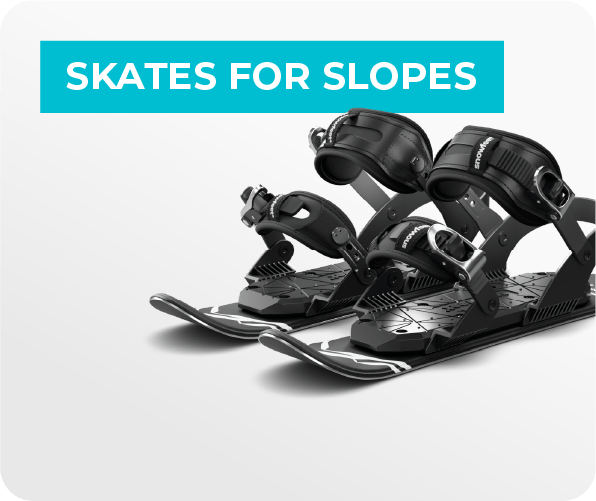
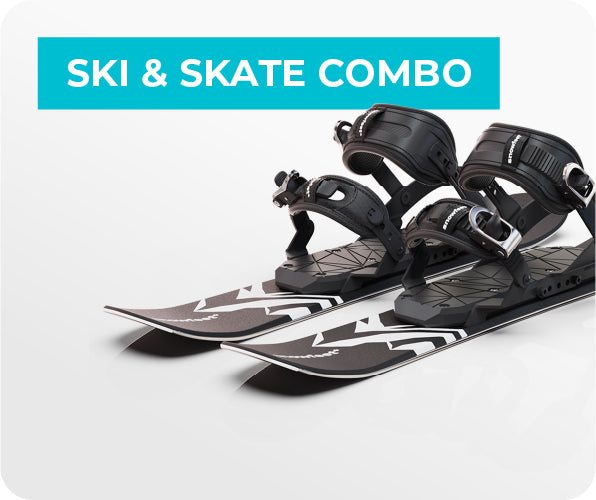
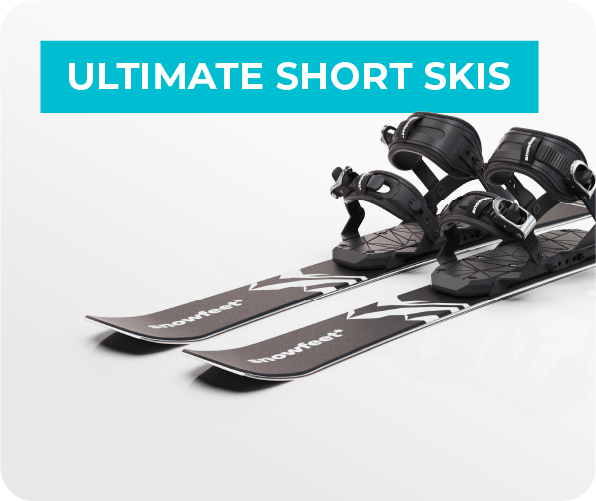
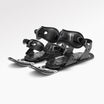
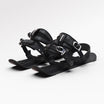
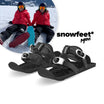
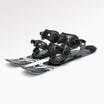
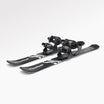
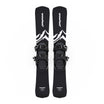
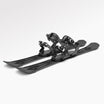
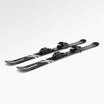
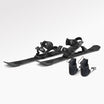
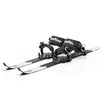
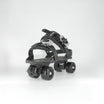
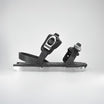
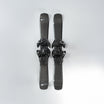



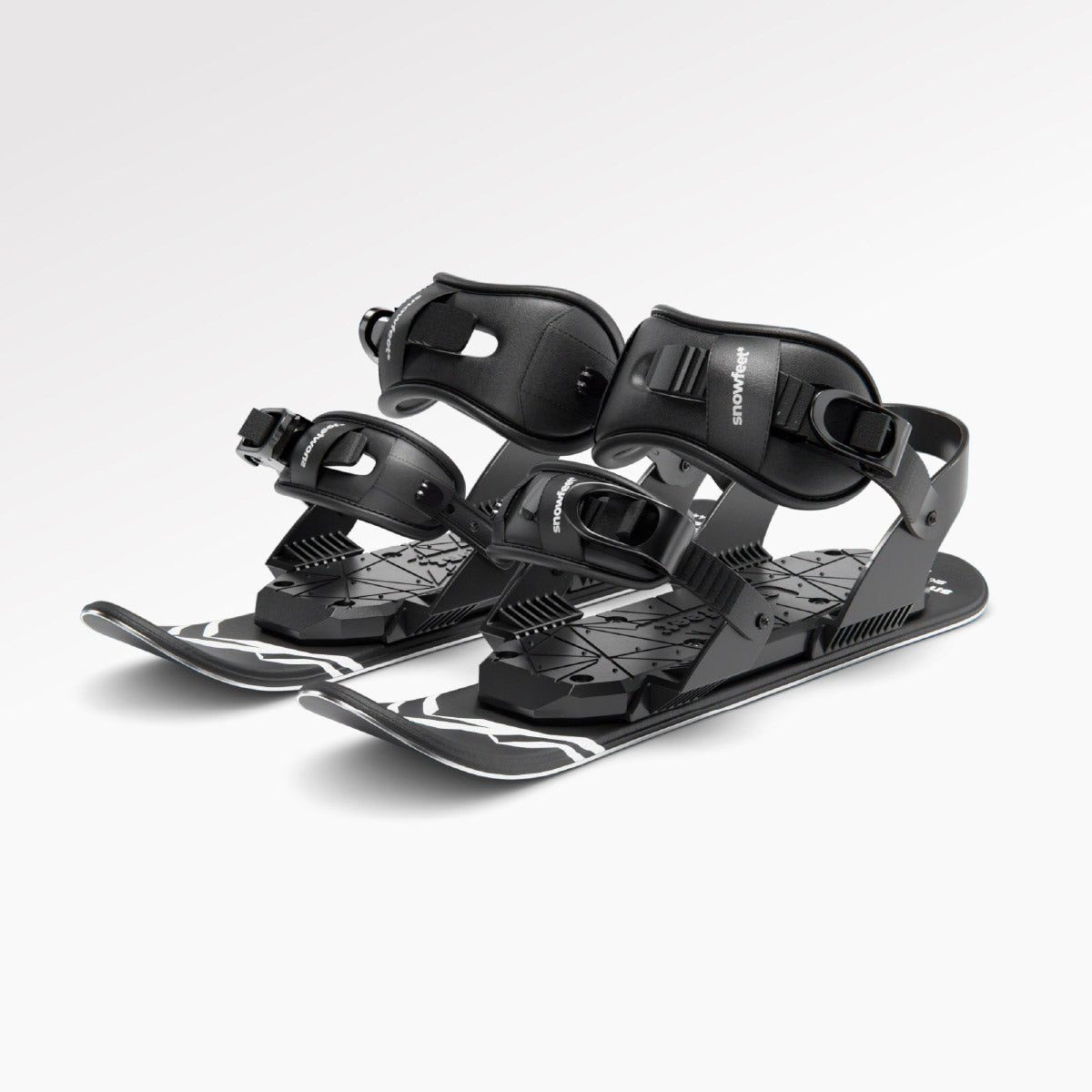
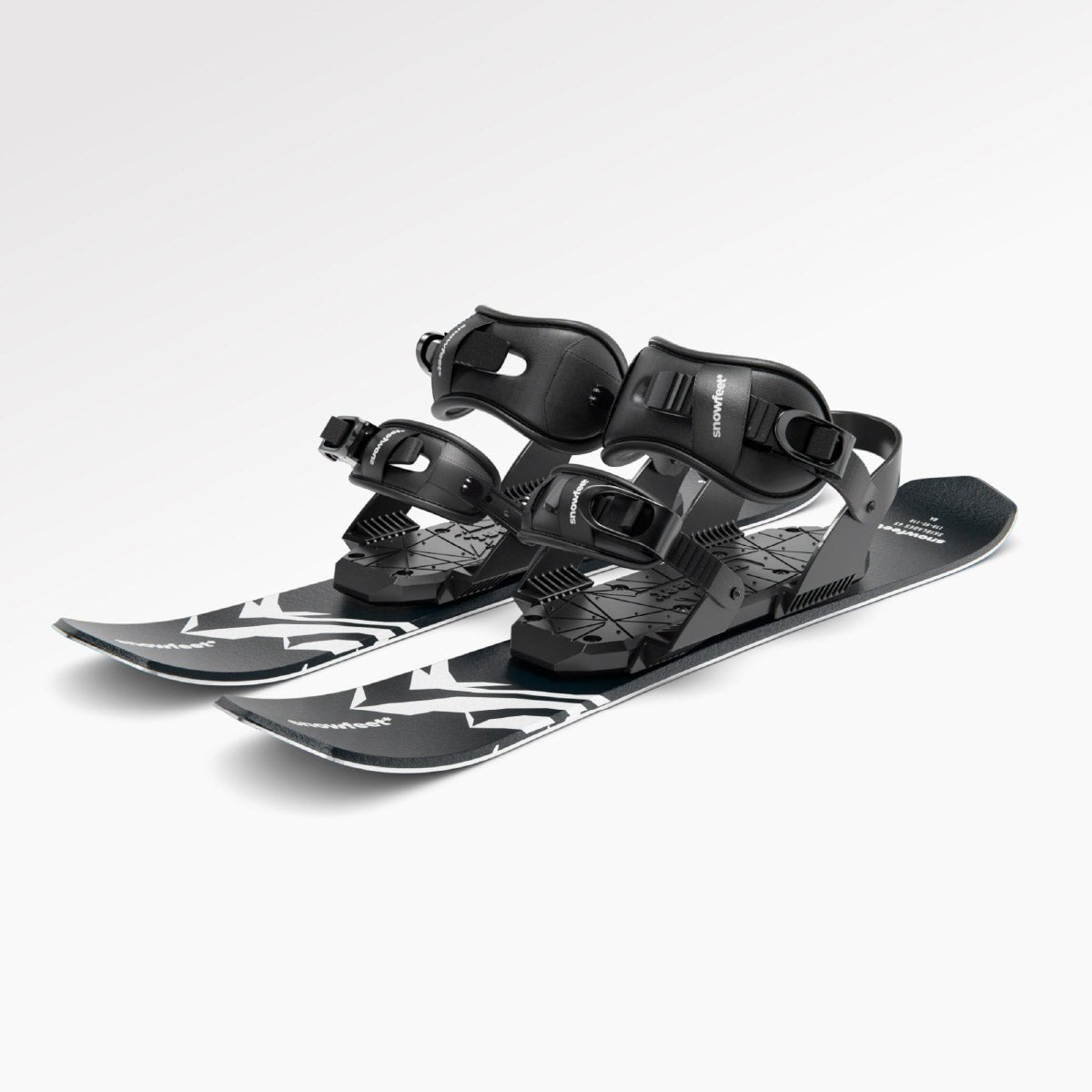
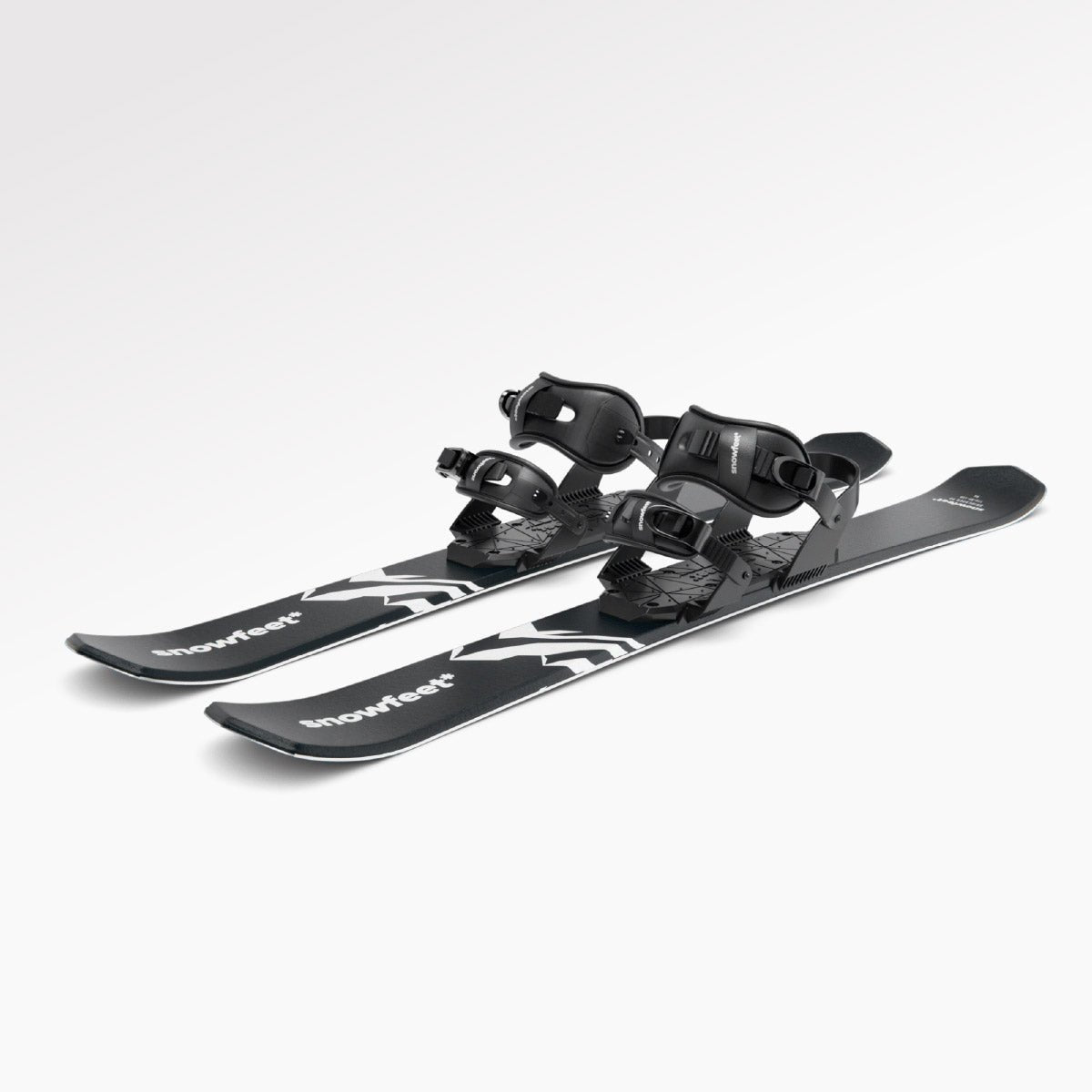
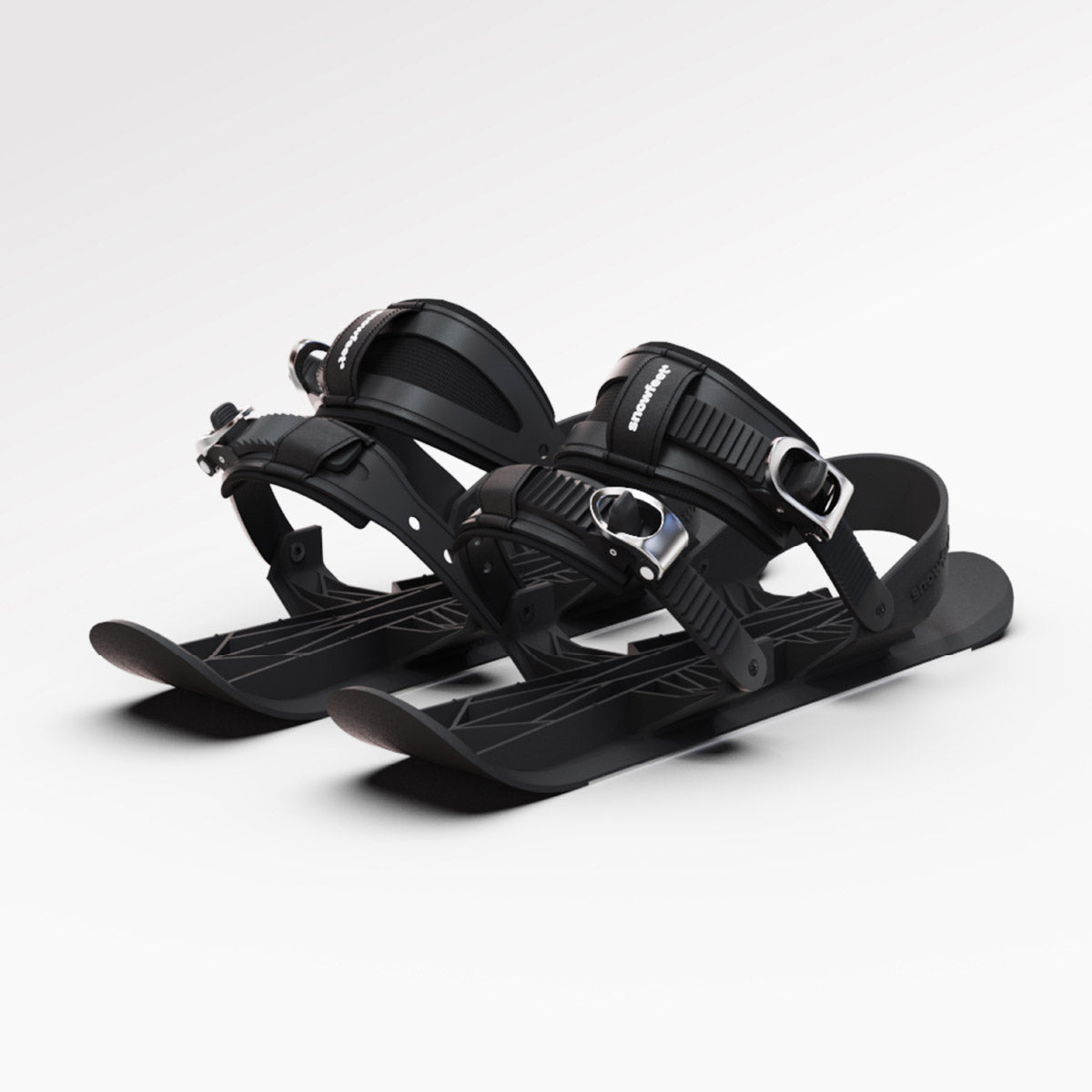
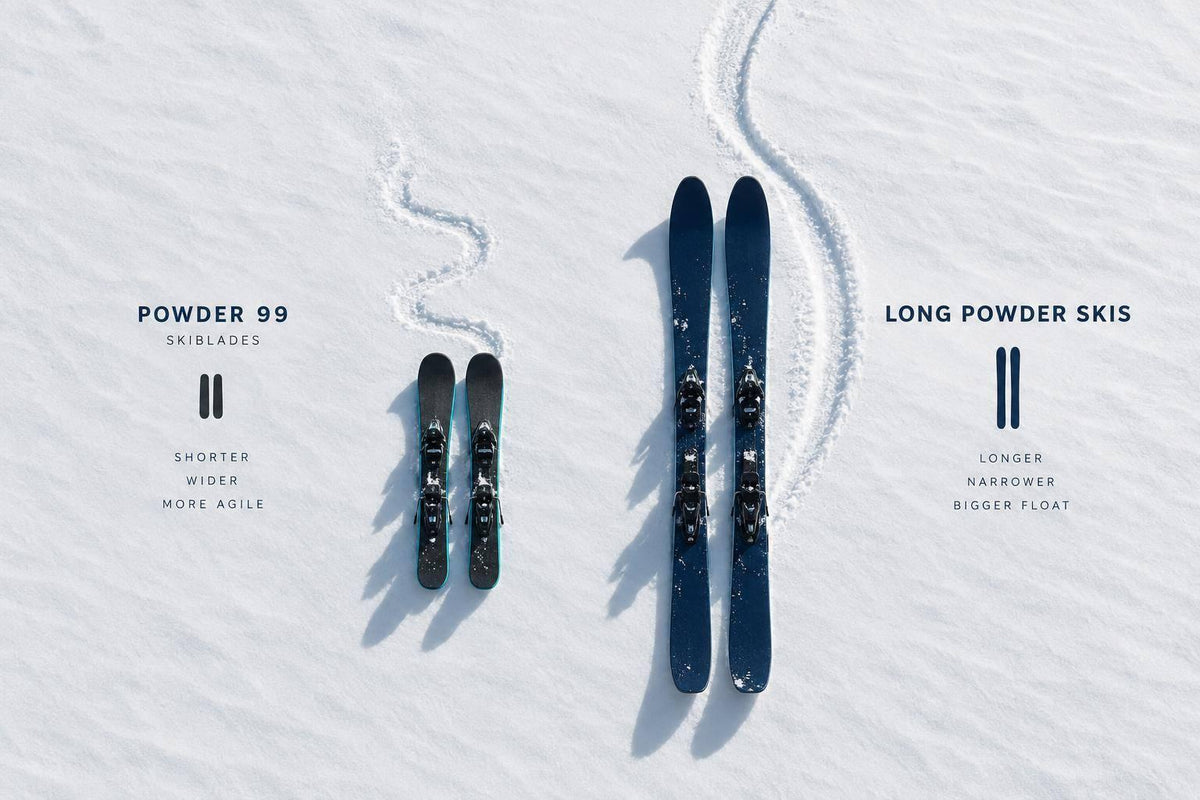
POWDER 99 cm suits short, playful resort laps. Long powder skis win on float and speed in deep snow. In tight trees, snow support matters more than ski length: if short skis sink and stall, more float is the better choice.
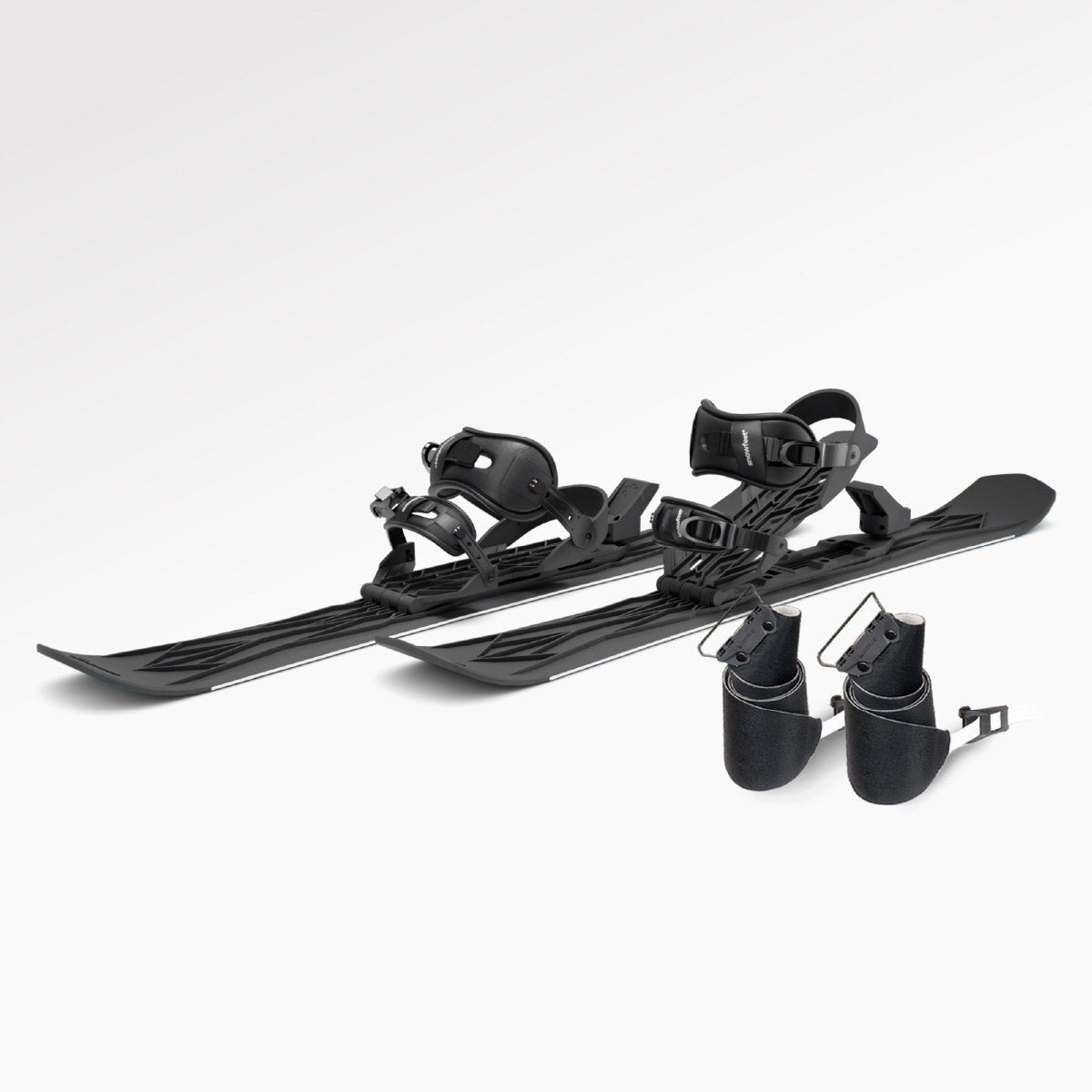
Snowfeet* POWDER 99 measures 39 inches (99 cm) and starts at $690. Its short frame makes turns, carrying, and storage easier. Long powder skis - typically 67 inches (170 cm) or more - offer more float, steadier balance, and better glide.
Quick Comparison
| Factor | POWDER 99 cm | Long powder skis |
|---|---|---|
| Best fit | Playful laps in moderate, supported powder | Deep snow and open bowls |
| Turns | Easy direction changes | More ski to move |
| Float and speed | Can sink or lose momentum | Better float and speed retention |
| Balance and effort | Needs a centered stance; more work if it sinks | More room for balance errors; less work to keep gliding |
| Carrying and storage | Compact | Takes more space |
The choice comes down to compact handling versus deep-snow support. Before buying POWDER 99, check boot fit, bindings, included gear, and return terms - not just the price.
POWDER 99 vs Long Powder Skis: Which Fits Your Snow?
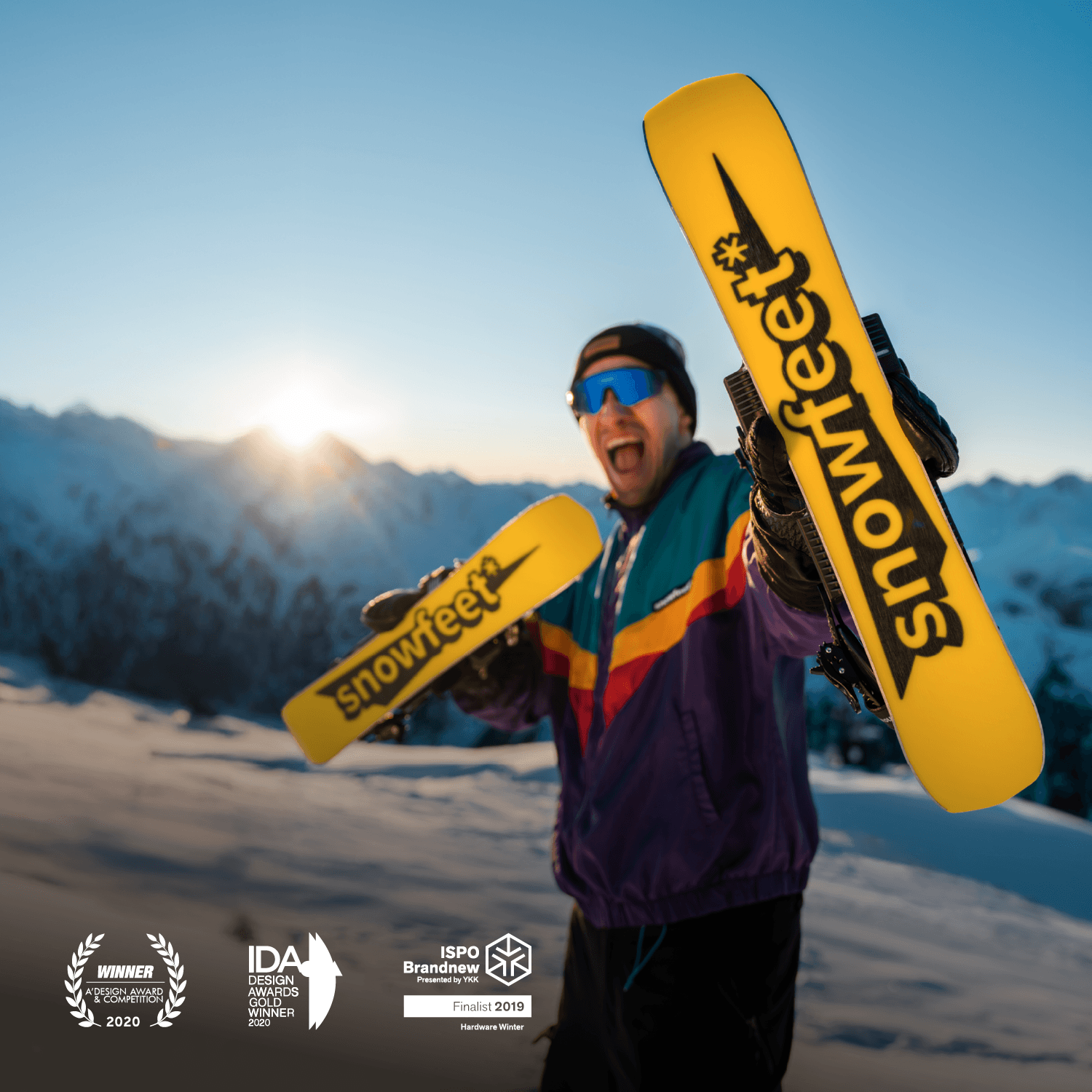
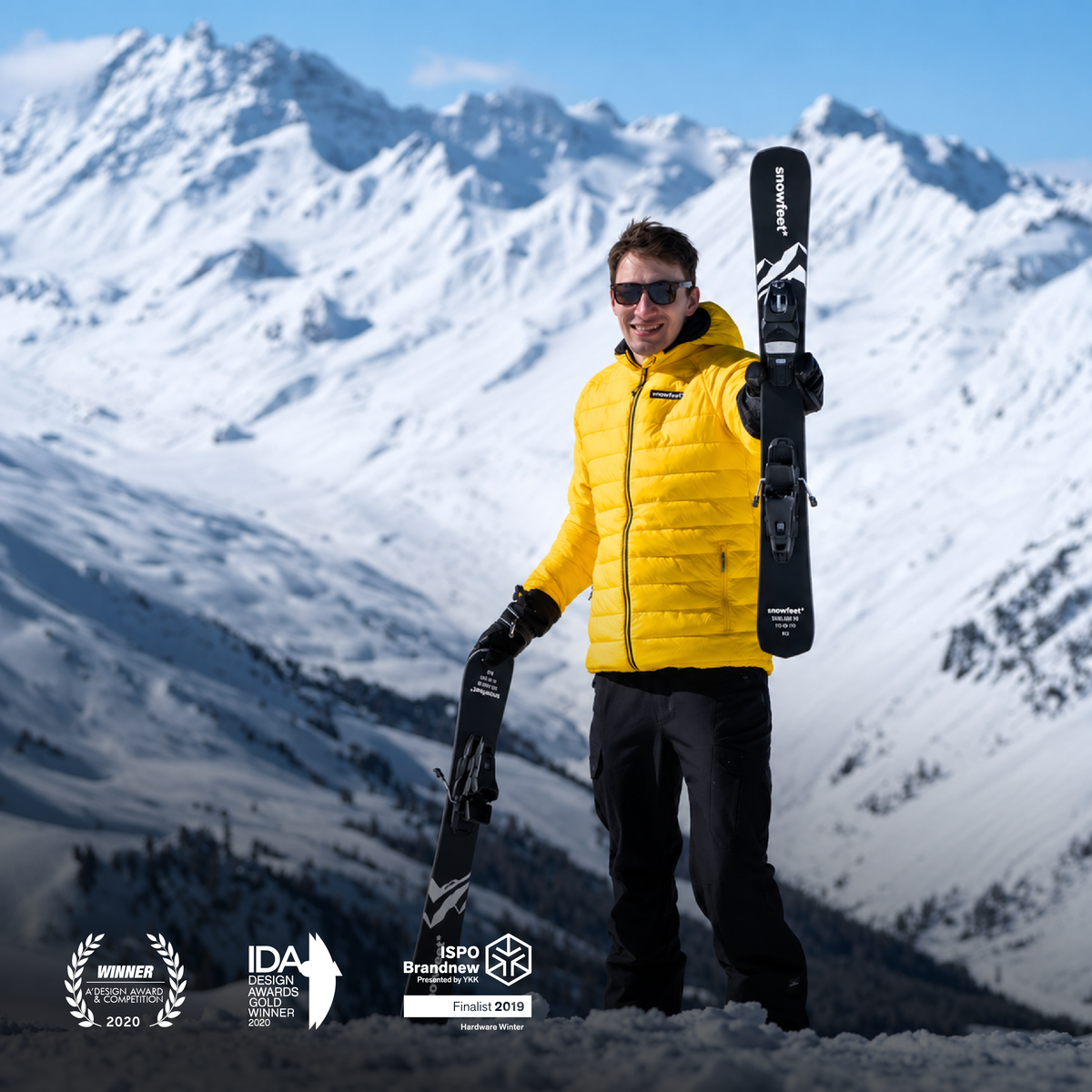
Snowboarder tries Snowfeet* | Which Snowfeet* Short Ski is the Best? | Snowblades 44, 65, 99 Review
Flotation, Turning, Stability, and Effort
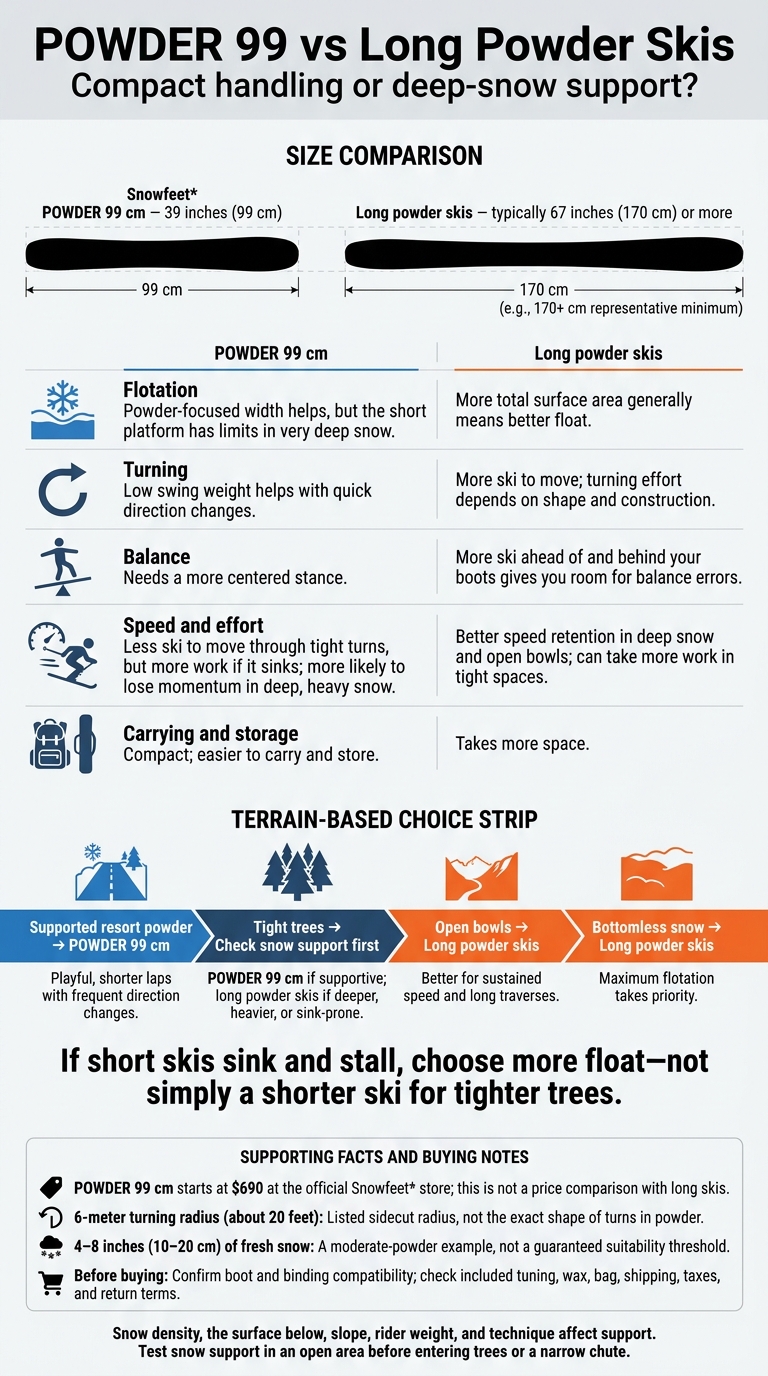
POWDER 99 cm turns faster and is easier to carry. Long powder skis float better, feel steadier at speed, and take less work to keep moving through deep snow. The trade-off matters most as snow gets deeper or heavier, or terrain gets tighter.
| Factor | Snowfeet* POWDER 99 cm | Long powder skis |
|---|---|---|
| Flotation | Powder-focused width helps, but the short platform has limits in very deep snow. | More total surface area generally means better float. |
| Turning response | Low swing weight helps with quick direction changes. | More ski to move; turning effort depends on shape and construction. |
| Fore-aft stability | Needs a more centered stance. | More ski ahead of and behind your boots gives you room for balance errors. |
| Speed retention | More likely to lose momentum in deep, heavy snow. | Better at holding speed in open bowls. |
| Physical effort | Less ski to move through tight turns, but more work if it sinks. | Can take more work in tight spaces, but less effort to keep moving in deep snow. |
Where POWDER 99 cm Performs Best
The short length pays off in tight terrain. It makes threading through trees and narrow trails easier. POWDER 99 cm suits mellow powder laps and riders who like frequent, playful turns more than long, fast runs.
Its listed 6-meter turning radius (about 20 feet) describes the sidecut - not the exact shape of your turns in powder. The compact size also makes it easier to carry and store.
Where Long Powder Skis Perform Best
Long powder skis have the edge in open terrain, where float and glide matter more. They hold speed better in deep bowls and feel steadier on straight, open descents, while POWDER 99 cm favors tighter turns. But length doesn’t tell the whole story at low speeds: shape and construction also affect how much work a ski takes to turn.
If POWDER 99 cm sinks or loses speed, you may need more physical effort and constant balance adjustments to keep moving. It’s a choice for compact handling rather than maximum float in bottomless snow.
Choose by Terrain and Snow Depth
Use the table below to weigh compact handling against maximum float for your powder day.
| Conditions and setup | Terrain-based takeaway |
|---|---|
| Supported resort powder - POWDER 99 cm | Playful, shorter laps with frequent direction changes |
| Tight trees - POWDER 99 cm if supportive; long powder skis if deeper, heavier, or sink-prone | Snow support decides - not tree spacing |
| Open bowls - Long powder skis | Better for sustained speed and long traverses |
| Bottomless snow - Long powder skis | Maximum flotation takes priority |
The deeper and heavier the snow, the more you'll need the float of long skis.
Trees and Moderate Resort Powder
Check snow support first, tree spacing second. Quick turns help in trees, but only if your skis stay high enough in the snow. Heavier riders and those moving slowly through deep powder may need the extra float of long skis - even in tight spots.
Treat 4–8 inches (10–20 cm) of fresh snow as a useful moderate-powder example.
Test how much support the base provides in an open area before heading into trees or a narrow chute. If you keep sinking and losing speed, choose more float over compact handling.
Open Bowls and Deep Powder
Long skis pull ahead in open terrain and deeper powder. Their larger surface area helps keep the tips from diving and keeps you moving through deep bowls, long traverses, and fast, sustained descents. Snow density, the surface below, slope, rider weight, and technique all affect how well your skis stay supported.
sbb-itb-17ade95
Buying Guide and POWDER 99 cm Price
Which Setup Fits Your Riding?
Match your usual powder days with the setup that fits how you ski.
| Your buying priority | Better fit | Main reason |
|---|---|---|
| Playful resort laps | POWDER 99 cm | Compact handling for frequent, short turns |
| Compact storage and transport | POWDER 99 cm | The 99 cm length makes it easier to carry and store |
| Deep-powder flotation | Long powder skis | More surface area supports rider and gear weight |
| Fast open-bowl skiing | Long powder skis | Better stability when holding speed |
If POWDER 99 cm suits your terrain, check the price and setup details next.
POWDER 99 cm: $690 and What to Check
The POWDER 99 cm starts at $690 at the official Snowfeet* store: Snowfeet* POWDER 99 cm.
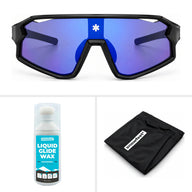
Before you buy, confirm that the bindings fit your boots. Then check what’s included: tuning, wax, a bag, shipping, and taxes. Review the return terms, too.
Conclusion: POWDER 99 cm for Casual Resort Days
Long powder skis still win in deep, open powder. Choose them if that’s where you spend most of your ski days.
For most casual resort riders, Snowfeet* POWDER 99 cm is the smarter buy for moderate powder, tight trees with supportive snow, and short, playful laps. Its quick turns suit that terrain.
FAQs
How does my weight affect POWDER 99 flotation?
The POWDER 99 has less surface area than long powder skis, so rider weight plays a bigger role in float. Lighter riders stay on top with less effort. Heavier riders need to stay centered and shift their weight forward and back more often.
At any rider weight, the POWDER 99 shines in moderate powder. In deeper, denser snow, it takes more deliberate technique than long skis.
How should I adjust my stance on POWDER 99?
Stay centered, with your ankles flexed and shins resting lightly against the fronts of your boots. Leaning back puts weight on the tails, making steering harder and turns less stable. At 99 cm (about 39 inches), these skis react faster than longer skis, so stay active and balanced - especially in deeper snow.
Avoid sudden moves. Control your speed early with smooth, rounded turns or gradual skidded turns on both skis. This helps you stay balanced and keeps the skis from sinking unevenly.
Can POWDER 99 be my only resort skis?
Yes - if you’re a casual rider who wants easy turns, less bulk, and playful handling more than high-speed performance. POWDER 99 works well on moderate terrain, through tight trees, and on resort days that mix groomed runs with soft snow. Its compact size also makes it easy to carry and pack for trips.
Long powder skis provide better flotation in deep snow and more stability at speed, especially in open bowls and on steep terrain.




Leave a comment
This site is protected by hCaptcha and the hCaptcha Privacy Policy and Terms of Service apply.