



















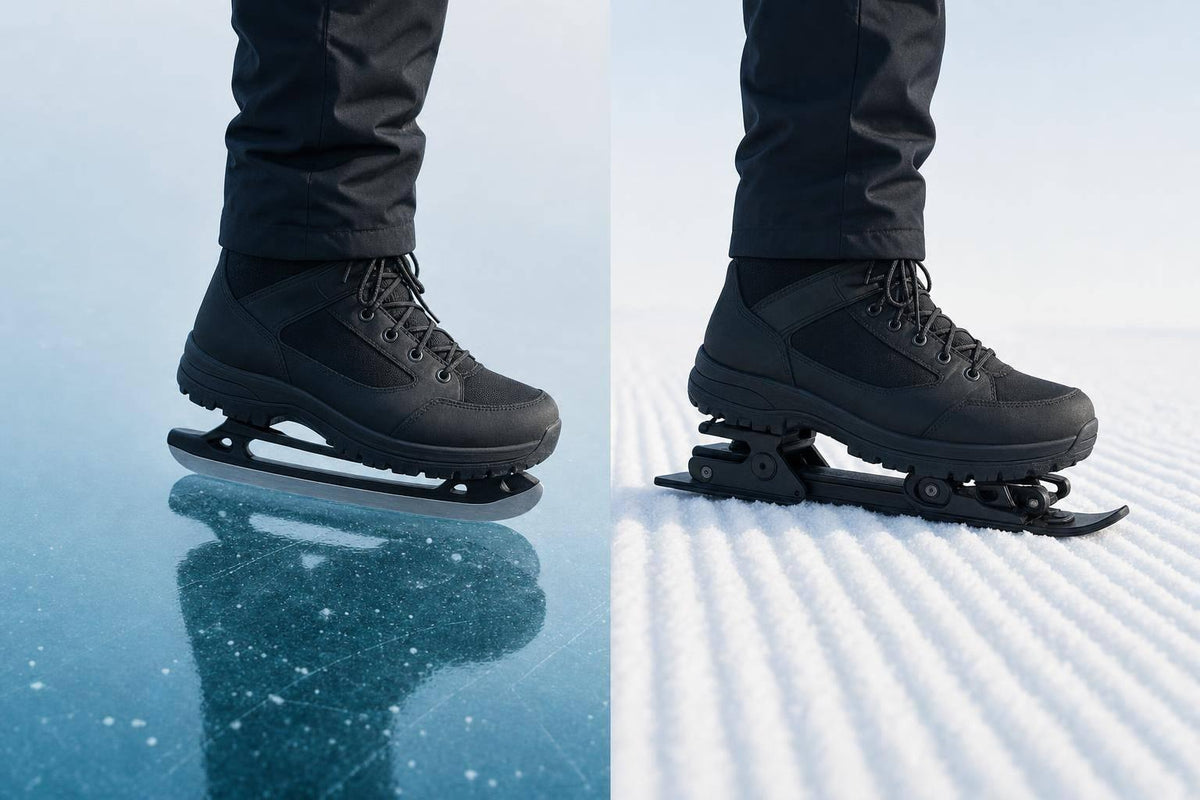
Here’s the short answer: if you’ll ride on ice, pick Icefeet. If you’ll ride on snow, pick Snowfeet*. That’s the whole split. Icefeet work on frozen ponds and rinks. Snowfeet* models work on resort runs, small hills, parks, and packed snow.
I’d make the call like this:
- Pick Icefeet if you want short sessions on smooth ice
- Pick Snowfeet* 38 cm if you want the lowest-price snow option at from $249
- Pick Snowfeet* PRO 50 cm if you want more stability in mixed or softer snow at from $299
- Pick Skiskates 44 cm if you use ski or snowboard boots and want the most precise feel at from $460
The big difference is use range. Icefeet have one main job. Snowfeet* cover more winter days. That matters if you ride at ski resorts, neighborhood sled hills, or packed trails. It also matters for safety: Snowfeet* models use metal edges and a heel brake, while Icefeet don’t give you much help once snow gets under the blades.
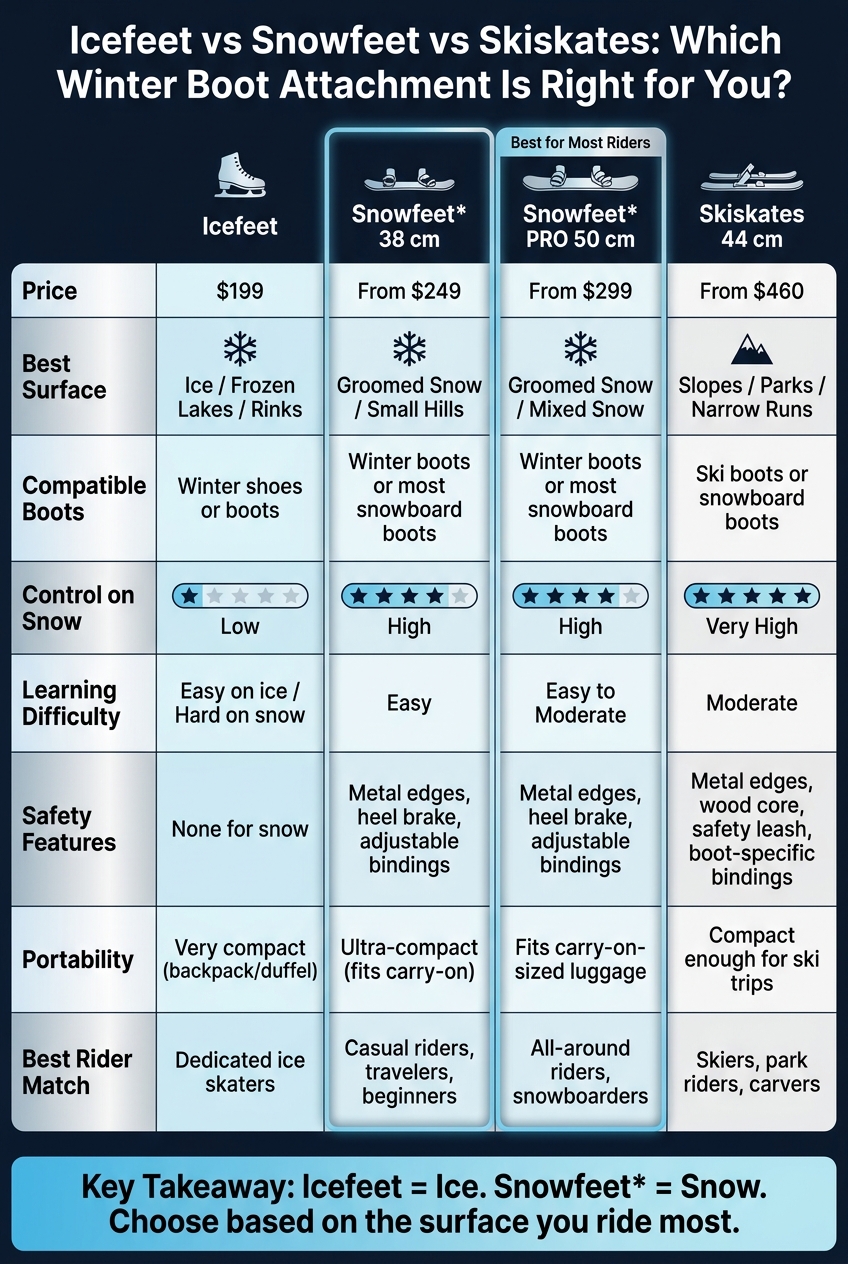
Icefeet vs Snowfeet vs Skiskates: Full Comparison Guide
All you need to know - Snowfeet* | Skiskates | Skiboards | Snowblades | Skiblades FAQ
Quick Comparison
| Product | Best Surface | Boot Fit | Control on Snow | Price |
|---|---|---|---|---|
| Icefeet | Ice, frozen lakes, rinks | Winter shoes or boots | Low | $199 |
| Snowfeet* 38 cm | Groomed snow, small hills | Winter boots or most snowboard boots | High | From $249 |
| Snowfeet* PRO 50 cm | Groomed snow, mixed snow | Winter boots or most snowboard boots | High | From $299 |
| Skiskates 44 cm | Slopes, parks, narrow runs | Ski boots or snowboard boots | Very high | From $460 |
So, if you’re asking me what makes more sense for most people in the U.S., I’d say this: Snowfeet* win for snow, Icefeet win for ice, and using one in the other setting is where things get weird fast :)
If you want a quick look at how short snow gear rides, these video searches can help:
Boot Compatibility and Setup
Boot fit shapes your stability, control, and how easy the ride feels. Then comes compatibility: which setup works with your gear, and where it makes the most sense on snow.
| Product | Compatible Boots | Binding Style | Best User Type |
|---|---|---|---|
| Icefeet | Regular winter shoes or boots | Simple strap-on bindings | Casual users, quick ice sessions |
| Snowfeet* 38 cm | Winter boots or most snowboard boots | Adjustable ratchet-style straps | Travelers, beginners |
| Snowfeet* PRO 50 cm | Winter boots or most snowboard boots | Adjustable ratchet-style straps | All-around riders, mixed snow |
| Skiskates 44 cm | Ski boots or snowboard boots | Ski-boot or snowboard-boot bindings | Slope riders, carvers, park users |
Icefeet with winter shoes
Icefeet strap onto regular winter shoes or boots with a simple strap or buckle system. That makes them easy to throw on and use fast, which is great for short ice sessions.
The catch is support. Winter shoes are often low- or mid-cut, so your ankle can move more than you'd want once the surface gets rough. The straps keep the skate on your foot, but they don’t secure you the way ski or snowboard bindings do. On solid ice, that can work just fine. On rougher snow, though, that extra ankle movement can start to feel a bit sketchy.
Snowfeet* 38 cm and PRO 50 cm with winter or snowboard boots
Snowfeet* are built to work with winter boots, and snowboard boots give you more support when terrain gets steeper or snow gets deeper. That’s a nice setup for beginners: start with everyday winter boots on small hills, then switch to snowboard boots when you want more ankle support, edge hold, and confidence on resort runs.
The PRO 50 cm gives you a longer platform, which helps with stability. So if the 38 cm model feels playful and travel-friendly, the PRO 50 cm gives you a bit more calm underfoot.
- Winter boots: good for small hills and casual riding
- Snowboard boots: better for support, control, and rougher conditions
From there, the next jump is Skiskates, which give you a more fixed connection.
Skiskates 44 cm for ski-boot or snowboard-boot riders
Skiskates 44 cm are the most slope-focused option in this group. They come in two binding versions: one for ski boots and one for snowboard boots. The connection is rigid and direct, closer to a ski setup than a simple strap-on system.
As Snowfeet describes it:
"If you're a fan of [ski or snowboard boots], you would probably like to choose Skiskates. You can choose either ski boot bindings or snowboard boot bindings and you will be perfectly fine with what you're already used to."
The ski-boot version gives you a more locked-in feel and faster edge response. That helps with carving, short-radius turns, and park features where precision matters more. It’s the best match for riders who already use ski or snowboard boots and want that direct, dialed-in feel.
sbb-itb-17ade95
Where Each One Works Best
Boot fit matters, sure. But terrain is what settles the debate: Icefeet for frozen surfaces, Snowfeet* for snow. Once the boot side is sorted, the next step is simple: where does each setup feel at home?
| Terrain | Icefeet | Snowfeet* 38 cm | Snowfeet* PRO 50 cm | Skiskates 44 cm |
|---|---|---|---|---|
| Ice (rinks, frozen lakes) | Best | Poor | Poor | Not for ice |
| Groomed resort snow | Not ideal | Best | Best | Best |
| Backyard hills | Not ideal | Best | Best | Good |
| Firm packed snow | Poor | Best | Best | Good |
| Powder (soft snow) | Not ideal | Fair | Good | Fair |
| Uneven/bumpy snow | Not ideal | Fair | Good | Fair |
Icefeet on frozen surfaces and hardpack
On frozen ice, Icefeet are the easy pick. They work best on outdoor rinks, frozen ponds, and slick icy plazas. The double-blade setup gives casual skaters steady balance on ice, and you don’t need dedicated skate boots to use them.
Step onto snow, though, and things change fast. Those narrow blades dig in instead of gliding. That creates drag and uneven edge contact. On a downhill slope, that can mean sudden catches, sore ankles, and a sharp drop in control. Not fun. Not the good kind of spicy.
Snowfeet* 38 cm and PRO 50 cm on slopes, hills, and light ungroomed snow
The Snowfeet* 38 cm model works well on groomed runs, local hills, and packed snow. It feels quick, playful, and easy to turn. For most casual riders, it’s the practical go-to for a normal snow day.
When the snow gets softer or the surface gets choppy, the PRO 50 cm starts to shine. That extra length gives you more stability and a bit more float, which helps keep the tips from diving. In softer snow, the PRO 50 cm does better than the 38 cm. Still, neither one is made for deep powder.
Skiskates 44 cm on ski slopes, parks, and narrow runs
Skiskates 44 cm are the sharpest tool in this group for groomed snow. They offer the best edge hold and the fastest turn response here. If you like clean carving and a more locked-in feel, this is where they stand out.
They also fit terrain parks well. Their short length makes spins, small jumps, and rail or box features feel less intimidating. On narrow runs like cat tracks or connecting trails, they’re easy to handle where longer skis can feel clunky. That’s why they work best on groomed slopes, parks, and tight trails.
Control, Learning Curve, and Safety
Which option is easier for beginners, skaters, and snowboarders
Your background changes how fast each option starts to feel normal. If you come from ice skating, Icefeet can feel natural on hard ice. But that same skating style tends to fall apart on snow. Once you move from ice to snow, control matters more than glide.
That gap shows up fast when you look at how each option handles.
| Icefeet | Snowfeet* 38 cm | Snowfeet* PRO 50 cm | Skiskates 44 cm | |
|---|---|---|---|---|
| Learning difficulty | Easy on ice, hard on snow | Easy | Easy to moderate | Moderate |
| Turning control | Good on ice, poor on snow | High | High | Very high |
| Stopping confidence | Inconsistent on snow | High (heel brake + edges) | High (heel brake + edges) | High (ski-style stopping) |
| Safety features | None for snow | Metal edges, heel brake, adjustable bindings | Metal edges, heel brake, adjustable bindings | Metal edges, wood core, leash, boot-specific bindings |
Here’s the short version:
- Skiers can fall back on edging and snowplow stops.
- Snowboarders often pick it up through balance and carving feel.
- Inline skaters tend to adjust fast because the centered stance and short length feel closer to skating than to long skis.
For most casual riders, Snowfeet* feel easier to learn than long skis on green or easy blue runs. That makes sense. Less gear out in front of you means less to fight with when things get messy.
Why shorter Snowfeet* models are easier to handle than long skis
The main reason is pretty simple: shorter gear reacts faster under your feet.
The Snowfeet* 38 cm and Skiskates 44 cm have much less swing weight than full-length skis. So turning takes smaller, more natural movements. You don’t need that big, sweeping motion that long skis often ask for.
That also helps in two other ways. First, you're less likely to catch a tip or tail. Second, if you mess up, balance recovery is faster. And, well, beginners do mess up. Everyone does :)
Long skis still have the edge at high speed and in deep powder. But short Snowfeet* are easier to turn, easier to recover on, and easier to carry from the parking lot to the lift. That last part doesn’t sound flashy, but your arms will notice.
Safety features that matter on snow
Control and safety go hand in hand. If you can steer and slow down with confidence, the whole ride feels calmer.
Snowfeet* models come with metal edges for grip when turning or slowing down. They also include a built-in heel brake, which gives beginners a simple backup before edge-based stops feel natural.
Skiskates 44 cm add a few extra safety touches:
- Safety leashes help keep the skates attached if a binding slips.
- Boot-specific bindings help lower the chance of partial disengagement during a run.
Icefeet don’t have snow-specific stopping aids. So once conditions shift from ice to snow, control drops off, and that can make them feel less predictable.
Portability, Price, and Buying Decision
What you get for your money
Once you know your boot fit and the terrain you’ll ride, the last call usually comes down to price and portability. Price matters first, sure. But the bigger question is simple: how many winter days can you actually use the thing?
Icefeet cost $199, which makes them the lowest-priced option here. Sounds good at first. The catch? They only work on smooth, frozen surfaces. So in a lot of places, that means just a small number of usable days each winter.
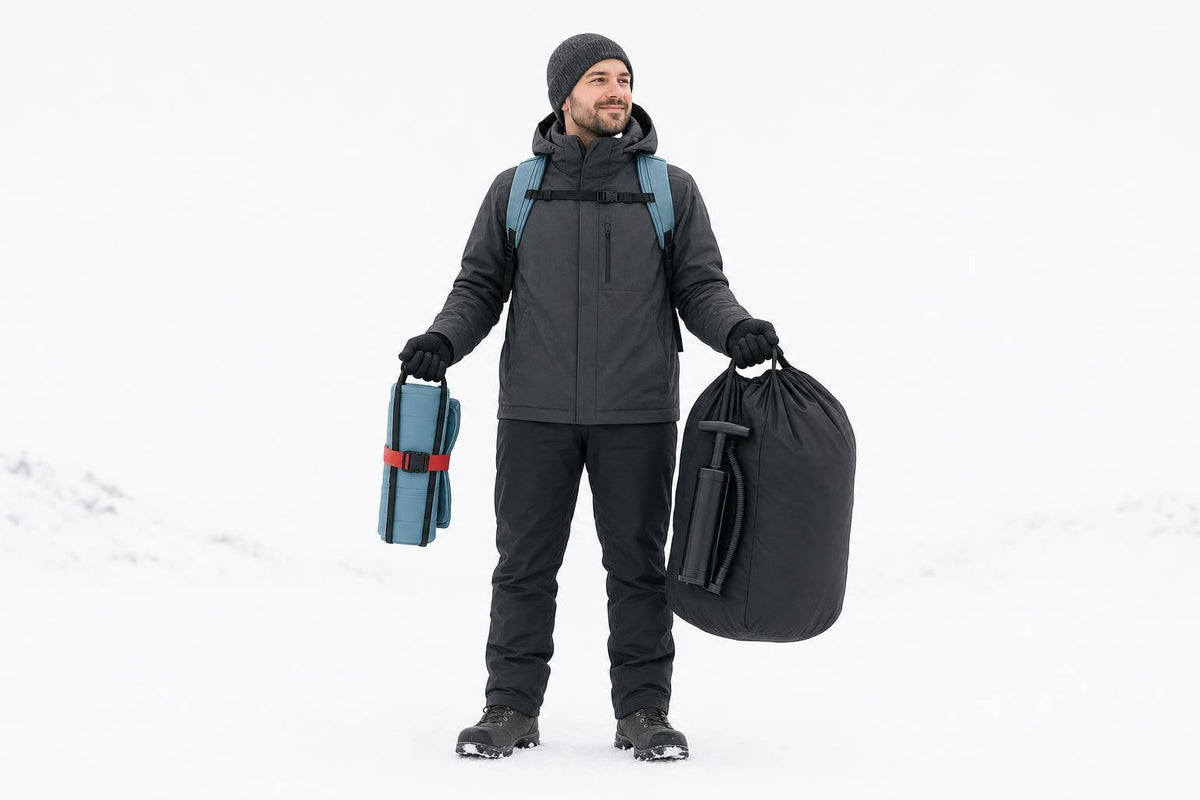
Snowfeet* PRO 50 cm start at $299 and Skiskates 44 cm start at $460. That’s more up front. But both work on snow, not just ice. If you get steady snow through the season, Snowfeet* give you more chances to ride. That’s why Snowfeet* come out ahead on cost per usable day. And if you want the lowest-priced Snowfeet* model, Snowfeet* 38 cm is the cheapest option in the lineup and the easiest to pack. It covers more of the winter you actually get, not just the ice you might luck into.
| Icefeet | Snowfeet* 38 cm | Snowfeet* PRO 50 cm | Skiskates 44 cm | |
|---|---|---|---|---|
| Price (USD) | $199 | From $249 | From $299 | From $460 |
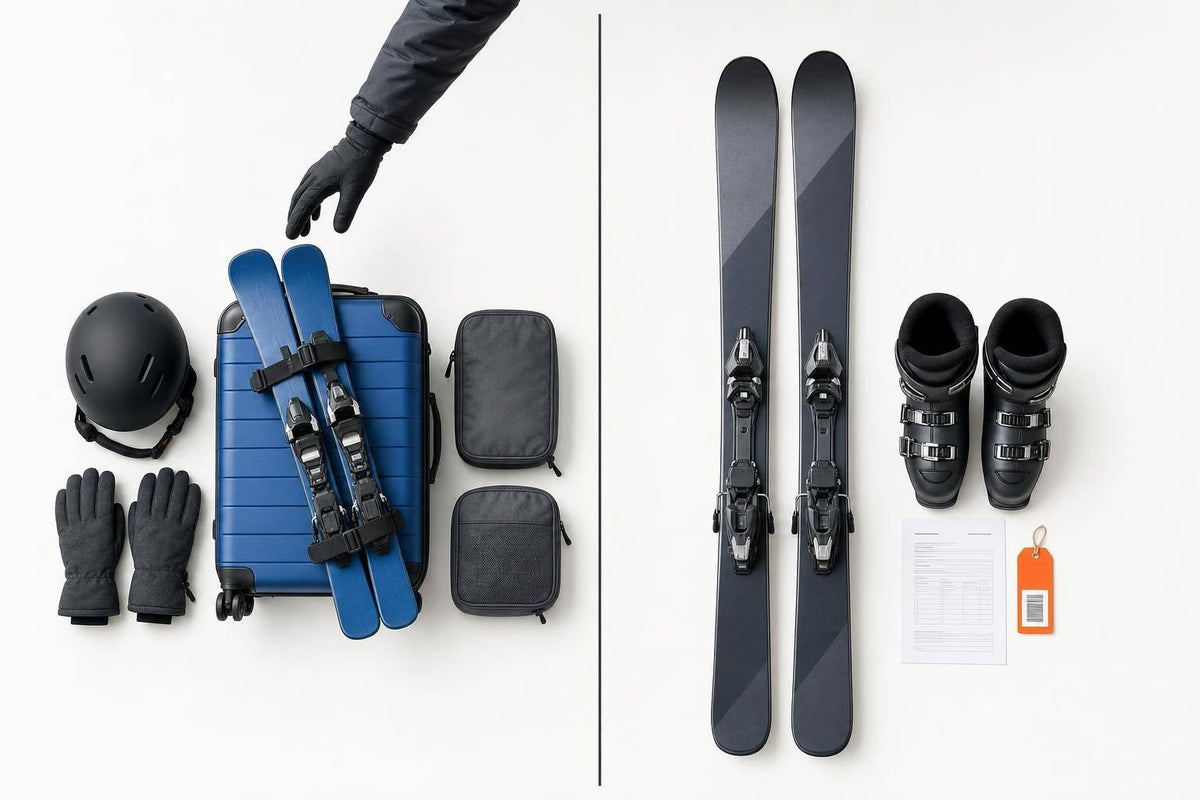
| Portability | Very compact, backpack or duffel size | Ultra-compact, fits carry-on | Fits in carry-on-sized luggage | Compact enough for ski trips |
| Primary Use | Frozen lakes, rinks | Small hills, resort slopes | Resort slopes, variable snow | Ski slopes, parks, narrow runs |
| Best Rider Match | Dedicated ice skaters | Casual riders, travelers | Casual riders, snowboarders | Skiers and park riders |
Best pick by rider type
That makes the choice pretty straightforward: match the gear to your boots and the snow you’ll ride most.
- Snowfeet* 38 cm work well for casual beginners and travelers who want something small and easy to pack.
- Snowfeet* PRO 50 cm fit riders who expect softer or mixed snow and want more stability underfoot.
- Skiskates 44 cm make sense for skiers and park riders who want the closest thing to a ski feel in a short setup.
- Icefeet are best for dedicated ice skaters who want a fun extra for rinks or frozen lakes. Beyond that, they’re not made for snow.
Conclusion: Why Snowfeet* Work Better for Most Snow Riders
When you stack up price and portability, the last thing to look at is usable days on snow. Icefeet are fun on ice - no doubt about it. But Snowfeet* handle more terrain, fit more boot types, and give you better control and more stopping confidence on slopes. Many ski resorts allow them on the mountain. If you spend more time on snow than on ice, Snowfeet* are the smarter buy.
FAQs
Can I use Icefeet on snow?
Yes, but only on smooth, clean natural ice.
Icefeet are made for ice-only skating. They work best on:
- backyard rinks
- small community rinks
- flat frozen ponds with clear ice
On rough, slushy, snowy, or bumpy surfaces, they can come off fast and feel shaky. So, they’re not meant for actual snow use.
Which Snowfeet* model should I choose?
Choose based on terrain, footwear, and your experience level. That’s the whole game here.
- PRO 50 cm ($299): the best all-around pick for regular winter boots on snowy slopes, trails, or in parks.
- 38 cm Mini Ski Skates ($250): the lightest and easiest to carry, which makes them a fun fit for small local hills.
- 44 cm Skiskates ($460+): the top choice for ski or snowboard boots, with the most precise control on groomed runs and park features.
- Icefeet ($199): ONLY for ice you can count on. For most snow use, Snowfeet* models are the better pick.
Are Snowfeet* allowed at ski resorts?
Yes - most U.S. ski resorts allow Snowfeet* because they have standard metal ski edges that meet basic safety rules.
That said, policies can vary from one resort to the next. So it’s smart to check with guest services before you go and ask if leashes or insurance are required.











Leave a comment
This site is protected by hCaptcha and the hCaptcha Privacy Policy and Terms of Service apply.