



















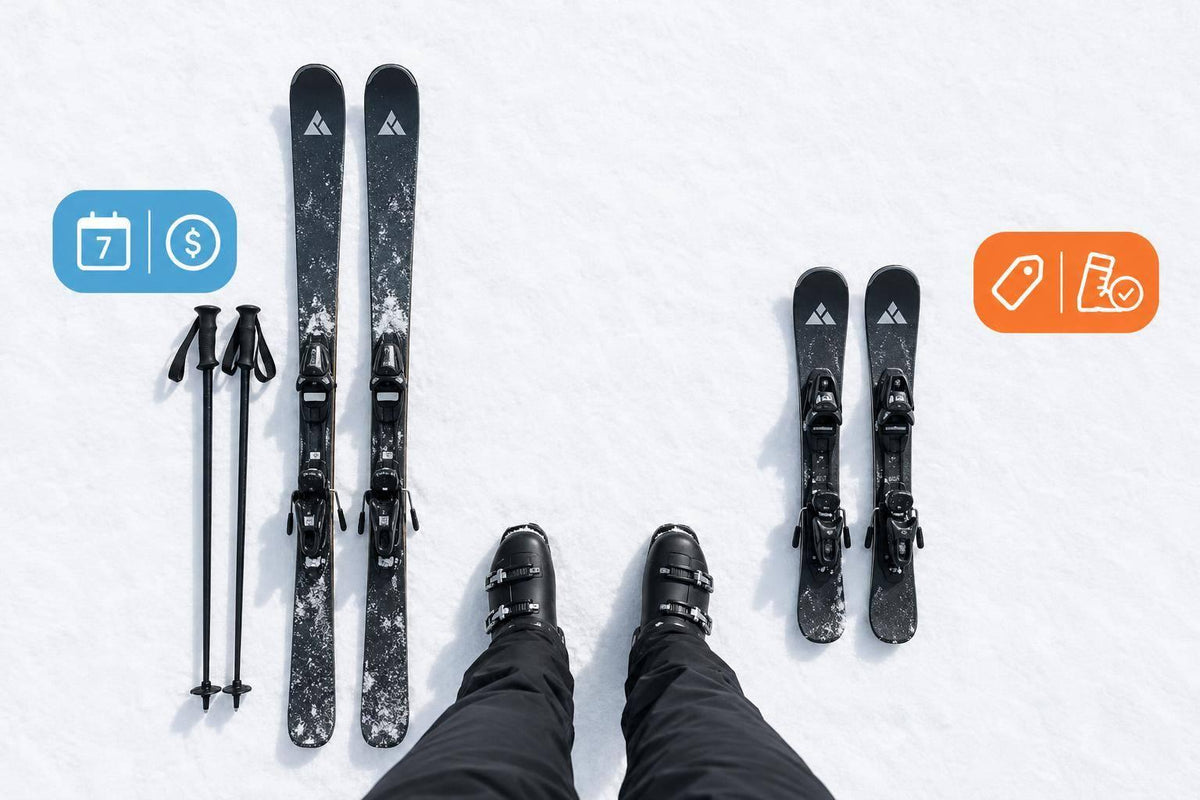
_For one seven-day ski trip, I’d rent: the examples here cost $273–$327, versus $590–$690 to buy Snowfeet Skiblades without boots._* If you’ll ski on repeat trips, buying may cost less - but check your boot fit and all-in costs first.
Here’s my quick take:
- Renting: Lower upfront cost, plus fitting help and gear swaps. Check whether boots and a helmet come with the rental.
- 65 cm Skiblades: $590, about 26 inches long. Small to pack and suited to casual turns and park use.
- 99 cm Skiblades: $690, about 39 inches long. More stability, but a higher upfront cost.
- Extras: Boots, tax, shipping, baggage, and rental protection can change the math. Count ski days, not days away.
Quick Comparison
| Option | Listed cost | Boots | Best fit |
|---|---|---|---|
| Seven-day rental | $273–$327 before extras | Varies by package | One trip or trying gear |
| Snowfeet* 65 cm | $590 before extras | Sold separately | Compact gear for repeat use |
| Snowfeet* 99 cm | $690 before extras | Sold separately | More stability for repeat use |
At the rates used here, buying reaches break-even in about 12–15 ski days, before extra costs. These rental figures are examples, not U.S. averages.
My advice? <u>Compare the total bill, not just the price tag.</u> Short skis pack small, but they don’t get a free pass at the airline counter. :)
All you need to know - Snowfeet* | Skiskates | Skiboards | Snowblades | Skiblades FAQ
Snowfeet* Skiblades Prices and Required Boots
Match the bindings to your boots. Snowfeet* offers both models with ski-boot or snowboard-boot bindings. Boots are sold separately. Check the current listing for final pricing. Then compare the purchase cost with seven-day rental totals, including add-ons that affect the final price.
| Model | Starting price | Length | Binding choices | Required boots | Intended rider |
|---|---|---|---|---|---|
| Snowfeet* Skiblades 65 cm | $590 | About 26 in (65 cm) | Simple ski-boot, pro ski-boot, or snowboard-boot | Compatible ski boots or snowboard boots matched to the binding | Beginners, casual riders, park use, travel |
| Snowfeet* Skiblades 99 cm | $690 | About 39 in (99 cm) | Simple ski-boot, pro ski-boot, or snowboard-boot | Compatible ski boots or snowboard boots matched to the binding | Riders wanting more stability and resort use |
65 cm Skiblades: Starting at $590
The 65 cm model is the most compact and easiest to carry. Before you order, check boot and binding compatibility, including whether your chosen ski binding releases or doesn’t release. This small setup is worth weighing against a full week of rental fees.
99 cm Skiblades: Starting at $690
The 99 cm version offers more stability and suits more types of resort riding while staying compact. It’s the better buy if you plan to use it across multiple trips.
7-Day Rental Rates and Extra Costs
Compare those purchase prices with a seven-day rental bill - and include the extras that can change what you pay.
7-Day Rental Examples: $273, $301, and $327
Check what’s included, not just the daily rate. Sun & Ski Sports’ standard package comes with skis, boots, bindings, and poles, but no helmet. These sample totals are before tax.
Rental option Seven-day calculation Included gear Costs outside the base price Flat-rate rental $39 × 7 = $273 Check whether the rate covers skis only or a full package. Missing gear, optional protection, shipping/delivery, and tax Weekday/weekend rental (5 × $39) + (2 × $53) = $301 Check whether the rate covers skis only or a full package. Missing gear, optional protection, shipping/delivery, and tax; holiday surcharges not included Snow Bird Ski Shop package $51 + (6 × $46) = $327 Skis, boots, poles, and helmet Optional protection, shipping/delivery, and tax
Compare the Snowfeet* purchase prices listed above with these rental totals. Add any boot, shipping, and baggage costs to the option they apply to.
Use a total only when its day count, included gear, and pricing rules match your trip. For each rental, check the location, equipment category, deposit, and cancellation terms.
Boots, Rental Protection, Shipping, and Baggage Fees
The base rate is your starting point. Boots, insurance, and travel fees can push the bill up.
Account for boots: use your own compatible pair, rent a pair for the week, or buy them for repeat trips. Add the actual boot cost, shipping, required service fees, and sales tax. Keep refundable deposits separate from the cost of use.
Ski Sugar charges $10 per set per day for optional rental insurance. That’s $70 for seven days, and it doesn’t cover lost or stolen equipment.
At that rate, the seven-day totals rise to $343, $371, and $397 before tax.
Short skis may fit in a standard checked bag, but airline size, weight, and baggage rules still apply. Renting at your destination means you don’t have to transport skis. Flying with gear you own may mean paying for protective luggage, checked bags, or overweight bags. Using luggage you already have may help you avoid an extra bag charge.
United allows a ski or snowboard equipment set as a checked bag. It charges overweight fees above 50 pounds and extra-bag fees when you exceed your allowance. Those fees can wipe out the savings from a low rental rate, especially on a short trip.
sbb-itb-17ade95
When Buying Costs Less Than Renting
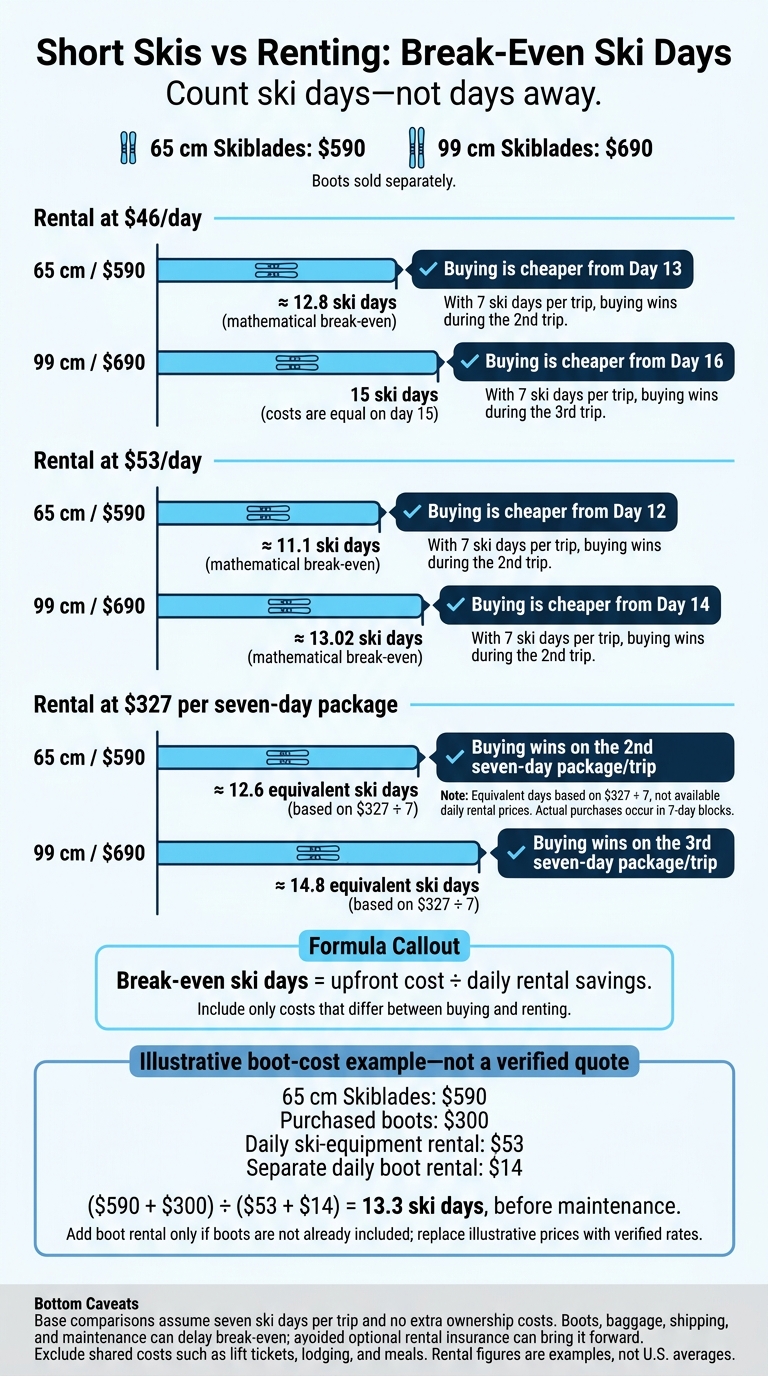
Short Skis vs Renting: Break-Even Ski Days
Using the seven-day rental totals above, here’s when Snowfeet* starts to cost less.
Break-even ski days = upfront cost ÷ daily rental savings.
Break-Even at $46 and $53 per Ski Day
These calculations assume seven ski days per trip and no extra ownership costs. Add the cost of boots only if you need a new pair. A higher daily rental rate means Snowfeet* pays for itself sooner.
| Model / purchase price | Rental assumption | Break-even ski days | Trip when buying wins |
|---|---|---|---|
| 65 cm / $590 | $46/day | 12.8 → 13 days | 2nd |
| 99 cm / $690 | $46/day | 15 days | 3rd |
| 65 cm / $590 | $53/day | 11.1 → 12 days | 2nd |
| 99 cm / $690 | $53/day | 13.02 → 14 days | 2nd |
| 65 cm / $590 | $327/seven-day package | 12.6 equivalent days | 2nd |
| 99 cm / $690 | $327/seven-day package | 14.8 equivalent days | 3rd |
At $46 per day, the 99 cm model breaks even on day 15; buying is strictly cheaper on day 16.
Boots and travel fees can change that point, so adjust the math before you buy.
How Boots and Travel Costs Change Break-Even
Add boot costs only if you need to buy or rent boots separately.
For example, with $300 boots and a $53 daily ski-equipment rental plus $14 for boots, the 65 cm calculation is ($590 + $300) ÷ ($53 + $14) = 13.3 ski days, before maintenance. These illustrative prices must be replaced with verified rates; add boot rental only if it isn’t already included.
Baggage, shipping, and maintenance add to ownership costs. Optional rental insurance adds to the rental costs you avoid by buying. Include only costs that differ between the two options. Leave out shared costs like lift tickets, lodging, and meals. Count ski days, not trip days.
Conclusion: Rent for One Trip, Buy for Repeat Use
Based on the totals above, rent for one seven-day trip. Buy Snowfeet* if you’ll use them again and already own compatible boots. Base your choice on planned ski days, not just the number of vacations.
Here’s how the options stack up:
| Factor | 7-day rental | Snowfeet* Skiblades 65 cm | Snowfeet* Skiblades 99 cm |
|---|---|---|---|
| 7-day total | $273–$327 | $590 | $690 |
| Portability | Requires pickup and return; bulkier to travel with | Compact and easy to carry on repeat trips | Portable, but less compact than the 65 cm model |
| Value on repeat trips | You pay again each trip | Pays for itself sooner with repeated casual use | Reusable across trips, with added stability |
| Best fit | One vacation, conventional skiing, or unsure equipment needs | Playful turns and compact gear for frequent trips | A steadier short-ski platform for mixed recreational use |
The break-even point is about 13–15 ski days, before extras. The 65 cm model pays for itself sooner, while the 99 cm model offers more stability.
Before buying, check the binding type, boot fit, shipping, return terms, taxes, and final price. Compare all-in costs, and check airline baggage rules. Compact skis don’t always fly free.
Renting also gives you fitting support, equipment swaps, and in-person help. Long skis still win for speed and deep or variable snow. For casual riders who want gear that’s easy to carry and reuse, Snowfeet* is our preferred choice.
FAQs
Is buying still worth it if I ski only a few days a year?
Renting costs less upfront for a short trip. But buying Snowfeet can cost less than repeated rentals after about 4 to 10 total ski days. You’ll also skip rental lines, leave bulky gear behind, and often wear your own comfy boots.
Long skis work best for deep powder and high-speed carving. But for casual resort days, easy travel, and repeat family trips, Snowfeet are the better, more flexible choice.
How can I check whether my boots fit Snowfeet* bindings?
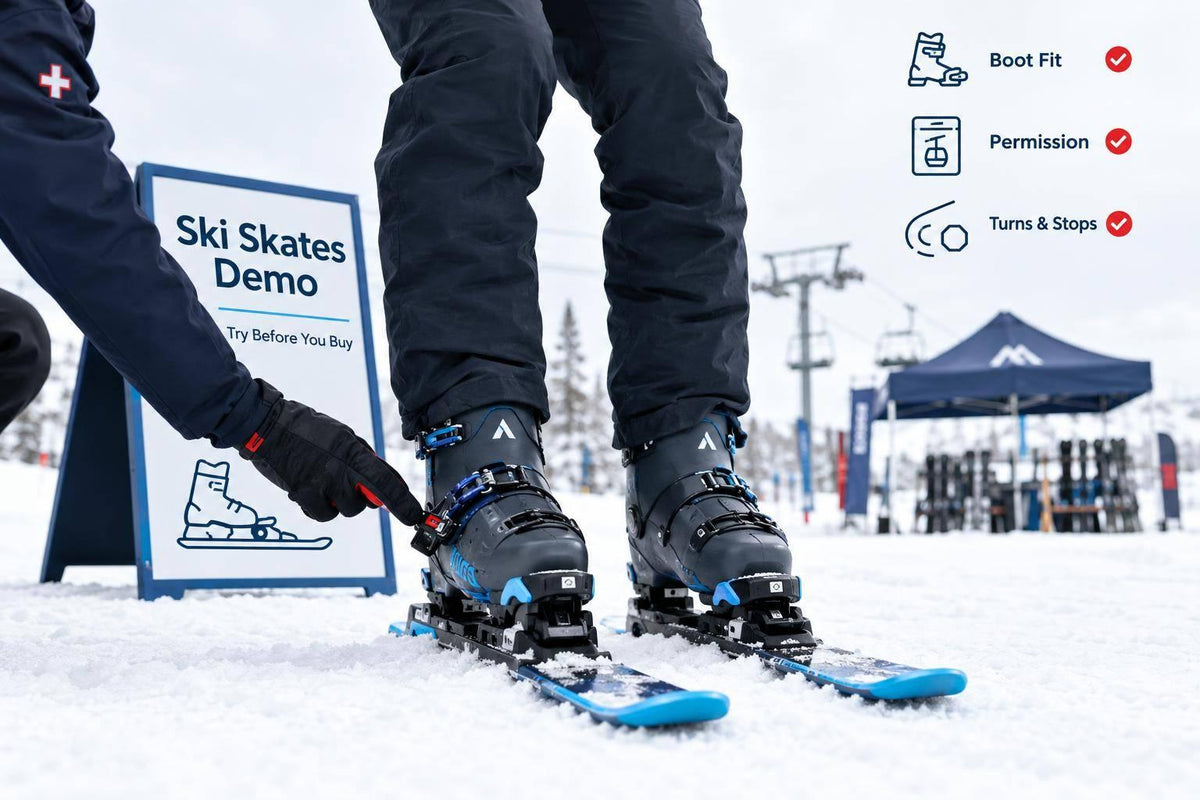
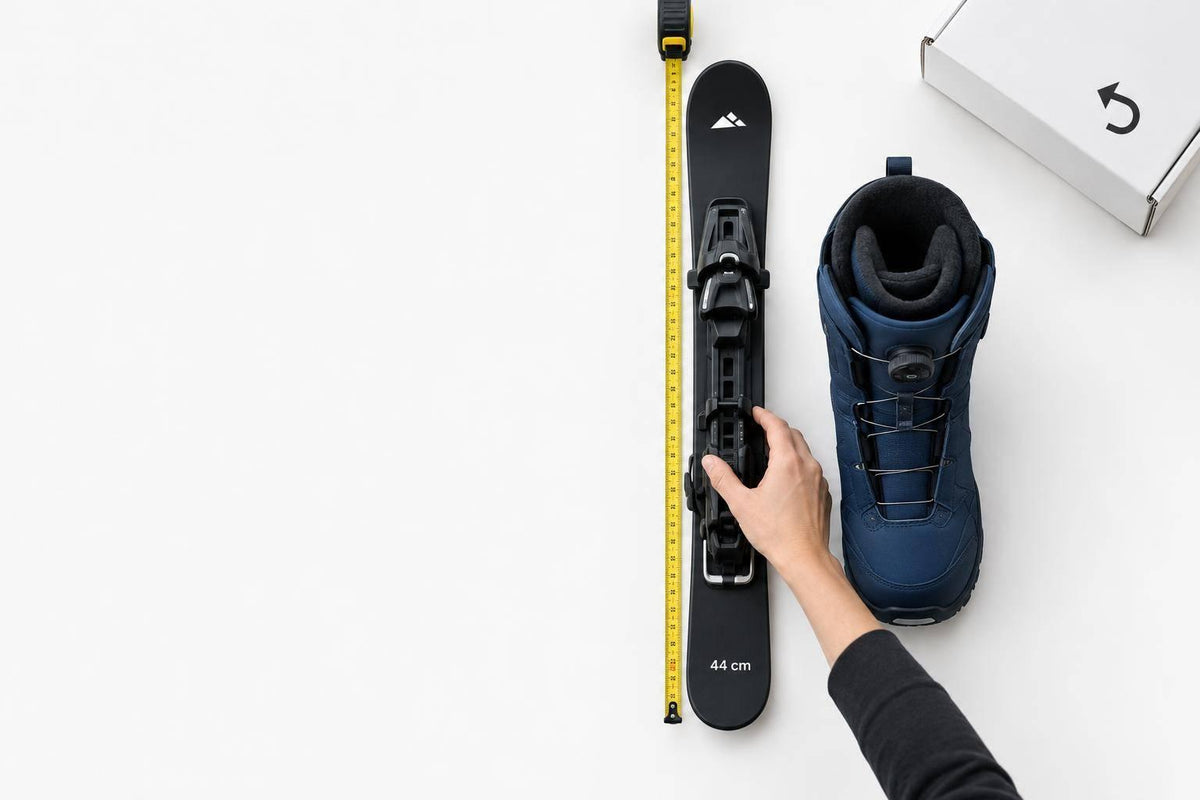
Check the product details and binding type for your chosen Snowfeet* model before you buy. Boot requirements depend on the model’s length and type.
Most Snowfeet* products work with waterproof winter boots or snowboard boots, so you may not need ski boots. Models 120 cm (about 47 inches) and longer typically need standard ski boots for extra support.
How do maintenance costs affect my break-even point?
Maintenance costs barely affect your break-even point because Snowfeet need far less upkeep than standard skis. Ski tuning, edge sharpening, and waxing can cost $100 or more per year. With Snowfeet, you can handle basic care yourself with a $6 wax kit.
Skipping repeat professional service fees and rental boot upgrades helps you break even sooner and keeps upkeep costs near zero.











Leave a comment
This site is protected by hCaptcha and the hCaptcha Privacy Policy and Terms of Service apply.