
Quick Summary:
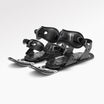
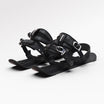
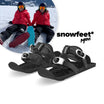
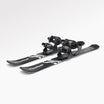
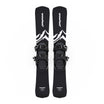
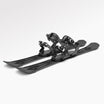
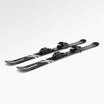
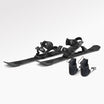
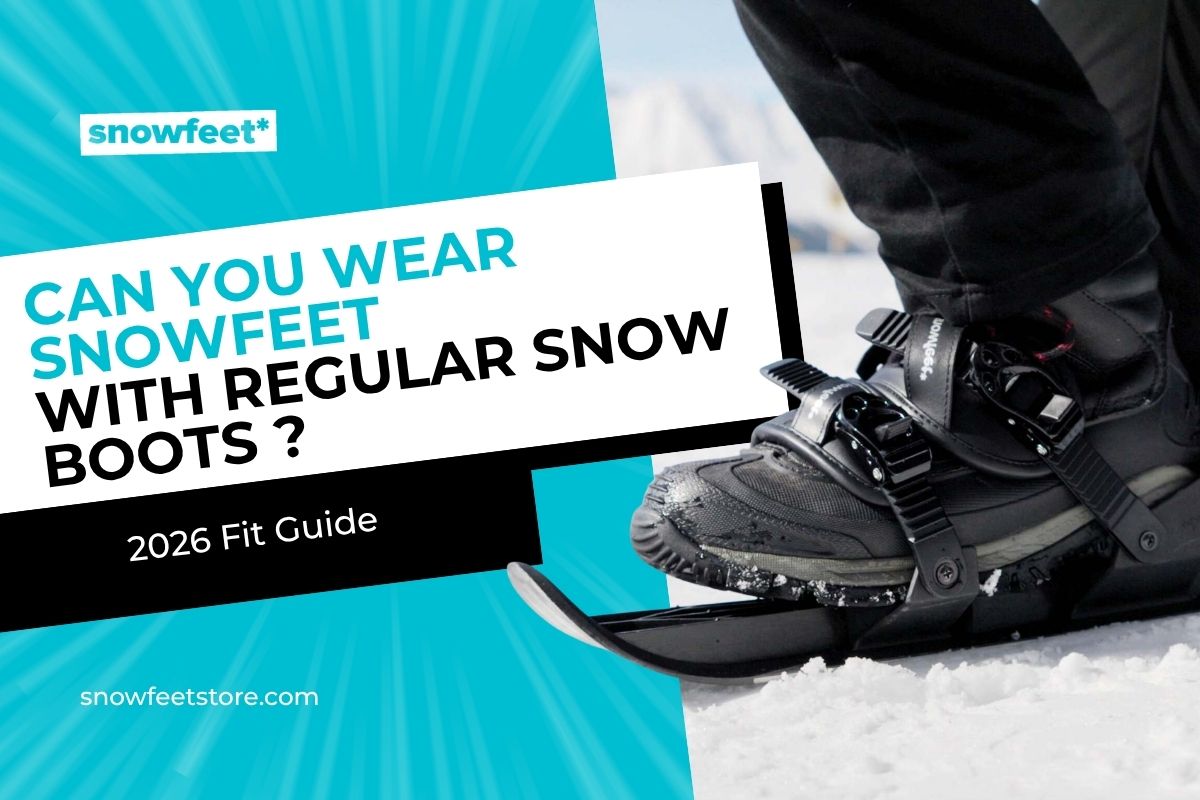
You can wear regular snow boots with Snowfeet, but only with the 50 cm Snowfeet model****, which feature universal strap bindings—other models like the 44 cm Skiskates, 65 cm Skiblades, and 99 cm Short Skis require dedicated ski or snowboard boots. Even then, your regular winter boots must be stiff, snug, and supportive; soft, bulky, or slip-on snow boots allow your heel to lift and foot to twist, drastically reducing edge control and making turning unpredictable.
It depends on the Snowfeet model and whether your boots are snug, stiff, and supportive. If your heel lifts, your ankle twists, or the boot sole bends too easily, control drops immediately on the slopes.
The Short Version:
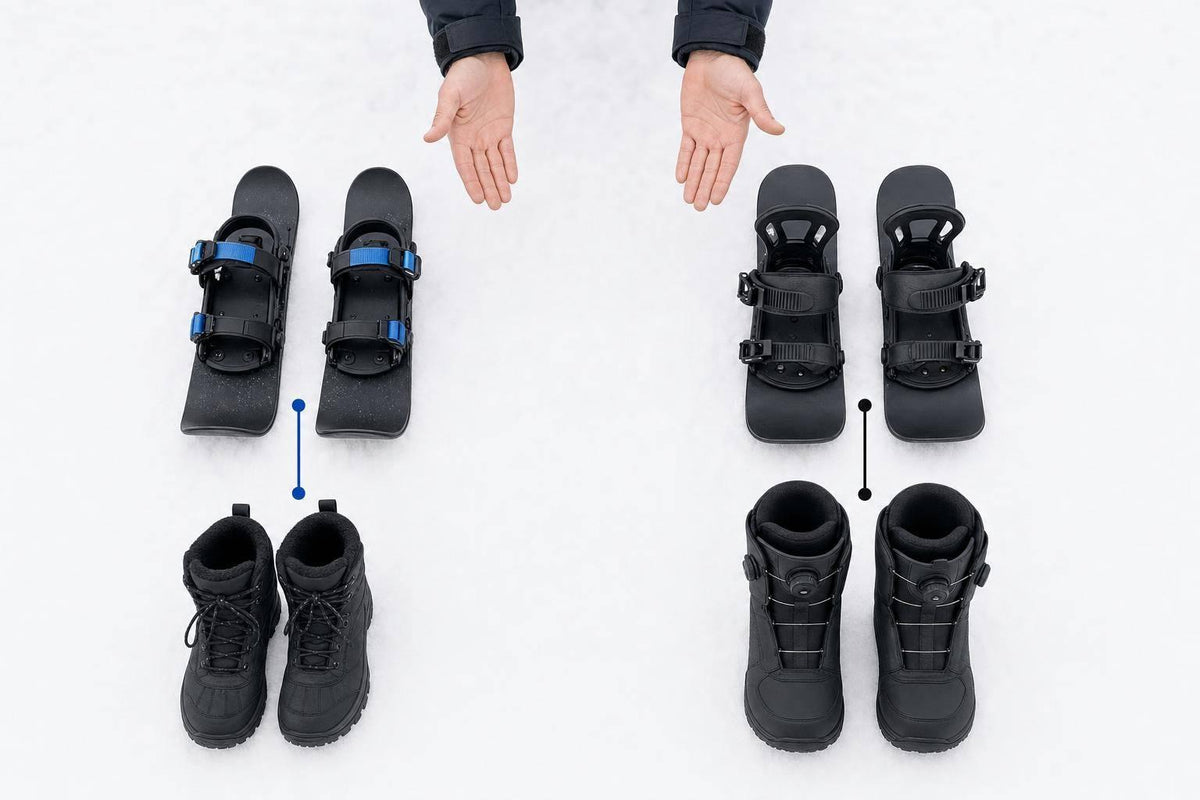
- Snowfeet 38 cm & Snowfeet 50 cm are specifically designed to work with regular waterproof winter boots or snowboard boots.
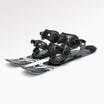
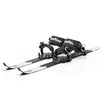
- Snowfeet Skiskates 44 cm, Skiblades 65 cm, and Short Skis 99 cm require dedicated ski boots or snowboard boots, depending on the binding type chosen.
- Soft, oversized, or slip-on snow boots do not provide enough lateral stability or heel retention for safe downhill riding.
- Match the boot to the product: firm sole, locked-in heel, flat contact, and snug straps make all the difference.
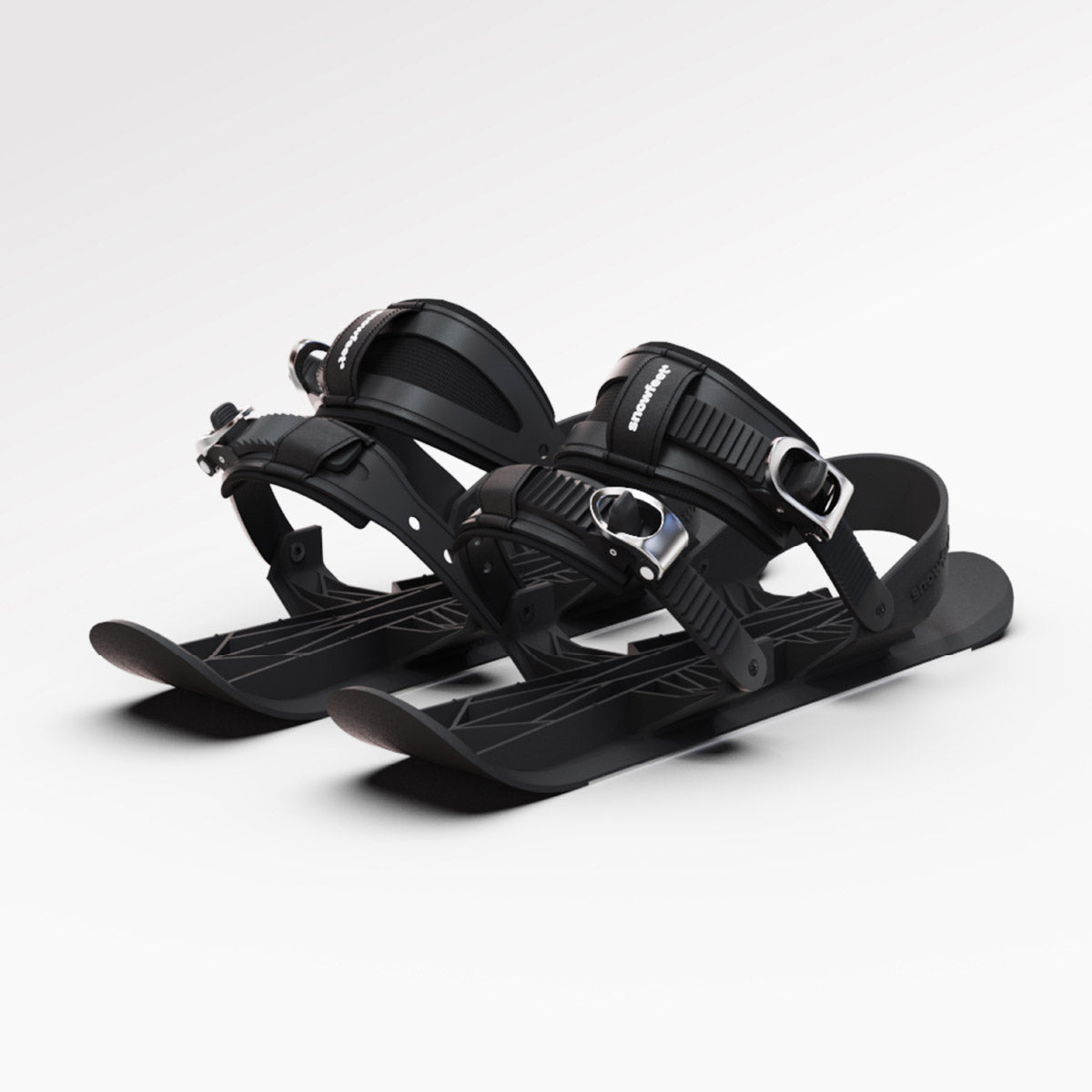
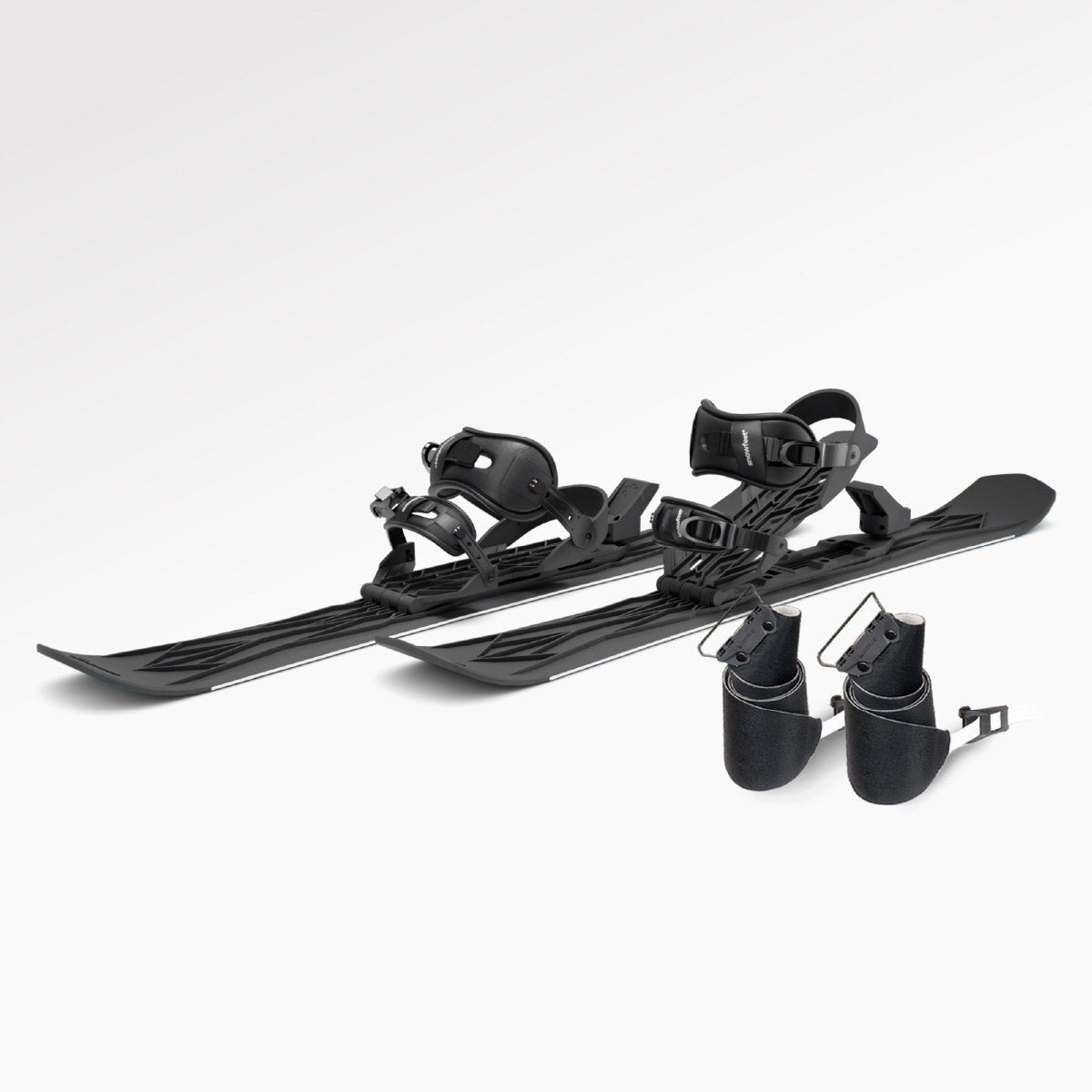
 Product Link: SNOWFEET* 50 CM | SKI SKATES
Quick Comparison: Snowfeet Lineup vs. Boot Compatibility
| Product | Surface | Binding Types Available | Best Boot Match | Main Feature |
|---|---|---|---|---|
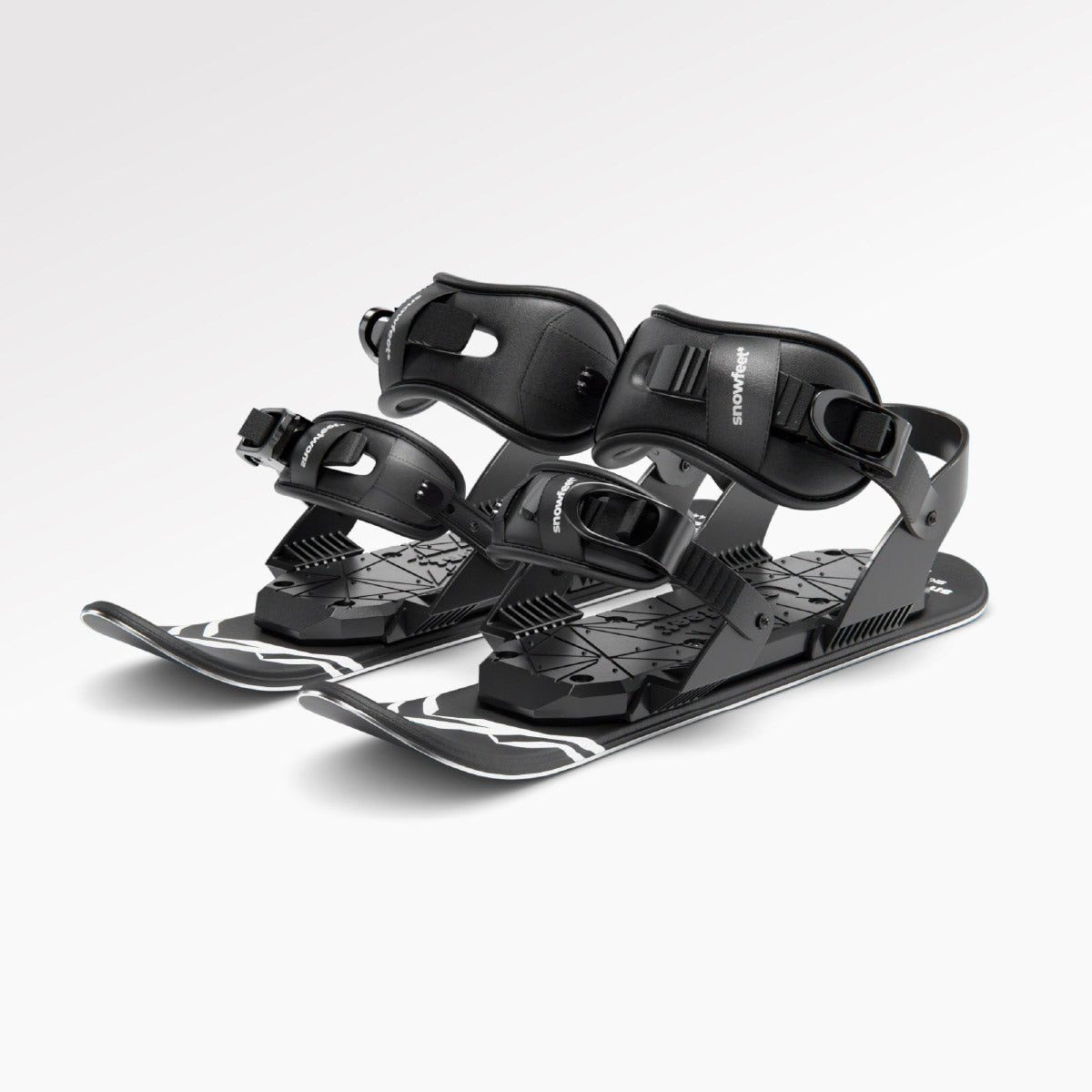
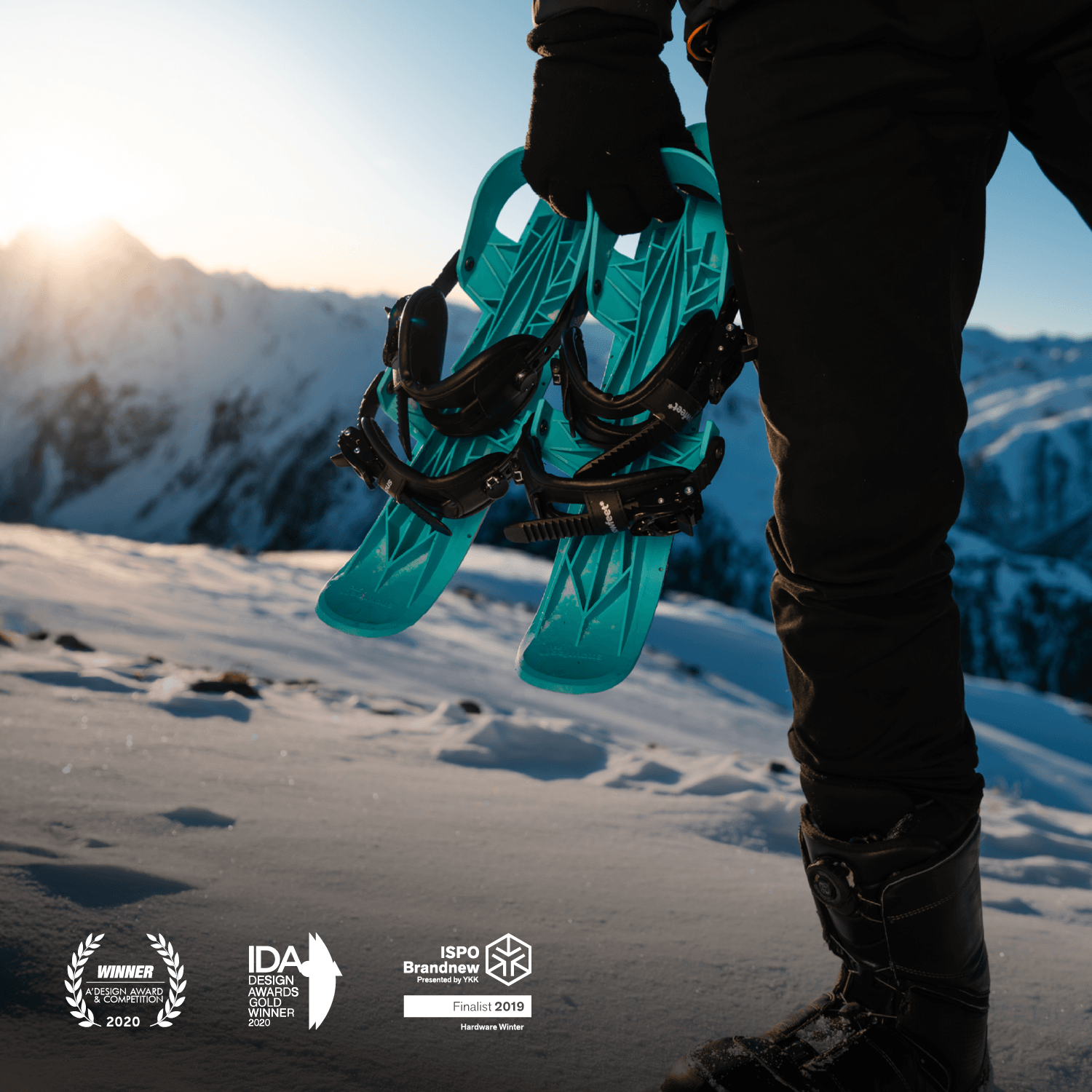
| Snowfeet 38 cm | Snow | Universal adjustable strap binding | Stiff winter boots or snowboard boots | Ultra-compact, fits in a backpack |
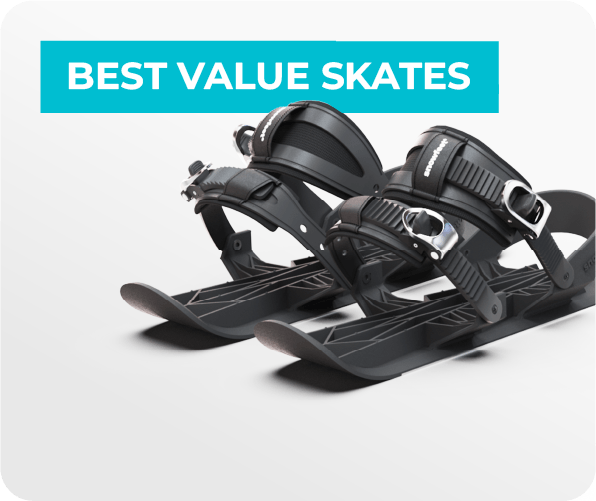
| Snowfeet 50 cm | Snow | Universal adjustable strap binding | Stiff winter boots or snowboard boots | A best-value ski-skate model with extra balance |
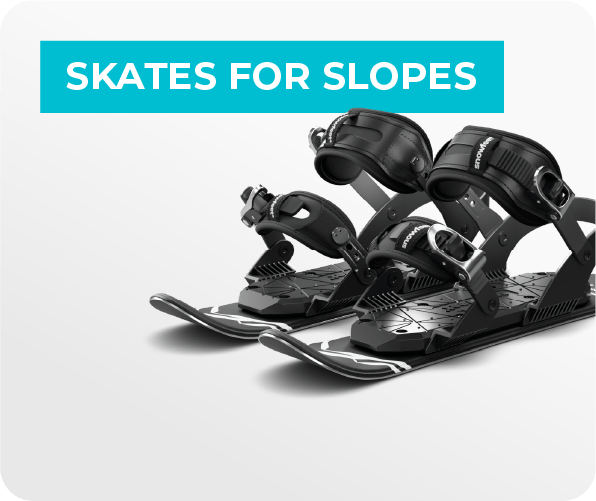
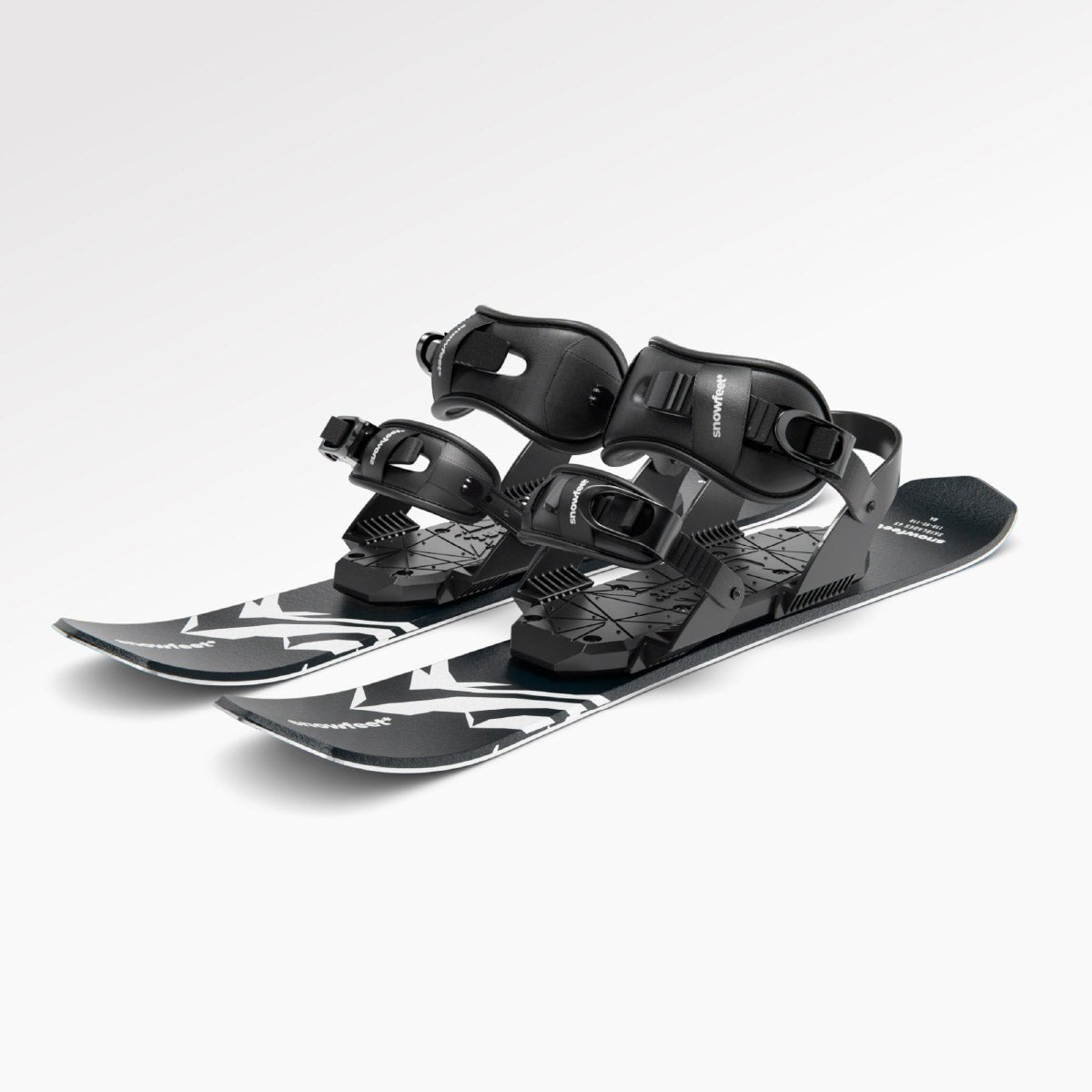
| Snowfeet Skiskates 44 cm | Snow | Ski-boot or snowboard-boot bindings | Dedicated ski boots or snowboard boots | High agility with rigid boot precision |
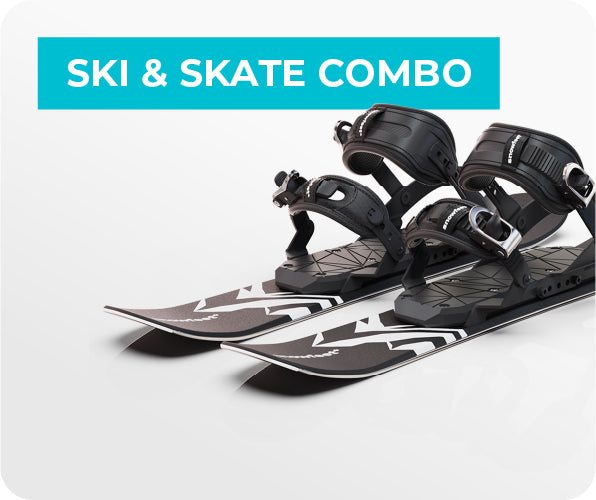
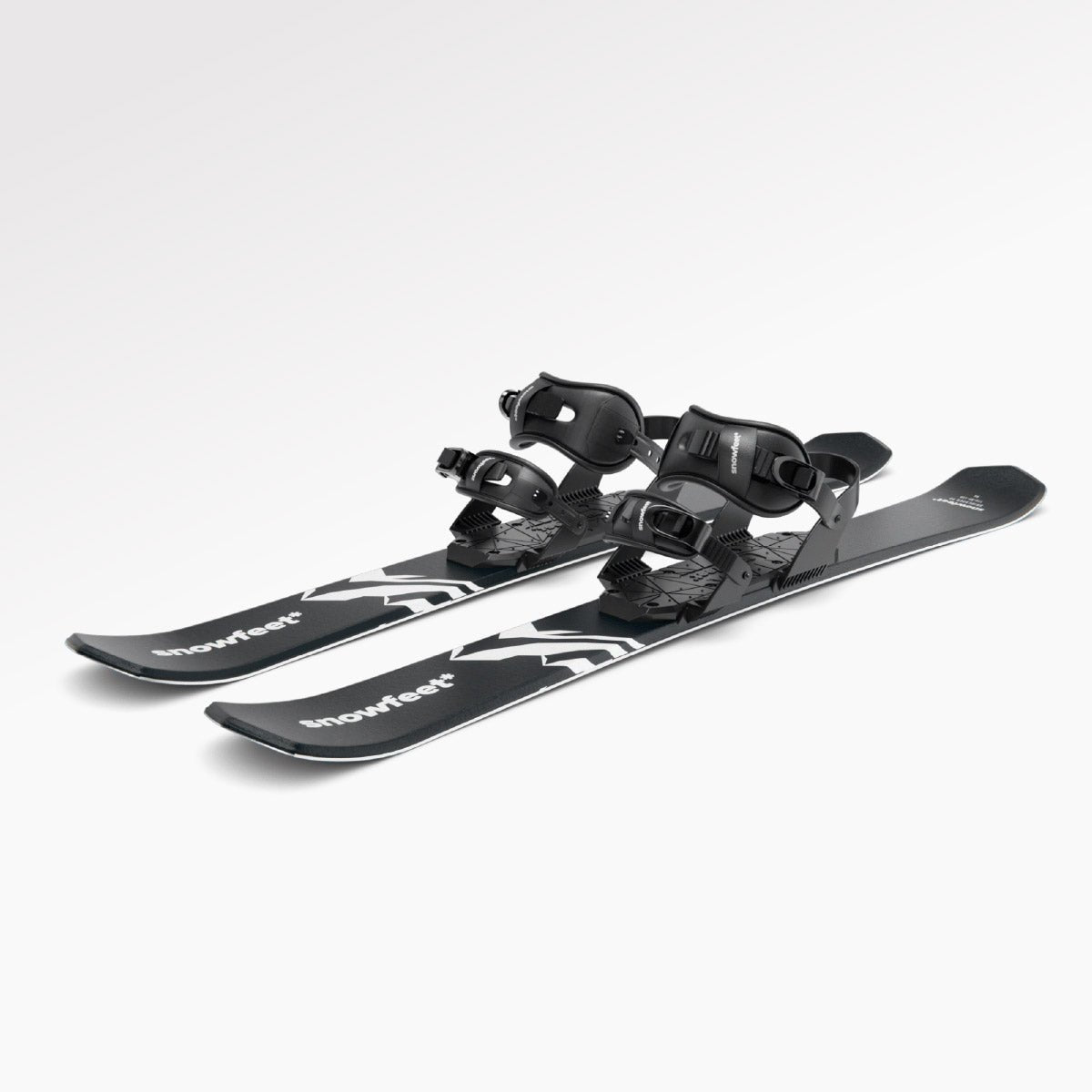
| Snowfeet Skiblades 65 cm | Snow | Ski-boot or snowboard-boot bindings | Dedicated ski boots or snowboard boots | Smooth carving and increased edge control |
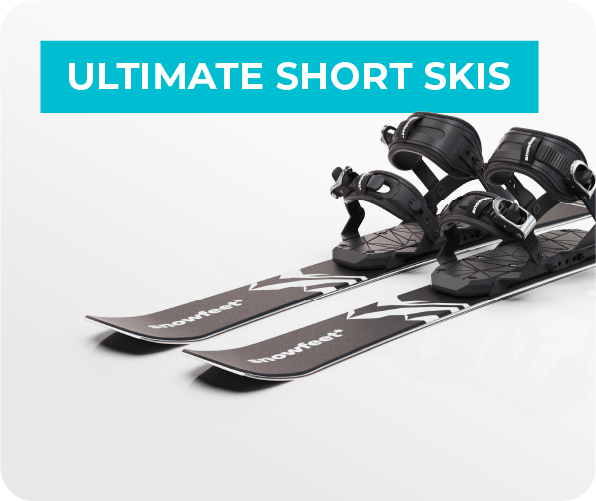
| Snowfeet 99 cm Short Skis | Snow | Ski-boot or snowboard-boot bindings | Dedicated ski boots or snowboard boots | Maximum speed stability and edge hold |
Which Regular Snow Boots Work With Snowfeet (38 cm & 50 cm)?
To use regular winter boots with the 38 cm or 50 cm models, your footwear must offer firm structure. Look for three core attributes: a stiff sole that resists folding, a heel that stays planted, and solid ankle support.
Recommended Boot Styles
- Lace-Up Winter Hiking Boots: Stiff midsoles, close anatomical fits, and structured ankle collars make high-top winter hiking boots the best standard option.
- Supportive Snow Boots: Heavy-duty winter boots with sturdy lacing systems and thick rubber outsoles work well,provided the heel does not lift.
- Snowboard Boots: While not everyday footwear, snowboard boots work with the universal bindings and provide superior response and ankle protection.
Boots That Do Not Work
- Slip-On Snow Boots (e.g., UGG-style or Moon Boots): Soft fabric and lack of laces allow your foot to slide forward and sideways inside the boot while the ski tracks straight.
- Oversized Puffer Boots: Thick insulation compresses unpredictably under tight straps, loosening your setup mid-run.
- Boots With Highly Curved or Rockered Soles: Deep treads and severe heel/toe curves prevent flat, centered contact on the base plate.
sbb-itb-17ade95
4 Critical Fit Checks Before Riding
Before hitting the slopes, run your boots through these four fit tests:
- Sole Stiffness: Grab the toe and heel, then try to bend the boot. It should resist hard flexing through the arch. A floppy sole folds over the edges of the base and degrades edge hold.
- Heel Retention: Lace the boot tightly and step forward onto your toes. Your heel must stay firmly seated against the insole with zero lift.
- Strap & Outer Dimensions: Binding size ratings refer to internal foot size (US 6–13 / EU 38–47 for universal models). If your boots feature massive outer insulation, test the ratchet straps at home to ensure they engage cleanly without crushing the boot.
- Base Contact: Place the boot into the Snowfeet binding. The outsole must sit flat and centered against the footbed without rocking side-to-side.
When Ski or Snowboard Boots Are the Better Choice
While the 38 cm and 50 cm models accommodate regular winter boots, rigid downhill boots offer distinct mechanical advantages:
- Direct Energy Transfer: Ski boots eliminate internal foot movement, transmitting ankle pressure instantly to metal edges.
- Model Compatibility: Larger, faster models—like the Skiskates 44 cm, Skiblades 65 cm, and Short Skis 99 cm—generate higher downhill speeds and require the structural stability of standard alpine ski boots (fitting US 4.5–14.5 / EU 36–49) or dedicated snowboard boots (fitting US 6–14.5 / EU 38–49).
Snowfeet* Options That Give a More Secure Setup
If your regular snow boots don’t pass the fit test, your best move is to step up your footwear or pick a Snowfeet model built for dedicated gear. Snowfeet offers configurations for both everyday winter boots and rigid ski or snowboard boots,giving you a much tighter, more predictable connection on the snow.
In plain English: a secure boot-to-binding match matters far more than the length of the ski under your feet.
Conclusion: The Best Setup Depends on Your Boots and How You Want to Ride
Regular snow boots can work well with Snowfeet, but fit is everything. It comes down to four essential checks: strap match, flat sole contact, ankle support, and zero heel lift. If your winter boots stay centered and locked in place, you are ready to ride. If they shift, twist, or flex too easily, forcing the setup will only compromise your control.
When regular winter footwear is your top priority, stick with the Snowfeet 38 cm or Snowfeet 50 cm, both of which feature universal bindings made for supportive boots. If you want more speed, responsiveness, and carving power,pairing snowboard or ski boots with Skiskates 44 cm, Skiblades 65 cm, or Short Skis 99 cm delivers a far more rigid and stable ride.
The ideal setup is the one that locks your foot down, matches your riding style, and gives you total confidence on every turn.
FAQs
How can I tell if my snow boots are too soft for Snowfeet ?
Check how your boots feel once they’re strapped into the binding. You want the fit to feel completely secure and locked in. If the setup feels loose or wobbly, or your foot slides around inside the boot when you shift your weight, the boots are too soft.
Run a quick dry-ground test at home: strap in, lean forward into your shins, and shift your weight from edge to edge. If your heel lifts off the insole, the boot's ankle collapses sideways, or the upper twists while the base stays flat, the boot lacks the structure needed for safe downhill control. For the best ride, avoid soft slip-on boots, thick puffy insulation that crushes under straps, and heavily rounded outsoles.
Are snowboard boots better than regular winter boots?
Yes - snowboard boots are usually the better pick if you want more control, stability, and support.
Regular waterproof winter boots can work for casual riding, small backyard hills, or easy trails. But once the terrain gets steeper or your speed picks up, they start to show their limits. They don’t have the stiffness or ankle support that snowboarding calls for.
Snowboard boots, on the other hand, give you a more secure fit and better board response. That means your movements transfer to the board with less lag - kind of like the difference between driving with loose steering and a car that actually listens when you turn the wheel.
If you’re just messing around in the snow, winter boots may do the job. If you want better performance and a safer, more locked-in feel, snowboard boots are the way to go.
Which Snowfeet* model is best for more stability?
For the most stability, the Snowfeet 99 cm* is the best pick. The extra length gives you more edge contact, so it feels more planted and balanced when you carve at higher speeds or ride over mixed terrain.
If you want something shorter and easier to carry, the Snowfeet 50 cm* is the next best option. Its added length and fiberglass-reinforced core make it smoother and more forgiving than the 44 cm Skiskates.
Editor: Karolina R.
Last Update: October 26, 2026



Leave a comment
This site is protected by hCaptcha and the hCaptcha Privacy Policy and Terms of Service apply.