




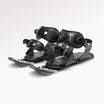
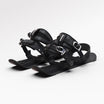
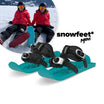
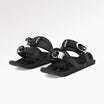
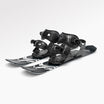
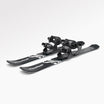
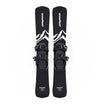
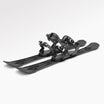
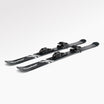
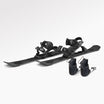
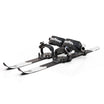
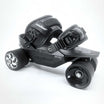
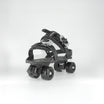
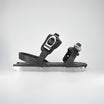
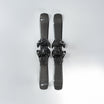
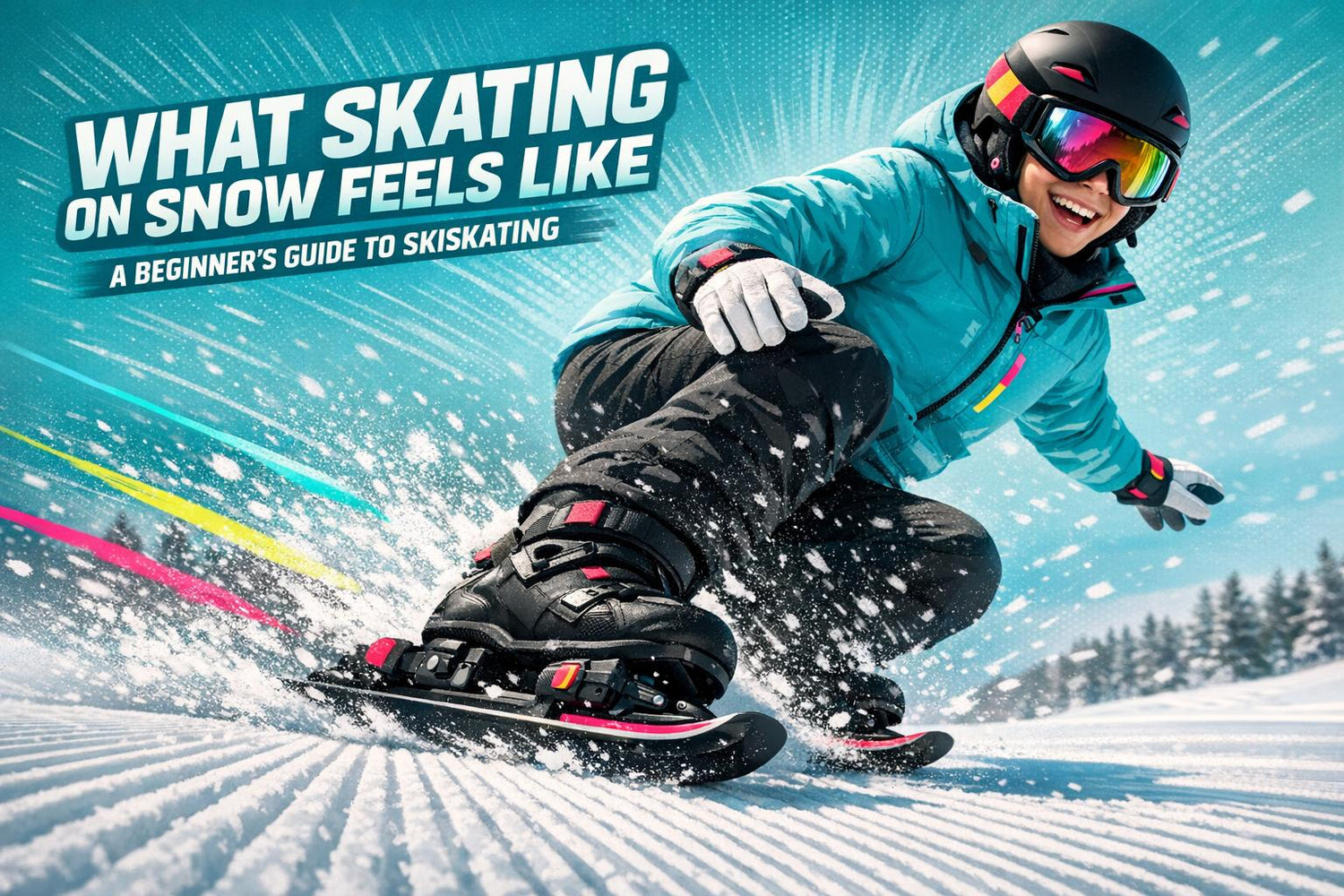
Skiskating is a fun, easy-to-learn winter activity that combines the motion of skating with the thrill of gliding on snow. Using compact Snowfeet Skiskates - just 17 inches long - you can clip them onto your winter boots and start enjoying the snow without bulky ski gear. Here’s why they’re worth trying:
- Quick Learning Curve: Most beginners get the hang of it in just 5–10 minutes.
- Lightweight & Portable: Small enough to fit in a backpack, unlike skis or snowboards.
- Versatile Use: Perfect for groomed trails, parks, or even your backyard.
- Affordable: Starting at $190, they’re far cheaper than full ski setups.
With a simple “hockey push” motion, you’re off and gliding. Whether you’re looking for a new snow activity or an alternative to skiing, skiskating is a low-hassle, high-fun option that works for all skill levels.
Snowfeet Skiskates vs. Traditional Skis and Snowboards
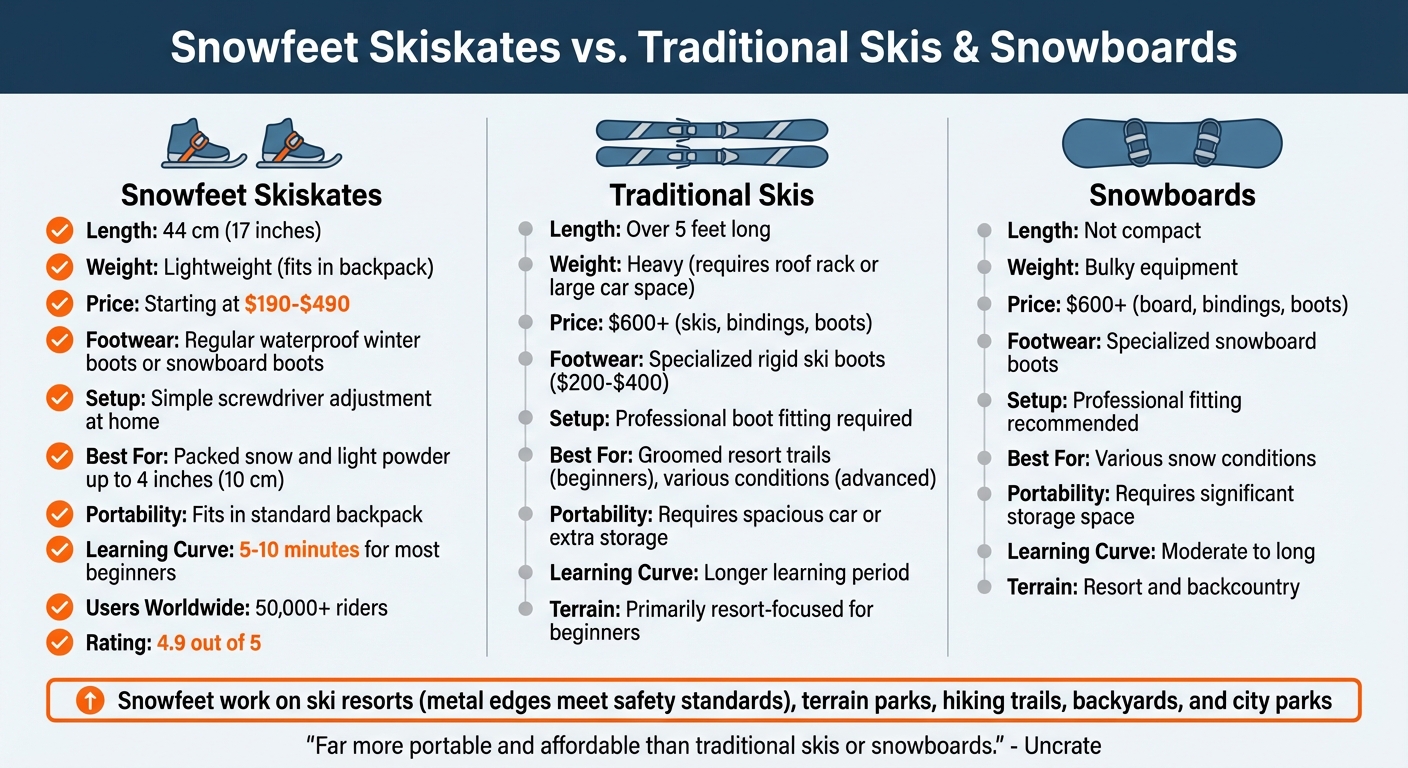
Snowfeet Skiskates vs Traditional Skis and Snowboards Comparison
If you've ever lugged ski gear up to the mountains, you know it’s no small feat. Traditional skis can stretch over 5 feet long, and snowboards aren’t exactly compact either. And let’s not forget those stiff, clunky ski boots that feel like a workout just to walk in. Enter Snowfeet Skiskates - a game-changer for anyone tired of the hassle. Let’s break down how they stack up against traditional ski and snowboard gear.
Compact Size and Light Weight
This is where Snowfeet Skiskates steal the show. At just 44 cm (17 inches) long, these skiskates can easily fit into a standard backpack. That means no more wrestling with roof racks or cramming oversized gear into your trunk. They’re so light that even kids can carry them with ease. Compare that to traditional skis, which often require a spacious car or extra storage solutions just to get to the slopes. With over 50,000 riders worldwide already making the switch, it’s clear portability is a big win here.
Simple Setup for New Users
Traditional skiing often demands pricey, rigid boots that can be a pain to wear. Snowfeet, on the other hand, work with something you likely already own - your regular waterproof winter shoes or snowboard boots. Adjust the bindings at home with a simple screwdriver, and you’re good to go. No need to waste time and money on rentals or boot fittings. Plus, using familiar footwear makes the setup a breeze and speeds up the learning process. For beginners, this simplicity can make transitioning from traditional skis or snowboards far less intimidating.
Performance on Different Snow Surfaces
Traditional skis often limit you to groomed resort trails unless you’re a seasoned pro. Snowfeet Skiskates, however, thrive across a range of surfaces. Whether you’re carving down groomed runs, hitting terrain parks, exploring hiking trails, or even playing around in your backyard or local sledding hill, these skiskates deliver. They perform best on packed snow and light powder up to 4 inches, offering a flexibility that long skis just can’t match. Plus, their metal edges meet resort safety standards, so you’re welcome at most ski resorts. And unlike traditional gear, Snowfeet let you enjoy snow fun beyond expensive resort trips - wherever there’s snow, you’re good to go.
"Far more portable and affordable than traditional skis or snowboards." - Uncrate
Now, there is a trade-off. Snowfeet are optimized for packed snow and light powder, so they’re not ideal for deep powder or unpredictable backcountry conditions. But for beginners or casual riders looking to enjoy everyday snow conditions, their portability, easy setup, and versatility make them a solid all-around choice.
How to Start Skiskating: Basic Techniques
Ready to dive into skiskating with your Snowfeet Skiskates? Let’s start with the basics. Thanks to Snowfeet's clever design, picking up skiskating is surprisingly straightforward - especially if you've ever tried ice skating or hockey. Unlike traditional skiing, which often has you leaning forward, skiskating keeps you upright, making it feel natural and easy to learn. Here’s how to get started the right way.
How to Balance on Skiskates
Balance is everything when it comes to skiskating. Start by standing with your legs about shoulder-width apart. This stance gives you better control. Bend your knees slightly and position one foot just ahead of the other. This setup helps you handle uneven terrain and stay steady.
The trick to staying balanced? Keep your weight centered, either over the middle or back of your feet. As the Snowfeet team puts it, "Avoid leaning forward as with traditional skis; stand up straight and keep your weight centered over your feet." If you feel yourself wobbling, lean your upper body forward a bit and extend your arms for extra stability.
Once you’ve got your balance down, you’re ready to start moving.
Moving Forward with the Hockey Push
To get moving, use what's called the "hockey push." This is a side-to-side skating motion that gives you forward momentum. If you’ve ice skated or used inline skates before, this will feel second nature. Start practicing on flat, smooth snow to get a feel for how your Snowfeet Skiskates respond before tackling slopes.
"The best way to start your ride is to skate like a hockey player. Push your legs sideways. Remember - Do not put your weight over your toes while skating, otherwise, you might catch the tips in the snow and fall." - Snowfeet Team
Keep your knees bent and your body low as you skate. This posture helps you stay stable and in control. Once you’re comfortable gliding forward, it’s time to master stopping - an essential skill for safety.
Stopping Techniques for Safety
Stopping is a must-know skill before you hit any slopes. With Snowfeet Skiskates, you have two main ways to stop: the hockey stop and the heel brake.
For the hockey stop, use the edges of your skates to dig into the snow and create friction. The metal edges, similar to those on skis or snowboards, are designed to help you slow down. The key here is to evenly distribute your weight across both feet. Unlike skiing, where you might rely on one ski, skiskating stops work best when your weight is balanced. As the Snowfeet team explains, "Stopping is a little bit harder with Snowfeet so distribute your weight evenly over both feet to make you stop easier and slower."
If you’re looking for a more gradual way to slow down, use the built-in heel brake. This method gives you better control, especially on gentle slopes. Practice both stopping techniques on flat terrain first. Keep those knees bent and your center of gravity low to stay safe and enjoy your time on the snow.
Turning and Controlling Your Speed
Once you've got the hang of moving and stopping, it’s time to dive into turning and managing your speed. Snowfeet’s compact 44 cm design gives them a big edge over traditional skis, offering quick, precise movements and a natural feel.
How to Turn on Skiskates
Turning with Snowfeet Skiskates is all about using their metal edges and shifting your weight. To turn, tilt the skiskates on their edges while leaning your body in the direction you want to go. Keep your legs about shoulder-width apart, bend your knees slightly, and ease into the turn. Thanks to their short length, you don’t have to wrestle with the bulk of long skis - these skiskates respond almost instantly to your movements.
As the Snowfeet Team puts it, “Actually many people find turning with Snowfeet* or Skiskates* easier than turning with those long clunky skis.” Their design allows for quick, playful turns that feel effortless compared to traditional skis. Most riders can pick up the basics of turning in just a few minutes.
Once you’ve got turning down, you’re well on your way to mastering speed control.
Speed Control Methods
Managing your speed comes down to smooth turns and effective stopping techniques. On gentle slopes, wide, sweeping turns are your best friend - they naturally slow you down. On steeper terrain, tighten your turns and increase their frequency to keep your speed in check.
For slowing down gradually on moderate slopes, use the built-in heel brake. If you need to stop quickly, try the hockey stop technique, but remember to keep your weight evenly distributed over both feet. Unlike traditional skis, where you might shift more weight to one side, Snowfeet Skiskates require a balanced stance for the most effective stop.
On groomed slopes, speed control is pretty straightforward. However, it’s smart to avoid very steep runs or deep powder until you’re more experienced. Snowfeet Skiskates shine on well-maintained surfaces, giving you the perfect setting to practice and refine these techniques.
sbb-itb-17ade95
Where You Can Use Skiskates
Snowfeet Skiskates are all about versatility. Unlike traditional skis that demand specific conditions or terrains, these compact skates can handle a variety of environments - from ski resorts to your local park. Their size and design make them perfect for both adventurous resort trips and casual winter outings close to home.
Ski Resorts and Terrain Parks
Snowfeet Skiskates are fully resort-friendly. Thanks to their metal edges, they meet safety standards and are allowed on chairlifts just like regular skis. If anyone asks, you can point out that the base includes metal ski edges, just like traditional ski gear.
On groomed runs, these skiskates are a blast. Their shorter length gives you incredible control, making turns and quick direction changes feel almost effortless. In terrain parks, their compact design is a game-changer - jumps, spins, and tricks are much easier to pull off compared to using longer skis.
Backcountry and Ungroomed Snow
Snowfeet Skiskates also perform well in natural, ungroomed settings. They work in light powder up to about 4 inches (10 cm) deep, which makes them a great option for forest trails or packed hiking paths. Plus, they’re lightweight, so you can easily carry them during uphill hikes and switch to downhill fun in no time. Just keep in mind, they’re not built for deep powder - there’s not enough surface area to keep you floating in heavy snow.
When tackling uneven terrain, your stance matters. Keep your weight on your heels and lift your toes slightly to avoid catching the tips in rough patches. Stick to firm, packed snow or trails, and steer clear of breakable crusts caused by sun or wind.
Backyards and City Parks
For everyday winter fun, Snowfeet Skiskates are a solid choice. Whether it’s a sledding hill, your backyard, or a city park, these skates perform well as long as there’s a few inches of snow. They’re compatible with any waterproof winter boots, so there’s no need for specialized footwear. Their compact size makes them easy to carry, turning even the closest snowy spot into a mini skiskating adventure. This simplicity is why they’re such a hit with beginners looking to try something new and fun.
Why Snowfeet Skiskates Work Well for Beginners
If you're just starting out with winter sports, Snowfeet Skiskates make it a lot easier to get going compared to traditional ski gear. They’re designed to offer a smooth and enjoyable learning experience, standing out as a beginner-friendly option.
Shorter Length Means Better Control
Snowfeet Skiskates measure just 17 inches (44 cm) in length, which makes them super responsive. You can change directions quickly without the hassle of managing long, bulky skis. Plus, the shorter design reduces strain on your knees, making it easier to lift your feet and recover your balance if things get wobbly.
If you’ve ever tried ice skating, inline skating, or even just walking on a slick surface, you’ll find the motion of Snowfeet Skiskates feels pretty natural. Another bonus? They work with regular waterproof winter boots or snowboard boots, so your feet stay comfy while you learn.
Quick and Easy to Learn
The movement of Snowfeet Skiskates is similar to skating, which makes picking up the basics a breeze. Many users agree. Cameron Asbell shared:
"I learned how to do them on my first day and they were a blast"
Max H. also mentioned how easy they are to handle and turn, making the learning process much quicker.
You don’t need to dive into complex carving techniques right away. Simple stopping methods like a heel brake or hockey stop will give you great control. And since they’re lightweight, you won’t feel weighed down by heavy equipment. All you need is a few inches of snow, and you’re good to go. This makes Snowfeet Skiskates a practical and budget-friendly choice for beginners.
More Affordable Than Traditional Ski Gear
Snowfeet Skiskates are priced at $190 for the Mini model (38 cm) and start at $490 for the 44 cm version. Compare that to traditional ski gear, which can easily cost $600 or more when you add up skis, bindings, and specialized boots. Right off the bat, you’re saving hundreds of dollars.
The savings don’t stop there. Since Snowfeet work with boots you likely already own, you avoid spending an extra $200–$400 on special footwear. Plus, their compact size means you can toss them in a backpack - no need for a roof rack or bulky ski bag. For beginners testing the waters of winter sports, this lower cost makes it much easier to give it a try without breaking the bank.
Conclusion
Snowfeet Skiskates are shaking up the world of winter sports. These compact skates, measuring just 17 inches (44 cm) long, are small enough to fit in your backpack and work seamlessly with the boots you already own. Starting at $190 for the Mini model (38 cm) and $490 for the 44 cm version, they offer a budget-friendly alternative to traditional ski setups, which can easily run you $600 or more. Plus, their lightweight design makes transportation a breeze while still delivering solid performance on the slopes.
Whether you're zipping down a ski resort trail, tackling snowy hiking paths, or just playing around in your backyard, Skiskates handle it all. Their size allows for quick, precise control and a natural feel, especially for anyone familiar with ice skating or inline skating. Beginners can usually get the hang of it in just 5 minutes, and with over 50,000 riders around the world rating them 4.9 out of 5, it's clear these skates are a hit.
Thanks to their affordability and ease of use, Snowfeet Skiskates open the door to winter sports for just about everyone. They’re portable enough to keep in your car for those impromptu snow adventures and versatile enough to use anywhere with a few inches of snow. If the cost and complexity of traditional winter gear have held you back, these might just be your perfect entry point.
FAQs
How are Snowfeet Skiskates easier to use than traditional skis?
Snowfeet Skiskates are a beginner’s dream when it comes to hitting the slopes. Why? They ditch the clunky gear and tricky techniques that come with traditional skis. Instead of needing specialized boots and bindings or mastering complex weight-shifting moves, you just strap these skates onto your regular winter boots. At only 17 inches (44 cm) long, they’re lightweight, portable, and super easy to control - even if it’s your first time.
With Snowfeet, you can quickly pick up the basics: gliding, turning, and stopping with a simple heel brake. No steep learning curve here. Plus, their compact size lets you make sharp turns and move with agility. If you’re after a fun, hassle-free way to enjoy the snow, these skiskates are a fantastic option.
Can you use Snowfeet Skiskates in deep powder snow?
Snowfeet Skiskates work best on packed snow and groomed trails, where they really shine. Their compact size (just 44 cm) makes them less effective in deep powder, as gliding becomes a challenge in those conditions. So, for the best experience, stick to firm, well-packed snow on slopes or trails.
If you want a lightweight and portable alternative to skis or snowboards, Snowfeet Skiskates are a fun and unique way to enjoy winter adventures!
What kind of boots should I wear with Snowfeet Skiskates?
Snowfeet Skiskates are made to pair perfectly with your regular winter boots - yes, the same ones you grab when heading out in the snow. The key here is ensuring your boots offer solid ankle support and fit snugly. This helps you stay steady and comfortable as you glide around. The best part? You don’t need to invest in specialized ski boots, making Snowfeet Skiskates an easy and hassle-free way to enjoy winter activities!












Leave a comment
This site is protected by hCaptcha and the hCaptcha Privacy Policy and Terms of Service apply.