
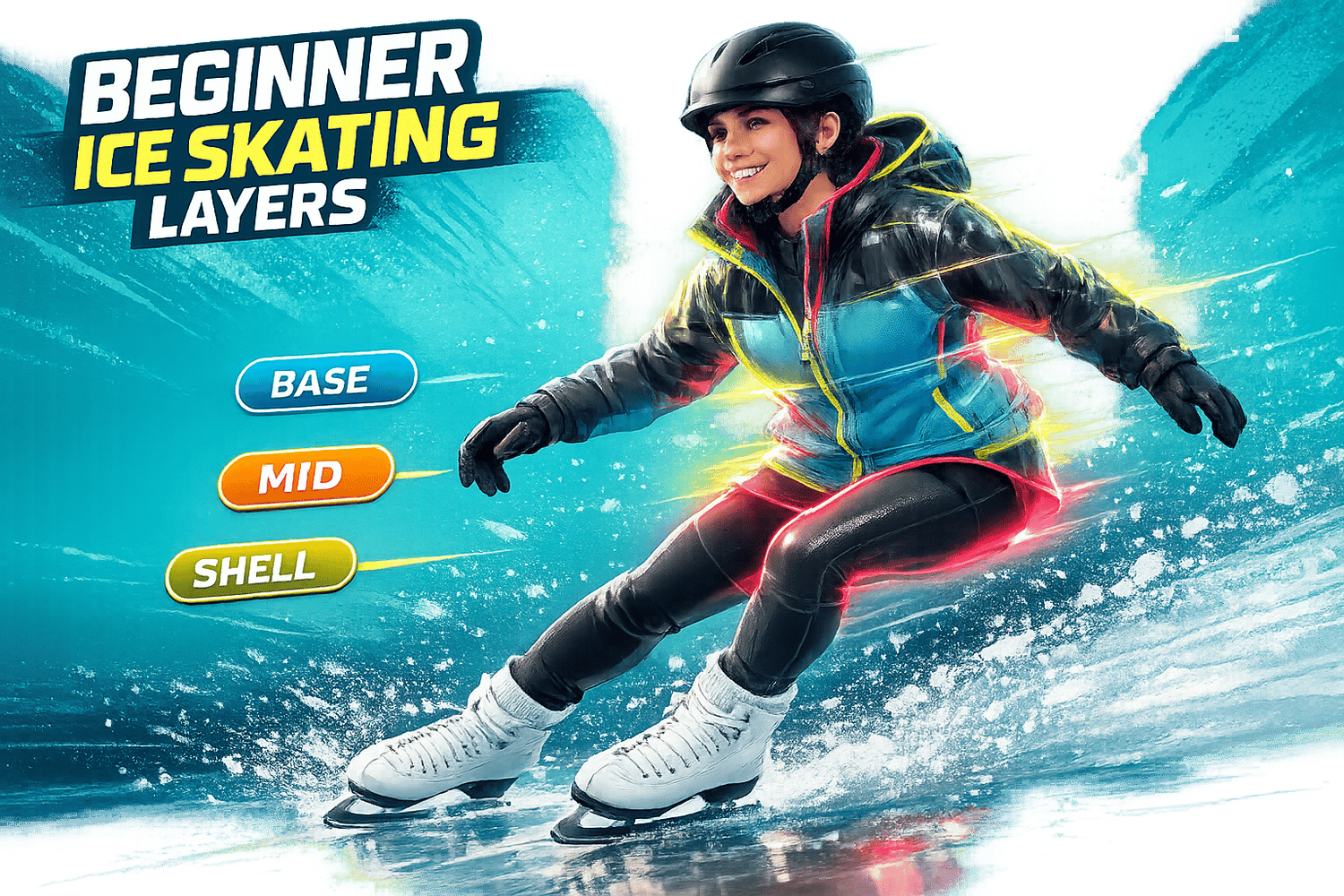
Ice skating for the first time? Here’s the deal: what you wear can make or break your experience. The goal? Stay warm, move freely, and avoid injuries. Here’s a quick guide:
- Layers are key: Start with a snug, moisture-wicking base layer. Add a fleece or zip-up mid-layer for warmth. Finish with a breathable, flexible jacket.
- Avoid cotton: It traps sweat and leaves you cold. Opt for technical fabrics instead.
- Stretchy bottoms: Leggings or skating pants let you move easily. Skip jeans - they’re too restrictive.
- Protective accessories: Thin gloves for warmth and safety, and moisture-wicking socks to prevent blisters.
- Safety first: For beginners, helmets and wrist guards can help prevent injuries from falls.
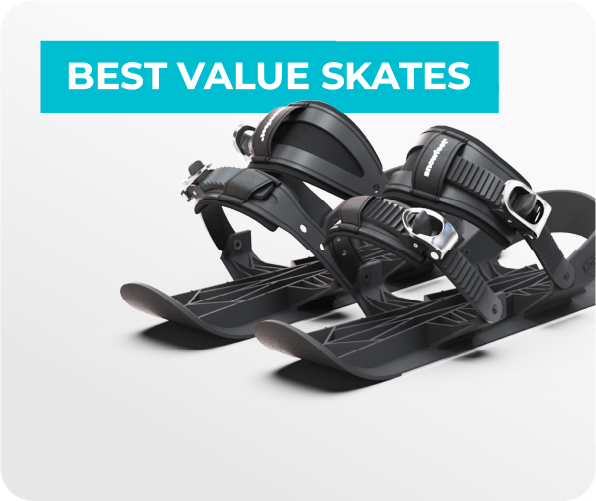
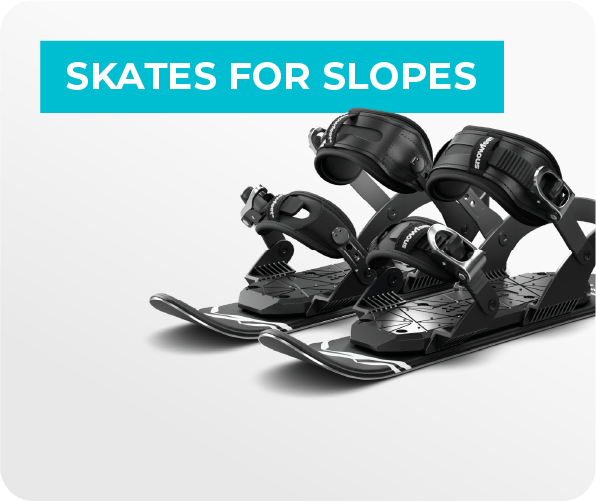
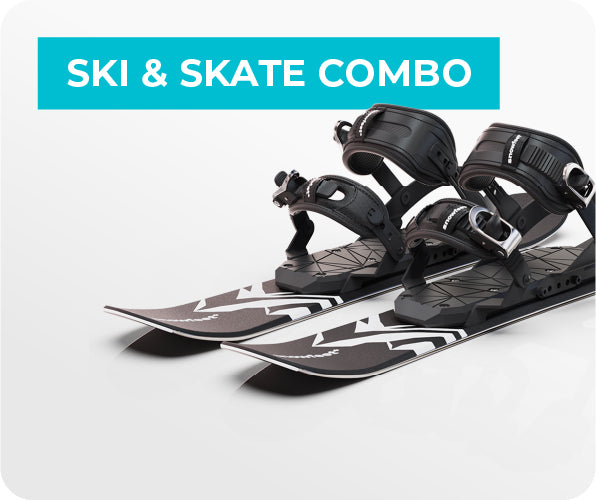
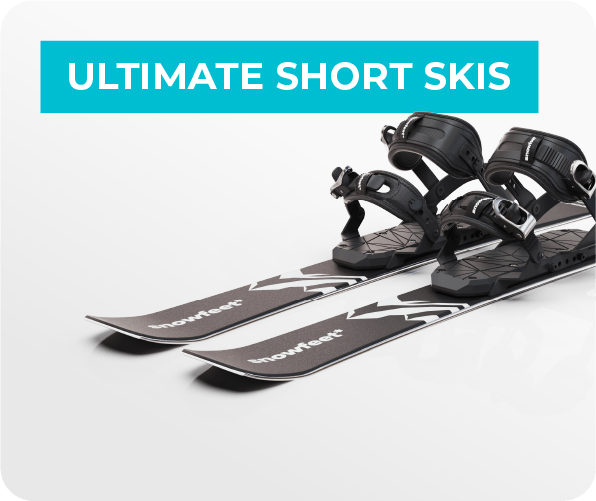
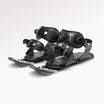
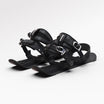
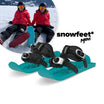
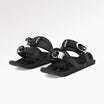
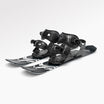
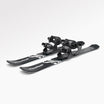
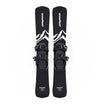
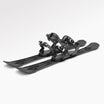
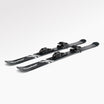
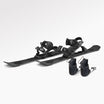
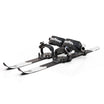
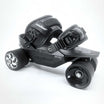
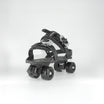
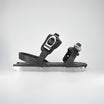
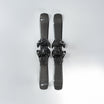
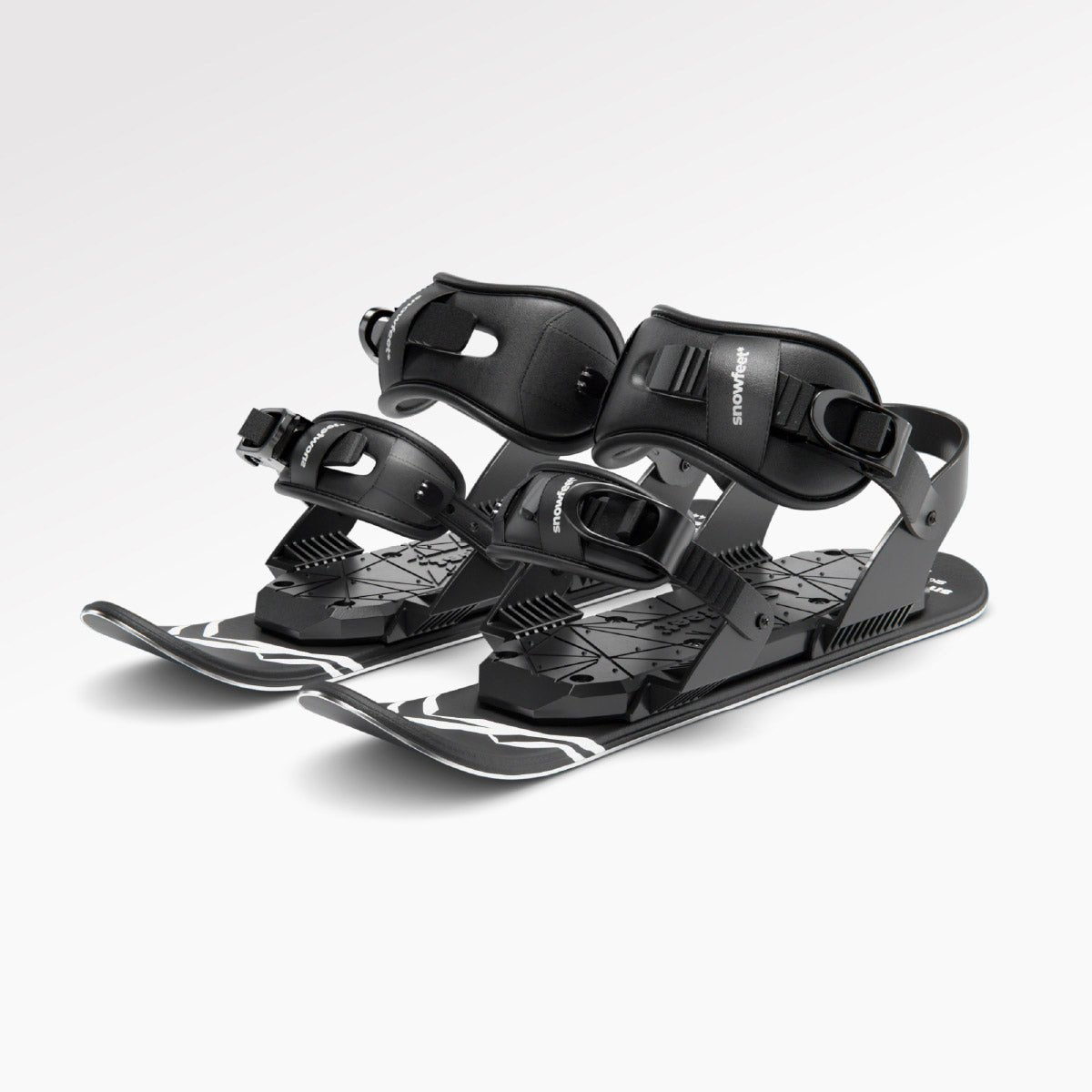
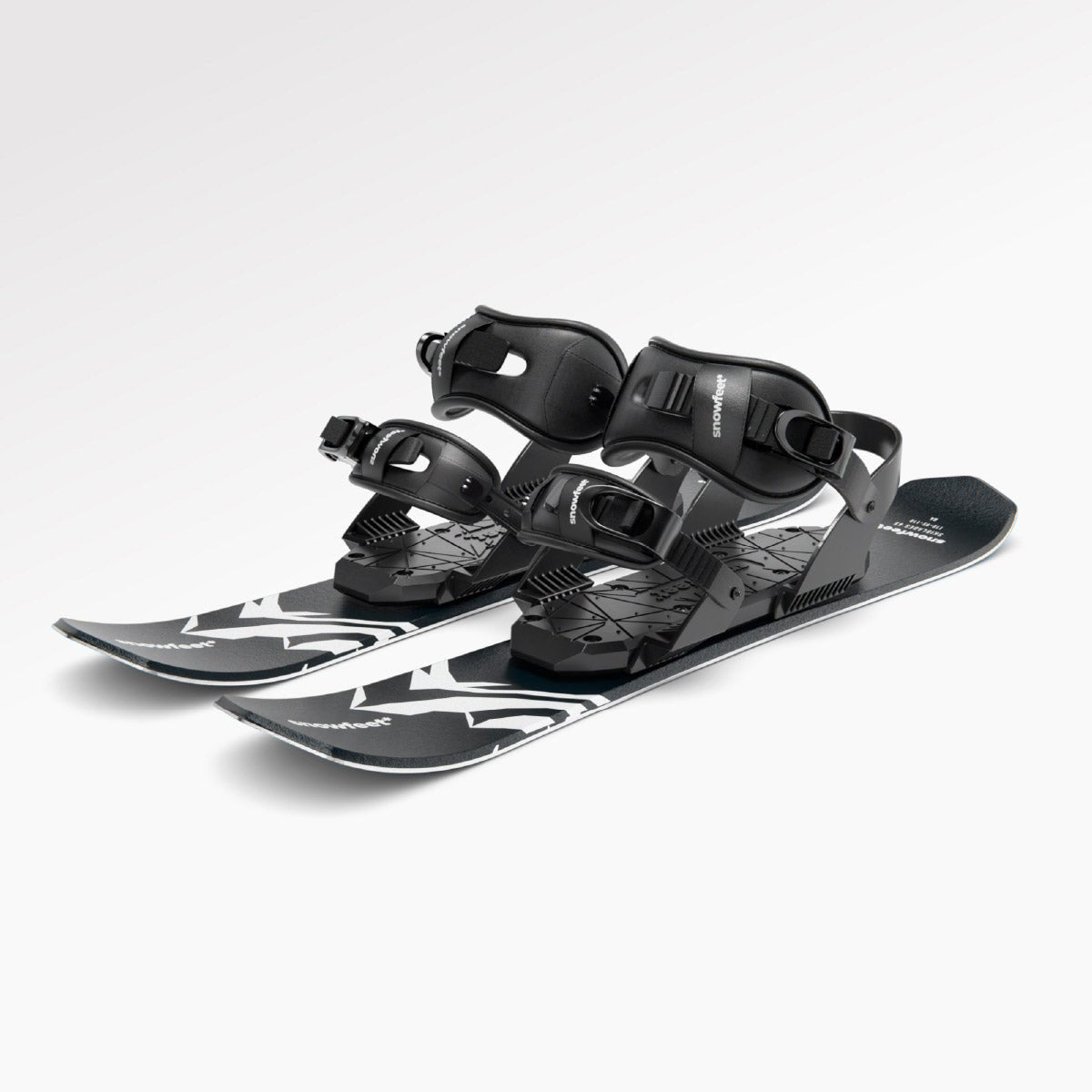
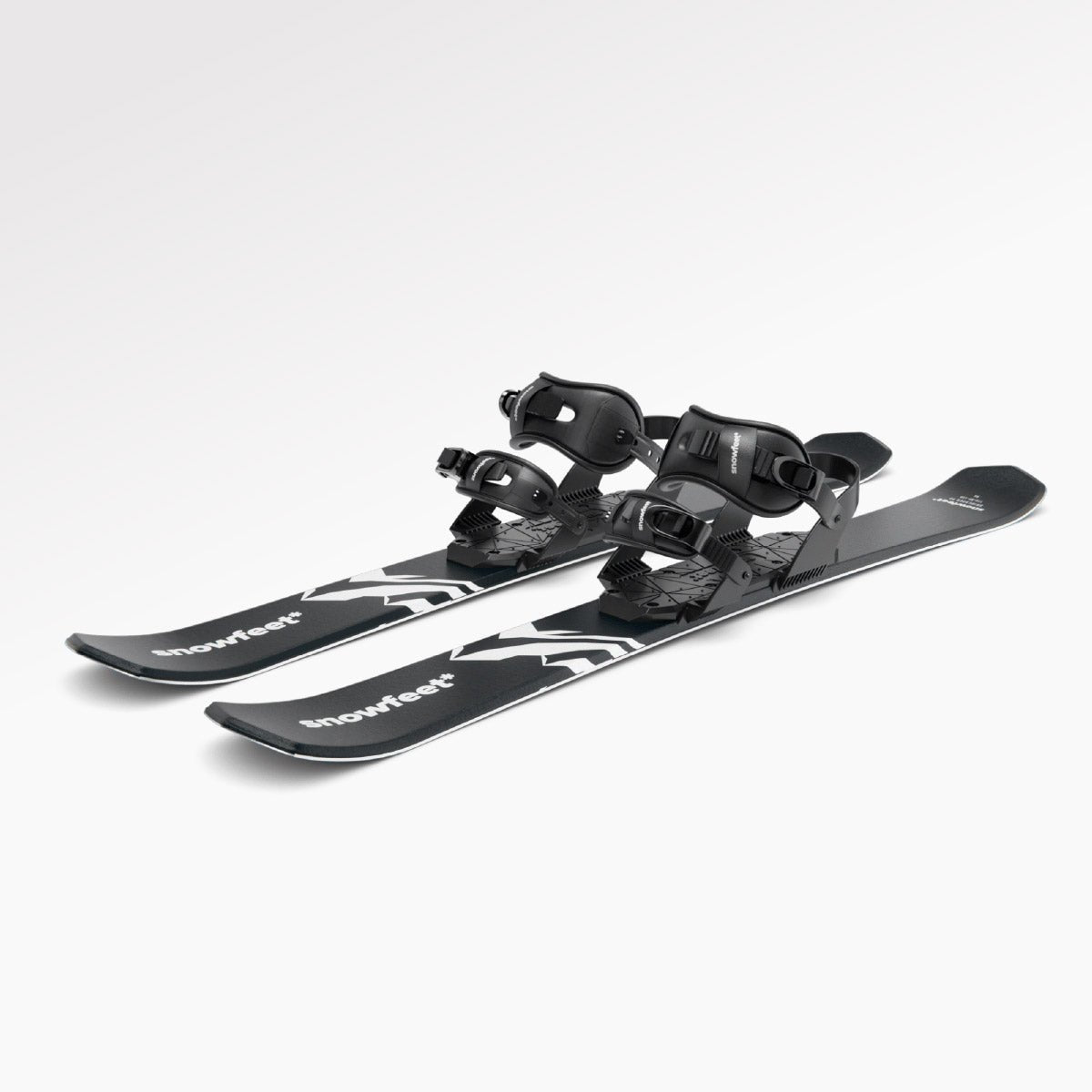
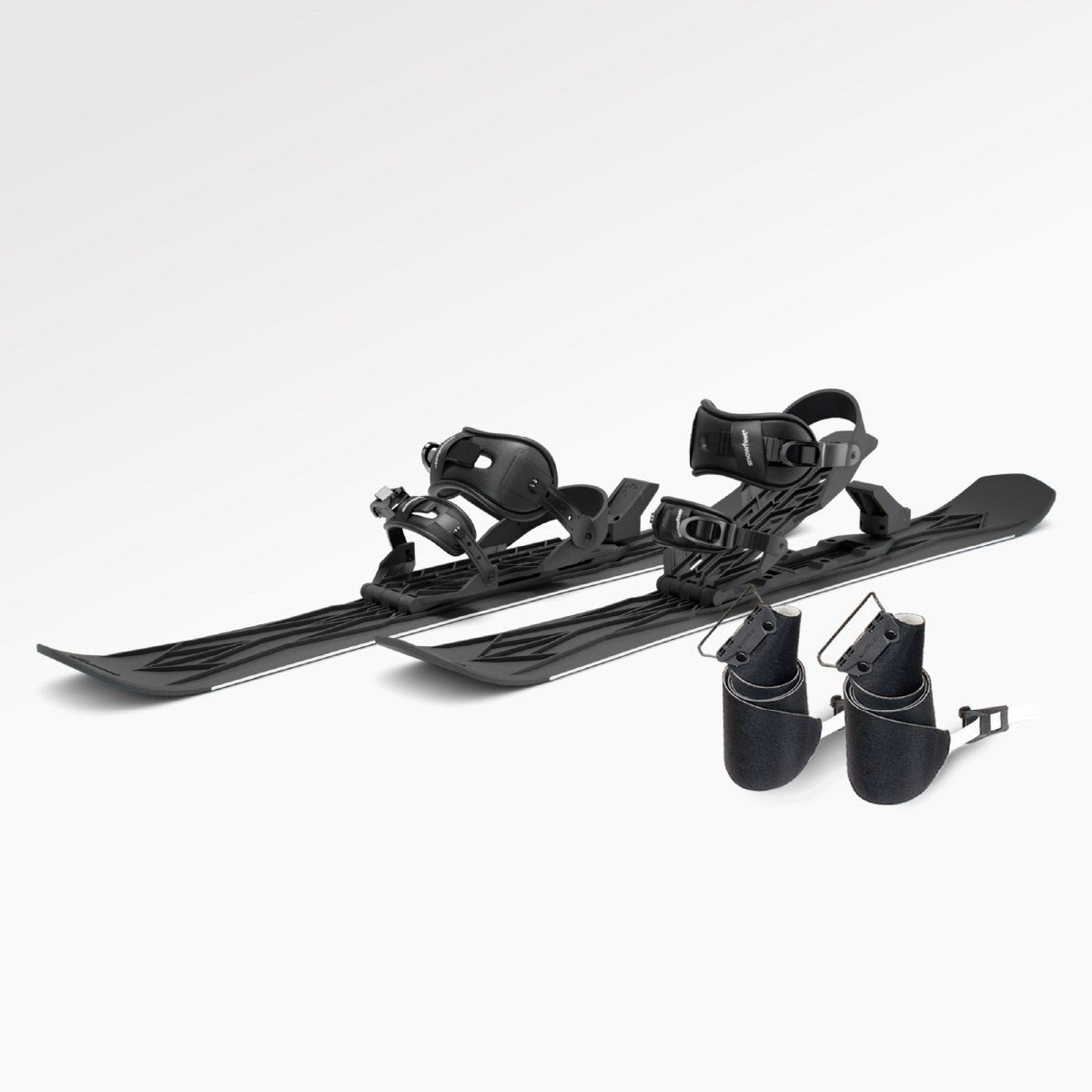
Want to try something different? Check out Snowfeet* Skiskates. They’re compact, easy to use, and work with regular winter boots for skating or gliding on snow.
Dress smart, stay comfy, and enjoy the ice!
Learn How to Ice Skate: Skating Apparel Lesson 1
Why Your Clothing Matters on the Ice
Ice rinks are typically kept between 40-50°F, which might sound cold, but skating can warm you up fast. Dress too warmly, and you'll be sweating in no time. Dress too lightly, and you'll spend your session freezing instead of enjoying the ice.
What you wear - and the materials you choose - makes a big difference. Avoid cotton at all costs. As Figure Skating Boutique puts it:
This type of fabric is specifically designed to absorb moisture and sweat, leaving you cold and uncomfortable.
Once cotton gets wet, it sticks to your skin and actually makes you feel colder. Instead, go for technical fabrics that wick moisture away. These materials help keep you dry and comfortable, even as your body temperature changes while skating.
Flexibility is just as important as staying warm. Tight or restrictive clothing can limit your movement and increase your chances of falling. On the other hand, baggy clothes can be dangerous - loose fabric might catch on your skate blades, causing a tumble.
Not dressing properly doesn’t just make you uncomfortable; it can also affect your performance. If your muscles get too cold or your fingers and toes go numb, even basic moves become tough. You might experience muscle cramps or numbness, making it harder to enjoy your time on the ice.
The good news? There’s an easy fix: stick to fitted, moisture-wicking layers that you can adjust. Start with a snug base layer, add a fleece-lined sweater or vest that’s easy to take off, and choose stretchy leggings or skating pants over everyday clothes. This setup keeps you warm when you first step onto the ice and comfortable as you get moving. Plus, it works perfectly with advanced gear - pairing it with Snowfeet* Skiskates ensures you stay cozy and perform your best out there.
How to Layer Your Clothing for Ice Skating
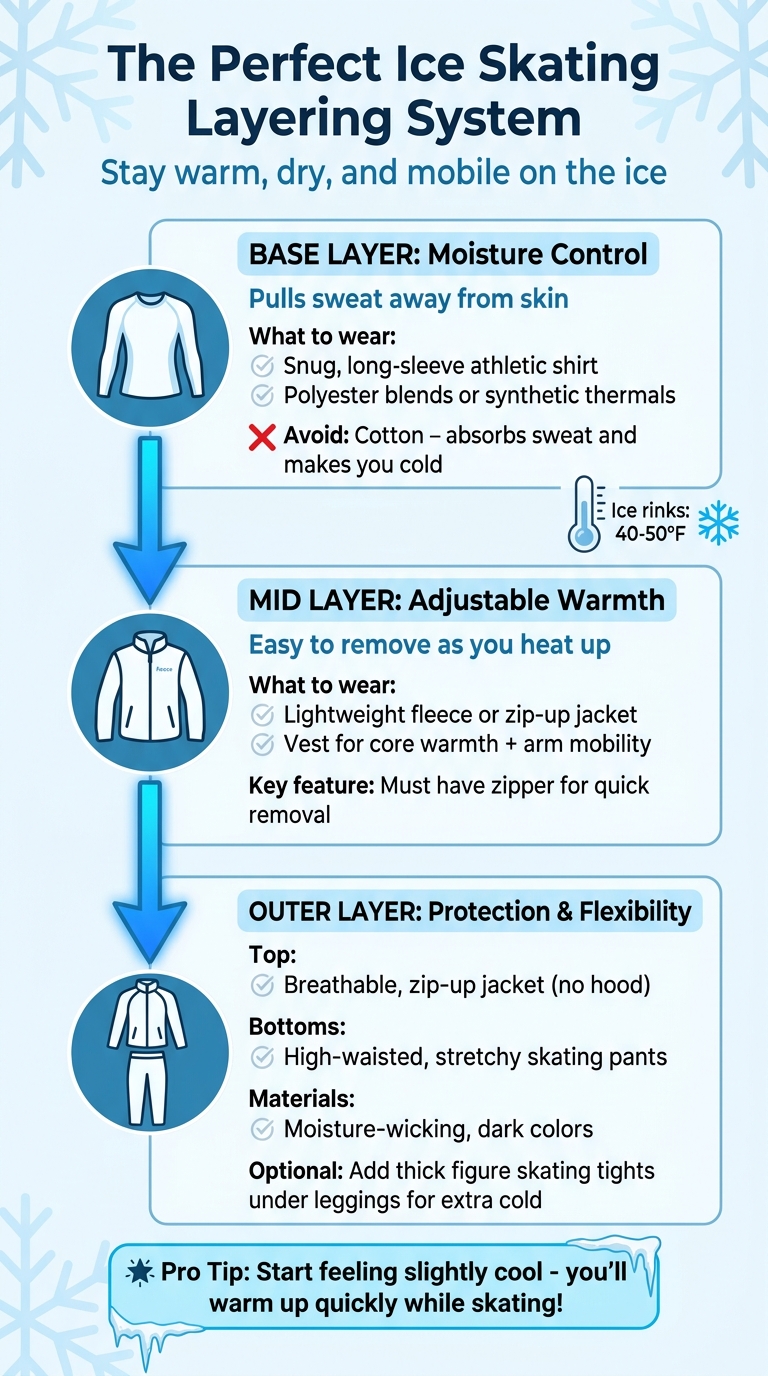
Ice Skating Clothing Layering System for Beginners
Layering your clothing for ice skating is all about staying comfortable and mobile while managing your body temperature. You want to start off feeling a little cool, warm up as you move, and be able to adjust layers without leaving the rink. Each layer plays a specific role: keeping moisture under control, providing adjustable warmth, and protecting you without restricting your movement. Let’s break down how to layer effectively for the ice.
Base Layer: Keep Dry with Moisture-Wicking Fabrics
The base layer is your first line of defense against sweat. Since it sits right against your skin, it needs to pull moisture away to keep you dry and comfortable. Go for a snug, long-sleeve athletic shirt made from technical fabrics like polyester blends or synthetic thermals. These materials help regulate your temperature while keeping you dry. Avoid cotton at all costs - it absorbs sweat, leaving you cold and clammy.
Mid Layer: Warmth That’s Easy to Adjust
The mid layer keeps you warm when you first step onto the ice but should be easy to remove as you heat up. Lightweight fleece or zip-up jackets are excellent choices because you can take them off quickly without disrupting your session. If a full sweater feels like too much, try a vest instead. It keeps your core warm while leaving your arms free to move. As Figure Skating Boutique explains:
"As you're skating, your body temperature will rise, so wearing a zip-sweater or vest will be easy to remove as you carry on with your training".
Outer Layer and Bottoms: Flexibility and Protection
For your outer layer, pick a breathable, zip-up jacket without a hood to maintain clear vision. For bottoms, high-waisted, stretchy skating pants made from moisture-wicking materials are ideal. They allow you to move freely, whether you’re doing crossovers or spins. Dark colors can even help mask ice spray. If the rink is extra chilly, you can layer thick figure skating tights under your leggings for added warmth. These tights, with a higher denier count, offer insulation without adding bulk.
This layering approach keeps you comfortable and agile, ensuring you can focus on your skating. Plus, it pairs perfectly with modern gear, like Snowfeet* Skiskates, for ultimate mobility on the ice.
Protective Gear and Accessories You Need
Having the right protective gear can make all the difference when you're learning. It helps reduce injuries and lets you focus on improving your skills instead of worrying about getting hurt. Let’s face it - falling is just part of the process, especially for beginners. That’s why protecting key areas like your hands, feet, and head is so important.
Gloves: Warmth and Flexibility
Cold hands? No thanks. Gloves are essential for keeping your hands warm and safe from impact. Look for thin, fitted gloves made from materials like fleece, cotton blends, or light thermal fabrics. These options keep your fingers warm while still allowing you to grip and balance properly. As the Racine Ice Center notes:
Thick bulky gloves limit grip, so skip those.
In short, bulky gloves might look cozy, but they’ll make it harder to maintain control. Stick to lightweight options for the best results.
Socks: Small Detail, Big Impact
Socks might not seem like a big deal, but they’re crucial for comfort and preventing blisters. Opt for thin, moisture-wicking socks to keep sweat under control. Thick socks or wearing multiple pairs might seem like a good idea, but they can actually create too much bulk inside your skate boots. This can cause your feet to slide around, leading to painful blisters. A snug fit between your foot and the boot also improves ankle support and control, whether you’re using traditional skates or Snowfeet* Skiskates.
Additional Safety Accessories
Safety gear isn’t just for kids - though it’s especially important for them. Helmets are a must for young children and strongly recommended for adult beginners. Research shows that 38.3% of ice-skating injuries in children aged 1 to 18 involve the face, and 20% involve the head. For kids under 6, head injuries account for a staggering 88.9%. Lightweight and snug winter sports helmets, like those from Snowfeet*, are a great choice. Make sure the helmet fits level on your forehead, with the chin strap adjusted so only two fingers can fit underneath.
Other protective gear like wrist guards, knee pads, and elbow pads can also be a game-changer, especially if you’re nervous about falling. Wrist guards are particularly helpful since most people instinctively put their hands out to break a fall. These accessories not only protect your joints but also give you some peace of mind as you practice. They pair perfectly with Snowfeet* Skiskates, which are designed to provide a secure and agile skating experience.
sbb-itb-17ade95
What Not to Wear Ice Skating
Once you've nailed down the right layers and protective gear, it’s just as important to steer clear of clothing choices that can trip you up - literally or figuratively. Here’s what to avoid to stay safe and comfortable on the ice.
Skip Baggy or Heavy Clothing
Sure, baggy clothes might feel cozy, but they can be downright dangerous on the ice. Loose fabric can snag on your skate blades, increasing the risk of falls. As Figure Skating Boutique explains:
Although baggy clothes are very comfortable, they pose a serious safety risk on the ice, as they can easily get caught in your skates.
Heavy fabrics like cotton are another no-go. Cotton absorbs sweat and moisture, leaving you feeling cold and damp. Figure Skating Boutique sums it up:
Cotton off the ice is a very cozy and warm material to wear... However, on the ice, it's the last thing you'll want to be wearing. This type of fabric is specifically designed to absorb moisture and sweat, leaving you feeling wet, cold, and, above all, icky.
Denim jeans are also a poor choice. They’re restrictive and limit your range of motion, making even basic skating moves like crossovers more challenging. Instead, go for slim, moisture-wicking skating pants. These allow for better flexibility and work seamlessly with gear like Snowfeet* Skiskates, which thrive on unrestricted movement.
Avoid Bulky Winter Coats
Bulky puffer coats might keep you warm outdoors, but they’re not practical for skating. They limit arm movement, making it harder to balance and perform proper skating techniques. Plus, you’ll warm up quickly while skating, and oversized coats trap heat, leaving you overheated.
A light, zip-up jacket or athletic hoodie is a much better option. These are easy to remove if you get too warm and allow for full range of motion. If you’re skating outdoors, consider a waterproof jacket that keeps you dry without adding bulk. This setup pairs perfectly with Snowfeet* Skiskates, which require freedom of movement for the best experience.
Don’t Overdo the Layers
Piling on too many layers can backfire. Excessive clothing restricts joint movement, making it tough to bend your knees and hips properly - something that’s crucial for maintaining balance and control on the ice. Plus, too many layers can cause you to overheat quickly, setting off an uncomfortable cycle of sweating and chilling.
Extra layers can even make it harder to recover from a fall. The added weight and restricted mobility slow you down when trying to get back on your feet. Stick to the three-layer system: a base layer for moisture control, a mid-layer for insulation, and an outer layer for protection. This approach keeps you agile and comfortable, especially when paired with Snowfeet* Skiskates for optimal performance.
Snowfeet* Skiskates: A Different Way to Skate

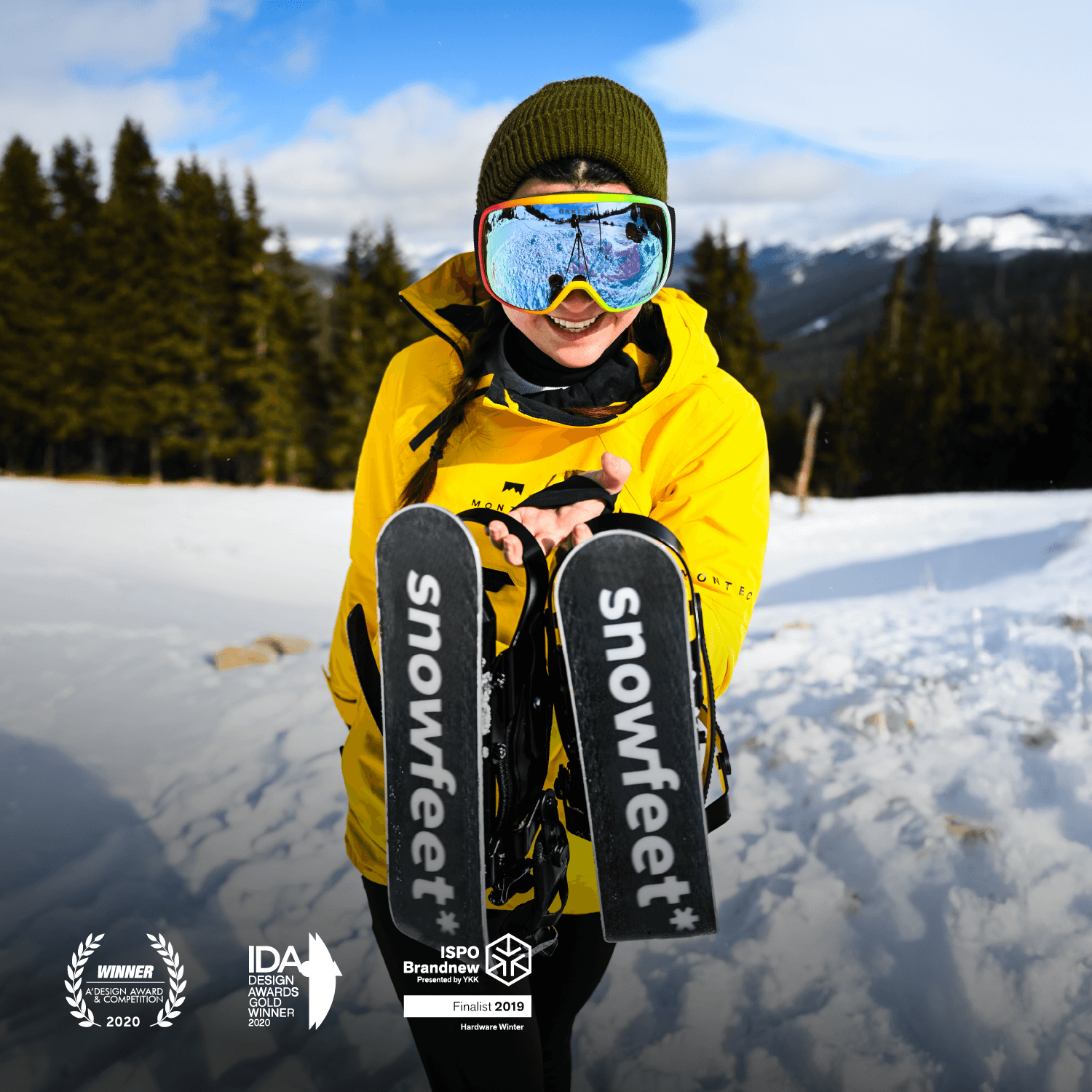
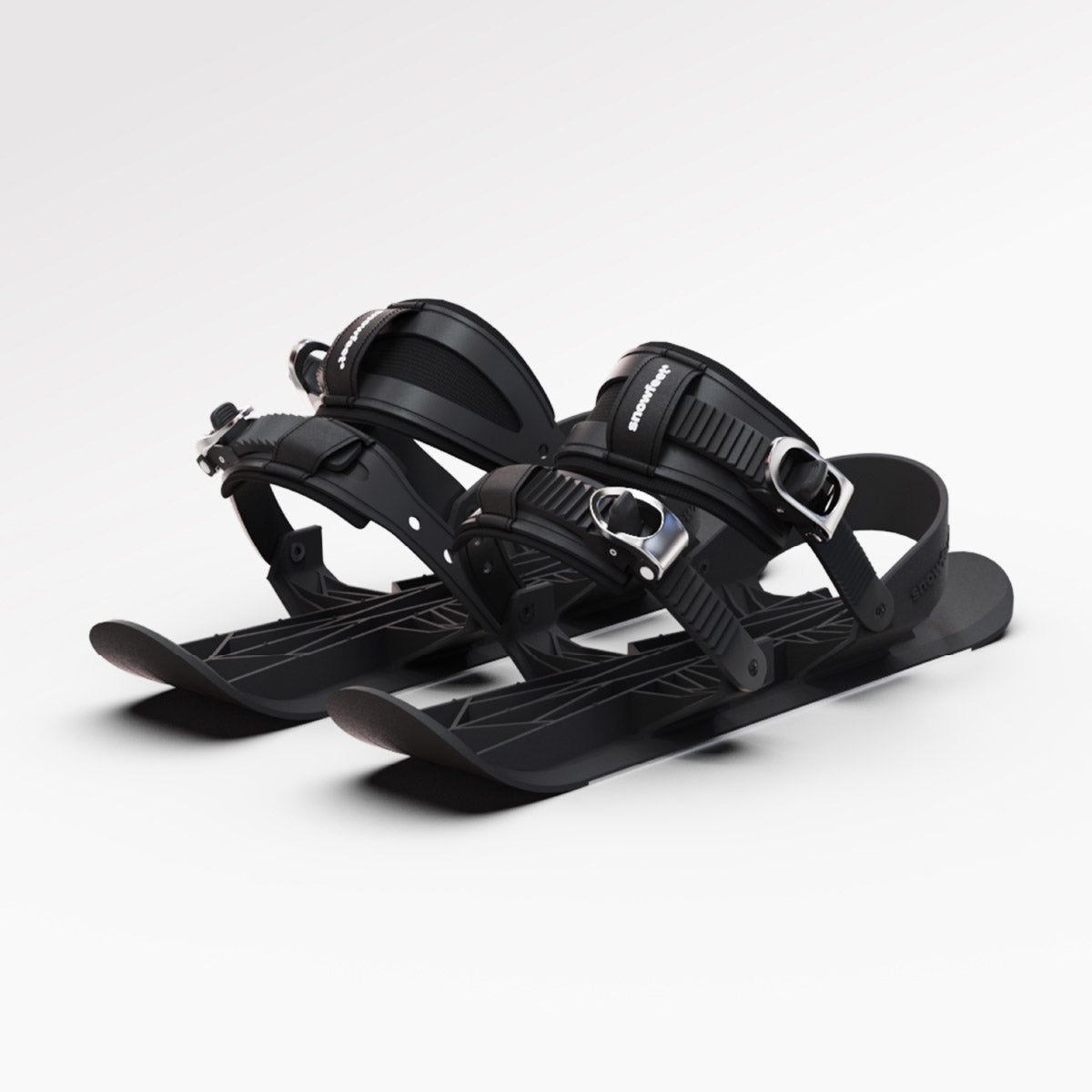
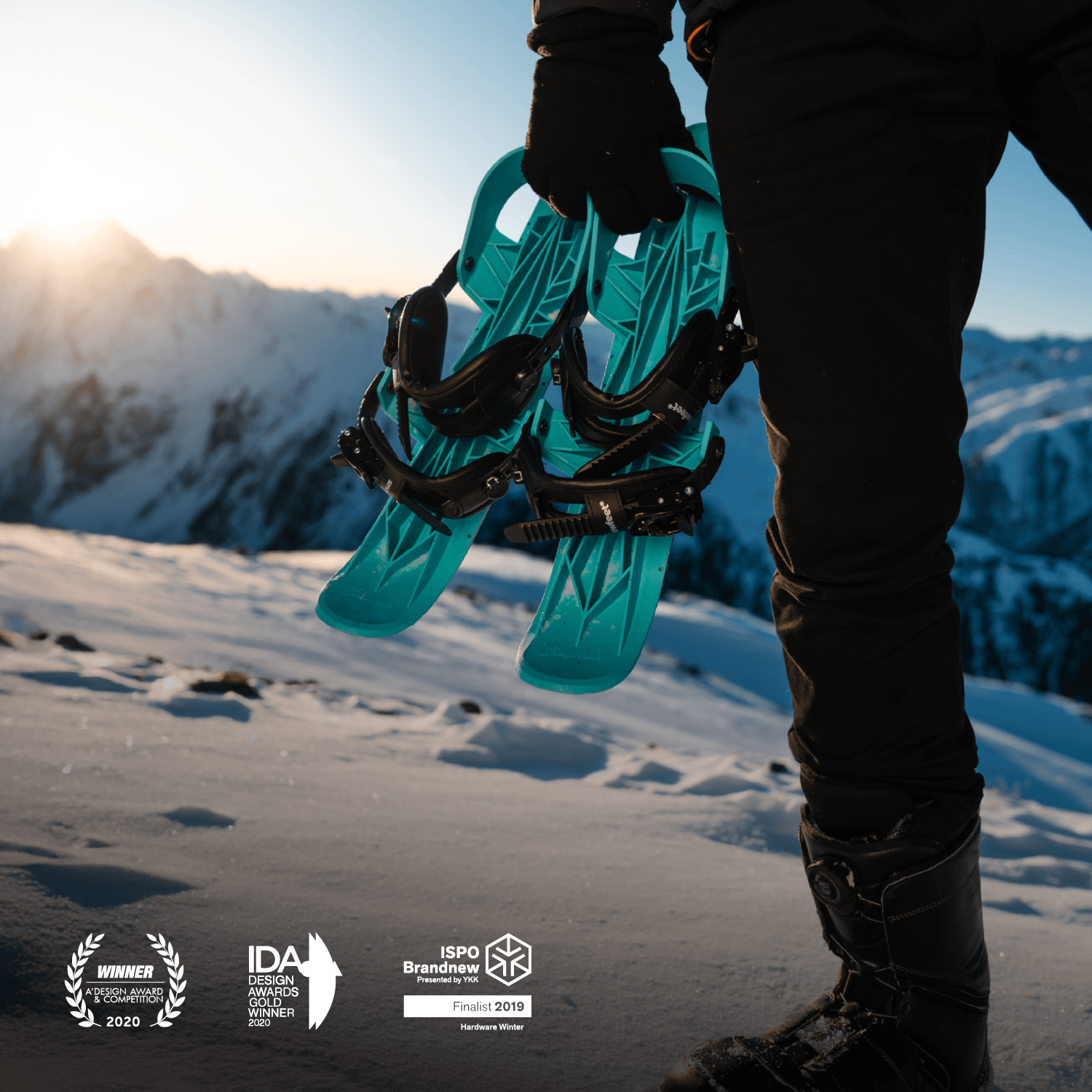
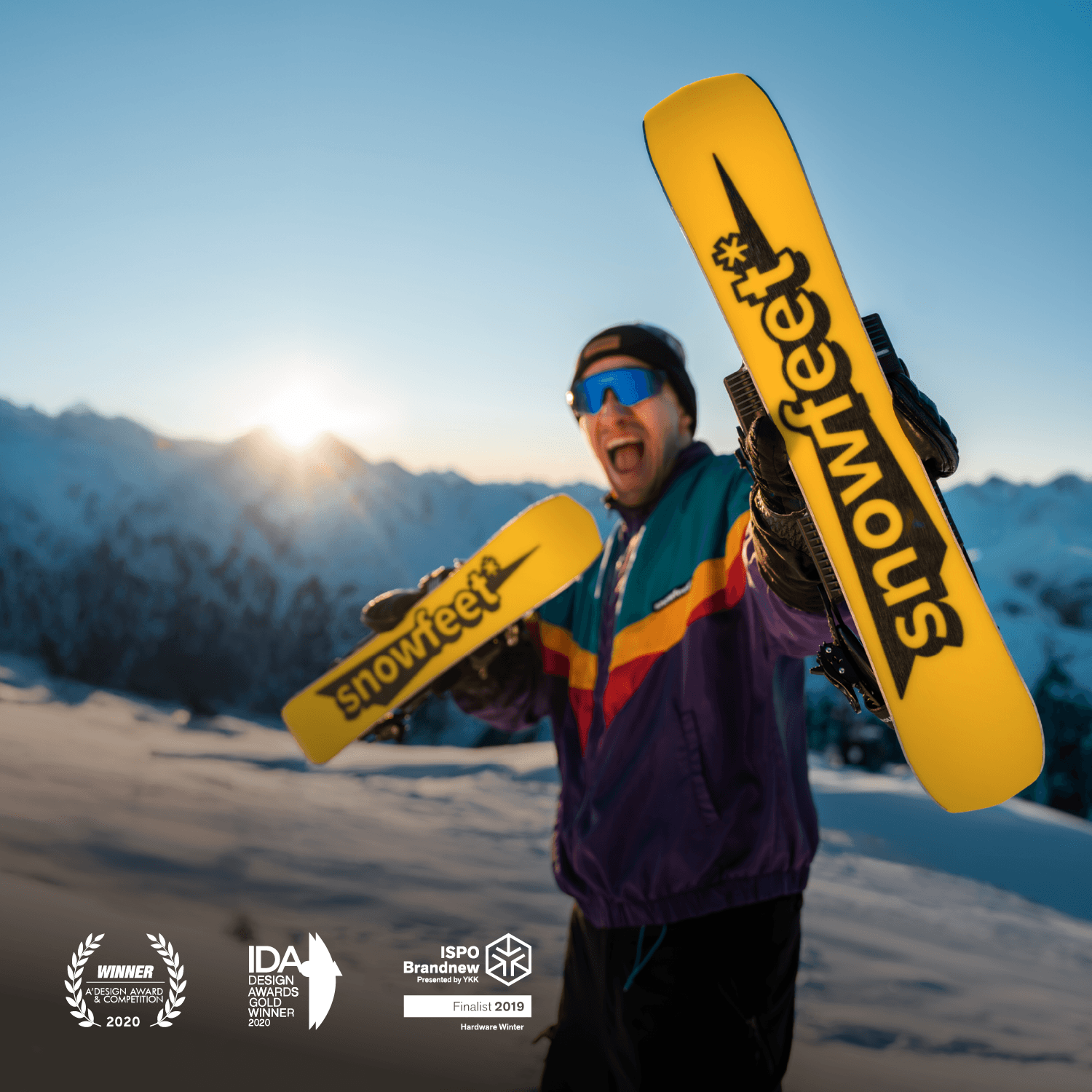
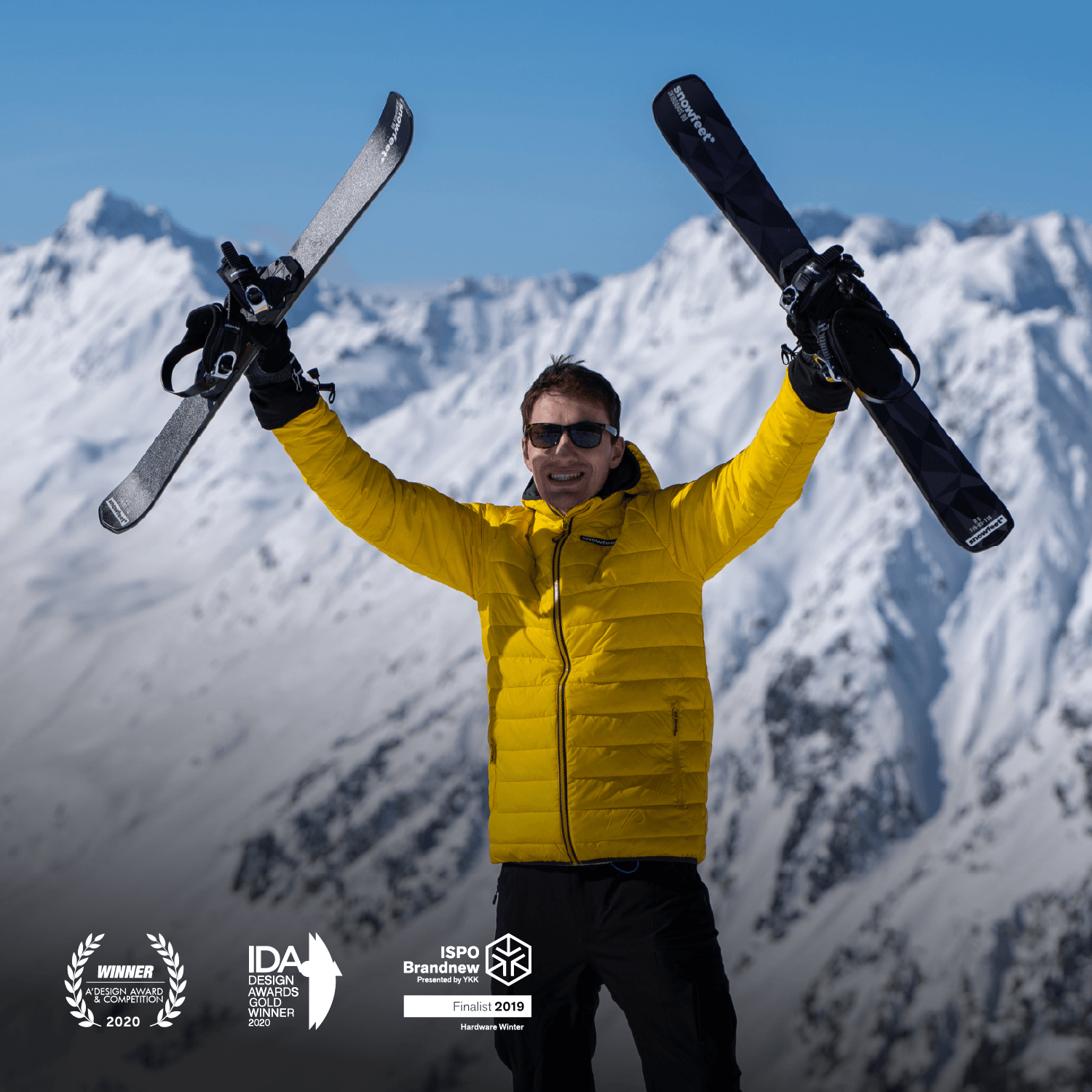
Snowfeet* Skiskates take winter fun to a new level, offering a unique way to glide on snow and ice. If you're prepping for ice skating but want gear that’s versatile enough for more than just the rink, these compact skates are worth a look. They combine the speed of hockey skates with the smooth glide of skis, making them perfect for groomed ice and snow surfaces. Plus, they work seamlessly with the winter attire we discussed earlier.
Why Choose Snowfeet* Skiskates?
Let’s start with their standout feature: portability. At just 44 cm (about 17 inches) long, these skiskates are small enough to toss into a backpack. Compare that to traditional skis, which often require roof racks or bulky bags, and it’s clear why these are a game-changer.
They’re also beginner-friendly. According to Snowfeet*, learning to use these is as straightforward as picking up skiing or skating: "It takes some time, but you will definitely have a lot of fun". Most users can get the hang of it within minutes, unlike traditional skiing, which often demands multiple lessons.
Another big plus? Footwear compatibility. Snowfeet* Skiskates work with regular waterproof winter boots or snowboard boots, so you don’t need to invest in pricey, rigid ski boots. For ski slopes, snowboard boots offer extra support, while standard winter shoes are great for trails or sledding hills.
Snowfeet* vs. Traditional Long Skis
Here’s a quick breakdown of how Snowfeet* Skiskates stack up against traditional skis:
| Feature | Snowfeet* Skiskates | Traditional Long Skis |
|---|---|---|
| Portability | Compact; fits in a backpack (44 cm long) | Bulky; needs roof racks or large bags |
| Learning Curve | Easy to pick up; weight centered over middle/back of feet | Requires lessons; weight distributed on toes |
| Terrain Options | Ideal for groomed slopes, trails, and sledding hills | Better for groomed runs, moguls, and deep powder |
| Footwear | Works with winter or snowboard boots | Requires rigid, specialized ski boots |
| Price Range | $250 to $775 | $400–$1,200+ (plus boots) |
While traditional skis excel in deep powder and on steep terrain, Snowfeet* Skiskates are perfect for beginners or anyone looking for portable, easy-to-use gear that doesn’t break the bank.
Gear Tips for Snowfeet* Skiskates
Pair your Snowfeet* Skiskates with the right clothing to stay comfortable and mobile. Start with a moisture-wicking base layer, add an adjustable mid-layer, and top it off with a lightweight, waterproof jacket. Layering helps you stay warm without restricting movement.
For upkeep, make sure to wax the base regularly to prevent snow from sticking and keep your glide smooth. After use, dry the metal edges to avoid rust, and apply a bit of oil before storing them long-term. Maintenance is simple and affordable, with wax and replacement straps starting at just $6.
If you have smaller feet, snowboard boots can provide a snugger fit in the bindings. Adjust the bindings at home with a screwdriver before hitting the slopes to save yourself some hassle.
With these tips, you’ll be ready to make the most of your Snowfeet* Skiskates, whether you’re gliding across ice or carving through snow.
Conclusion
Dressing for ice skating doesn’t have to feel like a puzzle. Start with a moisture-wicking base layer, add an adjustable mid-layer, and top it off with a breathable, flexible outer layer. Ditch the cotton - it traps moisture and leaves you cold. Stick to fitted, stretchy clothing to avoid loose fabric snagging on your skates while keeping your movement unrestricted.
Make sure you’ve got the essentials covered: thin skating socks to prevent blisters, knit gloves to protect your hands, and a hat or headband to keep your head warm. As Erika Venza from Adults Skate Too LLC wisely says, "Remember: comfort and confidence matter most. Wear what makes you feel good on the ice". The right gear isn’t just about staying warm - it’s also about preventing injuries and giving you the confidence to glide better.
If you’re looking to take things up a notch, think about versatile gear. Snowfeet* Skiskates might be worth exploring. These compact 17-inch skates cost between $250 and $775, offering a more portable and budget-friendly alternative to traditional skis, which can range from $400 to over $1,200. Plus, they work with your regular winter boots, saving you the expense of ski boots. Pairing the freedom of movement from your smart outfit with Snowfeet* Skiskates opens up exciting possibilities - whether you’re tackling slopes, trails, or even sledding hills.
Above all, prioritize safety and comfort. The right clothing and gear help regulate your temperature, reduce cramps, and lower the risk of injuries. With a thoughtful outfit and equipment, you’ll stay cozy, move freely, and make the most of your time on the ice. Layer up, stay smart, and if you’re ready for an adventure, consider Snowfeet* Skiskates to bridge the gap between ice and snow fun.
FAQs
How tight should my layers be for skating?
When dressing for ice skating, your layers should fit snugly but still allow for easy movement. The goal is to stay warm, wick away moisture, and maintain flexibility. Skip restrictive options like tight jeans or stiff sweaters - they can make it harder to move and even raise the chance of injury. Instead, go for clothing that offers a secure yet flexible fit, keeping you comfortable and safe on the ice.
What should I bring to the rink as a beginner?
As a beginner, make sure to pack the basics to stay safe and comfortable: protective gear such as a helmet and wrist guards, layered clothing to handle the chilly rink temperatures (usually around 45–60°F), and well-fitted skates that provide solid ankle support. Toss in a pair of gloves to keep your hands warm and a water bottle to stay hydrated. If you're looking to mix things up, consider trying Snowfeet Skiskates - they're a fun and versatile alternative to traditional skating or skiing gear.
Do I need a helmet and wrist guards?
Absolutely, beginners should gear up with a helmet and wrist guards when they hit the ice. These safety essentials can help reduce the risk of injuries from falls - something that's pretty common when you're just figuring out how to balance and move on skates. By putting safety first, you'll not only protect yourself but also feel more confident, making the whole learning experience a lot more fun and stress-free.


Leave a comment
This site is protected by hCaptcha and the hCaptcha Privacy Policy and Terms of Service apply.