







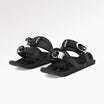












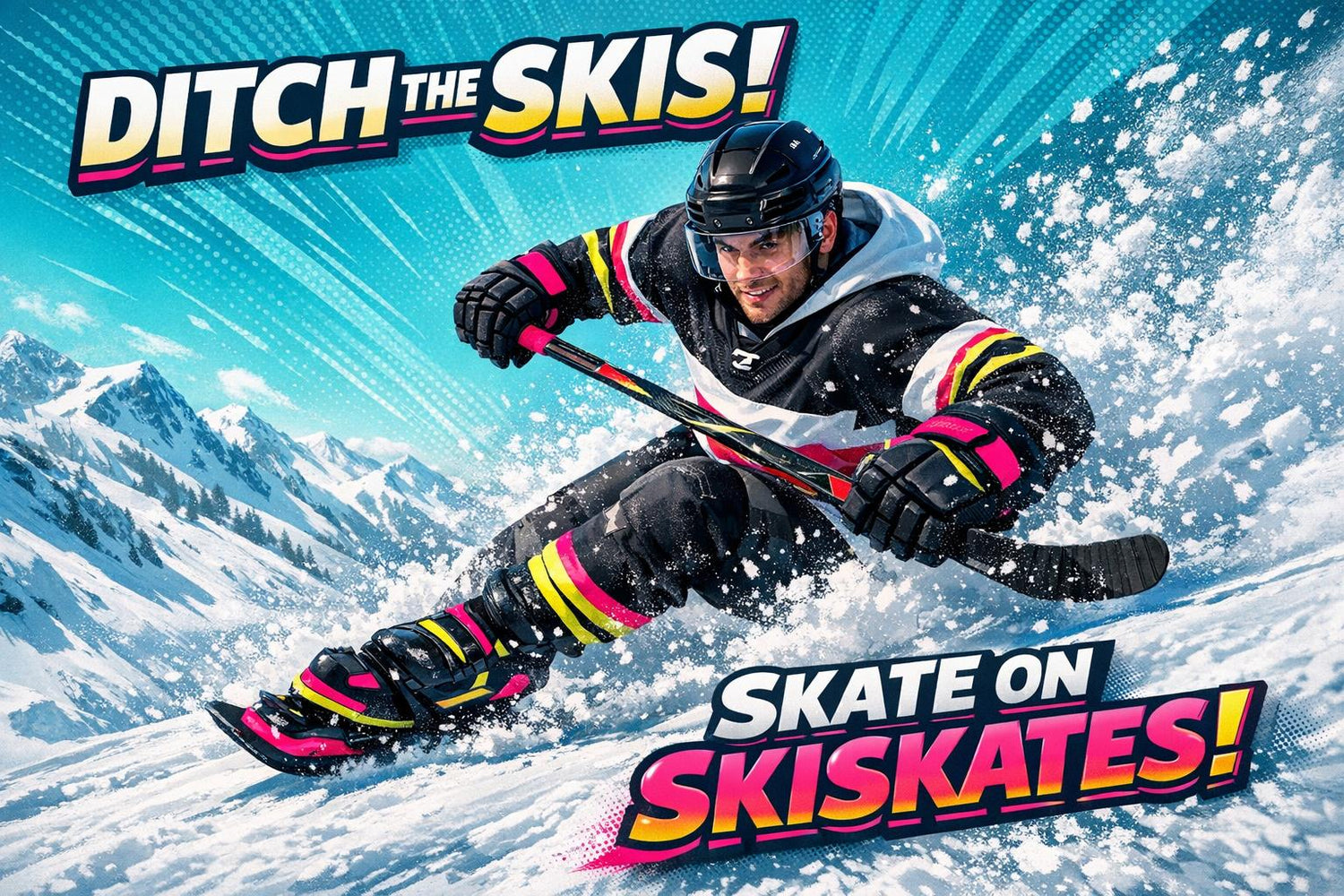
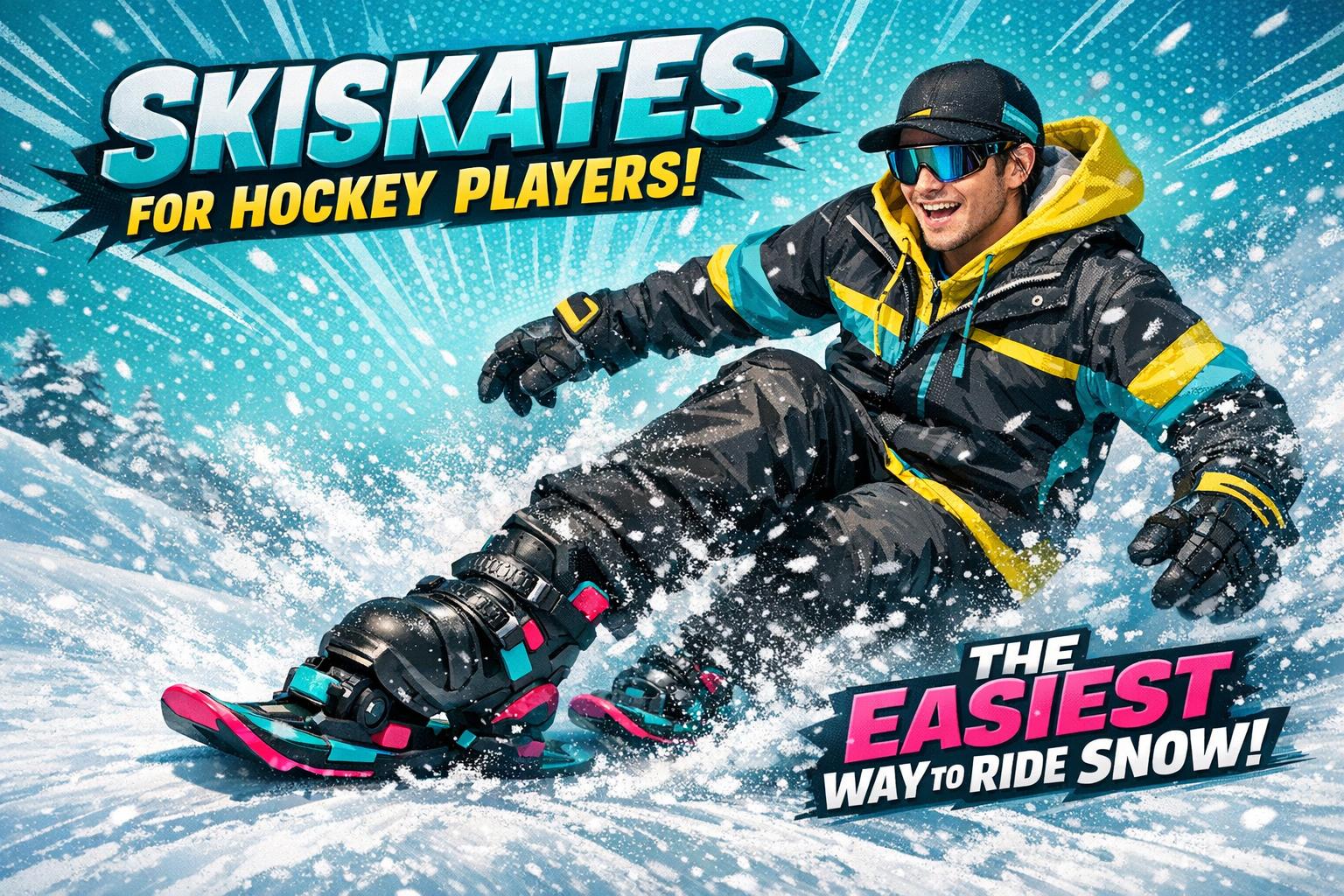
Hockey players are ditching skis for Snowfeet Skiskates - compact, 17.3-inch skates that feel just like ice skating on snow. Unlike skis, these are lightweight, fit in a backpack, and let you pull off moves like hockey stops and sharp turns. They’re easy to learn (most pick it up in 5 minutes) and work on slopes, snow parks, and even sledding hills. Over 50,000 people worldwide already love them, with a 4.9/5 rating from 5,500+ reviews.
Here’s why they’re a hit:
- No bulky gear: Skiskates are small, light, and don’t need special boots.
- Skating-like control: Move sideways, stop sharply, and pivot effortlessly.
- Multiple terrains: From trails to groomed slopes, they handle it all.
- Quick learning curve: Perfect for hockey players who already skate.
Forget long, heavy skis - Skiskates bring the rink to the slopes. Ready to skate on snow? :)
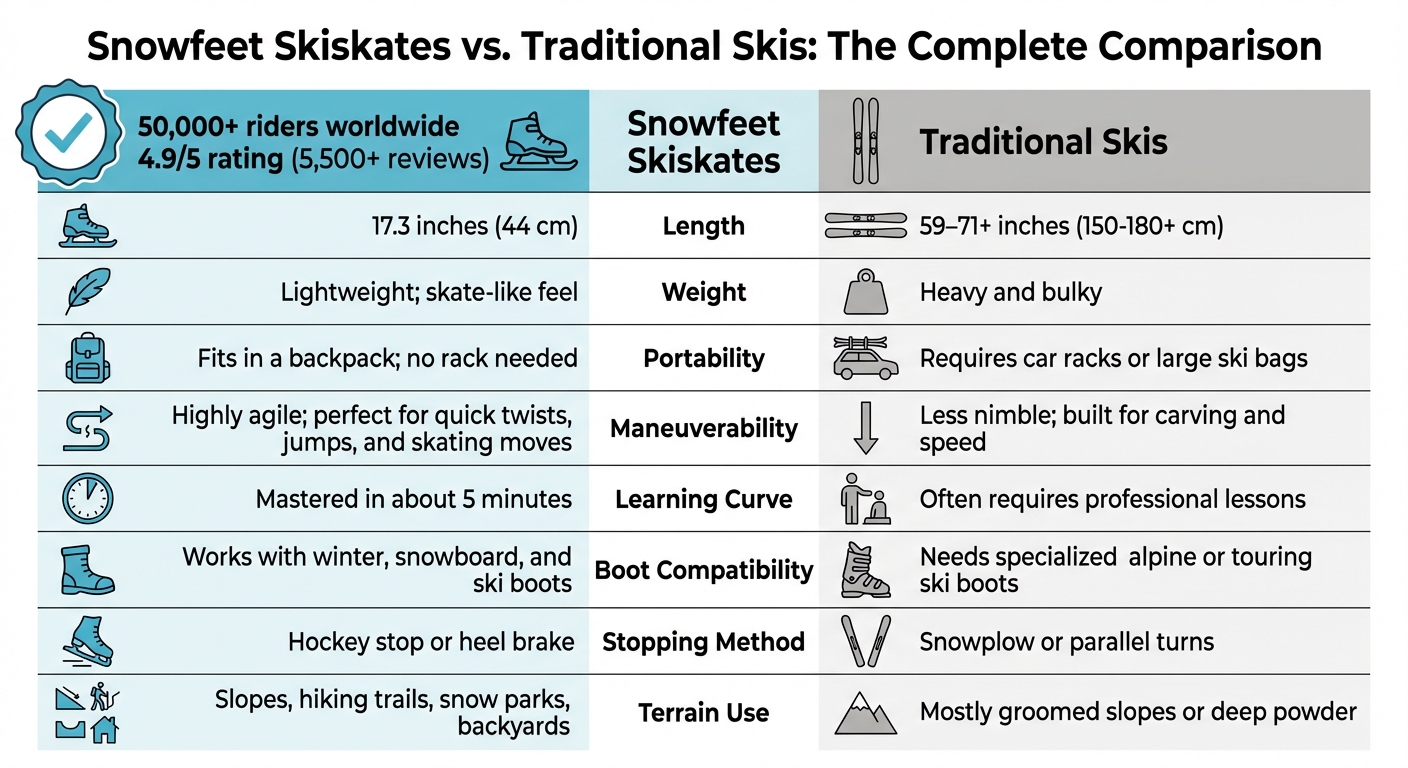
Snowfeet Skiskates vs Traditional Skis Comparison Chart
Why Traditional Skis Don't Work for Hockey Players
Traditional Skis Are Too Long and Heavy
Skis from brands like Rossignol, Salomon, and K2 usually range from 59 to 75 inches long (150–190 cm). For hockey players accustomed to the light, quick feel of ice skates, these skis can feel like a burden. Their length and weight make it tough to pull off the sharp, agile movements that come naturally on the ice.
The extra weight kills the smooth, effortless glide that hockey players rely on. And the length? It introduces problems like "crossing tips" - when the front ends of your skis get tangled up. That’s something hockey players never have to deal with when skating.
"You are able to move freely as opposed to wearing heavy clunky skis." - Snowfeet Store
This stiffness and bulkiness are major reasons why traditional skis don’t match the fluidity of skating.
Traditional Skis Can't Replicate Ice Skating Movements
Aside from being bulky, traditional skis just don’t work for ice skating-style movements. They’re built for gliding forward, not for the quick, side-to-side pivots and sharp turns hockey players thrive on. When you ski, your weight is supposed to stay over your toes. But hockey players are trained to balance their weight more toward the middle or back of their feet. That’s how they maintain control and stability on the ice.
This difference makes it nearly impossible to pull off the sharp turns, spins, and quick pivots hockey players are used to. Hockey skates are specifically designed for these explosive, multi-directional moves. Traditional skis? They’re made for carving down slopes, not for fast, dynamic changes in direction.
"Many people find turning with Snowfeet* or Skiskates* easier than turning with those long clunky skis." - Snowfeet Team
The bottom line? Hockey players trying traditional skis often feel clumsy and off-balance, unable to rely on the skills they’ve mastered on the ice.
Snowfeet* vs. Skiskates Comparison | First Time Review by Snowboarder
Why Snowfeet* Skiskates Work Better for Hockey Players
Snowfeet* Skiskates bring together the best of ice skating and winter sports, offering a fresh way for hockey players to enjoy the slopes without the usual hassles of traditional skis.
Compact and Lightweight Design
Measuring just 17.3 inches (44 cm), Snowfeet* Skiskates are a breeze to carry and use. Compare that to traditional skis, which can be anywhere from 59 to 75 inches long - hardly convenient for transport or storage. Their smaller size also means no awkward tip-crossing, giving you the freedom to move like you’re on the ice. Plus, you don’t need to lug around clunky ski boots. Snowfeet* work with regular waterproof winter shoes or snowboard boots, so you’re comfortable on and off the slopes.
"Skiskates stand out as the best slope product, offering effortless skiing and seamless trick performance without much effort and almost no restrictions." - Zbyněk, Founder, Snowfeet*
This thoughtful design doesn’t just make them easier to carry - it also allows for smooth, natural movement that feels a lot like skating.
Mimics Ice Skating Movements
Snowfeet* are more than just portable - they’re designed to mirror the agility of ice skating. With a 44 cm base that feels similar to an ice skate blade, they let you pull off hockey stops, sharp turns, spins, and quick pivots with ease. The weight distribution is spot-on, helping you maintain balance in a stance that feels just like being on the ice.
"I used to play ice hockey so Skiskates are perfect for me. It's exactly like ice skating on snow." - Giovanni, Skiskater
If you’ve spent time on the rink, you’ll find the transition to Skiskates almost effortless. Most hockey players can start pulling off tricks and tight turns in no time.
Works on Multiple Terrains
Another huge plus? Snowfeet* aren’t limited to one type of terrain. They perform beautifully on groomed slopes, snow parks, hiking trails, sledding hills, and even moguls. Whether you’re carving down a packed slope or exploring narrow forest paths, these skiskates handle it all. They’re also great in light powder up to about 4 inches deep, making them versatile enough for a variety of snowy adventures.
With over 50,000 riders worldwide and a stellar 4.9 out of 5 rating from more than 5,500 verified reviews, Snowfeet* Skiskates have proven themselves as a fun and practical alternative to traditional skis. Their compact size and ice-like movement make them a perfect fit for hockey players ready to take their skills to the snow.
sbb-itb-17ade95
How Snowfeet* Skiskates Compare to Traditional Skis
Let’s dive into how Snowfeet* Skiskates stack up against traditional skis, especially for hockey players. When you put the two side by side, the advantages of Snowfeet* become pretty clear - particularly for those looking to carry their on-ice skills over to the slopes.
Snowfeet* Skiskates vs. Traditional Skis: Side-by-Side Comparison
| Factor | Snowfeet* Skiskates (44 cm) | Traditional Skis |
|---|---|---|
| Length | 17.3 inches (44 cm) | 59–71+ inches (150–180+ cm) |
| Weight | Lightweight; skate-like feel | Heavy and bulky |
| Portability | Fits in a backpack; no rack needed | Requires car racks or large ski bags |
| Maneuverability | Highly agile; perfect for quick twists, jumps, and skating moves | Less nimble; built for carving and speed |
| Learning Curve | Mastered in about 5 minutes | Often requires professional lessons |
| Boot Compatibility | Works with winter, snowboard, and ski boots | Needs specialized alpine or touring ski boots |
| Stopping Method | Hockey stop or heel brake | Snowplow or parallel turns |
| Terrain Use | Slopes, hiking trails, snow parks, backyards | Mostly groomed slopes or deep powder |
Portability and Convenience
One of the standout perks of Snowfeet* Skiskates is how portable they are. At just 17.3 inches long, they can easily fit into a regular backpack - no need for bulky ski racks or oversized bags. This makes them perfect for quick trips or spontaneous snowy adventures. In contrast, traditional skis, which are usually 5 to 6 feet long, require special transport gear and take up a lot of space. With Snowfeet*, you’re ready to hit the snow anytime, anywhere.
"Far more portable and affordable than traditional skis or snowboards." - Uncrate
Easier to Learn
For hockey players, Snowfeet* Skiskates feel like second nature. Their compact design mirrors the skating motion, making the transition from ice to snow almost effortless. Unlike traditional skis, which come with a steep learning curve involving techniques like parallel turns and snowplowing, Snowfeet* can be mastered in minutes. Plus, their short length eliminates the classic beginner struggle of crossed ski tips, letting you focus on balance and movement.
Another bonus? You can use Snowfeet* with your regular winter boots or snowboard boots, skipping the hassle of specialized ski boots. This simplicity ensures that hockey players can keep their natural skating rhythm while enjoying the snowy terrain. It’s like taking your ice skills and giving them a snowy twist!
What Hockey Players Say About Snowfeet* Skiskates
Hockey players who've tried Snowfeet* Skiskates often rave about how similar the experience feels to ice skating. Many say the transition is so seamless that they’re gliding down slopes within minutes, enjoying a level of agility and control that feels second nature.
Their feedback paints a clear picture of this easy adjustment.
Stories from Hockey Players
It’s not just about the technical perks - players like Andrew B. share their personal excitement. He said:
"These skiblades are so much fun and easy to control. Never going back to regular skis."
The Snowfeet* team backs up these experiences, explaining, "It is very easy for hockey players, ice-skaters, and roller-bladers, since it is very similar to skating."
With such glowing reviews, it’s easy to see why these skiskates are gaining traction among hockey enthusiasts.
Conclusion
For hockey players tired of dealing with bulky, awkward traditional skis, Snowfeet* Skiskates offer a lightweight and compact alternative that feels like second nature. Measuring just 44 cm (17.3 inches), these skates are small enough to fit in any backpack, making it easy to take them to slopes, snow parks, or wherever your winter adventures lead.
What makes Snowfeet* stand out is how effortlessly they translate your on-ice skills to snow. The movement feels familiar - sideways pushes, hockey stops, and smooth, balanced control - all without the hassle of crossed ski tips. Plus, their portability is a game-changer. Toss them in your bag, and you’re ready to hit the snow anytime.
Snowfeet* Skiskates bring agility, ease, and pure fun to your winter experience. Whether you're carving down groomed trails or venturing into the backcountry, these skates turn every snowy outing into your own personal rink.
Take your hockey moves to the snow - you might just leave traditional skis behind for good. This winter, let the slopes feel like home ice.
FAQs
How do Skiskates perform compared to traditional skis?
Skiskates bring a fresh twist to the slopes with a performance style that's quite different from traditional skis. Measuring just 17 inches long, these compact little wonders feature a wood core that delivers quick, sharp turns and seamless edge-to-edge transitions. This makes them a favorite for hockey players aiming to capture that ice-skating vibe on snow. Plus, they’re a blast for tricks, jumps, and tackling bumps - areas where full-length skis can feel a bit limiting.
That said, the trade-off for their agility is a bit of stability and floatation. Skiskates shine brightest on groomed trails and gentle slopes but aren’t the best pick for steep terrain or deep powder, where traditional skis - with their larger surface area - offer more control. If you’re a hockey player or just someone chasing a fun, portable, skating-like adventure this winter, Skiskates are definitely worth a try. But for high-speed descents or tackling rugged mountain conditions, you’ll want to stick with the trusty full-length skis.
Are Skiskates easy for beginners to learn?
Skiskates are great for beginners and surprisingly simple to pick up! They blend the motions of skiing and ice skating, so if you’ve tried either, you’ll likely find them pretty intuitive. Even if you’re totally new to winter sports, Skiskates offer a gentle learning curve, helping you build confidence on the slopes in no time. Their small size and lightweight build make them way easier to manage than traditional skis - perfect for first-timers. And let’s be honest, they’re a blast to use!
What kind of boots do you need to use Skiskates?
Skiskates are built to pair seamlessly with regular ski or snowboard boots. They feature non-release ski-style bindings that hold your boots securely in place. This setup makes them simple to use while providing a snug, stable fit for a smooth and fun ride.












Leave a comment
This site is protected by hCaptcha and the hCaptcha Privacy Policy and Terms of Service apply.