




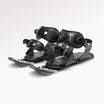
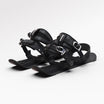
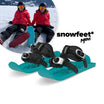
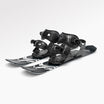
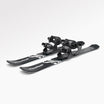
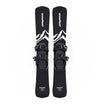
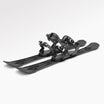
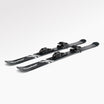
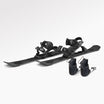
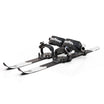
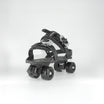
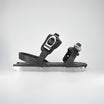
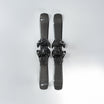
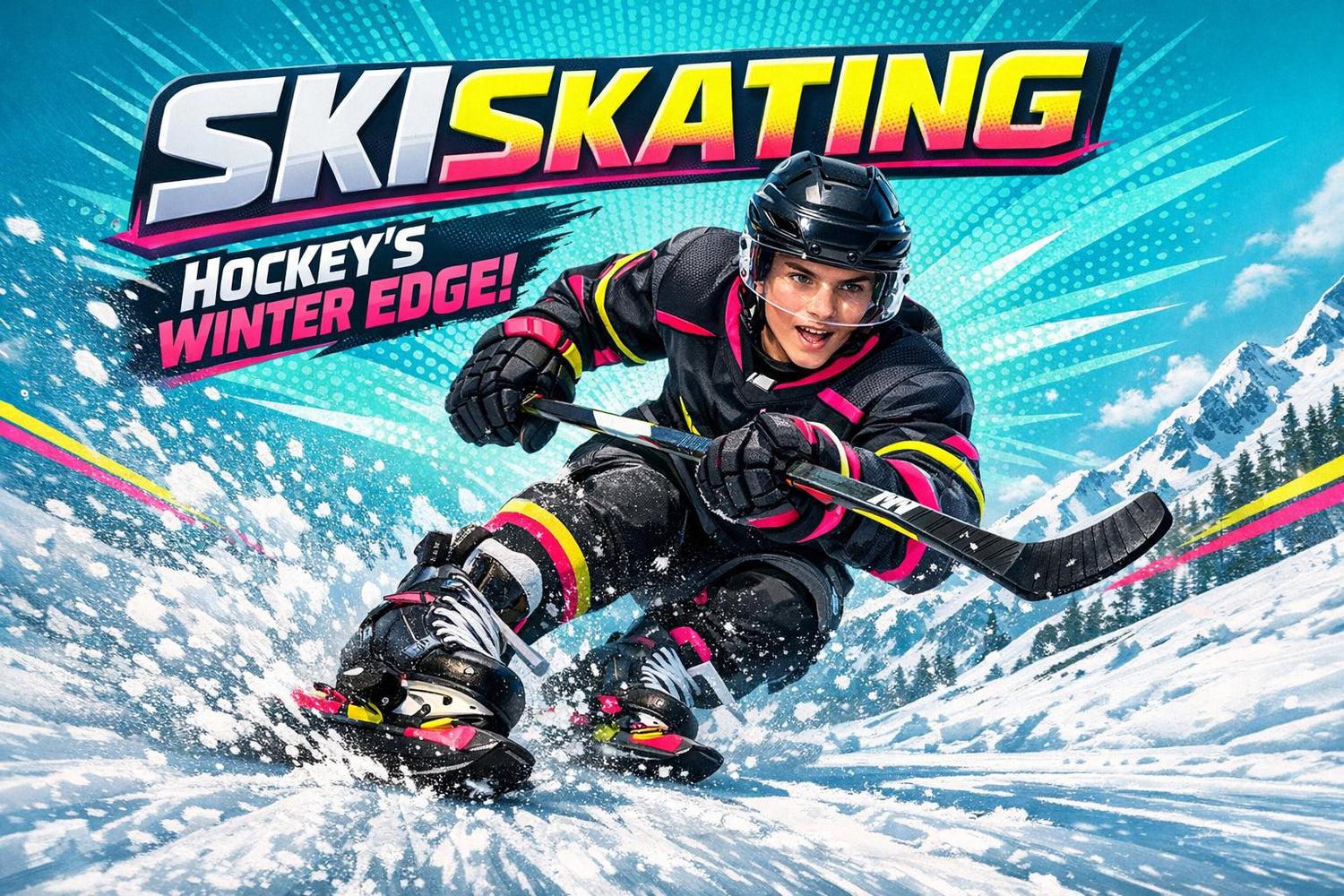
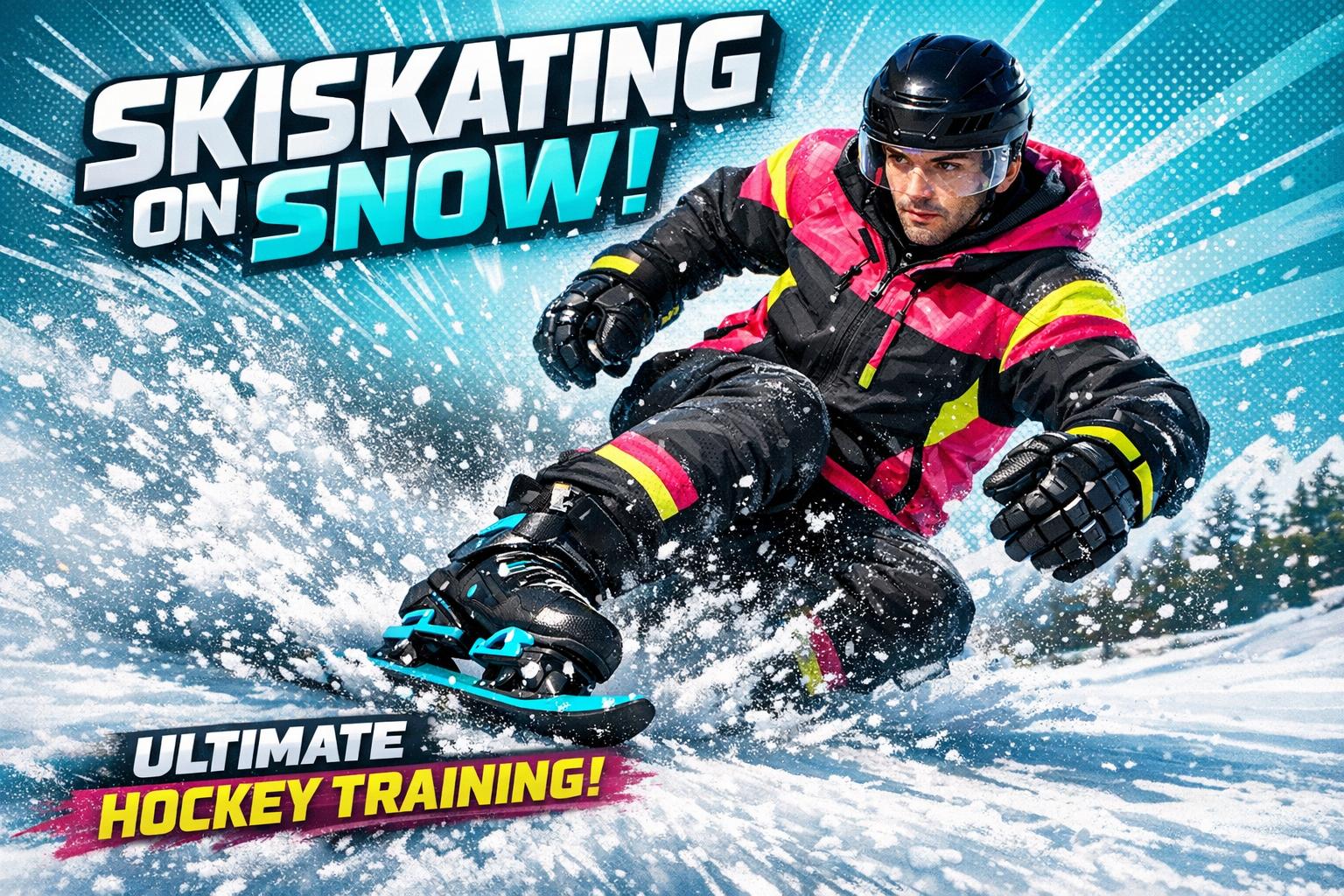
If you’re a hockey player, skiskating could be your winter sport match. It’s like skating on snow, using the same side-to-side pushes, edge control, and quick turns you’ve mastered on the ice. The best part? You don’t need clunky ski boots or long skis - compact Snowfeet skiskates work with your regular winter boots and fit in a backpack.
Why try skiskating?
- Easy to Learn: Already skate? You’ll pick this up in minutes.
- Compact Gear: Skiskates are only 15–20 inches long - no roof racks or bulky bags needed.
- Affordable: Starting at $190, it’s way cheaper than skiing or snowboarding setups.
- Versatile: Perfect for slopes, trails, sledding hills, or even your backyard.
Snowfeet offers three models:
- Mini Skates (38 cm): Best for beginners, $250.
- Skiskates (44 cm): Great for groomed runs, $575.
- PRO (50 cm): Built for speed and tricks, $275.
Whether you’re carving slopes or gliding through your yard, skiskating lets you bring your hockey skills to the snow - without the hassle of traditional gear.

Snowfeet Models Comparison: Features, Sizes, and Prices
Snowfeet* Skiskates TUTORIAL - Skiskating Technique & Tricks
Benefits of Skiskating vs. Traditional Skiing and Snowboarding
Traditional skiing and snowboarding come with their fair share of challenges. From hauling oversized gear to dealing with awkward flat terrain, they’re not always the most convenient options. Skiskating, on the other hand, simplifies things. Its compact design and ease of use bring a fresh twist to winter sports. Let’s break down the key perks.
Small Size and Light Weight
Snowfeet* skiskates are the shortest skis you’ll find, measuring just 38 to 50 cm (15 to 20 inches). They’re so compact you can toss them into a standard backpack - no need for roof racks or bulky ski bags. At 50 cm, the Snowfeet PRO is not only short but also much lighter than traditional skis. This means less strain before you even hit the snow. Compared to lugging around full-length skis or a snowboard, skiskates feel like a breath of fresh air. It’s no wonder hockey players love them - they’re built for agility without the extra baggage.
Quick Learning Process
Skiskating is refreshingly easy to pick up. Thanks to its skating-like motion, most people can master the basics in just a few minutes. Forget the awkward snowplow technique that skiing demands or the endless falls that come with learning to snowboard.
"You have to keep the front-back balance, so it feels very natural to those who play ice hockey, ice skate, or even use inline skates." - Snowfeet Store
While skiing often follows the mantra “easy to start, hard to master,” skiskating skips the steep learning curve. Its intuitive design lets you rely on muscle memory for smooth, responsive turns, making it a perfect choice for anyone with skating experience.
Works on Multiple Surfaces
One of the standout features of Snowfeet* skiskates is their versatility. Unlike traditional skis and snowboards that need groomed slopes to perform well, skiskates thrive in a variety of settings. Whether you’re carving down ski slopes, exploring hiking trails, sliding down sledding hills, or even gliding through your backyard, these skates can handle it all. They’re effective in light powder up to 10 cm (about 4 inches) deep and work seamlessly with your regular winter or snowboard boots. This opens up a world of possibilities for winter fun, no resort required.
How Snowfeet* Compares to Traditional Skis and Snowboards
When you put Snowfeet* side by side with traditional skis or snowboards, the contrasts are crystal clear. While traditional gear has ruled the slopes for decades, it comes with its fair share of hassles. Snowfeet* sidestep many of these issues, offering a fresh take on winter sports. Let’s break down how Snowfeet* outshine their bulkier counterparts.
Easy to Carry and Store
Traditional skis are massive, usually measuring between 55 and 67 inches, and snowboards aren’t much smaller at 47 to 65 inches. That means roof racks, oversized bags, and a lot of awkward hauling. Snowfeet*, on the other hand, are a breeze to manage. At just 15–20 inches (38–50 cm) long, these skiskates can fit right into a regular backpack, making your trip to the mountain much simpler.
"It makes them short and light, so you can easily carry them in a backpack and take them anywhere." - Snowfeet Team
And when it’s time to pack them away? Traditional gear eats up garage space or needs wall mounts. Snowfeet*? They can slide into a closet corner or under your bed. If you’re a hockey player used to lugging heavy gear, this compact design is a total game-changer.
Lower Cost Than Traditional Equipment
Let’s talk dollars. Traditional ski or snowboard setups can run you $500 to $1,000 or more - and that’s before factoring in maintenance and boots. Snowfeet* offer a much more wallet-friendly option. The 38 cm Mini Ski Skates start at $190, while the PRO 50 cm model is priced at $299. Even their premium 44 cm Skiskates with a wood core, at $490, are still competitive with mid-tier traditional gear.
The savings don’t stop there. Traditional skiing often requires stiff, pricey boots that cost between $200 and $600. Snowfeet* are compatible with your regular winter boots or snowboard boots, so no extra spending is needed. Maintenance is also a breeze - just keep them waxed and check the screws occasionally.
More Control and Maneuverability
When it comes to handling, size really does matter. Traditional skis can feel clunky and slow, especially if you’re trying to make sharp turns or navigate tight spots. Snowfeet* solve this problem with their shorter length, which makes them incredibly agile.
"Shorter means easier to control and less likely to cross tips when compared to longer skis." - Snowfeet Team
If you’ve ever watched a hockey player glide and pivot effortlessly on ice, that’s the kind of control Snowfeet* bring to the snow. Their compact design allows for quick cuts and stops, giving you instant responsiveness. The PRO model even steps it up a notch with a narrower base and raised platform, making turns and carving feel even smoother.
"Many people find turning with Snowfeet* or Skiskates* easier than turning with those long clunky skis." - Snowfeet Team
Traditional skis often require commitment to each turn, but Snowfeet* let you adapt on the fly. This makes them not only more intuitive but also a lot more fun - especially if you’re already comfortable on skates.
sbb-itb-17ade95
Which Snowfeet* Model to Choose
Choosing the right Snowfeet* model comes down to your experience level, where you’ll be riding, and the type of feel you want. Whether you're looking for speed, control, or something beginner-friendly, there’s a model for you. Hockey players, in particular, might find the transition to skiskating quite natural, thanks to the similar balance and edge control.
Snowfeet PRO (50 cm): For Experienced Riders
The Snowfeet PRO is all about versatility and stability, especially for high-speed runs and landing tricks in snowparks. At about 20 inches (50 cm) long, it’s the longest option in the lineup, giving you more control when you’re flying down the slopes.
"Snowfeet PRO is a bit longer, providing a balance between skiing and skating. Extended length helps with landing in snowparks." - Snowfeet Team
Its fiberglass-reinforced core and higher platform make carving and turning feel smooth and precise. It’s great for light powder (up to 4 inches deep) and works well on a variety of terrains - from groomed slopes to backyard hills. The Snowfeet PRO fits standard winter boots or snowboard boots and comes in at $275 in the U.S., with a glowing 4.9/5 star rating from over 2,200 reviews.
If speed is your thing, you might want to check out the next model.
Skiskates (44 cm): All-Purpose Option
The Skiskates combine a professional-grade feel with a compact design. At 17 inches (44 cm), they strike a balance between being portable and offering enough control for resort slopes.
"Skiskates... are more professional and faster, mainly designed for ski slopes. They are made like skis, with a wood core." - Snowfeet Team
These are built for groomed runs and deliver that smooth, drifting sensation that hockey players will love. They’re compatible with ski or snowboard boots and are priced at $575. With a perfect 5.0/5 star rating, they’re a favorite among riders looking for a faster, more dynamic experience.
If you’re just starting out, though, you might prefer the next option.
Snowfeet Mini Skates (38 cm): Best for Beginners
The Snowfeet Mini Skates are designed with beginners in mind. At 15 inches (38 cm), they’re shorter and easier to manage, offering a slower pace that’s perfect for building confidence and practicing techniques like the hockey stop.
"You have to keep the front-back balance, so it feels very natural to those who play ice hockey, ice skate, or even use inline skates." - Snowfeet FAQ
These work well with standard waterproof winter boots and are ideal for casual terrains like sledding hills, backyards, or hiking trails. Starting at $250, they’ve earned a 4.9/5 star rating, making them a solid choice for anyone new to skiskating.
Each model brings something different to the table, so whether you’re a seasoned rider or just starting out, there’s a Snowfeet* option that fits your style.
How to Start Skiskating
Basic Moves to Learn First
Getting started with skiskating is easier than you might think. If you’ve ever skated like a hockey player, you’re already halfway there. The key is to push your legs out to the sides to build momentum - just like you would on ice. That same motion translates beautifully to snow, which is why people with hockey experience tend to pick it up so quickly.
In fact, hockey players often master the basics in just 10 to 20 minutes. Those skills you’ve already got - like edge control, crossovers, and turns - work almost the same way. The big difference? You’re now dealing with snow instead of ice.
Here’s a tip: use the hockey stop to slow down. Push the edges of the skiskates sideways while keeping your weight evenly distributed. Unlike ice skating, though, you’ll want to keep your weight centered over the middle or back of your feet, rather than leaning forward. For smoother slowing, take advantage of the built-in heel brake that comes with Snowfeet* models.
For stability, keep your legs shoulder-width apart and your knees bent. If you’re picking up speed, try putting one foot slightly ahead of the other while leaning your upper body forward. When it’s time to turn, tilt the metal edges of your skiskates to steer your body in the desired direction. Once you’re comfortable with these movements, you can start focusing on handling different terrains safely.
Staying Safe While Skiskating
When you’re just starting out, stick to flat, groomed areas. Save the slopes and deep powder (anything over 4 inches) for later, once you’re more confident. Outdoor terrain can be unpredictable compared to the smooth surface of a hockey rink, so choosing a safe practice spot is crucial.
Make sure you wear waterproof boots with solid ankle support. Snowboard boots are a popular choice - they provide the control and comfort you’ll need for longer outings. Before heading out, adjust your bindings at home with a screwdriver. Trust me, it’s way easier than trying to do it with cold hands on the mountain.
If you feel your balance wobbling, lower your center of gravity, lean forward slightly, and spread your arms for stability. Here’s some good news: falling with Snowfeet* is generally less dramatic than falling on long skis, thanks to their compact size. To keep your skiskates in top shape, dry the metal edges after each use to prevent rust. Also, regularly waxing the base will help avoid snow sticking and causing jerky stops.
Learning from Video Guides
Once you’ve got the basics and safety down, video tutorials can really help fine-tune your technique. The Snowfeet YouTube channel is a goldmine for skiskaters, especially those transitioning from ice to snow. Check out videos like "Snowfeet* Basics for Ice Skaters," which breaks down the hockey stop in under five minutes with slow-motion clips, or "Crossovers and Turns on Snowfeet* PRO," which dives into advanced moves using the 50 cm model.
For beginners, the video "Beginner Skiskating in 10 Minutes" is a must-watch. It walks you through step-by-step progressions on flat terrain, using easy-to-follow instructions tailored for U.S. skaters. The sequence usually starts with balancing on flat snow (about 5 to 10 minutes), then moves to slow glides with stops and turns, and finally wraps up with speed drills on gentle slopes. If you’ve got hockey experience, you’ll likely breeze through these stages.
Visual learners will love the side-by-side comparisons in these guides. They clearly show proper body positioning and weight distribution, making it easier to adapt your skating skills to the snowy surface. These videos are a great way to bridge the gap between ice and snow, helping you feel confident and ready for your next adventure.
Conclusion
Snowfeet* is changing the game for hockey players who love winter sports by blending familiar skills with unmatched convenience and affordability. Moves like sideways pushes, hockey stops, and edge control translate effortlessly from the rink to the slopes with Snowfeet*. With over 50,000 riders worldwide and an impressive 4.9 out of 5 rating from more than 5,500 verified reviews, it's clear that Snowfeet* is making waves as a serious winter sport option.
The gear is compact enough to fit in your backpack, works with your regular winter boots, and costs only a fraction of what traditional setups do. It's all about making winter sports more accessible and fun. Whether you're gliding down groomed slopes, navigating snowy trails, or just enjoying a sledding hill nearby, Snowfeet* lets you skate your way through the snow with precision and ease.
So, why wait? Grab your Snowfeet* Skiskates or Snowfeet PRO, head to the snow, and see for yourself. It’s time to take your hockey skills off the ice and onto the snow with Snowfeet*.
FAQs
How are skiskates easier to use and learn compared to traditional skis?
Skiskates, like Snowfeet skiskates, are much easier to pick up than traditional skis. You can strap them right onto your regular winter boots - no need for bulky ski boots, bindings, or those long skis that can be a hassle to carry around. These little guys are compact and lightweight, usually between 15 and 20 inches long, so they’re super portable. Plus, they’re quick to put on, meaning you can be gliding through the snow in just a few minutes. Compare that to traditional skis, which come with a whole lot of gear and preparation, and it’s clear why skiskates feel like a breath of fresh air for beginners.
What’s great about skiskates is how fast you can learn to use them. They work a lot like ice skates, so if you’re a hockey player or someone who’s comfortable on skates, you’ll feel right at home. Unlike skiing, where you might need several lessons to master turning, stopping, and controlling your speed, most people can get the hang of skiskating in just one session. It’s an awesome option for anyone looking for a fun and easy way to enjoy winter sports without the steep learning curve.
What kind of terrain is ideal for skiskating?
Skiskating shines on groomed ski slopes, terrain parks, and packed-snow surfaces. These spots offer just the right mix of smoothness and grip, making it easier to enjoy the quick turns and control that skiskates like Snowfeet* are built for. Steer clear of deep powder or icy patches, though - they can make things trickier and take away some of the fun.
Whether you're cruising down a slope or zipping through a park, Snowfeet skiskates bring the sensation of ice skating to snowy landscapes. For hockey players, it’s like stepping into a winter wonderland version of the rink - fast, familiar, and exhilarating.
Can Snowfeet skiskates be used with any type of winter boots?
Yes, Snowfeet skiskates are made to be compatible with most winter boots or snowboard boots. For the best results, go with waterproof boots that offer solid ankle support. Thanks to their adjustable bindings, they’re super versatile and can work with different types of footwear. This means you can dive into skiskating without having to invest in any special boots.












Leave a comment
This site is protected by hCaptcha and the hCaptcha Privacy Policy and Terms of Service apply.