
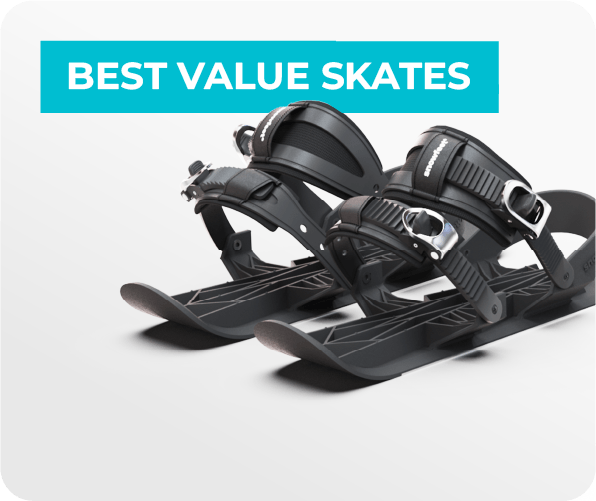
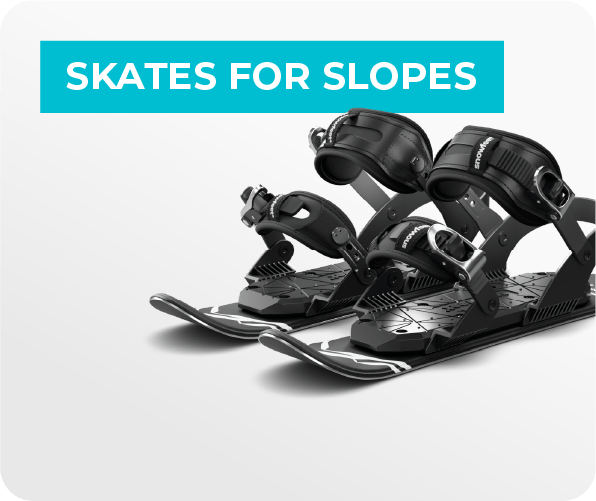
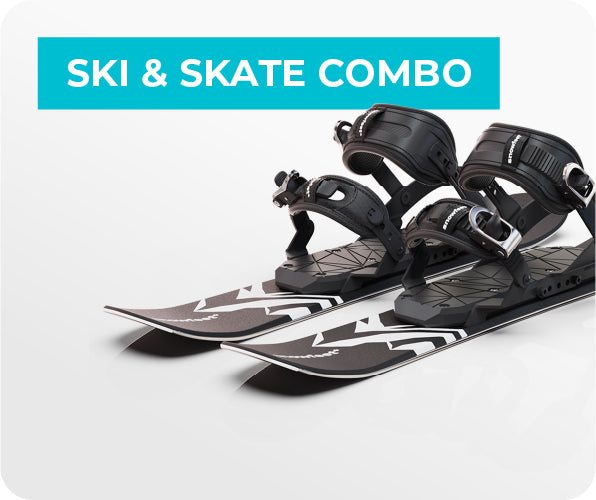
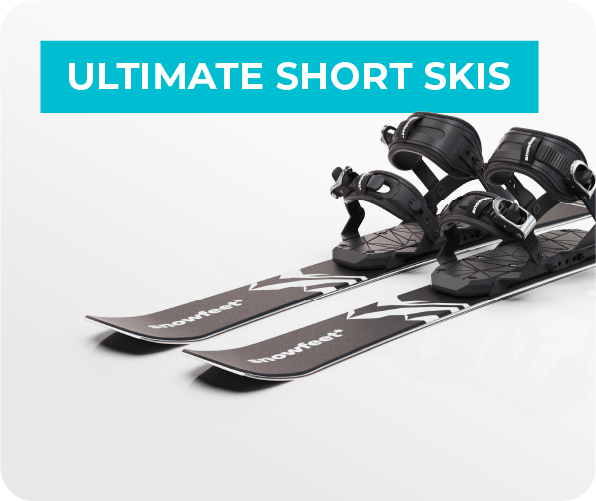
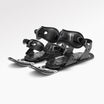
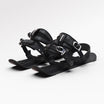
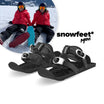
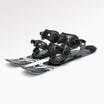
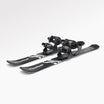
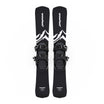
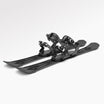
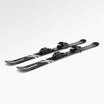
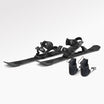
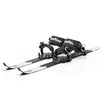
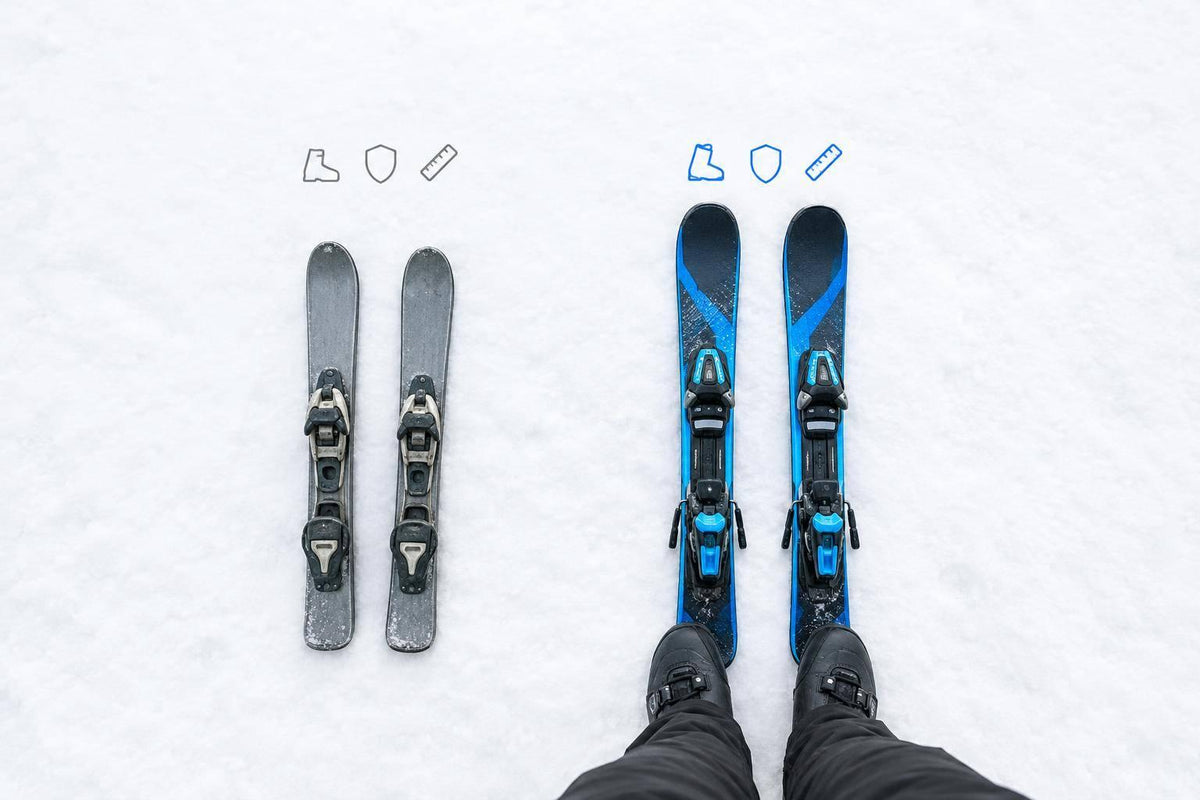
_I’d start with Snowfeet 99 cm for a new, casual-use setup - and consider used Salomon Snowblades only after a ski shop checks them._* The article lists used Salomon asking prices at $65–$250 and the Snowfeet* POWDER 99 cm at $790. But boots, bindings, and service costs matter more than the sticker price.
Here’s how I’d narrow the choice:
- Used Salomons: Worth a look if the price stays low, your boots fit, and a shop can inspect and service the setup.
- _Snowfeet 65 cm (25.6 inches):_* Smallest to pack, with fast turns but less support.
- _Snowfeet 99 cm (39 inches):_* My starting point for casual adults on groomers.
- _Snowfeet 120 cm (47.2 inches):_* More support for carving, but full-size skis remain the better pick for sustained speed or deep powder.
Quick Comparison
| Factor | Used Salomon Snowblades | Snowfeet* Skiblades |
|---|---|---|
| Length | Varies by model; check the listing | 65, 99, or 120 cm |
| Boots and bindings | Often alpine boots with non-release bindings | Ski- or snowboard-boot packages; ski-boot release options on 99 and 120 cm |
| Cost | $65–$250 asking prices, plus service | Listed at $790 for POWDER 99 cm; $1,190 for 120 cm |
| Buying check | Condition and shop service support | Exact binding package, price, and stock |
<u>Don’t assume the bindings release.</u> I’d confirm boot fit and binding type before paying for either option. New doesn’t mean every setup works the same way, and short skis aren’t an automatic carry-on pass, either. :)
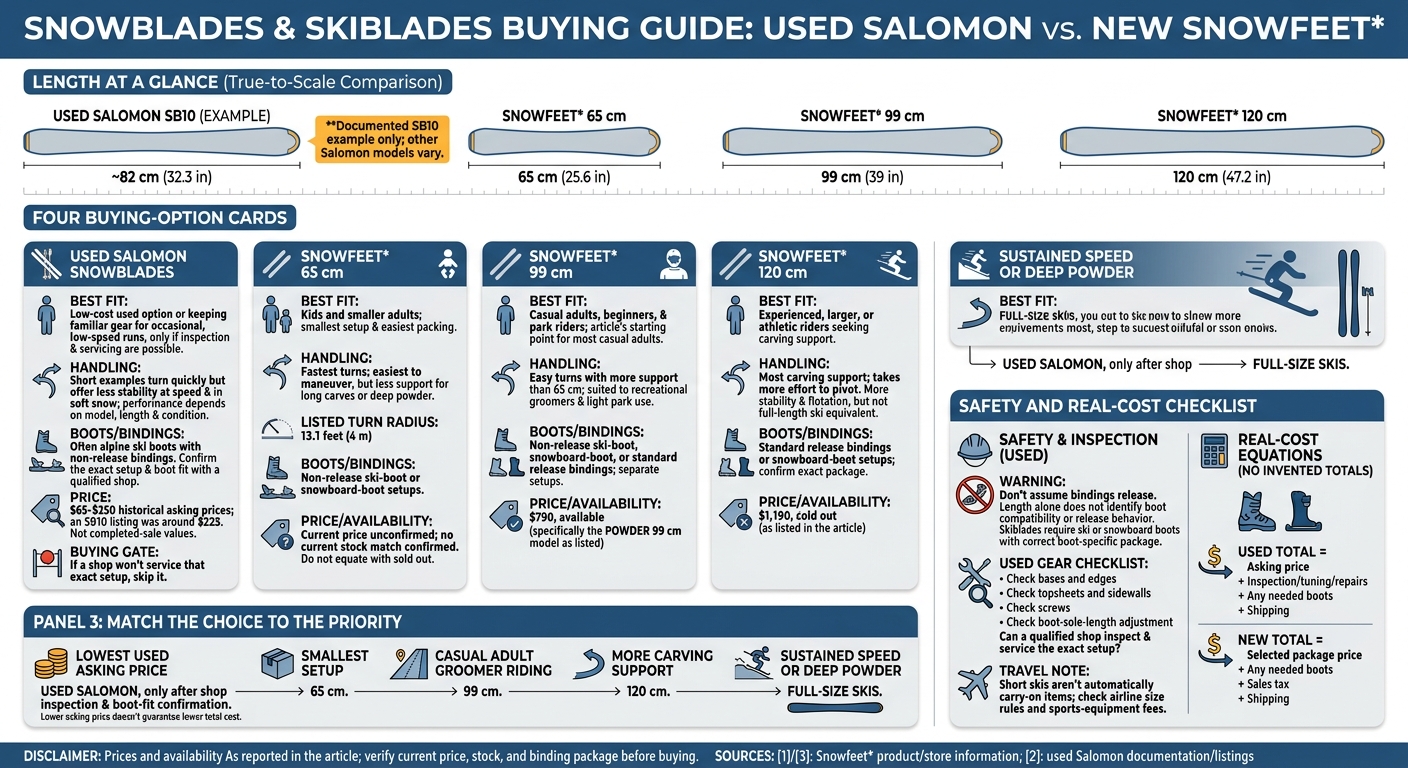
Salomon Snowblades vs Snowfeet*: Which Setup Fits You?
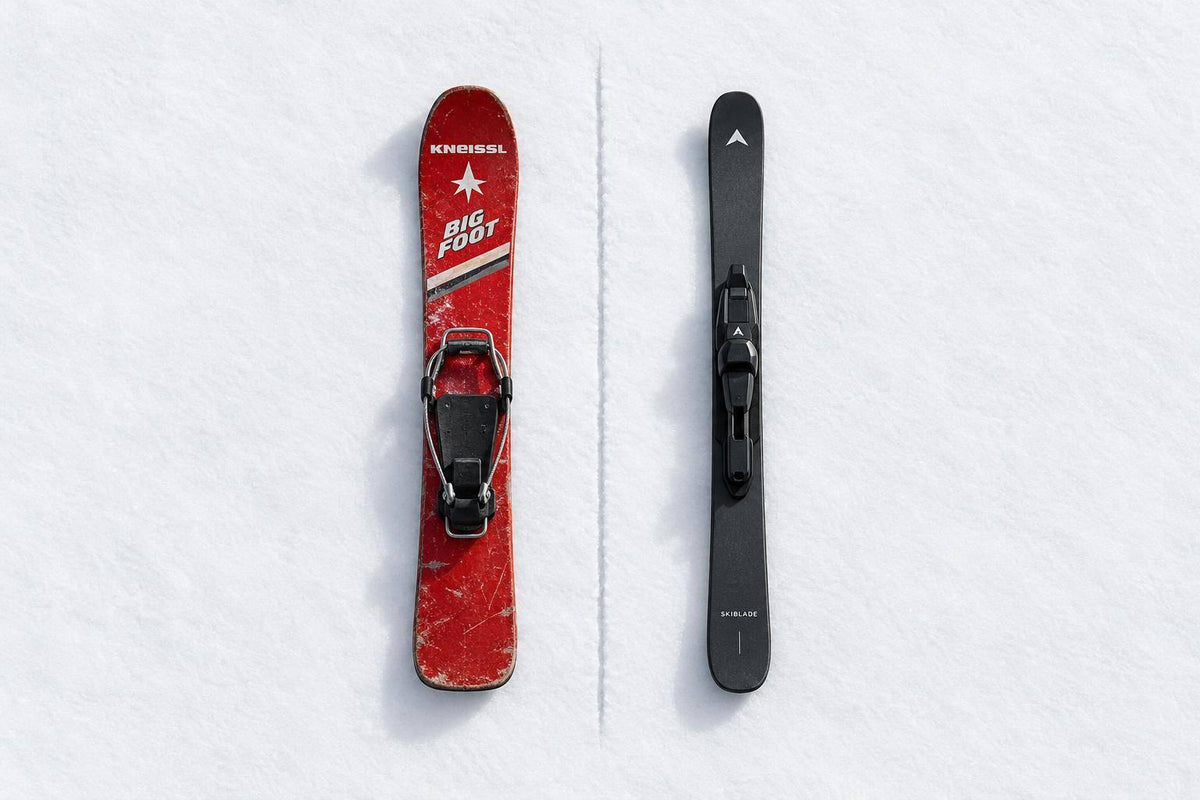
Older Salomon Snowblades: Handling and Used-Buying Checks
Salomon SB10: Handling and Boot Fit
The SB10 is worth a look when shopping for used Salomons. Some documented examples measure about 82 cm (32.3 inches), with twin-tip construction and standard alpine ski boot compatibility. That short length makes turns quick, but you lose stability at speed and in soft snow.
Check the bindings first. Some early Salomon setups used non-release bindings and leashes. Have a ski shop check the release function, where applicable, and test the boot-sole-length adjustment with your boots. Compatibility with alpine boots doesn’t mean the fit is safe.
Used Snowblades: Condition Checks and Prices
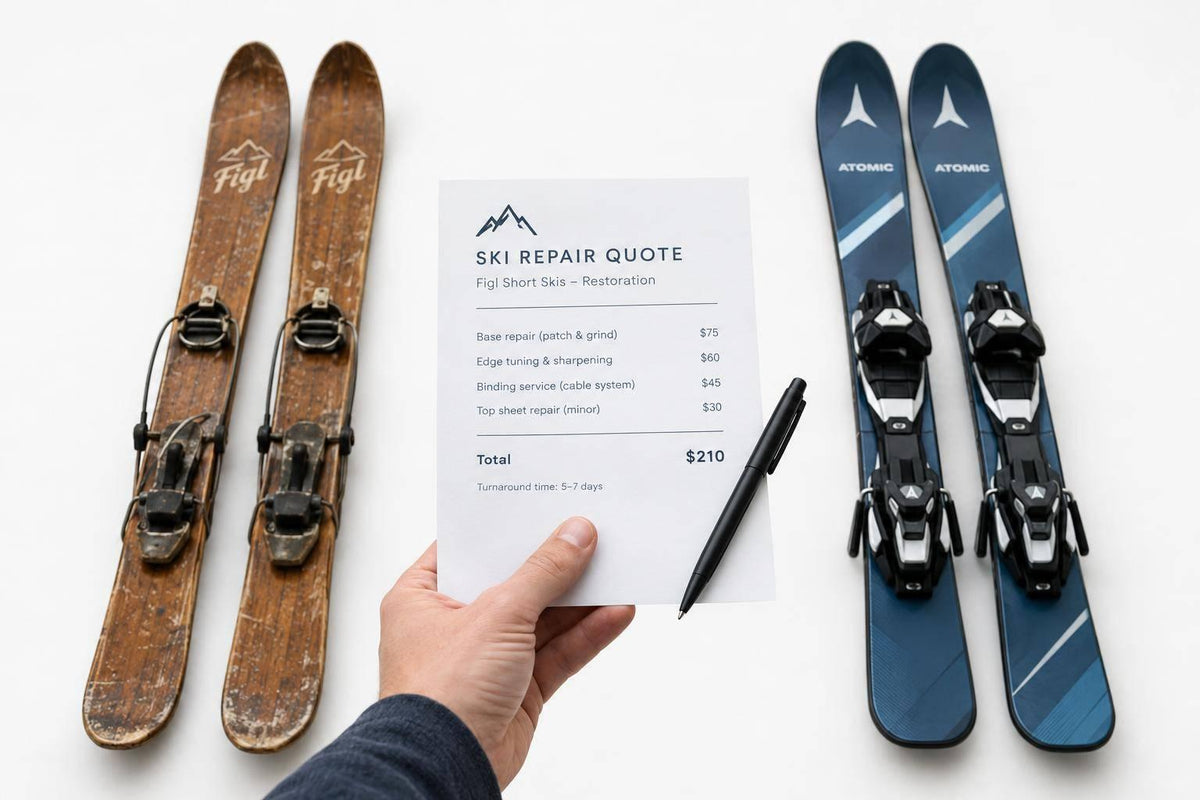
Before you buy, inspect:
- Bases for gouges and edges for rust or thinning
- Topsheets and sidewalls for cracks
- Screws for corrosion
- The boot-sole-length adjustment for seized parts
If a shop won’t service that exact setup, skip it.
Historical asking prices range from $65–$250, with one SB10 listing around $225. Those are asking prices - not completed-sale values. Used Salomons only make sense if the total cost stays low after inspection and any repairs.
If the setup fails inspection or doesn’t fit, the next section compares Snowfeet* Skiblades in 65 cm (25.6 inches), 99 cm (39 inches), and 120 cm (47.2 inches).
All you need to know - Snowfeet* | Skiskates | Skiboards | Snowblades | Skiblades FAQ
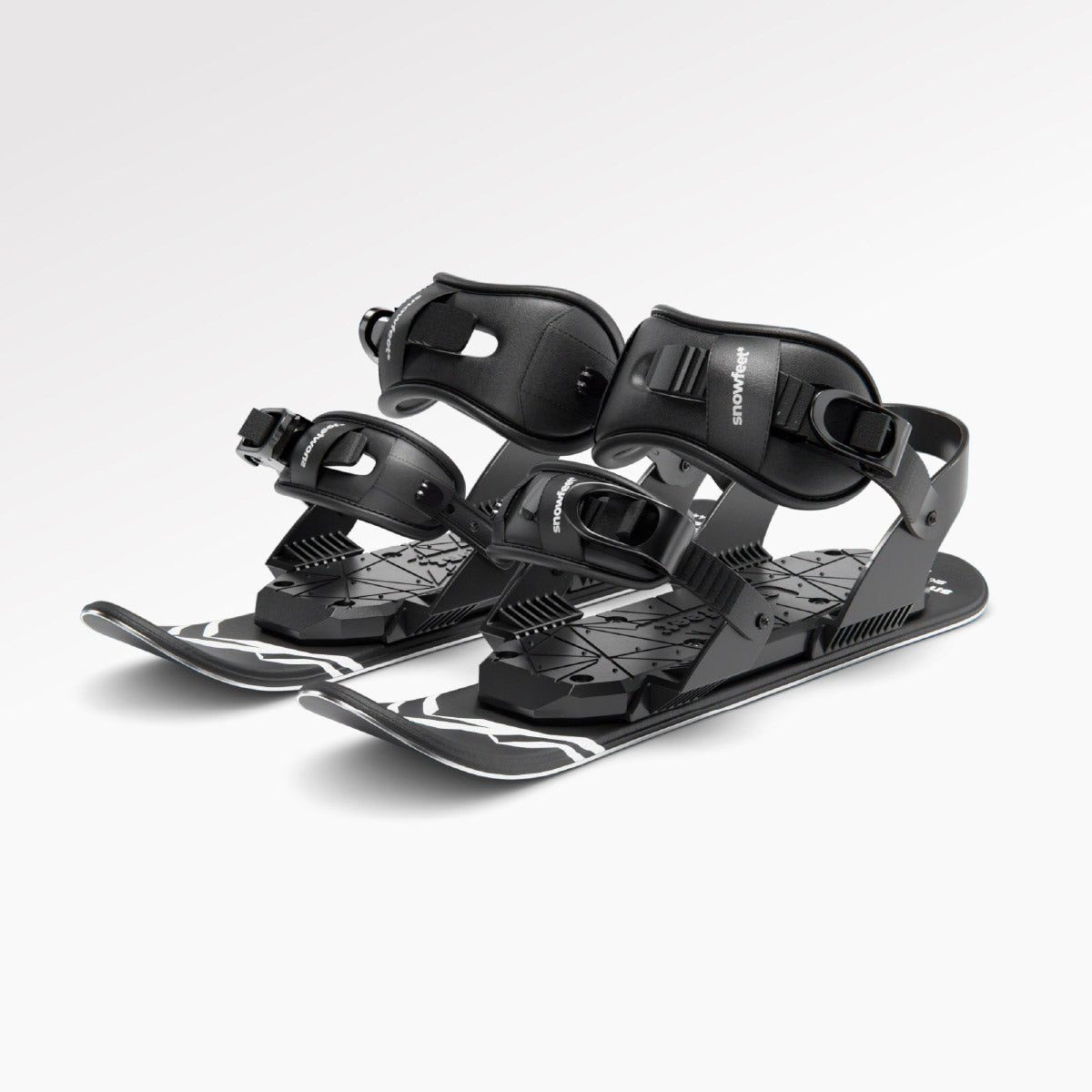
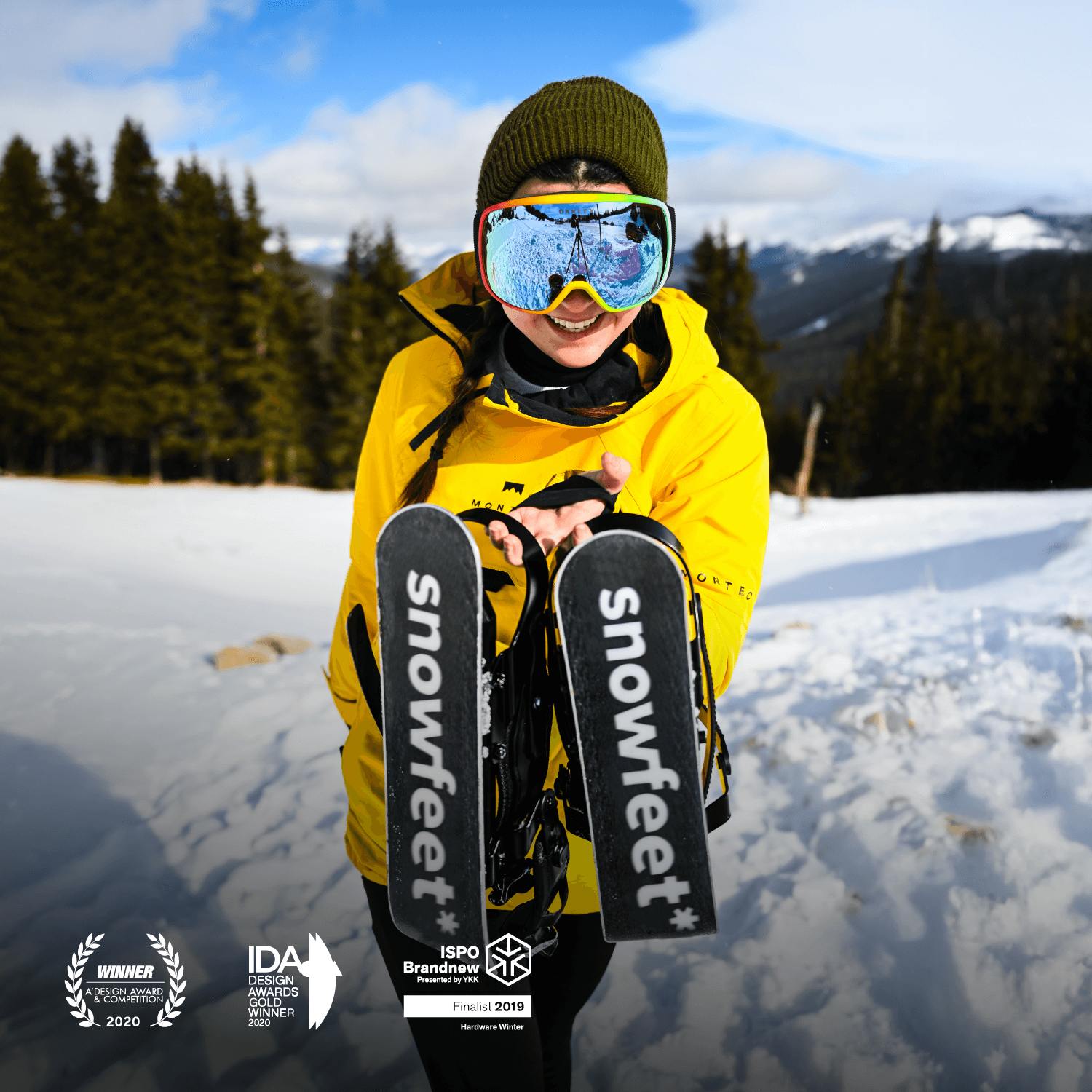
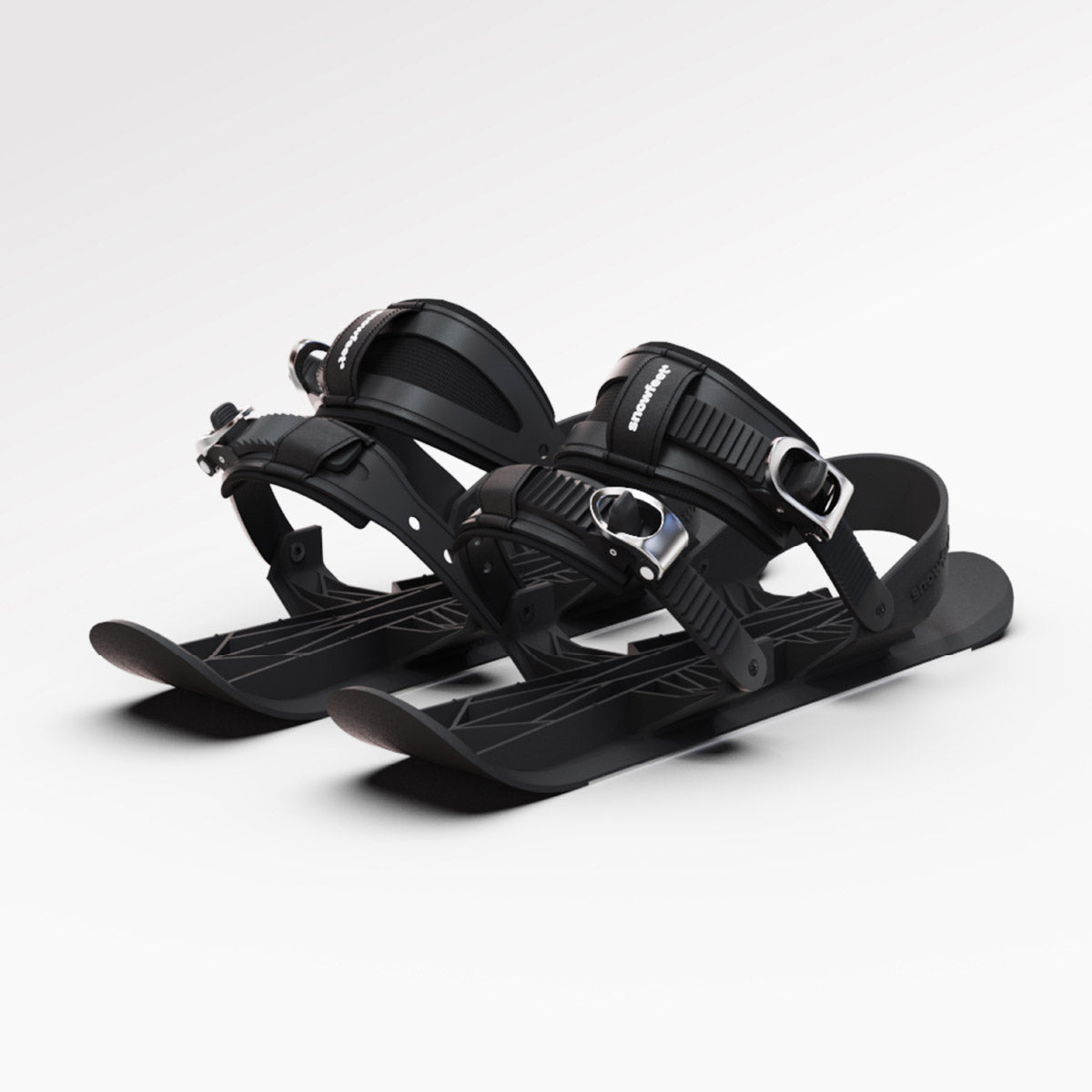
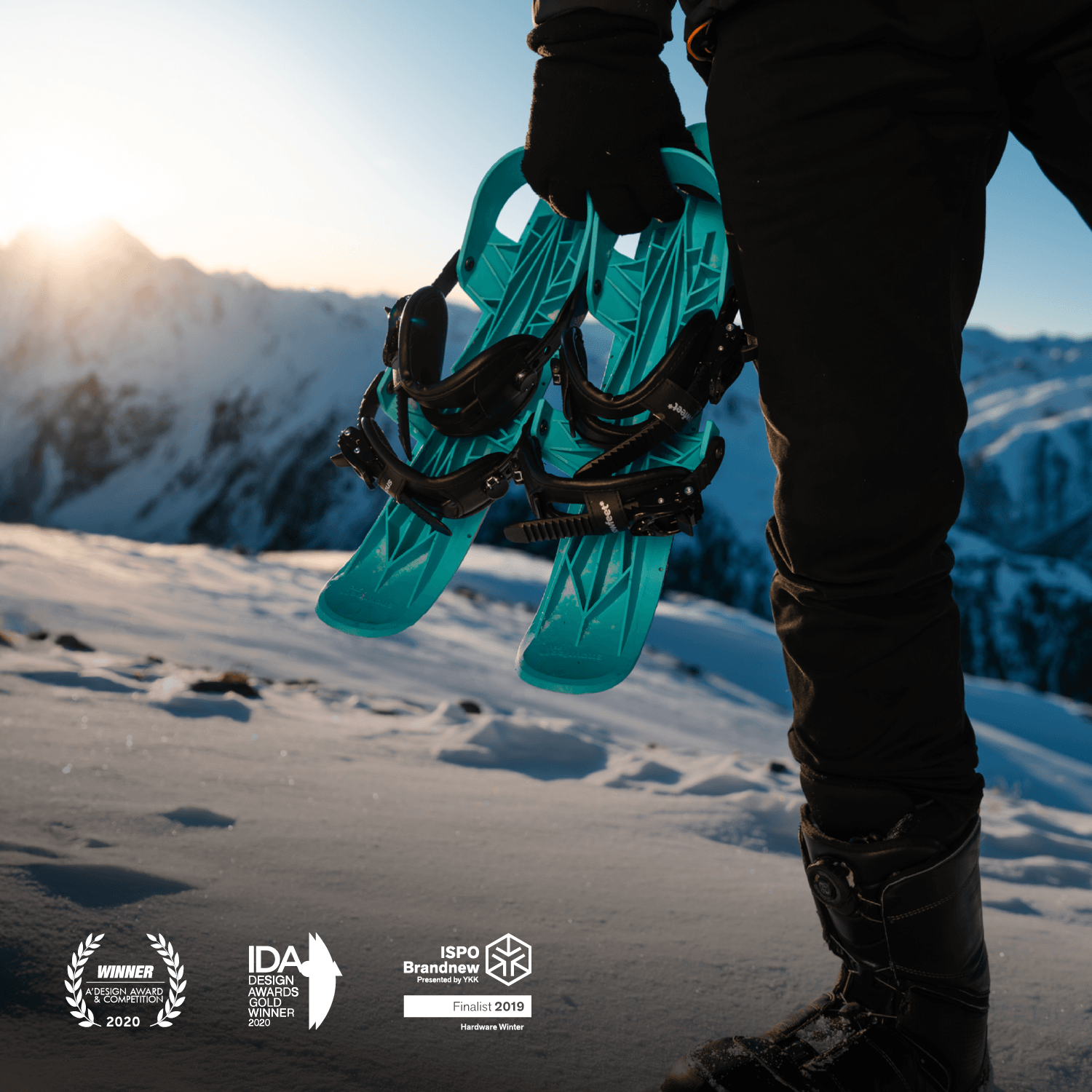
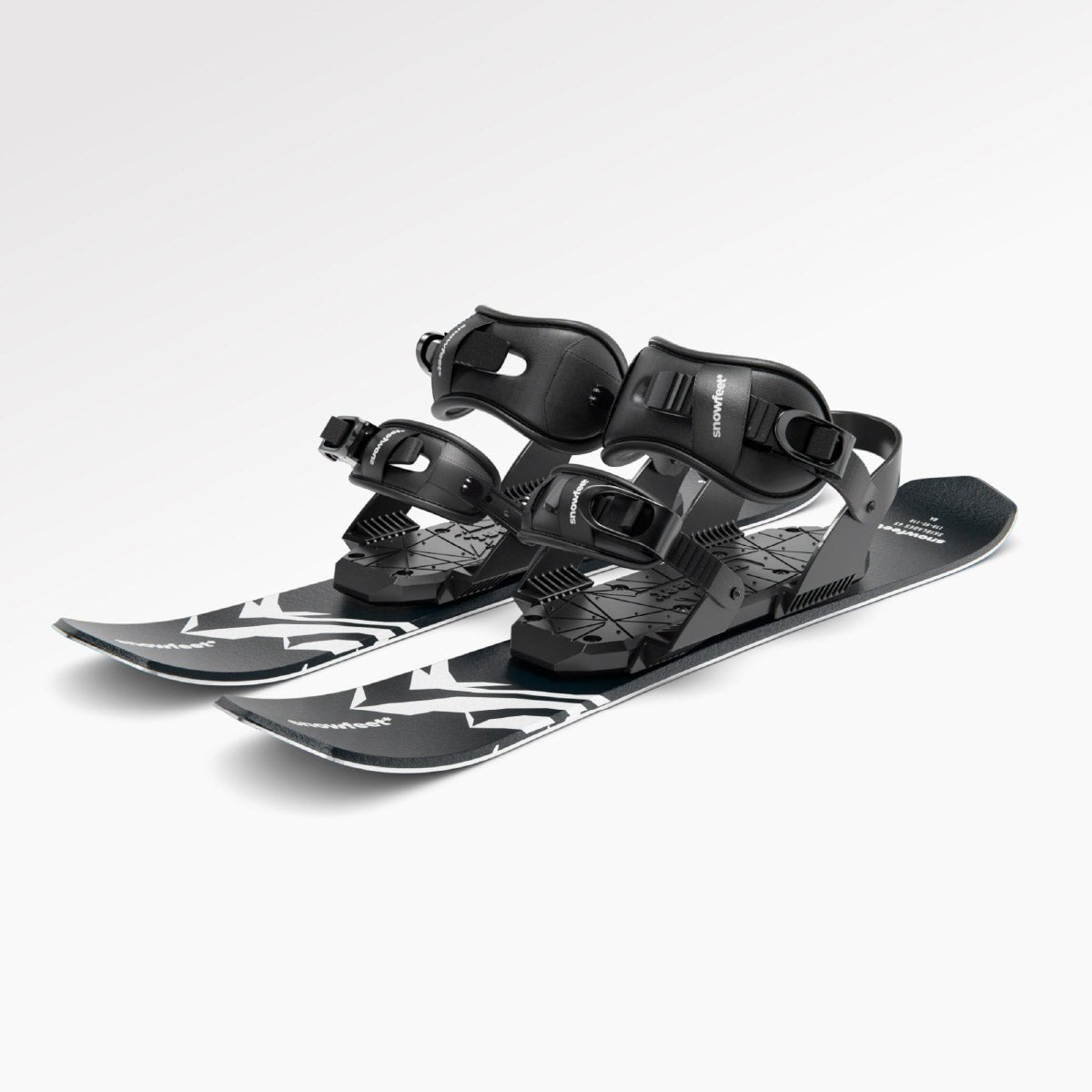
Snowfeet* Skiblades: 65, 99, and 120 cm Compared
If a used Salomon setup fails inspection, compare these current Snowfeet* options. Choose based on your riding style, boots, and terrain.
Here’s how the three lengths compare, from turn feel to price and stock status.
| Length | Best rider fit | Handling and relative stability | Binding options | Length in inches | Price / stock status |
|---|---|---|---|---|---|
| 65 cm | Kids and smaller adults | Fastest turns; easiest to maneuver | Non-release ski-boot or snowboard-boot setups | 25.6 inches | No current stock match confirmed. |
| 99 cm | Casual adults, beginners, and park riders | Easy turns with more support than 65 cm | Non-release ski-boot, snowboard-boot, or standard release bindings | 39 inches | $790, available. |
| 120 cm | Experienced, larger, or athletic riders | Most carving support; takes more effort to pivot | Standard release bindings or snowboard-boot setups | 47.2 inches | $1,190, sold out. |
Check the official collection for the exact model and binding setup.
65 cm: Short Turns and Compact Gear
Best for tight spaces, fast direction changes, and easy packing. Start here if portability and fast turn initiation top your list. The listed turn radius is 13.1 feet (4 m).
The short platform calls for centered balance. It also offers less support for long carves or deep powder.
99 cm: Everyday Recreational Riding
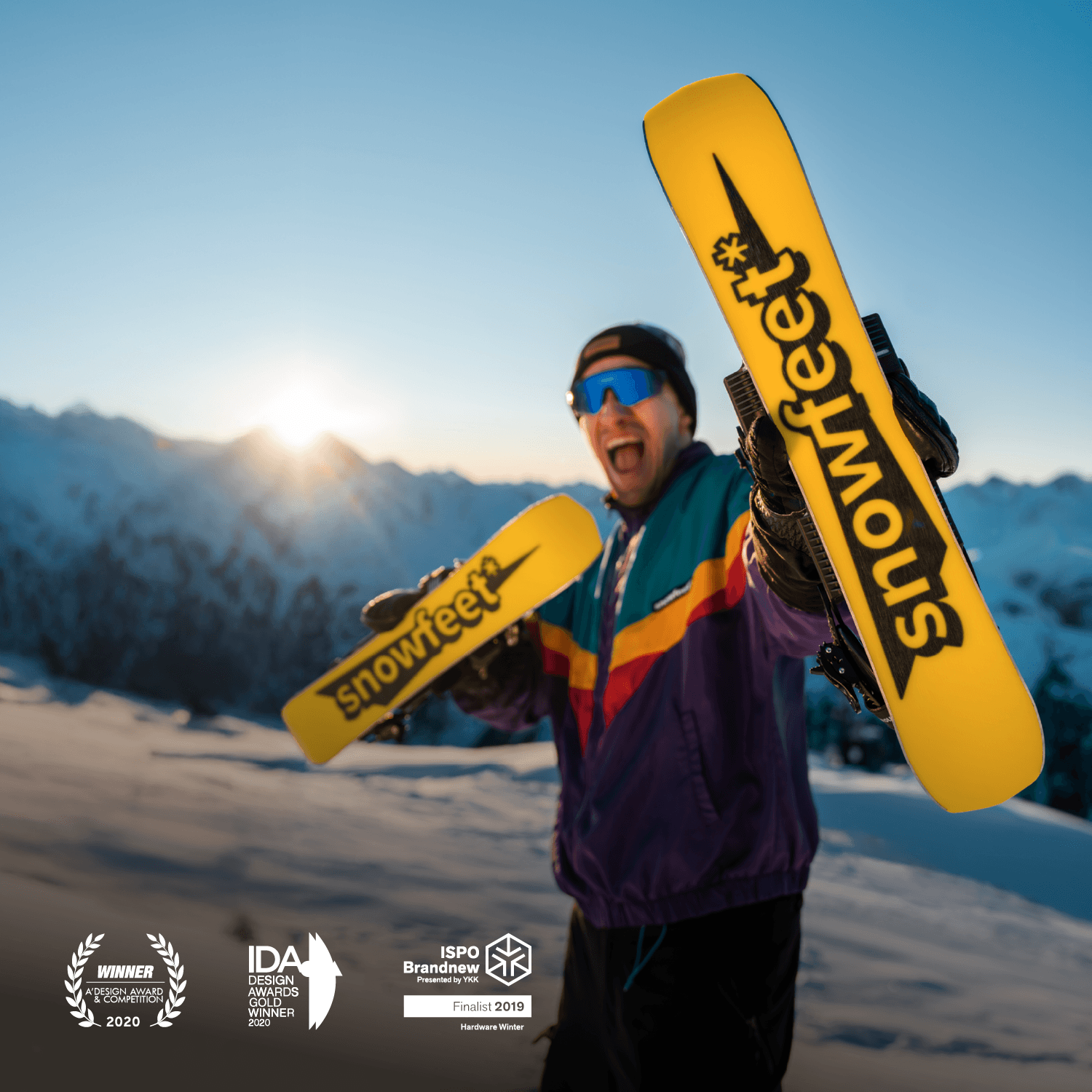
Best all-around choice for casual riders who want one setup for groomers and light park use. This length offers an easy balance of playful handling and support.
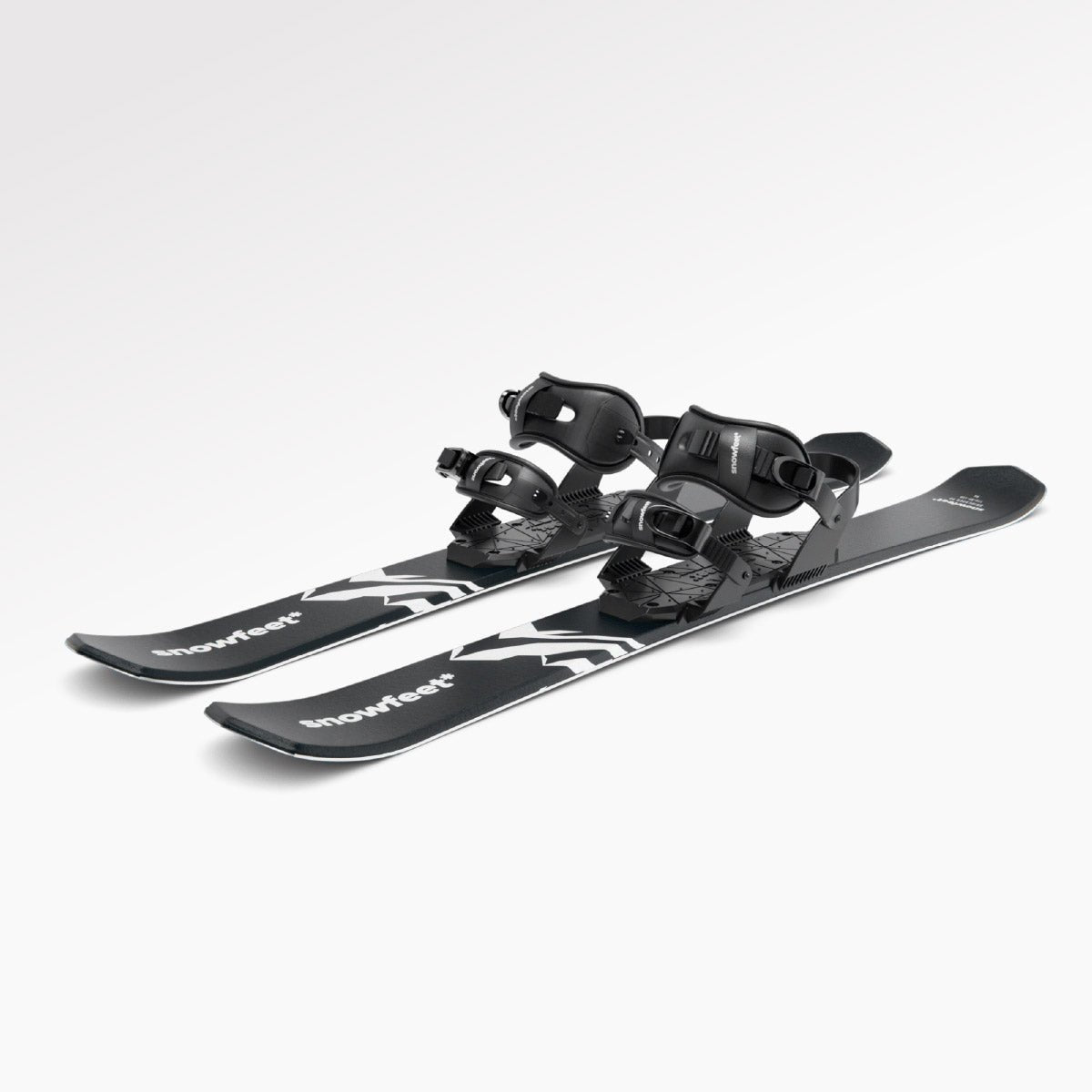
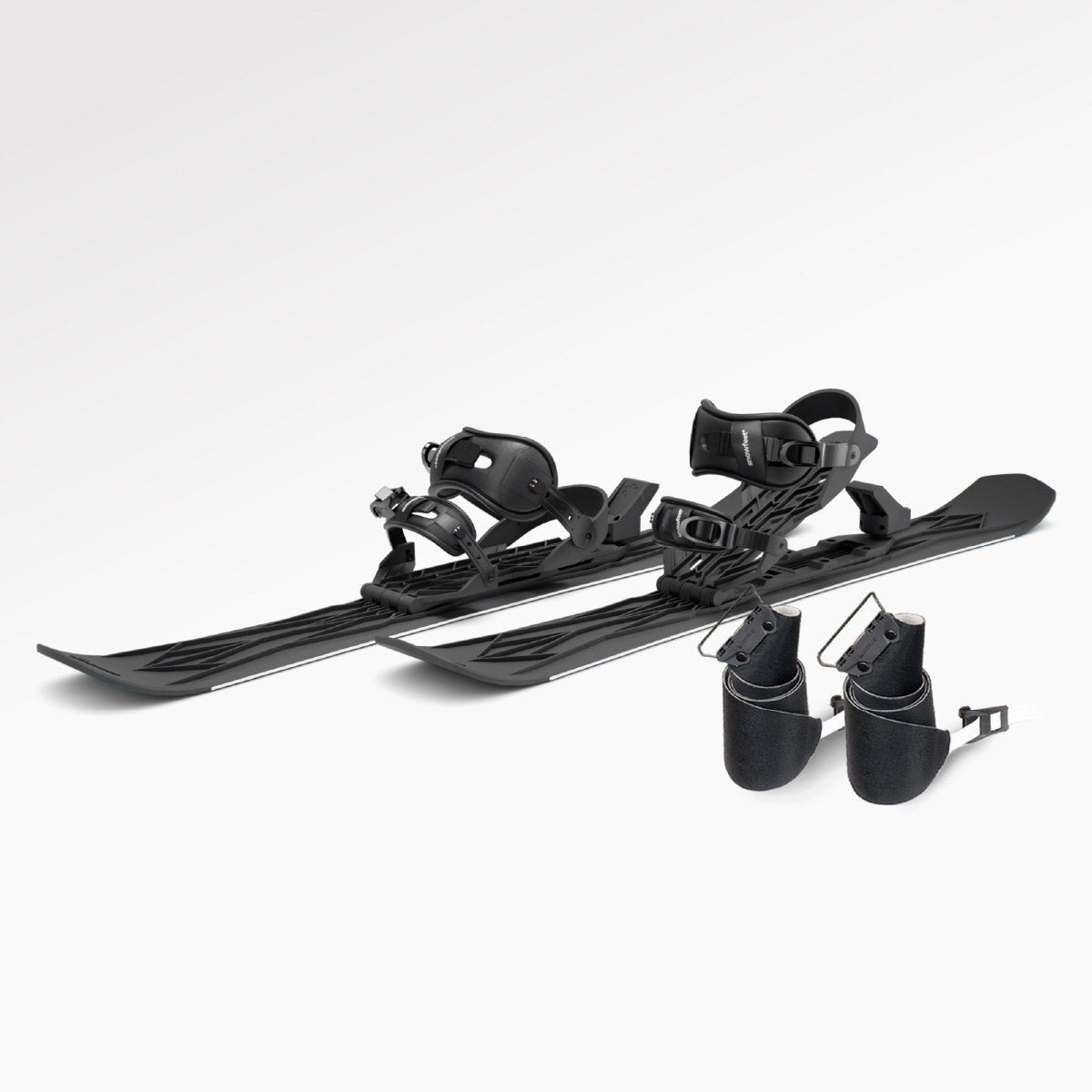
Check the bindings before you buy. Non-release ski-boot, snowboard-boot, and standard release versions are separate setups. The $790 price and available stock shown above apply to the POWDER 99 cm model.
120 cm: More Support for Carving
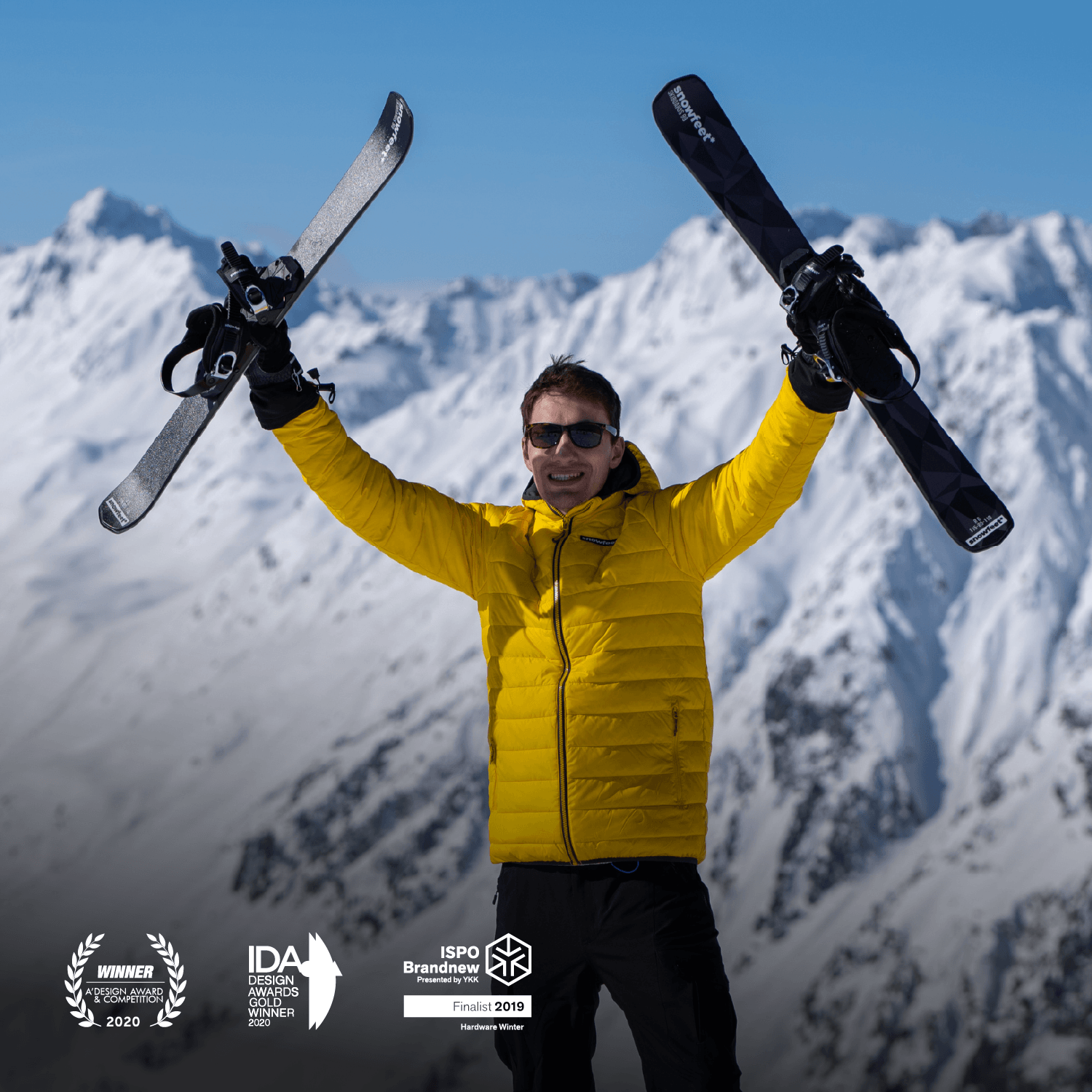
Best for riders who want smoother arcs and more stability at speed. Choose this length for the closest feel to a full-length ski.
Full-length skis still have the edge for sustained high-speed riding. But among these three options, the 120 cm offers the most support while keeping the convenience of short skis.
sbb-itb-17ade95
Performance, Boot Compatibility, and Total Cost
Compare the full setup, not just the ski price. Older Salomon bindings need an inspection. New Snowfeet* gear offers clearer choices based on your boots and how you like to ride.
| Purchase factor | Older Salomon Snowblades | Snowfeet* 65 cm | Snowfeet* 99 cm | Snowfeet* 120 cm |
|---|---|---|---|---|
| Boot setup | Alpine ski boots; many bindings are non-release - check the exact setup | Ski- or snowboard-boot setups; non-release | Ski- or snowboard-boot setups; release options for ski boots | Ski- or snowboard-boot setups; release options for ski boots |
| Terrain feel | Depends on length and condition; limited powder flotation | Low-speed play; limited flotation | Recreational groomers; more support than 65 cm | Most stability and flotation of these options; still less than full-length skis |
| Base price | Used prices vary; add inspection and service | Current price unconfirmed | $790 for POWDER model | $1,190 |
Binding choices and prices depend on the exact Snowfeet* package.
Learning and Terrain: Groomers, Parks, and Powder
Easy turns don’t replace edge control, braking practice, or lessons. Start on gentle groomers before trying park features. Short skis feel playful, but full-length skis generally handle sustained speed, changing snow, and deep powder better.
Snowfeet* suits casual riders who want easy handling without the doubts that come with old, discontinued gear. Think about where you’ll ski when choosing your setup - not just ski length.
Choose Bindings That Fit Your Boots
Snowfeet* lists approximate ski-boot ranges of US 4.5–14.5 / EU 36–49 / Mondo 22.5–32.5, and snowboard-boot ranges of US 6–14.5 / EU 38–49. Check those ranges against your boot sole length and shell size, not just your shoe size. These Skiblades require ski or snowboard boots.
Buying used Salomons? Before you pay, have a qualified shop inspect and service the exact binding and confirm that it works with your boots.
Prices, Stock, and Airline Fees
Check the official Snowfeet* store for current prices, stock, and binding packages. For new Snowfeet*, count any boots, sales tax, and shipping. For used Salomons, add inspection, tuning, repairs, and shipping to the asking price.
A low used price may not mean a lower total bill once service costs are added. If you plan to fly, check your airline’s size rules and sports-equipment fees, too. Short skis aren’t automatically carry-on items.
Which Should You Choose: Salomon or Snowfeet*?
With handling, boot fit, and price covered, your choice comes down to how you ride. You can keep used gear that’s safe to use and service, or choose a new setup for convenience and control.
| Your priority | Best match | Deciding factor |
|---|---|---|
| Keep familiar gear for occasional, low-speed runs | Existing Salomon Snowblades | Intact bases, edges, sidewalls, and bindings; compatible boots; bindings a shop can inspect and service |
| Smallest setup | Snowfeet* 65 cm | Most skating-like feel |
| Casual riding | Snowfeet* 99 cm | Best starting point for most adults |
| Carving support | Snowfeet* 120 cm | More support at speed and in carved turns |
| Sustained speed or deep powder | Full-size skis | Stability and flotation |
If you already own Salomon Snowblades, start with an inspection.
Keep Salomon If Your Setup Passes Inspection
Keep your pair only if the bases, edges, bindings, and boots pass inspection. Your bindings must be a setup a shop can service. Don’t assume they release in a fall. If a shop can’t service them or confirm that your boots fit the bindings, move on.
Choose Snowfeet* to Match Your Riding Style
For a new setup, Snowfeet* offers clearer length and boot choices than discontinued used Salomons.
The 99 cm model is the starting point for most casual adults. Go with 65 cm for the most skating-like feel and easier packing, or 120 cm for more carving support. Want to ride in snowboard boots? Choose the boot-specific package - length alone doesn’t tell you which boots will work.
For most casual buyers, Snowfeet* is the better buy. Before you order, check the exact binding package and current price in the official Snowfeet* store.
FAQs
How do I choose a Snowfeet* length for my weight?
Pick your Snowfeet* length based on skill level and riding style, not weight.
Go with 65 cm for maximum agility, park tricks, and a skate-like feel. For most riders, 99 cm is the best all-around choice. It balances stability with easy turns on groomed runs.
Advanced riders can choose 120 cm for higher speeds, stronger edge hold, and a feel closer to full-length skis. 120 cm models require standard ski boots for safety.
Can my existing boots fit Snowfeet* release bindings?
Yes, but compatibility depends on the Snowfeet model and binding type you choose*. Depending on the setup, you can use standard alpine ski boots, snowboard boots, or, in some cases, winter boots.
Models under 100 cm (about 39 inches) can use snowboard boots for comfort and easier walking. The 120 cm (about 47-inch) model requires ski boots for support and safety.
Choose the binding option that matches your footwear when you buy.
When is replacing used snowblades worth the cost?
Replacing used snowblades is rarely worth the cost. Vintage models are mostly nostalgia buys, and they can carry serious safety risks. Many use non-release bindings that most ski shops won’t service because they’re no longer covered by manufacturer indemnification. Aging materials and limited boot compatibility can also make them harder to use.
Modern Snowfeet skiblades* offer a safer, more reliable option, with better materials, updated bindings, and improved performance.


Leave a comment
This site is protected by hCaptcha and the hCaptcha Privacy Policy and Terms of Service apply.