




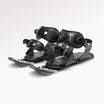
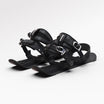
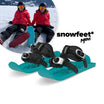
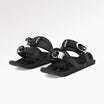
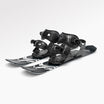
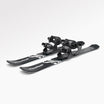
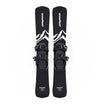
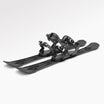
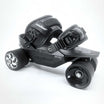
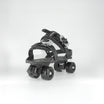
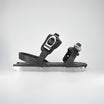
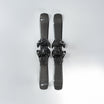
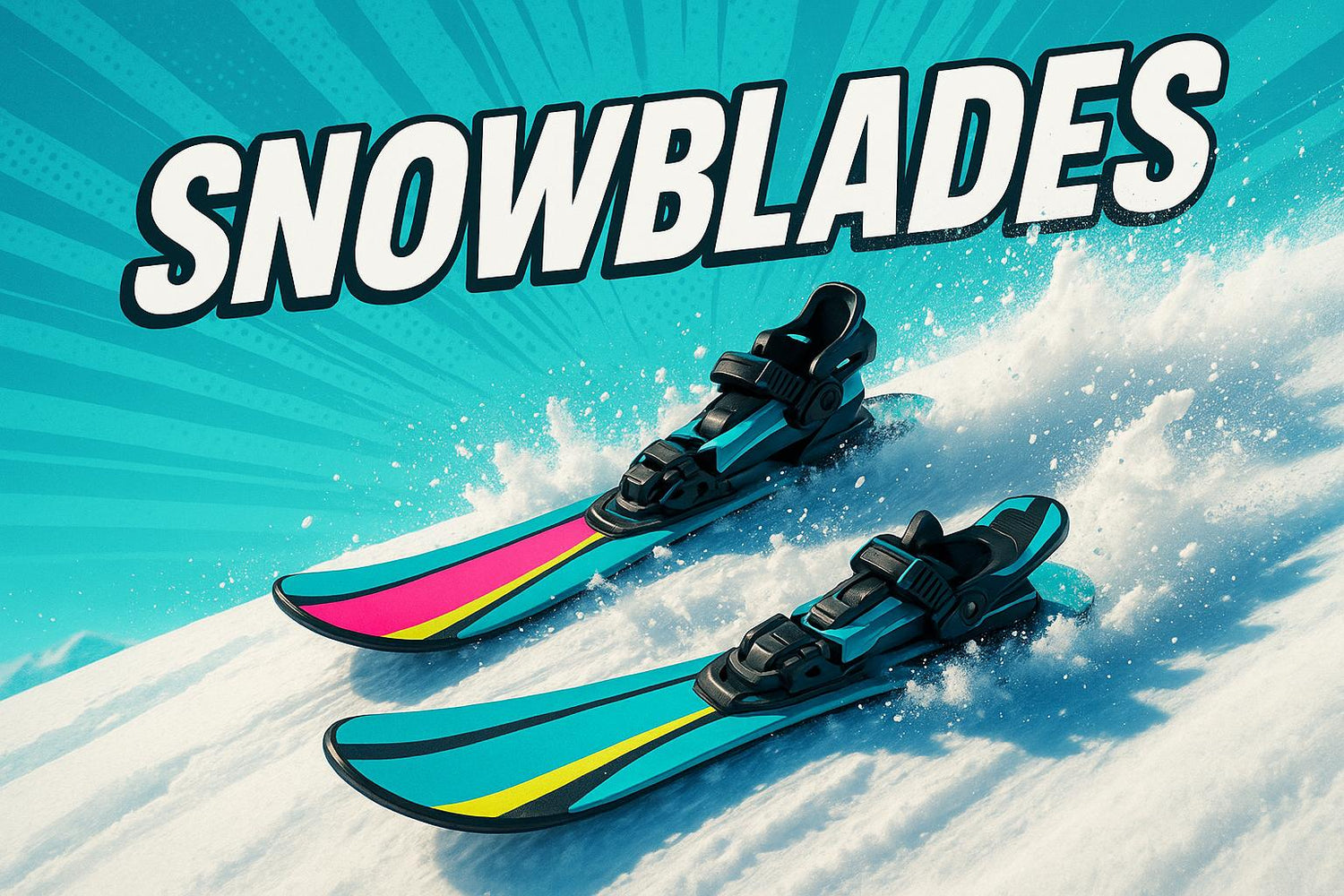
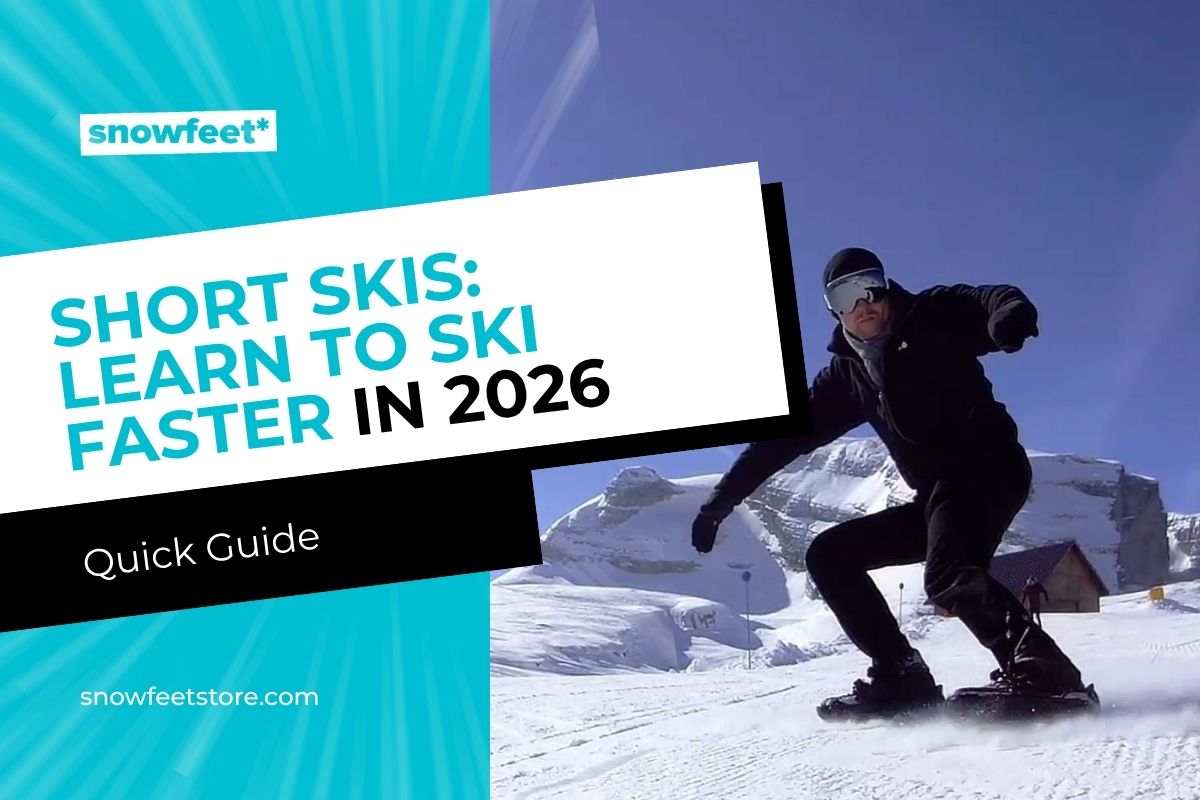
Snowblades are back, and they’re better than ever. These short skis, once a '90s favorite, are making waves again in 2026 with updated designs that focus on fun, control, and ease of use. Whether you're a beginner, a seasoned skier, or just looking for something less bulky than traditional skis, snowblades might be your new favorite winter gear. Here’s why:
- Easy to Learn: Their compact design (65–120 cm) makes them less intimidating and perfect for beginners. No poles needed!
- Great Maneuverability: With tighter turning radii than long skis, they’re ideal for carving, moguls, and weaving through trees.
- Lightweight and Portable: Easier to carry, pack, and store compared to longer skis.
- Modern Upgrades: Durable materials, reinforced edges, and versatile bindings compatible with ski or snowboard boots.
- Versatility: Perfect for groomed slopes, snowparks, and even light powder.
Brands like Snowfeet* are leading the charge with models like the 65 cm Skiblades ($520) for tricks and agility, the 99 cm Skiblades ($560) for balance, and the 120 cm Short Skis ($775) for stability and carving. Snowblades are no longer just a throwback - they’re a practical, fun option for skiers of all levels.
Want to know which snowblades suit you best? Keep reading for a breakdown of lengths, features, and tips for hitting the slopes with confidence.
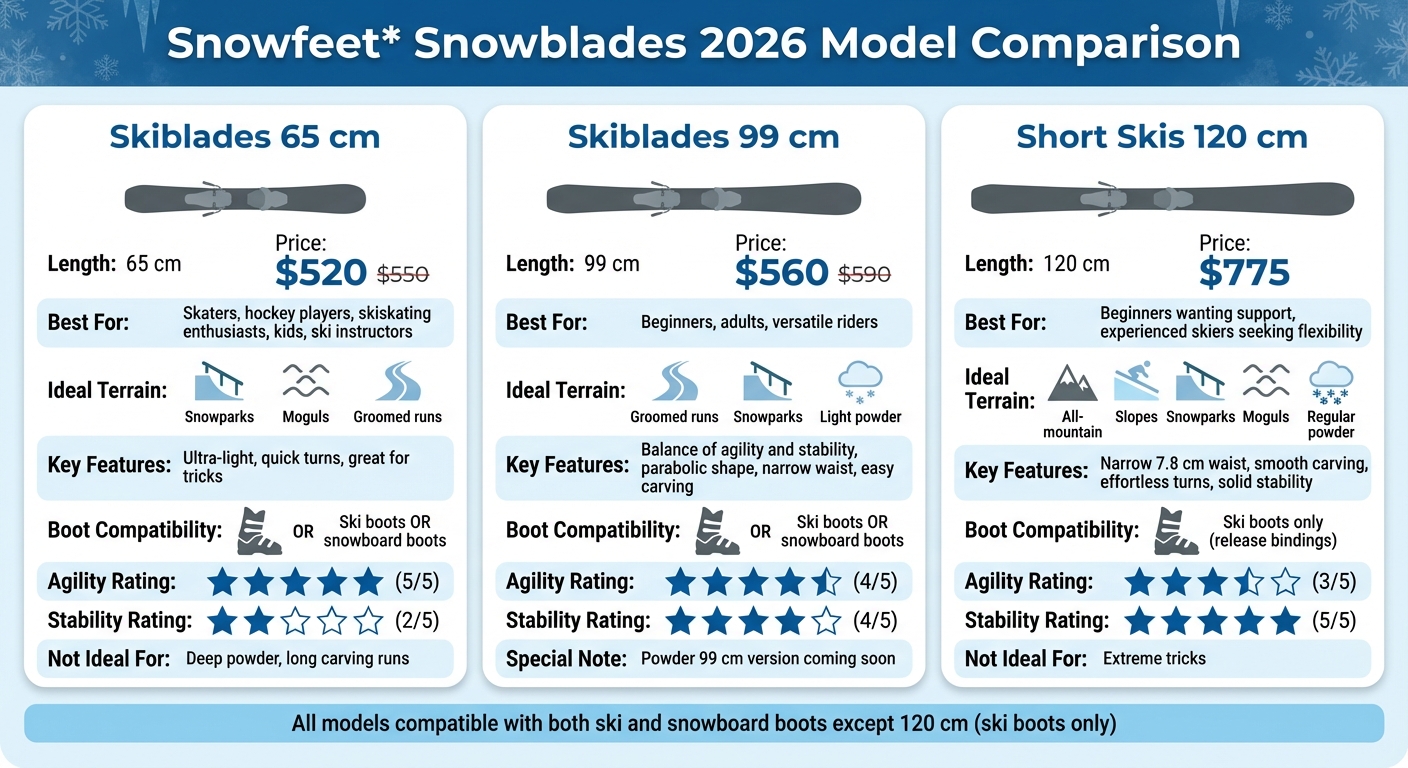
Snowfeet Snowblades Comparison: 65cm vs 99cm vs 120cm Models
Ultimate Short Skis 🎿 Snowfeet* Skiblades 99 CM
Why Snowblades Beat Traditional Skis and Snowboards
If you've ever wrestled with bulky skis from brands like Rossignol or Salomon, you’ll get why snowblades are making a comeback. They’re all about accessibility and fun - without the hassle of traditional gear. Plus, their updated design brings back the nostalgic vibe of the '90s while outperforming skis and snowboards in some key areas.
Better Maneuverability and Control
Here’s the deal: traditional 160 cm skis have a turn radius of 14–22 meters. Compare that to snowblades like the Buzz Atom, which carve a turn in just 6.2 meters. That tighter turning radius means you can carve with precision, whether you’re tackling steep slopes or weaving through trees. Rick Paris, Technical Director at The Short Ski Shop, summed it up perfectly:
"Improving with blades isn't magic; it's simply about using the right tool."
Modern snowblades are shaped for carving, similar to snowboards, but their lighter weight gives them a roller-skating-on-snow kind of feel. This combo of stability and control is a game-changer, especially for beginners, older skiers, and kids. It builds confidence fast - even in tricky conditions.
Easier to Learn for Beginners
Snowblades are compact (usually 65–120 cm) and don’t require poles, which makes them super beginner-friendly. The upright stance feels natural, almost like roller skating, so most people pick it up in just a few hours.
Take it from Daniel Siouffi, a verified Snowfeet* customer, who shared his experience with the 120 cm Short Skis:
"Today I did my first trial of the 120 cm Snowfeet and how can I tell you how impressed I was. My first run the skis did shake but soon thereafter by distributing better my weight on my toes - I was flying like never before. Going fast I was in complete control of every move, turns and stops. Your product is indeed the best and thank you for allowing me to rediscover the joy and happiness of skiing with such ease and with so much control."
That’s the kind of excitement snowblades bring to the slopes.
Lightweight and Easy to Transport
Let’s talk weight. Snowblades are about 700 grams lighter per ski compared to traditional touring skis. For example, the Salomon MTN Explore 95 at 184 cm weighs around 1,550 grams per ski, while snowblades like the Line Mike Nick Pros at 98 cm weigh just 850 grams each.
This weight difference is a lifesaver when you’re navigating airports, packing your car, or even hiking to a trailhead. One backcountry enthusiast shared their experience during a grueling 18-mile, 3,200-foot ski traverse in the Tetons:
"If you need to hike for a few steps and it's not worth putting your skis on your pack, you can simply clip their leashes together and sling them over a shoulder."
Try doing that with 184 cm skis - they’d be smacking into rocks and trees the whole way.
Storage is another win for snowblades. While traditional skis need dedicated gear closets or specialized racks, snowblades (ranging from 65 cm to 120 cm) take up a fraction of the space. Even their skins are lighter and pack down smaller - half the weight and twice as compact as regular skins. Whether you’re hitting the resort or the backcountry, this ease of transport and storage means less hassle and more time enjoying the slopes.
Snowfeet* Snowblades: The Top Choice in 2026
Boasting over 5,500 verified reviews and the title of "World's No.1 Short Skis", Snowfeet* leads the pack in snowblade performance for 2026. The brand focuses entirely on short skis, offering a range from 65 cm to 120 cm. Their dedication has earned them accolades like being an innovation finalist at ISPO and a prize from the prestigious A'design competition. These achievements highlight their commitment to creating gear that's both cutting-edge and easy to use.
Snowfeet* Skiblades 65 cm
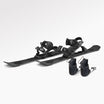
The 65 cm Skiblades are a perfect fit for skaters, hockey players, and anyone curious about skiskating. These ultra-light blades make quick turns a breeze, handle moguls with ease, and are great for pulling off tricks in snowparks. They’re also a solid choice for kids starting out or ski instructors needing quick, responsive equipment. Priced at $520 (down from $550), they’re compatible with both ski and snowboard boots. However, they’re best suited for dynamic movements and aren’t ideal for deep powder or long carving runs.
Snowfeet* Skiblades 99 cm & Powder 99 cm
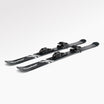
The 99 cm Skiblades strike a balance between agility and stability. Starting at $560 (regularly $590), they’re beginner-friendly and easy to control. Their short length, narrow waist, and parabolic shape make carving almost effortless while still allowing for fun tricks. Compared to the 65 cm model, the 99 cm version offers more stability and a bit of extra float, making it a versatile choice for groomed runs, snowparks, and light powder. Like the shorter model, they work with both ski and snowboard boot bindings. For those venturing off-piste, a Powder 99 cm version with a wider design is currently in the works.
Snowfeet* Short Skis 120 cm
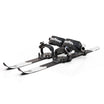
The 120 cm Short Skis, priced at $775, are a bridge between traditional skis and snowblade agility. They’re great for beginners who want extra support and seasoned skiers looking for a more flexible alternative to long skis. With a narrow 7.8 cm waist, these skis deliver smooth carving, effortless turns, and solid stability. Designed for all-mountain use, they handle slopes, snowparks, moguls, bumpy terrain, and regular powder with ease. They come with release ski boot bindings for added safety and control. While they shine in providing balance and precision, their longer length makes them less suited for extreme tricks compared to the shorter models.
sbb-itb-17ade95
How to Choose the Right Snowblades
Selecting the Right Length and Width
When it comes to picking the right snowblades, the options from Snowfeet* make it pretty straightforward. They offer lengths of 65 cm, 99 cm, and 120 cm, so you can choose based on your skill level, preferred terrain, and riding style.
Shorter blades, like the 65 cm option, are perfect for those who want maximum maneuverability. These are great for trick riding or if you enjoy a skating-like experience - ideal for skaters and hockey players. On the other hand, the 99 cm and 120 cm models strike a balance between agility for tricks and stability for carving. The 99 cm length is especially popular among adults, as it performs well on moguls, in snow parks, and even for teaching. If you’re looking for something easier to turn and carry than traditional skis, the 120 cm Short Skis are a solid choice, offering stability that beginners and powder enthusiasts will appreciate.
"If you're a beginner, you might want to start with shorter and more forgiving snowblades that are easier to control. Avoid choosing blades under 90 cm for adults." – Snowfeet Team
Width is another key factor. Wider snowblades provide better float and stability on powder, while narrower ones make it easier to transition quickly from edge to edge on groomed slopes. For instance, the 120 cm Short Skis are designed for smooth carving on well-maintained trails, while the Powder 99 cm model (coming soon) features a wider design to handle off-piste adventures with ease.
Once you’ve got the size figured out, the next step is to think about boot and binding compatibility.
Bindings and Boot Compatibility Explained
Snowfeet* keeps things simple when it comes to compatibility. The 65 cm and 99 cm Skiblades work with both ski boots and snowboard boots, which means you can likely use the gear you already own. The 120 cm Short Skis, however, come equipped with release ski boot bindings for added safety and control. These require standard ski boots to ensure proper ankle support and stability. This versatility makes it easy to switch between different winter sports without needing a whole new setup.
Learning Tips for New Snowbladers
Once you’ve chosen the right snowblades, it’s time to hit the slopes. Snowblades are generally easier to pick up than traditional skis, but getting your stance and edge control right is crucial. Keep your knees slightly bent and your weight centered over the blades. Even small weight shifts can cause big directional changes, so stay balanced. Start out on groomed runs to get a feel for the quick turning radius, and practice shifting your weight from edge to edge until you develop a smooth rhythm.
As Curtis Sport Connection explains, "The length for an adult snow blades is based on attitude more than the size of the user". Once you’ve nailed the basics, challenge yourself with bumpier terrain or moguls. The forgiving nature of the 99 cm models makes them a great choice for building confidence while keeping things fun and playful.
Conclusion
Snowblades are making waves in winter sports, and it’s not just hype - they’re changing the game for 2026. While traditional ski and snowboard brands stick to longer, heavier gear, Snowfeet* is proving that shorter can be smarter. Their snowblades offer a winning mix of agility, quick learning, and pure fun.
Ranging from 65 to 120 cm - roughly a third the length of standard skis - Snowfeet* snowblades are compact, making them easier to carry, less tiring to use, and perfect for tight, sharp carving. Whether you’re navigating moguls with the 99 cm Skiblades or pulling off tricks on the 65 cm model, you’re experiencing what the Snowfeet team calls “the Swiss Army knives of the mountain - ready for anything”.
The versatility of Snowfeet* is what truly stands out. Built for groomed slopes, terrain parks, and even powder, these snowblades perform across all types of conditions. Plus, they’re light enough to toss in a backpack. Their rollerblade-like feel adds a layer of excitement that long skis just can’t match.
For those who prioritize fun over competitive racing, Snowfeet* snowblades are a perfect fit. They’re easier to pick up, more playful, and far less intimidating than traditional bulky gear. In 2026, winter sports are all about embracing freedom and enjoyment - and Snowfeet* is leading that charge.
FAQs
What makes snowblades better than traditional skis?
Snowblades are a great option if you’re looking for something lighter and easier to handle than traditional skis. Their shorter length makes turning feel natural and quick, which is perfect for beginners or anyone who wants a more laid-back, fun vibe on the slopes.
What makes them even better? They work well on all kinds of terrain. Whether you’re into pulling off playful tricks, cruising down groomed trails, or venturing off the beaten path, snowblades give you a mix of portability and control that’s hard to find with regular skis. They’re an awesome pick for both casual skiers and those with more experience who want a fresh, exciting way to enjoy the mountain.
What length of snowblades should I choose based on my skill level?
Picking the right snowblade length boils down to your skill level and what kind of experience you’re after.
- Beginners: Stick with shorter snowblades (around 65–99 cm). They’re lightweight, super easy to handle, and help you build confidence as you get the hang of things. Perfect for learning the ropes without feeling overwhelmed.
- Intermediate or Advanced Riders: Longer snowblades (up to 120 cm) are your go-to. They offer more stability, smoother turns, and better control when you're flying down the slopes at higher speeds.
Snowfeet snowblades are crafted to cater to all skill levels. Whether you're just starting out or tackling steeper, more challenging terrain, they’ve got you covered. Shorter blades are ideal for quick, playful rides, while the longer ones deliver a more classic skiing feel with the bonus of being easy to carry around.
Can snowblades handle different snow conditions and terrains?
Snowblades are a blast to use and super easy to handle, especially on groomed trails or softer snow. Their shorter length means you can carve tight turns with ease, making them a great option for skiers of any skill level who want something fun and straightforward to ride.
That said, if you're tackling deep powder or charging down steep slopes at high speeds, traditional skis might still have the upper hand. Their extra length and surface area provide better stability and float in those conditions. But where snowblades really shine is in their portability and simplicity. They’re lightweight, easy to carry, and handle most recreational terrains like a champ - an awesome alternative to heavier skis or snowboards.











Leave a comment
This site is protected by hCaptcha and the hCaptcha Privacy Policy and Terms of Service apply.