



















Quick Summary:
In this article, you’ll learn a clear, step-by-step approach to ditching the beginner's snowplow and mastering smooth, confident parallel ski turns—from setting up the right stance and shifting your weight correctly to conquering slope anxiety and adding precise pole plants. Along the way, you'll discover practical drills like the bowtie exercise to sharpen your ski control, avoid common beginner mistakes, and explore how compact alternatives like Snowfeet* can bring a fresh, playful edge to your winter adventures.
For winter sports enthusiasts, achieving parallel ski turns is a hallmark of skiing proficiency. Whether you're transitioning from snowplow turns or looking to refine your technique, mastering parallel skiing can unlock a whole new level of confidence and enjoyment on the slopes. In this comprehensive guide, we'll break down the process into simple, actionable steps to help skiers of all levels succeed. Plus, we’ll explore how innovative alternatives like Snowfeet* can expand your winter fun.
Introduction: Why Parallel Skiing Matters
Parallel skiing isn’t just about looking cool on the slopes - it’s foundational for better control, smoother transitions, and tackling more challenging terrain. This skill bridges the gap between beginner techniques and advanced maneuvers, giving you the freedom to explore steeper slopes with ease. Whether you're a young adult venturing into the sport or a seasoned skier looking to sharpen your skills, this guide will provide valuable insights tailored to your needs.
sbb-itb-17ade95
Step 1: Start with a Solid Foundation
Before attempting parallel turns, it’s essential to feel comfortable with snowplow turns. Ensure your skis are not too far apart, and you have basic control over smaller turns. Practice on gentle, quiet slopes where you can focus without distractions. A solid foundation in snowplow turns will set the stage for a smooth transition to parallel skiing.
Pro Tip: Choose the Right Terrain
Opt for a slope that is neither too steep nor too flat. A gentle incline allows you to build confidence while maintaining control over your speed.
Step 2: Make Your Turns Bigger
Begin by gradually enlarging your turns. Picture a smooth "C" shape as you carve across the slope. This wider arc not only helps you control your speed but also sets you up for a smoother transition to parallel turns.
Key Focus: Stay Balanced
Keep your body centered over your skis. Balance is critical, particularly as you start to pick up speed. Imagine your legs acting as shock absorbers, flexing and softening to absorb pressure at the end of each turn.
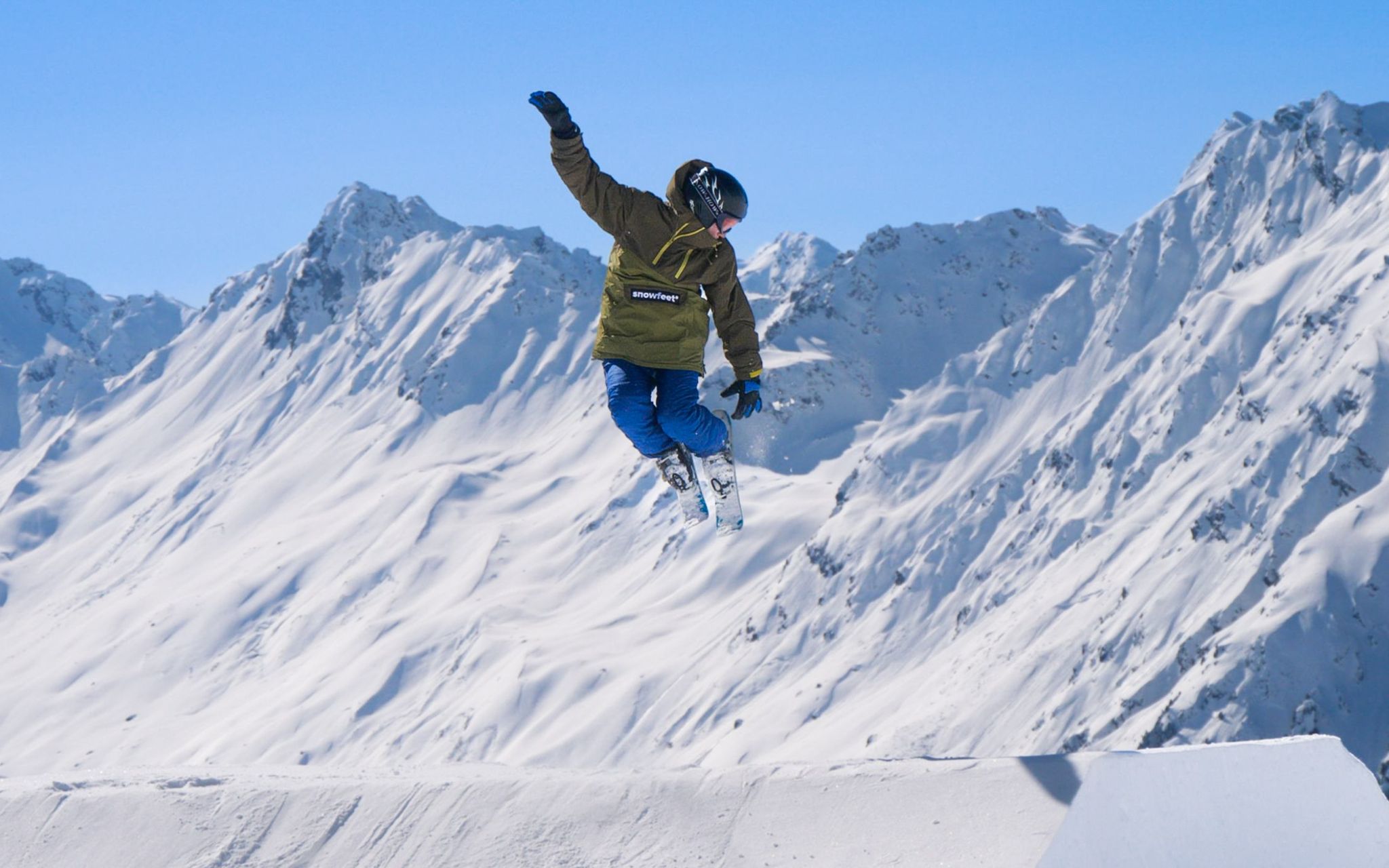 Product Link: Snowfeet* 65 CM | Skiblades | Skiboards Snowblades Short Mini Skis
Step 3: Shift Weight to Your Outside Ski
As you progress, focus on shifting your weight to your outside (downhill) ski during each turn. This technique, which involves absorbing more pressure with the outside leg, will give you greater control and stability. Start feeling for this pressure earlier in the turn to better anticipate your movements.
Why This Matters
This weight shift not only makes turning smoother but also prepares you for advanced techniques as you become more confident with parallel skiing.
Step 4: Practice the Bowtie Exercise
Before progressing to parallel turns, practice a simple but effective exercise to refine your control: the bowtie drill.
- Without your skis, use your boots to draw bowtie shapes in the snow by pivoting your heel and toe back and forth.
- Next, repeat the exercise with your skis on. Focus on keeping the skis flat on the snow and pivoting your feet while maintaining balance.
This drill teaches the coordination needed to flatten and pivot your skis, an essential skill for parallel skiing.
Step 5: Bring Your Skis Closer Together
Now that you’ve practiced controlling your skis, it’s time to focus on narrowing your snowplow stance and bringing the skis closer together. A tighter stance helps with balance and ensures that your skis remain flat, making it easier to turn.
Avoid This Common Mistake:
Keeping your snowplow too wide can result in excessive edge angles, making it nearly impossible to pivot the skis. Aim for a narrower stance to keep control of your movements.
Step 6: Transition to Parallel Turns
At this stage, you’re ready to gradually transition to parallel turns. Toward the end of each turn, focus on flattening your inside ski by rolling your knee over your toes. This motion makes it easier to pivot your skis parallel across the slope.
Coordination is Key
This phase requires a combination of balance, timing, and muscle memory. Be patient - this is often the trickiest step, but with practice, it becomes second nature.
Step 7: Parallel Turns from Start to Finish
Once you’ve mastered bringing your skis parallel at the end of a turn, the next challenge is maintaining parallel skis throughout the entire turn. To achieve this, flatten both skis simultaneously as you transition between turns.
Facing the Fear Factor
One of the biggest challenges here is projecting your body down the slope to initiate the turn. This can feel unnatural and even intimidating. To overcome this, imagine your belly button pointing down the slope toward the direction you want to go. A positive, forward-thinking mindset is crucial.
 Product Link: Snowfeet* 50 CM | Ski Skates
Advanced Tip: Add a Pole Plant
Once you’re confidently skiing in parallel, incorporating a pole plant can refine your technique further. A quick flick of the wrist to plant your pole assists with timing, rhythm, and turn size, making your skiing more fluid and efficient.
Important Note:
Keep the movement subtle. Overly dramatic pole plants can throw off your balance and disrupt your rhythm.
How Snowfeet* Can Complement Your Skiing Journey
For adventurous skiers looking to try something new, Snowfeet* offers a lightweight, compact alternative to traditional skis. These ski skates strap onto your snow boots, allowing you to glide down slopes or explore snowy trails in a fun, unique way. Snowfeet* are easy to learn, making them a great option for beginners and seasoned skiers alike who crave versatility and innovation. Whether you're practicing turns on gentle slopes or testing your agility, Snowfeet* provide a fresh perspective on winter sports.
Key Takeaways
- Master the Basics: Start with confident snowplow turns on gentle terrain before progressing.
- Focus on Balance: Shift weight to your outside ski and use your legs as shock absorbers.
- Practice Drills: Use the bowtie exercise to refine your coordination and ski control.
- Transition Gradually: Narrow your stance and flatten your inside ski at the end of turns to achieve parallel positioning.
- Face the Fear: Overcome hesitation by projecting your body down the slope and maintaining a positive mindset.
- Refine with Pole Plants: Add rhythm and stability to your skiing with precise pole plants.
- Explore Alternatives: Embrace innovation with Snowfeet* for a compact, fun way to enjoy the snow.
Conclusion
Mastering parallel skiing is a rewarding journey that opens the door to more advanced techniques and greater confidence on the slopes. By following these steps and practicing regularly, you’ll soon find yourself gliding effortlessly down the mountain. And for those looking to mix things up, Snowfeet* offer an exciting way to enjoy the snow with a modern twist. Remember, progress takes time, so stay patient and enjoy the ride - both on skis and beyond!
FAQs
Why is shifting weight to the outside ski so important for parallel turns?
Shifting your weight to the outside (downhill) ski during a turn gives you greater control, stability, and edge grip. Feeling that pressure early in the turn helps you anticipate your movements, smooths out your transitions, and builds the foundation needed for advanced skiing techniques.
How does the "bowtie exercise" help improve ski technique?
The bowtie exercise—practiced first in boots and then on skis—teaches the essential coordination needed to flatten and pivot your skis. By drawing bowtie shapes in the snow using your heel and toe movements, you develop better foot control and balance without relying on excessive edge angles.
How do I overcome the fear of committing my body down the slope when starting a turn?
Initiating a turn requires projecting your upper body down the mountain, which can feel counterintuitive. To overcome hesitation, maintain a positive mindset and picture your belly button pointing down the slope toward where you want to go, using your legs to stay centered and absorb terrain changes.
Editor: Karolina R.
Last Update: July 27, 2026












Leave a comment
This site is protected by hCaptcha and the hCaptcha Privacy Policy and Terms of Service apply.