



















Looking for the best beginner skis for your child? Here’s the deal: shorter, lighter skis are game-changers for young skiers. They’re easier to handle, reduce fatigue, and help kids build confidence faster. Snowfeet* offers ultra-short skis (38–99 cm) that are lightweight, portable, and designed for kids aged 4–10. These skis simplify learning and work with regular winter boots - no need for extra expensive gear.
- Top Pick for Beginners: Snowfeet* MINI KIDS (38 cm) – $250, lightweight and easy to control.
- Step-Up Option: Snowfeet* Skiblades (65 cm) – $635, perfect for progressing skills.
- Advanced Beginner Choice: Snowfeet* Skiblades (99 cm) – $675, for older or more experienced kids.
- Other Brands: Options like Rossignol Junior Skis and Head Joy Easy are solid but heavier and pricier. Salomon QST 94 is too long for most young kids.
Why Snowfeet*? They’re budget-friendly, easier to transport, and take the stress out of learning to ski. Whether your child is just starting or ready to level up, these skis are a smart choice for fun and safe days on the slopes. Let’s dive into the details!
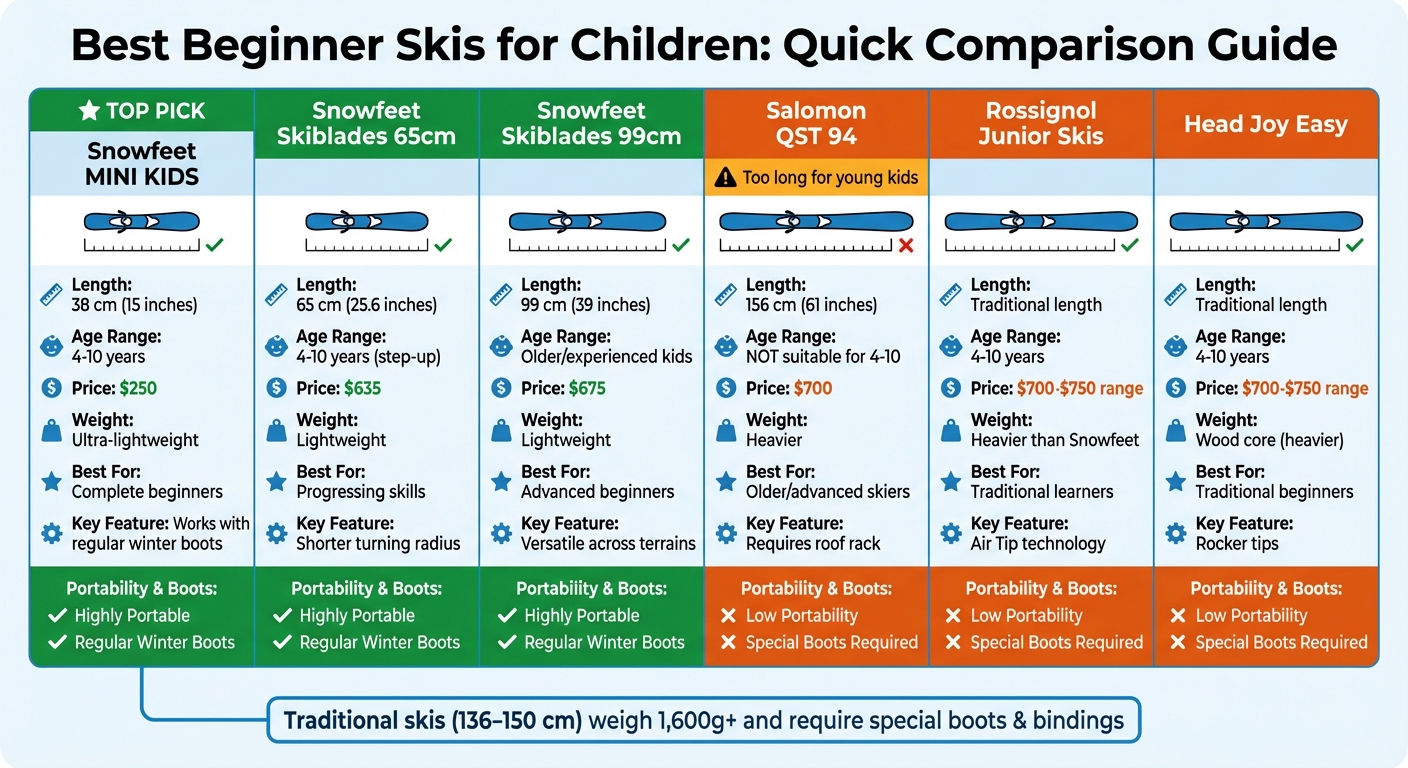
Best Beginner Skis for Children Comparison Chart 2026
How to Choose the Best Skis for Kids
1. Snowfeet* MINI KIDS (38 cm)
Snowfeet* takes a fresh approach to beginner ski gear with their ultra-short designs, and the MINI KIDS model is perfect for young skiers aged 4–10. At just 38 cm (15 inches) long, these skis are all about making the first steps on the slopes less intimidating. The shorter length means easier maneuverability and tighter turns, which is great for helping kids feel more in control right from the start. Plus, their lightweight design reduces fatigue, making it easier for kids to stay active and focus on improving their balance and coordination.
Another big win? The compact size makes traveling and storing these skis a breeze. Forget about lugging around oversized ski bags or dealing with roof racks - these fit almost anywhere. The shorter length also makes it simpler for kids to initiate turns and focus on learning proper technique, which builds confidence as they progress. And for parents, knowing their child can stop and maneuver more safely in crowded beginner areas is a huge plus.
Starting at $250, the MINI KIDS offer an affordable way to get specialized gear designed just for young beginners. It’s a smart investment in both safety and skill-building. Up next, we’ll dive into how other Snowfeet* models, like their Skiblades, take innovation even further to help kids advance on the slopes.
2. Snowfeet* Skiblades (65 cm)
Length
At 25.6 inches (65 cm), these skiblades are perfect for kids moving up from the MINI KIDS model to something closer to traditional skis. The shorter length makes them easier to handle, so kids can confidently navigate beginner areas and make quick turns.
Learning Curve
The compact size of these skiblades makes them much simpler for beginners to manage. They allow for smoother turns and more controlled movements, thanks to their shorter turning radius. This means kids can focus on improving their skills while enjoying longer, more relaxed ski sessions .
Weight and Portability
These skiblades are lightweight, which helps reduce fatigue during use. Unlike heavier traditional skis, they’re more responsive and less cumbersome. Plus, their compact design makes carrying them from the car to the lift a breeze, and they’re easy to store when not in use.
Price (USD)
Priced at $635, these 65 cm Skiblades are a great choice for families supporting a young skier’s development. While they cost more than the MINI KIDS model, they’re designed to grow with the skier, offering the control of a shorter ski while being capable of handling more advanced terrain. Up next, we’ll look at how the 99 cm Skiblades expand on these features for older or more experienced beginners.
3. Snowfeet* Skiblades (99 cm)
Length
The 99 cm Snowfeet* Skiblades are a step up in design, offering a balance between control and ease of use. At just 39 inches, they’re much shorter than typical beginner skis, making them easier for kids to turn and maneuver as they explore more challenging terrain. For most kids, this length falls between chin and nose height - perfect for learning good technique while maintaining stability.
Learning Curve
These skiblades are designed with a shorter turning radius, allowing kids to make slower, more controlled turns as they build confidence. The reduced length means there’s less ski to handle during each turn, helping young skiers focus on refining their form. This design makes the learning process smoother and less intimidating compared to longer, traditional skis. Plus, their lightweight construction adds comfort, making it easier for kids to stay on the slopes longer.
Weight and Portability
Thanks to their lightweight build, these skiblades help reduce fatigue, so kids can enjoy extended skiing sessions and improve faster. The compact size also makes them super easy to carry - no more struggling from the parking lot to the lift. Compared to standard junior skis in the 120–140 cm range from brands like Rossignol or Salomon, these skiblades are noticeably lighter and much more manageable for kids.
Price (USD)
Starting at $675, the 99 cm Skiblades are a solid investment for kids ready to advance their skills. While they’re pricier than shorter models, their versatility across various terrains and ability to handle intermediate slopes mean you won’t need to upgrade as quickly as your child progresses.
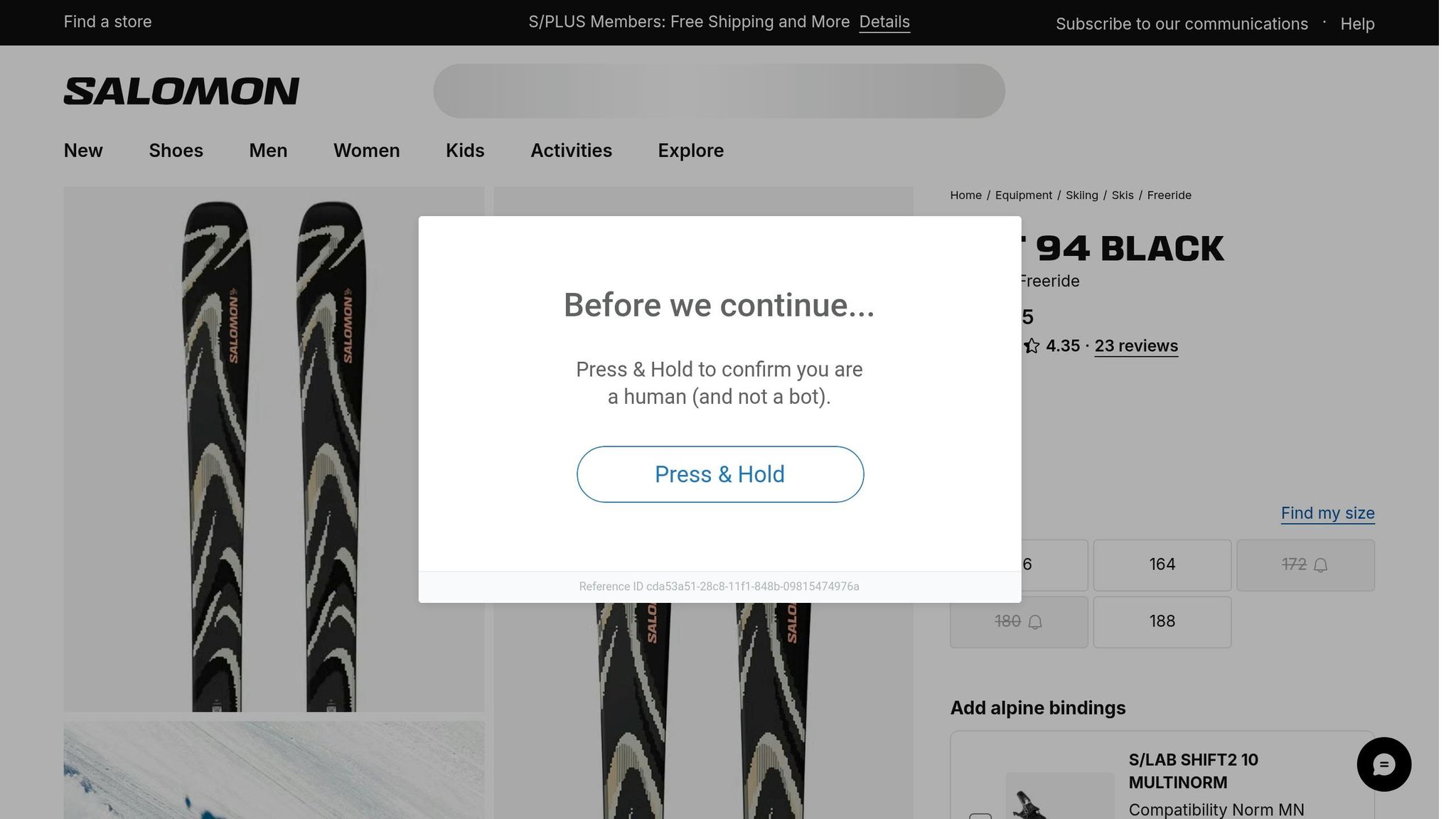
4. Salomon QST 94
Suitability for Ages 4–10
The Salomon QST 94 isn’t built with young children in mind. Its shortest length is 156 cm (about 61 inches), which is far too long for most kids aged 4–10. To put that into perspective, junior skis for this age group typically range from 40 to 56 inches. Compared to the compact design of Snowfeet* models, the QST 94’s minimum length makes it an awkward fit for younger, beginner skiers. This highlights why Snowfeet* remains a better option for kids just starting out.
Length and Learning Curve
While the QST 94 is advertised as "beginner-friendly" and "forgiving", it’s really aimed at kids who are already moving past the basics. At 156 cm, it demands a level of coordination and strength that most elementary-age children haven’t yet developed. For young learners, this length can make skiing unnecessarily challenging.
Weight and Portability
Even though it’s considered lightweight for its category, the QST 94 is still heavier and bulkier than Snowfeet* models. It requires a roof rack for transportation, which isn’t exactly convenient for young skiers or their families. Plus, its size makes it harder for kids to carry and manage on their own.
Price (USD)
With a price tag of $700, the Salomon QST 94 is a serious investment. While it’s designed to support skiers as they progress from beginner to expert, that versatility doesn’t matter much if the ski isn’t suitable for young children to begin with. For families with little ones just starting their skiing journey, Snowfeet* products offer a better deal. They’re specifically designed for small skiers, making them a more practical and affordable choice for creating those early snow-day memories. Ultimately, while the QST 94 is a solid ski for older or more advanced users, its design misses the mark for young beginners.
sbb-itb-17ade95
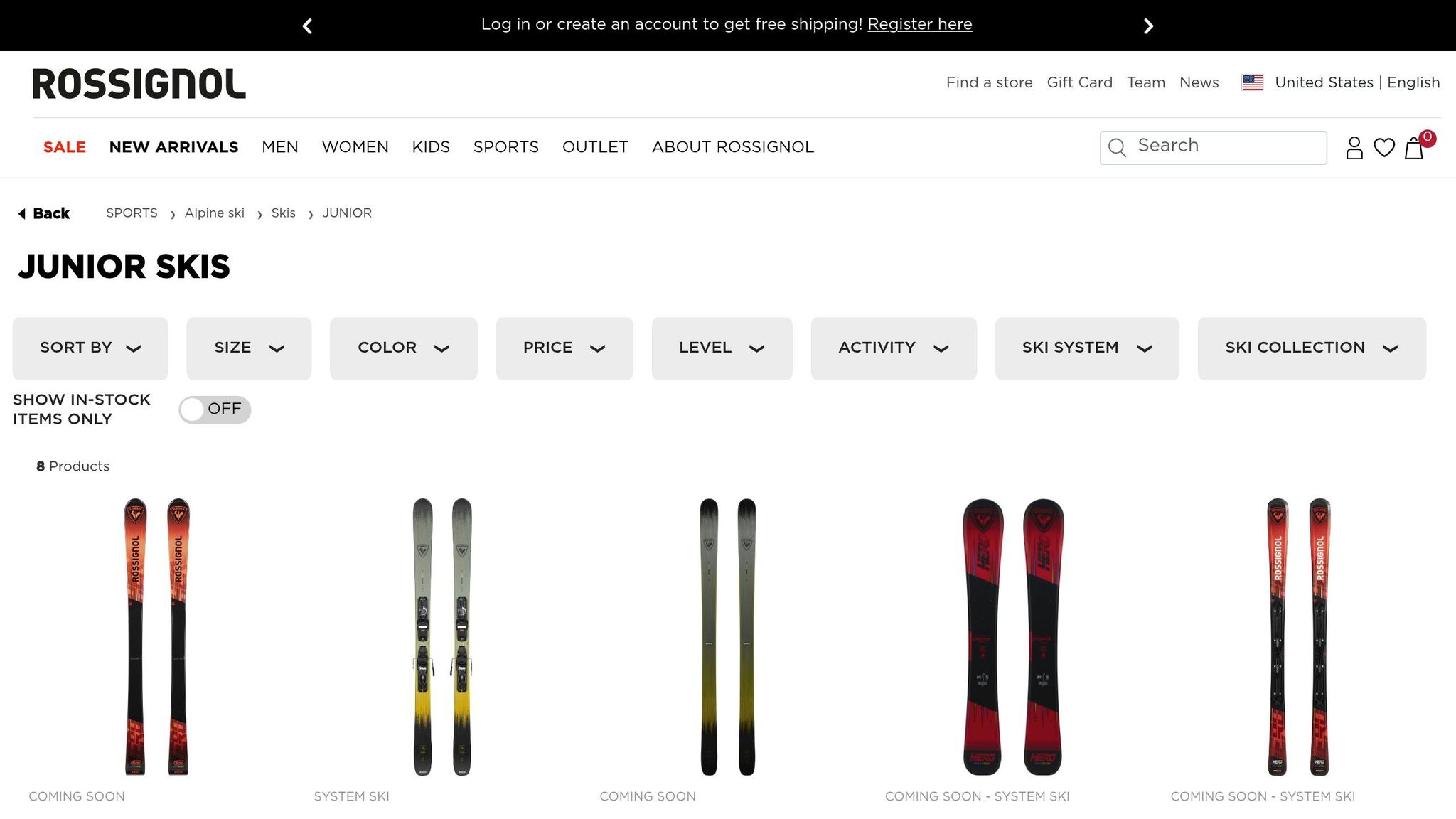
5. Rossignol Junior Skis
Suitability for Ages 4–10
Rossignol junior skis are a solid choice for young skiers aged 4–10. They’re built with beginners in mind, offering stable and dependable performance on the slopes. While Rossignol focuses on traditional ski designs, Snowfeet MINI KIDS stand out for their compact size, making them particularly appealing for early learners who need something lightweight and easy to handle.
Learning Curve
Rossignol incorporates "Air Tip" technology and a camber-rocker profile, which makes their skis responsive and helps kids initiate turns smoothly and with ease. However, compared to Snowfeet’s specialized approach for young beginners, Rossignol skis might not deliver the same tailored experience for those just starting out.
6. Head Joy Easy

Suitability for Ages 4–10
The Head Joy Easy skis are made with young beginners in mind, specifically kids aged 4–10. Their forgiving flex makes it easier for lighter children to learn basic turns without needing a lot of strength or advanced skills.
Learning Curve
These skis feature rocker tips, which help kids initiate turns more smoothly and reduce the chance of catching an edge. However, compared to Snowfeet* models, which are designed to minimize turn inertia, the Head Joy Easy skis may take a bit longer for kids to get the hang of. Snowfeet* offers a more intuitive experience, helping young learners pick up the basics faster.
Weight
Head Joy Easy skis come with wood cores that help cut down on fatigue but are still heavier than the 38 cm Snowfeet* MINI KIDS. The lighter weight of the Snowfeet* option makes them easier for small children to manage throughout the day.
Price (USD)
When it comes to cost, traditional junior skis like the Head Joy Easy require a bigger upfront investment. On the other hand, Snowfeet* products are a more budget-friendly choice for families testing the waters of skiing. They’re a smart option for parents who want to avoid spending too much before knowing if their child will stick with winter sports. This affordability, combined with their ease of use, makes Snowfeet* a strong alternative - a point we’ll dive into more in the next section.
Advantages and Disadvantages
Snowfeet* skis bring a fresh approach to early ski learning with their lightweight, portable, and budget-friendly design. When picking beginner skis for kids, it’s essential to weigh the pros and cons of different options. Snowfeet* stands out with its ultra-light build, which reduces fatigue and makes transportation a breeze. For instance, the 38 cm MINI KIDS model is much lighter than standard junior skis, making it perfect for younger children who might tire quickly. Plus, its compact size means it can fit in a backpack, cutting out the hassle of lugging around bulky equipment. This convenience directly supports learning by lessening physical strain.
Shorter skis, like those from Snowfeet*, also help kids learn faster. Their design makes mastering turns easier compared to traditional skis, which often demand more strength and coordination. However, as kids grow and their skills advance, they might find traditional, longer skis better suited for exploring varied terrain or achieving higher speeds.
Price is another area where Snowfeet* shines. Starting at $250, they’re a more budget-friendly choice compared to traditional skis, which often range from $700–$750. On top of that, traditional skis usually come with extra costs for bindings, boots, and regular maintenance like waxing and tuning. Snowfeet* simplifies things by working with regular winter boots and requiring little upkeep. That said, while they’re cost-effective and easy to use for beginners, their performance limitations might become apparent as kids gain experience.
One downside is that Snowfeet* skis aren’t built for advanced performance, so transitioning to longer skis might be necessary as skills improve. Traditional options, such as the Salomon QST 94, often offer better versatility across different snow conditions and can grow with a child’s abilities. Still, for getting kids started in skiing in a safe, simple, and affordable way, Snowfeet* removes many of the challenges that can make traditional skiing feel overwhelming for beginners.
Conclusion
Picking the right beginner skis for your child means focusing on their current skill level and skiing ambitions. Unlike traditional skis that are 136–150 cm long and weigh over 1,600 g, Snowfeet* offers ultra-short options (38–99 cm) that are lightweight, portable, and easier to handle. These features make Snowfeet* a top choice for parents prioritizing safety and ease of use.
For young beginners, the Snowfeet* MINI KIDS (38 cm) is ideal. It improves control and makes turning a breeze. Expert tester Justin Park explains:
"A light ski helps learning skiers by making it easier to move the skis around quickly and reducing fatigue throughout the day".
This is crucial for kids who are just starting to find their balance and confidence on the slopes.
As your child progresses, the 99 cm Skiblades provide better stability for faster speeds while still being easy to maneuver. The 65 cm model serves as a great middle ground for kids transitioning to more advanced skiing.
Affordability is another big win. At $250, the MINI KIDS model is a budget-friendly alternative to traditional skis like the Salomon QST 94 or Rossignol Arcade 88, which cost between $700–$750. Plus, Snowfeet* skis don’t require special boots, bindings, or extensive maintenance - they work with regular winter boots, making skiing more approachable for families trying the sport for the first time.
When choosing skis, focus on what fits your child’s current ability. Shorter skis are easier to control, helping kids build confidence quickly and keeping them excited to hit the slopes again.
FAQs
What size Snowfeet* should my child get?
The right Snowfeet size for your child depends on their height and skill level. For toddlers or beginners, the 38 cm Snowfeet MINI KIDS is a perfect choice. If your child is a bit older and starting to learn skiing, the 65 cm or 99 cm sizes work well. These sizes are lightweight, easy to carry, and designed with safety and fun in mind for an enjoyable experience on the slopes.
Are Snowfeet* safe for first-time kids on slopes?
Snowfeet* are a great choice for kids hitting the slopes for the first time. Their lightweight and compact design make them easy to handle, especially for young learners. Unlike traditional skis or snowboards, which can feel bulky and tricky to maneuver, Snowfeet* Skiblades and MINI KIDS are crafted to minimize falls and injuries. This helps kids gain confidence while enjoying a safer and smoother introduction to snow sports.
Can my child use Snowfeet* with regular winter boots?
Snowfeet* are made to work with regular winter boots, so there's no need for specialized ski boots or bindings. This makes them super portable and way easier for kids to pick up compared to traditional skis. They’re a great, beginner-friendly choice for young skiers looking to hit the slopes without all the extra gear.












Leave a comment
This site is protected by hCaptcha and the hCaptcha Privacy Policy and Terms of Service apply.