
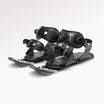
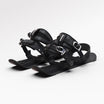
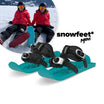
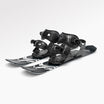
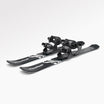
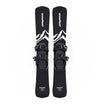
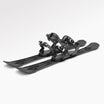
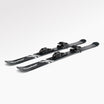
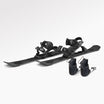
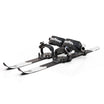
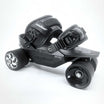
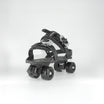
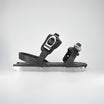
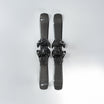
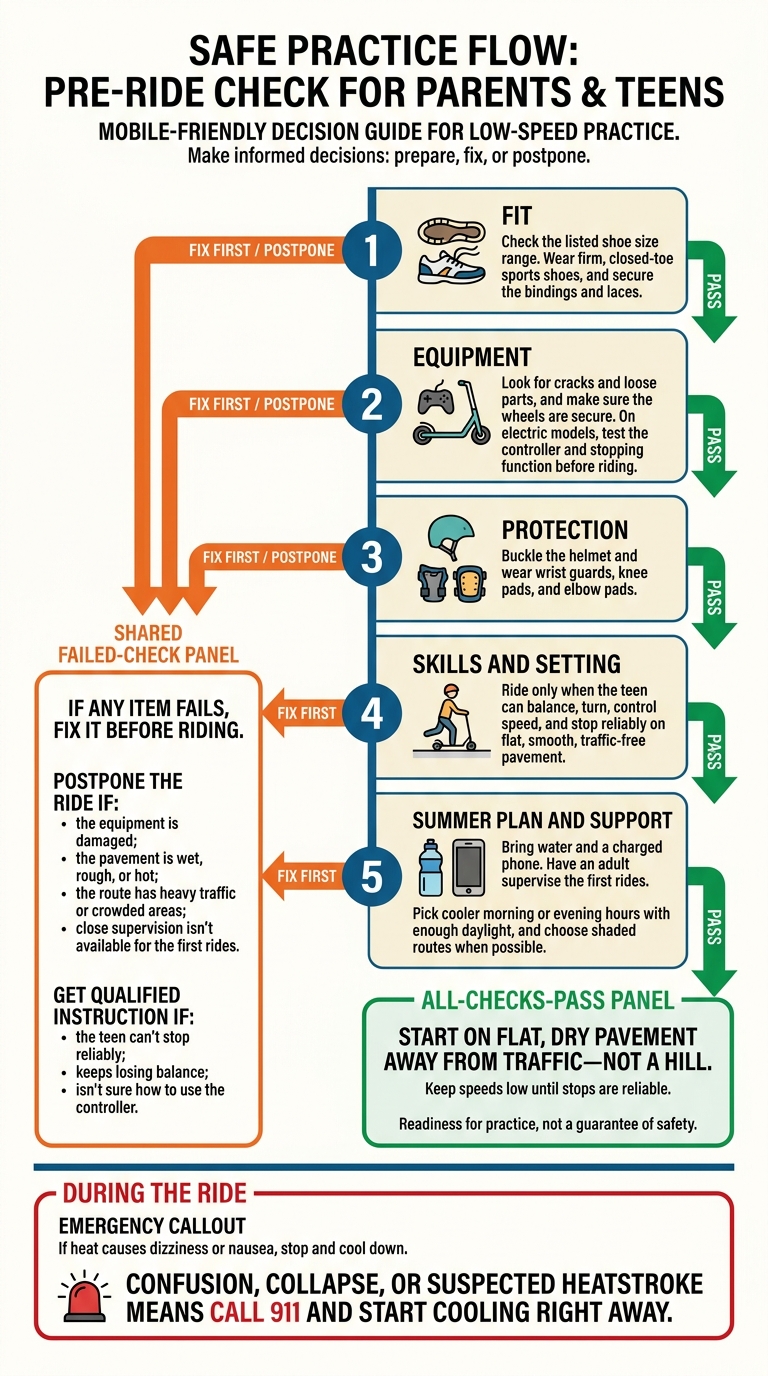
My take: Wheelfeet may suit some teens, but fit, stopping skills, gear, and summer conditions must all check out. I’d start on flat, dry pavement away from traffic - not a hill.
Before you give the go-ahead, I’d check:
- The model: Follow its instructions. Wheelfeet’s FAQ lists speeds up to 16 mph for the electric version - not every model.
- The rider: Your teen should turn, control speed, and stop with control. Snow skills help, but pavement takes practice.
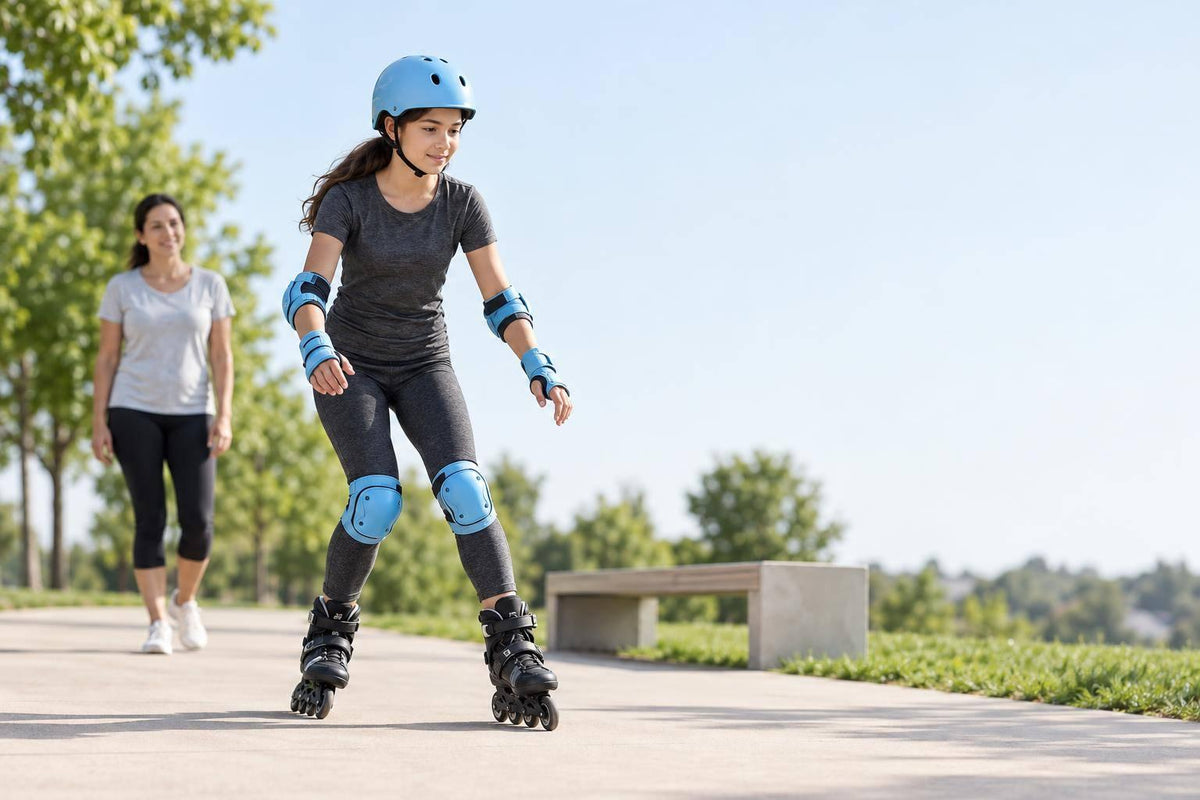
- The gear: Check shoes, bindings, wheels, and brakes. Require a fitted helmet, wrist guards, and knee and elbow pads.
- The summer plan: Choose cooler daylight hours, bring water, and skip wet, rough, or hot pavement. Keep an adult close for early rides.
<u>I wouldn’t treat age alone as a green light.</u> The AAP advises against motorized e-scooters for children under 16. That’s not a Wheelfeet age rule, but it deserves attention when weighing electric skates.
If heat causes dizziness or nausea, stop and cool down. Confusion, collapse, or suspected heatstroke means call 911 and start cooling right away.
Teen Wheelfeet Summer Safety: Go/No-Go Check
Factors That Affect Riding Risk
Balance, Turning, and Stopping Skills
Snow sports can help teens build balance, but they still need practice on pavement. Start on a flat, dry surface away from traffic. Have them stand with feet about 6 inches apart, knees slightly bent, and weight on the balls of their feet. Practice controlled turns, slowing down, and full stops using the model’s braking method. Keep speeds low until stops are reliable, even during turns or while avoiding obstacles.
If teens can’t turn and stop fast enough to avoid sudden hazards, they should stay in the practice area. Higher speeds and downhill routes can wait.
Equipment Fit and Protective Gear
Choose sturdy, closed-toe athletic shoes with firm ankle support, and secure the bindings snugly. Before each ride, check the wheels, fasteners, bindings, and frame for loose parts or damage. Check the controls on electric models, too.
Require wrist guards, knee pads, elbow pads, and a properly fitted, buckled helmet rated for multi-impact use. For higher-speed or electric riding, look for ASTM F1492, or make sure the helmet meets CPSC or Snell standards. The helmet should sit level, with the straps forming a V beneath each ear.
Route Choice and Adult Supervision
Once skills and gear check out, check the route - and today’s conditions - before riding.
| Factor | Lower-risk conditions | Higher-risk conditions |
|---|---|---|
| Terrain | Level ground | Steep slopes |
| Pavement | Smooth, dry pavement | Broken or wet pavement, holes, bumps, or rocks |
| Space | Open, uncrowded areas | Crowded or obstructed paths |
| Traffic | Separate practice area | Road crossings or driveways |
Speed, slopes, and crowds increase risk. Keep adult supervision close until turning and stopping become automatic. Teens should yield to pedestrians, avoid traffic, and walk across busy intersections and crosswalks.
Summer Heat, Weather, and Surface Hazards
Heat and Hot Pavement Precautions
Even a skilled teen needs safe weather and pavement. Before each ride, check the forecast, daylight, and route. Bring water, take frequent breaks, and wear lightweight clothing and sunscreen.
Don’t ride during thunderstorms, heavy rain, extreme heat, or on pavement that’s too hot for safe riding. Pick cooler morning or evening hours with enough daylight, and choose shaded routes when possible. If the rider overheats, stop right away.
Heat Symptoms and Emergency Steps
Stop right away if the teen feels dizzy, has cramps or nausea, feels weak, or seems confused. Move to shade or air conditioning and tell an adult.
Confusion, collapse, or suspected heatstroke means call 911. Start cooling the rider right away while waiting for help. Don’t let the teen keep riding just to finish the route.
Surface and Weather Conditions to Avoid
Check the pavement for gravel, sand, leaves, cracks, potholes, puddles, oil, and debris. These hazards can cause slips or sudden stops.
Wheelfeet’s FAQ advises against heavy rain and off-road use. As general safety precautions, avoid wet surfaces, poor visibility, and riding after dark. Include these checks in the go/no-go decision before every ride.
sbb-itb-17ade95
Teen Summer Riding Readiness Checklist
Use this quick go/no-go check before each summer ride.
Before-Ride Checks
- [ ] Fit: Check the listed shoe size range. Wear firm, closed-toe sports shoes, and secure the bindings and laces.
- [ ] Equipment: Look for cracks and loose parts, and make sure the wheels are secure. On electric models, test the controller and stopping function before riding.
- [ ] Protection: Buckle the helmet and wear wrist guards, knee pads, and elbow pads.
- [ ] Skills and setting: Ride only when the teen can balance, turn, control speed, and stop reliably on flat, smooth, traffic-free pavement.
- [ ] Summer plan and support: Bring water and a charged phone. Have an adult supervise the first rides.
If any item fails, fix it before riding.
When to Get Instruction or Postpone
Check turning and stopping skills again before the teen rides faster, tackles slopes, or rides near crowds.
Get qualified instruction if the teen can’t stop reliably, keeps losing balance, or isn’t sure how to use the controller. Postpone the ride if the equipment is damaged; the pavement is wet, rough, or hot; the route has heavy traffic or crowded areas; or close supervision isn’t available for the first rides.
Conclusion: Choosing Wheelfeet for a Teen
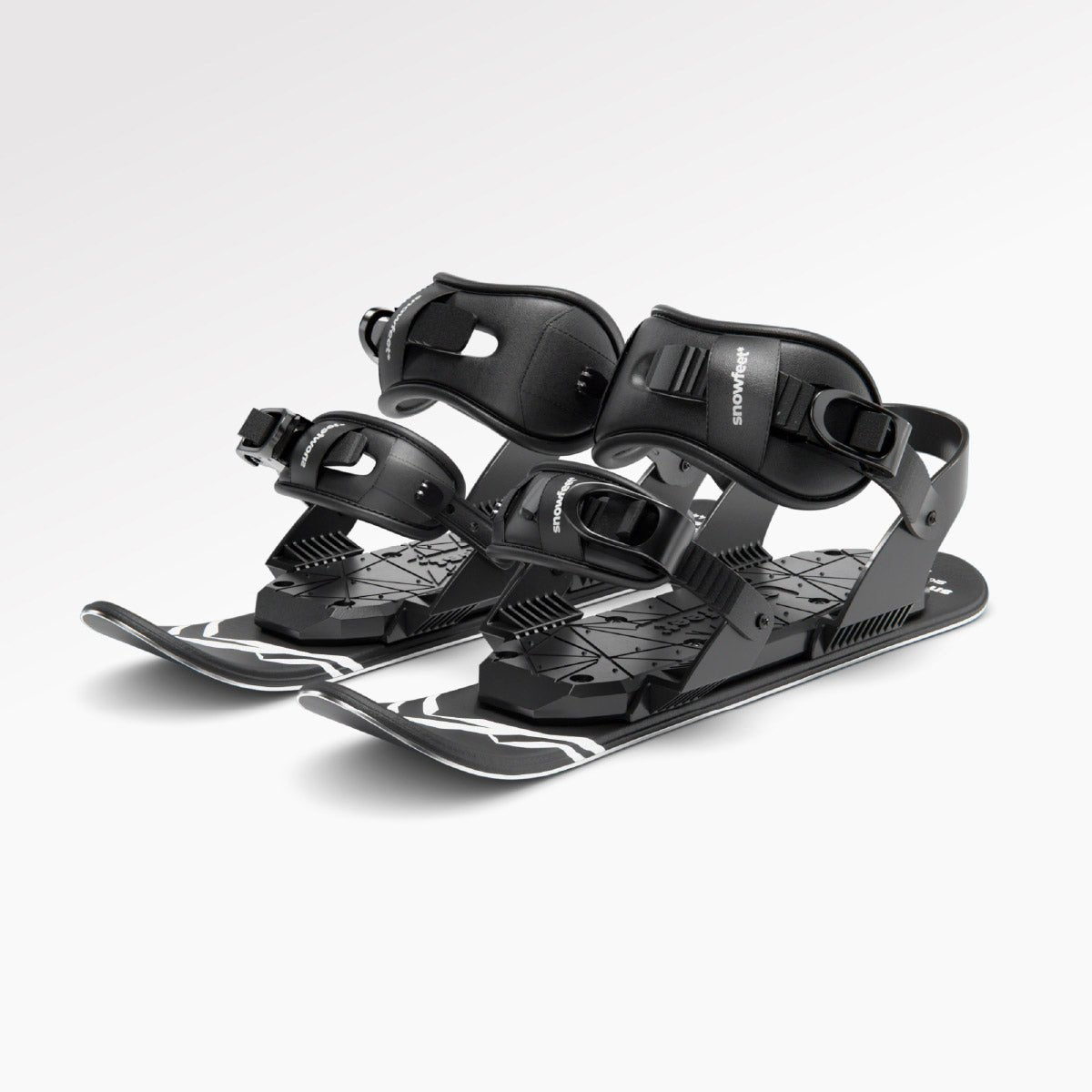
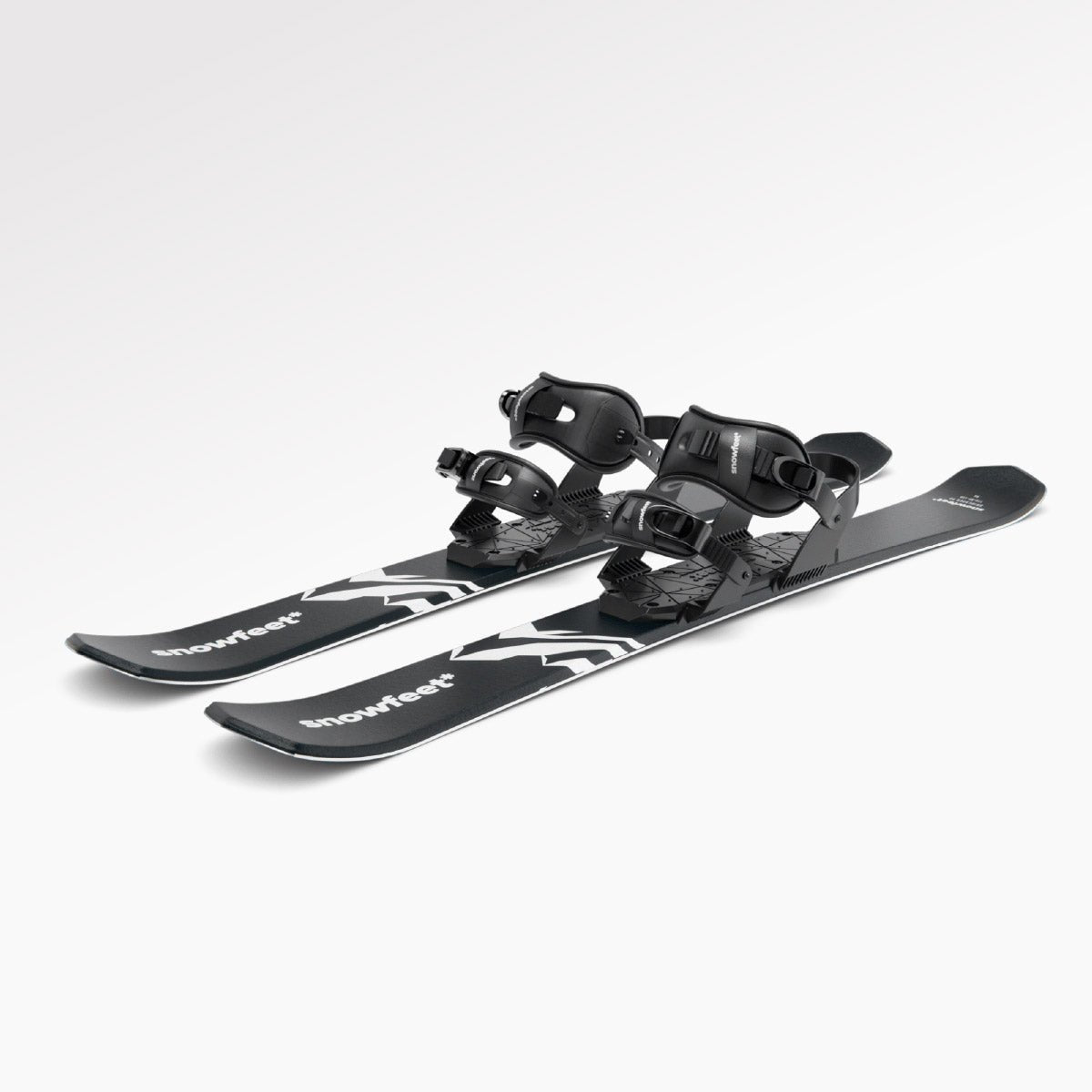
If all checklist items pass, Snowfeet* Wheelfeet can work for a teen in summer. Choose them only if the model fits the teen and they can secure it exactly as directed.
Fit alone isn’t enough. Electric models add speed, so riding skill and control matter more than top speed.
Teens should ride only when their skill, gear, a dry and controlled route, and supervision all line up. If any one of those conditions isn’t met, postpone the ride.
FAQs
How can I tell if my teen is ready for electric Wheelfeet?
Your teen is ready when they can balance, control their speed, stop, and turn in a flat area with no traffic. They also need to follow safety rules every time: wear a dual-certified CPSC/ASTM helmet and pads, check their equipment and battery health, and avoid traffic, wet surfaces, and distractions.
Start in Beginner Mode. Switch to faster settings only once they show control and know their limits. Their speed should always match their skills and the terrain.
How hot is too hot to ride Wheelfeet?
Wheelfeet have no set temperature limit for riding. They’re made mainly for smooth pavement, but heat can make that pavement too hot or sticky. That can reduce traction and control.
Check the surface before you ride, and aim for cooler parts of the day. If the pavement is too hot to stand on comfortably or could damage your gear, it’s too hot to ride.
Where can my teen legally ride Wheelfeet?
No U.S. state laws currently prohibit electric roller skates like Wheelfeet.
For safety, stick to flat, smooth, paved areas with little or no traffic. Community paths, park loops, and empty parking lots are good options. Avoid riding in traffic or on roads where vehicles are present.



Hinterlassen Sie einen Kommentar
Diese Website ist durch hCaptcha geschützt und es gelten die allgemeinen Geschäftsbedingungen und Datenschutzbestimmungen von hCaptcha.