


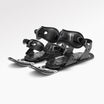
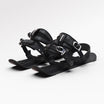
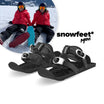
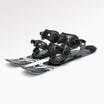
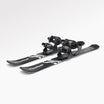
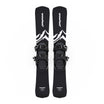
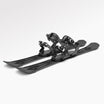
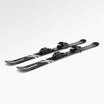
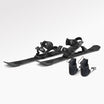
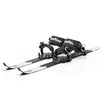
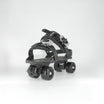
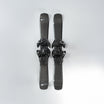
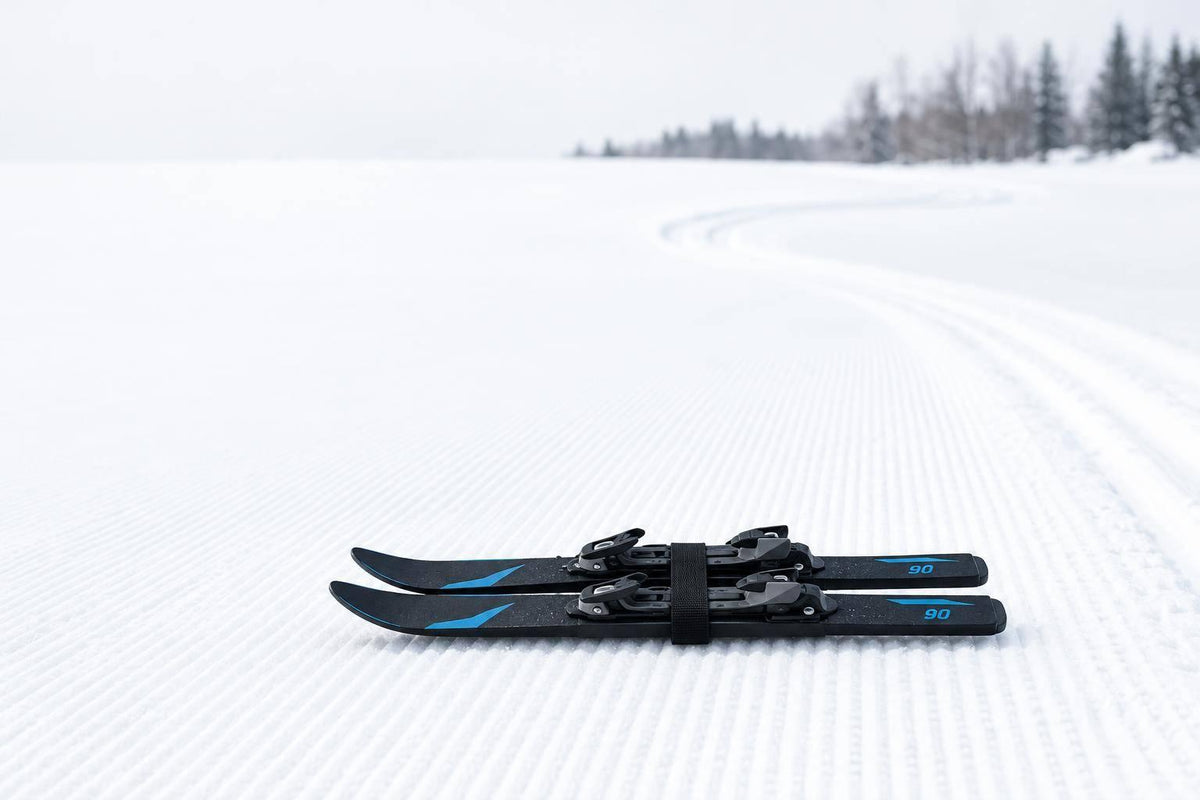
I’d choose NORDIC 90 cm for short, casual trips on firm, groomed trails - not for speed or long-distance glide. At 35.4 inches long and 3.84 pounds per pair, they’re easy to carry and store. For longer outings, I’d pick full-length skate skis.
Here’s what I’d check before buying:
- Trail fit: Both need packed snow and room for skating pushes. Avoid deep powder, and stay out of classic tracks.
- Control: NORDIC makes tight turns easier at low speeds. Full-length skis track better and feel more stable at speed.
- Boots: NORDIC offers winter-shoe bindings or Pro XC NNN bindings. Full-length setups need dedicated skate boots.
- Total cost: Count boots, bindings, poles, and wax - not just skis. The article lists both $490 and $510 for NORDIC, so I’d check the live price before ordering.
My rule: pick for the trail you’ll ski most. <u>Easy storage doesn’t replace good trail fit.</u>
Quick Comparison
| What matters | NORDIC 90 cm | Full-length skate skis |
|---|---|---|
| Best use | Casual local outings | Speed and distance |
| Glide and control | Less glide; easy low-speed turns | Better glide and tracking |
| Footwear | Winter shoes or NNN boots, by binding | Skate boots |
| Carrying and storage | Compact | Needs more space |
| Cost check | Confirm price and binding option | Price the whole package |
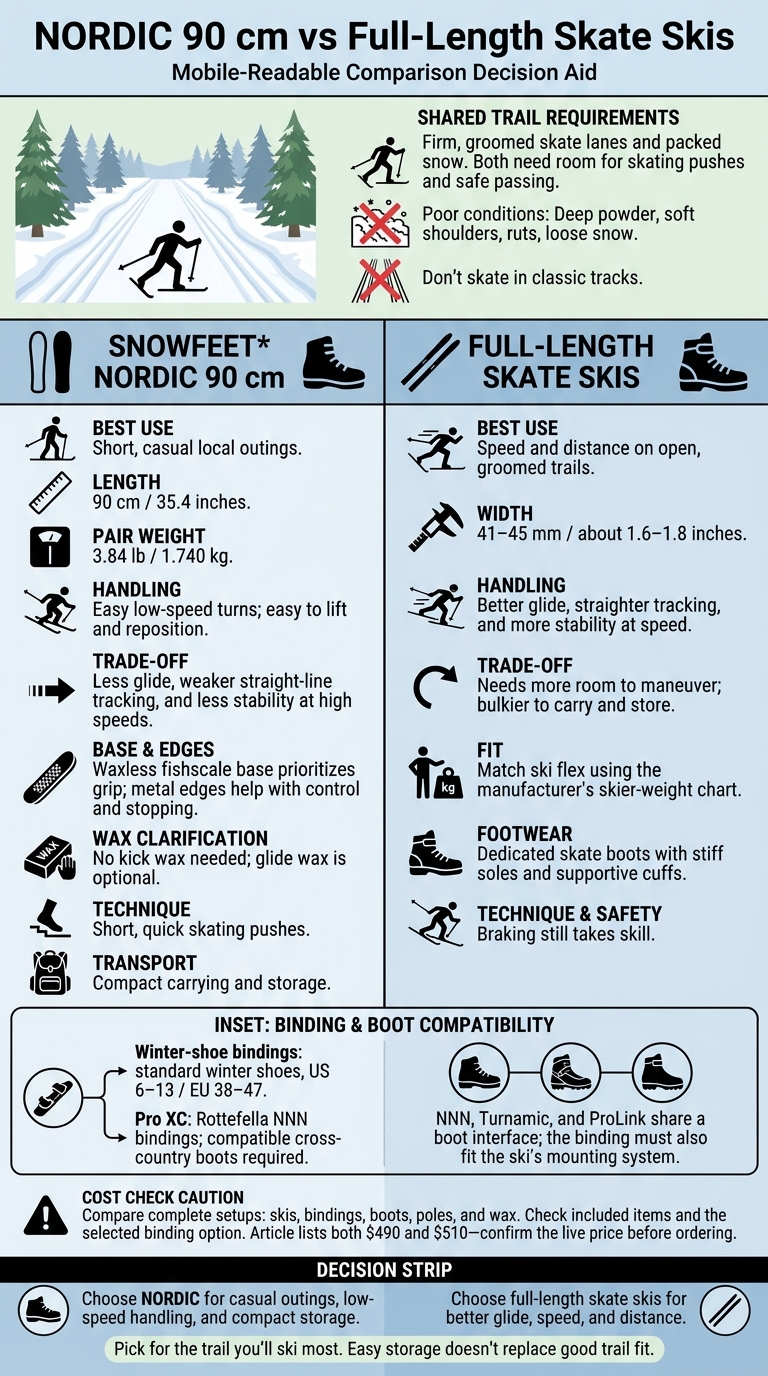
NORDIC 90 cm vs Full-Length Skate Skis
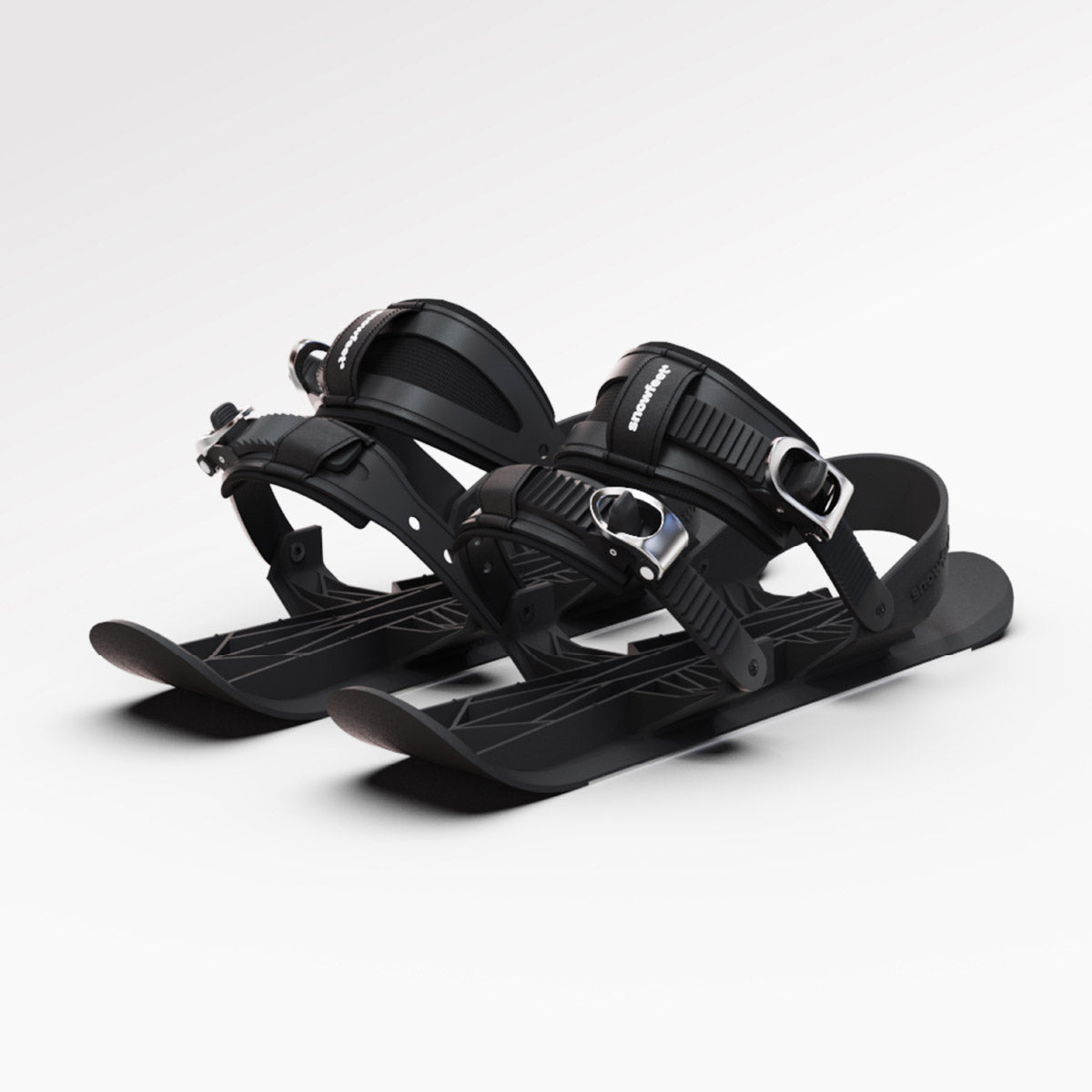
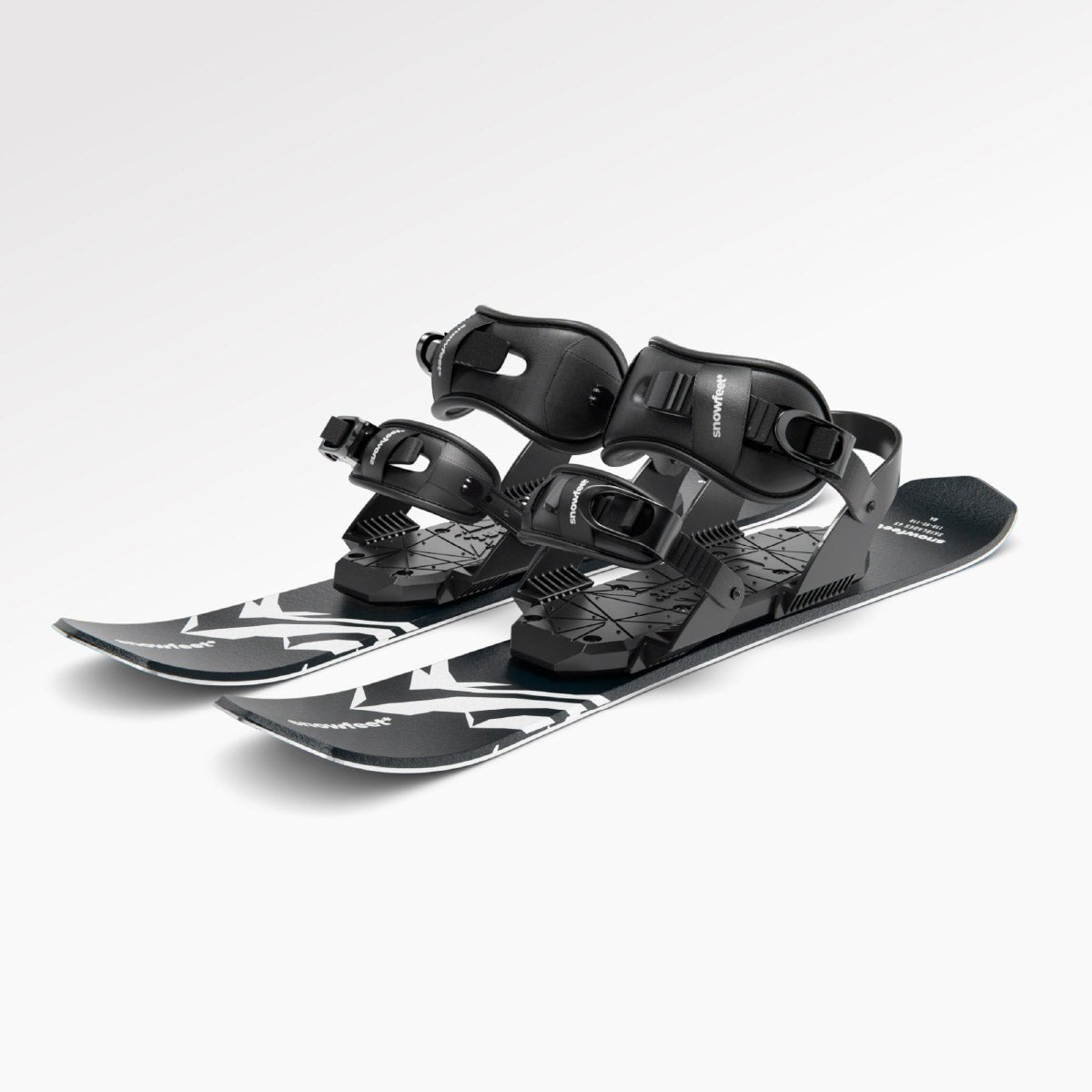
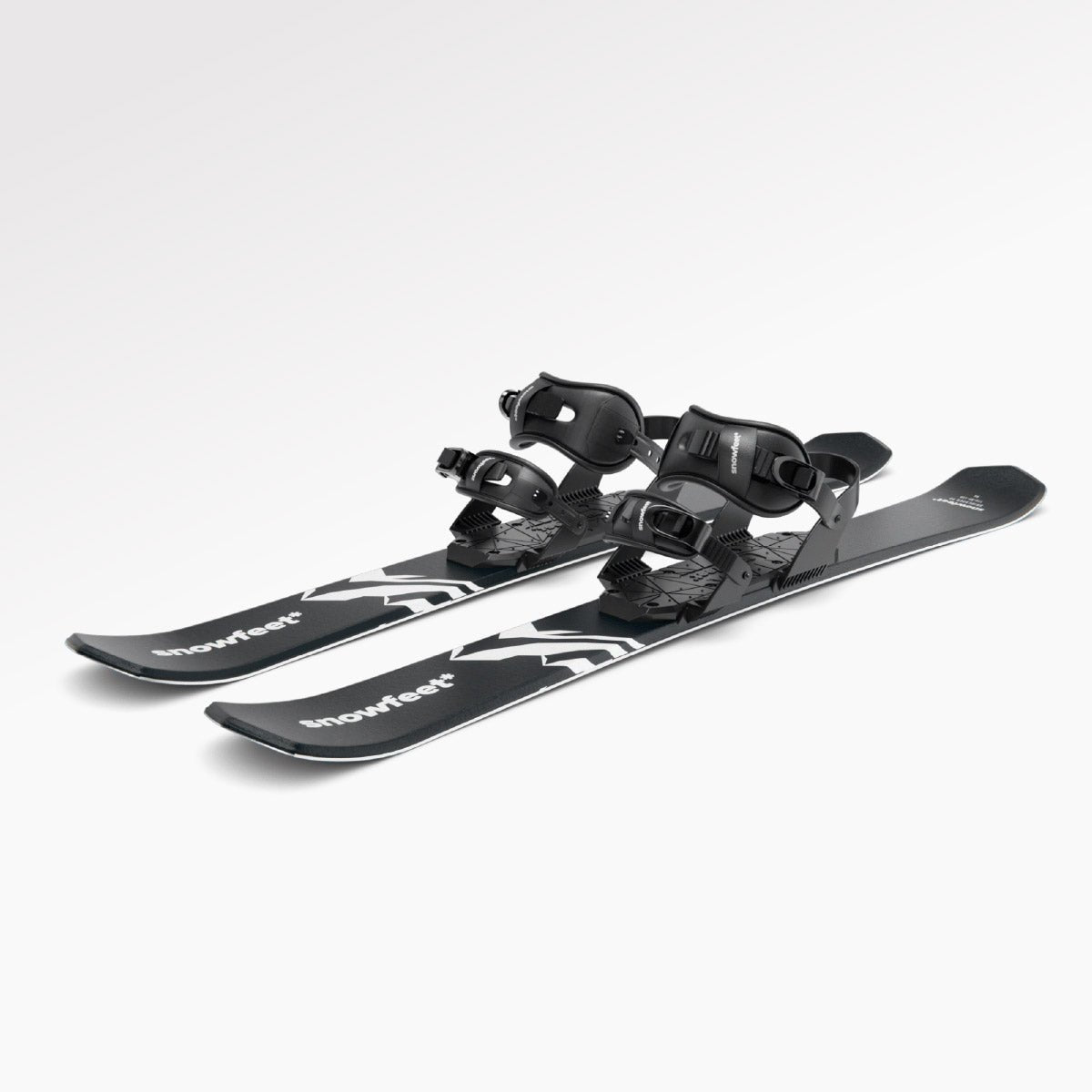
1. Snowfeet* NORDIC Cross-country 90 cm
Trail and Snow Conditions
The NORDIC 90 cm works best on groomed local trails and packed snow. It’s easy to handle on narrow paths and through quick turns, making it a good fit for casual riders in tight or crowded spots. Just leave enough room for skating pushes.
Glide and Handling
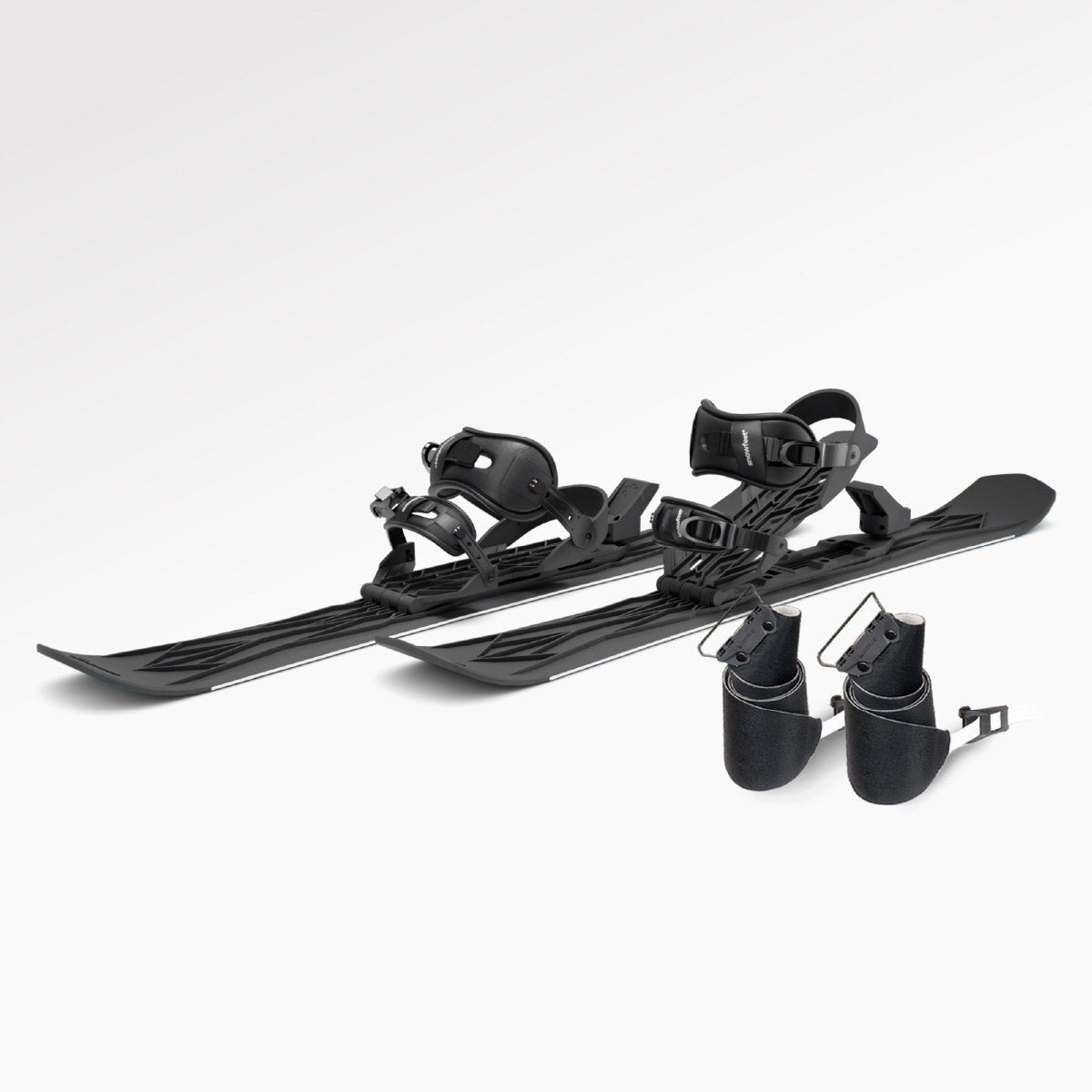
Metal edges help with control and stopping, while a waxless fishscale base provides grip. Use short, quick skating pushes rather than long power strokes. These short skis work best with a fast cadence.
“Waxless” means you don’t need kick wax. You can still add glide wax for a faster feel. The setup puts easy handling ahead of race-level glide - a tradeoff that’s clearer when compared with full-length skate skis.
Boots and Bindings
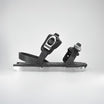
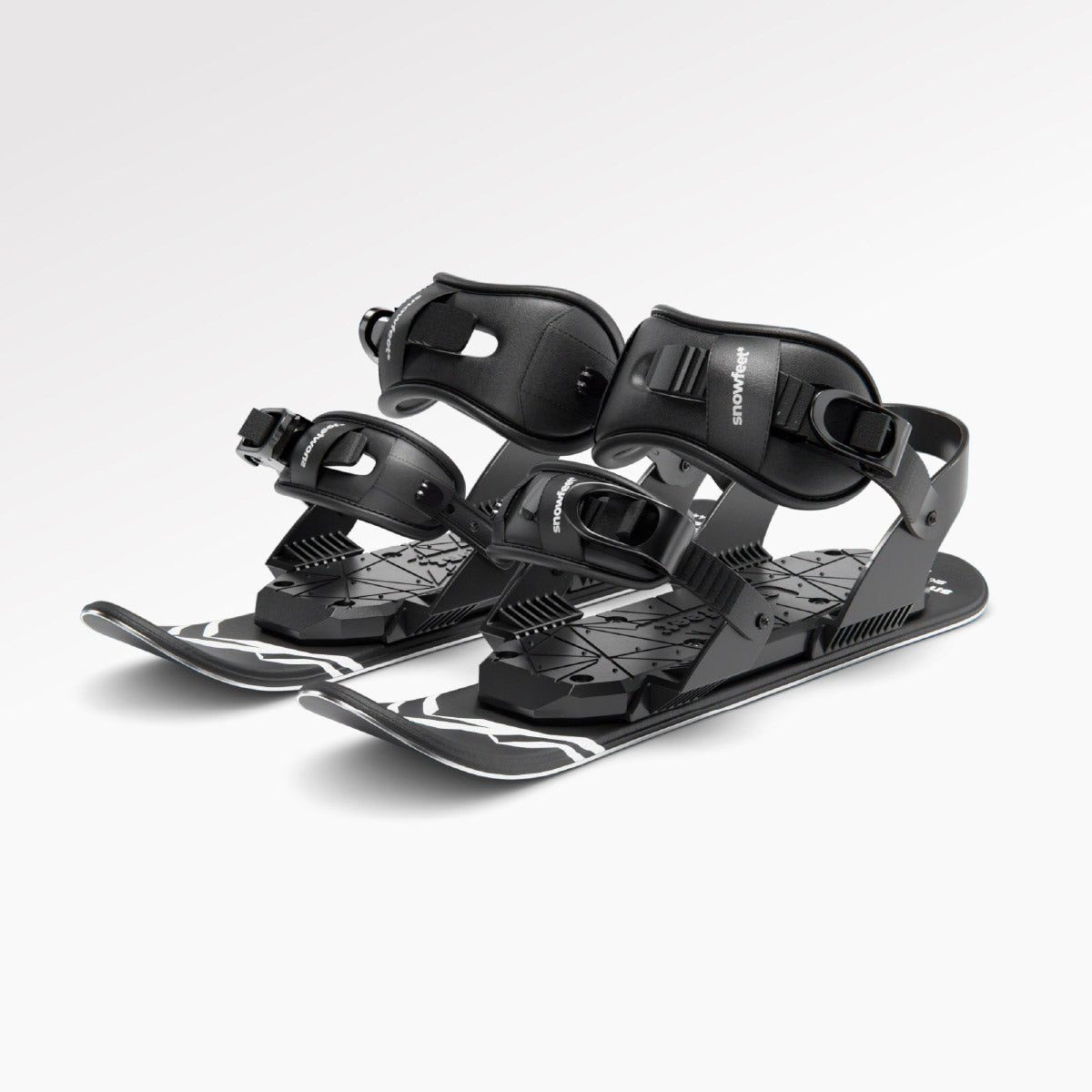
The winter-shoe binding version fits standard winter shoes in US sizes 6–13 (EU 38–47). Pro XC uses Rottefella NNN bindings and needs compatible cross-country boots.
For casual local-trail trips without dedicated ski boots, choose the winter-shoe option.
Transport and Total Cost
The pair weighs 3.84 lb (1.740 kg), and the short length makes storage easier. If you choose Pro XC, budget for compatible boots, too.
The current official price is $510.00, down from $555.00, with free priority shipping.
Buy Snowfeet* NORDIC 90 cm directly.
This Nordic Ski Can Be Attached to Any Winter Shoes | Snowfeet Cross-country Skate Skis | 90 cm
2. Full-Length Skate-Ski Setup
Full-length skate skis trade easy transport for speed and efficiency.
Trail and Snow Conditions
Full-length skate skis work best on firm, groomed skate lanes and packed snow. Their 41–45 mm width (about 1.6–1.8 inches) and stiffer flex help them glide fast on firm snow. They’re harder to handle on narrow or crowded trails.
Glide and Handling
Longer skis track straighter on open, groomed trails, but they’re less nimble on tight local routes. Getting the flex right matters - use the manufacturer’s skier-weight chart to find the right match.
Boots and Bindings
Choose dedicated skate boots with stiff soles and supportive cuffs. NNN, Turnamic, and ProLink share the same boot interface, but the binding also needs to fit the ski’s mounting system.
Transport and Total Cost
Compare the cost of complete packages: skis, bindings, skate boots, and poles. Budget for waxing, too. Longer setups take more effort to carry and more space to store.
sbb-itb-17ade95
Trail Conditions, Glide, and Control
Your route helps decide whether local-trail convenience or longer-ski efficiency matters more. Packed snow with small bumps slows both setups. Powder, soft shoulders, ruts, and loose snow are poor choices - especially for 90 cm skis. The differences show up in turns, glide, and the room you need to skate.
| Factor | Snowfeet* NORDIC 90 cm | Full-length skate skis |
|---|---|---|
| Turning room | Easy to lift and reposition at low speed; handles tight turns well | Needs more room to maneuver |
| Glide | Waxless fishscale base puts grip first; glide wax is optional | Better glide over longer distances |
| Climbing | Lightweight and easy to lift | Harder to manage on climbs |
| Downhill control | Metal edges help with control and stopping; less stable at speed | More stable at speed, but braking still takes skill |
| Lane width | Compact handling, but still needs room for a full skating stride and safe passing | Needs room for a full skating stride and safe passing |
NORDIC favors easy handling; full-length skis favor efficiency. For casual outings, that trade-off can make sense. Boot fit and skating technique also shape how well either setup works on the trail.
Before you go, check:
- [ ] The trail has a firmly groomed skate lane with enough width for safe passing.
- [ ] Trail rules allow your setup, and you have any required trail pass.
- [ ] Descents and turns match your ability, with no sections that force you onto soft shoulders.
Don’t skate in classic tracks. The skating stride needs more room and damages the grooves. Next, boot and binding choice helps determine how well your setup works on that trail.
Boots, Technique, Transport, and Cost
Once you’ve picked your trail setup, it’s time to sort out boots, cost, and technique.
Choose the binding first - it determines which boots you need. Already own firm winter boots? The universal version is the simplest place to start. Look for a firm sole, a snug heel fit, and ankle support. Soft boots may fit, but they give you less side-to-side control.
| Setup detail | Snowfeet* NORDIC 90 cm | Full-length skate skis |
|---|---|---|
| Footwear | Universal bindings fit winter boots; Pro XC uses NNN boots. | You’ll need dedicated skate boots and compatible bindings. |
| Storage | At 90 cm (about 35 inches), they’re easier to pack in a car and store in a small space than full-length skis. | You’ll need more room in your vehicle and at home. |
| Included items | Check what’s included at checkout; boots, poles, and protection may cost extra. | Skis, bindings, boots, and poles are usually sold separately unless bundled. |
The product page currently lists $490, with free priority shipping and an estimated delivery time of three business days. Check the live checkout on the Snowfeet* NORDIC purchase page before ordering. If you already own suitable boots, skipping a dedicated boot purchase can make NORDIC easier to justify than a full skate-ski package.
For casual NORDIC outings, start without poles. Find your balance, shift your full weight onto one ski, push off its inside edge, then glide and switch sides. Skating relies on sideways pushes and side-to-side weight shifts - not the classic diagonal stride.
Practice controlled turns on flat ground before trying descents. Never use poles as brakes. For skate-ski pole length, follow the manufacturer’s sizing chart. Chin-to-mouth height is a common starting point.
For local trails, focus on layers and clear vision rather than race gear. Wear moisture-wicking layers, weatherproof outerwear, gloves with good grip, and eye protection. Wear a helmet on faster or shared trails, or wherever trail rules require one.
Pros, Cons, and Which Setup to Choose
On groomed local trails, the choice comes down to convenience versus efficiency.
| Decision point | Snowfeet* NORDIC 90 cm | Full-length skate skis |
|---|---|---|
| Advantages | Easy to handle at low speeds; compact to store. | Better glide, straighter tracking, and more stability at speed. |
| Drawbacks | Less glide, weaker straight-line tracking, and less stability at high speeds. | Bulkier to carry and store; harder to handle at low speeds. |
| Best-fit riders | Casual adults, beginners who put control first, and anyone short on storage space. | Racers and skiers focused on distance. |
| Poor-fit riders | Competitive skiers and those who need skis for classic tracks or deep powder. | Casual riders who put portability and easy handling first. |
For casual local trails, NORDIC puts convenience first. Choose full-length skate skis if speed and distance matter more.
FAQs
How can I tell if my local trail is wide enough for NORDIC 90 cm skis?
Choose firm, groomed skate lanes or packed snow with enough room to stride and push sideways without crossing into classic tracks or hitting obstacles. Snowfeet NORDIC 90 cm skis are compact and easy to turn, but you still need space for each push.
Check trailhead signs or online trail rules to confirm that short skis are allowed.
Should I choose winter-shoe or Pro XC bindings as a beginner?
For most beginners, Snowfeet universal bindings are the simplest choice. They fit your regular, supportive winter boots or snowboard boots, so you won’t need to spend time and money buying dedicated ski boots.
Choose Pro XC with Rottefella NNN bindings if you already own NNN-compatible cross-country boots. They also suit riders who want a classic, performance-focused feel with the precision of a stiff, high-cuff ski boot.
How do I stop safely on NORDIC 90 cm skis?
Use the built-in metal edges on your Snowfeet* NORDIC 90 cm skis to grip and brake with control on packed or groomed snow. Their shorter length needs less room to turn than standard skate skis, so you can stop sooner and with less effort.
On steep or icy sections, engage your edges with care and take short, controlled steps. The compact design also helps you stay balanced and regain control.



Schreib einen Kommentar
Diese Website ist durch hCaptcha geschützt und es gelten die allgemeinen Geschäftsbedingungen und Datenschutzbestimmungen von hCaptcha.