
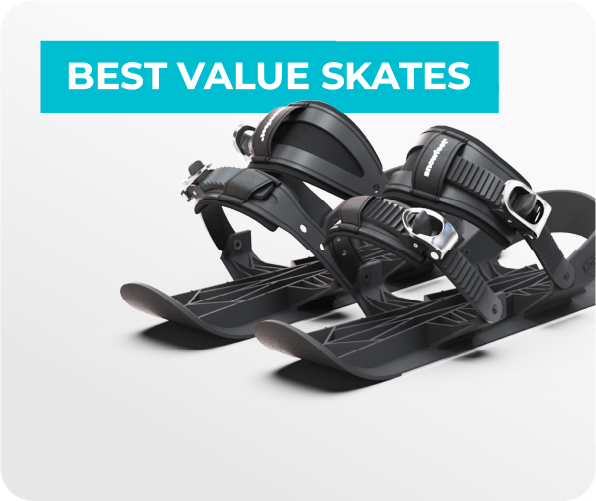
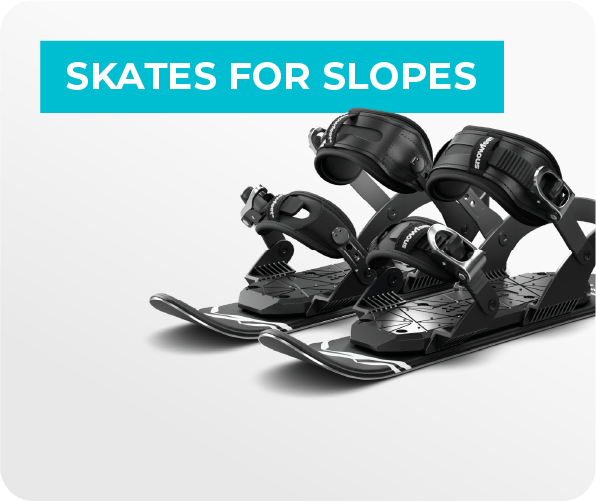
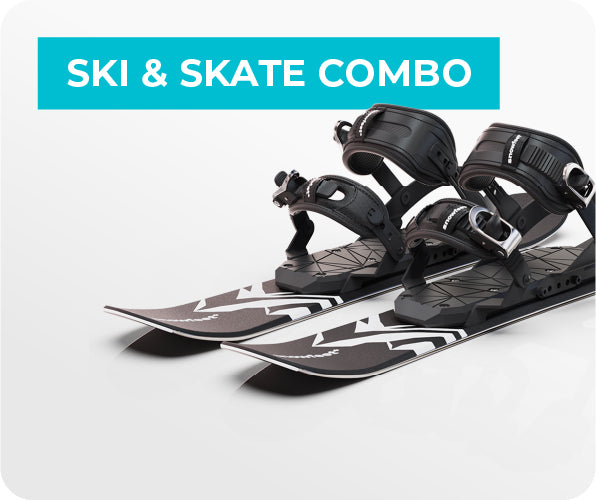
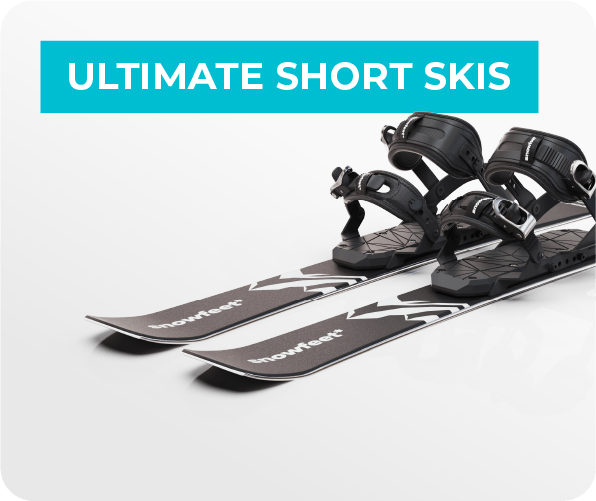
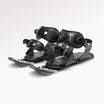
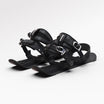
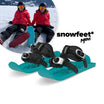
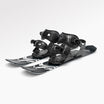
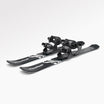
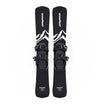
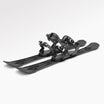
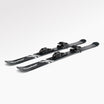
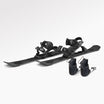
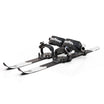
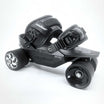
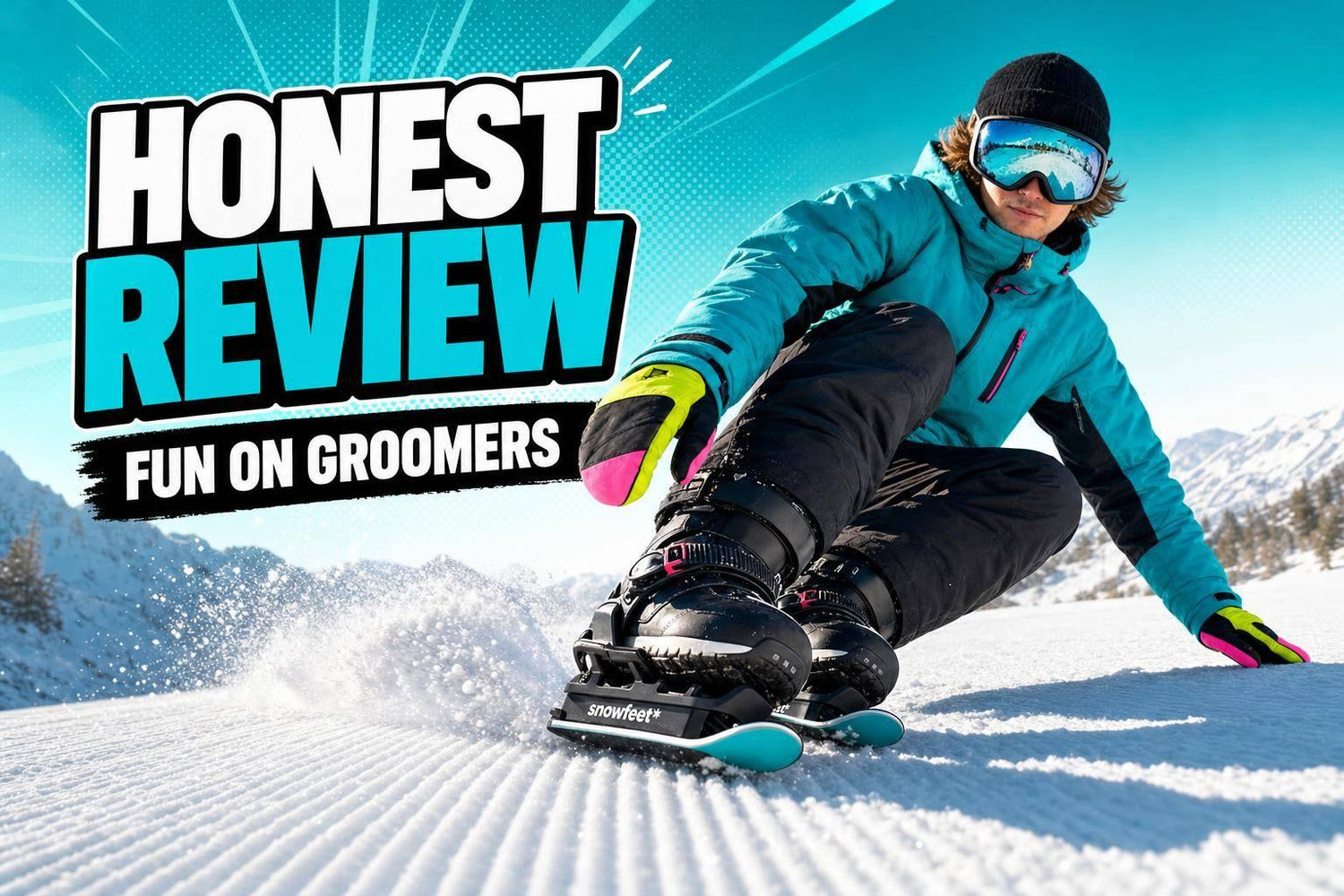
Short answer: yes - if you want simple winter fun, not a full ski replacement.
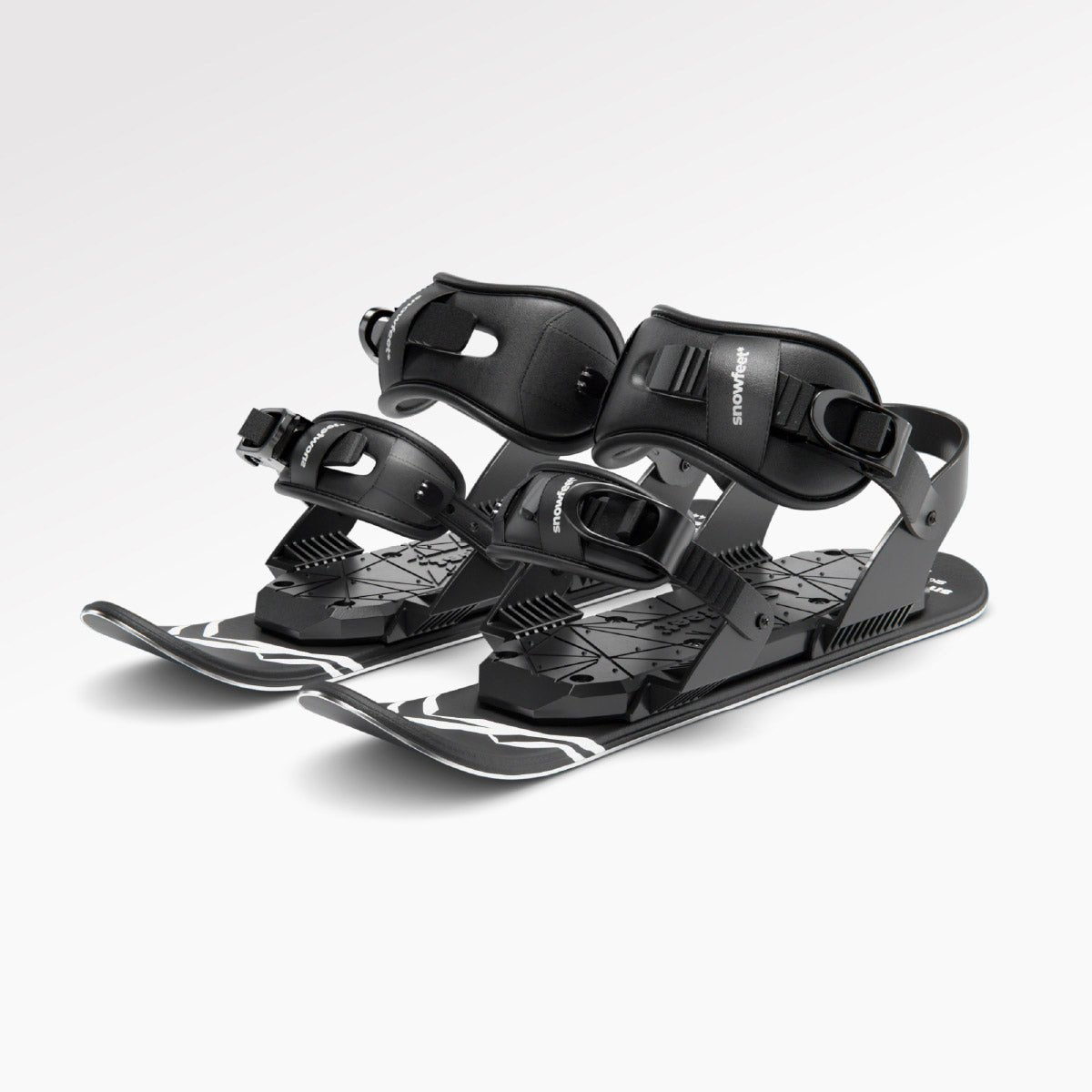
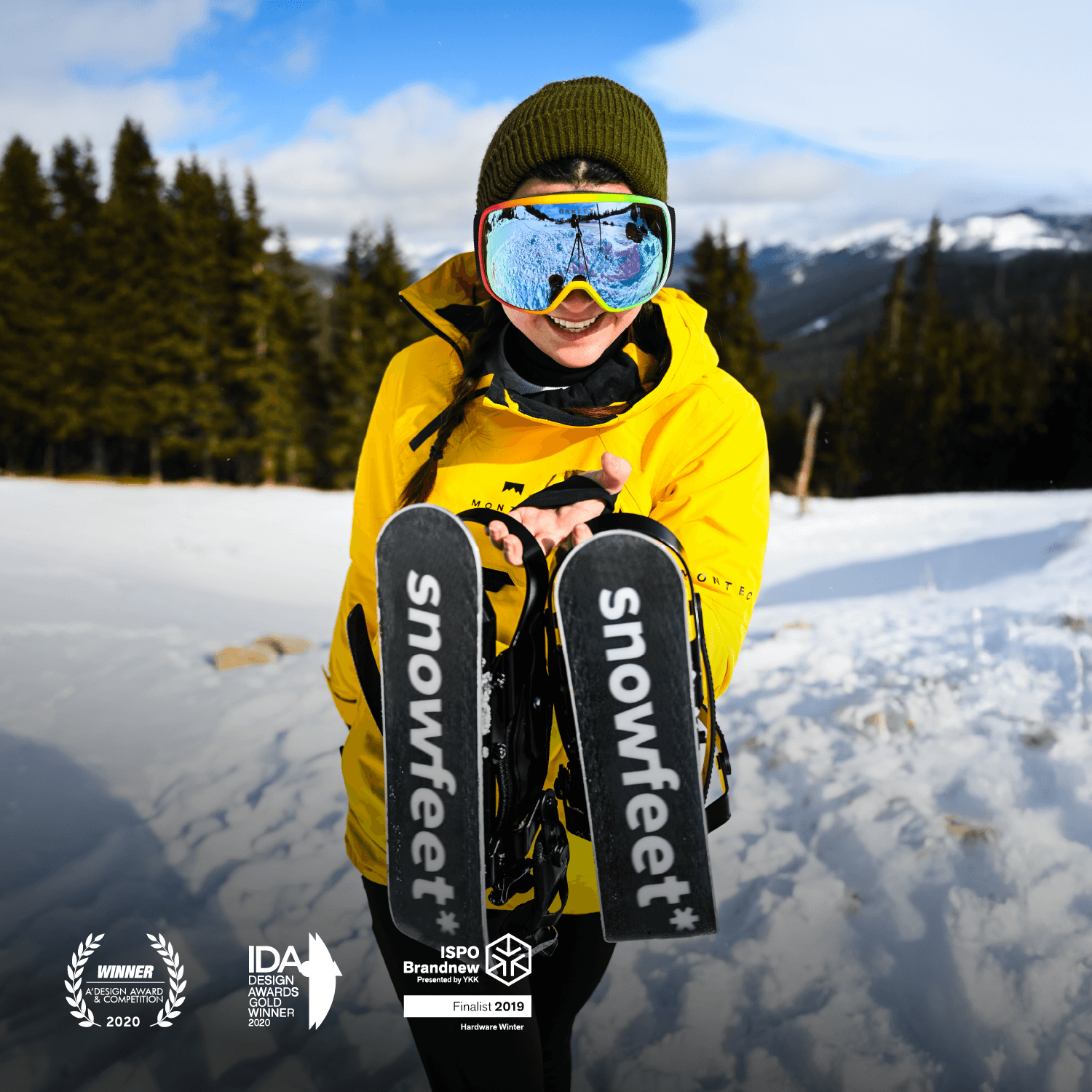
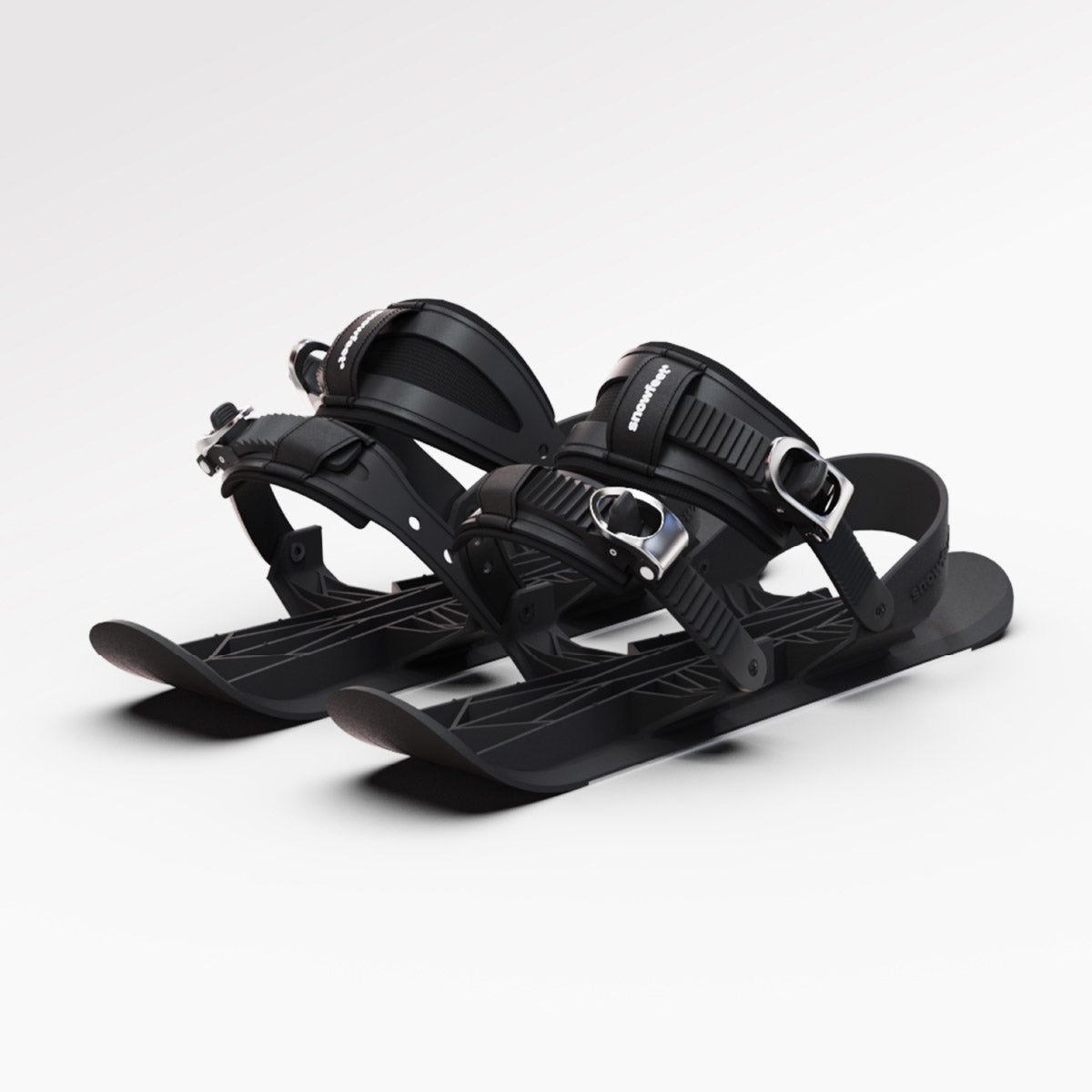
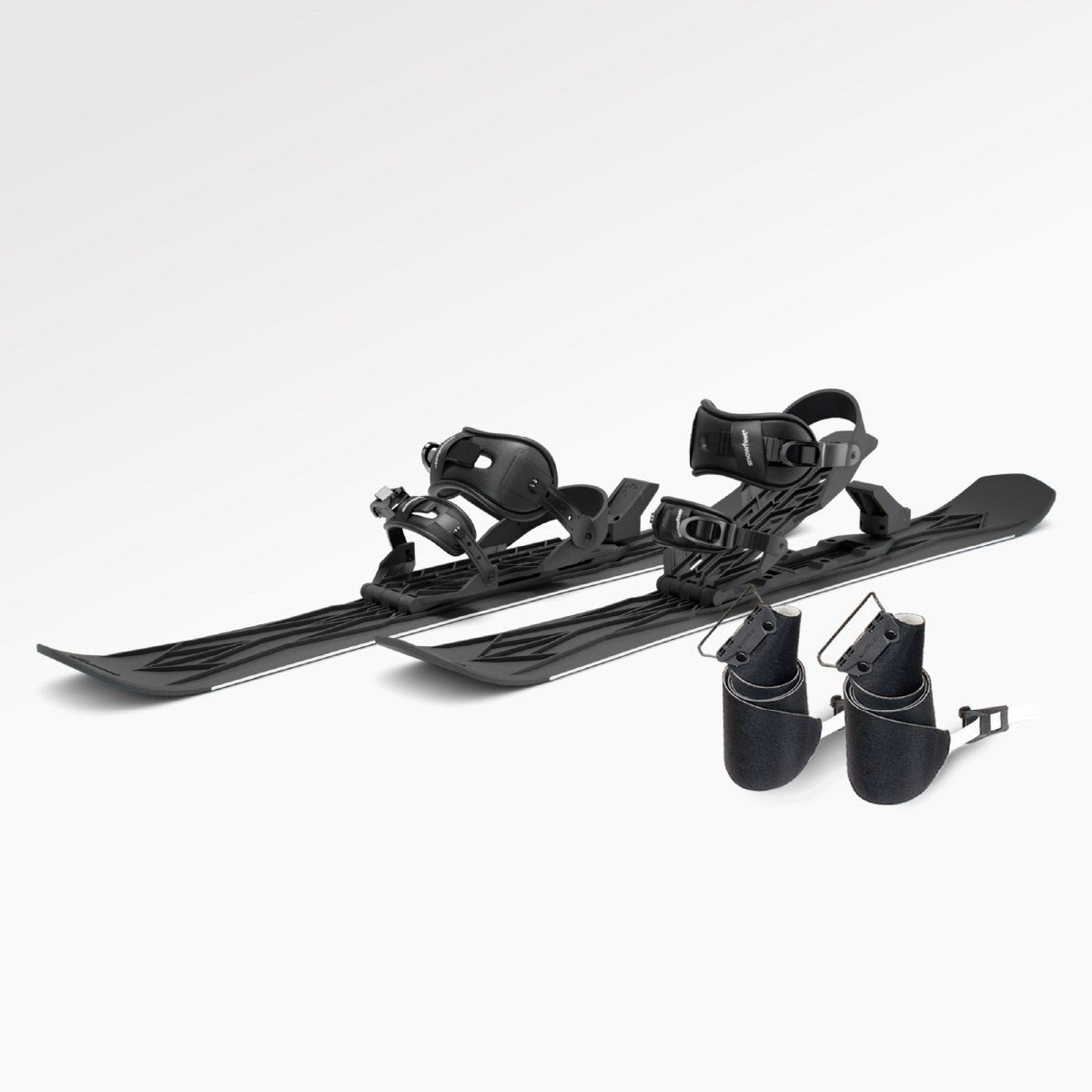
After riding the Snowfeet 38 cm from December to March, I came away with a pretty clear take: they’re fun, small, easy to carry, and easy to learn for many people. But they also have a hard limit. At $149 to $169, they make the most sense for groomed green and blue runs, local hills, frozen paths, and casual laps - not powder, high speed, or steep icy lines.
Here’s the quick version:
- Best for: skaters, casual riders, teens, travelers, and families
- Works with: regular winter boots or snowboard boots
- Learns fast: often 1–2 hours for skaters, about a full day for many first-timers
- Feels best on: packed snow and mellow groomers
- Falls short in: deep snow, hard ice, and faster resort riding
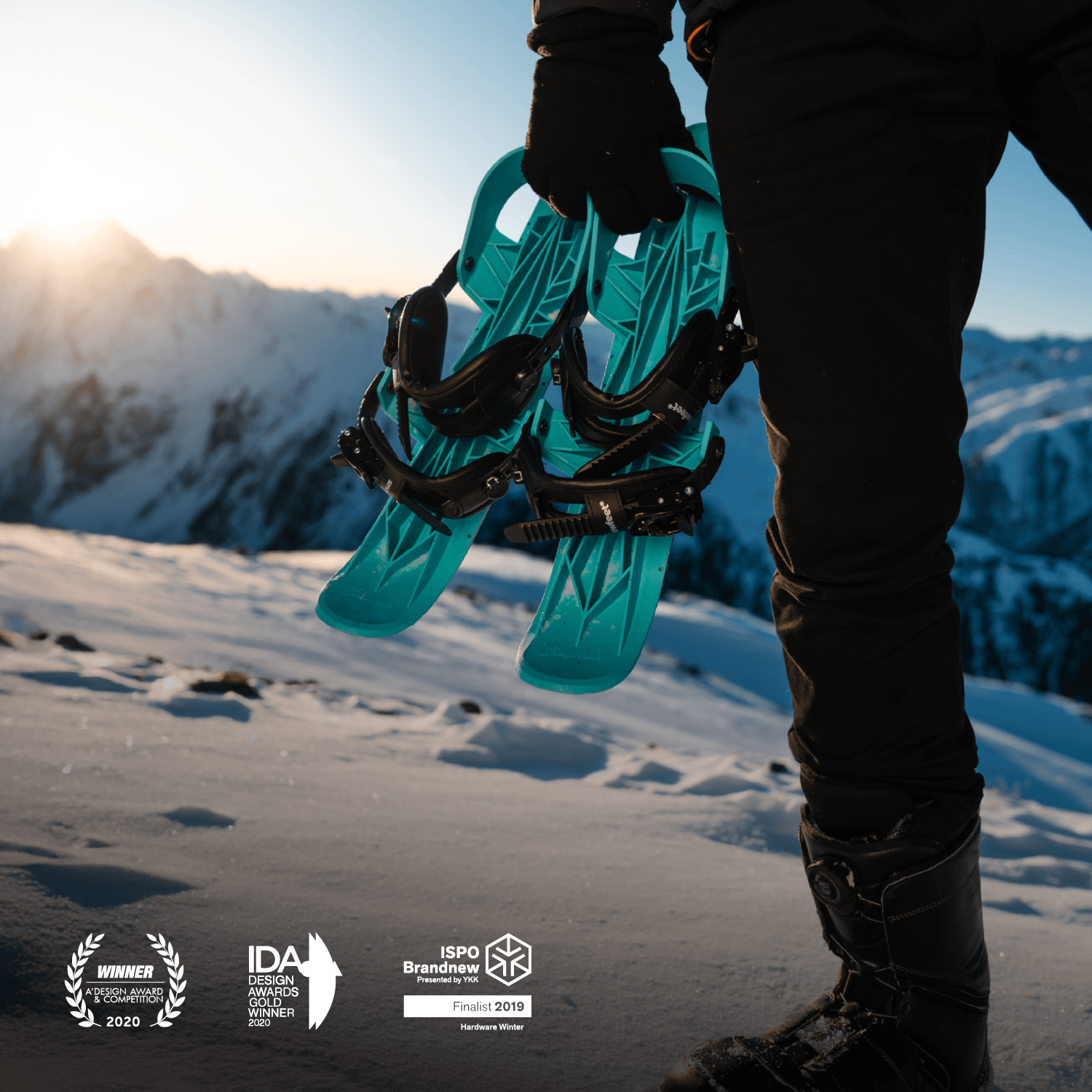
- Big win: fits in a backpack and skips the whole ski-boot hassle
- Main trade-off: less stability than longer snowblades or full skis
If you want a winter toy that’s easy to pack and easy to use, these make a lot of sense. If you want speed, float, and all-mountain range, you’ll outgrow them fast.
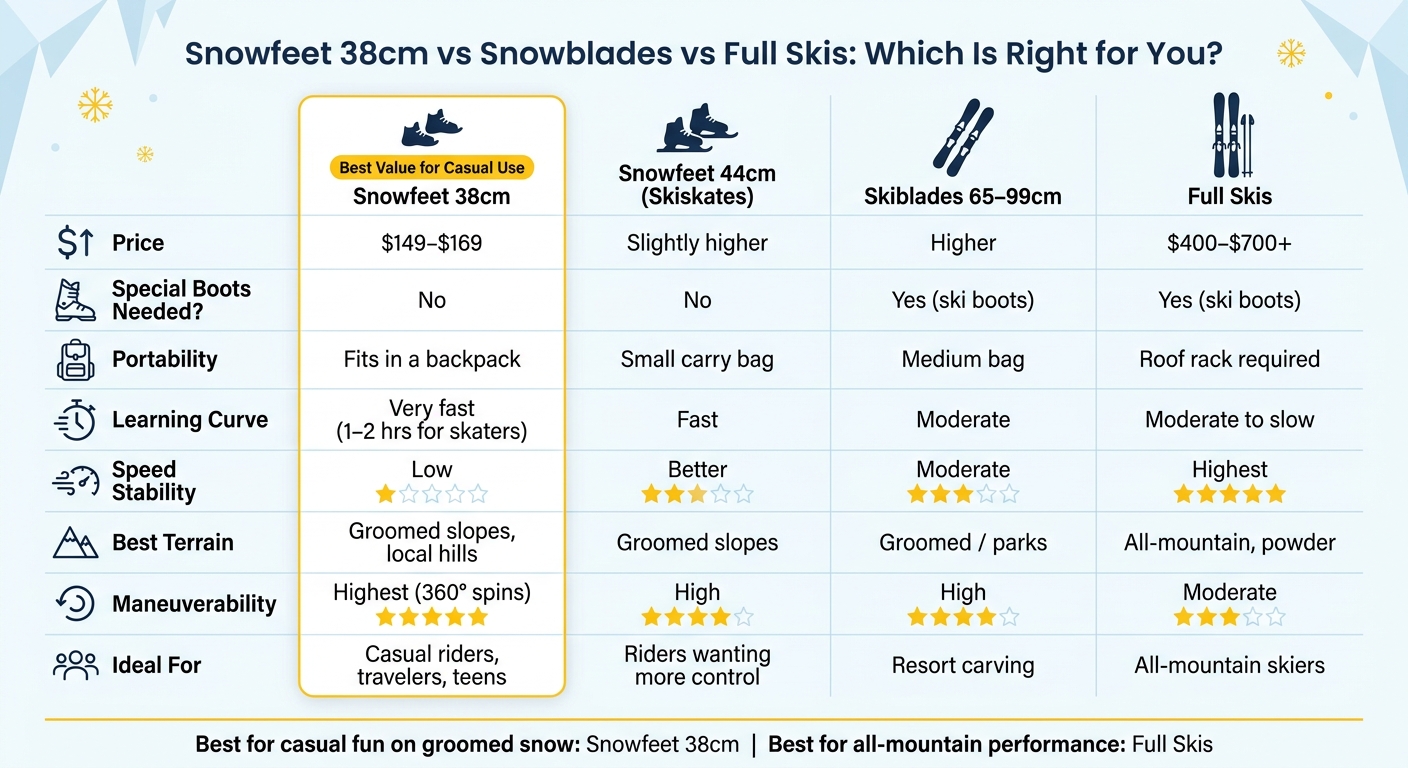
Snowfeet 38cm vs Snowblades vs Full Skis: Quick Comparison Guide
Snowfeet* Review: Are Skiskates Worth It? | Mini Ski | Skates for Snow | Skating Ski | Short Ski
Quick Comparison
| Option | Best Use | Boots | Stability | Portability | Price Range |
|---|---|---|---|---|---|
| Snowfeet 38 cm | Local hills, groomers, casual fun | Winter or snowboard boots | Low at speed | Very high | $149–$169 |
| Snowfeet 44 cm | Groomers with a bit more control | Winter or snowboard boots | Better | High | Higher than 38 cm |
| Skiblades 65–99 cm | Resort laps and carving | Ski boots | Higher | Medium | Higher |
| Full skis | All-mountain, speed, powder | Ski boots | Highest | Low | $400–$700+ for beginner setup |
So, if your goal is low cost, low hassle, and a grin on mellow snow :), the 38 cm Snowfeet are a solid pick. If your goal is to ski the whole mountain, they’re not the tool for the job.
Learning Curve and On-Snow Feel After a Full Season
What Felt Hard at First and What Got Easier Over Time
After a full season on the same pair, the biggest takeaway was simple: they stop feeling weird fast.
The first hour is the rough part. At 38 cm long, there isn't much room for sloppy weight shifts. Lean a bit too far forward or back, and yep, you're on the snow before you know it. Those sudden spills are part of the early learning phase.
Who adjusts fastest?
- Skaters usually pick it up first
- Beginners need a bit more time
- Snowboarders often have the hardest start
The good news is that the adjustment period is short. Ice skaters and hockey players often get comfortable within 1 to 2 hours, since the movement feels close to a hockey stride. Complete beginners on easy groomed slopes may need a full day before they feel steady.
That's a big reason these make sense for casual riders and small local hills. Most people are having fun before the day ends, not spending the whole session stuck on square one. Once that clicks, the next thing that matters is control on actual snow.
Control, Stopping, and Stability on Groomed Snow
On packed groomed snow at low to moderate speeds, the Snowfeet 38 cm do a nice job. The metal edges grip well for quick turns and fast direction changes. And once the hockey stop clicks, speed control feels natural and easy to trust.
Their weak spot is speed. The short platform stays nimble, but it gets less steady as speed builds. So, this size is made more for playful, lower-speed riding than bombing down groomers.
On icy patches, you need to pressure the edges with a bit more intent than you would on longer skis. Boot choice matters here more than some people expect. Supportive winter boots or snowboard boots can make a clear difference in edge control.
Comparison Table: Snowfeet 38 cm vs Snowblades vs Full-Length Skis
| Feature | Snowfeet 38 cm | Snowblades (90–100 cm) | Full-Length Skis (160 cm+) |
|---|---|---|---|
| Learning speed | Very fast (for skaters) | Fast | Moderate to slow |
| Turning radius | Ultra-short / pivot | Short | Wide / carving |
| Stopping | Hockey stop / heel brake | Traditional edges | Traditional edges |
| Speed stability | Low | Moderate | High |
| Maneuverability | Highest (360° spins possible) | High | Moderate |
| Terrain fit | Groomed / small hills | Groomed / parks | All-mountain / powder |
Full-length skis still win when speed and all-mountain range matter most. That makes the 38 cm version feel less like a full ski swap and more like a playful tool with its own lane. And, honestly, that's the point.
That matters even more once boot fit enters the picture.
sbb-itb-17ade95
Comfort, Boot Compatibility, and Where They Work Best
Riding in Regular Winter Boots Instead of Ski Boots
After a full season, the biggest win is simple: no ski-boot barrier.
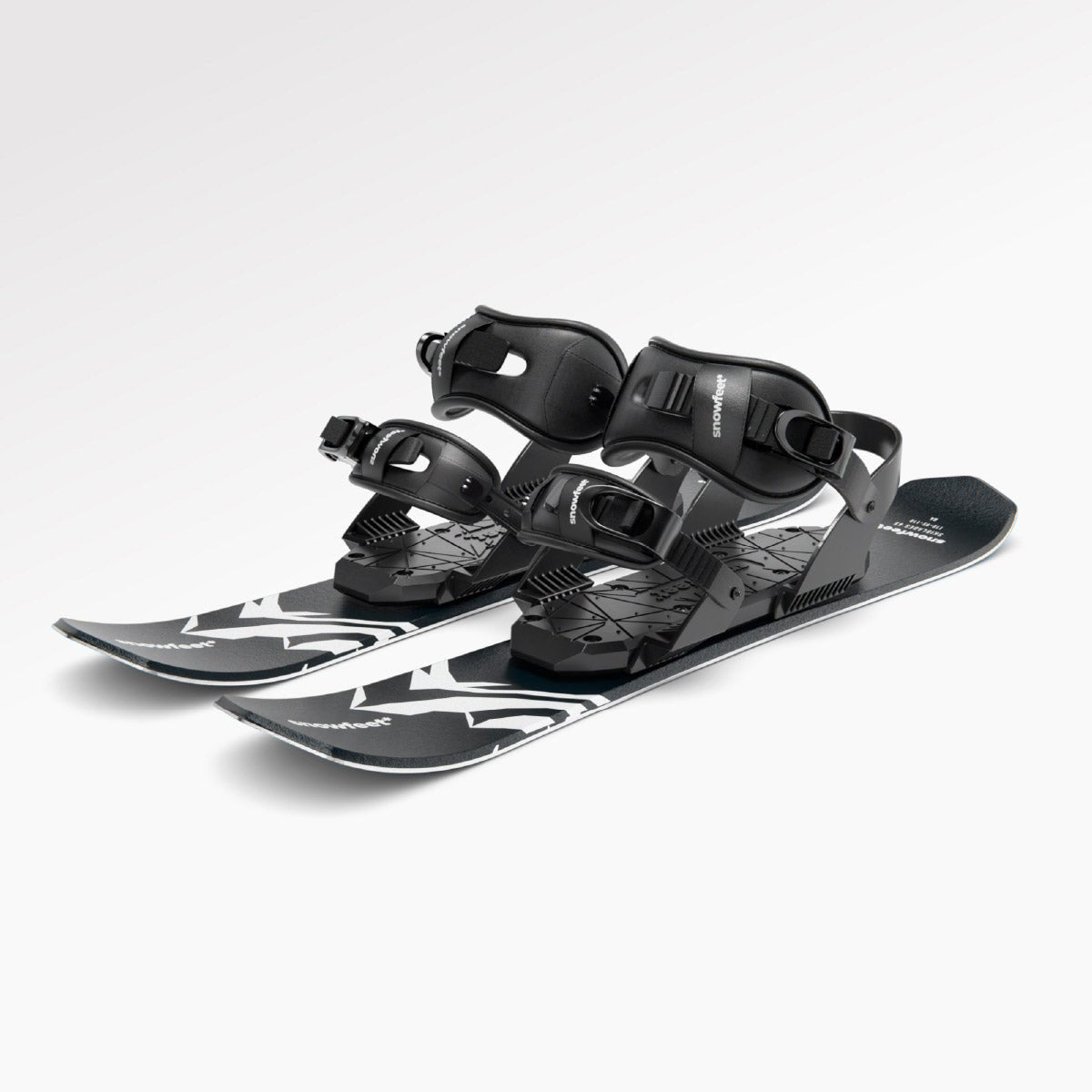
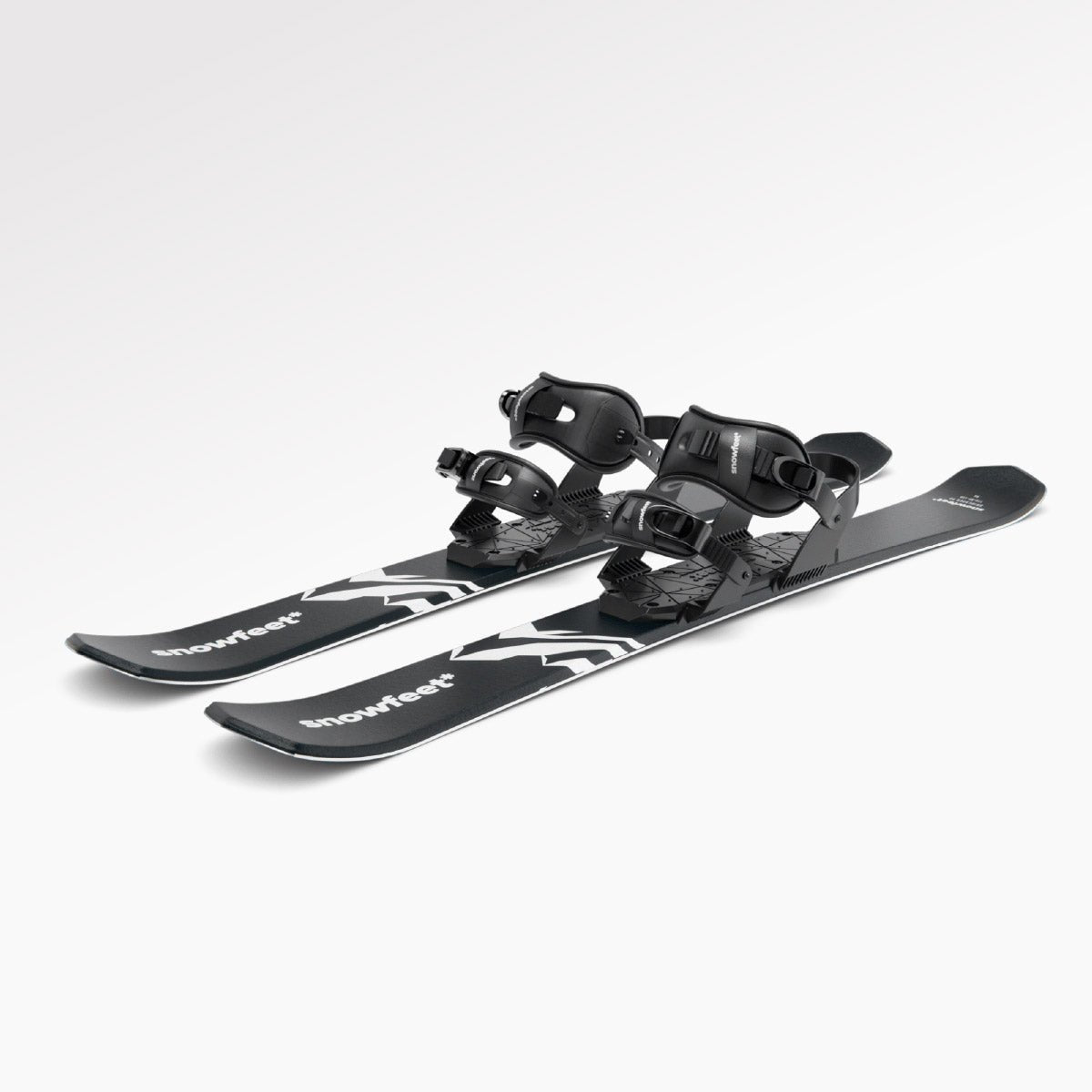
The bindings adjust to the stated boot range, so you can use waterproof winter boots or snowboard boots and head out. That makes the setup feel easy from the start. You buckle in fast, buckle out fast, and it still works well in cold, wet weather.
The trade-off shows up a few hours later. Regular winter boots flex more than ski boots. So your ankles have to do more of the work to keep you steady. After a longer session, stiffer boots tend to feel better because they cut down on ankle fatigue.
Where Snowfeet 38 cm Shine and Where They Fall Short
The 38 cm length works best on groomed green and blue runs, packed snow, and local sledding hills. That’s where they feel fun, light, and easy to toss around.
Soft snow is a different story. They don’t have much float, so they sink. On hard ice, the short edges ask for more deliberate pressure and feel less forgiving than longer skis. They’re not made for steep, icy terrain. But for casual riding and short sessions on easy-to-reach terrain, they make a lot of sense.
That easy, grab-and-go feel matters even more once you look at how the setup compares across different terrain.
Comparison Table: Snowfeet 38 cm vs Longer Snowfeet Models by Terrain
| Terrain | Snowfeet 38 cm | Skiskates 44 cm | Skiblades 65–99 cm | Full-Length Skis |
|---|---|---|---|---|
| Groomed slopes | Good (playful, skating style) | Great (more stable) | Excellent | Excellent |
| Local hills / backyard | Excellent | Great | Fair | Poor (overkill) |
| Deep powder | Poor (sinks) | Poor | Fair | Excellent |
| Narrow trails / backcountry | Excellent | Good | Fair | Poor |
| Travel / portability | Excellent (easy to pack) | Great (small carry bag) | Fair | Poor (requires roof rack) |
| Best boot setup | Winter or snowboard boots | Winter or snowboard boots | Ski boots | Ski boots |
That small footprint matters most if you want something you can carry, pack, and use often. It’s the kind of gear you can toss in the car without turning the whole trip into a production :)
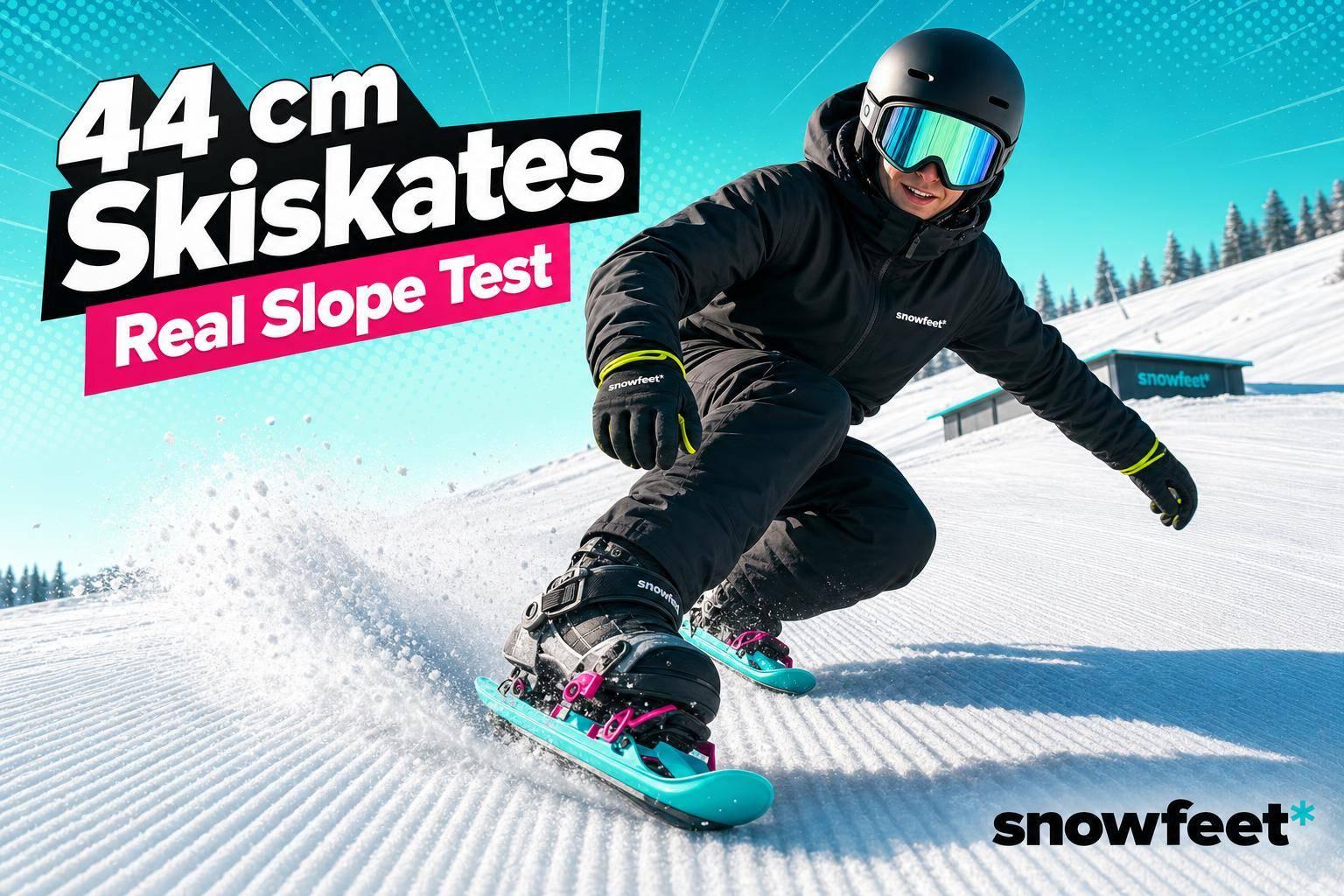
If you want a bit more stability on groomed runs, the 44 cm Skiskates are the closest step up. The 65–99 cm Skiblades lean more toward resort carving, but they also pull you back into ski-boot territory.
Durability, Portability, and What Ownership Looks Like After One Season
What Held Up Well and What Showed Wear
After a full season, the 38 cm body still held up well. The fiberglass-reinforced build didn’t crack, warp, or show clear stress marks. That’s the good news.
The wear showed up mostly on the surface. The top deck picked up scuffs, and the base got scratches, which makes sense after steady use on packed snow, ice, and rougher patches. So, after one season, the main issue isn’t survival. It’s upkeep.
The metal edges need the most attention. They dull first, especially on man-made snow. The fix is simple: a handheld sharpener brings back some bite. When the edges go dull, you’ll notice less grip.
The ratchet buckles stayed dependable, and the ladder straps showed only light wear. A couple of small habits can save you headaches later:
- Wipe the metal edges dry after each session to help stop surface rust
- Check the binding mounting screws now and then, since repeated downhill vibration can loosen them over time
Nothing dramatic here. Just normal wear, plus a bit of routine care.
Why Portability Is One of the Biggest Day-to-Day Advantages
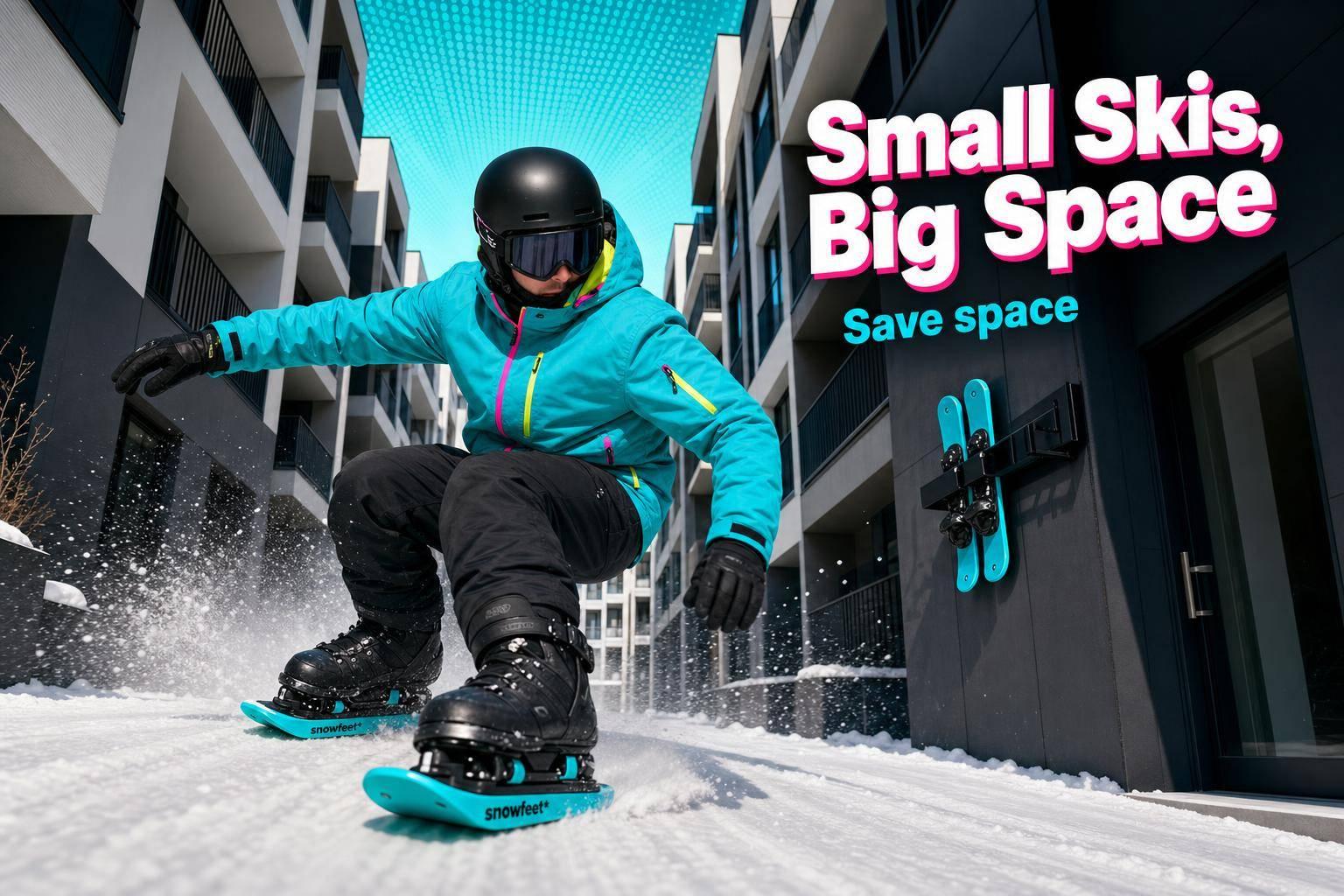
This is where the 38 cm size earns its keep. They fit in a backpack or duffel, which makes transport easy and storage almost laughably simple. You don’t need a big gear corner, a wall rack, or the garage shuffle.
That small size also makes off-season storage easy. Toss them on a shelf, slide them into a closet corner, or stash them in a drawer-sized spot. Done.
It also changes how often you’ll use them. Because they’re so easy to carry, spontaneous sessions feel doable. Hike-up, ride-down laps make sense with gear like this. That kind of convenience is a big part of the value.
Comparison Table: Snowfeet 38 cm vs Full Ski Setups on Ownership Hassle
| Ownership Factor | Snowfeet 38 cm | Full Ski Setup |
|---|---|---|
| Transport | Fits in a backpack or duffel bag | Requires a roof rack or long ski bag |
| Storage at home | Small shelf, closet corner, or drawer | Wall space or a garage rack |
| Setup time | Seconds - strap on over existing footwear | Several minutes - boot changes and adjustments |
| Maintenance | Occasional edge sharpening, optional wax, and screw checks | Regular waxing, edge tuning, and binding calibration |
| Weight to carry | Lightweight and easy to carry by hand | Heavy and cumbersome over distance |
That low-hassle ownership is what sets Snowfeet apart from bulkier setups. And, honestly, that easy day-to-day use is the trade-off to stack up against bigger ski setups.
Bottom Line: Are Snowfeet 38 cm Worth Buying After a Season?
Who Gets the Most Value for the Price
After a full season, the main question is pretty simple: do the fun and convenience make up for the limits?
After months on groomers, local hills, and spring snow, the answer is yes for the right person. At $149–$169, Snowfeet 38 cm give you a low-cost way to get into winter sports without buying a full ski setup. And that matters, because a beginner ski kit often starts at $400–$600.
The people who tend to get the most from them are easy to spot. Skaters, especially hockey players and inline skaters, usually learn them the fastest. Travelers get a big plus too, since they pack small and don’t turn every trip into a gear-hauling mission.
The Main Trade-Offs You Need to Accept
That good price comes with some clear limits.
The short platform has a ceiling. Snowfeet 38 cm stay fun and easy on groomed terrain, but they lose stability and float in powder or when you start moving fast. They’re not made for black diamonds or big-mountain carving.
Boot support is the other big thing. Regular winter boots work fine on groomed green and blue runs, but they don’t give you the stiffness for harder, more aggressive turns. If you want to ride steeper terrain on a regular basis and push them more, moving up to a longer Snowfeet model makes more sense. Full ski setups are still the better tool for speed, powder, and serious resort riding.
Comparison Table: Snowfeet 38 cm vs Beginner Ski or Snowboard Setups
The difference is pretty direct: Snowfeet 38 cm win on price, portability, and ease of use. Beginner ski or snowboard setups win on speed and terrain range.
| Feature | Snowfeet 38 cm | Beginner Ski or Snowboard Setup |
|---|---|---|
| Approx. Cost (USD) | $149–$169 | $400–$700+ |
| Special Boots Needed? | No (regular winter or snowboard boots) | Yes (dedicated ski or snowboard boots) |
| Portability | Fits in a backpack | Requires roof rack or large gear bag |
| Ideal Terrain | Groomed trails, local hills, frozen lakes | All-mountain, resorts, powder |
| Learning Curve | Fast for skaters; moderate for others | Moderate to steep for beginners |
| Value for the Money | Very high for casual use | High for dedicated sport |
For casual riders, Snowfeet 38 cm are the simpler and lower-cost pick. Full ski setups still do better with speed and bigger terrain, but for most laid-back days on groomed snow, these are easier to carry, easier to learn, and way less of a hassle :)
FAQs
Are Snowfeet 38 cm good for adults?
Yes - the 38 cm Snowfeet Mini Ski Skates are a solid pick for adults who want a portable, fun swap for standard ski gear.
The big plus is fit. Their adjustable bindings work with US boot sizes 6–13, so you can use your own winter boots or snowboard boots. That makes things simple. No need to hunt down a whole new setup.
They’re built for quick, skate-like movement, and the learning curve is short. So if you want something easy to pick up and fun to mess around with, these make a lot of sense :). They work best for casual riding on:
- Groomed slopes
- Sledding hills
- Hiking paths
That said, long skis still have the edge in deep powder and at higher speeds, where you want more stability and control.
Can I use Snowfeet 38 cm at a ski resort?
Yes - you can use Snowfeet 38 cm Mini Ski Skates at a ski resort.
They’re built as a handy alternative to regular skis or a snowboard, so you can glide, turn, and stop on groomed slopes without much fuss.
One of the big perks is the boot setup. They attach to regular winter boots or snowboard boots, which makes them much easier to walk in. That means getting around the lodge, shuffling through lift lines, or hopping on and off a chairlift feels a lot less awkward.
It’s a simple setup, and that’s a big part of the appeal :)
Should I buy the 38 cm or a longer Snowfeet model?
It comes down to where you ride and what you want out of it.
The 38 cm Mini Ski Skates are the most portable pick. They’re also the most beginner-friendly, which makes them a great fit for casual laps in the backyard, sledding hills, and mellow slopes.
Go with a longer model if you want:
- more stability
- better control
- more speed
- stronger performance on moderate or steeper runs
Stick with 38 cm if portability and pure fun matter most :)


Hinterlassen Sie einen Kommentar
Diese Website ist durch hCaptcha geschützt und es gelten die allgemeinen Geschäftsbedingungen und Datenschutzbestimmungen von hCaptcha.