
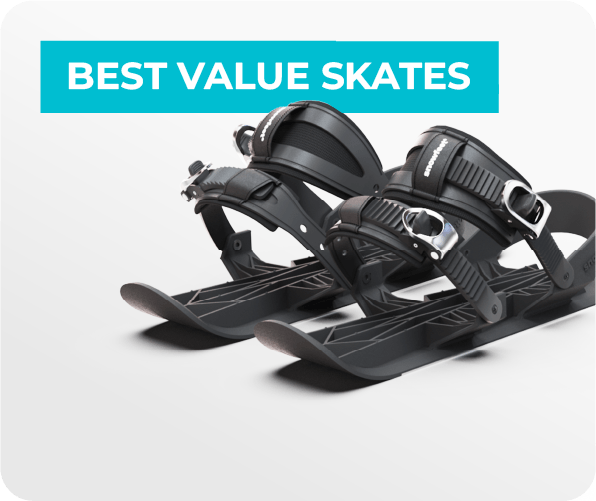
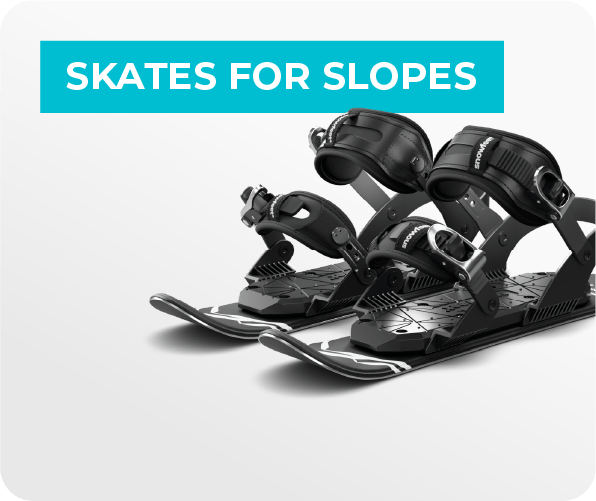
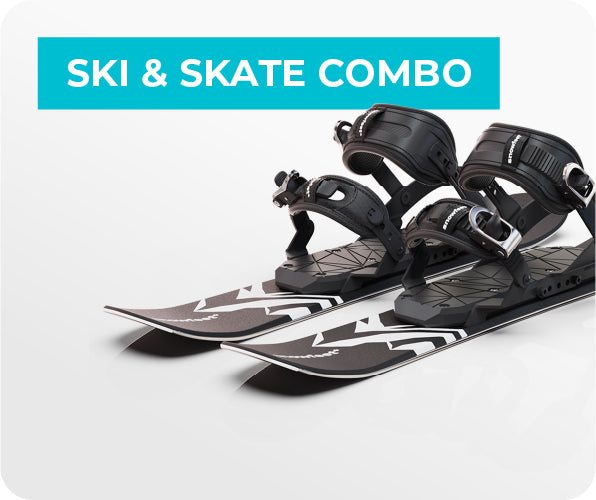
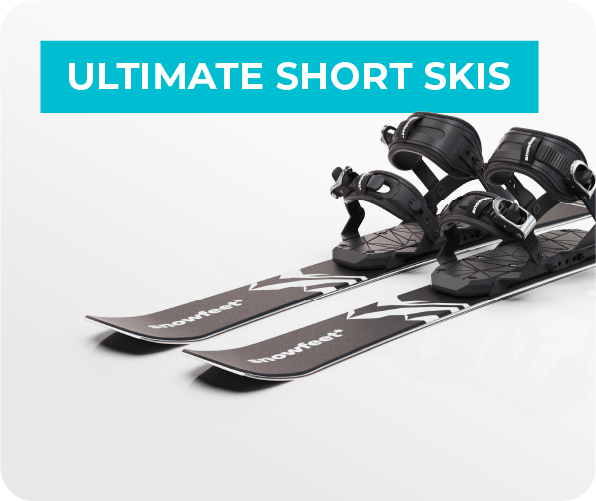
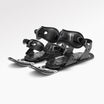
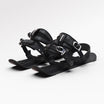
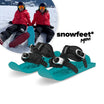
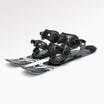
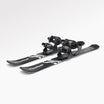
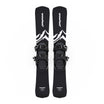
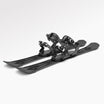
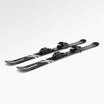
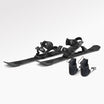
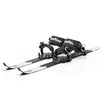
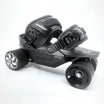
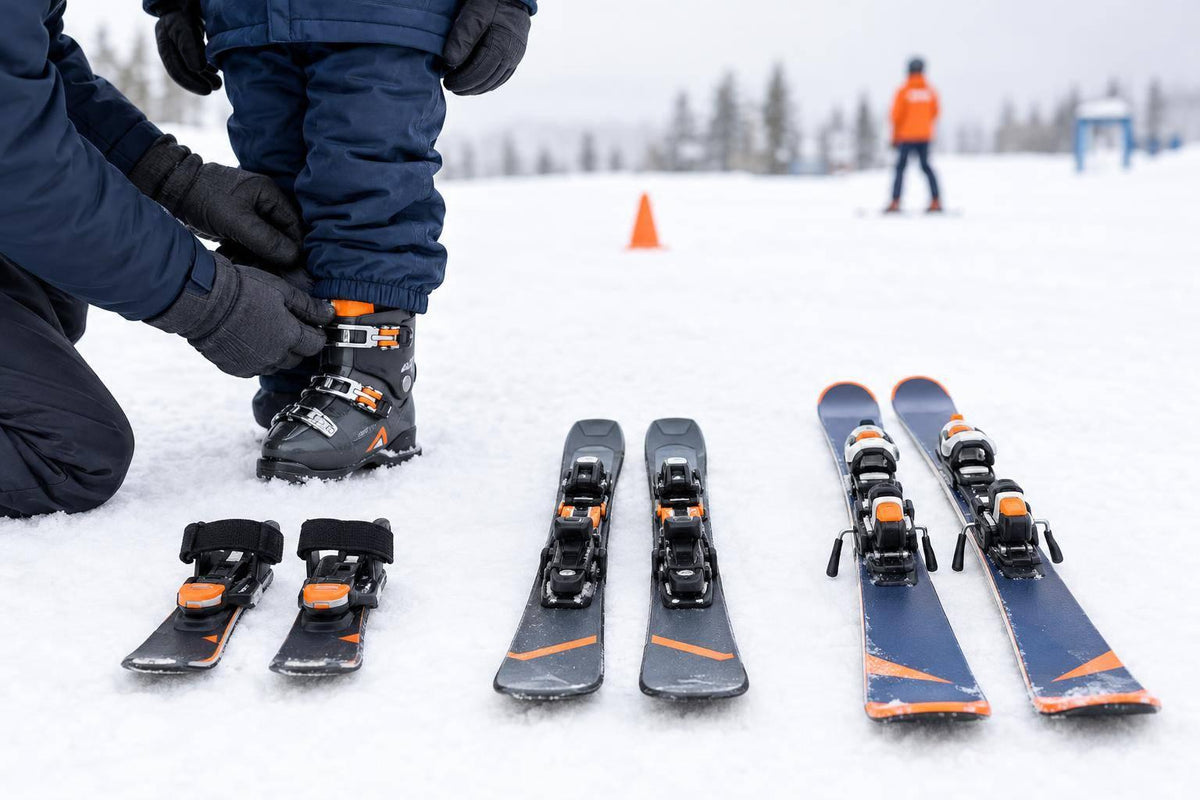
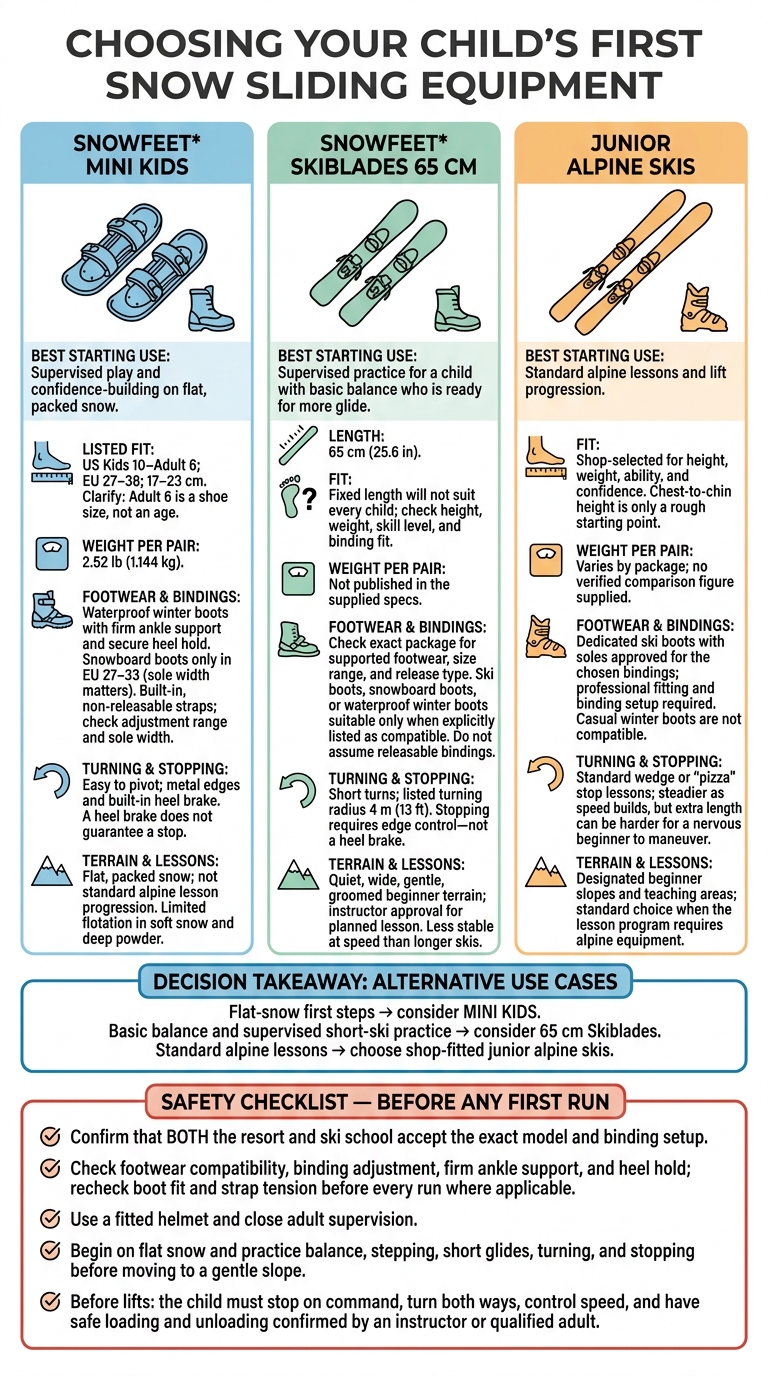
_I’d choose junior alpine skis for standard lessons and Snowfeet MINI KIDS for first steps on flat snow._* The 65 cm Skiblades are another option for a child who has basic balance and wants more glide - but only if the boots, bindings, and lesson plan fit.
My first check? Secure boots and a way to stop. Small skis may feel less scary, but easy turns don’t mean easy stops.
Quick Comparison
| Option | Best starting use | Fit and weight | Control |
|---|---|---|---|
| Snowfeet MINI KIDS* | Supervised play on flat, packed snow | US Kids 10–Adult 6; 2.52 lb per pair | Easy to pivot; heel brake; non-release straps |
| Snowfeet Skiblades 65 cm* | Supervised practice on gentle, groomed snow | About 26 inches long; check the exact boot and binding package | Short turns; stopping takes edge control |
| Junior alpine skis | Standard lessons and lift progression | Shop-fitted ski boots and bindings; weight varies | Standard wedge-stop lessons; steadier as speed builds |
I’d put fit, stopping, and instruction ahead of ski length. <u>Before buying or booking, confirm that both the resort and ski school accept the exact setup.</u> Then start on flat snow with a fitted helmet and close adult supervision. There’s no rush to reach the chairlift. :)
First Skis for Nervous Kids: Compare 3 Options
1. Snowfeet* MINI KIDS
Child Fit and Weight
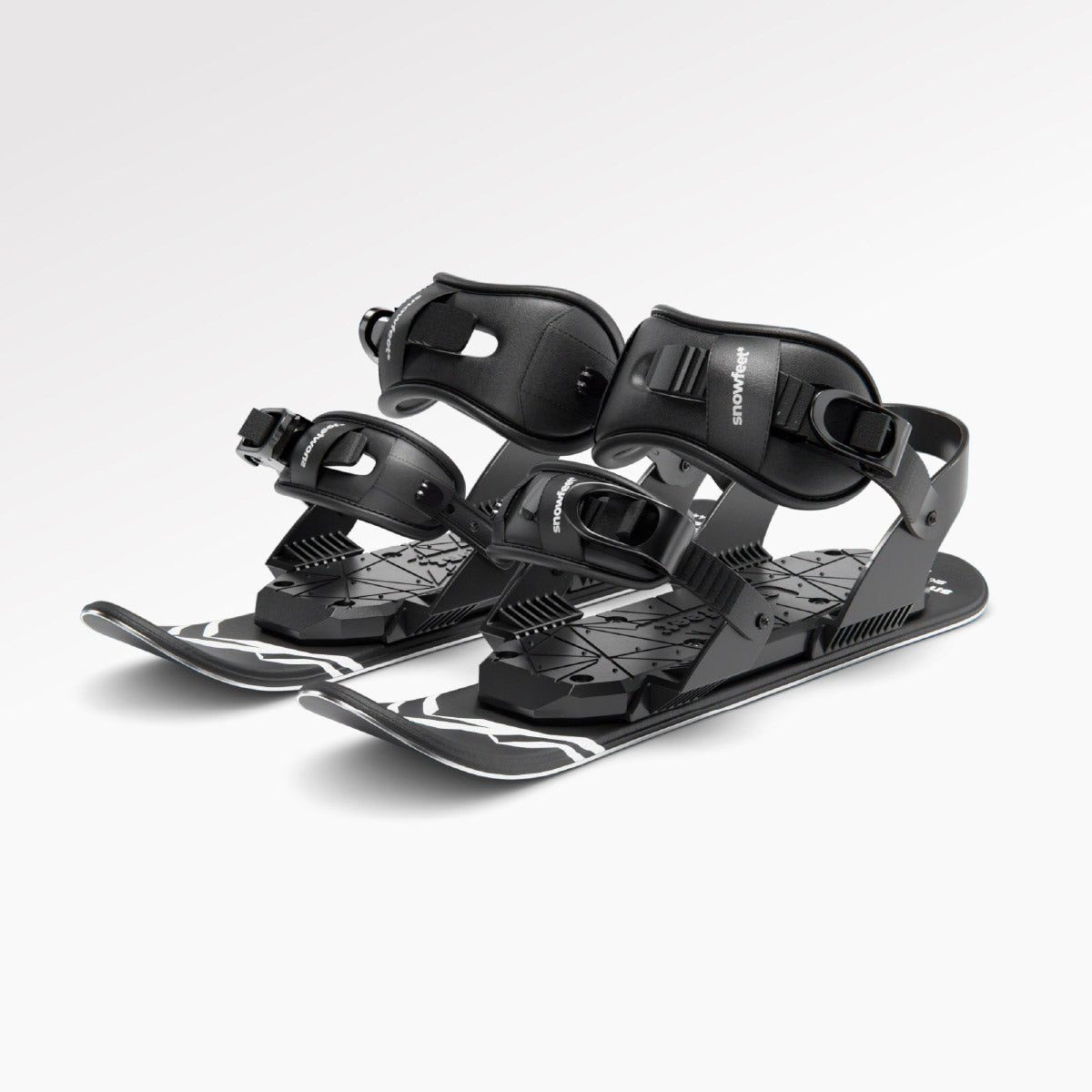
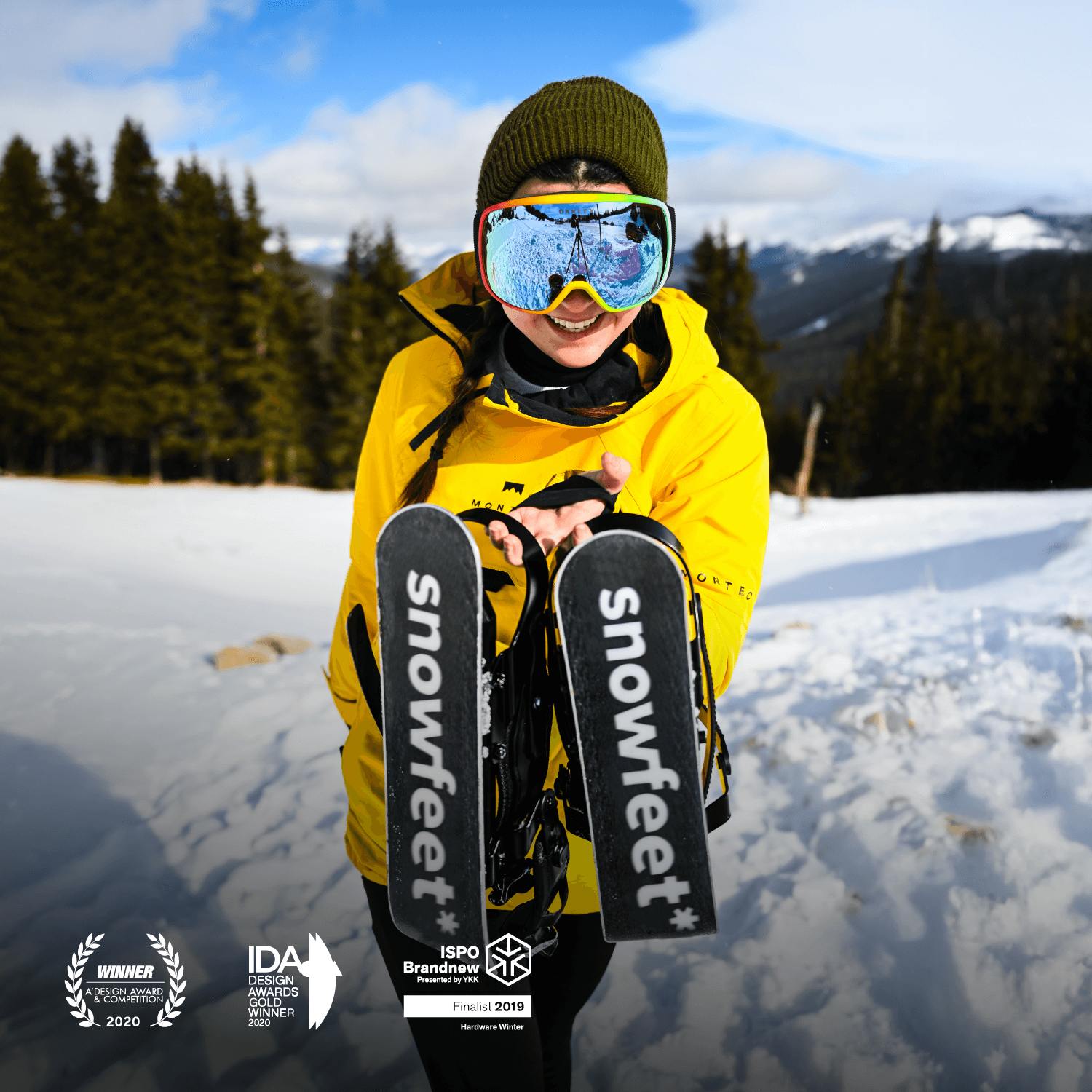
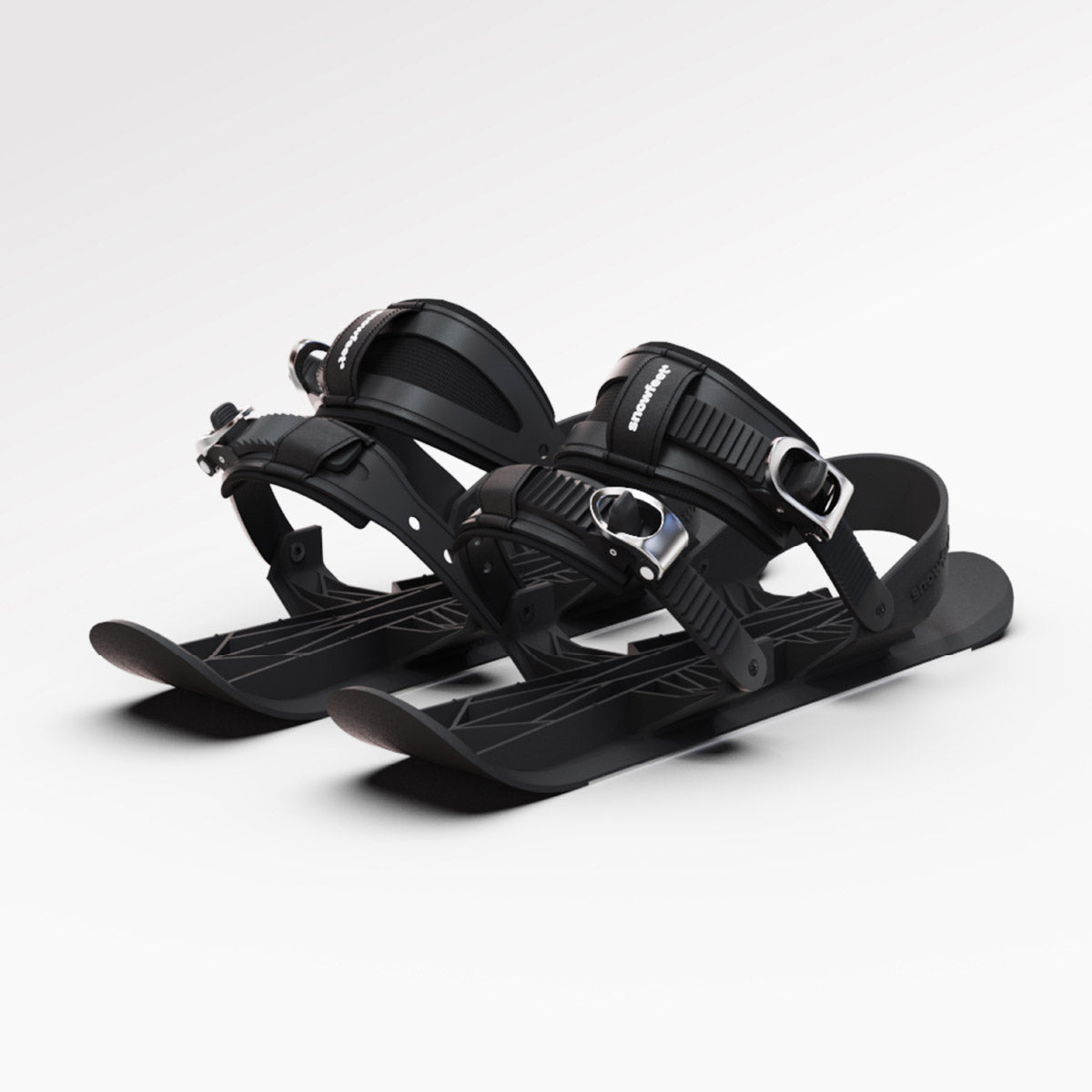
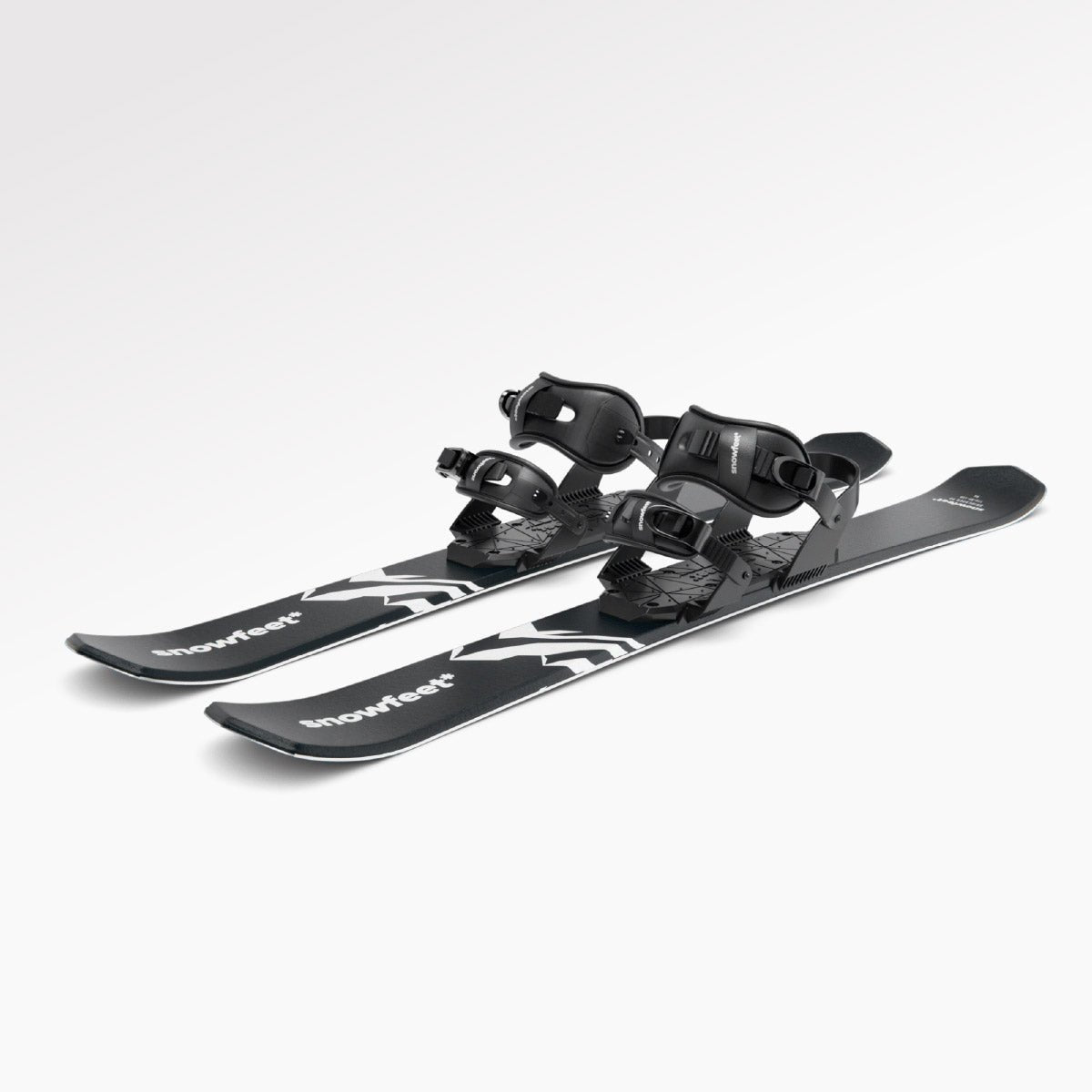
MINI KIDS fit US Kids size 10 through US Adult size 6. That “6” means an adult shoe size, not an age limit. Each pair weighs 2.52 lb (1.144 kg).
Their small footprint helps kids take their first steps and check their balance on flat snow. The current product page lists $250, but check the Snowfeet* store before buying.
Boots and Bindings
Choose waterproof winter boots that hold the ankle firmly. Set the footbed to its smallest setting, then tighten the straps until the heel stays put. The straps don’t have an alpine-style release, so boot fit matters more than it does on standard skis.
Turning and Stopping
MINI KIDS combine skating-style movements with metal ski edges and a built-in heel brake. Start with speed control on nearly flat, packed snow before trying a slope. The heel brake is another way to control movement - not a promise that your child will stop.
These short skis suit slow, short turns and are easy to maneuver. That makes them the easiest starting point for very cautious children, though the trade-off is less speed and glide.
Terrain and Lessons
Stick to packed snow. The small surface area limits how well MINI KIDS float in soft snow and deep powder. Check resort and lesson rules before booking, since some ski schools don’t allow this type of short ski. Within the Snowfeet* range, MINI KIDS are the best choice for very cautious beginners on easy terrain.
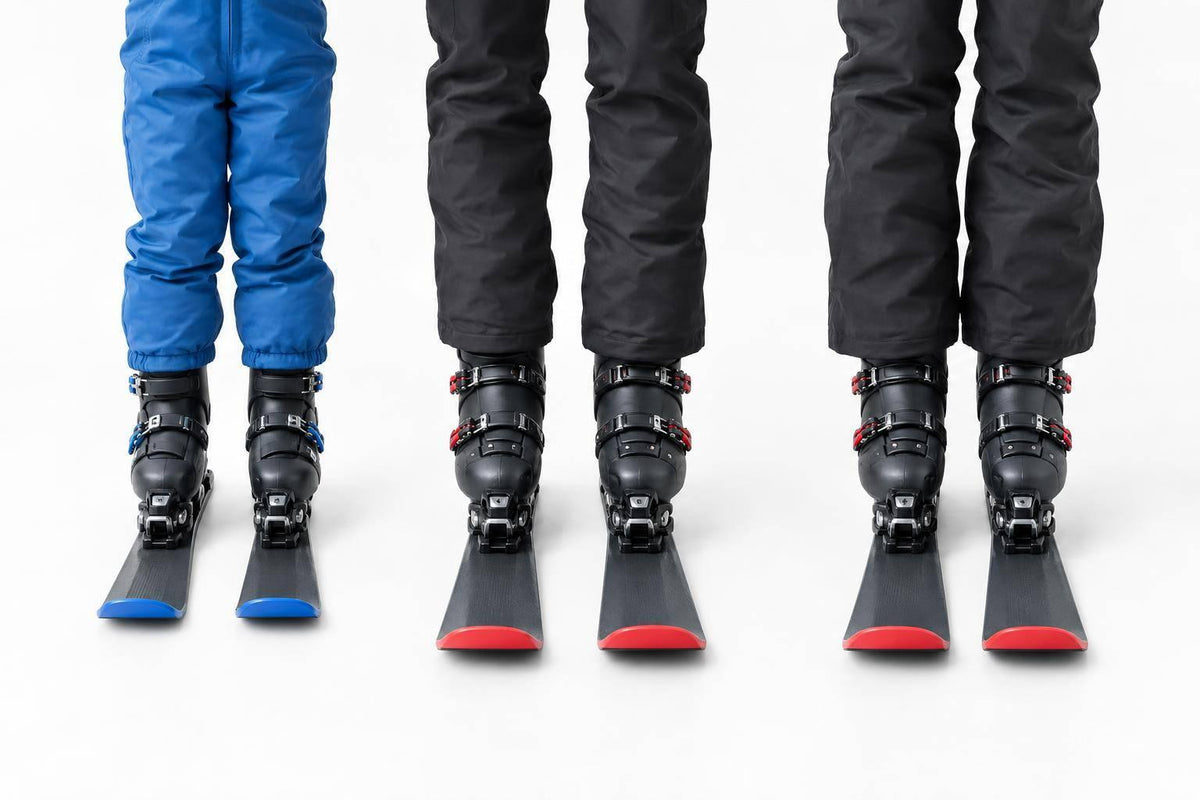
For a child who wants more glide and a feel closer to skiing, compare MINI KIDS with the 65 cm (about 26 in) Skiblades next. Just keep in mind that Skiblades add weight and feel less forgiving.
2. Snowfeet* Skiblades 65 cm
Child Fit and Equipment Weight
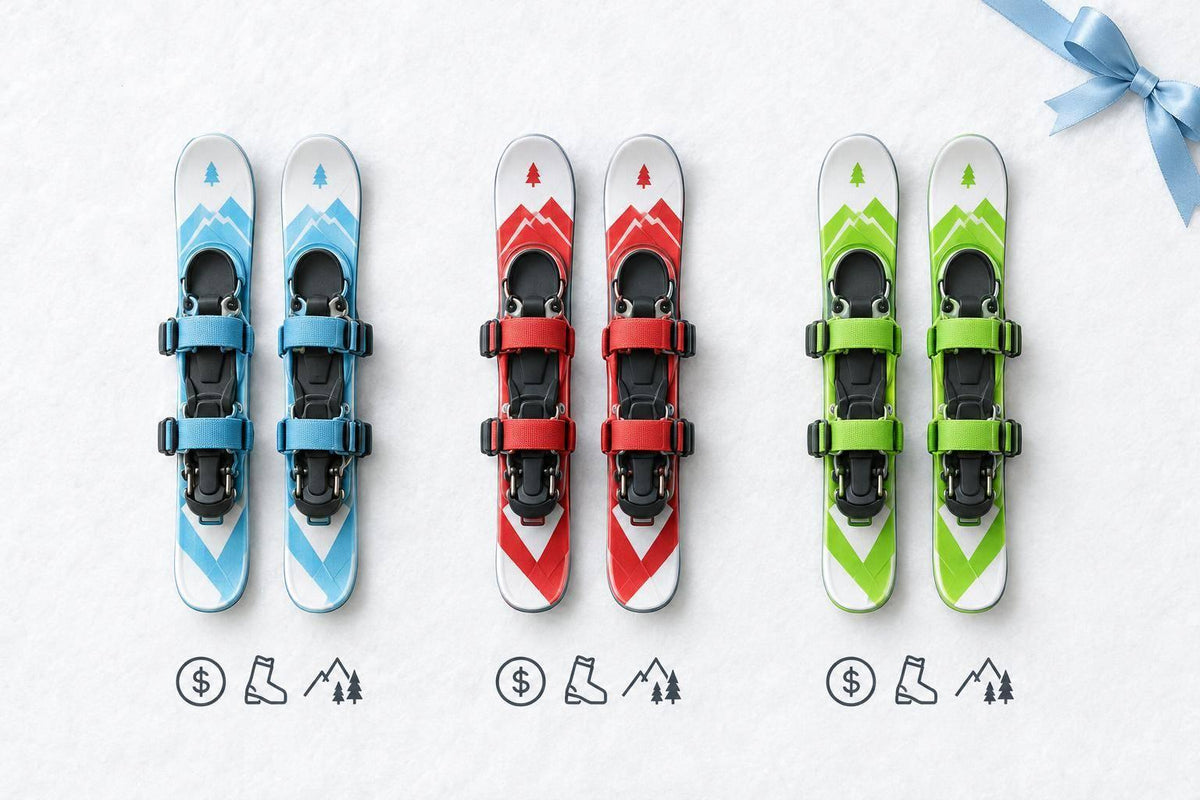
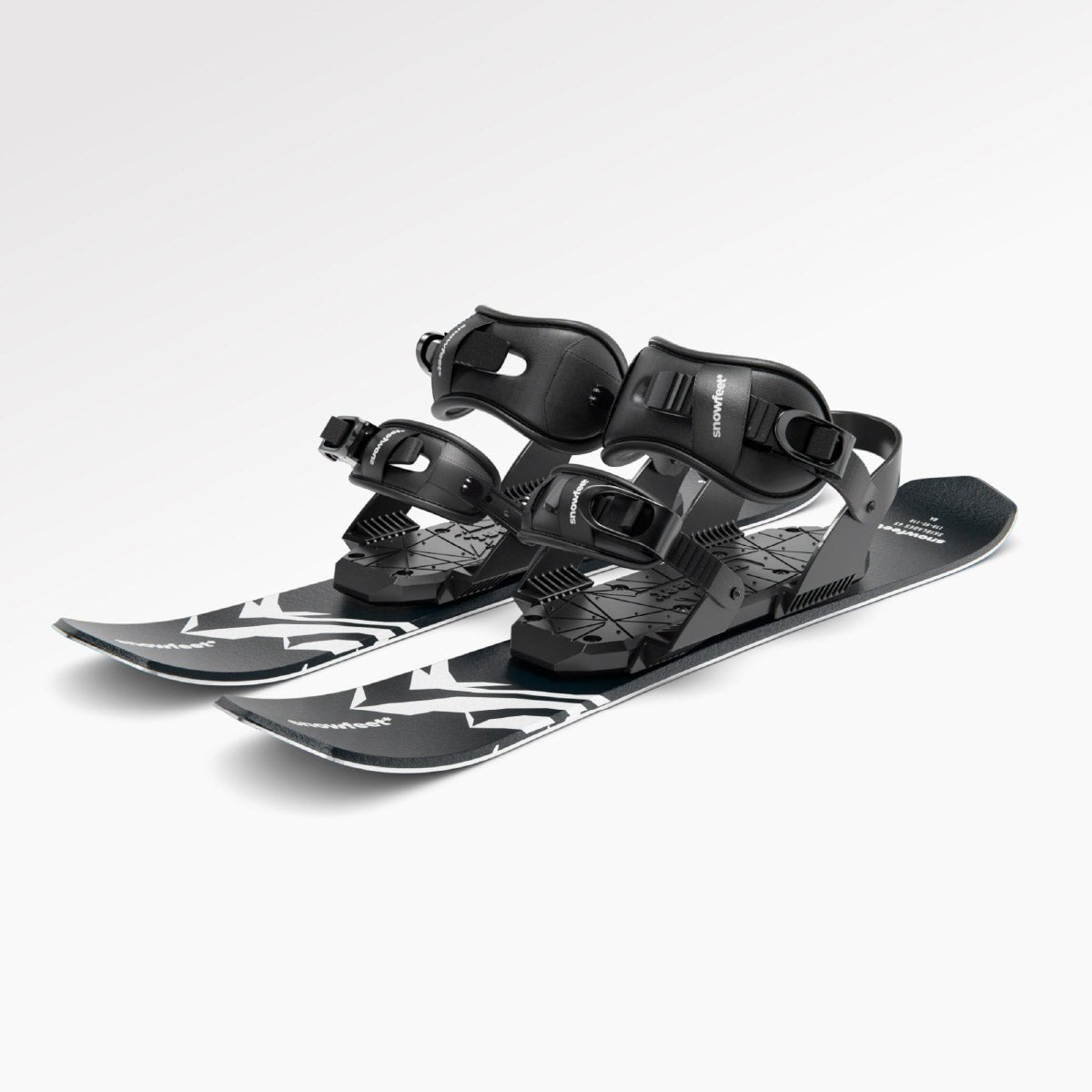
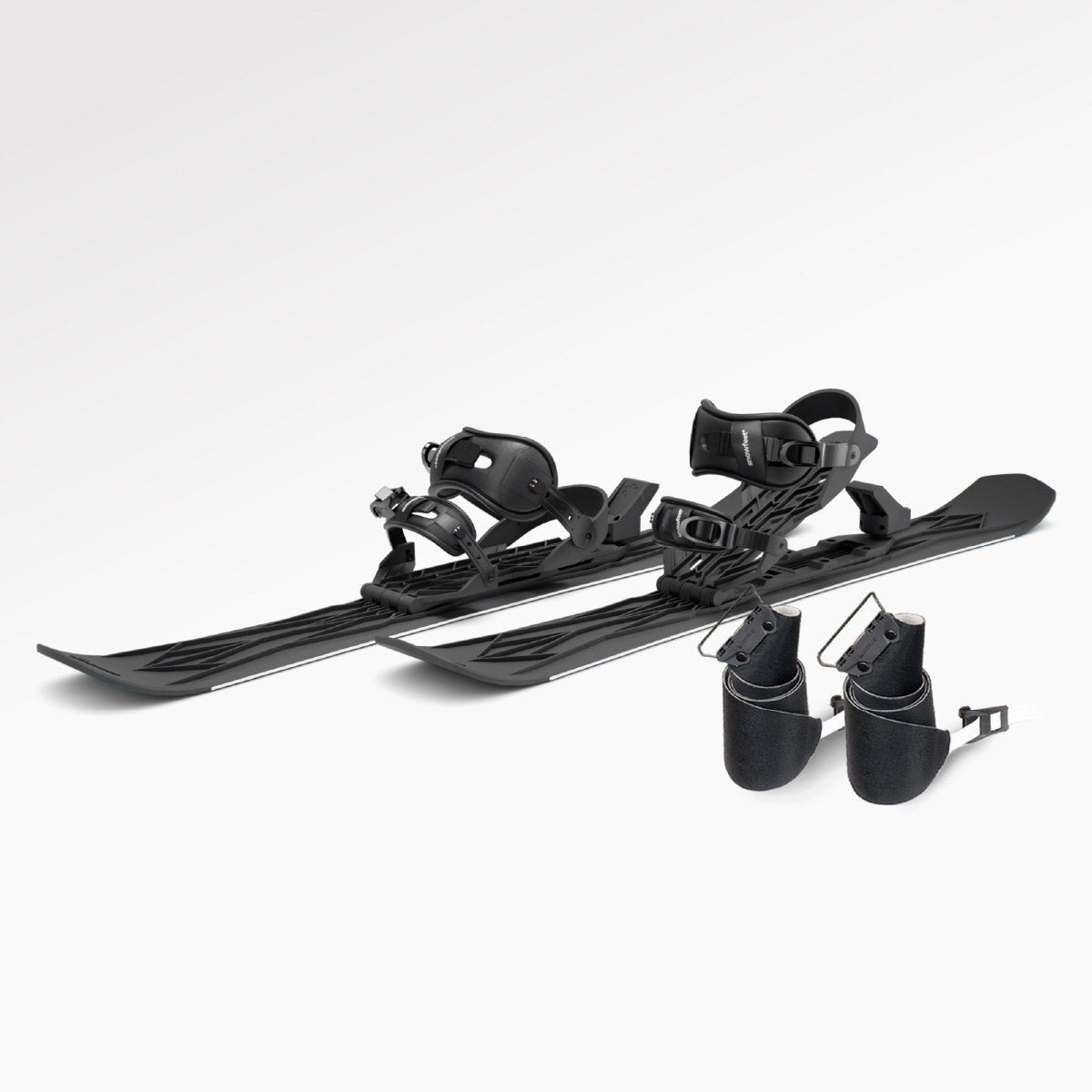
At 65 cm (25.6 in), these skiblades offer more glide than MINI KIDS without the bulk of junior skis. They’re a step up when MINI KIDS feel too limiting, but your child still needs a short ski to help build confidence.
Boot and Binding Compatibility
Check the exact binding package before buying. Use ski boots, snowboard boots, or waterproof winter boots only if Snowfeet* lists them as compatible with that package. A snug boot fit and firm ankle support matter just as much as ski length. Snowfeet* lists the 65 cm Skiblades from $650.
Turning and Stopping
The short platform helps make turns easier. But stopping takes edge control - not a heel brake. That means your child needs to pay more attention to speed control than on MINI KIDS.
Terrain and Lessons
Start on a gentle, groomed beginner slope. Snowfeet* recommends groomed snow, packed slopes, and snow parks rather than deep powder. While your child learns, stick to easy terrain. Before you arrive, check that the resort allows this equipment and the ski school accepts it for lessons.
If your child needs more stability at speed or a standard ski-school setup, compare these with junior alpine skis next.
3. Junior Alpine Skis
Child Fit and Equipment Weight
Junior alpine skis are the standard lesson setup, so they’re a familiar choice. But they can feel bulky for a nervous child. A shop should match ski length to your child’s height, weight, ability, and confidence. Snowfeet* MINI KIDS are much lighter.
Boot and Binding Compatibility
Junior alpine skis need dedicated ski boots and compatible bindings - casual winter boots won’t work. Have a shop fit the boots and set the bindings properly.
Turning and Stopping
Junior skis use the familiar wedge stop, which makes them a good fit for beginner lessons. They’re more stable at speed, but their extra length can make them harder to maneuver. For very cautious beginners, short Snowfeet* gear may feel less daunting.
Terrain and Lessons
Choose junior skis when the lesson program requires standard alpine gear. Start on gentle, groomed slopes to practice balance, turns, and stops. For children who already enjoy skating motions, Snowfeet* MINI KIDS may feel less bulky and more natural to use.
Next, compare fit, weight, and maneuverability side by side.
Compare Fit, Weight, and Boot Compatibility
Child Fit and Equipment Weight
For a nervous child, gear weight and a secure boot fit can affect confidence as much as ski length.
Compare weight per pair, including bindings - not just the skis. Only MINI KIDS has a verified weight in the supplied specs. The other two depend on the package.
| Option | Sizing and fit | Weight per pair, including bindings |
|---|---|---|
| Snowfeet* MINI KIDS | Easiest entry; start with shoe size and a secure boot fit | 2.52 lb (1.144 kg) |
| Snowfeet* Skiblades 65 cm | Next step: check height, weight, skill level, and binding fit. The fixed 65 cm length won’t suit every child | Not published in the supplied specs |
| Junior alpine skis | Standard lesson gear; more stable, but may ask more of a nervous beginner. Chest-to-chin height is only a rough starting point | Varies by package; no verified figure supplied for comparison |
Boot and Binding Compatibility
| Option | Footwear and size limits | Binding checks |
|---|---|---|
| Snowfeet* MINI KIDS | Listed range: US Kids 10–Adult 6; EU 27–38; 17–23 cm. Snowboard boots are recommended only in EU 27–33 due to width. | Built-in, non-releasable straps; check the adjustment range and sole width |
| Snowfeet* Skiblades 65 cm | Binding range isn’t specified in the supplied specs | Before ordering, check the current product page for the exact binding option, supported footwear, and release type |
| Junior alpine skis | Dedicated boots with soles approved for the chosen binding | A technician must confirm the adjustment range |
Shoe size is just the first check. For MINI KIDS, choose waterproof footwear with firm ankle support. Make sure the sole sits snugly and the heel doesn’t lift inside the boot or binding.
Have your child try the setup indoors on a protected surface. Watch for pressure points, numbness, or straps that need too much tightening.
Ask a shop to check boot sole compatibility, release settings, and binding function. Don’t assume every Skiblades setup has a releasable binding.
sbb-itb-17ade95
Compare Turning, Stopping, and Terrain
Turning, Stopping, and Stability
MINI KIDS are easiest to pivot; Skiblades turn fast; junior skis feel steadier at speed. With any setup, a child still needs balance, edge control, and a practiced way to brake.
Those differences matter when choosing where to practice and how to teach stopping.
| Skill | Snowfeet* MINI KIDS | Snowfeet* Skiblades 65 cm | Junior alpine skis |
|---|---|---|---|
| Maneuverability | Easiest option for building confidence with small direction changes on flat snow | Fast edge changes with a listed 4 m (13 ft) turning radius | More predictable forward glide |
| Glide | Short glides on flat snow | Controlled gliding on groomed snow | More consistent forward glide |
| Edge learning | First steps in balance and direction control | Steel edges for edging and short turns | Standard edging and parallel-turn lessons |
| Snowplow practice | Supervised first attempts | Instructor approval needed for the planned lesson | Strongest choice for learning the wedge, or pizza, stop |
| Stability at speed | Best kept to slow practice | Less stable at speed than longer skis | More stable at speed, but harder for a nervous beginner to steer |
MINI KIDS offer the least intimidating start. Skiblades suit short-ski practice, while junior skis fit the standard lesson path.
Terrain and Lesson Suitability
| Equipment | Best starting terrain | Best for lessons |
|---|---|---|
| Snowfeet* MINI KIDS | Flat snow | Supervised confidence-building, not standard alpine lesson progression |
| Snowfeet* Skiblades 65 cm | Quiet, wide, groomed beginner terrain | Instructor-led practice on groomed beginner terrain |
| Junior alpine skis | Designated beginner slopes and teaching areas | Standard choice for alpine lessons and lift progression |
Start MINI KIDS with walking, balance games, and brief glides that end on their own on flat snow. Move to short, instructor-led turns on Skiblades once the child can balance, turn, and slow down reliably. Keep that practice on groomed beginner terrain. Choose junior skis for standard beginner lessons. Teach the snowplow first; save hard stops for later.
Before using any setup, get approval from both the resort and ski school for the exact model - even if it has metal edges. Ask about binding type, retention requirements, and access to learning areas and lifts.
Stick to a quiet, wide beginner area. Avoid ice, steep slopes, terrain parks, deep powder, and crowds. Before riding lifts, the child should stop on command, turn both ways, and control speed. An instructor or qualified adult should also confirm that the child can load and unload safely.
Choose gear that fits the child’s size, confidence, and lesson plan. Check bindings and resort rules before the first run.
How to Choose the Best Skis for Kids
Choose for Your Child and Check Before Starting
Use the fit and terrain comparison above to choose based on confidence, boot fit, and the lesson plan - not age alone. Snowfeet* MINI KIDS offers the least intimidating start for nervous first-time riders. Skiblades 65 cm suit children ready for more glide.
| Your child’s situation | Best starting choice |
|---|---|
| Very cautious and staying on flat snow | Snowfeet* MINI KIDS: Fits US Kids 10 to Adult 6. Snowboard boots work best in EU 27–33 because sole width matters. |
| Has basic balance and is ready for supervised groomed snow | Snowfeet* Skiblades 65 cm: Best for kids ready for more glide and short-ski control on groomed snow. |
| Needs standard alpine lessons or more stability at speed | Junior alpine skis: Best for standard ski boots, alpine bindings, and standard alpine lessons. |
| Unsure about boot fit or snowboard boots | Bring the actual footwear to the shop. Size labels alone aren’t enough. |
If more than one option fits, choose the smallest setup that supports the planned terrain and instruction.
Check more than ski length before the first run. Confirm binding compatibility and adjustment before use, and check boot fit, heel hold, and strap tension before every run. Keep your child under constant adult supervision.
Start on flat snow. Practice balance, stepping, short glides, turning, and a simple stop. Move to a gentle beginner slope only when your child can do each skill with ease.
Before heading out, confirm fit, bindings, and resort permission.
FAQs
Should I rent before buying my child’s first skis?
Renting kids’ skis can make sense for resort lessons, where standard gear is often expected. But heavy, stiff ski boots can add stress for a child who’s already nervous.
_Buying Snowfeet is generally a better fit for building confidence early on._* Light, compact models like MINI KIDS attach to regular winter boots. Your child can practice in the backyard or on gentle nearby hills at their own pace - without waiting in rental lines.
How can I tell if my child is ready for 65 cm Skiblades?
Your child is likely ready for 65 cm Snowfeet Skiblades* once they’ve learned the basics on MINI KIDS or 44 cm Skiskates. They should be able to balance, shift their weight, and glide steadily.
These blades are ideal for kids ages 6–10 who weigh 55–88 lbs and stand 51–61 inches tall. Before making the switch, check that your child enjoys the snow, follows simple instructions, and has the motor skills to move with control.
What should I do if my child panics while gliding?
Start on flat ground or a gentle slope so your child can practice speed control without feeling overwhelmed. Teach the wedge, or “pizza,” technique: have them point the tips of their Snowfeet toward each other to form a V. This helps them slow down and stop.
Snowfeet’s compact, lightweight design makes them easier to steer than standard skis, helping kids regain control. Stay calm, reassure your child, and celebrate small wins to keep practice fun.


Hinterlassen Sie einen Kommentar
Diese Website ist durch hCaptcha geschützt und es gelten die allgemeinen Geschäftsbedingungen und Datenschutzbestimmungen von hCaptcha.