


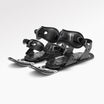
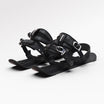
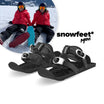
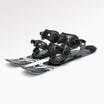
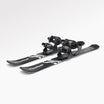
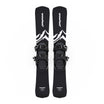
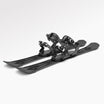
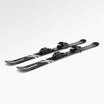
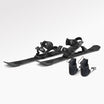
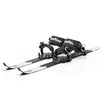
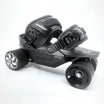
Yes - Snowfeet_ 65 cm Skiblades work with snowboard boots, but only with the snowboard-boot bindings. I’d check your exact boots before buying: the listed US 6–14.5 range is a starting point, not a fit guarantee.
Here’s what I’d check first:
- Boot fit: Sole shape and bulk matter. Burton Step-On boots usually don’t fit; confirm large sizes, especially US 12–13+, with Snowfeet.
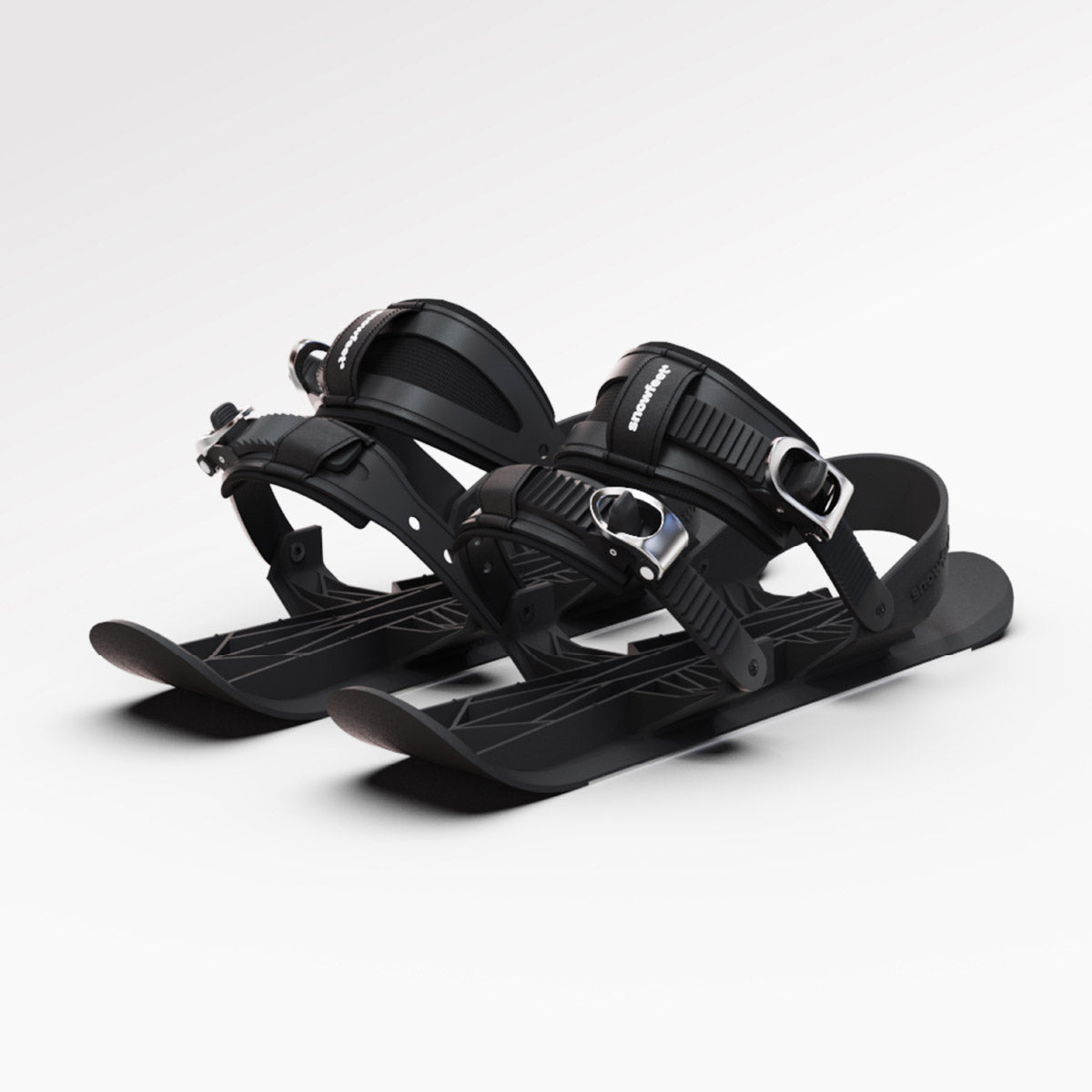
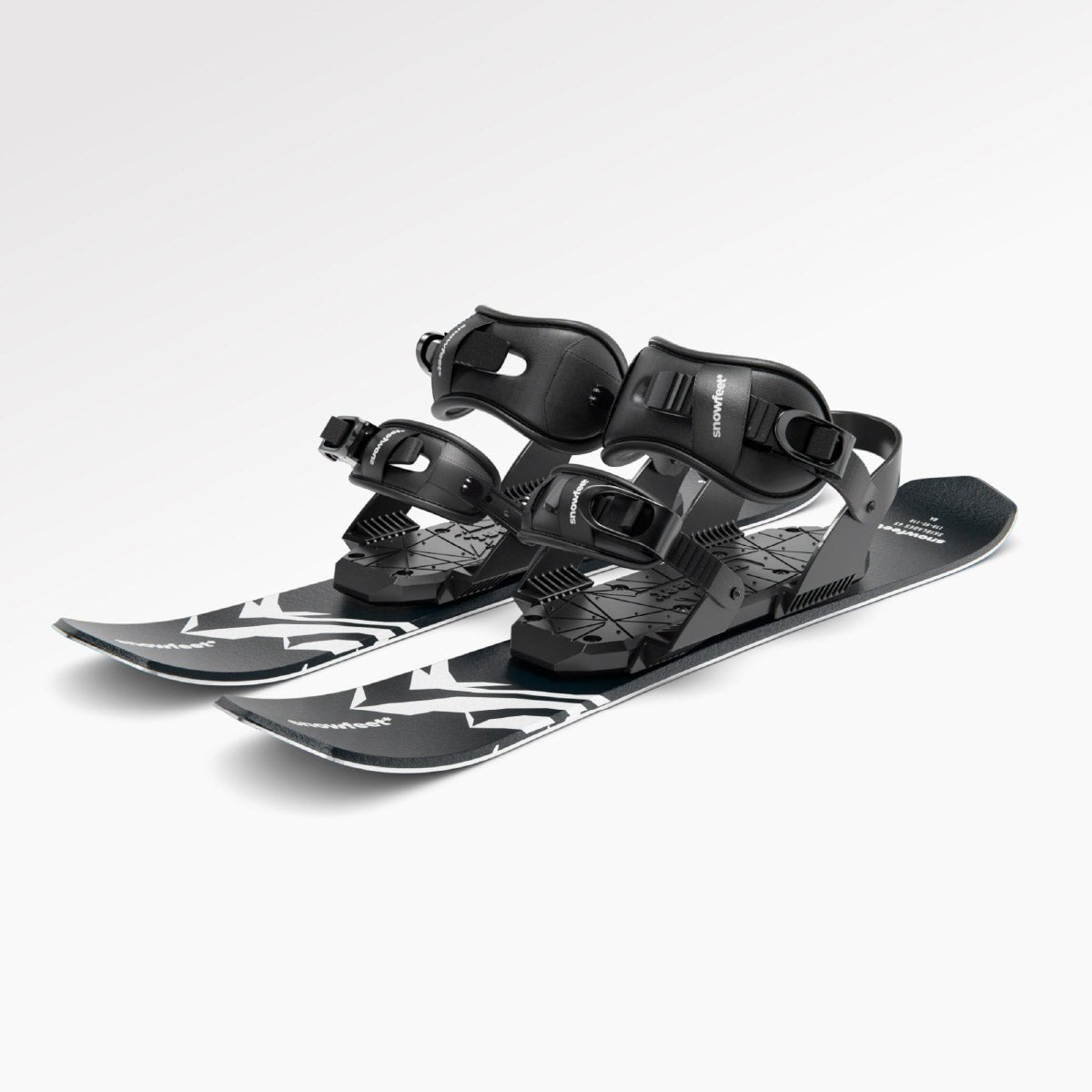
- Binding choice: Snowboard boots offer softer support and easier walking. Ski boots offer firmer support and more precise edge control. Each needs its own binding version.
- Safety: <u>These bindings don’t release during a fall.</u> Use the included leashes, follow the setup instructions, and check both boots and all hardware before each run.
My rule: if either boot wobbles or slips after tightening, don’t ride. Get the fit sorted before you hit the snow.
Freedom on Snow Like Never Before! 🔥 Snowfeet 65 CM unboxing 📦
Which Snowboard Boots Fit?
For the snowboard-boot binding, size is just the starting point. Boot shape and bulk determine whether it fits.
Check the Listed US 6–14.5 Size Range
The listed range is US 6–14.5 (EU 38–49). If your boots sit near either end, check the fit with Snowfeet* rather than relying on size conversions alone.
For boots US 12–13 or larger, or any size outside the listed range, confirm compatibility before you buy.
Check Boot Soles, Heels, and Bulk
Size alone won’t tell you if a boot fits. Use standard snowboard boots with firm soles and intact heels. Soft, bulky, or worn-out boots may not attach securely - even within the listed range. The binding’s anti-slip surface can’t make up for a boot shape that doesn’t fit.
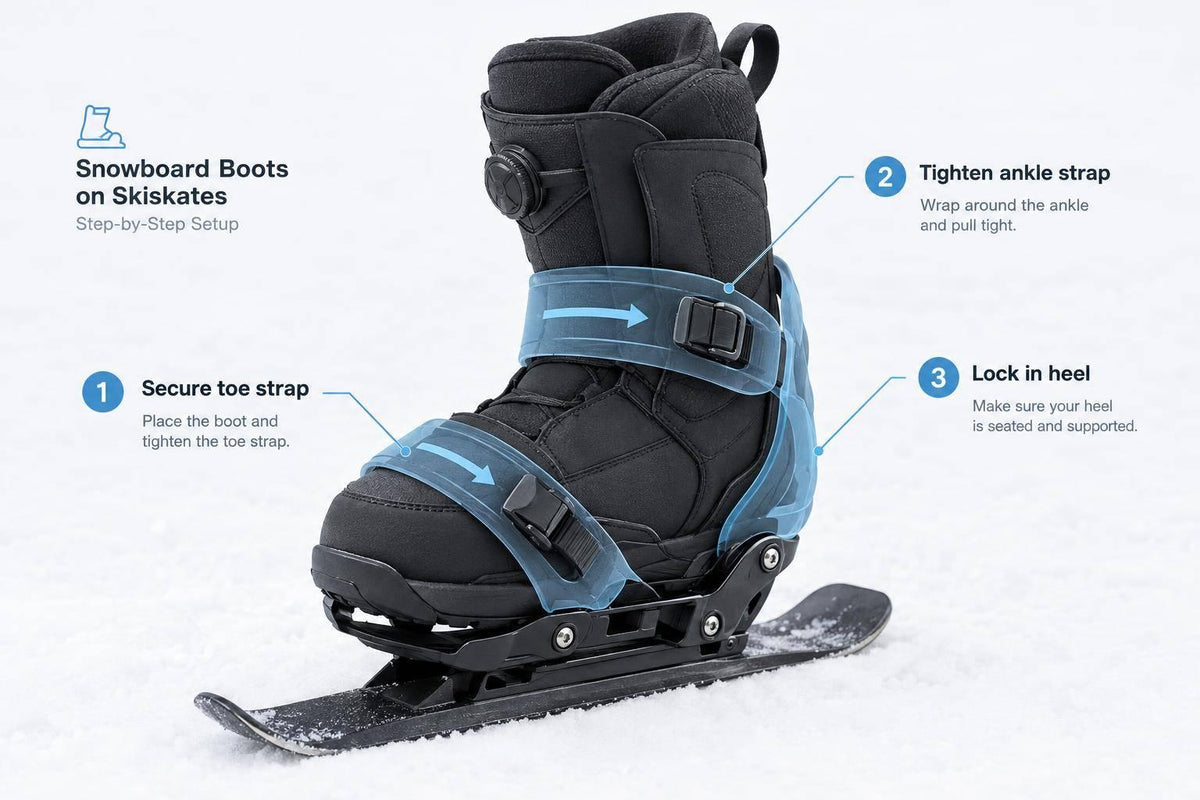
Check both boots before riding. Each heel must sit fully against the back of the binding, with even strap tension and no wobble. If either boot still moves after tightening, don’t ride.
Once both boots pass these checks, fasten them correctly and check the hardware before you ride.
How to Secure and Check the Bindings
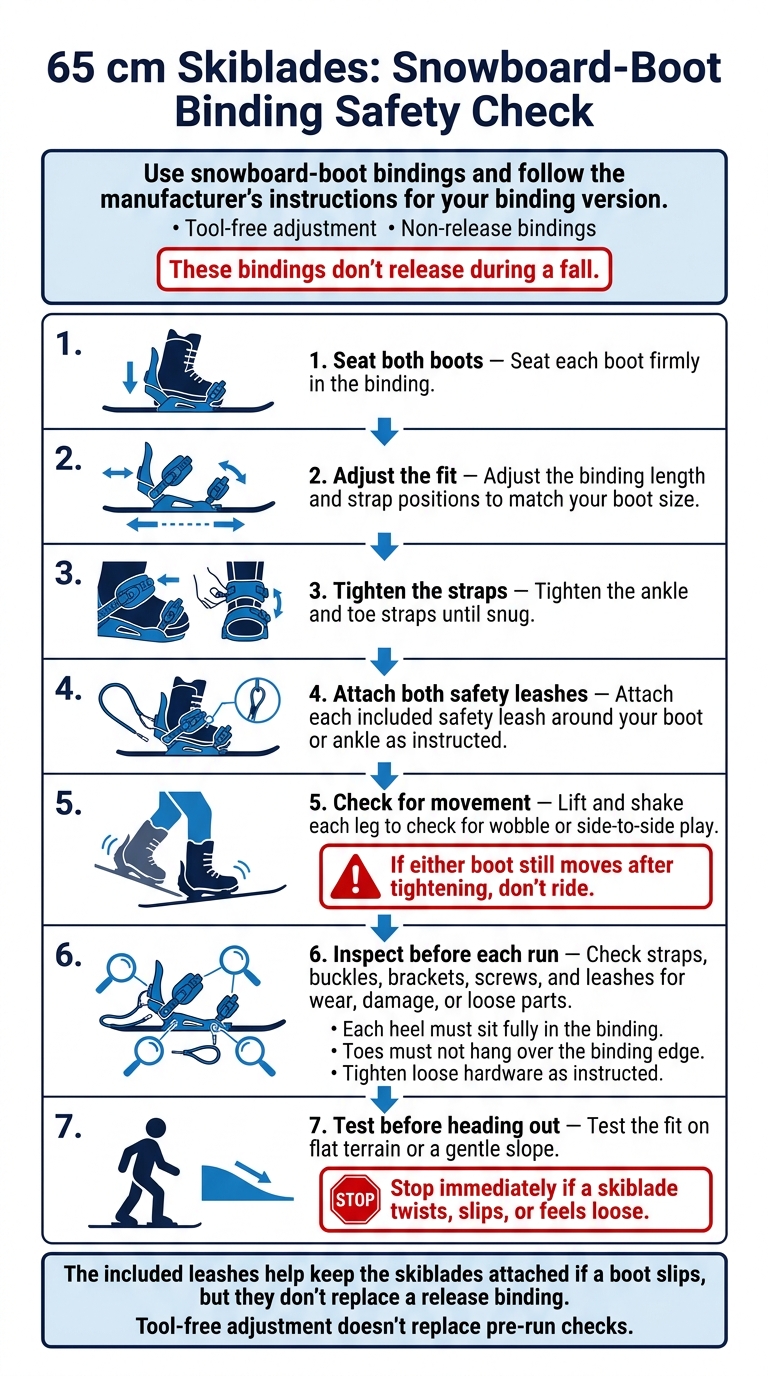
65 cm Skiblades: Snowboard-Boot Binding Safety Check
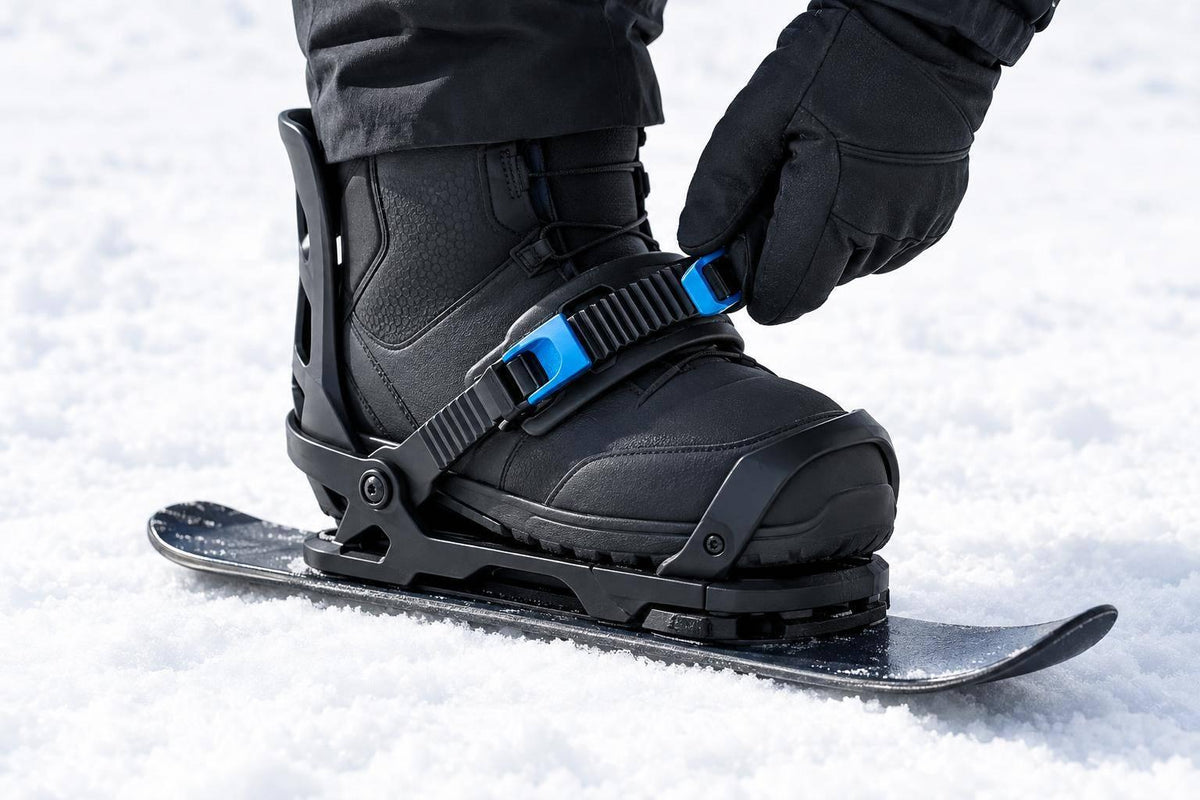
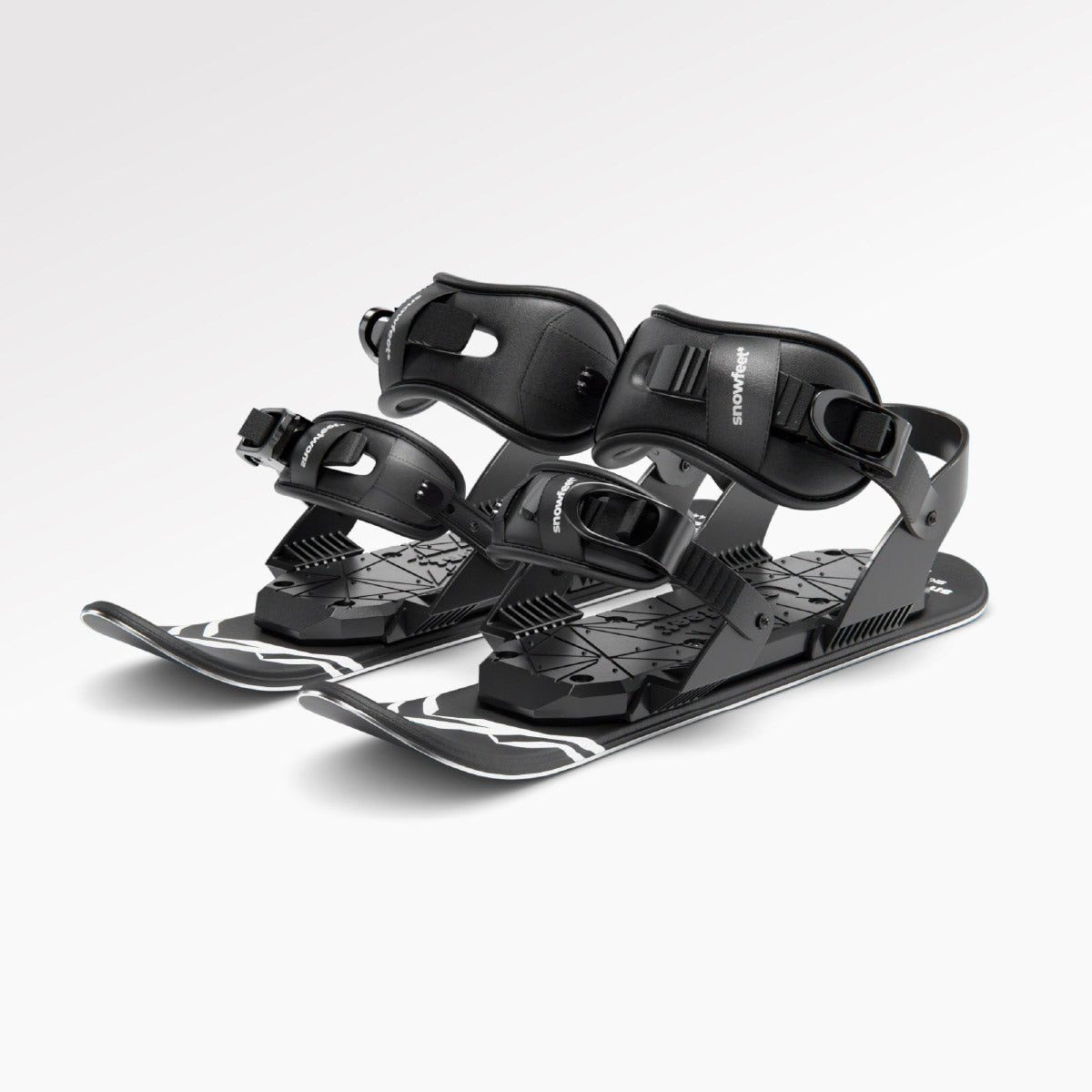
Once your boots pass the fit check, secure them in the snowboard-boot bindings and check the setup before riding. Snowfeet*’s bindings are tool-free and non-release. The included leashes help keep the skiblades attached if a boot slips, but they don’t replace a release binding.
Attach the Boots and Safety Leashes
Follow the manufacturer’s instructions for your binding version:
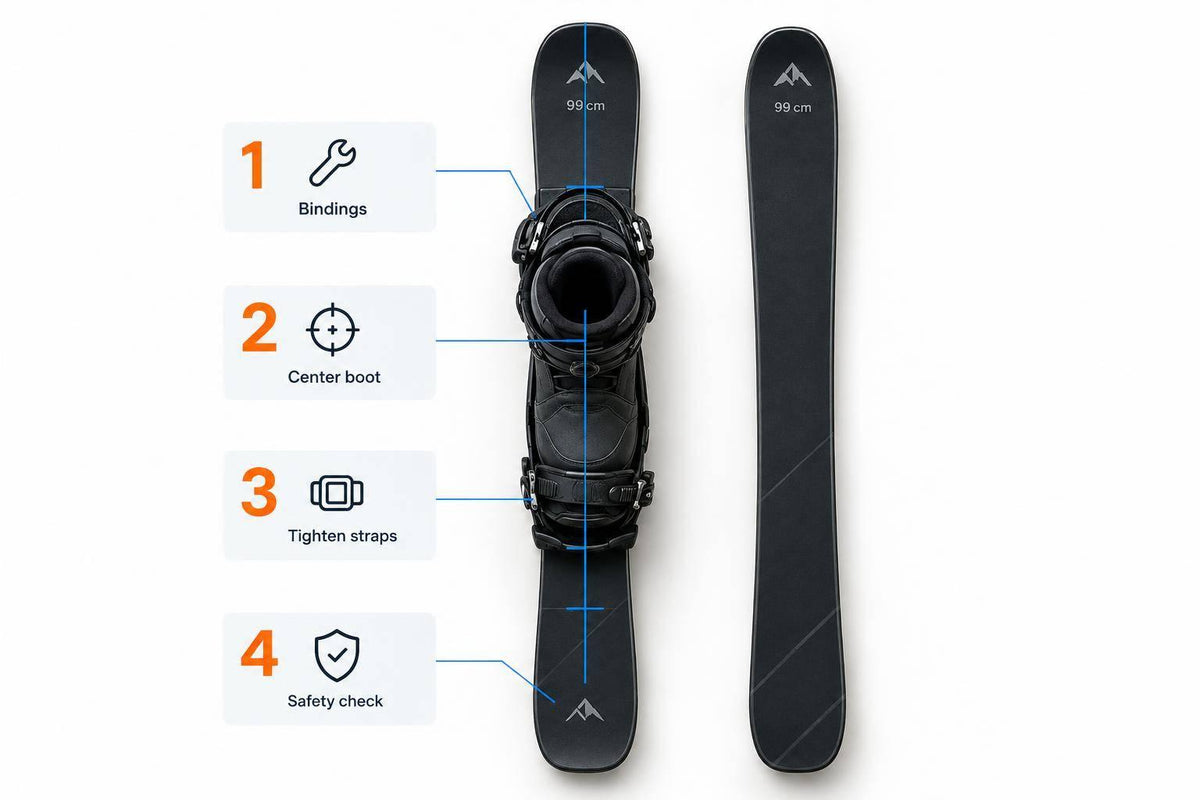
- Seat each boot firmly in the binding.
- Adjust the binding length and strap positions to match your boot size.
- Tighten the ankle and toe straps until snug.
- Attach each included safety leash around your boot or ankle as instructed.
- Lift and shake each leg to check for wobble or side-to-side play.
Check Fit and Hardware Before Each Run
Check straps, buckles, brackets, screws, and leashes for wear, damage, or loose parts. Make sure each heel sits fully in the binding and your toes don’t hang over the binding edge. Tighten any loose hardware as instructed. Tool-free adjustment doesn’t replace pre-run checks.
Test the fit on flat terrain or a gentle slope before heading out. Stop immediately if a skiblade twists, slips, or feels loose.
Next, weigh comfort against control: snowboard boots feel easier, while ski boots provide firmer support.
sbb-itb-17ade95
Snowboard-Boot vs. Ski-Boot Bindings
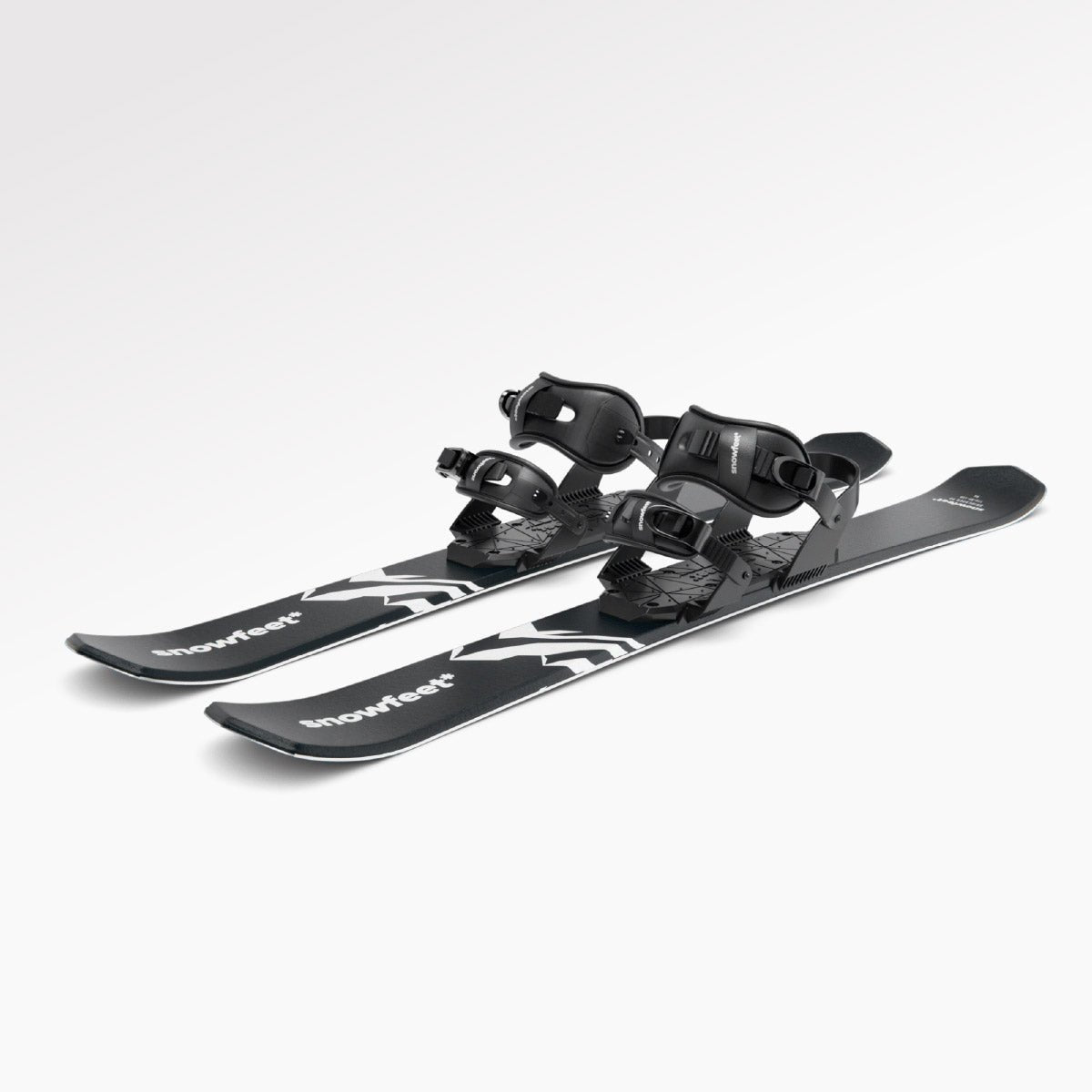
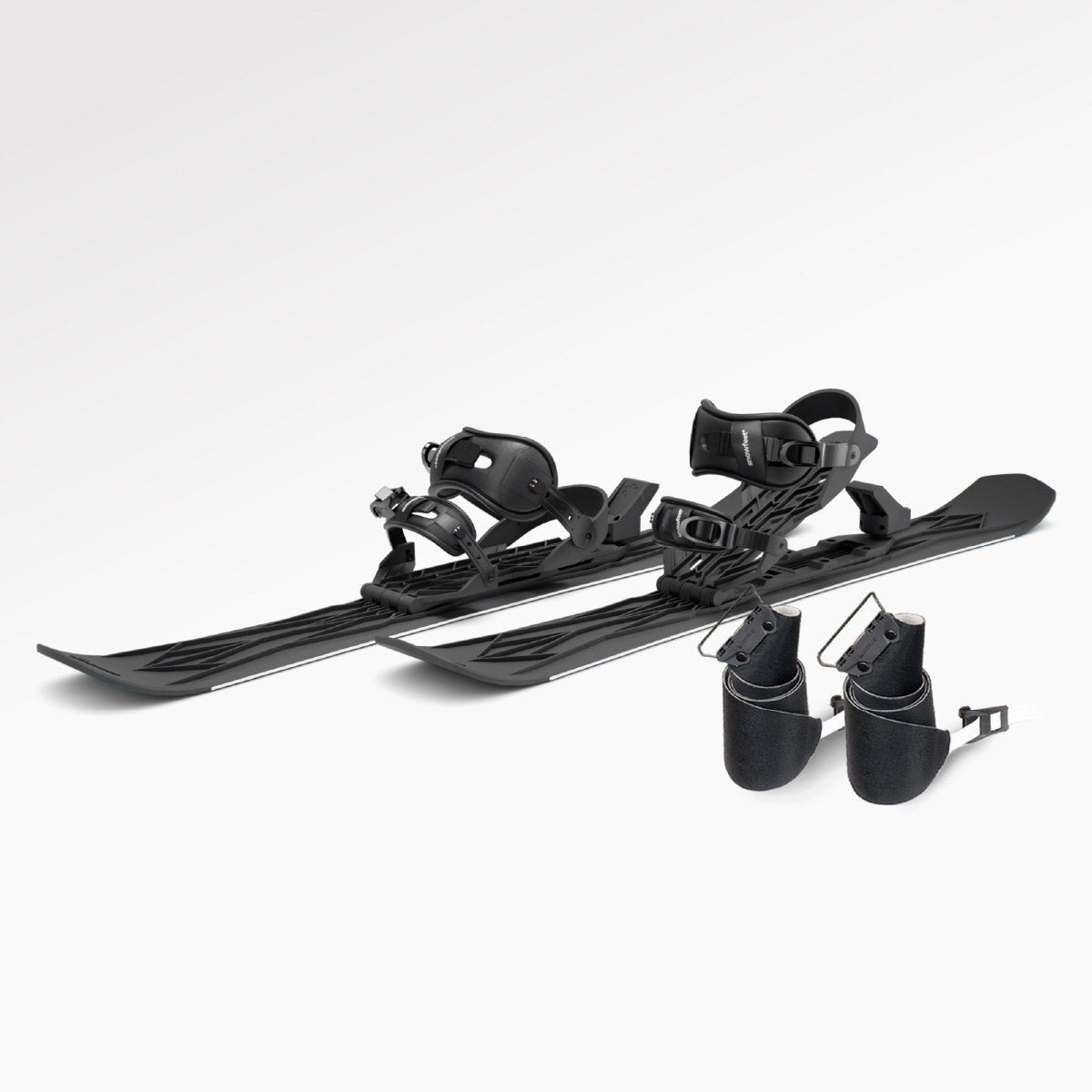
Once your boots pass the fit check, choose your binding type. Snowfeet* 65 cm Skiblades come with either snowboard-boot bindings or non-release ski-boot bindings. The two systems aren’t interchangeable.
| Boot type | Binding option | Comfort | Control | Fit range | Best use |
|---|---|---|---|---|---|
| Snowboard boots | Snowboard-specific bindings | Warm, flexible, easier to walk in | Softer support, less edge precision | US 6–14.5 / EU 38–49; verify actual fit | Casual riding, tricks, frequent breaks |
| Alpine ski boots | Non-release ski-boot bindings | Rigid, less comfortable to walk in | Firmer support, more precise edge control | US 4.5–14.5 / EU 36–49 (22.5–32.5 MP); model-specific compatibility | Aggressive carving, technical tricks |
Snowboard Boots: Comfort and Convenience
For most casual riders, compatible snowboard boots make sense. With Snowfeet*, you can use the boots you already own rather than buy a second boot system.
Check the actual fit - not just the size label. If you wear US 12–13+ boots, confirm compatibility before buying. Need more support than snowboard boots offer? Consider the ski-boot version.
Ski Boots: Firm Support and Edge Control
Compatible alpine ski boots create a rigid connection for more direct edge changes during aggressive carving and technical tricks. Choose the non-release ski-boot version if you want the most responsive setup and care more about firm support and precise edge control than walking comfort.
Which 65 cm Skiblades Configuration Should You Buy?
Once you’ve checked that your boots fit, choose your binding type. Buy the snowboard-boot binding to ride in your current snowboard boots. Choose the ski-boot binding only if you already use alpine boots and want firmer edge control.
At 65 cm (about 25.6 inches), these skiblades stay compact and turn fast - a good fit for groomers, moguls, and park laps. For most snowboarders who want to keep their own boots, the snowboard-boot version is the better buy.
FAQs
How can I confirm my boots fit before buying?
Choose the snowboard-boot binding option at checkout, and make sure your boots are US size 6–14.5. Snowfeet* models don’t work with standard alpine release bindings. Burton Step-On boots generally don’t fit due to their sole shape.
Between sizes or unsure if your boot model fits? Email the store with your exact size to confirm. Compatibility depends on the binding version, not just the skiblade length.
Can I switch binding types later?
No. Your skiblades are built for the binding system you choose at checkout. You can’t switch binding types after purchase.
Snowboard-boot and alpine ski-boot bindings are built differently, so pick the version that fits the boots you plan to use.
If you want to use a different boot type later, you’ll need to buy the model with the matching bindings installed.
How do non-release bindings affect fall safety?
Non-release bindings don’t release your boots during a fall. Snowfeet* includes safety leashes to keep your skiblades attached to you if a binding opens or a boot shifts.
Shorter skiblades are easier to maneuver and are generally considered safer to fall with than long skis or snowboards. That doesn’t mean every fall is safer; injury risk depends on the conditions and how you fall.
Snowfeet* bindings hold your boots securely and are easy to adjust. They focus on stable boot contact rather than the release mechanisms used in standard alpine ski gear.


Schreib einen Kommentar
Diese Website ist durch hCaptcha geschützt und es gelten die allgemeinen Geschäftsbedingungen und Datenschutzbestimmungen von hCaptcha.