What Boots Do You Use with Snowblades?

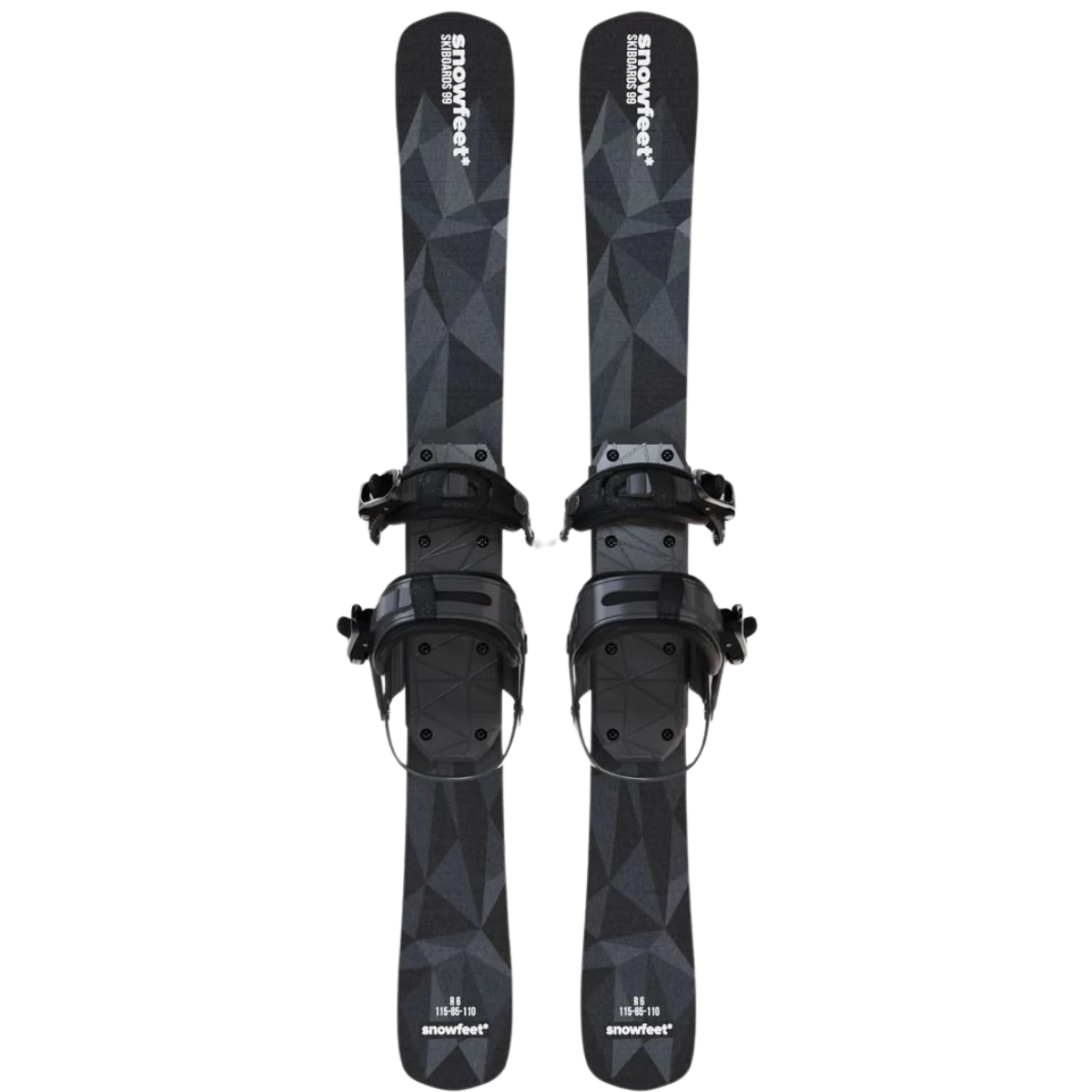
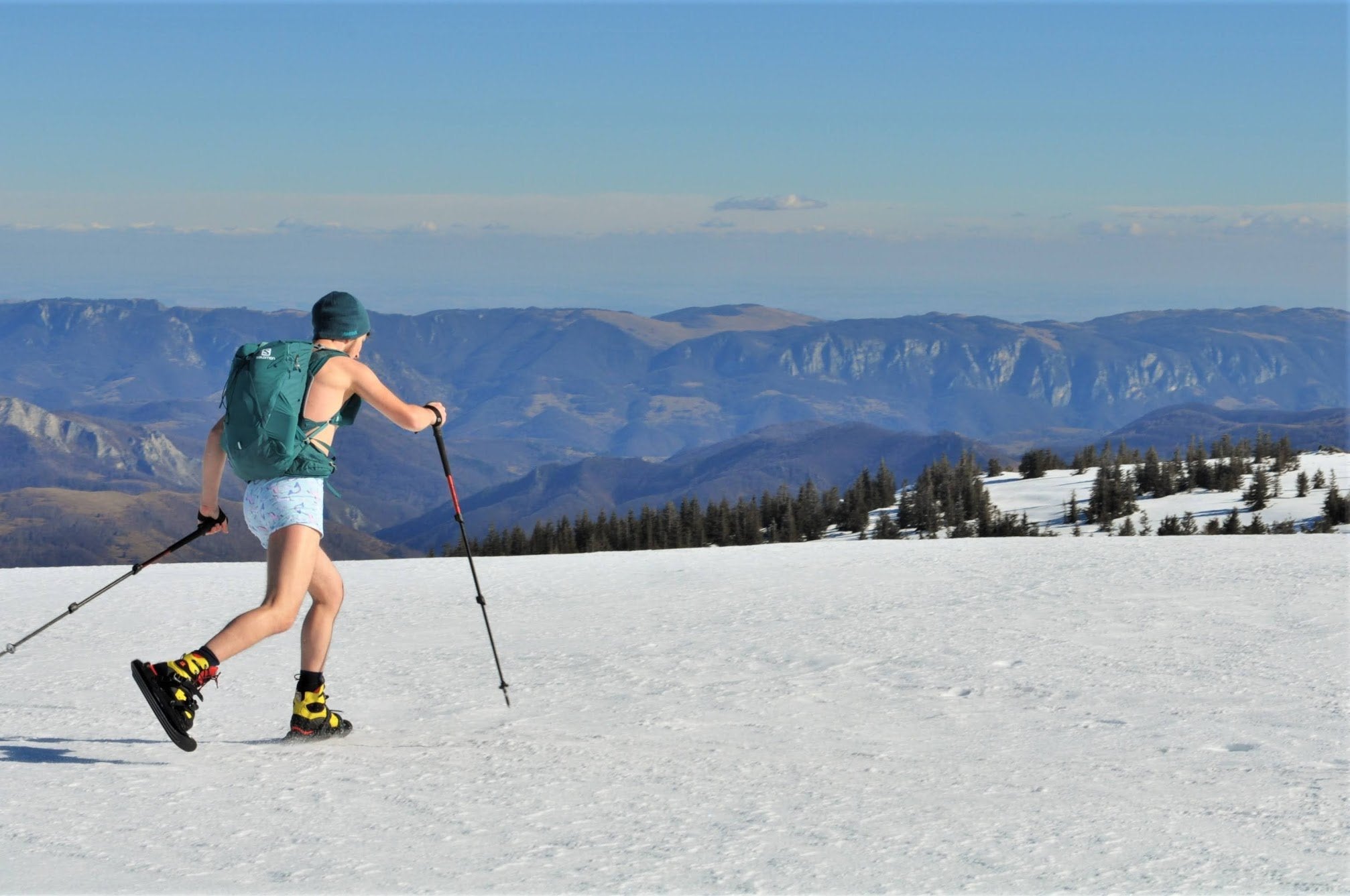
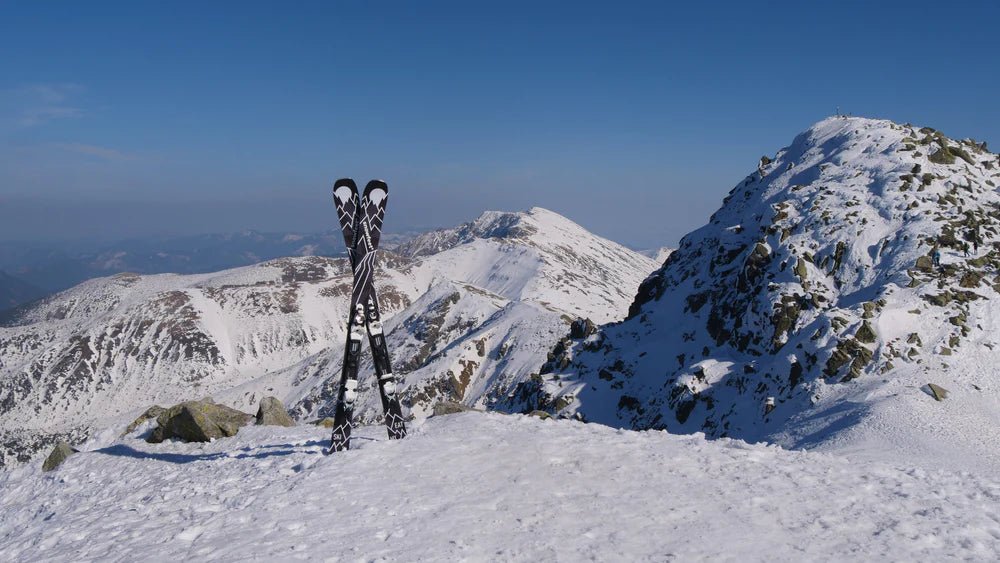
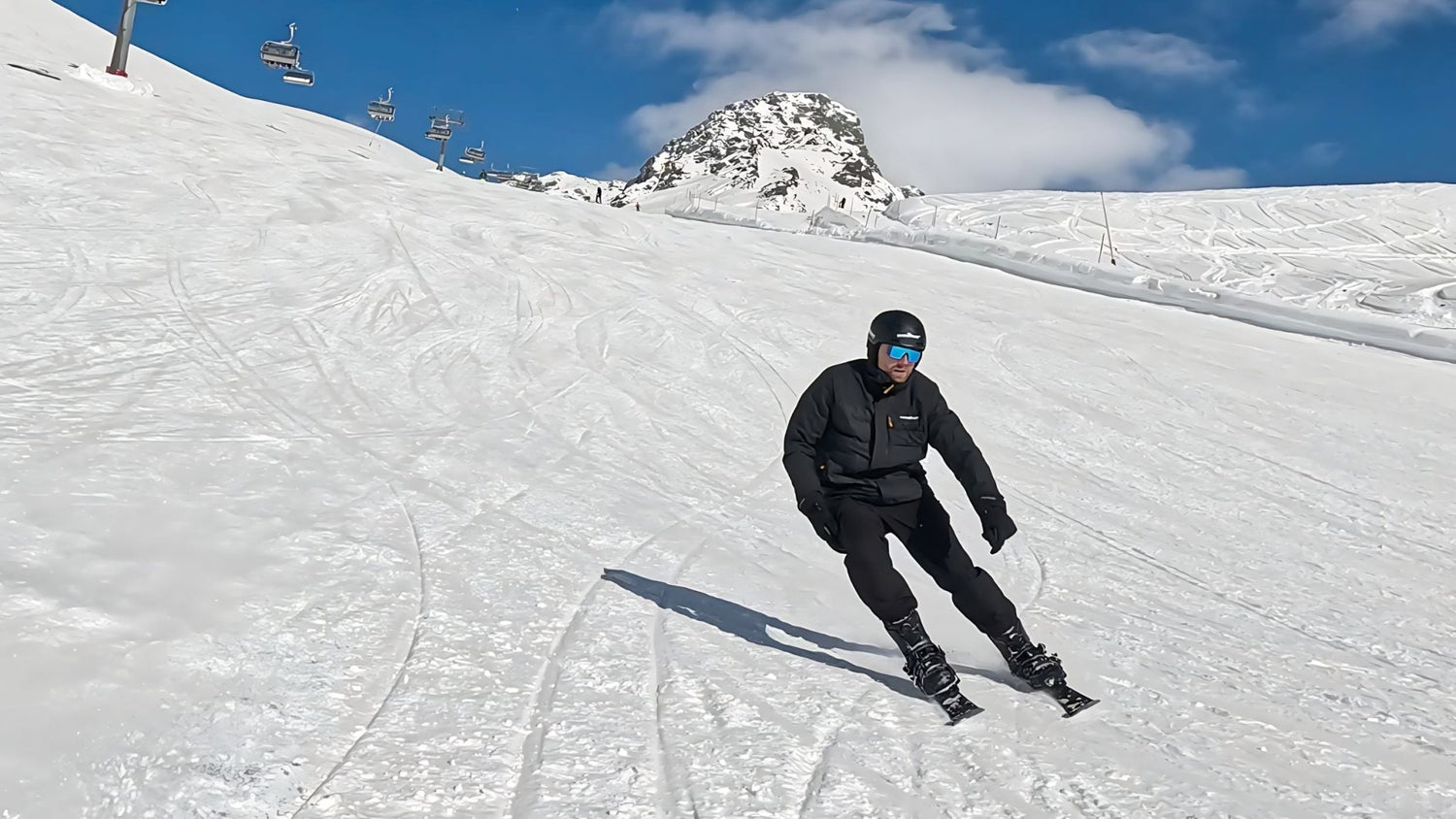
Snowfeet blog title image for article What Boots Do You Use with Snowblades?

Quick Summary:

Choosing the right footwear for skiboards depends entirely on your binding setup, as these short mini skis offer versatile options for both standard release and non-release systems. You can use standard ski boots since skiboards share the same binding mechanisms as traditional skis, though you should verify your release settings to account for their unique shape. Alternatively, many riders prefer snowboard boots for added lateral support and comfort, provided you select compatible bindings. Regardless of your footwear choice, using safety leashes with non-release bindings is highly recommended to keep loose skiboards from sliding down the mountain and causing injuries during a fall.

Skiboards, often called skiblades and snowbldes provide more than one possibility when it comes to the optimal footwear. As always, it all depends of the type of bindings you are using. Let's have a look at what are the options. 

Gear up for your next winter adventure

Can you use regular ski boots with skiboards?

Yes, you can use regular ski boots with skiboards. In fact, skiboards have the same binding systems as regular skis, so any ski boot will fit into the bindings. However, keep in mind that skiboards are shorter and wider than traditional skis, so you may want to adjust the binding settings to make sure you have the proper release settings.

Skiboards with ski boots bindings by Snowfeet skiblades snowblades

Can you use snowboard boots with skiboards?

Yes, you can use snowboard boots with skiboards. Many skiboarders prefer to use snowboard boots because they offer more lateral support and are more comfortable. However, it is important to note that not all skiboard bindings are compatible with snowboard boots. Make sure to check the binding compatibility before using snowboard boots.

Do you need bindings with safety leashes?

It is highly recommended to use bindings with safety leashes when using skiboards with non-release bindings. Safety leashes are designed to keep the skiboards attached to your boots in case you fall or lose control. They prevent the skiboards from sliding down the slope and potentially injuring other skiers. Some skiboard bindings come with built-in safety leashes, while others require you to purchase them separately. It is important to always use safety leashes when skiing with skiboards.

Snowfeet 65 cm Skiblades Skiboard Snowblades Short Skis featuring men wearing Snowfeet skiblades on a slope

Traditional Ski Boots & Release Bindings


For riders who value safety and familiarity, standard ski boots paired with release bindings are a popular choice.
Compatibility: Skiboards (typically those 99 cm or longer) share the same mount mechanisms as full-length skis, making standard alpine boots directly compatible.
• Safety & Convenience: Release bindings step in and out effortlessly and feature built-in brakes that deploy automatically during a fall, eliminating the need for extra runaway leashes.
Setting Adjustments: Because skiboards are significantly shorter and wider than traditional skis, DIN release settings must be carefully calibrated to account for the altered leverage and force distribution.

Non-Release Bindings & Safety Leashes


Non-release (fixed) bindings are common on shorter skiboards (such as 65 cm to 99 cm models) because they are lightweight, lower-cost, and provide a direct, responsive feel.
Footwear: They adjust to fit standard alpine ski boots.
The Safety Leash Rule: Because non-release bindings lack mechanical release triggers and automatic ski brakes, using safety leashes is essential. These leashes tether the skiboard directly to your ankle, ensuring that if you fall or loose control, the gear does not shoot down the slope and strike other skiers.

Snowboard Boots & Specialized Bindings


Many skiboarders choose snowboard boots over stiff plastic ski boots for superior comfort, flexibility, and lateral support when carving or doing park tricks.
System Requirements: Standard snowboard boots will not click into standard ski bindings. You need specialized skiboard-to-snowboard bindings or conversion riser plates.
Riser Plates: Because soft snowboard bindings are wider than narrow skiboards, riser plates elevate the binding off the deck to prevent "boot out" (where the sides of the binding drag in the snow during sharp turns).

A side-by-side image. On the left, a man in a bright yellow puffer jacket and sunglasses holds up a pair of Snowfeet 99 cm Skiblades in front of a snow-covered mountain range, with award logos in the corner. On the right, a clean product display showcases the top and bottom of the skiblades—one sleek black and one white with black mountain graphics, both with bindings.

Feature Release Bindings Non-Release (Fixed) Bindings
Safety High. Mechanical spring system releases boot during severe twists/falls to reduce lower-leg injuries. Integrated brakes stop runaway boards. Lower. Boards remain attached during a crash, increasing torque on knees/legs. Require safety leashes to prevent runaway gear.
Performance Better for high-speed carving, longer boards (>100 cm), and variable snow. Smooth flex across the length of the board. Direct edge control, zero slop/play, and extremely lightweight. Ideal for park tricks, spins, and short boards (<100 cm).
Price Higher ($150$300+). Complex DIN spring mechanisms raise the manufacturing cost. Lower ($50$120). Simple, durable metal or composite frame with minimal moving parts.


Which Should You Choose?


Choose Release Bindings if: You prioritize joint safety, plan to ride fast down groomed runs, use skiboards longer than 100 cm, or want step-in convenience without messing with safety straps.
Choose Non-Release Bindings if: You are on a budget, stick to short skiboards (65−99 cm), do park riding/tricks, or want lightweight gear with maximal board feel.

FAQs:

Do I need special tools or adjustments to use my regular ski boots with skiboards?

No special tools are needed to fit standard alpine ski boots, as skiboards use standard ski binding systems. However, because skiboards are shorter and wider than traditional skis, you must adjust the binding’s DIN release settings to account for the different leverage and force distribution.

Why do I need safety leashes with non-release bindings?

Non-release (fixed) bindings lack built-in mechanical brakes that stop a ski when it detaches. Safety leashes tether the skiboards to your boots, preventing loose boards from shooting down the mountain and colliding with other skiers if you fall.

Can I put standard snowboard bindings directly onto skiboards?

Not directly without an adapter. You must use specialized skiboard-to-snowboard bindings or riser plates. The riser plates elevate the binding so the wider base does not drag in the snow ("boot out") during steep turns.


Choose length that suits you best

Reading next

Do You Use Poles with Snowblades | Skiboards | Snowblades? - snowfeet*
Are Snowblades Banned? - No, they are allowed! - snowfeet*

1 comment

Leave a comment

This site is protected by hCaptcha and the hCaptcha Privacy Policy and Terms of Service apply.