




















Quick Summary:
Short skis—variously known as skiboards, snowblades, skiblades, mini skis, and Snowfeet—have evolved since the late 1990s as a compact, wider, and highly maneuverable alternative to traditional skiing gear. Ranging from boot-strapped mini attachments up to roughly 110 centimeters in length, these playful tools offer enhanced stability and easier control, making them both an approachable option for beginners and a creative choice for experienced freestyle riders navigating terrain parks, tight tree lines, or off-piste trails.
Have you ever seen someone on the slopes gliding effortlessly on what appear to be shorter than usual skis? Those aren't regular skis, they're known by several names, including skiboards, snowblades, skiblades, snowfeet, short skis, and mini skis. In this article, we'll explore what these short skis are, their history, and why they're becoming increasingly popular.
Short skis have been around since the late 1990s and were originally known as skiboards. They were designed as an alternative to traditional skis for people who wanted a more freestyle-oriented ride. Skiboards are typically shorter than regular skis and are around 75-110cm in length. They are wider than traditional skis, with a waist width of 8-10cm, allowing for greater stability and easier balance.
Gear up for your next winter adventure

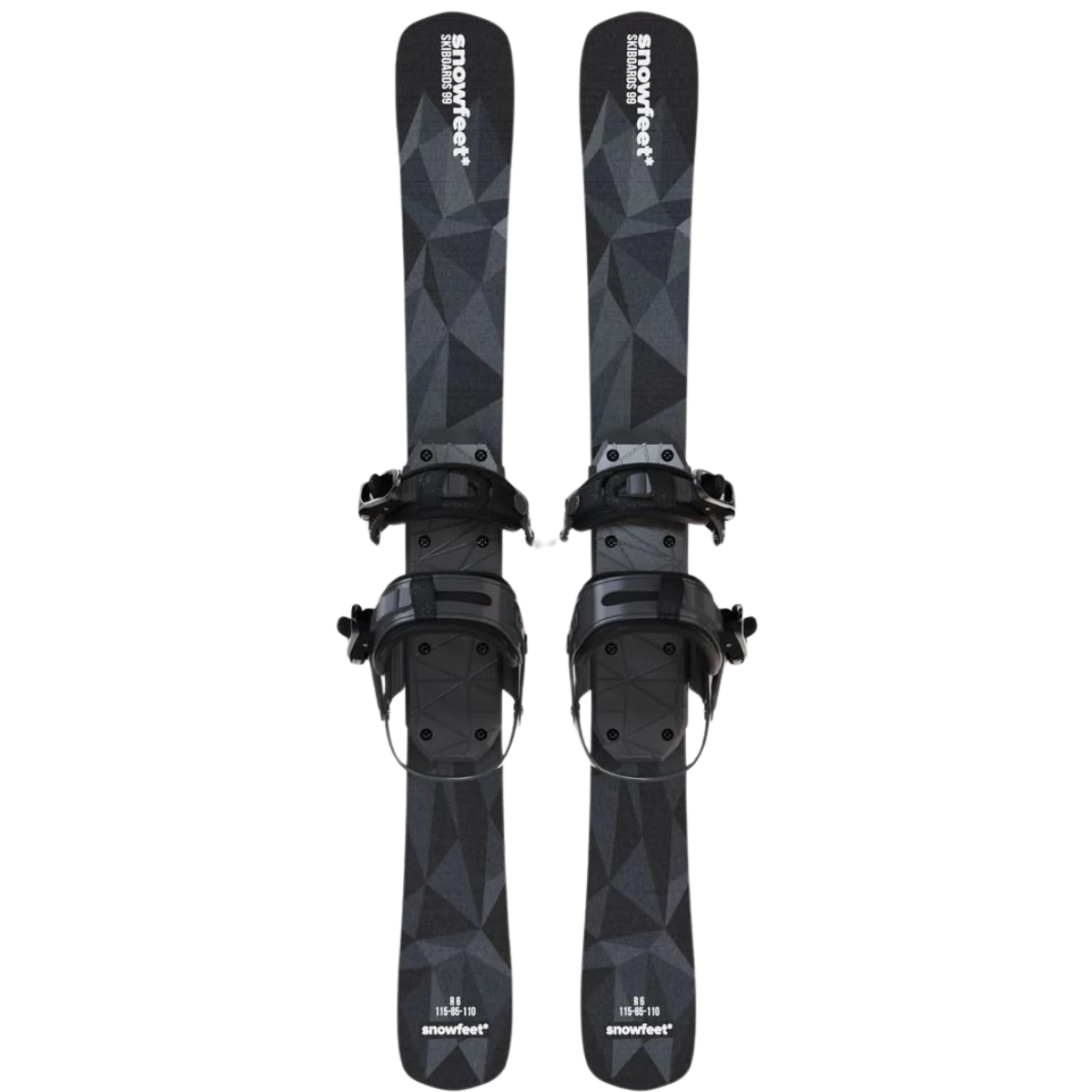
As the sport evolved, so did the name. Skiboards began to be called snowblades or skiblades, which are now commonly used terms to describe these short skis. Skiblades or snowblades typically have a length of 75-100cm and a slightly wider waist of 10-12cm, providing better control and stability when making quick turns and maneuvers.

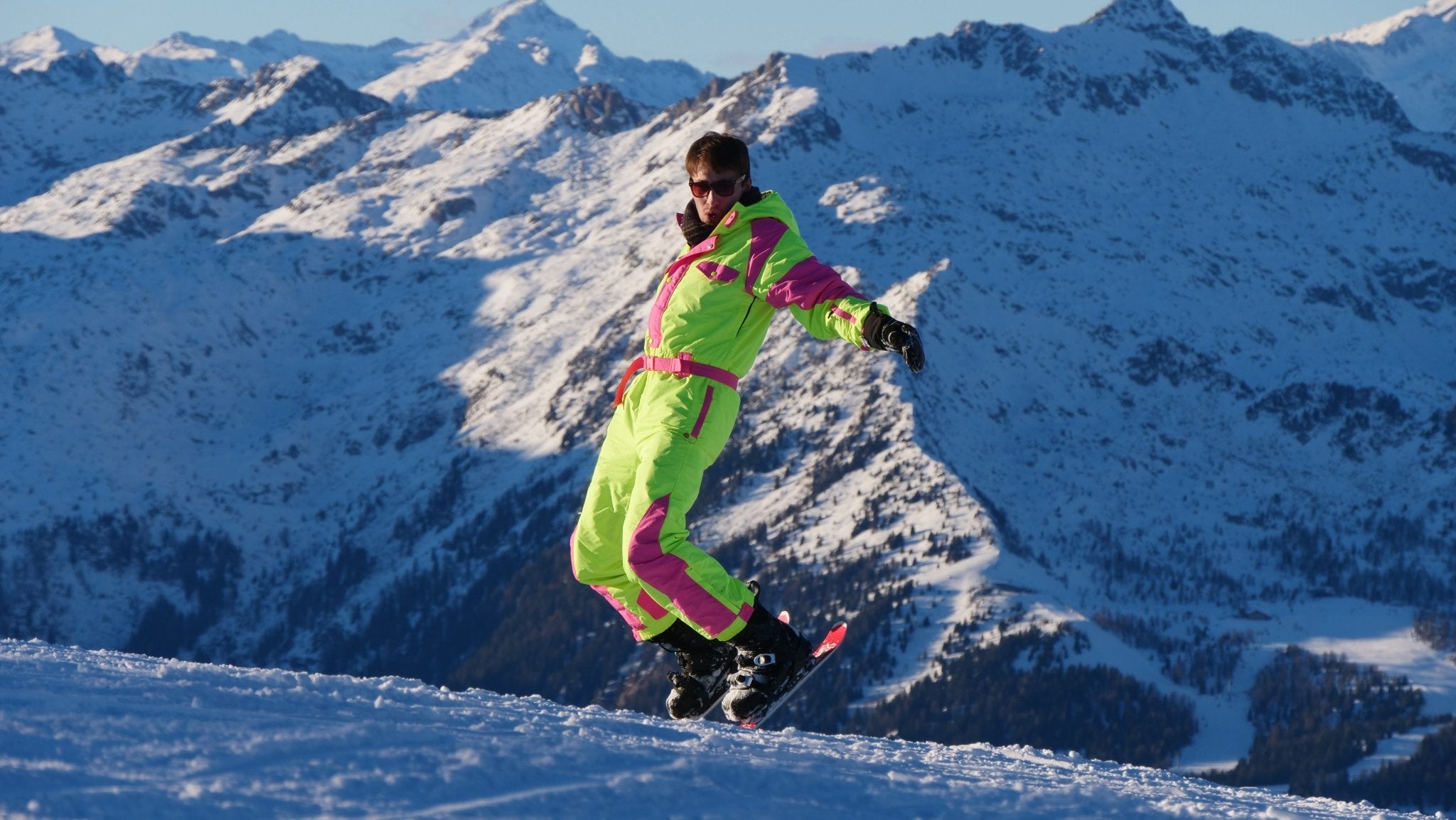
Recently, another type of short ski has emerged, known as Snowfeet. These are essentially mini skis that strap directly onto your boots, allowing you to slide down the slopes with ease. Snowfeet are a new innovation in the world of winter sports, and they are becoming increasingly popular among people who want to try something different on the slopes.
The rise in popularity of short skis can be attributed to a few factors. For one, they offer a more playful and freestyle-oriented ride compared to traditional skis. Short skis allow for more creativity and control over your movements, making them a great option for terrain parks and freestyle skiing.

Short skis are also more versatile than traditional skis, as they can be used on both groomed runs and off-piste terrain. Their compact size makes them easier to maneuver through tight spaces, making them a popular choice for those who like to ski in trees or other challenging terrain.
Another reason for their popularity is that they're easier to learn on for beginners. Short skis require less effort to turn and control, which can be helpful for those just starting out on the slopes.
In conclusion, short skis go by many names, including skiboards, snowblades, skiblades, snowfeet, short skis, and mini skis. Whatever you choose to call them, they are a fun and versatile option for those who want a different skiing experience. Whether you're a seasoned pro or a beginner, short skis can provide a unique and exciting ride that is sure to be a memorable experience.
FAQs:
What is the main difference between short skis and regular skis?
Short skis (typically 65–110 cm) are much shorter and relatively wider than traditional skis. This design lowers your center of gravity, makes turning nearly effortless, and gives a more dynamic, skate-like feel on the snow rather than requiring long, carved turns.
Do you need special ski boots to use short skis?
It depends on the model. Larger skiboards and snowblades generally require standard alpine ski boots with release or non-release ski bindings. However, ultra-short mini skis like Snowfeet feature adjustable strap bindings designed to attach directly to regular winter boots or snowboard boots.

Are short skis easier to learn for complete beginners?
Yes, most beginners find short skis significantly easier to master than traditional long skis. Because there is far less surface area to cross or catch edges on, controlling speed and initiating turns requires less physical effort and balance.
Can you take short skis into terrain parks and off-piste trails?
Absolutely. Their compact length makes them exceptionally agile in tight spaces like tree runs or mogul fields, while their twin-tip design and lightweight feel make them a popular, playful choice for spins, jumps, and tricks in terrain parks.
Editor: Karolina R.
Last Update: September 18, 2024












2 comments
Karolina
Hello Thomas,
Spot on! That’s the magic of ditching all that extra dead weight—less leverage twisting your knees, instant control on every turn, and zero fight just to get down the mountain.
And let’s be honest, slipping your whole setup straight into the trunk while everyone else struggles with frozen roof racks in the cold is the ultimate flex.
Welcome to the effortless side of skiing! 🎿🚗💨
Karolina from Snowfeet Team
Thomas
Hi – I must say – as someone who switched to 99 cm skiblades after 15 years on traditional skis, I’ll never go back! My knees used to ache after three runs, but the lower swing weight and effortless turning brought the fun back to my ski trips. Plus, fitting them horizontally in my trunk without a roof rack is an absolute game-changer.
Leave a comment
This site is protected by hCaptcha and the hCaptcha Privacy Policy and Terms of Service apply.