



















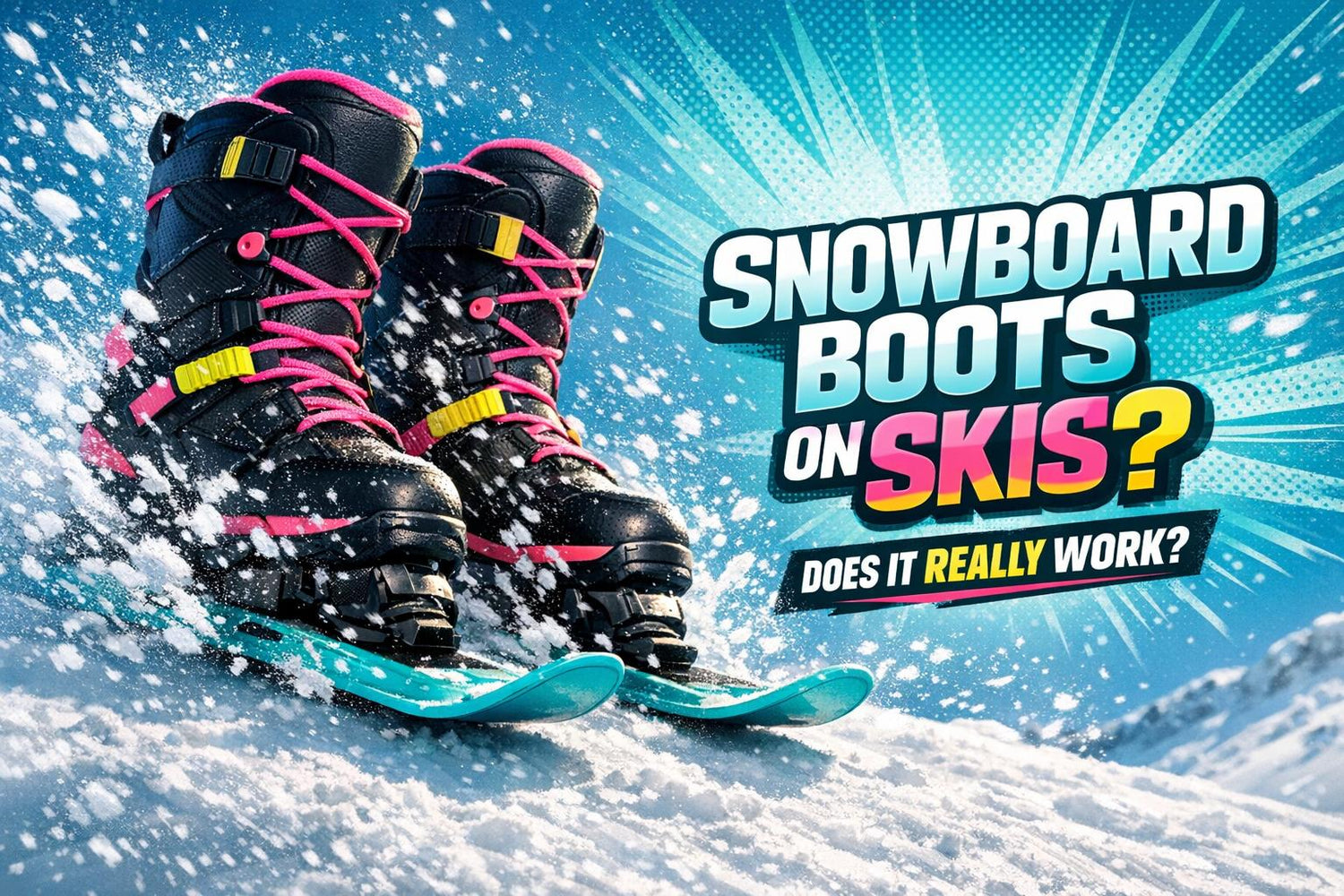
If you’ve ever thought, “Why can’t I ditch stiff ski boots for comfy snowboard boots?” - you’re not alone. The short answer: Yes, snowboard boots can work with skis, but only in specific setups. Here’s the deal:
- Standard skis and bindings? Nope. Snowboard boots aren’t rigid enough for precise control or safe binding release.
- Specialized short skis like Snowfeet* Skiblades or Skiskates? Absolutely. They’re designed to work with snowboard boots, offering a fun, easy-to-use alternative for groomed slopes and light powder.
Snowfeet* gear uses adjustable strap bindings made for snowboard boots (sizes 6–14.5 US). They’re compact, lightweight, and perfect for quick turns, tricks, and park fun. However, they’re not built for deep powder or high-speed runs. If comfort and convenience are your priorities, Snowfeet* might just be your new favorite winter gear. Let’s break it down.
Short Skis with Snowboard Bindings | Must-Have of This Winter
Compatibility and Setup
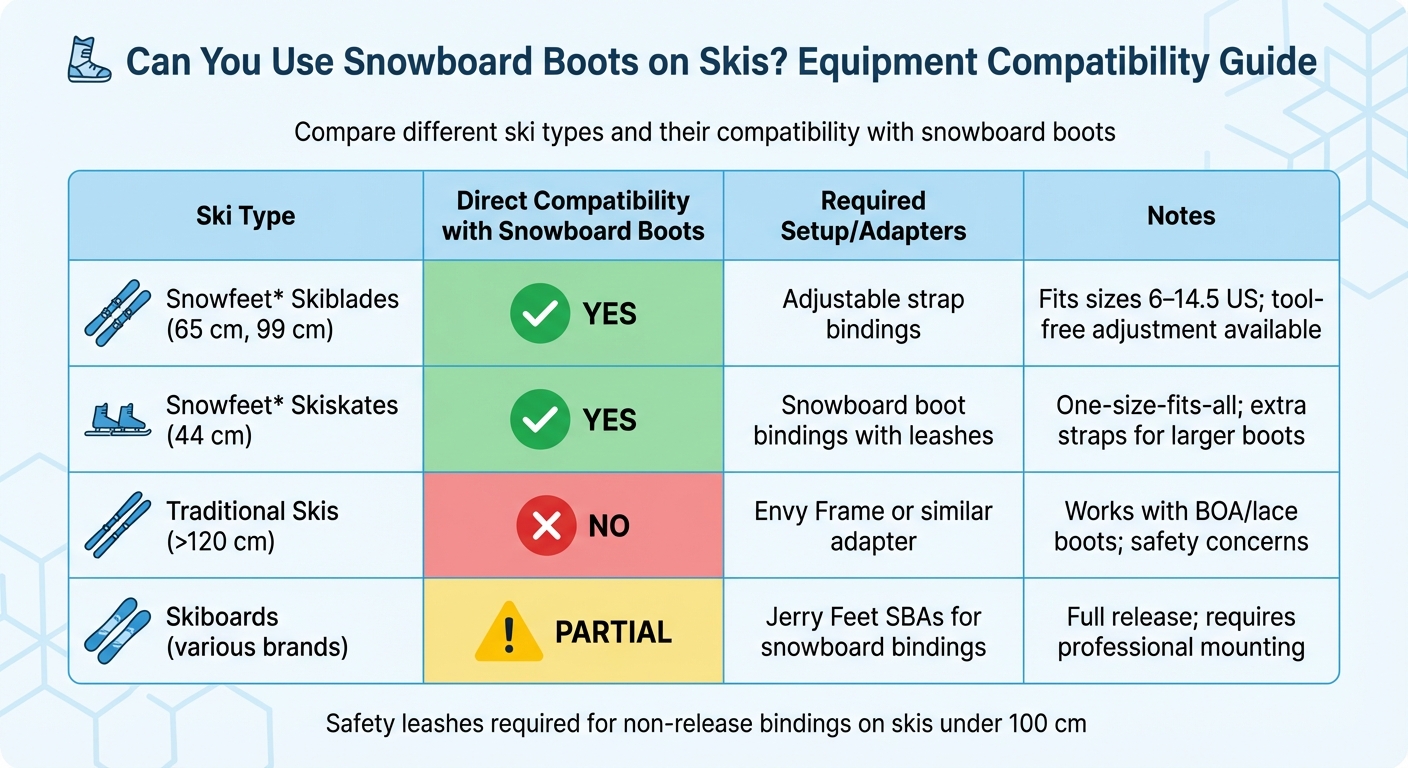
Snowboard Boots on Skis: Compatibility and Performance Comparison Chart
Snowboard boots come with flexible, non-standard soles that can create issues when used with DIN-compatible ski bindings. Unlike standard alpine boots, which follow the ISO 5355 standard with rigid soles designed for fixed bindings, snowboard boots have softer, more flexible soles that lack a standardized profile. This difference can lead to improper binding release, increasing the risk of injury.
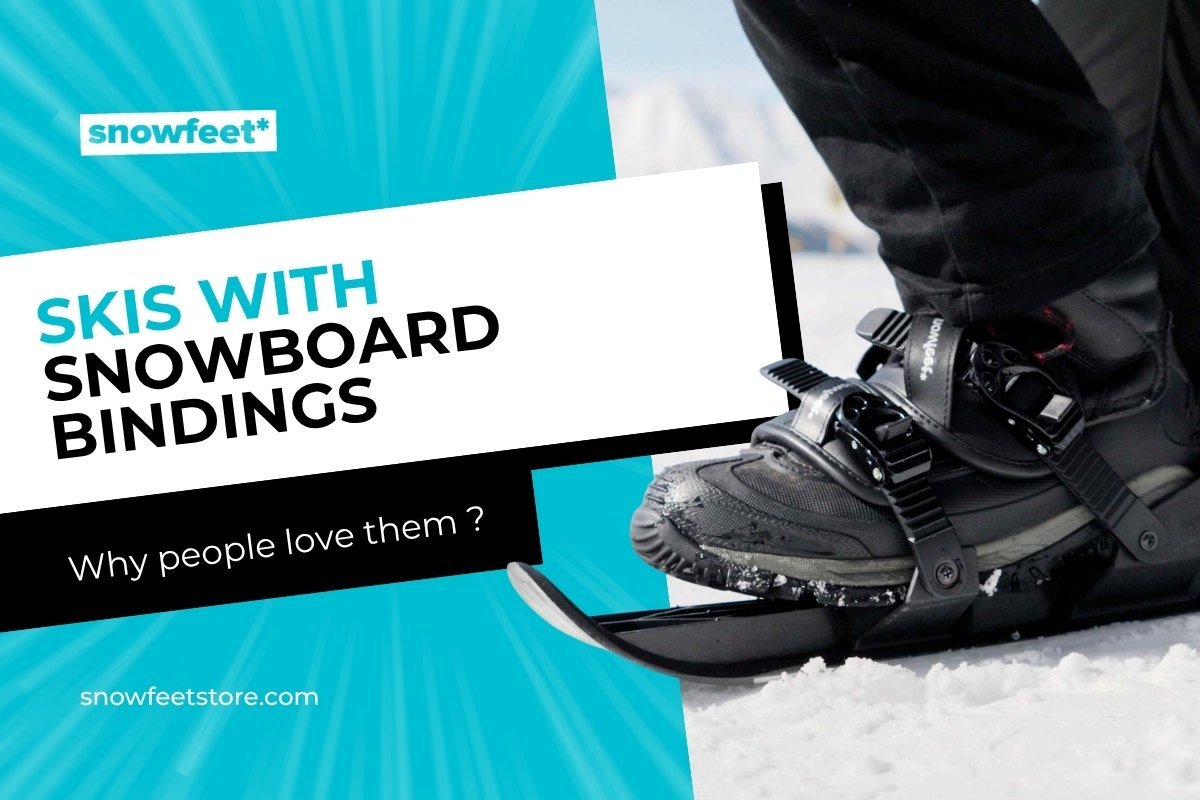
Snowfeet* products solve these compatibility issues with ease. Their Skiblades (65 cm and 99 cm) and Skiskates (44 cm) feature adjustable strap bindings specifically designed to work with snowboard boots. These bindings accommodate boots ranging from sizes 6–14.5 US (38–49 EU). Adjusting the straps is straightforward - just thread them through pre-drilled holes. Some models even allow for tool-free adjustments, making the setup quick and hassle-free. For larger boots, Snowfeet* includes extra front toe straps to ensure a snug fit. Plus, safety leashes and anti-slip surfaces are standard features, addressing the non-release nature of the bindings. This design is considered safe for skis under 100 cm in length. Snowfeet* effectively eliminates the compatibility challenges found in traditional setups.
If you prefer traditional skis, there are adapters available, but they come with drawbacks. Products like the Envy Ski Boot Frame allow snowboard boots to be used with traditional skis, but these options often require professional mounting, add complexity, and don’t match the simplicity of Snowfeet*’s design. Another option is the Jerry Feet Ski Binding Adaptors (SBAs), which let you mount snowboard bindings onto skiboards using 4x4 or 4x2 screw patterns. These adapters claim to offer full release capability when paired with Jerry Straps. However, while these solutions exist, they lack the seamless combination of safety, convenience, and performance offered by Snowfeet*.
| Ski Type | Direct Compatibility with Snowboard Boots | Required Setup/Adapters | Notes |
|---|---|---|---|
| Snowfeet* Skiblades (65 cm, 99 cm) | Yes | Adjustable strap bindings | Fits sizes 6–14.5 US; tool-free adjustment available |
| Snowfeet* Skiskates (44 cm) | Yes | Snowboard boot bindings with leashes | One-size-fits-all; extra straps for larger boots |
| Traditional Skis (>120 cm) | No | Envy Frame or similar adapter | Works with BOA/lace boots; safety concerns |
| Skiboards (various brands) | Partial | Jerry Feet SBAs for snowboard bindings | Full release; requires professional mounting |
Setting up Snowfeet* gear is a breeze. Just step into the bindings, thread and tighten the straps, and attach the safety leashes. A quick fit test on flat terrain is all you need before hitting the slopes. In comparison, traditional ski setups often require a certified technician to mount and adjust bindings, making Snowfeet* the clear choice for ease and convenience.
Performance on the Snow
Snowfeet* Skiblades, paired with snowboard boots, offer a quick and nimble ride that stands apart from traditional skis. Thanks to their shorter length - ranging from the 44 cm Skiskates to the 99 cm Skiblades - you get unmatched maneuverability. Tight turns, spins, and quick direction changes feel natural and effortless, something bulky skis just can't match. This level of control and responsiveness is a game-changer for riders, as highlighted by the Snowfeet* team:
"Snowboard bindings give you more flexibility while performing all kinds of tricks, they're super comfortable and you can walk with them anywhere without a problem." - Snowfeet Team
When compared to traditional skis, Snowfeet* strike a balance between performance and ease. The 65 cm Skiblades are perfect for parks and groomed runs, offering quick and agile responses, while the 99 cm model gives you a mix of stability and nimbleness, ideal for carving at speed. Yes, traditional skis might feel steadier at very high speeds, but they often come with a clunky, restrictive feel that can take the fun out of the ride.
Where Snowfeet* Shine on the Mountain
On groomed slopes, Snowfeet* models turn every run into a playground. The 99 cm Skiblades can handle light powder up to 4 inches deep, while the 65 cm models are at their best on packed snow. For moguls and narrow trails - areas where traditional skis can feel awkward - the compact size of Snowfeet* makes navigation a breeze. One reviewer, Jonathon Langan, shared how his girlfriend, who had struggled with control on traditional skis, found her groove with Snowfeet*. She didn’t fall once and even tackled steeper blue runs with confidence.
The flexibility of snowboard boots adds to the fun. Tricks, jumps, and even backward riding are all easier without the stiff limitations of plastic ski boots. If you’ve got a background in skating, you’ll feel right at home with Snowfeet*. With over 2,253 reviews and a 4.9/5 star rating for the Snowfeet* 50 PRO, users frequently highlight how this setup eliminates the heavy, awkward feeling of traditional ski gear.
Choosing the right model depends on your preferred terrain. The 99 cm Skiblades are great for all-mountain versatility and light powder, while the 65 cm models excel in parks and on groomed runs. To keep them performing at their best, regular waxing is key - it improves speed and prevents snow buildup.
sbb-itb-17ade95
Practicality and Convenience
Traditional skis, usually 60–80 inches (150–200 cm) long, can be a hassle to transport - they need special carriers and take up a lot of space. Snowfeet*, on the other hand, offers a compact solution. Their products, like the 44 cm Skiskates and 65 cm Skiblades, are small enough to fit in a regular backpack. This makes them perfect for tossing in your car trunk, taking on public transit, or even storing in a lodge locker without a second thought. The portability factor makes life so much easier, both on and off the slopes.
Getting around in your gear is another big win. With Snowfeet*, you use snowboard boots, which are far more comfortable for walking compared to traditional ski boots. Whether you're strolling through the parking lot, hopping on a lift, or hanging out at the resort, you’ll appreciate the flexibility. As the Snowfeet* team puts it:
"I love how comfortable and flexible snowboard boots are for walking and riding".
The lightweight design of Snowfeet* gear also helps you conserve energy during long sessions. Whether you're hiking uphill or moving across flat terrain, you’ll feel the difference.
Snowfeet* Skiblades, paired with snowboard boots, offer an easy and intuitive ride. You can pick up carving, backward riding, and even jumps in no time, especially on groomed runs. Compare that to traditional skis, which take longer to master due to their length and the stiffness of standard ski boots.
Maintenance is another area where Snowfeet* shines. Their Skiblades are made from durable materials that require little cleaning. On top of that, the adjustable, tool-free bindings (compatible with U.S. sizes 6–14.5) make setup a breeze. You can strap them on quickly, whether you’re at home or on the slopes.
What’s more, Snowfeet* Skiblades are incredibly versatile. They perform well on groomed slopes, in snow parks, on sliding hills, and even in light powder up to 4 inches deep. Their design lets you switch between skiing and snowboarding using the same pair of boots, making them a great choice for mixed terrain or quick, fun sessions. While traditional skis might excel in deep powder or at high speeds, they lack the flexibility and practicality for tricks, short runs, or comfortable walking. Snowfeet* offers a whole new level of convenience and fun.
Pros and Cons
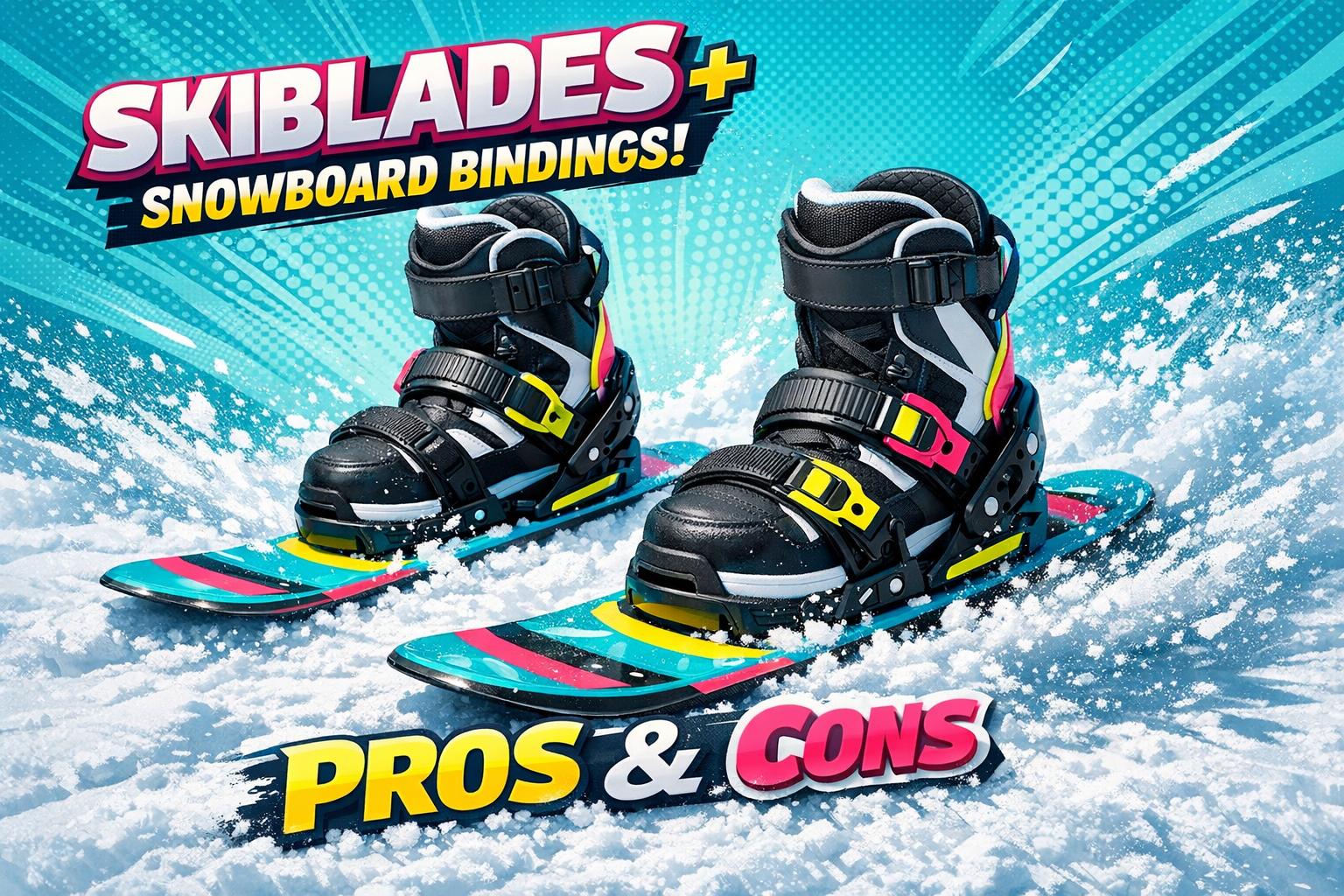
Let’s break things down: here’s a quick look at the upsides and downsides of using snowboard boots with Snowfeet* Skiblades versus traditional ski setups.
First off, snowboard boots paired with Snowfeet* Skiblades are all about comfort. They’re soft, flexible, and warm - basically, they feel like your favorite winter shoes. No clunky, stiff ski boots here! Plus, you don’t need to lug around an extra pair of boots, and you save money by skipping the expense of traditional ski boots.
However, this comfort comes with a trade-off. The softer flex of snowboard boots means less stability and precision, especially on steep or ungroomed terrain. These setups shine on groomed slopes, snow parks, and light powder (up to about 4 inches), but they’re not built for deep backcountry powder or hardcore alpine skiing. Another thing to note: the non-release bindings used for skis under 100 cm don’t pop off during a fall, so safety leashes are a must.
Here’s a side-by-side comparison to make things clearer:
| Feature | Snowboard Boots + Snowfeet* Skiblades | Traditional Ski Boots + Long Skis |
|---|---|---|
| Walking Comfort | High: flexible and easy to walk in | Low: stiff and restrictive |
| Portability | Super compact - fits in a backpack | Bulky - needs roof racks or large bags |
| Learning Curve | Quick: 5 minutes to 1 day | Slower: lessons often required |
| Terrain | Best for groomed slopes, parks, and light powder | Handles all conditions, including deep powder |
| Binding Type | Non-release (safe for skis under 100 cm) | Standard release bindings for added safety |
| Stability at Speed | Lower on short skis | Higher on long skis |
| Trick Flexibility | High: allows natural ankle movement | Lower: more rigid support |
Snowfeet* products have racked up an impressive 4.9 out of 5 rating from over 5,500 verified reviews. While traditional skis are still the go-to for high-speed carving and tackling deep powder, they can’t compete with the portability, ease, and sheer fun factor of Snowfeet*. If you’re all about comfort and enjoying groomed slopes or parks, Snowfeet* might just be your new favorite gear.
Conclusion
Snowboard boots paired with Snowfeet* Skiblades and Skiskates bring a whole new level of comfort and convenience to winter sports. With glowing reviews across the board, this setup has become a favorite among recreational riders, snow park fans, and anyone looking to ditch the stiffness of traditional ski boots.
For casual adventurers, this combo is a game-changer. It’s easy to learn, lets you stroll comfortably around the resort, and packs up without a fuss. Snowfeet* gear shines on groomed slopes and handles light powder (up to 4 inches) effortlessly, making it perfect for those who want to enjoy the slopes without the usual equipment headaches. By addressing compatibility and performance issues, Snowfeet* has created a solution that fits the needs of today’s winter sports crowd.
However, if deep powder or high-speed carving is your thing, sticking with traditional ski boots and longer skis is still the way to go. But for everyone else, Snowfeet* is shaking up the game, blending the comfort of snowboard boots with a fresh take on ski design.
FAQs
Can I use snowboard boots with skis?
Snowboard boots don’t work with standard ski bindings, but they’re a perfect match for Snowfeet’s mini skis, skiblades, and skiskates. These products are made to attach directly to snowboard boots, giving you a fresh and exciting twist on winter sports.
This setup shines with shorter skis, offering great control and comfort - especially if you already own snowboard boots. On top of that, Snowfeet’s compact design makes them super easy to carry and use, letting you enjoy the slopes without lugging around bulky traditional ski gear.
What type of terrain works best for Snowfeet Skiblades?
Snowfeet Skiblades are at their best on groomed runs, park trails, and packed snow. These surfaces really let their quick turns and easy handling stand out, making them a blast to use.
That said, they’re not ideal for deep powder or very steep slopes. Those types of terrain call for more traditional skis to maintain proper control and stability. For the best ride, stick to well-maintained trails and enjoy the smooth, fun experience these skiblades offer.
Are Snowfeet Skiblades more portable than traditional skis?
Absolutely, Snowfeet Skiblades are a game-changer when it comes to portability. At just 15–47 inches long, these skiblades can slide right into a standard backpack. Plus, they’re incredibly lightweight compared to traditional skis, which usually range from 59–79 inches and need a cumbersome ski bag or even a car rack for transport. With Snowfeet, packing up for a quick day on the slopes or a longer getaway is simple and stress-free.
On the other hand, full-size skis are bulky, heavy, and often a hassle to transport. They eat up trunk space and usually call for special carriers, making them less ideal for those spur-of-the-moment ski trips. Snowfeet’s small size and light build make them a fantastic alternative for anyone who wants to hit the snow without the headache of lugging around oversized gear.











Leave a comment
This site is protected by hCaptcha and the hCaptcha Privacy Policy and Terms of Service apply.