
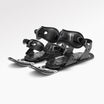
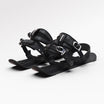
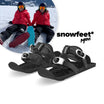
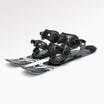
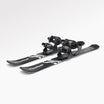
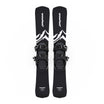
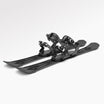
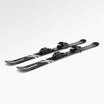
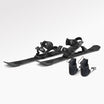
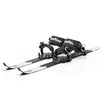
I’d use snowboard boots on 120 cm short skis only if the maker approves the exact boot-and-binding setup. Before you buy, get written confirmation for your boot model and size. A 120 cm ski - about 47 inches long - doesn’t tell you which boots its bindings accept.
Here’s my checklist:
- Check the package: Snowfeet* lists “Pro Ski Boot Bindings: 26–36.1 MP” for its 120 cm model. That’s a boot-size range, not approval for snowboard boots.
- Check release behavior: Snowfeet* says its approved snowboard-boot bindings don’t release in a fall. Don’t assume the 120 cm package uses those bindings.
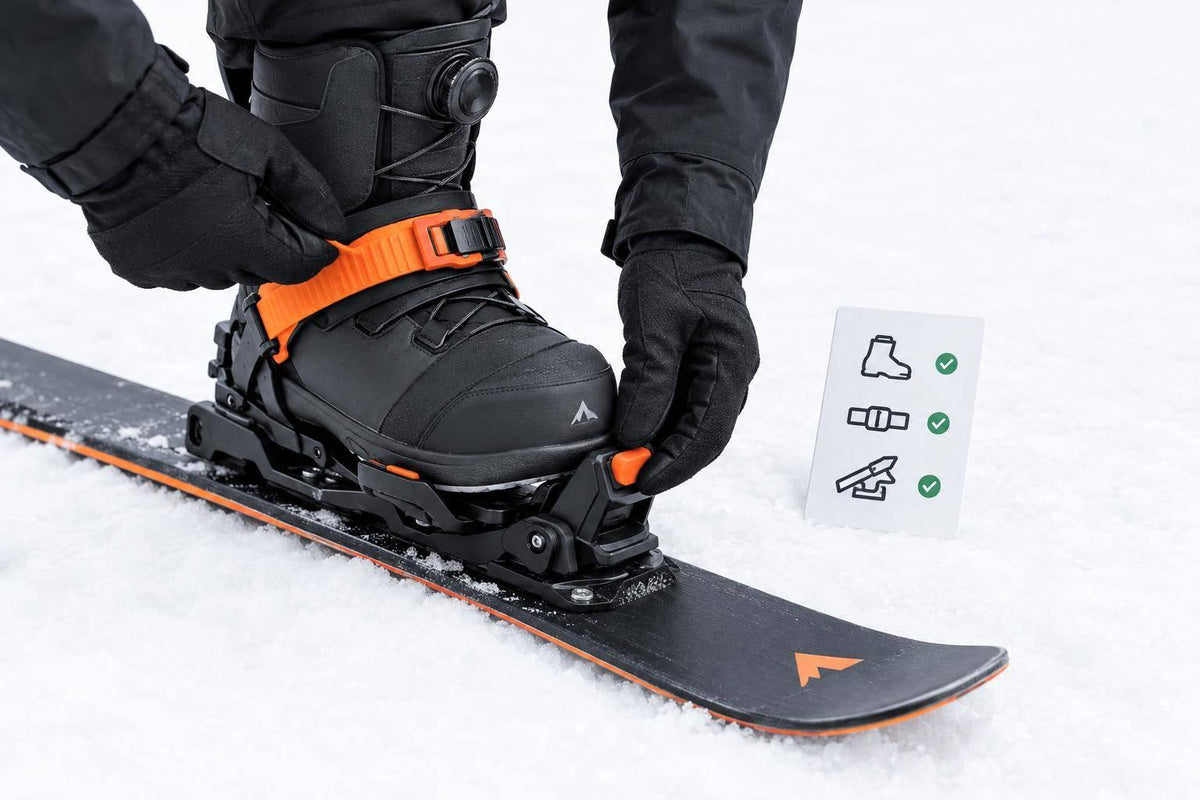
- Check fit before each run: Your boot shouldn’t twist, lift, or slide. If straps, buckles, or screws won’t hold it firm, don’t ride.
- Pick your tradeoff: Snowboard boots make walking easier. Ski boots give more precise edge control.
My rule: <u>no confirmed approval, no snowboard boots</u>. If the 120 cm package isn’t approved, use compatible ski boots or ask about the 65 cm and 99 cm snowboard-binding options. Once your setup checks out, start on gentle groomed runs.
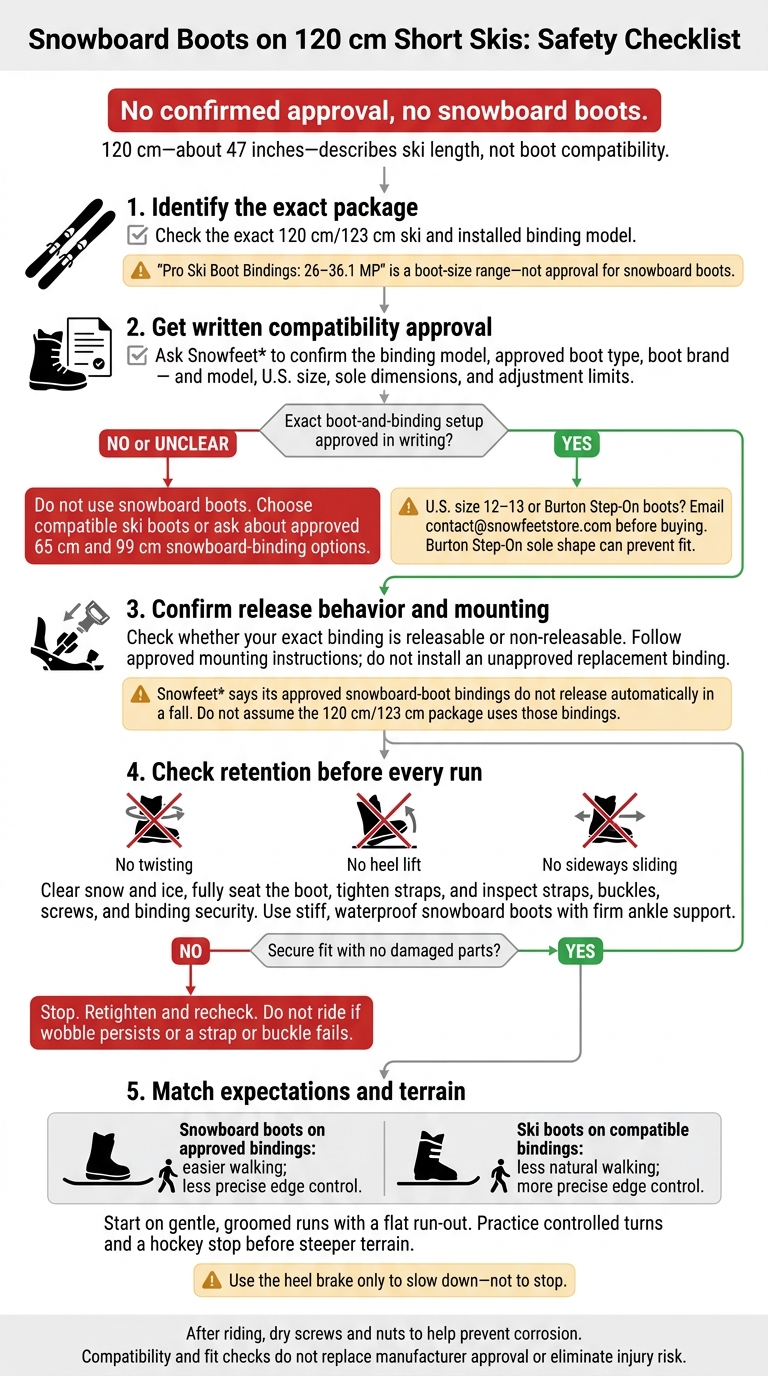
Snowboard Boots on 120 cm Short Skis: Safety Checklist
These guys tried Snowfeet* Snowblades for the first time | Watch what they think | Short Ski Review
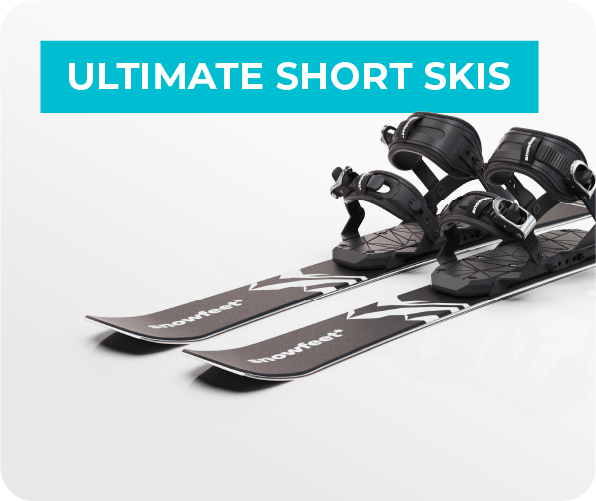
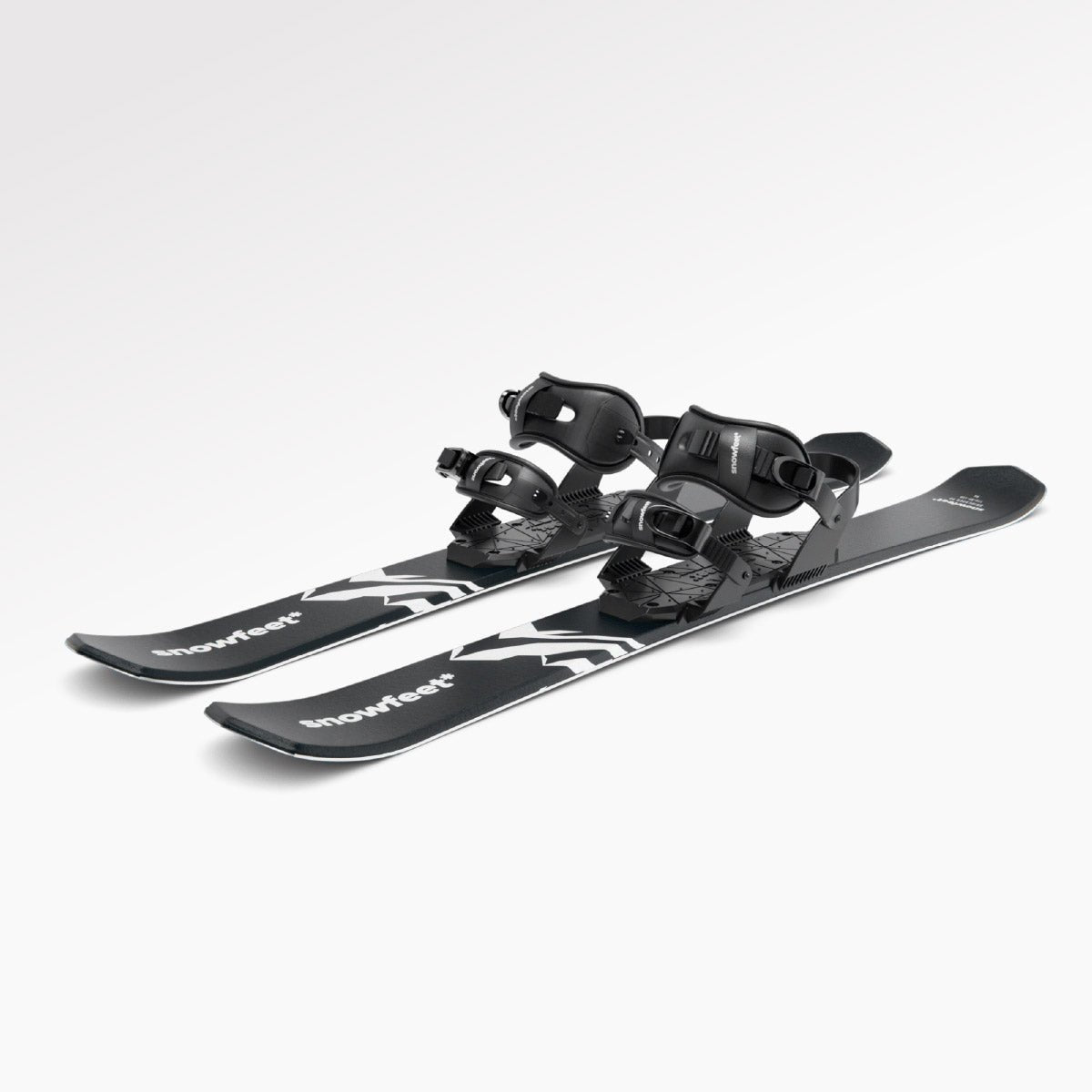
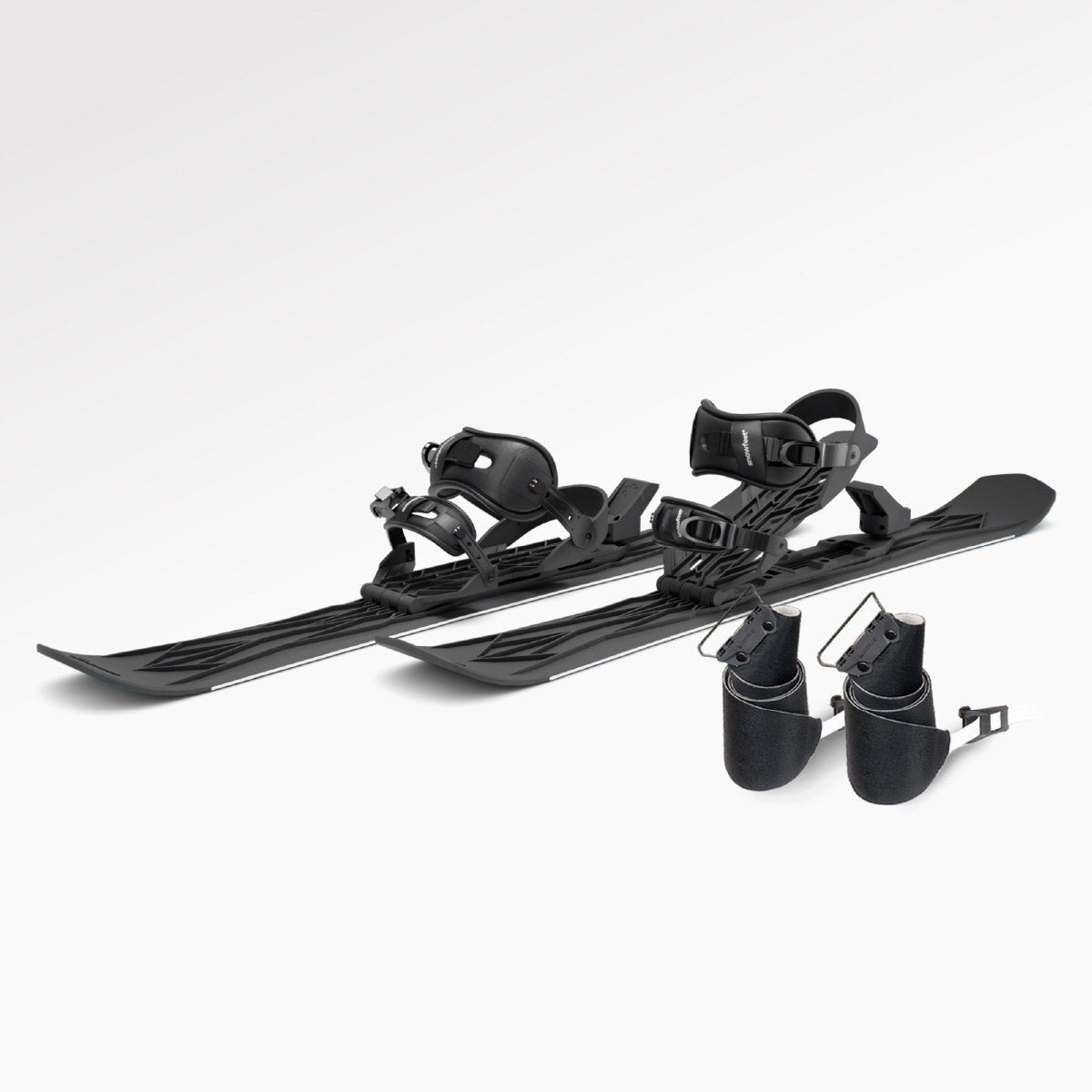
Check the Snowfeet* Skiblades 120 cm Binding
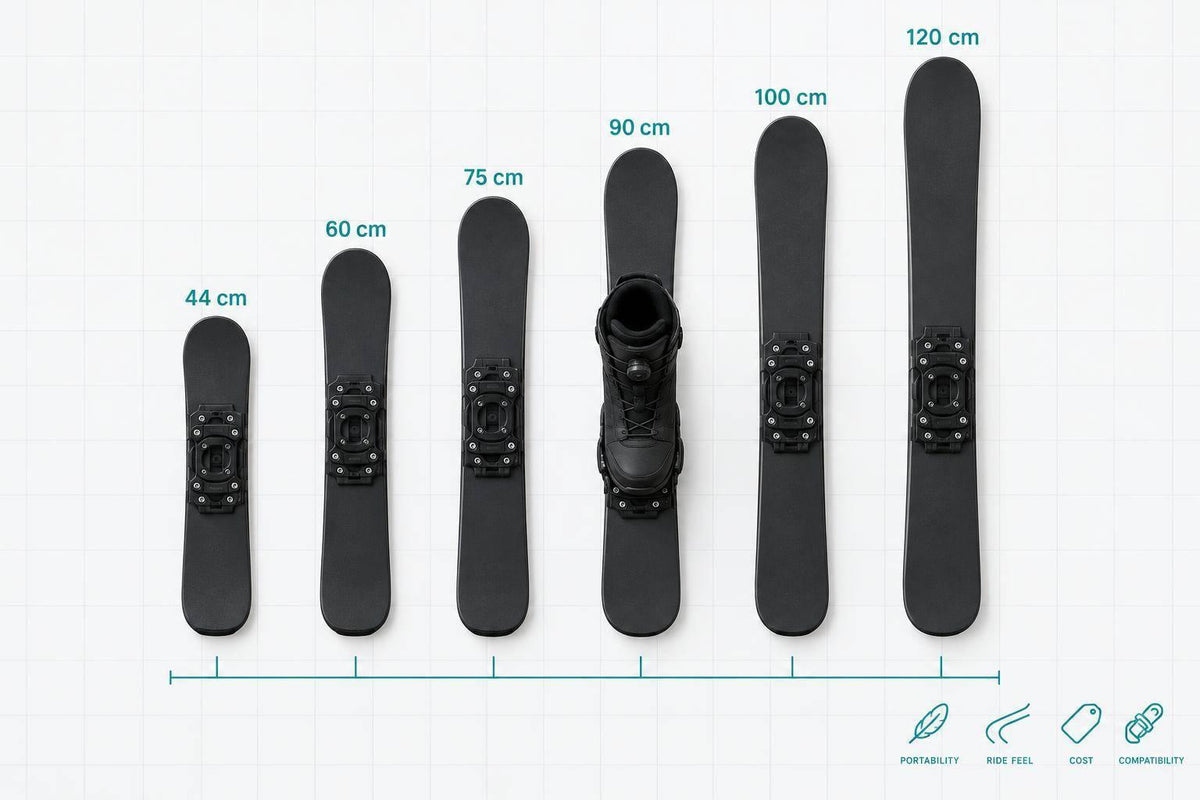
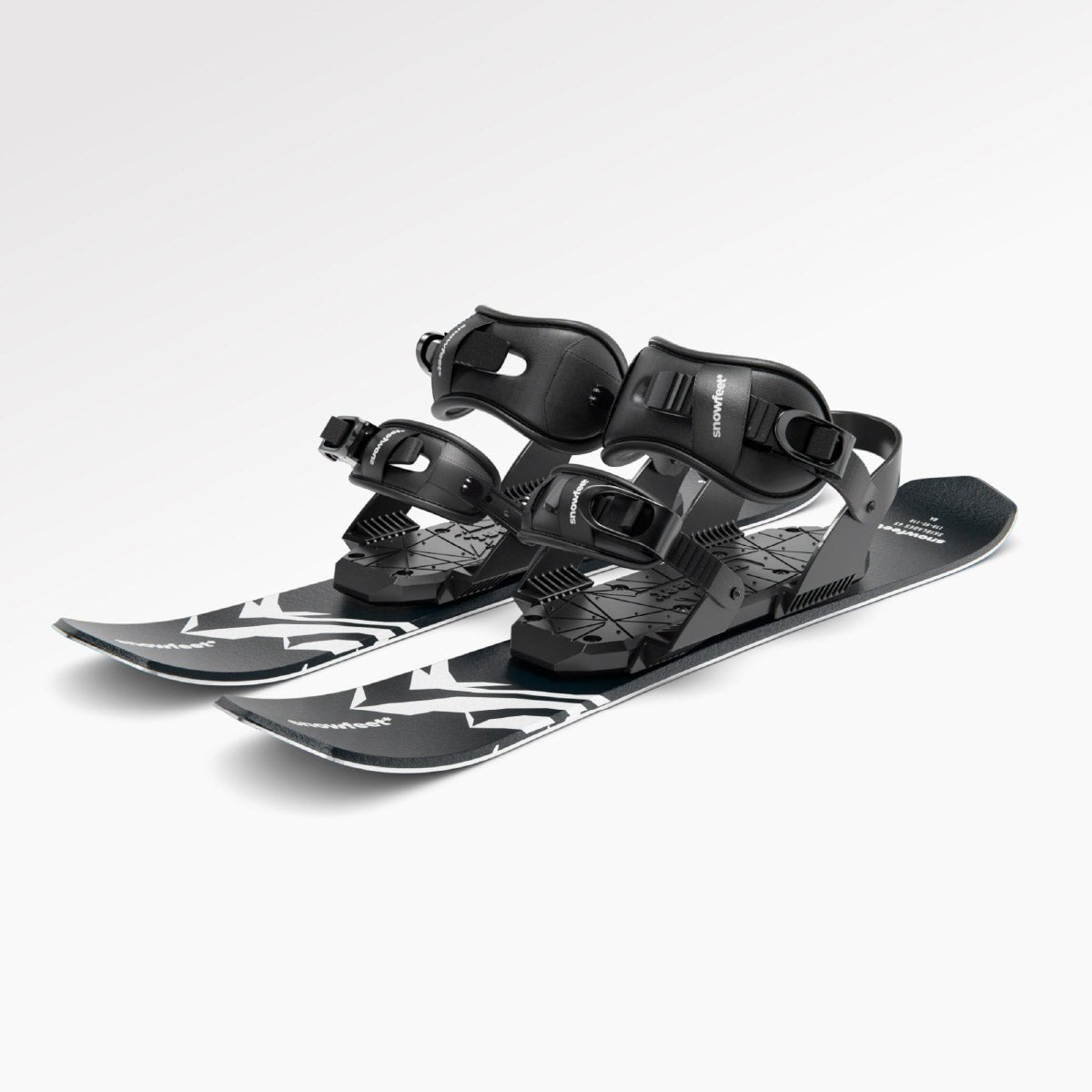
Check the exact 120 cm/123 cm binding package. Ski length alone won’t tell you whether the bindings work with snowboard boots.
Confirm the Binding Model and Boot Size
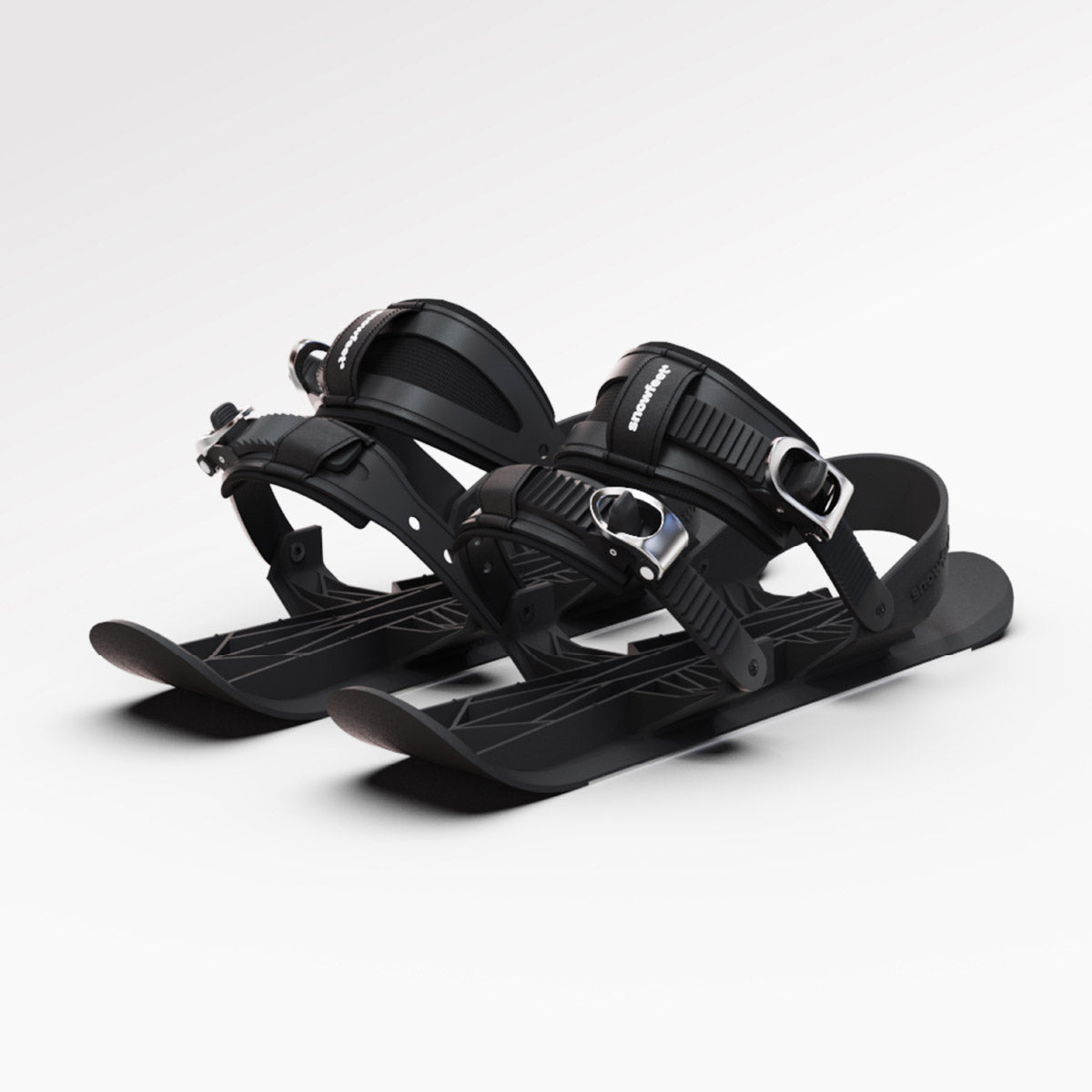
Match the ski model to the product listing. Then check the installed binding, supported boot brand and model, U.S. size, and sole dimensions. Burton Step-On boots often don’t fit Snowfeet* bindings because of their sole shape.
Check Release Behavior and Mounting
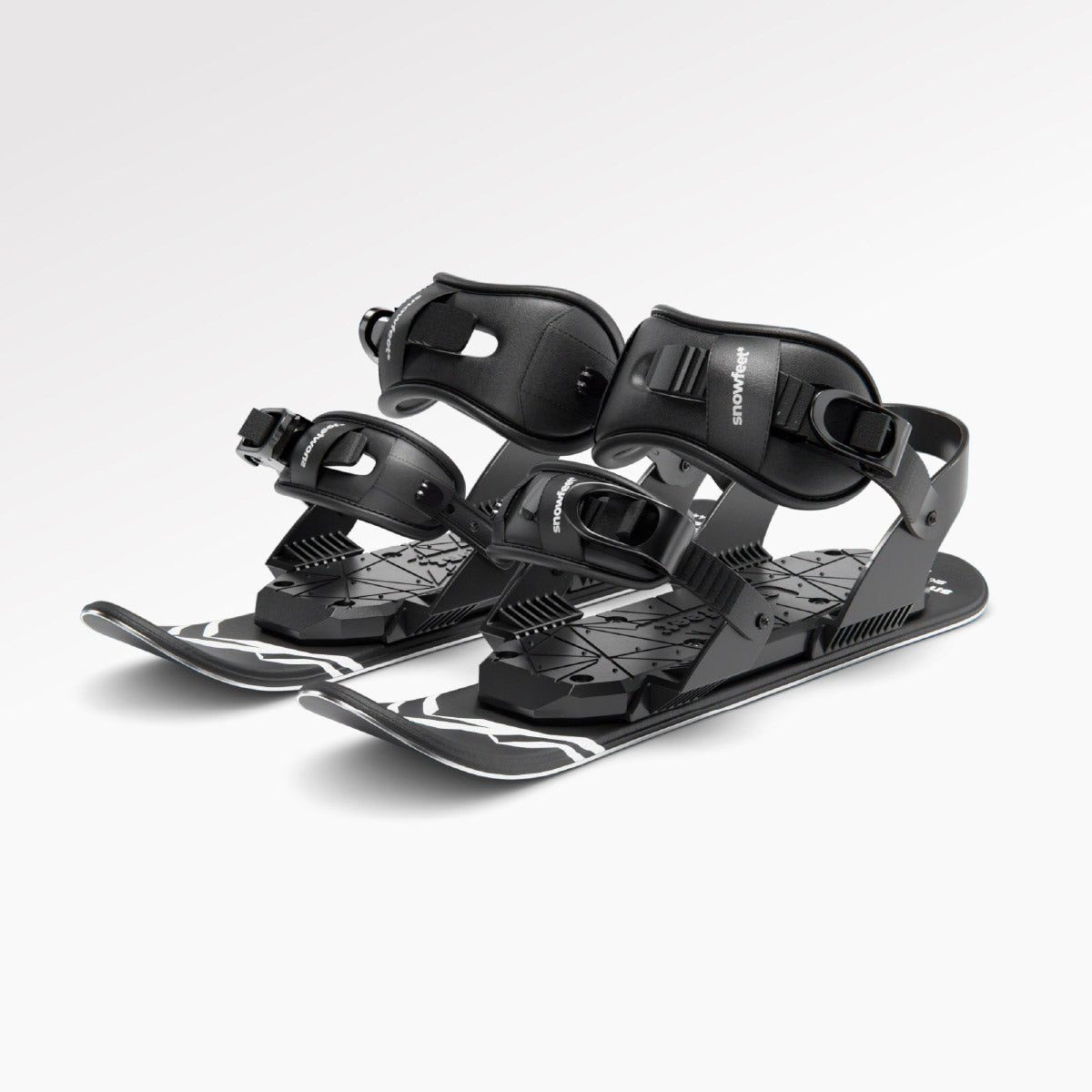
Once you’ve confirmed the package, check how your boot fits the binding. Snowfeet* says its bindings approved for snowboard boots are non-releasable: they don’t release automatically in a fall. That’s different from the release bindings listed for the 120 cm/123 cm model.
Confirm whether your binding is releasable or non-releasable, and whether it’s approved for your snowboard boots. Follow the approved mounting instructions, and don’t swap in an unapproved binding. Check screw tension and binding security before every run.
Get Written Compatibility Confirmation
If the listing doesn’t clearly state the binding type, release type, and approval for your snowboard boots, get written confirmation before you buy or ride.
Check Boot Fit, Security, and Ankle Support
Even approved boots need a snug, locked-in fit. Once you’ve confirmed binding approval, check how well the boot fits.
On 120 cm (about 47-inch) skiblades, even slight movement shows up fast. Snowfeet* snowboard-boot bindings rely on strap tension and boot stiffness, so secure contact matters more than with standard ski bindings.
Lock In the Boot and Adjust the Straps
Clear away snow and ice, seat the boot fully, and tighten the straps until there’s no wobble. For smaller boots, use the designated strap hole and adjust the fit with a screwdriver.
Choose stiff, waterproof snowboard boots with firm ankle support.
Test Boot Retention Before Every Run
Before each run, check that the boot doesn’t twist, lift, or slide sideways. At the first sign of movement, retighten the straps, buckles, and screws. Check these parts for damage, too. Stop riding if a strap or buckle fails, or if you can’t get rid of the wobble.
After riding, dry the screws and nuts to help prevent corrosion.
sbb-itb-17ade95
Compare Control and Comfort
Once your boots fit securely, the main tradeoff is walking comfort versus edge precision.
Walking comfort vs. edge precision
Snowboard boots make walking easier. Ski boots give you more precise edge control, especially on firm snow. On Snowfeet* Skiblades 120 cm, choosing snowboard boots means gaining walking comfort but giving up some edge precision.
| Feature | Snowboard boots on approved bindings | Ski boots on compatible bindings |
|---|---|---|
| Walking comfort | Softer build; easier walking | Rigid shells; less natural walking |
| Lateral stiffness | Lower; depends on boot flex | Higher; more side-to-side support |
| Edge control | Less precise; relaxed turns | More precise; demanding turns |
| Setup convenience | Familiar footwear, but manual strap adjustment | Often step-in; depends on binding |
| Best use | Casual cruising and low-speed practice | Firm snow and aggressive carving |
Heel lift or a lag in response can cancel out that comfort gain on 120 cm skiblades. This balance matters most when choosing your terrain and speed.
Where 120 cm Short Skis Work Best
Snowfeet* Skiblades 120 cm suit casual resort cruising, playful turns, and low-speed practice. Start on gentle, groomed terrain with a flat run-out. Skip steep or icy slopes until you’ve mastered the basics.
Practice controlled turns and learn a hockey stop before heading onto steeper runs. Use the heel brake only to slow down - not to stop.
Verdict: Choose an Approved Snowfeet* Setup
Snowboard boots don’t fit every 120 cm short-ski setup. Check the binding before buying, and don’t assume a 120 cm setup accepts snowboard boots.
When to Choose Snowboard Boots
Use snowboard boots only if Snowfeet* confirms that your exact boot model and size fit the specific binding. If the 120 cm setup isn’t approved, choose Snowfeet*’s snowboard-binding Skiblades 65 cm or 99 cm instead.
Wear U.S. size 12–13 boots or Burton Step-On boots? Email contact@snowfeetstore.com before buying. These boots can be hard to fit correctly.
When to Choose Ski Boots
Choose ski boots if Snowfeet* hasn’t approved your snowboard boots or if you want maximum edge control at higher speeds. Before buying, get written confirmation of the binding model, approved boot type, size, sole dimensions, and adjustment limits.
FAQs
Can I retrofit my Snowfeet* 120 cm skis with snowboard bindings?
No. Snowboard bindings use a different mounting interface, so you can’t retrofit them onto Snowfeet* 120 cm skis. These skis require Pro ski bindings for stability and safety during fast, aggressive carving.
Want to use snowboard boots? Snowfeet* recommends its compatible 65 cm or 99 cm models. Check that the specific binding setup supports snowboard boots before you buy.
How can I tell if my snowboard boots are stiff enough?
You don’t need a set stiffness rating. _First, check that your Snowfeet Skiblades 120 cm binding supports snowboard boots._* Stiffer boots may feel more responsive, while softer boots give you more flex.
Your boots should fit well, support your ankles, and lock securely into the binding. Adjust both the ankle and toe straps for a snug fit. Boot size or stiffness alone doesn’t guarantee compatibility.
Should a ski shop check my setup before I ride?
Yes - always check your setup before riding. You can adjust Snowfeet* products at home, but make sure your model and bindings work with snowboard boots. Not all versions do. Some 120 cm (about 47-inch) models need standard ski bindings and ski boots.
Check that every screw connection is tight and that your boots fit snugly in the bindings. If you’re unsure whether your gear works together, contact the manufacturer before you ride.


Leave a comment
This site is protected by hCaptcha and the hCaptcha Privacy Policy and Terms of Service apply.