




















Quick Summary:
While traditional long skis excel at high speeds, deep powder, and precise carving for advanced skiers, snowblades (65–123 cm) prioritize fun, agility, and ease of use. Lightweight and highly maneuverable, snowblades feature a shorter design and flexible binding options—including snowboard boot compatibility—that deliver a rollerblade-like feel, making them easier on the legs and perfect for beginners, terrain park tricks, or anyone seeking a playful, fatigue-free day on the mountain.
If you’re into winter sports, you’ve probably heard the debate: Should you ride snowblades or stick with regular skis? Both have their fanbases, and while long skis have been around forever, snowblades (or skiblades, ski boards – whatever you want to call them) are picking up steam with people looking for a different kind of vibe on the mountain. So, what makes snowblades special? Let’s break it down.
What Are Snowblades, and How Do They Compare to Regular Skis?
First off, what are snowblades, and why are people talking about them? Snowblades are basically shorter, sometimes wider versions of skis. They usually run between 65 and 123 cm, which is a lot shorter than your typical skis that can go from 150 cm to over 200 cm. Because of their size, snowblades are all about quick moves and having fun, while traditional skis focus more on speed and stability (but that does not mean that skiblades will let you fall!)

Snowblades also have a different shape – they’re often wider at the tips and tails, which helps with balance. This is especially great if you’re new to skiing. Regular skis usually have a more pronounced sidecut, which is better for making those big, swooping turns.
And then there are the bindings. Snowblades comes with 3 types of bindings, depending on their length: release ski bindings, non-release ski bindings, and snowboard bindings. Non-release bindings don’t automatically pop off if you take a tumble – unlike the regular ski bindings you are probably used to. You can also get snowblades with snowboard bindings, which might be a dream come true if you’re not a fan of stiff ski boots.

Why Would You Pick Snowblades Over Skis?
Alright, so why might someone choose snowblades instead of the usual long skis? Both have their perks, but if you’re after something easy, versatile, and just plain fun, snowblades might be your new best friend.
Super Easy to Use
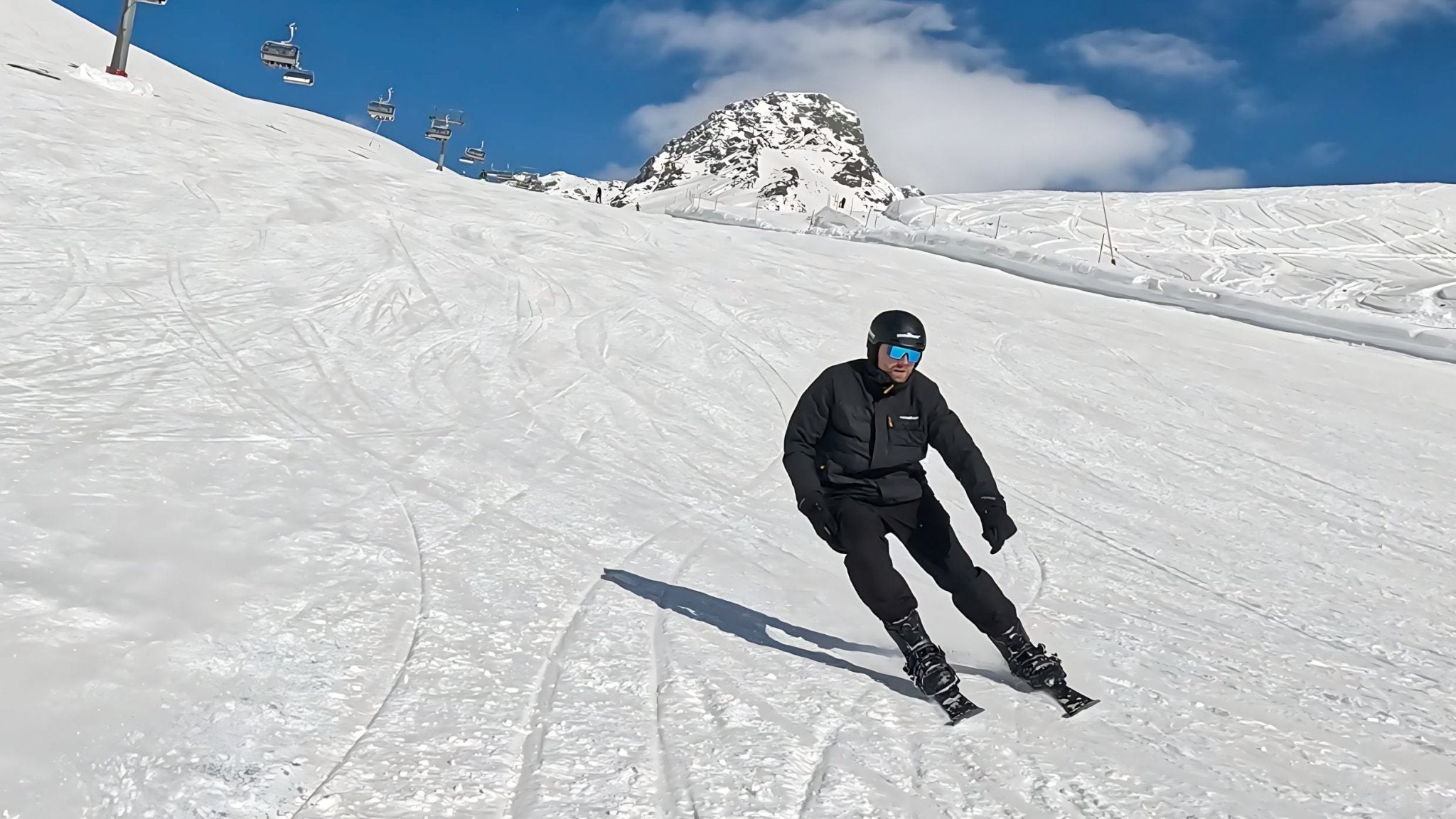
One of the best things about snowblades is how easy they are to control. Because they’re shorter, there’s less ski to manage, making them perfect if you’re new to the slopes or just want something a bit more laid-back. You won’t have to stress about tricky techniques or get intimidated by long, heavy skis.

Quick Turns and Tight Moves
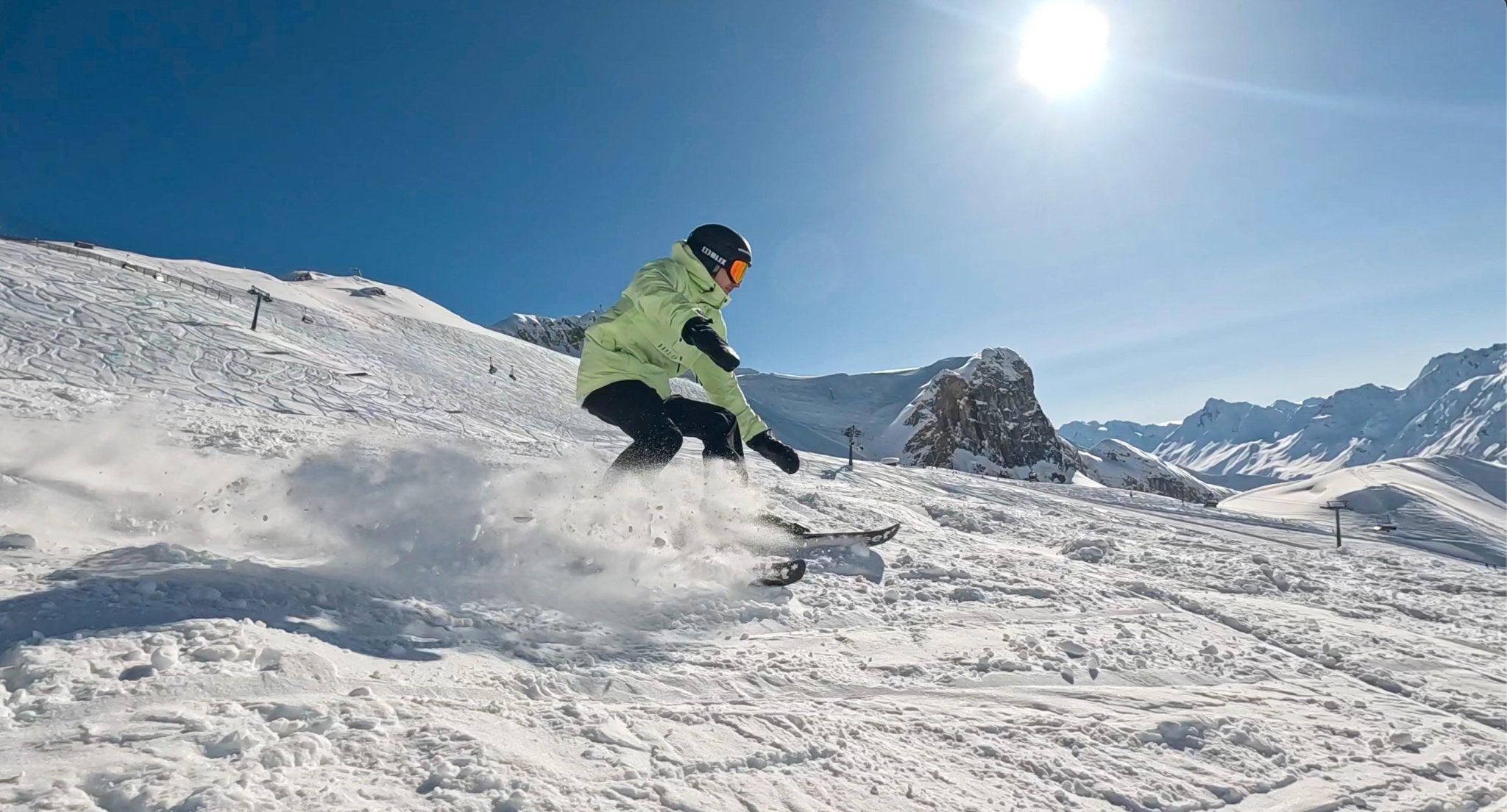
Snowblades are all about making quick, tight turns. Their small size makes them super easy to maneuver, which is awesome if you’re dodging people on crowded runs or threading through tight spots. They’re also a blast in terrain parks, where you can pull off tricks and jumps way easier than you could with long skis.
Ready for Anything
Snowblades are super versatile. Whether you’re cruising groomed runs, bouncing through moguls, or hitting the terrain park, they handle it all. Long skis tend to excel on certain terrains, but snowblades are kind of like the all-around tool you can take anywhere on the mountain.

Less Tired, More Fun
Because snowblades are lightweight and compact, you won’t get as worn out using them. Long skis can be heavy and a lot of work to control, especially if the conditions get tricky. With snowblades, you’ll find yourself skiing longer without feeling as wiped out.
They’re Just Fun
Let’s be real – snowblades are a ton of fun! They give you a different, almost rollerblade-like experience on the snow, adding a whole new level of excitement to your day on the mountain. If you’re getting bored with the same old skiing routine, snowblades can shake things up.
What About Long Skis?
Stable at High Speeds
Long skis are built for speed demons. Their length and design keep you stable when you’re flying down the slopes, so if you’re into fast descents, they might be your go-to. That said, on most runs, you will not notice a difference between snowblades and regular skis.
Great in Deep Snow
In deep powder, long skis help you float better and stay on top of the snow, which keeps you from slowing down. This is especially handy if you’re into backcountry skiing or hunting for fresh powder. But don’t count out snowblades just yet – the wider base on some models can handle powder pretty well too.
For the Pros
Long skis are perfect if you’re into advanced skiing techniques like carving, racing, or tackling steep, icy slopes. They’re designed to handle tough conditions and give you precise control, making them a favorite for more experienced skiers.

So, Who Should Ride Snowblades, and Who Should Stick to Long Skis?
Choosing between snowblades and skis really comes down to your style and what you want out of your time on the mountain.
Who Should Go for Snowblades?
Snowblades are awesome for most recreational skiers who just want to have a good time. If you’re someone who likes to mix things up, maybe throw in a trick or two, and don’t want to deal with heavy, cumbersome gear, snowblades are a great pick. They’re also fantastic if you’re just getting into skiing or don’t ski super often – they’re easier to control and way less intimidating.
Who Should Go for Long Skis?
Long skis are more your thing if you’re an advanced skier who loves speed and needs stability, especially on challenging terrains. They’re also the better choice for traditionalists who like sticking to classic alpine skiing techniques.

How to Pick the Right Snowblades
If you’re ready to give snowblades a shot, here’s how to choose the right pair:
Length
When it comes to length, it’s more about how you like to ski than your height or weight. Shorter snowblades (65-85 cm) are perfect if you’re into skating or doing tricks in the park. They let you combine skiing with skating, making for a super fun ride. Longer snowblades (90-120 cm) are better if you’re looking for a carving experience or want something that can handle powder but with less weight and more maneuverability.
Width
Snowblades come in different widths. Wider blades give you better stability and help you stay afloat on soft snow, while narrower ones are quicker to turn and better for groomed runs.
Bindings
You can get snowblades with non-release, release, or snowboard bindings. If you’re going for longer snowblades, they usually come with release bindings for added safety. For shorter snowblades, it’s all about what you prefer – ski boots or snowboard boots?

Skill Level and Style
If you want an all-mountain experience with a twist of fun, go for versatile snowblades like the Snowfeet 99. If you’re more into tricks and quick moves, shorter snowblades like the Snowfeet 65 are the way to go.
Final Thoughts
Whether you’re just out there for a casual ski day or you’re all about speed and precision, there’s something for everyone, whether it’s snowblades or long skis. If you’re curious about snowblades, give them a try – you might find they make your time on the slopes even better!
Editor: Karolina R.
Last Update: September 8, 2026











2 comments
Snowfeet Team
Hi Margo !
Your knees will 100% thank you! Making the switch is an absolute game-changer for moguls and trees.
Here is why your legs will feel fresher at 2 PM:
No Knee Twist: Long skis act like 170cm crowbars torqueing your joints in tight bumps. At 99cm, that leverage disappears.
Zero Swing Weight: Turning becomes an effortless flick of your ankles instead of a heavy full-body workout.
Natural Stance: Staying balanced doesn’t burn your quads—it uses the exact same centered, natural balance as ice skating or rollerblading.
No extra quad burn, way less torque on your knees, and pure fun all day long! 🎿🌲 Painless moguls await!
Karolina from Snowfeet Team
Margo
I’m an intermediate skier who loves trees and moguls, but my knees take a total beating on full-length 170cm skis by 2 PM. If I make the switch to 99cm snowblades, will the lack of leverage actually save my knees, or does the shorter surface area force your quads and core to work twice as hard just to stay balanced?
Thank u
Leave a comment
This site is protected by hCaptcha and the hCaptcha Privacy Policy and Terms of Service apply.