



















Quick Summary:
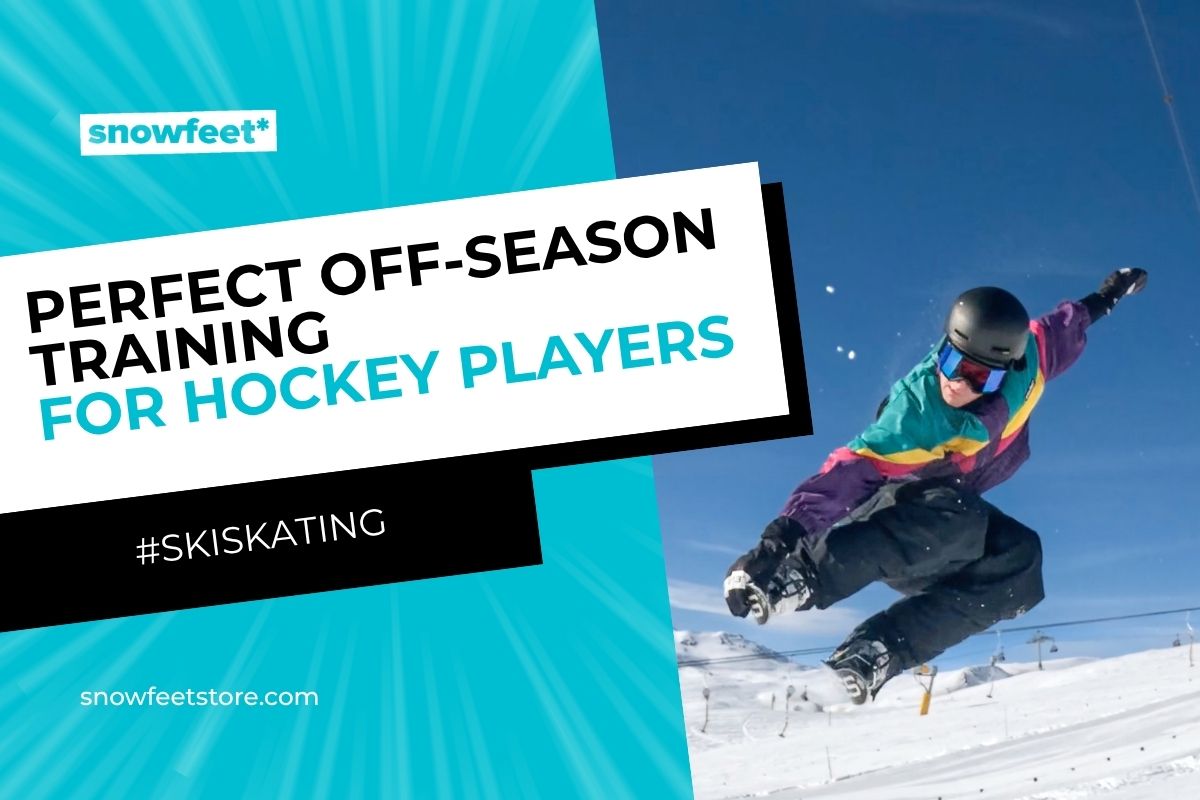
Skiskating using compact Snowfeet models (44 cm Skiskates or 50 cm Snowfeet) offers hockey players an effective, portable, and budget-friendly off-season training alternative to traditional bulky ski gear. By mimicking the lateral strides, edge control, and stopping mechanics of on-ice skating, skiskating targets stabilizing muscles, builds leg strength, and sharpens agility. Practicing skiskating drills two to three times weekly on slopes, trails, or backyards helps players maintain crucial muscle memory and stay game-ready when ice access is limited.
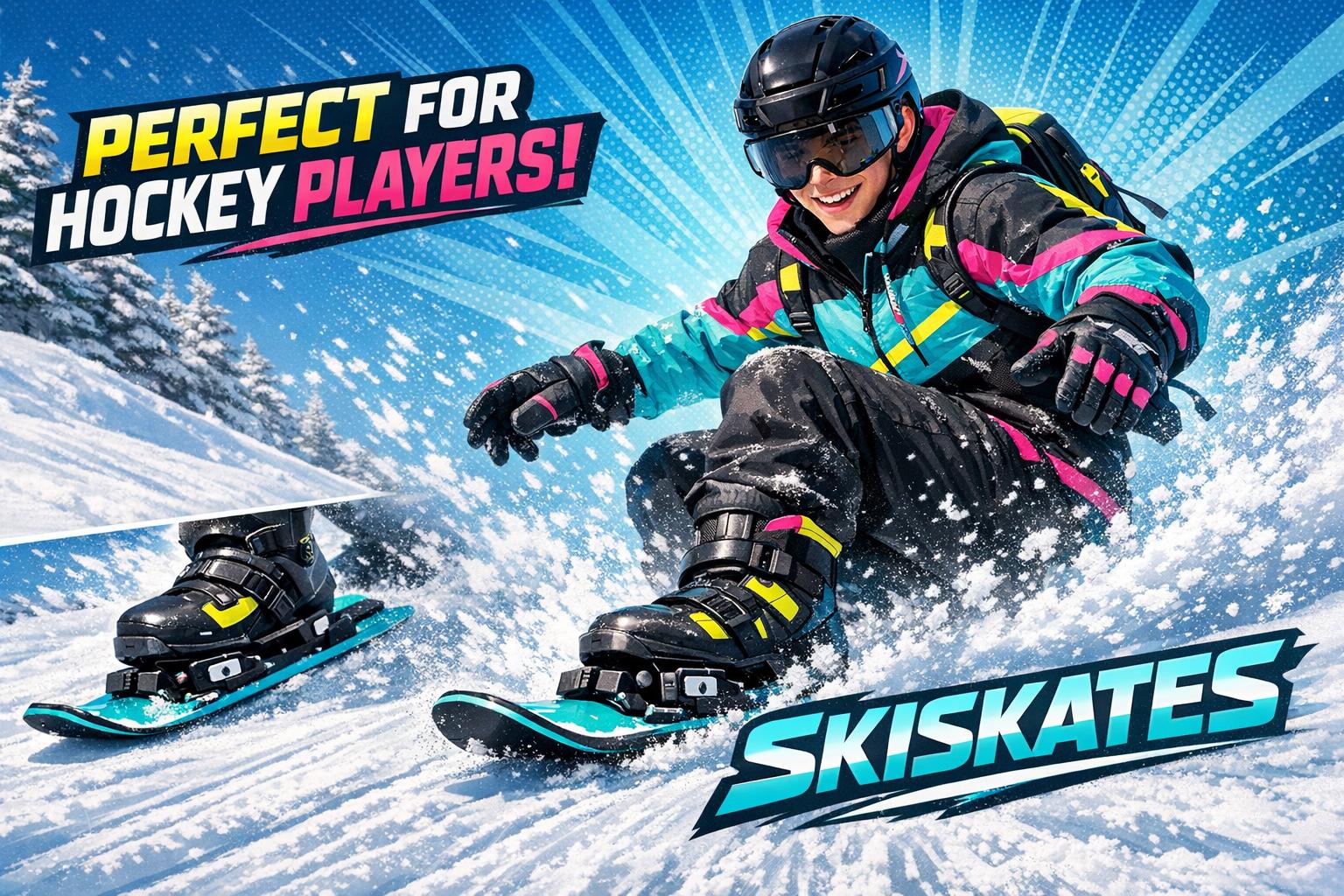
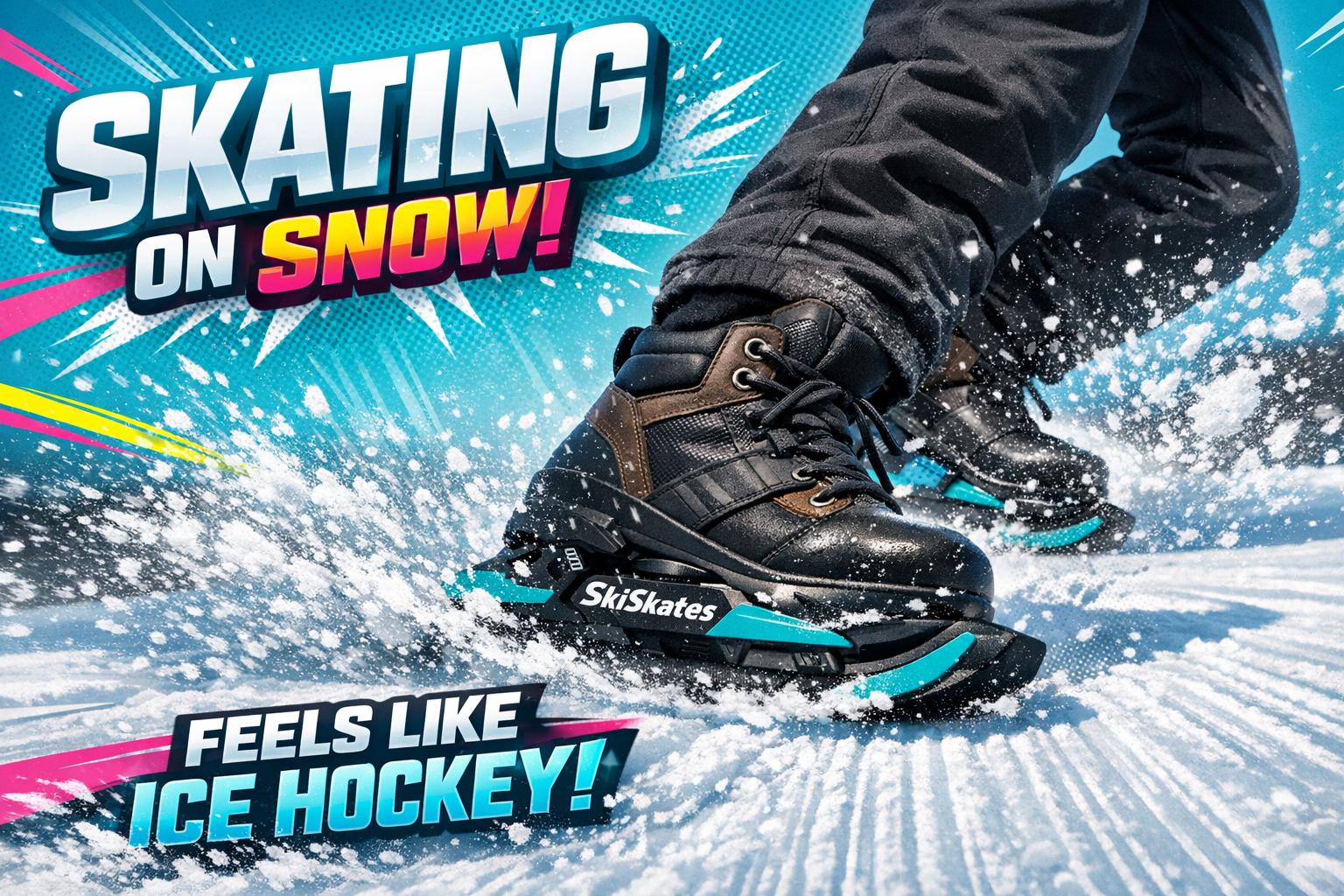
Skiskating is a game-changer for hockey players looking to stay sharp in the off-season. It mimics on-ice movements using compact skis like Snowfeet (50 cm) and Snowfeet Skiskates (44 cm), which let you practice lateral push-offs, hockey stops, and edge control on snow. Unlike traditional long skis, these are lightweight, portable, and work with regular winter boots - so no need for bulky gear or ski boots.
Here’s why skiskating works:
- Improves balance and edge control: Builds stabilizing muscles for better on-ice performance.
- Boosts agility: Short skis allow quick turns and sharp directional changes.
- Strengthens legs: The skating motion targets key hockey muscles.
- Convenient and budget-friendly: Fits in a backpack, costs less than traditional ski gear, and works on slopes, trails, or even your backyard.
Snowfeet 50 cm is great for beginners, priced at $299, while the Skiskates 44 cm($550) cater to advanced users with more responsive performance. Add skiskating to your training schedule 2–3 times a week to maintain your hockey skills and stay game-ready. Whether you're carving on slopes or practicing stops on flat snow, skiskating keeps you in top form when ice time isn’t an option.
How Snowfeet* Outperforms Traditional Skis and Snowboards for Hockey Training
What Makes Snowfeet* Better Than Long Skis and Snowboards
Traditional long skis are built for downhill gliding, which means they force you into a forward-leaning stance - not exactly ideal for hockey players who rely on lateral movement. Snowfeet*, on the other hand, are compact, measuring less than 20 inches (under 50 cm). This short length eliminates the bulk that can get in the way of side-to-side motion, allowing you to push sideways just like you would during a hockey skating stride. No awkward, stiff positioning here.
Another big win? Footwear compatibility. Snowfeet* easily strap onto winter or snowboard boots, keeping your ankles flexible for quick, sharp movements. Plus, their lightweight design makes it easier to stay nimble during fast turns. This combination of flexibility and responsiveness gives you better control, making them a great tool for off-ice hockey training.
And let’s talk about stopping. With Snowfeet*, you can pull off a proper hockey stop by pushing the metal edges sideways and evenly distributing your weight. If you’ve got experience with hockey or inline skating, this move will feel second nature.
"To start your ride, skate like a hockey player. Push your legs sideways." - Snowfeet Team
Why Short Skis Work Better for Hockey Off-Season Training
The 44 cm Snowfeet* Skiskates and 50 cm Snowfeet* PRO models are all about precision and balance. Their shorter base lets you make quick, tight turns without the drag and inertia that come with longer skis. This design naturally encourages a centered stance - just like when you’re skating on ice - rather than the forward lean typical of traditional skis.
For hockey players, this means you can keep working on your edge control and lateral movement during the off-season, and you don’t need to deal with the hassle or cost of bulky ski equipment to get it done. Snowfeet* makes training simple, effective, and way more accessible.
 Product Link: SNOWFEET* 44 CM | SKISKATES | SNOWBLADES SKIBOARDS MINI SKIS
How Skiskating Improves Hockey Skills
Better Balance and Edge Control
Using Snowfeet* for skiskating requires constant balance adjustments. Thanks to their compact design, they engage your stabilizing muscles in ways that traditional longer skis don’t. This mimics the dynamic balance needed on the ice, sharpening your overall balance and edge control.
The metal edges on Snowfeet* also help refine precise edge control, which strengthens your on-ice stopping skills. To boost stability, try using a staggered stance, keeping one foot slightly ahead - this mirrors the athletic posture hockey players use during games.
"The movement is similar to ice hockey or rollerblading. If you know how to do that, skiskating will be a piece of cake." - Snowfeet Team
This focus on balance lays the groundwork for quicker, more precise directional changes.
Faster Agility and Direction Changes
Snowfeet* are perfect for quick turns and sharp pivots. Their shorter length allows for nearly instant edge engagement, letting you perform tight, controlled movements similar to those on the ice. The lateral push you use while skiskating mimics a hockey stride, reinforcing the muscle memory essential for game play. To stay in control, keep your knees bent and your weight centered over the middle or back of your feet - this helps prevent catching the tips.
Stronger Legs and Better Endurance
Skiskating not only improves agility but also strengthens your lower body. The diagonal push-off motion works the key muscles you rely on for acceleration and lateral movement during hockey. Plus, since skiskating is a high-intensity activity, you can structure your sessions to mimic game scenarios - 30 to 45 seconds of all-out effort followed by 90 to 120 seconds of rest. Research backs this up: one study found that off-ice agility training improved reactive agility by 1.7% to 3.1% in young players, showing how these movements translate directly to better on-ice performance.
"The best way to start your ride is to skate like a hockey player. Push your legs sideways." - Snowfeet Team
Which Snowfeet* Model to Use for Hockey Training
When it comes to off-season hockey training, both the Snowfeet* 50 cm and Snowfeet* Skiskates offer the skating motion you need. Each model caters to different training goals, whether you're looking for versatility or advanced performance. They’re designed to help improve balance, agility, and edge control - key skills for hockey players.
The Snowfeet* (50 cm) is perfect for beginners or those who want a versatile option. Its slightly longer length provides added stability while still delivering a natural skating feel. You can pair it with winter or snowboard boots, making it a flexible and affordable choice. At $299.00, it’s a budget-friendly option with glowing reviews - a 4.9/5 rating from 2,256 users. Hockey players often highlight how easy it is to get started with this model.
"Snowfeet 50 cm are here to make skiskating more accessible to everybody and opens the door to becoming a skilled skater." - Snowfeet Team
On the other hand, the Snowfeet* Skiskates (44 cm) are built for serious training. With a wood-core construction, they offer quicker, more responsive performance, especially on groomed slopes. These require ski or snowboard boots with dedicated bindings, ensuring better ankle support for advanced edge work. Starting at $550.00, they’re a premium option with a perfect 5.0 rating. If you're focused on high-speed carving and slope training, this is the way to go.
 Product Link: SNOWFEET* 50 CM | SKI SKATES
Snowfeet* Skiskates vs. Snowfeet*: Feature Comparison
Here’s a quick breakdown to help you decide which model fits your training needs:
| Feature | Snowfeet* | Snowfeet* Skiskates |
|---|---|---|
| Length | 50 cm (20 in) | 44 cm (17 in) |
| Core Material | Fiberglass-reinforced Polyamide | Wood Core (Cap Construction) |
| Compatible Boots | Winter boots or Snowboard boots | Ski boots or Snowboard boots |
| Binding Type | Adjustable straps | Dedicated ski or snowboard bindings |
| Heel Brake | Included | Not included |
| Best For | Versatile training (backyards, trails, slopes) | High-speed slope training and carving |
| Learning Curve | Easy for hockey players | Best for skaters with experience |
| Price | $299.00 (Sale) | Starting from $550.00 |
| Rating | 4.9/5 (2,256 reviews) | 5.0/5 |
The 50cm model comes with a heel brake for added control, making it beginner-friendly, while the Skiskates rely entirely on your edge control and skating technique. To keep either model in top shape, regular maintenance - like waxing the base and tuning the edges - will ensure smooth performance and sharp carving.
sbb-itb-17ade95
Skiskating Drills for Hockey Players
To get the most out of your Snowfeet*, it’s all about practicing the right drills. These exercises help build the muscle memory and edge control you’ll need to dominate on the ice. Start out on flat, snowy terrain - this gives you a chance to get a feel for how your Snowfeet* respond without the added challenge of slopes.
Beginner Drills: Basic Skating Skills
"The best way to start your ride is to skate like a hockey player. Find a flat snowy terrain to get used to the motion and explore how your Snowfeet* react."
Start with a shoulder-width stance, keeping one foot slightly ahead for better balance. Avoid leaning too far forward - it’s all about staying centered.
Practice stopping techniques like the hockey stop. Push the edges sideways and make sure your weight is evenly distributed over both feet. If you’re used to inline skates, the Snowfeet 50 cm’s built-in heel brake will feel familiar and can help you control your speed. Most hockey players pick up these basics pretty quickly, often in just 5–10 minutes.
After each session, take care of your gear. Dry the metal edges to prevent rust, and wax the fiberglass bases to avoid snow sticking.
Once you’re comfortable, move on to carving and quick turns on gentle slopes.
Intermediate Drills: Carving and Quick Turns
When you’re ready to step it up, head to gentle slopes and start working on carving. Snowfeet* are shorter than traditional skis (under 20 inches), which means you’ll need to focus on front-to-back balance and precise edge control.
Try carving S-patterns down the slope. Engage the side edges to create friction - this technique is similar to how you stop and turn on ice. Keeping one foot slightly ahead of the other improves stability, and balancing your weight over the middle and back of your feet is key to making quick transitions.
To keep your turns sharp and controlled, regularly sharpen the metal edges with a sharpening stone.
Once you’ve nailed quick turns, take it up a notch with backward skating and precision stops.
Advanced Drills: Backward Skating and Precision Stops
Advanced drills push your skills further by adding backward skating and precision stops. When skating backward, shift your weight forward slightly and keep your heels raised - this mimics the backward skating technique used on ice, making it especially useful for defensemen during off-season practice.
For precision stops, focus on executing hockey stops with even weight distribution. With Snowfeet*, stay upright and centered over both feet. This will help you develop the muscle memory needed for quick, controlled stops during high-pressure game scenarios.
Want to challenge yourself even more? Set up cone drills on the snow. Skate forward, stop quickly, transition to backward skating, and then stop again. This sequence sharpens your ability to change direction and improves edge control. Snowfeet Skiskates (44 cm) are perfect for advanced drills, thanks to their wood-core construction and responsive edges.
 Product Link: SNOWFEET* 44 CM | SKISKATES | SNOWBLADES SKIBOARDS MINI SKIS
How to Add Skiskating to Your Off-Season Training Schedule
Incorporating skiskating into your off-season routine can be a game-changer. Research suggests that short, skill-focused sessions - 20 to 30 minutes, three times a week - can significantly improve motor skills and overall agility for hockey players.
Start your off-season with a two-week recovery period. Once you’ve had some rest, spend the next 2–4 weeks working on technical fundamentals like edge control, transitions, and basic skating motions before moving on to more advanced drills.
"The off-season is when you get to develop your technical skills… You need to slow the skills down and focus on the individual aspects of each." – Gary Roberts Performance
To mimic the intensity of a game, include high-intensity bursts lasting 3–15 seconds, followed by rest intervals at a 1:3 to 1:10 ratio. Structure your workout with 2–6 exercises, performing 2–4 sets of 2–6 repetitions per set.
Sample Weekly Training Schedule with Snowfeet*
Here’s a simple weekly plan to help you build skills while ensuring proper recovery:
| Training Day | Focus Area | Recommended Terrain | Recommended Model | Session Length |
|---|---|---|---|---|
| Monday | Basic Skating & Balance | Flat snowy field or backyard | Snowfeet PRO (50 cm) | 20–25 minutes |
| Wednesday | Endurance & Cardio | Cross-country or hiking trails | Snowfeet PRO (50 cm) | 25–30 minutes |
| Friday | Agility & Edge Control | Groomed ski slopes or snow parks | Skiskates (44 cm) | 20–30 minutes |
| Sunday | Active Recovery | Local sledding hill | Any Snowfeet model | 15–20 minutes |
Each session has a purpose. Monday’s focus on flat terrain helps you refine your basic skating motion and practice hockey stops without the distraction of inclines. On Wednesday, endurance sessions on trails give you a solid aerobic workout, targeting the same leg muscles you use on the ice. Friday’s agility drills on groomed slopes hone your edge control and quick transitions, while Sunday’s active recovery keeps your legs moving without overloading them.
Thanks to Snowfeet’s compact design, you can train almost anywhere. Beyond structured sessions, skiskating also works as a great addition to other off-ice workouts.
Using Skiskating with Other Off-Ice Training
Once you’ve established a consistent skiskating routine, it’s time to integrate it with your broader off-season training. Skiskating isn’t meant to replace your other workouts but to complement them. During the off-season, your main goal should still be building strength and overall conditioning.
"Schedule your on-ice session around your off-ice training. Building your physical attributes is the summer priority, don't compromise those sessions." – Gary Roberts Performance
Skiskating is an excellent way to sharpen hockey-specific skills like edge control while maintaining leg strength. It can even serve as a winter-friendly alternative to inline skating or rollerblading. If you’re already doing dryland drills like stickhandling or passing with a green biscuit, adding skiskating on packed snow can improve your coordination and ability to multitask.
For a balanced training program, pair your skiskating sessions with gym-based strength workouts. Try scheduling your Snowfeet sessions on days when you’re not lifting heavy, or use them as a conditioning finisher after your main workout.
One of the biggest benefits of skiskating is its variety. The movements are less repetitive than a typical hockey stride, which can help ease tightness in areas like your hips, groin, and lower back - common problem spots for hockey players. Plus, training on different terrains challenges your body to adapt and stabilize in ways that flat ice can’t, giving you an edge when you’re back on the rink.
Conclusion
Skiskating with Snowfeet* is an excellent way to keep your skating skills sharp during the off-season. Unlike traditional long skis or snowboards, the shorter design - whether you go for the 44 cm Skiskates for slopes or the 50 cm Snowfeet for mixed terrain - mimics the skating motion used on ice. This helps improve balance, edge control, agility, and leg strength, all of which directly benefit your performance when you're back on the rink.
What makes Snowfeet* stand out is their versatility. With these, you can practice hockey stops, quick direction changes, and even backward skating - key moves for any skater. Plus, their compact size means you can train almost anywhere: on slopes, trails, or even in your backyard. They’re lightweight, fit in a backpack, work with standard winter boots, and are far more affordable than traditional ski gear. Most importantly, they keep your skating muscles active and your edge work polished when ice time isn’t available.
With over 5,500 verified reviews, a 4.9/5 star rating, and 50,000+ riders globally, Snowfeet* has proven its value. The off-season is the perfect time to build the foundation for your best hockey performance. While strength training and conditioning are still key, adding skiskating to your routine offers a hockey-focused training option that’s both effective and fun. Whether you’re refining your balance or tackling advanced agility drills, Snowfeet* gives you the tools to stay game-ready.
Take your off-season training to the next level with Snowfeet*. Explore the Snowfeet Skiskates (priced at $550) or the Snowfeet (priced at $299) and get ready to elevate your game when the season starts again.
FAQs
How can skiskating help improve my hockey skills during the off-season?
Skiskating is an awesome way to keep your skills sharp during the off-season. It mimics the movements of ice skating, making it a solid choice for hockey players who want to stay in shape. With Snowfeet 44 cm Skiskates or Snowfeet 50 cm, you can work on balance, agility, and lower-body strength - all while having fun in the snow. These lightweight, compact skates let you move naturally, helping you maintain that all-important muscle memory for hockey.
What sets Snowfeet apart from traditional skis or snowboards is their focus on quick, dynamic movements. They're tailor-made for practicing controlled turns and powerful strides - the kind of moves that’ll have you hitting the ice with more strength and agility when hockey season rolls around again.
What’s the difference between Snowfeet 50 cm and Skiskates?
The key difference between Snowfeet 50 cm and Skiskates 44 cm comes down to their length and purpose. Snowfeet measure 50 cm, making them longer, which translates to greater stability and speed. This makes them a solid choice for advanced users or off-season hockey players who want to focus on building power and endurance. On the other hand, Skiskates are shorter at 44 cm, lighter, and easier to handle, making them a great pick for beginners or anyone who values agility and quick direction changes.
That extra 6 cm on the 50 cm gives it a larger contact area with the snow, allowing for smoother, more controlled movements and stronger push-offs. In contrast, the compact design of Skiskates boosts responsiveness and makes sharp turns a breeze. Both models share Snowfeet’s clever design that mimics the feel of ice skating on snow, but their different sizes mean they suit different skill levels and training needs.
Can I use Snowfeet skiskates on all types of snowy terrain?
Snowfeet skiskates, especially the 50 cm model, are built to handle just about any snowy surface you can think of. Whether you're cruising down groomed slopes, messing around in your backyard, hitting off-piste trails, or showing off at a ski park, these skiskates offer flexibility and control.
Thanks to their compact design and clever features, they’re perfect for tackling tricky terrain while keeping the agility and balance you'd need for hockey practice or just some casual fun. With Snowfeet, it’s like bringing the joy of skating to the snow - pretty much anywhere!
Editor: Karolina R.
Last Update: September 28, 2026











1 comment
Steve Boyle
Hi, since the article claims that Snowfeet let you execute a proper hockey stop, how does the friction and stopping distance on natural or packed snow compare to real ice without causing you to catch an edge or pitch forward?
Leave a comment
This site is protected by hCaptcha and the hCaptcha Privacy Policy and Terms of Service apply.