



















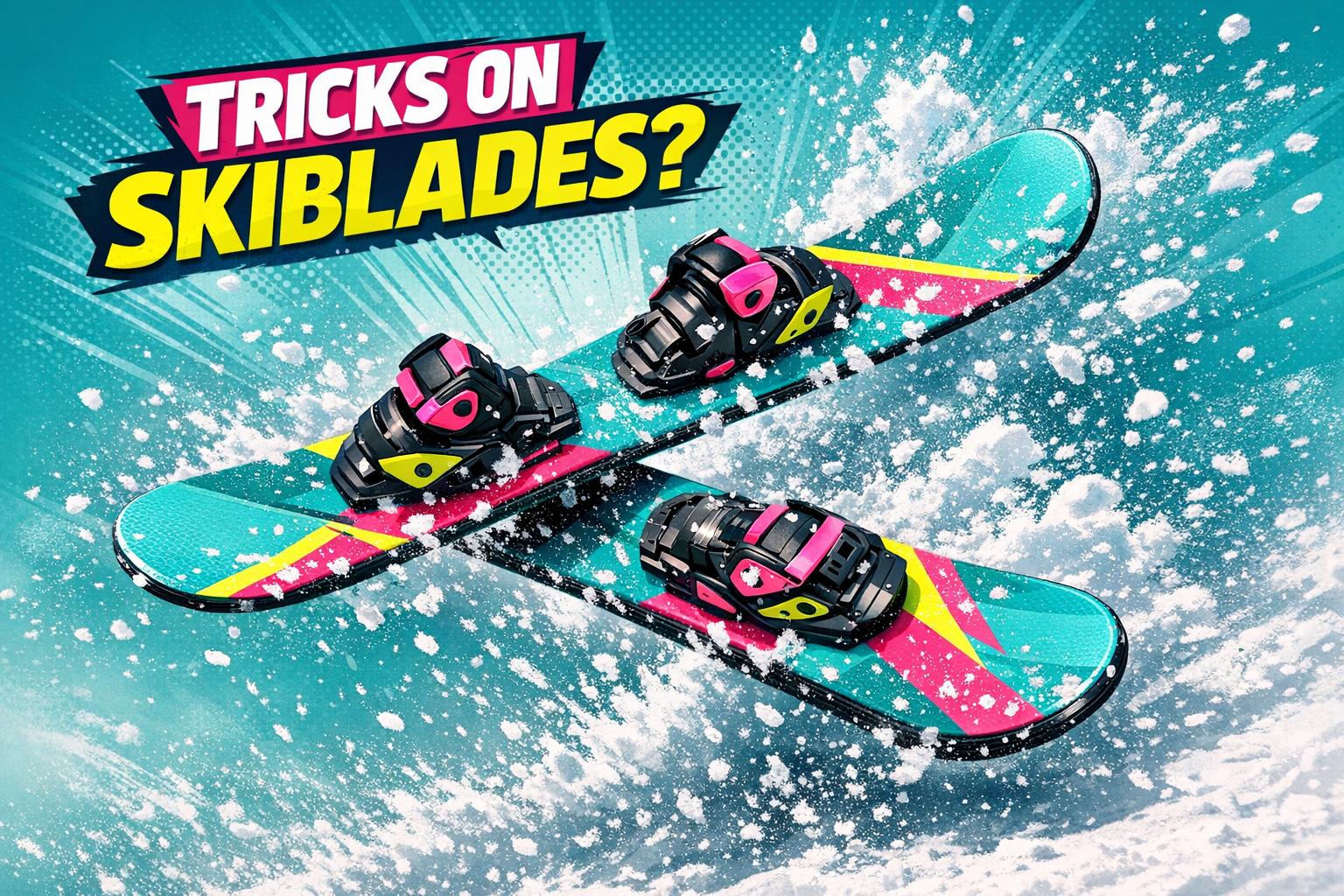
Struggling to learn skiing with long, heavy skis? Short skis, also known as skiblades, might be the solution you’ve been looking for. They’re lighter, easier to control, and help beginners learn faster without the frustration of constant falls or fatigue.
Here’s why skiblades are perfect for new skiers:
- Easier Turns & Better Control: Their compact size (26–47 inches) makes steering and turning a breeze.
- Faster Learning Curve: Many beginners master the basics on their first day.
- Lightweight & Portable: No more lugging around heavy, awkward gear.
- Versatile: Great for groomed runs, moguls, tree lines, and even terrain parks.
Snowfeet’s skiblades come in three sizes - 65 cm, 99 cm, and 120 cm - each designed for different skill levels and preferences. Whether you’re just starting out or ready to tackle steeper slopes, there’s a model for you. Prices range from $635 to $775, offering a fun, beginner-friendly alternative to long skis.
Say goodbye to clunky skis and hello to a smoother, more enjoyable ride!
Are Short Skis Better for Beginners?
What Are Skiblades and How Do They Work?
Skiblades are short skis, typically ranging from 2 to 4 feet in length (65–120 cm). Unlike traditional skis that often tower over the skier, skiblades are all about compact design and easy maneuverability. They’re built for quick turns, smooth handling, and, most importantly, having fun. While traditional skis are often about speed and precision, skiblades lean more toward playful, carefree rides. Think of them as the perfect middle ground for anyone looking to enjoy the slopes without the challenges of longer skis.
One of the unique aspects of skiblades is that they’re usually ridden without ski poles. Instead, you steer by shifting your weight and using your body’s movements. This hands-free style feels natural, especially for beginners who are still figuring out balance and turns. Plus, having free hands lets you focus entirely on your stance and flow.
Now, let’s dive into what makes Snowfeet* Skiblades stand out.
Main Features of Skiblades
Snowfeet* Skiblades come with adjustable bindings that work with ski boots, snowboard boots, or even regular winter boots. No need for special footwear here! The adjustable bindings make it easy to switch between different boot sizes, which is super handy if you’re sharing them with friends or family.
Another big plus? They’re lightweight and easy to carry. Unlike traditional skis that can feel like you’re lugging around a couple of logs, skiblades are much more portable. Whether you’re tossing them in the trunk of your car, hopping on public transportation, or strolling through the resort, they’re a breeze to bring along.
Why Skiblades Are Easier for Beginners
Skiblades are a game-changer for beginners. Their shorter length means you don’t have to wrestle with long, clunky skis every time you want to make a turn. This reduced length translates to less physical effort, so you can enjoy longer runs without feeling wiped out.
They’re also incredibly forgiving, thanks to their tight turning radius. This makes it easier to navigate turns without needing advanced skills. For beginners, this means fewer falls, more confidence, and faster progress. Instead of worrying about mastering complex techniques right away, you can focus on the basics like weight distribution and carving - and actually have fun while learning.
Why Snowfeet* Skiblades Work Best for New Skiers
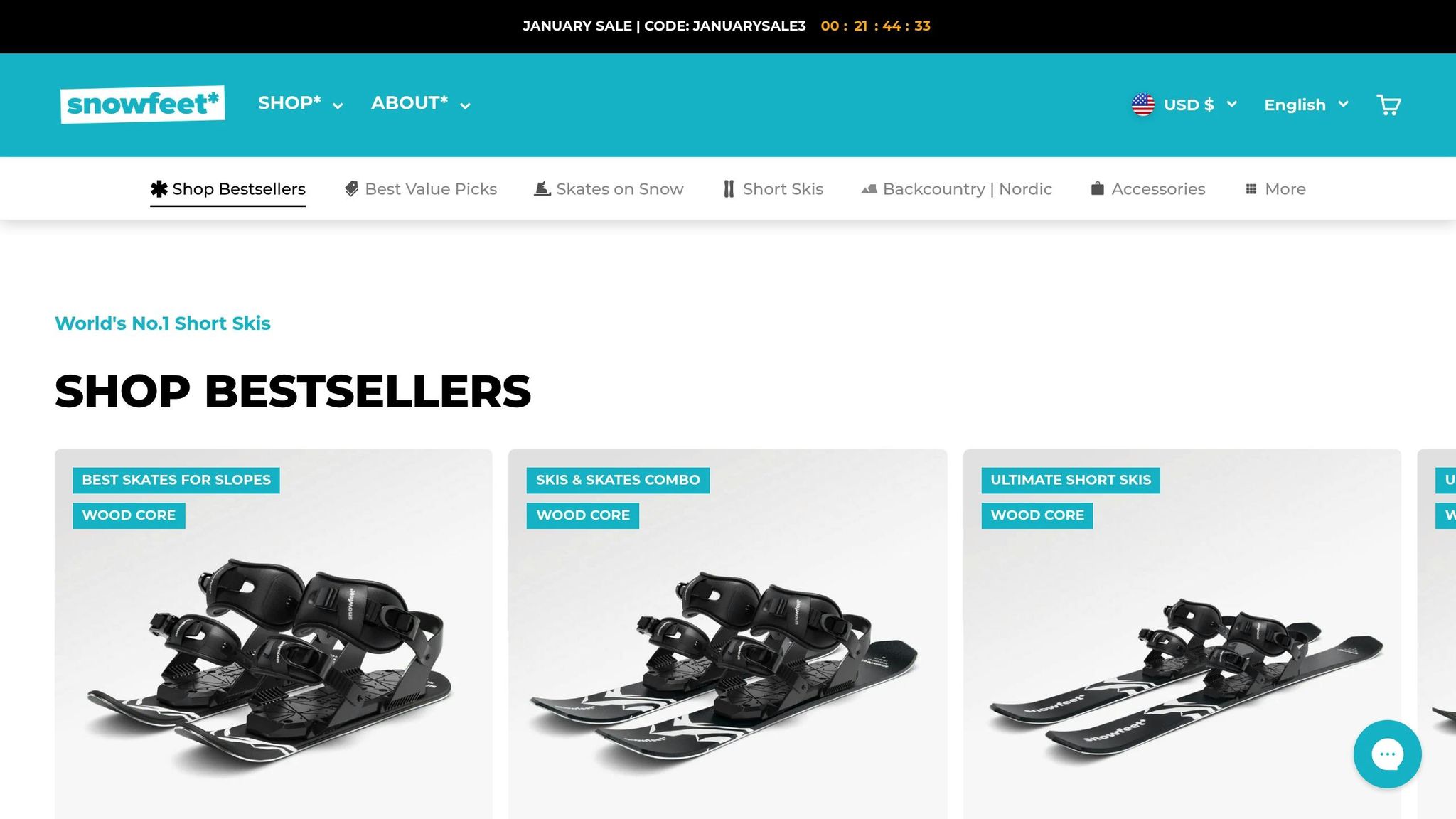
Snowfeet* Skiblades offer a fresh alternative for beginners, standing out from traditional ski options by brands like Rossignol, Salomon, and K2. Here's why they're a great choice for first-timers.
Better Control and Easier Turns
Forget wrestling with long, heavy skis. Traditional models from brands like Atomic or Head often measure 5 to 6 feet, making every turn a challenge. Snowfeet* Skiblades, on the other hand, are much shorter - ranging from 26 inches (65 cm) to 47 inches (120 cm). This compact size makes turning sharper, quicker, and more intuitive, even for absolute beginners.
Their wide base also helps center your weight, giving you precise control without the struggle. As the Snowfeet team explains:
Shorter skis are lighter and easier to handle, making them more maneuverable than longer skis.
This lightweight design isn’t just about ease of movement - it also means less physical strain. You’ll have more energy to ski longer, practice more, and enjoy the slopes without feeling wiped out.
Learn Skiing Faster
Snowfeet* Skiblades take the frustration out of learning. According to the Snowfeet team:
The learning process is very fast and simple - most skiers using short skis can get the hang of it on the first day.
Without the bulk of traditional skis, you can focus on the basics - like weight distribution, edge control, and body positioning - without feeling like you’re fighting your gear. The immediate responsiveness of these skiblades helps build confidence quickly, so you can move from basic turns to advanced carving techniques in no time. Plus, with faster progress, you’ll feel ready to explore a variety of terrains sooner than you’d expect.
Perform Well on Different Terrain Types
One of the standout features of Snowfeet* Skiblades is their versatility. Whether you’re carving on groomed runs, navigating moguls with tight turns, weaving through tree lines, or even hitting jumps in terrain parks, these skiblades adapt with ease. Unlike traditional setups that often require multiple pairs of skis for different conditions, Snowfeet* handle it all, letting you experiment and grow your skills without extra gear.
Easy to Carry and Store
Here’s a bonus: Snowfeet* Skiblades are super portable. They fit in a regular backpack, making them easy to carry on public transport or around the resort. At home, they don’t take up much space, tucking neatly into a closet. For beginners who might still be figuring out how committed they are to skiing, this low-maintenance storage solution is a game-changer compared to the bulk of traditional skis. No more lugging around heavy gear from the parking lot to the slopes - Snowfeet* make the whole experience simpler and more enjoyable.
sbb-itb-17ade95
How to Choose Your Snowfeet* Skiblades Model
Picking the right Snowfeet* Skiblades comes down to how much control, speed, and terrain versatility you need. With their easy handling and quick learning curve, Snowfeet* Skiblades offer three models - 65 cm, 99 cm, and 120 cm - each designed to suit different skiing preferences. Your decision should reflect your goals: Are you looking for maximum control, a balanced all-around experience, or stability at higher speeds?
Here’s a closer look at each model to help you find your perfect match.
Snowfeet Skiblades 65 cm: Maximum Control
The 65 cm model (26 inches) is the shortest option, making it incredibly easy to control. This is a great choice for beginners, younger skiers, or anyone lighter in weight who wants instant responsiveness. Its compact size allows for sharp, quick turns without much effort - your body naturally steers these skiblades where you want to go. If you’re nervous about starting out or want to focus on balance and edge control, this model is your best bet.
Priced at $635, it's perfect for groomed runs and skiers who prioritize maneuverability over speed.
Snowfeet Skiblades 99 cm: The All-Around Beginner Option
At 99 cm (39 inches), this model hits the sweet spot between control and stability. It’s forgiving enough for those early turns while offering the support needed to handle a mix of terrains. Whether you’re cruising groomed slopes, testing out moguls, or weaving through trees, this pair adapts to your needs. It’s also a solid pick for heavier skiers who need more float and support.
Starting at $675, the 99 cm skiblades are a versatile choice for beginners who want to explore different skiing styles without switching gear.
Snowfeet Skiblades 120 cm: Stability for Higher Speeds
The 120 cm model (47 inches) is the longest in the Snowfeet* lineup, built for those ready to pick up speed or tackle steeper slopes. While still shorter than standard skis from brands like Rossignol or Salomon, this model offers excellent stability and support, especially for taller or heavier skiers. It’s a great option if you’re comfortable with basic turns and want to challenge yourself with faster runs or more varied terrain.
Priced at $775, the 120 cm skiblades are ideal for beginners looking to transition smoothly into intermediate skiing.
Skiblades vs. Traditional Skis: What Beginners Need to Know
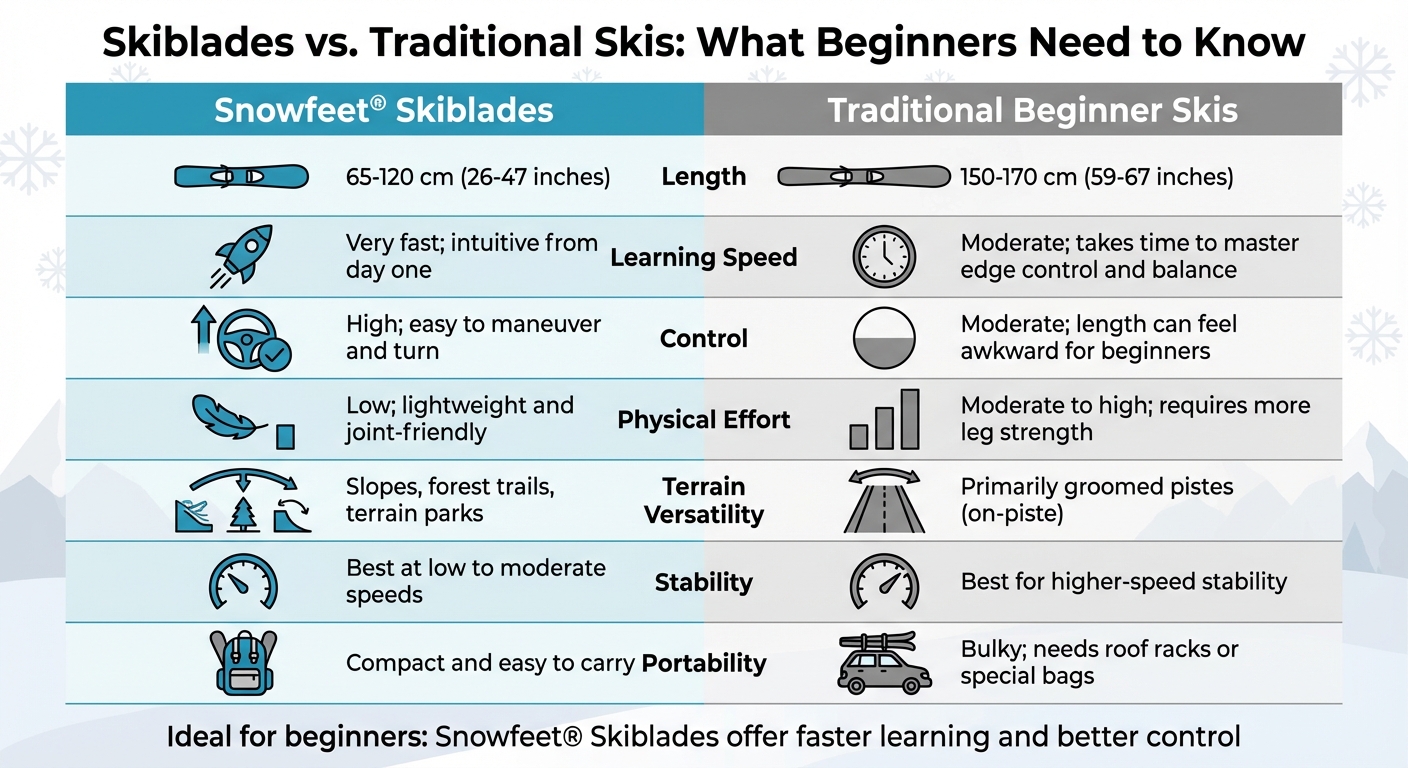
Skiblades vs Traditional Skis Comparison for Beginners
How Skiblades and Traditional Skis Differ
Let’s break down the key differences between skiblades and traditional skis, especially for beginners who are just starting out.
First up: length. Traditional beginner skis from well-known brands like Rossignol, Salomon, or K2 usually measure between 150–170 cm (59–67 inches). These are typically sized to be about 15–20 cm shorter than your height. On the other hand, Snowfeet* Skiblades are much shorter, ranging from just 65 cm to 120 cm (26–47 inches). This compact size makes skiblades lighter and easier to handle.
This difference in size has a big impact on performance. Traditional skis require more leg strength to control, especially during turns, because you’re managing a longer, heavier setup. Skiblades, being smaller and more responsive, reduce the physical effort needed, making them gentler on your legs and joints.
Where skiblades really stand out is maneuverability. Their shorter length makes quick, tight turns a breeze, which is great for navigating tricky terrain or avoiding obstacles. This agility helps beginners feel more in control and build confidence faster. Let’s take a closer look at how they compare in key areas.
Comparison Table: Skiblades vs. Traditional Skis
| Feature | Snowfeet* Skiblades | Traditional Beginner Skis |
|---|---|---|
| Learning Speed | Very fast; intuitive from day one | Moderate; takes time to master edge control and balance |
| Control | High; easy to maneuver and turn | Moderate; length can feel awkward for beginners |
| Physical Effort | Low; lightweight and joint-friendly | Moderate to high; requires more leg strength |
| Terrain | Slopes, forest trails, terrain parks | Primarily groomed pistes (on-piste) |
| Stability | Best at low to moderate speeds | Best for higher-speed stability |
| Portability | Compact and easy to carry | Bulky; needs roof racks or special bags |
Traditional skis are designed for stability at high speeds on groomed slopes, which is why experienced skiers often prefer them for racing or steep descents. But as a beginner, you’re not likely to be hitting those speeds just yet. Snowfeet* Skiblades offer better stability at the slower, more manageable speeds you’ll be skiing, giving you a smoother and more enjoyable learning experience.
Conclusion: Why Snowfeet* Skiblades Are the Best Choice for Beginners
Snowfeet* Skiblades are a game-changer for new skiers. If you've ever felt overwhelmed by the sheer size and weight of traditional skis, these skiblades are exactly what you need. With lengths ranging from 65 cm to 120 cm (about 26 to 47 inches), they're compact, lightweight, and much easier to control. That means less physical strain and more time enjoying the slopes.
For beginners, the biggest challenges are usually balance, control, and fatigue. Snowfeet* Skiblades tackle all of these head-on. Their design is so intuitive that many users pick up the basics in just minutes. As the saying goes, they're "long enough to ski, short enough to skate" - a perfect balance that lets you conquer the bunny slope quickly and move on to exploring groomed runs, forest trails, or even terrain parks.
Choosing the right model can make your experience even better. The 99 cm skiblades are an all-around favorite for learning, while the 65 cm version offers unmatched control in tighter spaces. If you're looking for more stability as you improve, the 120 cm option is a solid pick. And with prices ranging from $550 to $775, you're not just buying skiblades - you’re investing in faster learning and more fun on the mountain. Plus, with over 5,500 verified reviews, a 4.9/5 star rating, and a growing community of 50,000 riders, you know you're in good company.
Say goodbye to clunky, hard-to-manage skis and start enjoying the slopes from day one with Snowfeet* Skiblades.
FAQs
Why are skiblades a great choice for beginners compared to traditional skis?
Skiblades, like Snowfeet* Skiblades, are a great choice for beginners. Why? They’re shorter, lighter, and much easier to handle than traditional skis. Plus, their compact size means you can skip the poles, making them super portable and less overwhelming for someone just starting out.
The shorter length makes them incredibly easy to maneuver, which means you can pick up the basics faster and feel more confident on the slopes. And they’re not just beginner-friendly - they’re versatile too! You can tackle different types of terrain without dealing with the bulk of long skis. If you’re new to skiing, skiblades make hitting the slopes simple and, most importantly, fun!
Why are Snowfeet Skiblades a great choice for beginner skiers?
Snowfeet Skiblades are a great choice for beginners, thanks to their shorter length options (25.5 in, 39 in, and 47 in). The compact size makes turning feel more natural and less intimidating compared to traditional skis. You’ll find it easier to make smooth, quick turns without putting in too much effort, which can help you feel more in control and less worried about taking a tumble.
Weighing less than 4.4 lbs per pair, these skiblades are incredibly lightweight. That means less fatigue, so you can spend more time practicing on gentle slopes or flat terrain without wearing yourself out. Plus, because they’re easier to handle, you’ll pick up the basics up to 30% faster than you would with longer skis. The design also blends the stability of a snowboard with the edge control of skis, giving you a balanced and secure feel as you learn.
With their easy handling, lightweight design, and confidence-boosting features, Snowfeet Skiblades are an excellent way to kick off your skiing adventure.
Which Snowfeet Skiblade model is best for beginners with different needs?
Snowfeet offers three main skiblade lengths, each tailored to meet the needs of beginners with different preferences and goals.
- 65 cm Skiblades: These are the easiest to handle and cost $635. Their shorter length makes them super simple to control, which is great for building confidence and nailing quick turns on groomed slopes. If you're new to skiing or just want something highly maneuverable, this is the go-to option.
- 99 cm Skiblades: Priced at $675, these are a great middle ground. They offer more stability at higher speeds and on varied terrain, making them a solid pick for taller skiers or anyone looking to step up their skills quickly.
- 120 cm Skiblades: At $775, these are designed for advanced beginners who want to push the limits a bit. They deliver extra speed and stability without committing to full-length skis. These are especially suited for taller or heavier skiers who want a mix of control and performance on open slopes.
For most beginners in the U.S., the 65 cm model is the easiest to start with. The 99 cm model is perfect for those ready to tackle more challenging terrain, while the 120 cm model is ideal for anyone focused on speed and stability.











Leave a comment
This site is protected by hCaptcha and the hCaptcha Privacy Policy and Terms of Service apply.