



















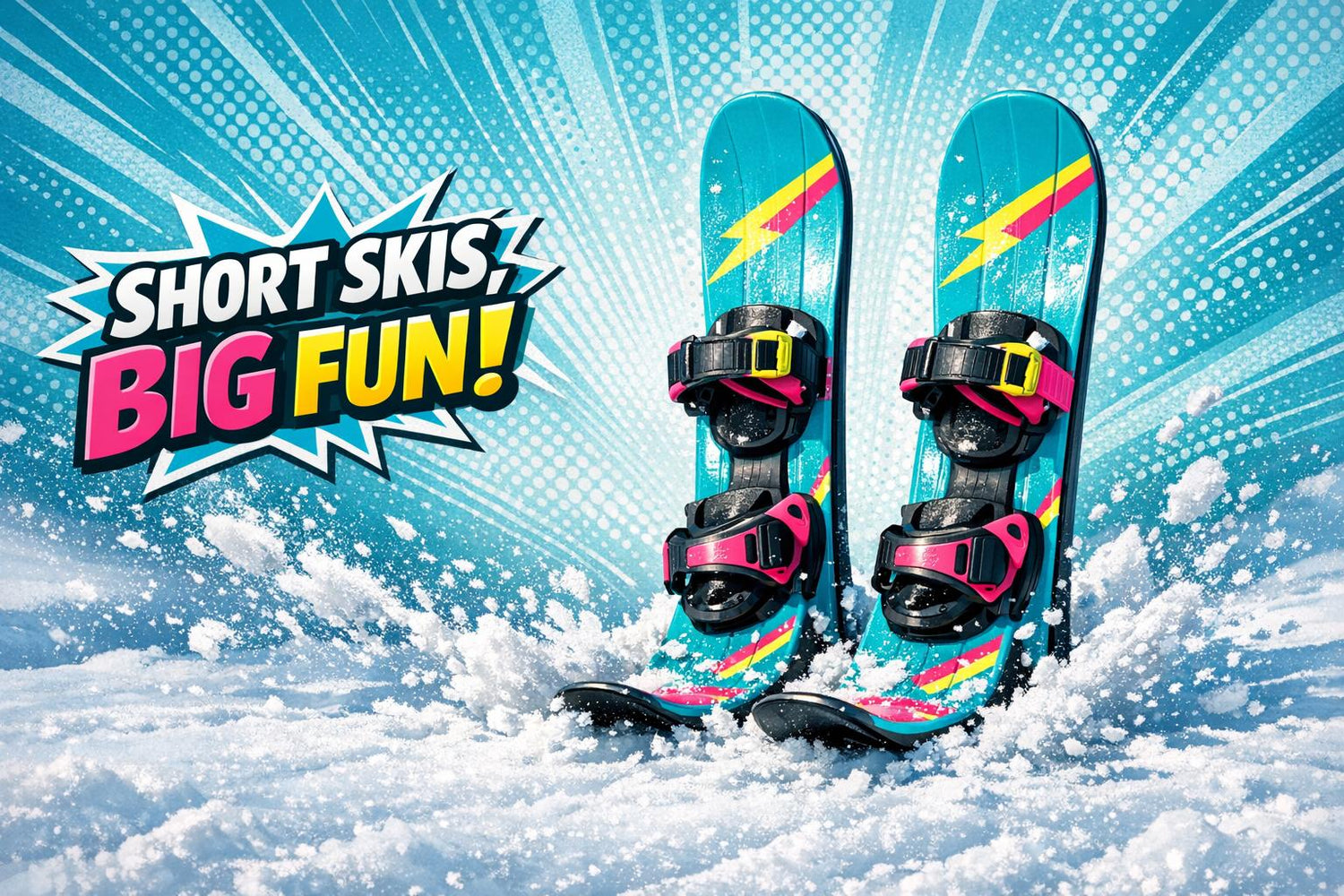
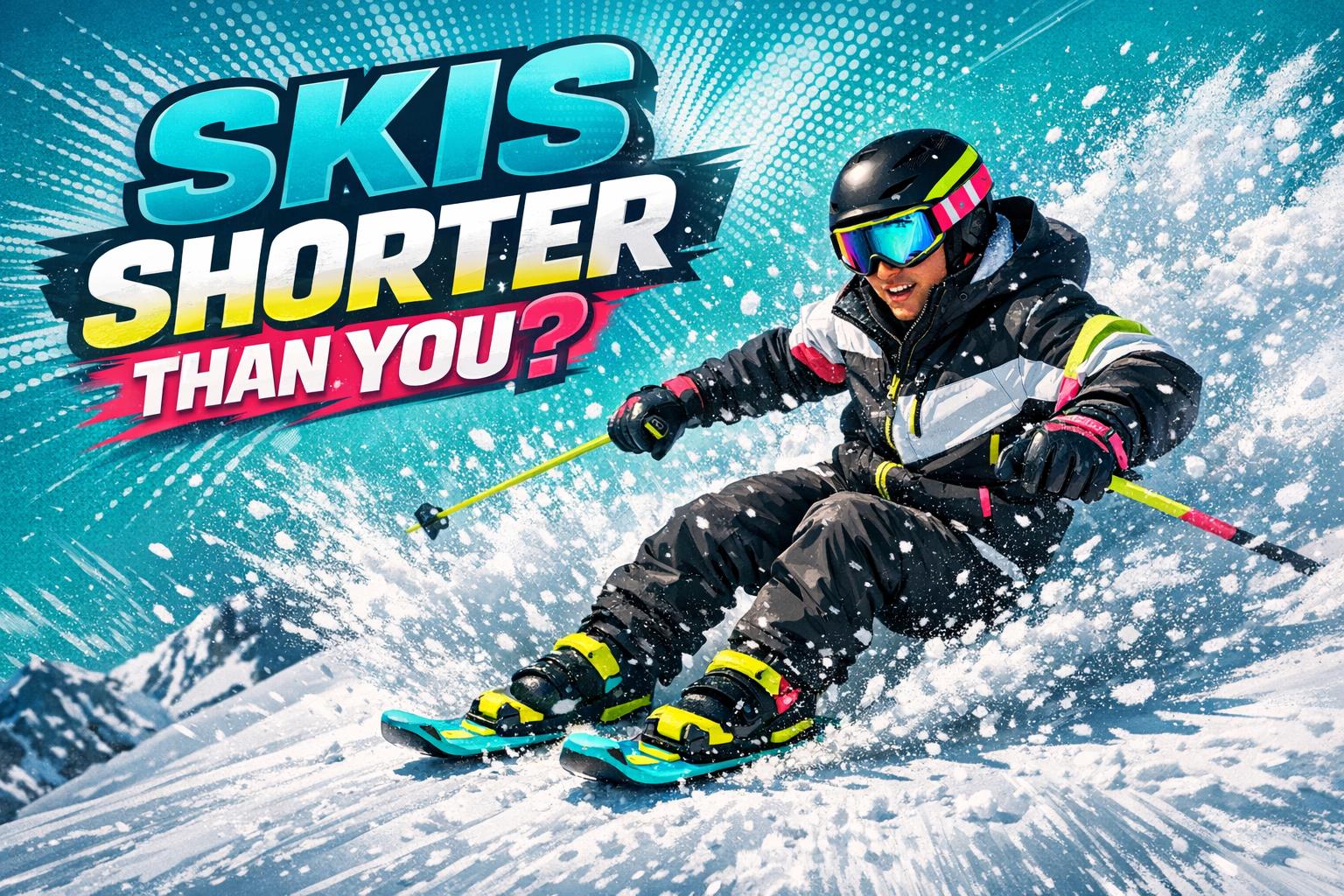
Ever feel like skiing gear is just too much? Short skis might be your solution. They're light, easy to carry, and simple to use - perfect for beginners or casual skiers. Snowfeet* offers options like Skiblades (65–120 cm) and Skiskates (44 cm) that fit in a backpack and work with regular winter or snowboard boots. No roof racks, no bulky gear, no hassle.
Here’s why they’re awesome:
- Easy to Learn: Feels like skating or rollerblading. Most people pick it up in minutes.
- Portable: Small enough to fit in a backpack. Say goodbye to oversized gear.
- Versatile: Great for groomed runs, parks, or even light hiking trails.
- No Special Boots Needed: Many models work with your regular boots.
Short skis aren’t ideal for deep powder or high-speed runs, but they’re perfect for quick turns and fun on the slopes. Whether you're a beginner or just want less gear to carry, these are worth a look. Prices start at $190 for the smallest models, making them an affordable, low-maintenance way to enjoy the snow.
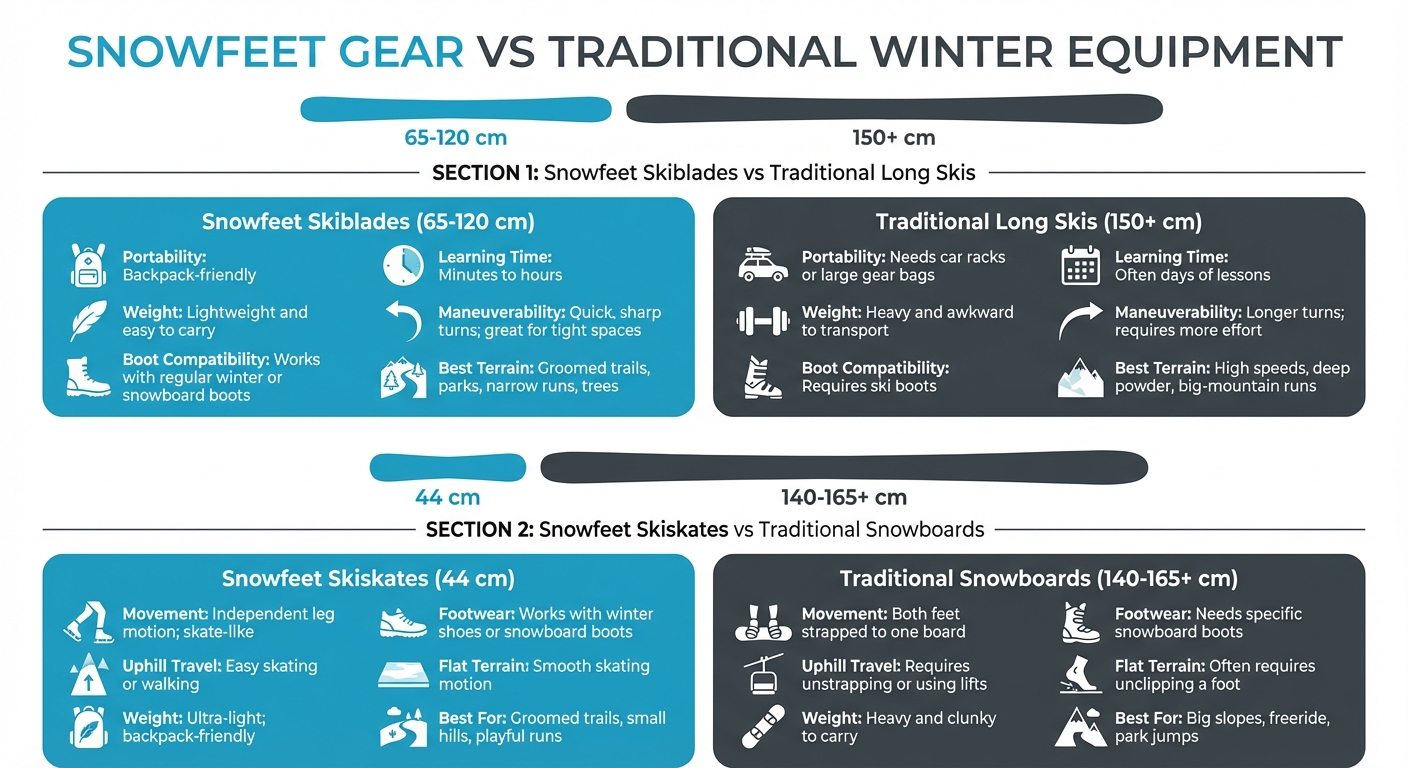
Snowfeet Short Skis vs Traditional Skis and Snowboards Comparison
Are Short Skis Better for Beginners?
What Are Short Skis?
Short skis are exactly what they sound like - compact versions of traditional skis, typically ranging from 38 to 140 cm in length. For comparison, traditional skis usually start at 150 cm and can go much longer. Their smaller size makes them incredibly portable; you can often stash them in a backpack or toss them into a car trunk without any hassle. Now, let’s dig into what makes short skis stand out and how they differ from their longer counterparts.
Short skis come in three main types:
- Skiskates: These are the smallest, usually under 50 cm, and combine the motion of skating with skiing.
- Skiblades: Ranging from 65 to 100 cm, these are like mini versions of traditional skis.
- Skiboards: The largest of the bunch, up to 140 cm, featuring a wider design inspired by snowboards.
Short Skis vs. Traditional Long Skis
The contrast between short skis and traditional long skis is pretty striking. Traditional skis are bulkier, heavier, and often require extra gear like roof racks or large bags for transport. Short skis, on the other hand, are lightweight and easy to carry. Their compact design allows for quick, sharp turns, while traditional skis are better for long, sweeping arcs that take more effort to execute.
Another cool feature of many short skis is the twin-tip design - curved ends on both sides - so you can ride forward or backward. Traditional skis, however, are usually built for one direction and need more specific techniques for turning.
| Feature | Short Skis | Traditional Long Skis |
|---|---|---|
| Length | 38–140 cm | 150 cm and above |
| Weight | Lightweight, easy to transport | Heavier; often requires special transport |
| Turning | Quick and responsive | Longer, smoother turns requiring more effort |
| Boot Compatibility | Works with winter shoes, snowboard boots, or ski boots | Typically requires ski boots |
These differences make short skis, like those from Snowfeet*, a popular choice for beginners looking for an easier way to hit the slopes.
Why Short Skis Are Simpler to Use
Short skis are a game changer for anyone new to skiing. Their lightweight and compact design means you don’t need as much muscle strength or endurance to control them. This reduces leg and back fatigue, making them more comfortable for longer outings. Plus, their natural stance - similar to ice skating or rollerblading - helps beginners feel more at ease on the snow.
"Short skis are easier in all means of the word: they feel lighter on your feet, they are easy to carry around, and they are easier to master." - Snowfeet Team
Most beginners can pick up the basics, like the "pizza" or snowplow technique, in just a day. These techniques work seamlessly with short skis, letting you control your speed without overthinking every move.
Another bonus? Many short ski models, such as Snowfeet's Skiblades and Skiskates, are compatible with standard winter or snowboard boots. That means less hassle with gear and more time enjoying the slopes.
Why Snowfeet* Short Skis Beat Traditional Skis and Snowboards
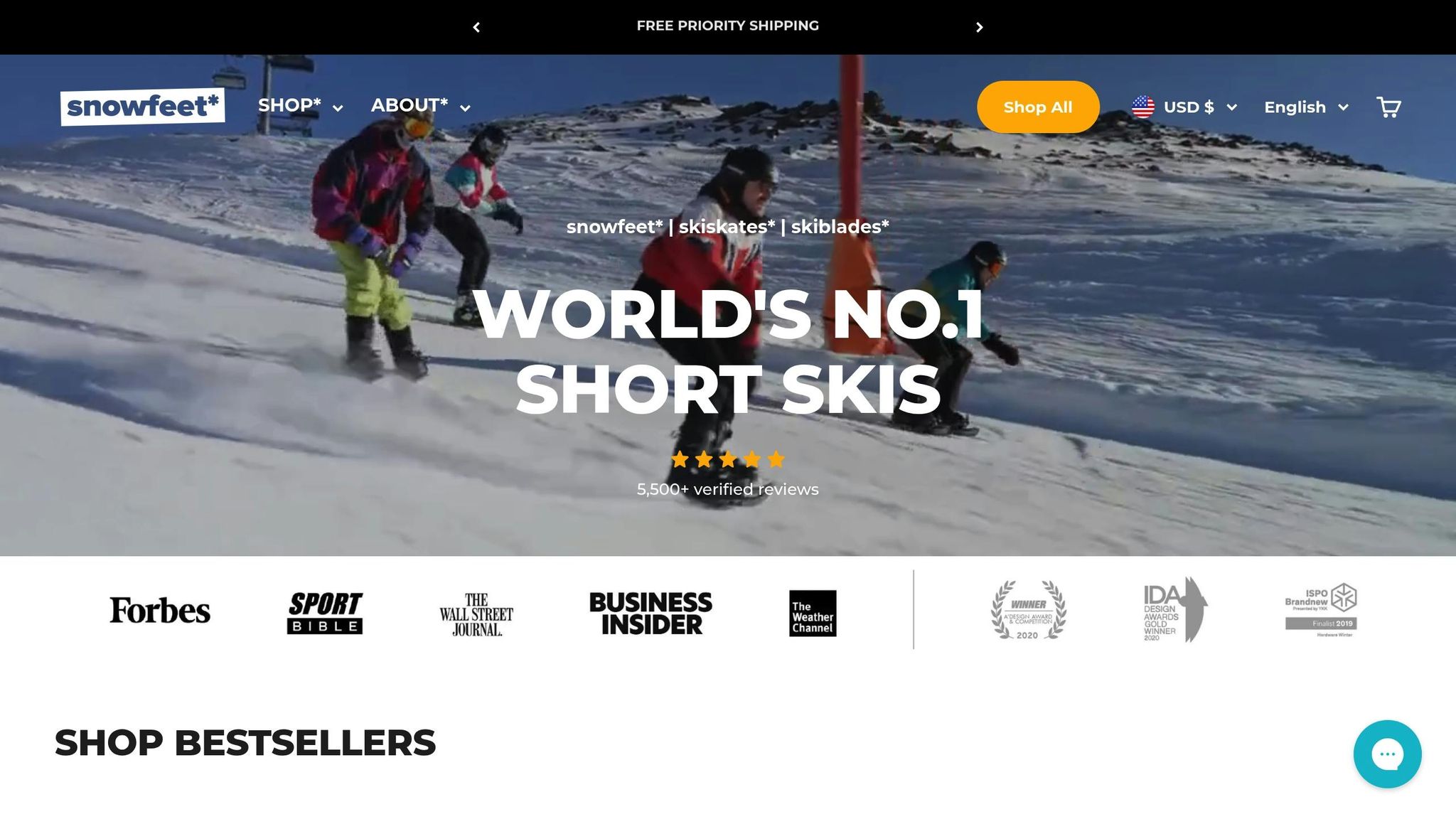
If you've ever wrestled with long skis in a crowded lift line or struggled to fit a bulky snowboard into your car, you know the headaches that come with traditional winter gear. Snowfeet* products strip away the hassle without taking away the fun. Here’s how each Snowfeet* product stacks up against its traditional counterpart.
Snowfeet* Skiblades (65 cm, 99 cm, 120 cm) vs. Traditional Long Skis
Snowfeet* Skiblades are a game-changer compared to the cumbersome 150+ cm skis you usually see at resorts. These compact skis can fit in a backpack, so you can leave the roof racks and oversized gear bags at home. Even better, they’re small enough to check as regular luggage when flying.
Their shorter length makes learning a breeze. While traditional skis can take days of lessons to master, beginners can often get the hang of Snowfeet* Skiblades in just a few hours. Thanks to their size, they’re super responsive, making tight turns on narrow trails, moguls, or through trees feel effortless. Plus, many models are compatible with regular winter boots or snowboard boots, saving you from the hassle (and discomfort) of specialized ski boots.
| Feature | Snowfeet* Skiblades (65–120 cm) | Traditional Long Skis (150+ cm) |
|---|---|---|
| Portability | Backpack-friendly | Needs car racks or large gear bags |
| Learning Time | Minutes to hours | Often days of lessons |
| Weight | Lightweight and easy to carry | Heavy and awkward to transport |
| Maneuverability | Quick, sharp turns; great for tight spaces | Longer turns; requires more effort |
| Boot Compatibility | Works with regular winter or snowboard boots (model-dependent) | Requires ski boots |
| Best Terrain | Groomed trails, parks, narrow runs, trees | High speeds, deep powder, big-mountain runs |
Sure, traditional long skis perform better at high speeds and in deep powder. But if you’re more into easy, fun, and portable gear for casual runs, Snowfeet* Skiblades are exactly what you need. They make winter adventures simple and fun for everyone.
Snowfeet* Skiskates (44 cm) vs. Traditional Snowboards
At just 44 cm, Snowfeet* Skiskates are all about convenience. Traditional snowboards, which range from 140 to 165+ cm, lock both feet onto one board, making it a hassle to walk, skate, or even handle flat terrain. Skiskates, on the other hand, let your feet move independently, so you can skate uphill, glide through lift lines, or adjust your stance with ease - kind of like ice skating or rollerblading.
"I hate getting stuck on a hill in skis because they're so long and bulky. Since these are shorter, you can just skate right up." - Sophia Kane
Skiskates also shine when it comes to portability. Snowboards are heavy and awkward to carry, but Skiskates are so light they fit into a regular backpack. You can hop on a bus, stash them in a locker, or carry them around with zero fuss. And since they work with regular winter shoes or snowboard boots, there’s no need to invest in extra gear.
| Feature | Snowfeet* Skiskates (44 cm) | Traditional Snowboards (140–165+ cm) |
|---|---|---|
| Movement | Independent leg motion; skate-like | Both feet strapped to one board |
| Uphill Travel | Easy skating or walking | Requires unstrapping or using lifts |
| Weight | Ultra-light; backpack-friendly | Heavy and clunky to carry |
| Footwear | Works with winter shoes or snowboard boots | Needs specific snowboard boots |
| Flat Terrain | Smooth skating motion | Often requires unclipping a foot |
| Best For | Groomed trails, small hills, playful runs | Big slopes, freeride, park jumps |
While snowboards are great for big-mountain freeriding and park tricks, Snowfeet* Skiskates are perfect for quick, playful runs on groomed trails, smaller resorts, and varied terrain. With over 50,000 riders worldwide and a stellar 4.9/5 star rating from more than 5,500 verified reviews, it’s clear that Snowfeet* is winning over winter enthusiasts everywhere. They make hitting the slopes simpler and more enjoyable for everyone.
Main Benefits of Snowfeet* Short Skis
Snowfeet* is all about keeping things simple for those who can’t stand the hassle of bulky winter gear. Here’s why these compact skis are a game-changer.
Easy to Learn for Beginners
Forget the struggle of long lessons - Snowfeet* makes learning a breeze. Most people pick up the basics in just 5 minutes. Why? The movement feels natural, like ice skating or rollerblading. Plus, the shorter design means no awkward, heavy skis to deal with. You can turn quickly, stop on a dime, and if you take a tumble, it’s easier (and safer) to get back up. And let’s not overlook how convenient it is to take these little guys anywhere.
Easy to Carry and Travel With
One of the best parts about Snowfeet* is how portable they are. They’re small enough to fit in a regular backpack - no need for roof racks or oversized ski bags like with traditional skis that can be over 150 cm long. Their lightweight build makes them easy to toss in your car, check as standard luggage, or store in a resort locker. Whether it’s a quick day trip or a weekend getaway, you’re always ready to hit the slopes.
Works on Different Types of Snow and Terrain
Snowfeet* isn’t just convenient - it’s versatile too. You can use them on a variety of terrains, from ski slopes and snow parks to cross-country trails, hiking paths, or even your backyard. Their compact size makes it easy to glide smoothly, even on flat ground or gentle slopes. As one happy user shared:
"I hate getting stuck on a hill in skis because they're so long and bulky. Since these are shorter, you can just skate right up." - Sophia Kane
Ski resorts also welcome Snowfeet* because their metal edges work just like those on traditional skis, giving you solid control in different snow conditions. It’s no wonder they’re a favorite alternative to standard skis and snowboards.
sbb-itb-17ade95
How to Choose the Right Snowfeet* Product
Choosing the right Snowfeet* gear boils down to your skill level, the terrain you plan to tackle, and your riding style. If you're already comfortable with ice skating, hockey, or rollerblading, the 44 cm Skiskates or 65 cm Skiblades might be your best bet. These models offer a skating-like experience that's perfect for those with prior experience. On the other hand, if you're new to skiing, the 99 cm Skiblades or 120 cm Short Skis provide extra stability, making them great for learning the ropes.
"Beginners may benefit from shorter, more manageable snowblades, however, they should aim for a minimum length of 90 cm, as anything shorter could complicate maintaining balance." - Snowfeet Team
Next up: terrain. If you're sticking to groomed slopes or love the idea of pulling off tricks in terrain parks, the 44 cm Skiskates are a solid choice - they're built for tight turns and creative moves. The 65 cm Skiblades shine when it comes to freestyle riding, quick turns, and navigating moguls. For those who want versatility across various conditions, the 99 cm Skiblades and 120 cm Short Skis are ideal. The 120 cm model, in particular, handles deeper snow like a pro, making it a go-to for powder days.
Snowfeet* Product Comparison
| Model | Length | Best For | Skill Level | Terrain | Price |
|---|---|---|---|---|---|
| Skiskates | 44 cm (17.3 in) | Skating on snow, tricks, tight spaces | Intermediate / Skaters | Groomed slopes, parks | From $575.00 |
| Skiblades | 65 cm (25.6 in) | Freestyle, moguls, rapid turns | Intermediate / Skaters | Slopes, parks, moguls | From $635.00 |
| Skiblades | 99 cm (39 in) | All-mountain carving, learning | Beginner to Advanced | All-mountain, groomed runs | From $675.00 |
| Short Skis | 120 cm (47.2 in) | Stability, powder, speed | Absolute Beginner | All-mountain, powder, open runs | $775.00 |
Unlike traditional long skis, which often exceed 160 cm (63 in), Snowfeet* products prioritize fun and maneuverability. While long skis are great for high-speed stability, they can't match the playful, portable nature of Snowfeet*. Plus, with their compact design, Snowfeet* gear is far easier to transport - perfect for quick trips or spontaneous adventures.
Getting Started with Snowfeet* Short Skis
What You Need to Set Up Snowfeet*
Setting up Snowfeet* gear is a breeze. The bindings attach directly to your boots - no tools or complicated adjustments needed - and you’re ready to hit the slopes in no time. Skiskates (44 cm) and Skiblades (65 cm, 99 cm, and 120 cm) are designed to work with ski boots or snowboard boots, depending on the binding type. Some models even fit regular waterproof winter boots, though snowboard boots offer better ankle support and control.
Make sure the bindings are secured tightly for a snug, reliable fit. Once your boots are clicked in, you’re good to go. With your gear ready, let’s dive into the basics of riding Snowfeet*.
Basic Riding Techniques
Riding Snowfeet* feels a lot like ice skating, using a natural skating motion that makes it easy to pick up. According to Snowfeet*, beginners can grasp the basics in just 5 to 10 minutes.
Keep your weight centered as you ride, especially when carving turns. If you feel unstable at higher speeds, try shifting your weight slightly forward. For stopping, you can use a hockey stop by turning your feet perpendicular and engaging the inside edge of the Snowfeet*. Many models also come with a heel brake - just drag it to slow down.
Stick to groomed slopes or gentle hills while getting the hang of things. This controlled environment helps build confidence and lets you master basic maneuvers before tackling more challenging terrain. Avoid deep powder (anything over 4 inches) and extremely steep or bumpy areas while you’re still learning. One great perk of Snowfeet*? If you end up on flat terrain or need to climb uphill, you can simply skate your way up - no need to wrestle with bulky, traditional skis.
With over 50,000 riders worldwide and an impressive 4.9/5 rating from 5,500+ verified reviews, Snowfeet* makes learning fun and straightforward. It’s all about enjoying the ride while keeping things simple.
Conclusion
Sick of lugging around oversized ski gear? Snowfeet* short skis offer a lightweight, portable alternative. Whether you're eyeing the ultra-compact 44 cm Skiskates for that "skating-on-snow" vibe or the 99 cm and 120 cm Skiblades for carving turns, these skis are small enough to fit in your car trunk and easy enough to pick up in just minutes. No more roof racks, pricey lessons, or unnecessary headaches.
And don’t let their size fool you - short skis aren’t slow. They’re built for fun and control. While traditional long skis shine in deep powder or at extreme speeds, Snowfeet* short skis dominate on groomed slopes, moguls, and narrow trails. For most skiers hitting U.S. resort groomers, the added agility and ease of use make them a no-brainer.
The Snowfeet* community loves the freedom these skis bring. From navigating tight trails to skating uphill on flat terrain, they offer versatility that traditional skis just can’t match.
Starting at just $190 for the 38 cm Mini Ski Skates, Snowfeet* products are not only wallet-friendly but also save you from oversized baggage fees and the hassle of hauling bulky gear through crowded resorts. They’re a more affordable and convenient option compared to traditional setups, which often require extra gear and lessons.
Ready to simplify your winter adventures? Pick the Snowfeet* model that fits your style, and enjoy a hassle-free, fun-filled time on the slopes.
FAQs
How do short skis compare to traditional skis?
Short skis, like Snowfeet Skiblades (65–120 cm) and Skiskates (44 cm), are all about agility, simplicity, and having a blast on the slopes. They’re super lightweight, easy to carry around, and make quick, sharp turns a breeze. This makes them a great option for beginners or anyone who just wants a fun, playful snow experience. Their smaller size is less intimidating, easier to control, and helps you pick up the basics faster than traditional skis. Bonus points: they’re budget-friendly, portable, and can often fit right into a backpack!
Traditional skis, by contrast, shine when it comes to high-speed stability, deep carving, and tackling powder snow. But they come with some trade-offs - they’re bulkier, heavier, and require specialized boots, which can make them pricier and less convenient, especially for casual or first-time skiers. So, if you’re looking for a hassle-free, versatile way to enjoy the snow, short skis like Snowfeet might just be your perfect match!
Can I use my regular winter boots with Snowfeet short skis?
Yes, you can! Snowfeet short skis are made to work with most regular winter boots or sturdy winter shoes, so you don’t need to worry about lugging around bulky, specialized ski boots. This makes them super convenient and perfect for anyone, whether you're new to the slopes or just want an easy, no-fuss way to enjoy the snow.
Their lightweight, compact design means they’re a breeze to carry around and way simpler to use than traditional skis. Just strap them onto your winter boots, and you’re all set for a fun and unique snow adventure!
What types of terrain are ideal for short skis?
Short skis shine when it comes to weaving through tight spots like moguls or narrow trails. If you’re into making quick, sharp turns, these are your go-to. They’re great for tackling slopes, hitting up ski parks, or even zipping around smaller spaces - yes, even that snowy patch in your backyard. Their compact size makes them super easy to manage, delivering a fun and low-maintenance alternative to traditional skis or snowboards.












Leave a comment
This site is protected by hCaptcha and the hCaptcha Privacy Policy and Terms of Service apply.