
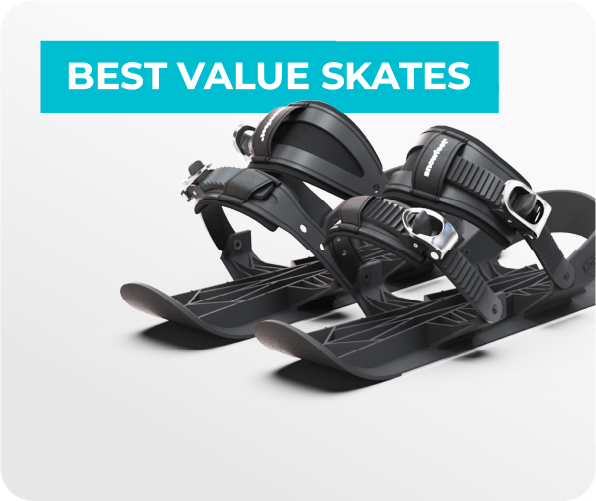
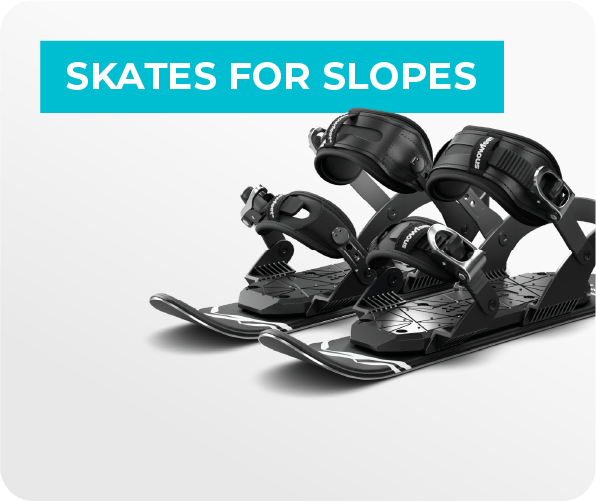
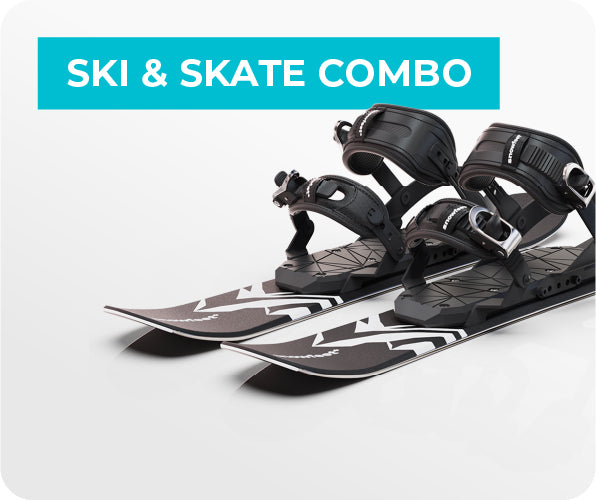
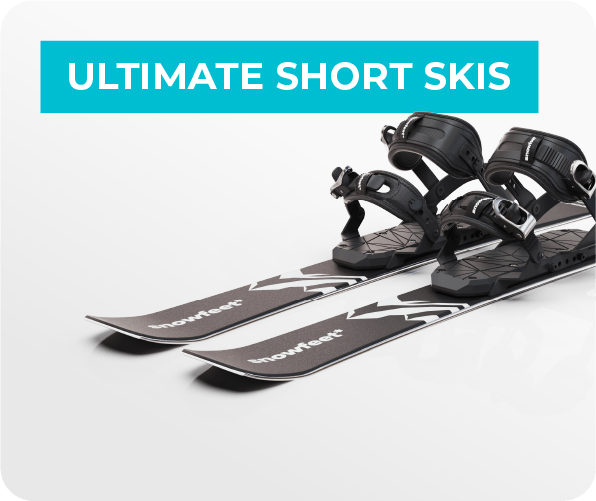
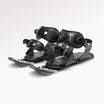
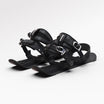
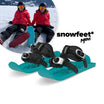
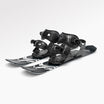
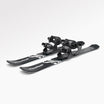
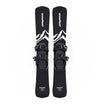
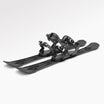
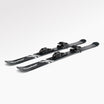
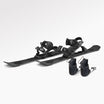
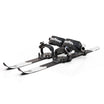

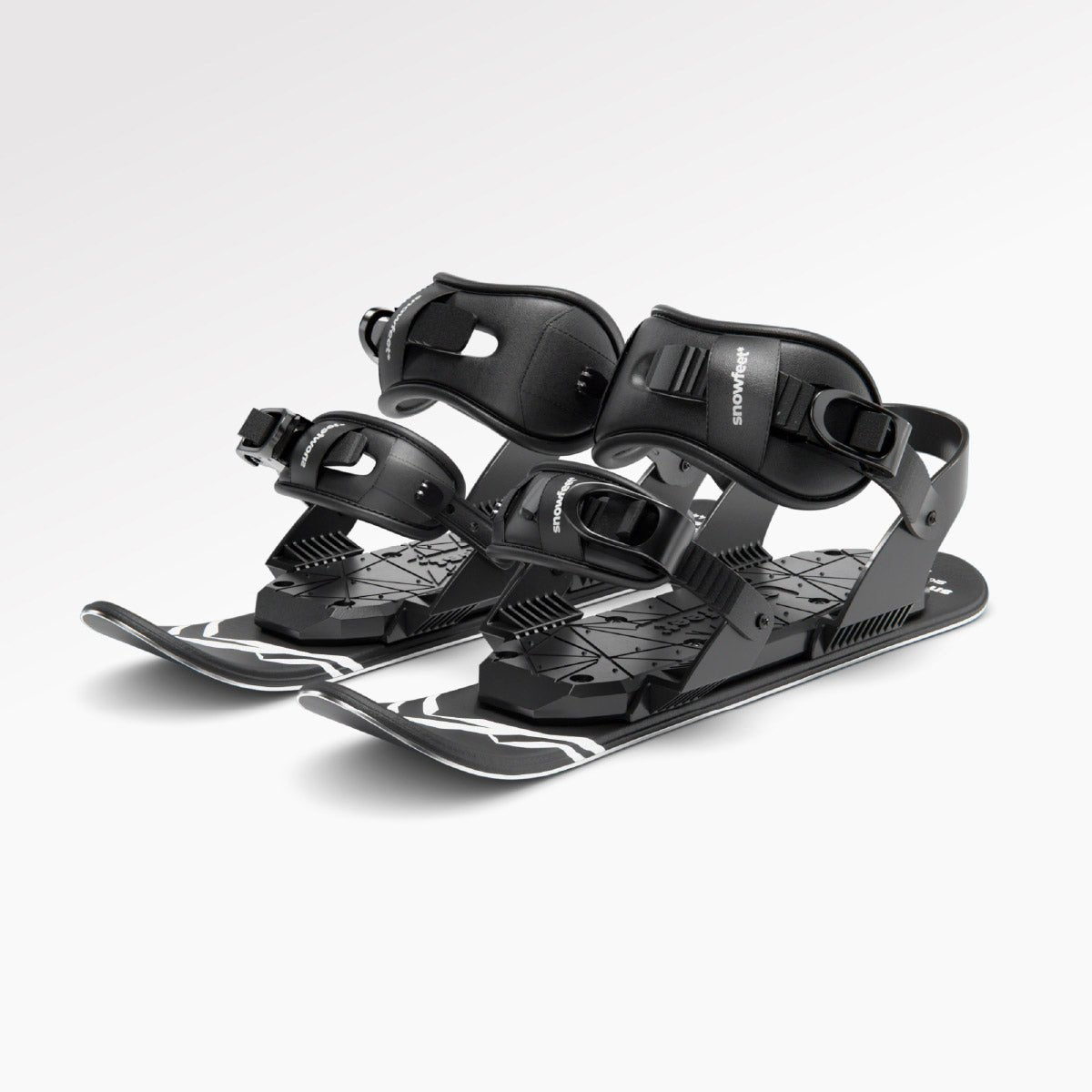
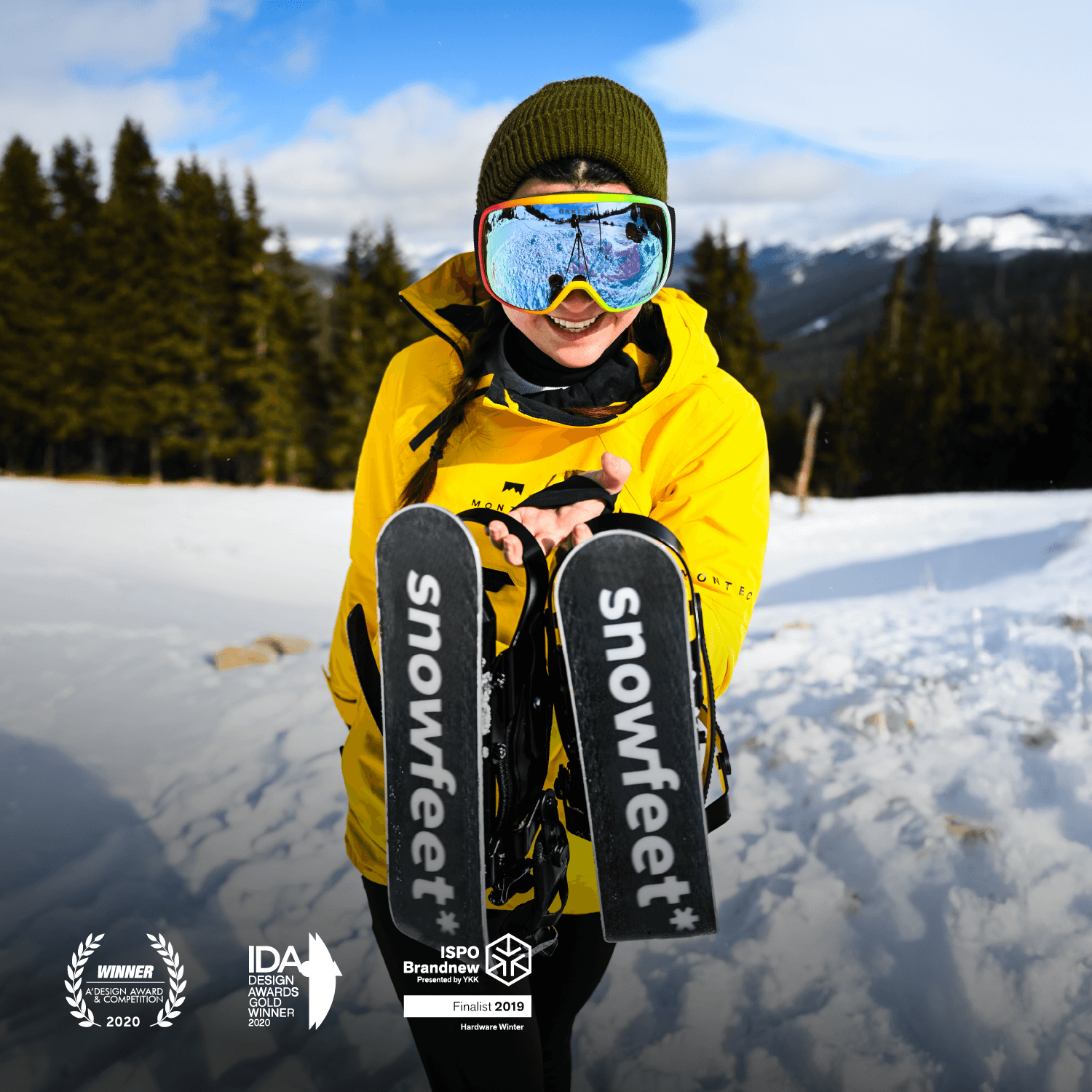
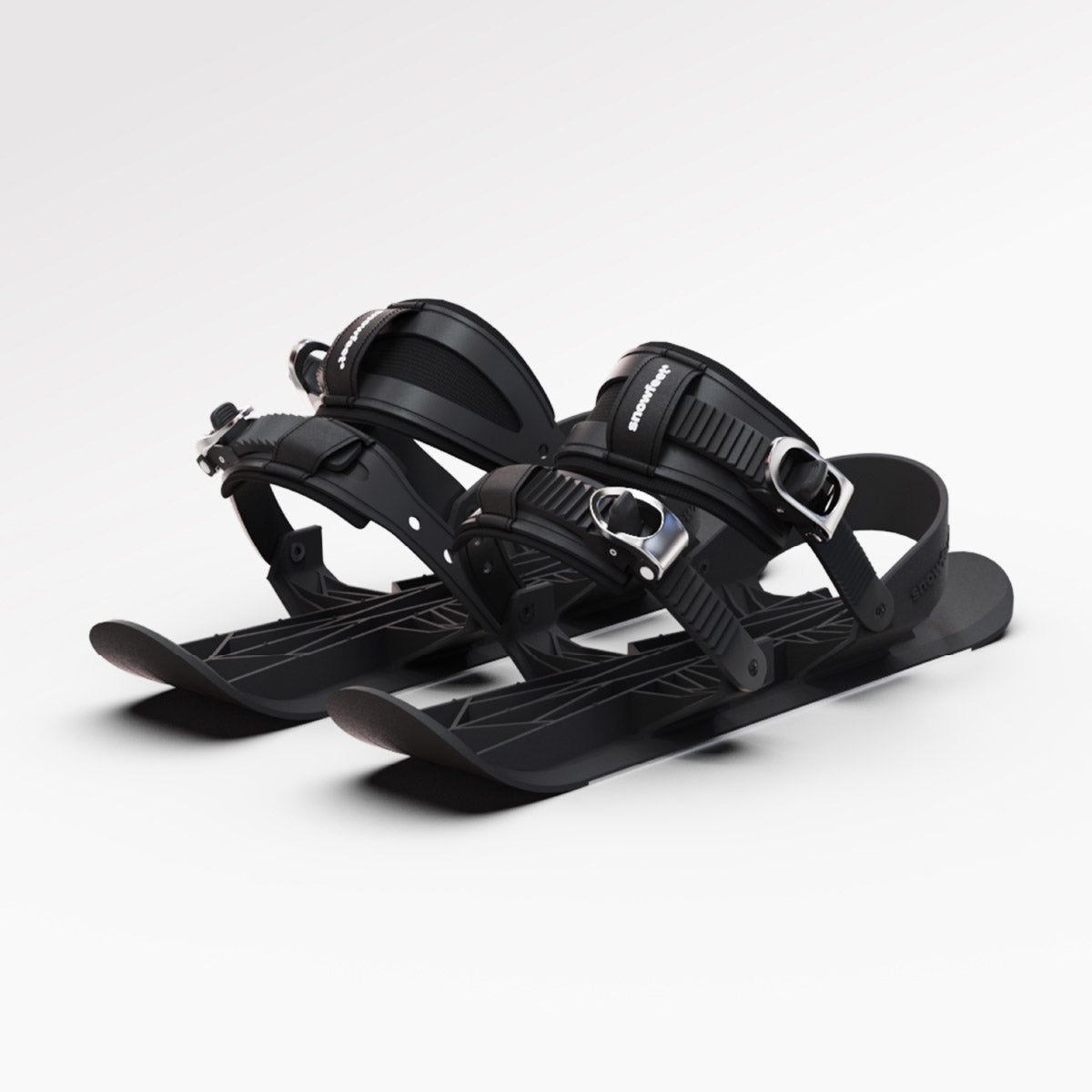
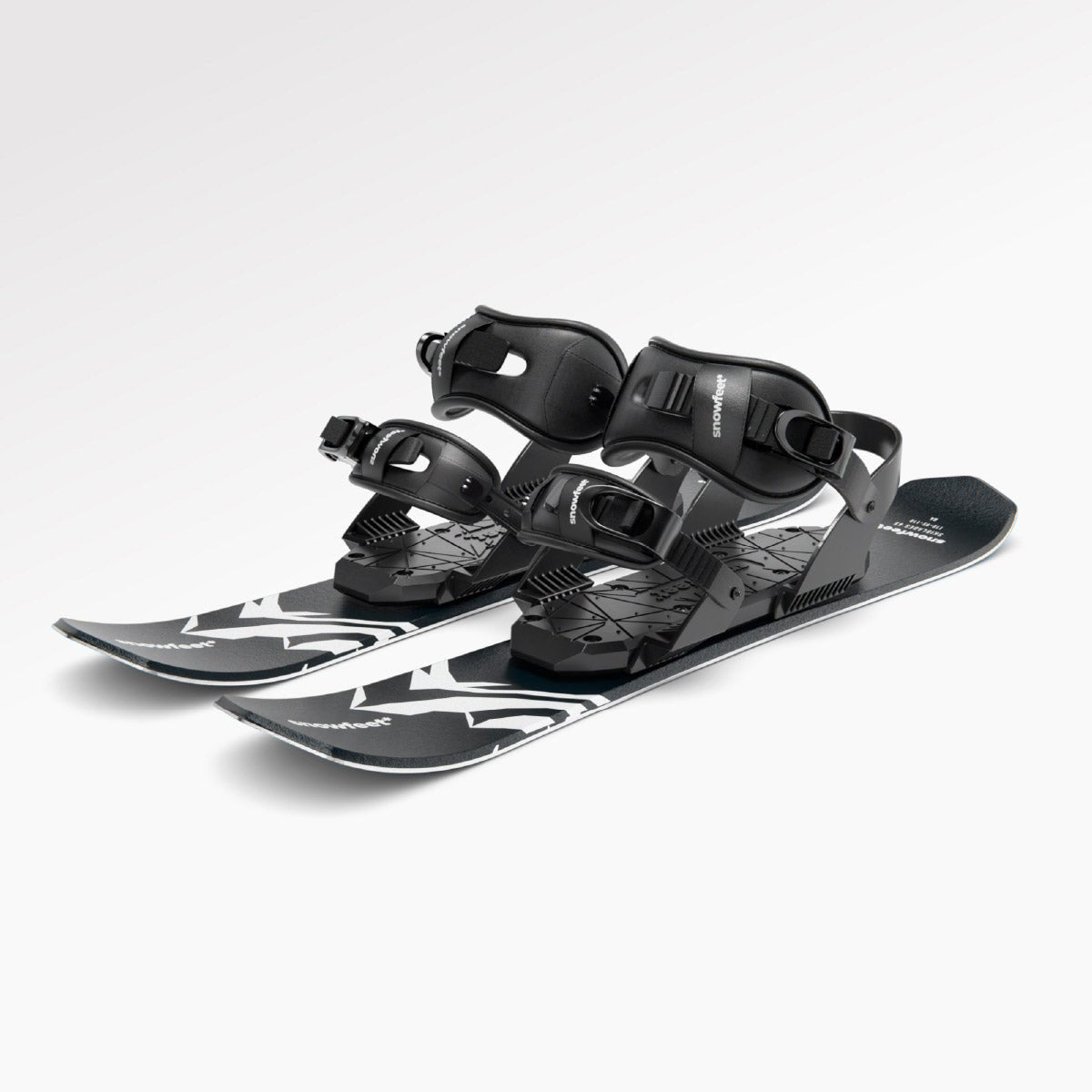
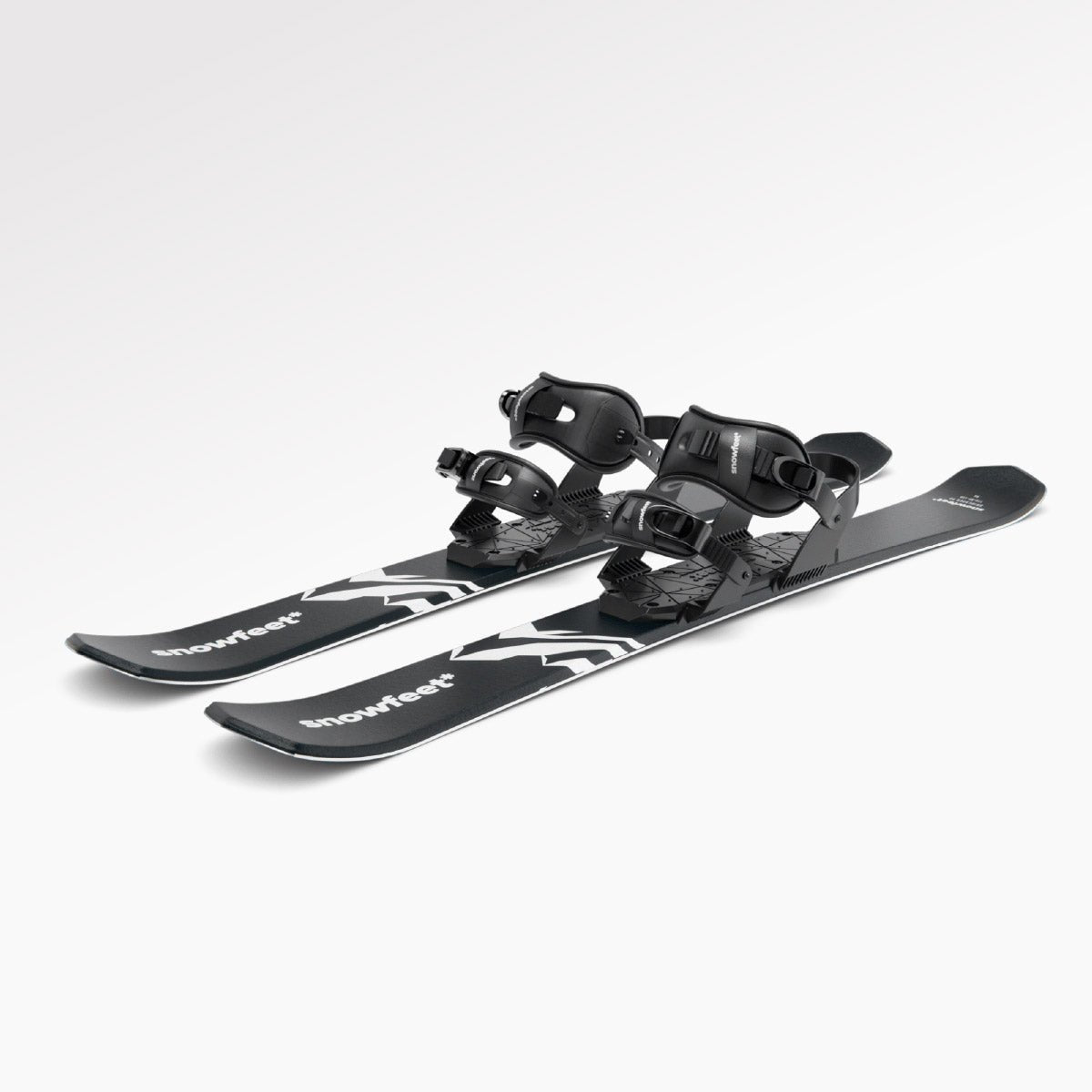
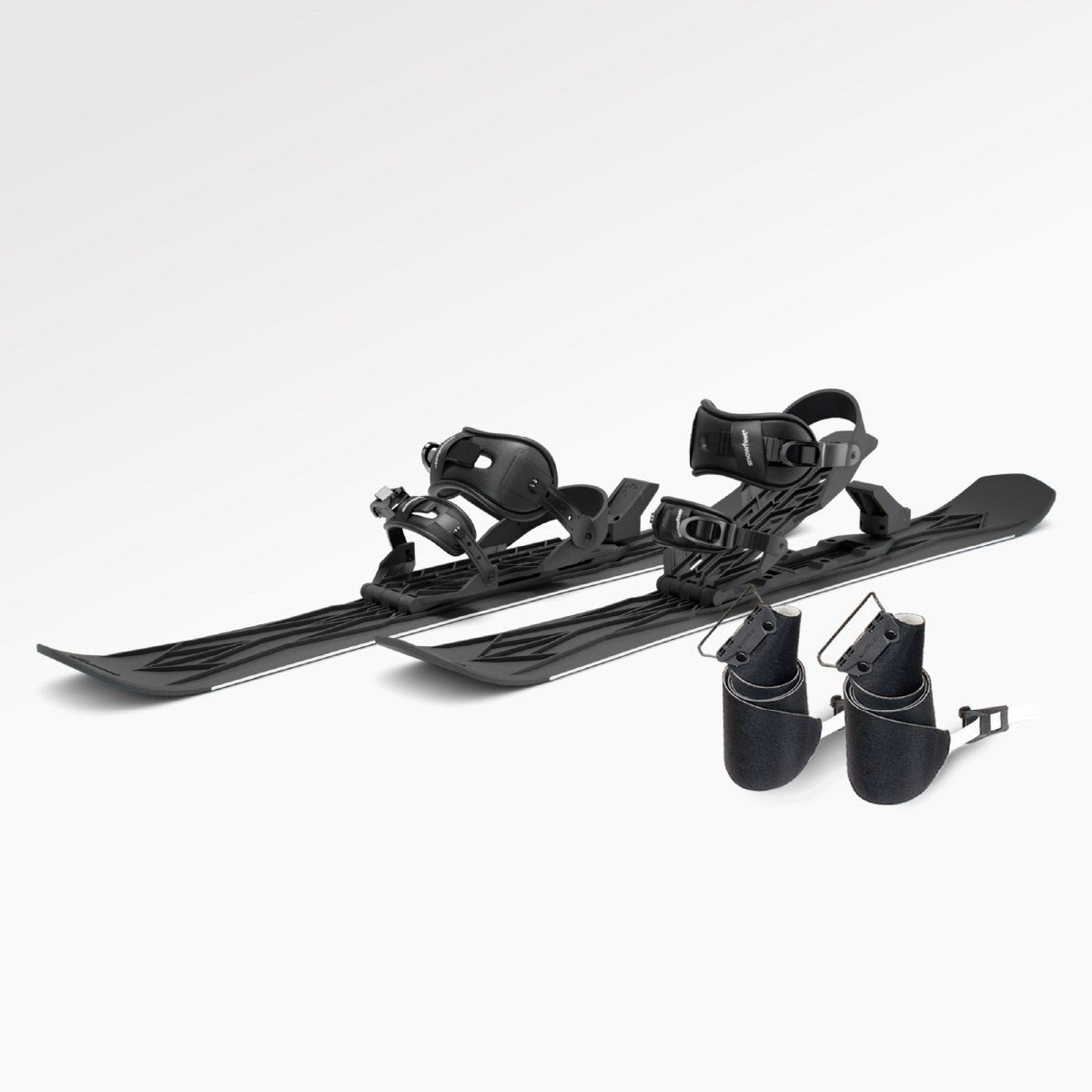
Learning to parallel turn on skis can take weeks, but with Snowfeet Skiblades, you can nail it in just 10 minutes. These short, lightweight skiblades (65–120 cm) are easier to control than regular skis, making them perfect for beginners. You don’t even need ski boots - just strap them onto your winter shoes or snowboard boots and you’re good to go.
Here’s why they work so well:
- Compact size: Easier to maneuver, no ski tips crossing.
- Lightweight: Less strain on your knees.
- Wider base: Extra stability for balance.
- Quick learning curve: Get the hang of parallel turns in minutes.
With over 50,000 riders and a 4.9/5 rating from 5,500+ reviews, Snowfeet Skiblades are a proven game-changer. Starting at $450, they’re portable, easy to use, and super fun. Ready to hit the slopes and master your turns? Let’s dive into how to do it step by step.
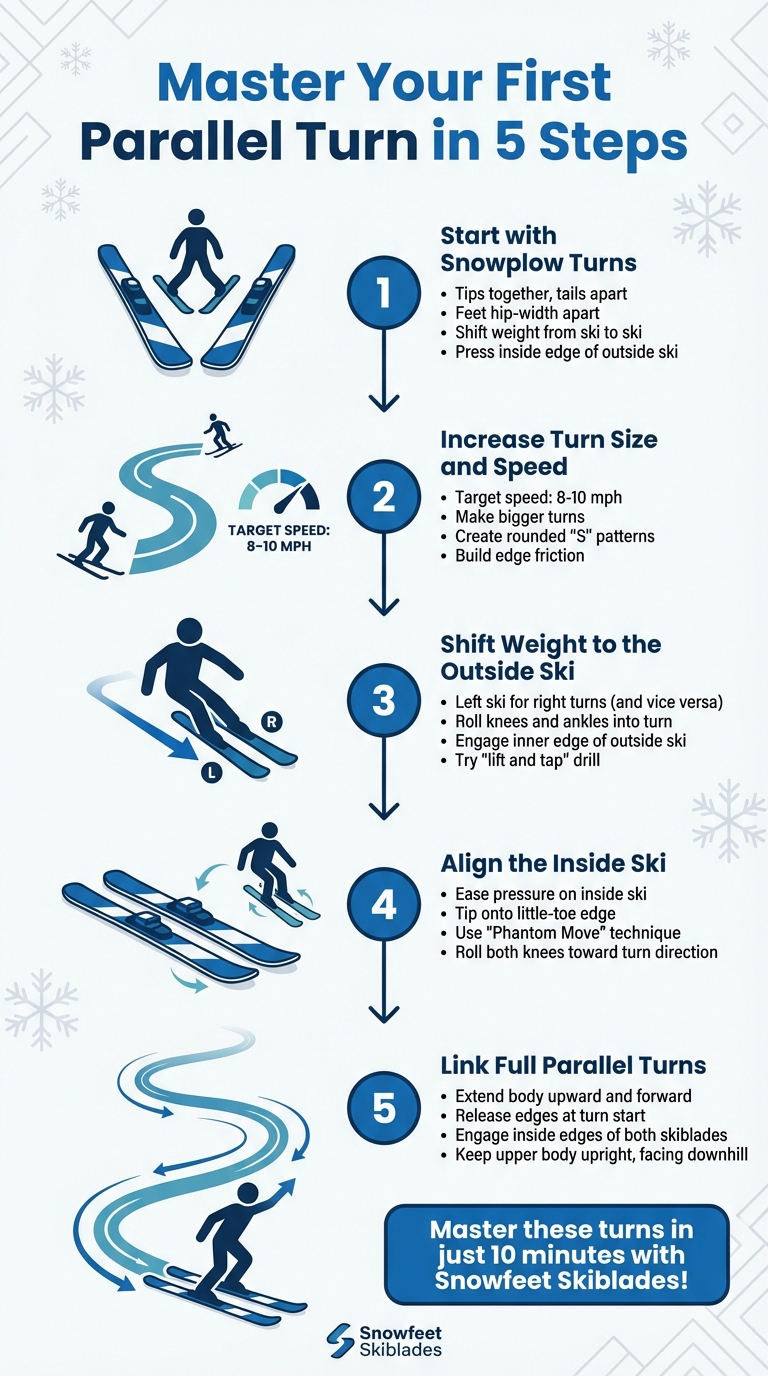
5-Step Guide to Master Parallel Turns on Skiblades
Why Snowfeet* Skiblades Work Better for Learning Parallel Turns

Lightweight and Compact Build
Snowfeet* Skiblades are designed with lengths ranging from 65 cm to 120 cm, making them much shorter than traditional skis, which often exceed 150 cm. This compact size eliminates the awkwardness of handling longer skis, especially for beginners who frequently struggle with crossing ski tips. The shorter length gives you better control and maneuverability, making it easier to focus on learning the basics without the added frustration.
Their lightweight design also minimizes strain on your knees, which is a game-changer when you're practicing turns and stops. Plus, the wider base provides extra stability, helping you maintain balance from your very first run. This combination of features makes the learning process less tiring and more intuitive, allowing you to enjoy your time on the slopes without feeling overwhelmed.
Faster Learning Process
With Snowfeet* Skiblades, you can master parallel turns much faster than with traditional skis. While it might take 10–20+ days to get the hang of parallel turns on regular skis, Snowfeet* Skiblades can get you there in just minutes. Their shorter effective edge makes it easy to release your edges and pivot smoothly into a parallel position. The responsive design reacts quickly to even the slightest weight shifts, giving you a sense of control right from the start.
As one user, Daniel Siouffi, shared:
"Going fast I was in complete control of every move, turns, and stops... with such ease and with so much control."
This ease of use also means you can practice more often, even on varied terrains, speeding up your overall skill development. Next, we’ll explore how Snowfeet* Skiblades stack up against traditional skis and snowboards.
How Snowfeet* Skiblades Compare to Traditional Skis and Snowboards
Traditional skis often require a lot of leg strength to initiate turns and demand constant effort to stay in control. Snowfeet* Skiblades, on the other hand, include professional-grade metal ski edges, offering excellent grip for carving and executing precise stops, but in a much more beginner-friendly package. Even getting on and off chairlifts is easier with Snowfeet*. Their forward-facing design eliminates the need to unbuckle or reposition yourself, saving you time and hassle.
| Feature | Snowfeet* Skiblades | Traditional Skis |
|---|---|---|
| Length | 65–120 cm | 150–200+ cm |
| Learning Time | ~5 minutes | 10–20+ days |
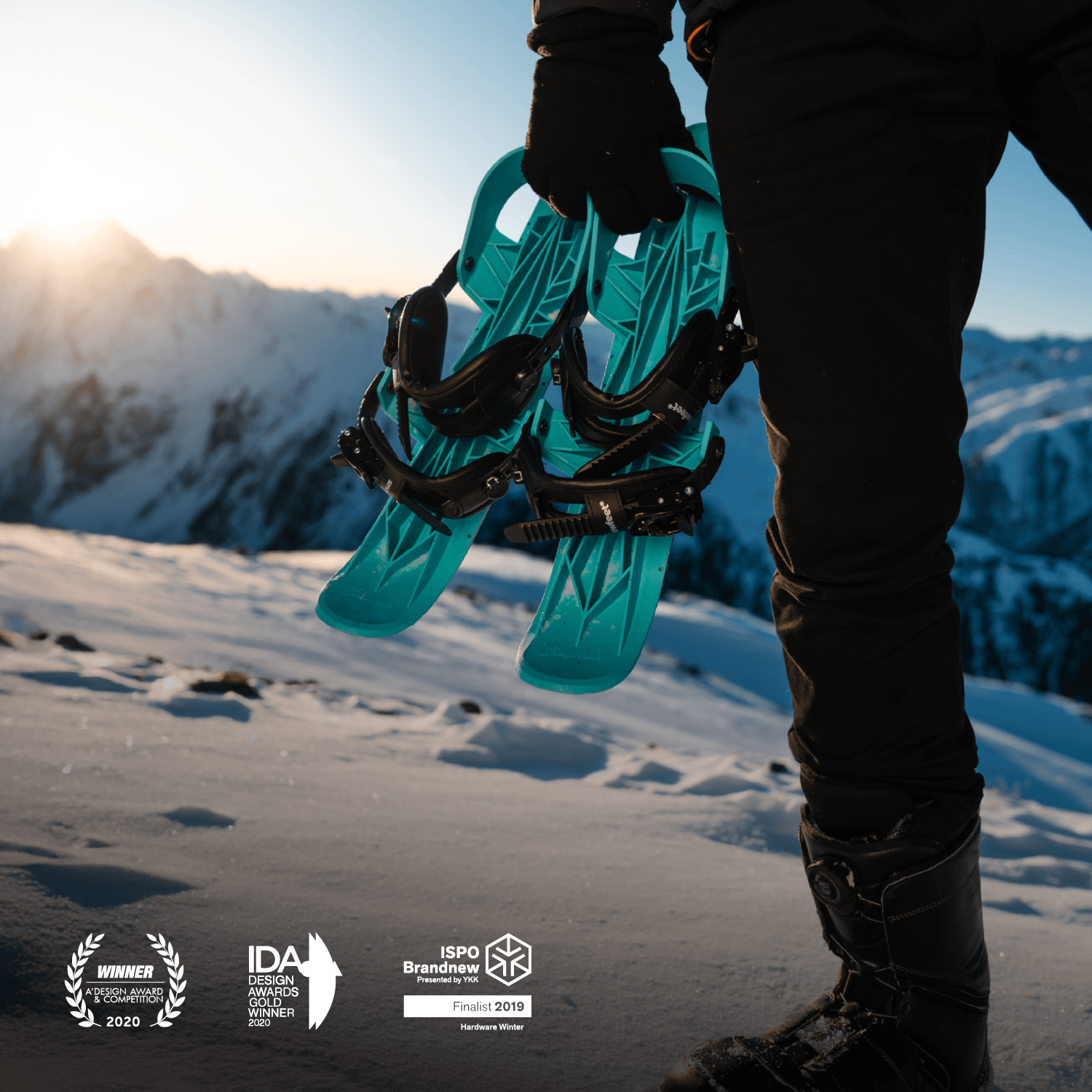
| Portability | Fits in a backpack | Requires roof rack |
| Posture | Upright | Forward-leaning |
With over 50,000 riders and a 4.9/5 rating from more than 5,500 verified reviews, Snowfeet* Skiblades have proven to be a quicker and more accessible way to learn parallel turns. They provide the precision and control you need to confidently navigate the slopes while keeping things fun and manageable.
How to Master Your First Parallel Turn on Snowfeet* Skiblades
Step 1: Start with Snowplow Turns
Begin on a gentle slope, keeping your Snowfeet* Skiblades in a wedge shape - tips together, tails apart. Position your feet hip-width apart, bend your knees slightly, and press your shins lightly against the front of your boots . Practice snowplow turns to get a feel for your skiblades. Their short length makes these initial turns easier. Focus on shifting your weight from one ski to the other as you turn, pressing on the inside edge of the outside ski . Once you’re comfortable, start working on larger, faster turns.
Step 2: Increase Turn Size and Speed
When you've got the hang of basic snowplow turns, it’s time to make them bigger and pick up some speed - aim for about 8 to 10 mph. This speed creates enough friction for the edges of your skiblades to respond smoothly, making it easier to carve rounded "S" turns .
Step 3: Shift Weight to the Outside Ski
Learning to transfer your weight is the key to mastering parallel turns. As you start a turn, shift most of your weight to the outside ski (your left ski if turning right, and your right ski if turning left) . Use your knees and ankles to roll into the turn, engaging the inner edge of the outside ski. To check your balance, try the "lift and tap" drill: during a wedge turn, lift the tail of your inside (uphill) ski slightly and tap it on the snow. If this feels natural, your weight is correctly centered. The lightweight design of Snowfeet* Skiblades makes this weight transfer feel smooth and less tiring. Once this becomes second nature, you’re ready to align your skis.
Step 4: Align the Inside Ski
Here’s where it all starts to come together. While turning with your weight on the outside ski, ease up on the pressure on your inside (uphill) ski. Tip it onto its little-toe edge so it lines up with the angle of your outside ski. This move, often called the "Phantom Move", naturally brings your skiblades into a parallel position. Roll both knees in the direction of the turn, and your inside ski will align effortlessly. Keeping the inside ski slightly ahead can help your knee bend properly and maintain balance.
Step 5: Link Full Parallel Turns
Now that both skiblades are parallel, you’re ready to connect full turns. Start each turn by extending your body upward and forward, releasing the edges and allowing the tips to angle downhill into the fall line . Roll your knees and ankles toward the turn to engage the inside edges of both skiblades . Keep your upper body upright and facing downhill while your lower body does the steering. Thanks to the precision and stability of Snowfeet* Skiblades, you’ll feel confident as you link these turns - even if you’re just starting out.
Tips for Improving Your Parallel Turns with Snowfeet* Skiblades
Release Your Edges for Smoother Turns
Timing is everything when it comes to flattening your skiblades. By easing off the edges at just the right moment, you allow the blades to slide sideways, giving you better control over your speed and avoiding those frustrating edge catches. To do this, use your feet and shins to guide the movement. This controlled skidding is a game-changer, especially during transitions.
Here’s a drill to try: find a moderate slope, stand across the fall line, and flatten both skiblades until they begin to slide. Then, roll them back onto their edges to come to a stop. Snowfeet* Skiblades, being shorter and lighter than regular skis, make this process less physically demanding - perfect for beginners and seasoned riders alike. Once you’ve nailed this, you’ll be ready to move on to the next step in perfecting your turns.
Add a Pole Plant for Better Timing
A well-timed pole plant can make all the difference. Right before each turn, give your downhill pole a quick flick - don’t lean on it, just use it as a guide. This small movement helps you establish a rhythm, naturally releases your edges, and keeps your upper body steady while your legs handle the work. As NewToSki puts it:
"The pole plant acts like a round-about for your skis and signals an upcoming turn".
Snowfeet* Skiblades are incredibly light and responsive, which makes them ideal for pairing with this technique. The pole plant adds an extra layer of control and precision, helping you link smooth, confident turns.
Practice on Different Types of Terrain
Start simple. Groomed green or blue runs are the best places to begin, as the packed snow offers excellent grip for carving. These wide slopes also give you plenty of room to experiment with larger turns. Once you’re comfortable, move on to rolling terrain. The small hills and dips will challenge your rhythm and timing, sharpening your overall technique.
Snowfeet* Skiblades shine on groomed snow and can even handle light powder up to 4 inches deep. As you grow more confident, you’ll find yourself exploring more of the mountain and tackling varied terrain with ease.
sbb-itb-17ade95
How to Ski | 7 Steps to Parallel Turns
Conclusion
Learning your first parallel turn doesn’t have to be a long, frustrating process. With Snowfeet* Skiblades, you can pick up the basics in just 10 minutes. Unlike traditional skis that might take days to master, these skiblades make the learning curve much shorter.
Their compact design makes them super responsive and forgiving - two qualities that are perfect for beginners. Plus, they’re lightweight and easy to carry, work great with comfortable snowboard boots, and come with metal edges for reliable stopping power. These features combine to create a smoother, more enjoyable experience on the slopes.
With over 5,500 verified reviews (4.9/5) and more than 50,000 riders worldwide, Snowfeet* has already made waves in the skiing world. Just ask Andrew B., a satisfied user, who said:
"These skiblades are so much fun and easy to control. Never going back to regular skis."
Starting at $450 for the 100 CM version and $550 for the 65 CM option, Snowfeet* Skiblades are an affordable, beginner-friendly, and portable alternative.
So, if you’ve been putting off learning to ski or just want a hassle-free way to enjoy the slopes, Snowfeet* Skiblades might be exactly what you need. Get ready to hit the snow and see how they can transform your skiing experience!
FAQs
What makes Snowfeet Skiblades better for beginners compared to traditional skis?
Snowfeet Skiblades are an excellent choice for beginners, thanks to their compact size (26–47 inches) and lightweight build. Unlike traditional skis, these are much easier to handle, making it simpler to turn and stop. This means you can build your confidence and balance in minutes instead of spending days trying to get the hang of it. Plus, their forgiving design lets you recover from mistakes quickly and enjoy smooth, agile turns - even at slower speeds.
What really sets Snowfeet Skiblades apart is their portability and convenience. Traditional skis are longer, heavier, and require more skill and strength to manage. Snowfeet, on the other hand, are small enough to fit in a backpack and work with regular ski or snowboard boots - no need for special bindings. They’re also easier on the wallet, with prices typically ranging from $390 to $540. While traditional skis might offer better stability at high speeds, Snowfeet Skiblades focus on making carving and movement control simple, which is perfect for anyone just starting out.
Can I use Snowfeet Skiblades on different types of terrain?
Snowfeet Skiblades are like the Swiss Army knife of snow gear - they can take on just about anything. Groomed slopes? Check. Cross-country trails? No problem. Powder, tight tree lines, or even the park for some tricks? Yep, they’re ready for all of it.
Their compact size and lightweight build give you incredible control and agility, making them a blast for anyone, whether you’re new to the slopes or a seasoned pro. Plus, they’re perfect for situations where traditional skis or snowboards might feel bulky and awkward.
What are the steps to quickly learn parallel turns with Snowfeet Skiblades?
Mastering parallel turns with Snowfeet Skiblades is quick and approachable, thanks to their short length and lightweight build. To get started, stand with your feet shoulder-width apart, keep your knees slightly bent, and center your weight. Stay upright - no leaning back - so you have better balance and control.
When you're ready to turn, use your ankles and knees to roll inward and engage the skiblades' edges. Let your lower body handle the movement while keeping your upper body steady. Think of the process in three steps: gently tip the inside edge to kick off the turn, increase the edge angle for control as you move through the turn, and then gradually release the edge to wrap it up.
Practice on smooth, gentle slopes to build confidence. With lengths ranging from 65 cm to 120 cm, Snowfeet Skiblades give you more control and let you complete turns in tighter spaces compared to traditional skis. Spend some time practicing, and you’ll be carving smooth parallel turns before you know it!




Leave a comment
This site is protected by hCaptcha and the hCaptcha Privacy Policy and Terms of Service apply.